Why Fall Is Actually The Best Time To Plant A Redbud In Georgia
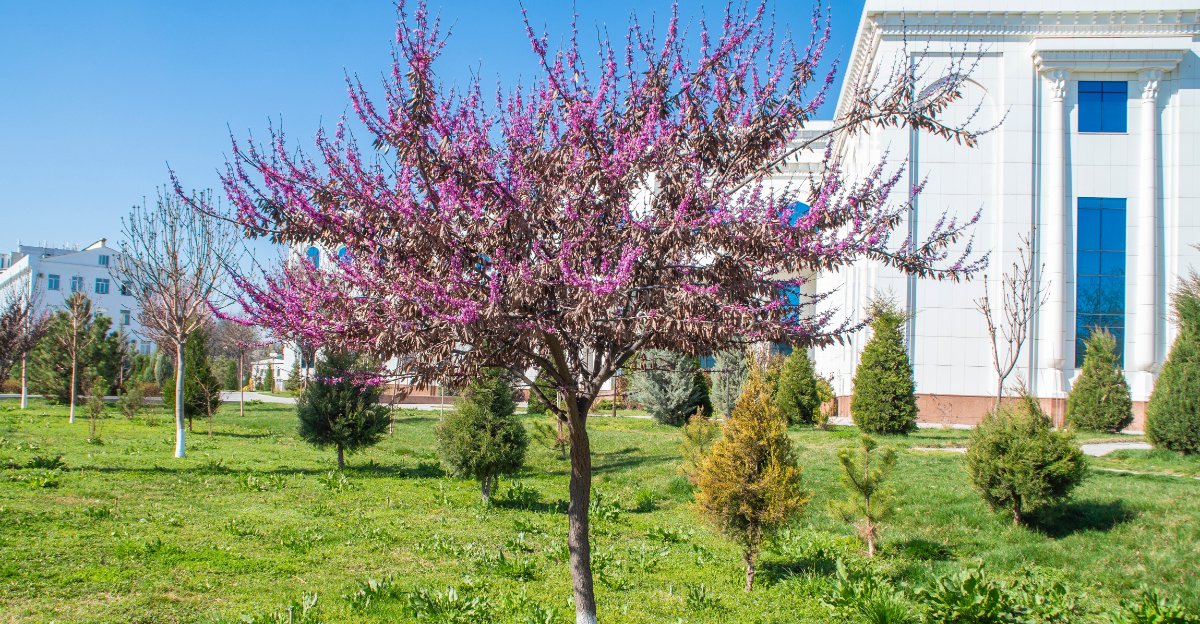
Spring may seem like the obvious planting season, but redbuds often benefit from getting into the ground months earlier. Fall gives these native trees something spring planting cannot always provide.
That advantage begins below ground, where establishment matters before vigorous growth takes over.
With summer heat fading, a newly planted redbud can focus more energy on developing roots. Georgia’s milder fall conditions can make that adjustment easier before winter arrives.
Those roots then have valuable time to settle before the demands of another hot season.
Planting at the right point in fall also reduces some of the pressure that comes with spring installation. Give your tree this head start, and it can enter next year better prepared.
For a redbud, choosing the right season can make establishment surprisingly easier.
1. Cooler Weather Gives A New Redbud An Easier Start
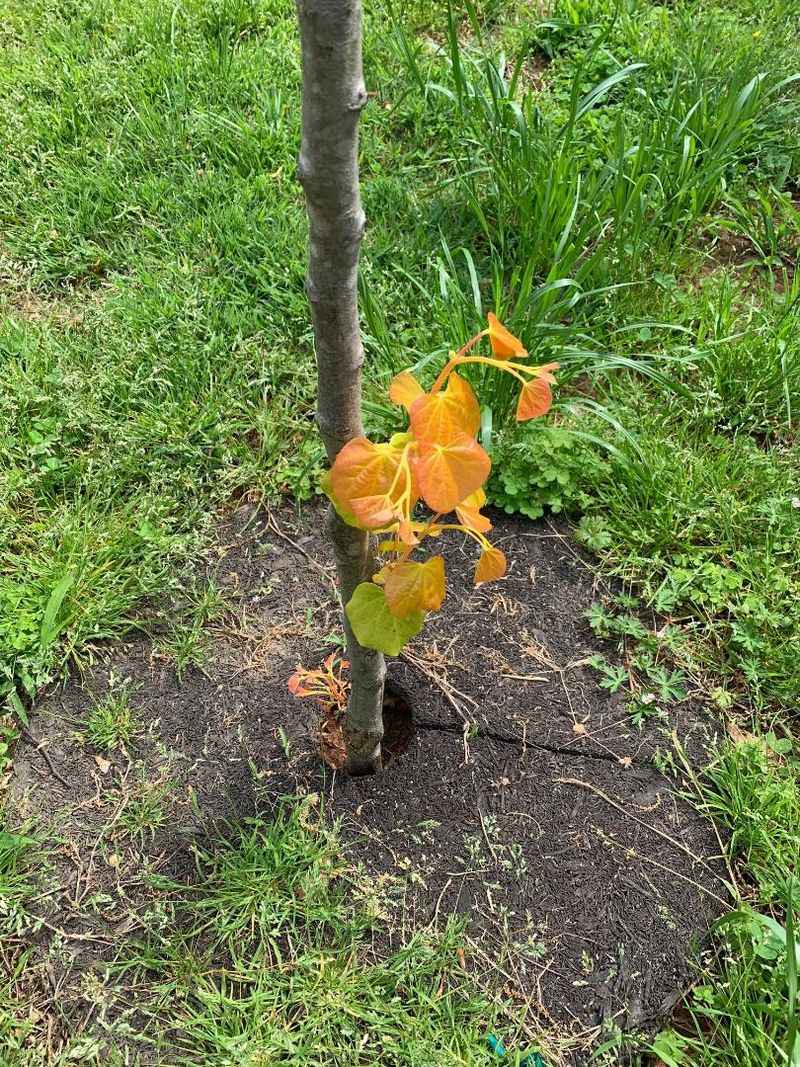
Trees hate moving in the heat, and October in Georgia finally takes that pressure off. Cooler air slows down how fast a redbud loses moisture through its leaves, so the small root ball you just planted is not fighting a losing battle every afternoon.
Spring planting looks tempting because that is when nurseries are full, but a tree set out in April has maybe six weeks before real heat arrives.
A redbud planted in fall gets months of mild days instead, and mild days are what let a stressed tree settle in without constant babysitting from you.
Rainfall usually helps too, since the cooler months tend to bring more steady moisture than August ever does.
You still need to water after planting, especially through the first few weeks, because a dry fall happens more often than people expect.
Soak the root ball deeply rather than sprinkling the surface, and check the soil with your finger before you reach for the hose again.
Cool weather also means fewer insect problems and less leaf scorch on a tree that has not built up any reserves yet.
Redbuds are native across much of the Southeast, so they already suit the climate, but any transplant needs a gentle window to recover. Fall gives you that window without asking much effort in return.
2. Warm Soil Keeps The Roots Growing Below Ground
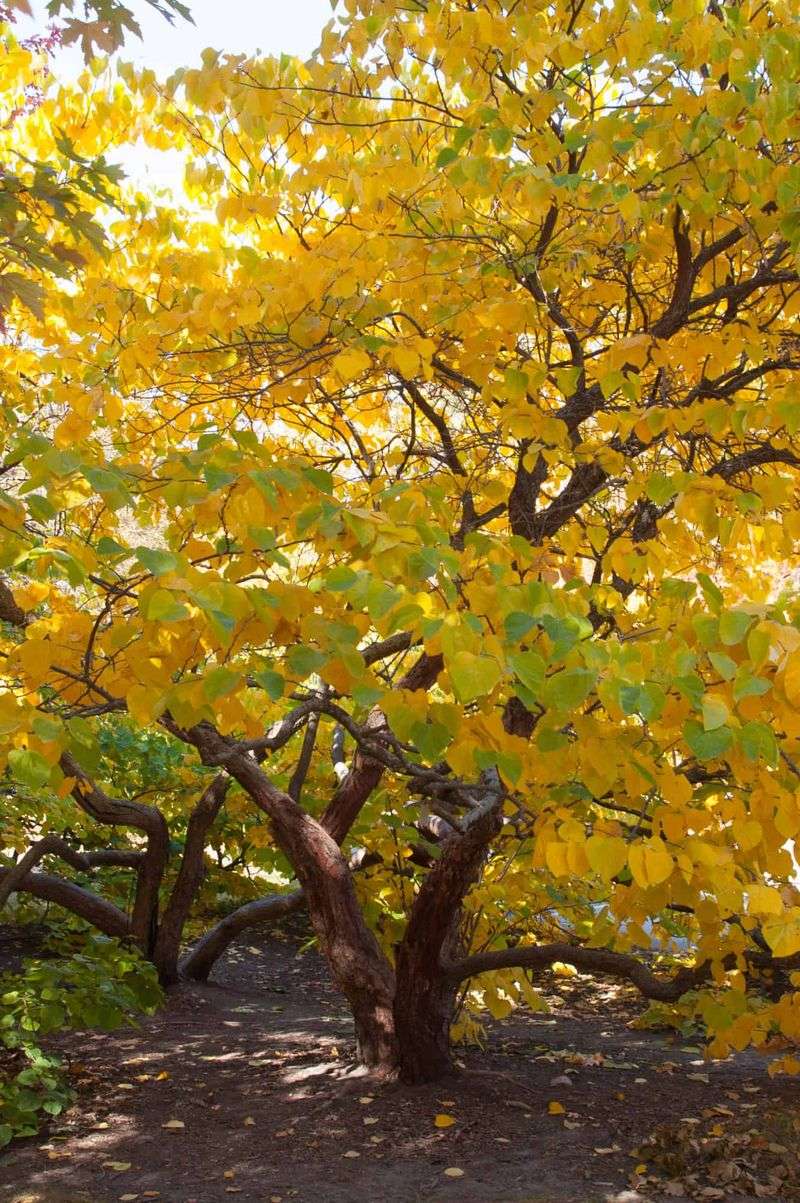
Soil holds heat far longer than air does, and that lag is the whole reason fall planting works so well here. Even after the first cool snap, the ground stays warm for weeks, and warm soil keeps root cells active while the branches sit quiet.
Roots on most hardwood trees keep growing whenever soil temperatures stay above roughly 40 degrees, which happens through much of the winter across the middle and southern parts of the state.
Nothing shows on top, so it feels like the tree stalled out.
What is really happening is that the redbud is pushing new fine roots out past the edge of its original root ball, claiming space it will need later.
Spring-planted trees have to build leaves and roots at the same time, and that split effort slows both jobs down.
Your Georgia Garden Changes Every Week. Your Plan Should Too.
Gardening in Georgia changes quickly throughout the season. Every Friday you’ll receive a simple weekly plan showing exactly what to plant, prune, fertilize, harvest, and protect so you never miss the right timing.
Red clay complicates things a little, since it holds water and drains slowly, so avoid planting in a spot that stays soggy after storms.
Loosen the sides of the planting hole rather than leaving smooth, glazed walls that roots struggle to push through. A shovel scrape along the edges takes twenty seconds and makes a real difference in heavy ground.
Mulch a few inches deep over the root zone helps hold that soil warmth steady into December.
3. Less Summer Heat Means Less Stress After Planting
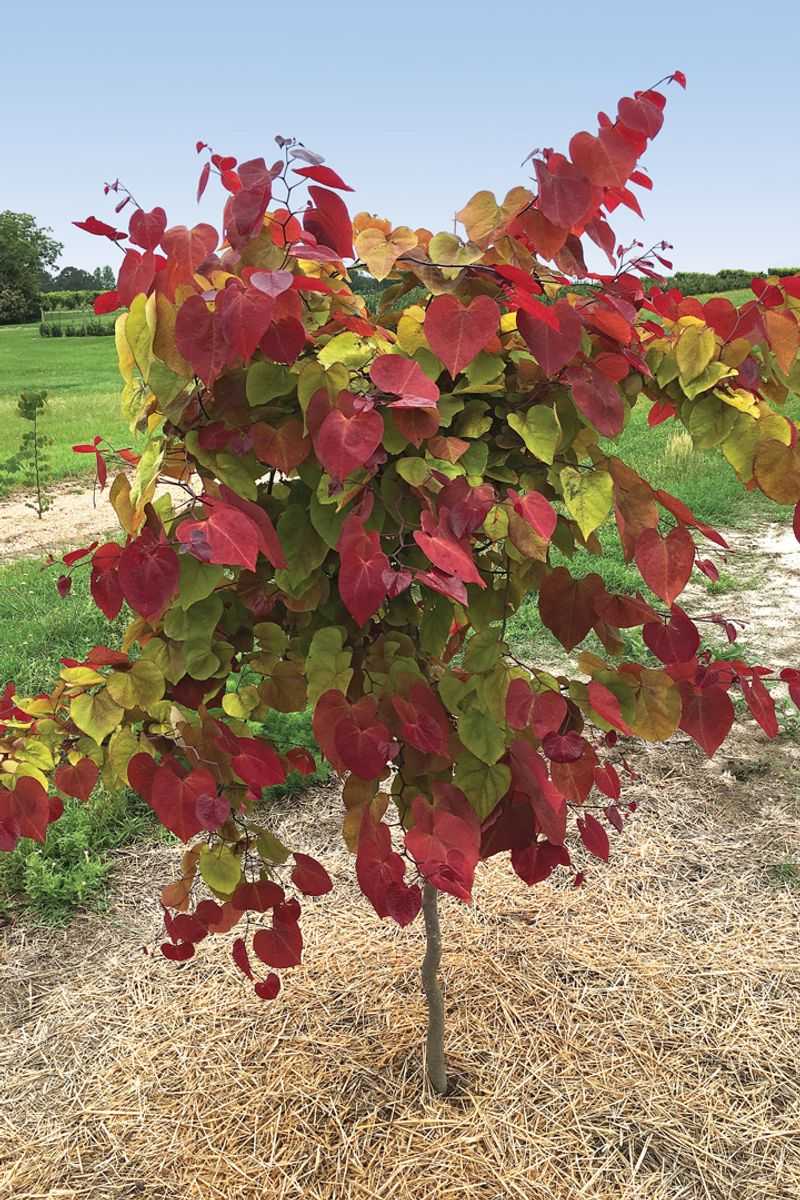
Ninety-five degrees and a fresh transplant do not mix. Summer in Georgia puts a brutal load on any tree that has not finished rooting out, and a spring-planted redbud usually hits July with a root system barely bigger than the pot it came in.
Watering helps, but water in the ground only matters if roots are there to take it up.
A tree planted in autumn has already spread roots several inches or more beyond the original root ball by the time heat arrives, so it can reach moisture that a newer planting cannot.
Leaf scorch, browning edges, and early leaf drop all trace back to that same imbalance between what the leaves lose and what the roots deliver.
Redbuds tend to show stress fast because their leaves are broad and thin, which makes them a good early warning system in the yard.
Afternoon shade helps young trees a lot during their first couple of summers, especially in the hotter southern counties.
Keep mulch pulled back a few inches from the trunk, since piling it against the bark traps moisture and invites rot. Wide and flat beats tall and volcano-shaped every single time.
None of this makes a tree bulletproof, but it shifts the odds noticeably in your favor.
4. Choose The Planting Spot Before You Start Digging
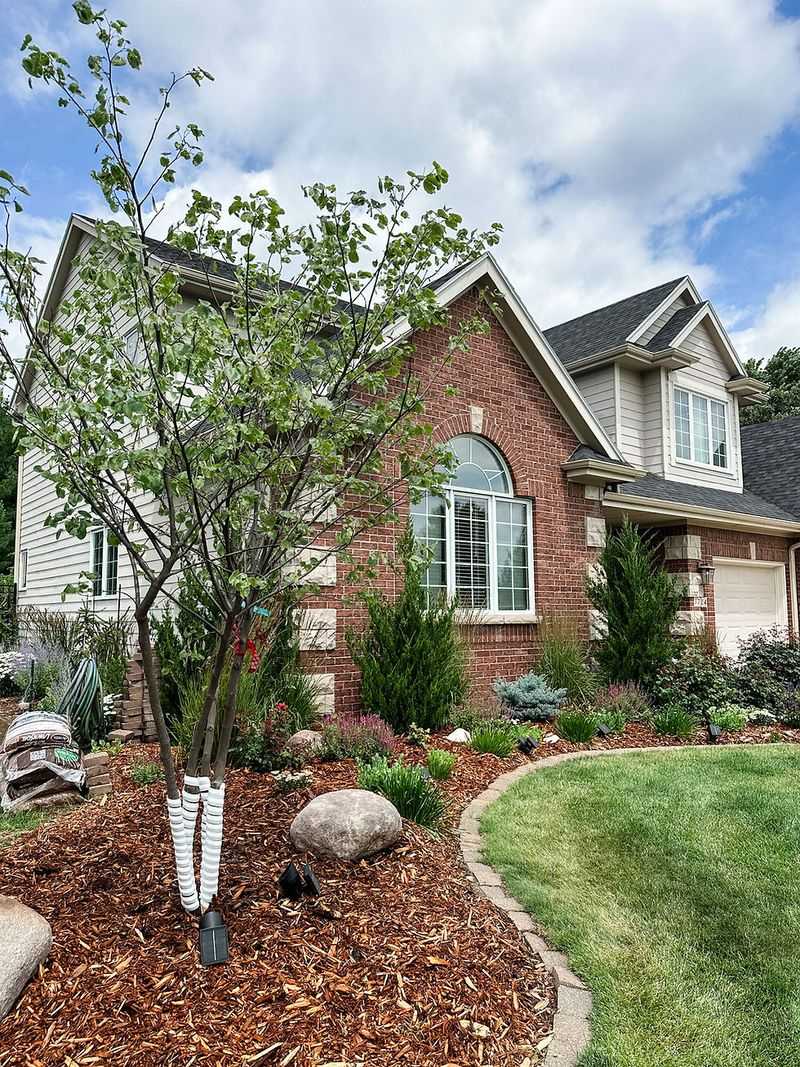
Redbuds are small trees with big opinions about where they live. Most reach around twenty to thirty feet tall and just as wide, which means that cute little sapling needs far more room than the nursery tag suggests at first glance.
Measure the distance to your house, driveway, and any power lines before the shovel comes out.
Light matters next, and redbuds handle a good range, growing naturally as understory trees along woodland edges throughout Georgia. Full sun produces heavier bloom, while part shade keeps leaves looking better through late summer.
Drainage deserves the most attention, since redbuds dislike sitting in wet soil for long stretches.
Dig a test hole, fill it with water, and see how long it takes to empty, because anything still holding water after several hours points to a drainage problem worth avoiding.
Slight slopes and raised beds work well in heavy clay yards.
Think about the view too, since these trees bloom on bare branches in early spring and look best where you can actually see them from a window or the driveway.
Avoid tucking one into a tight corner between structures where air stays stagnant. Roots also spread wider than the canopy, so keep the tree away from septic lines and shallow utilities.
5. Young Redbuds Handle Transplanting Better Than Large Trees
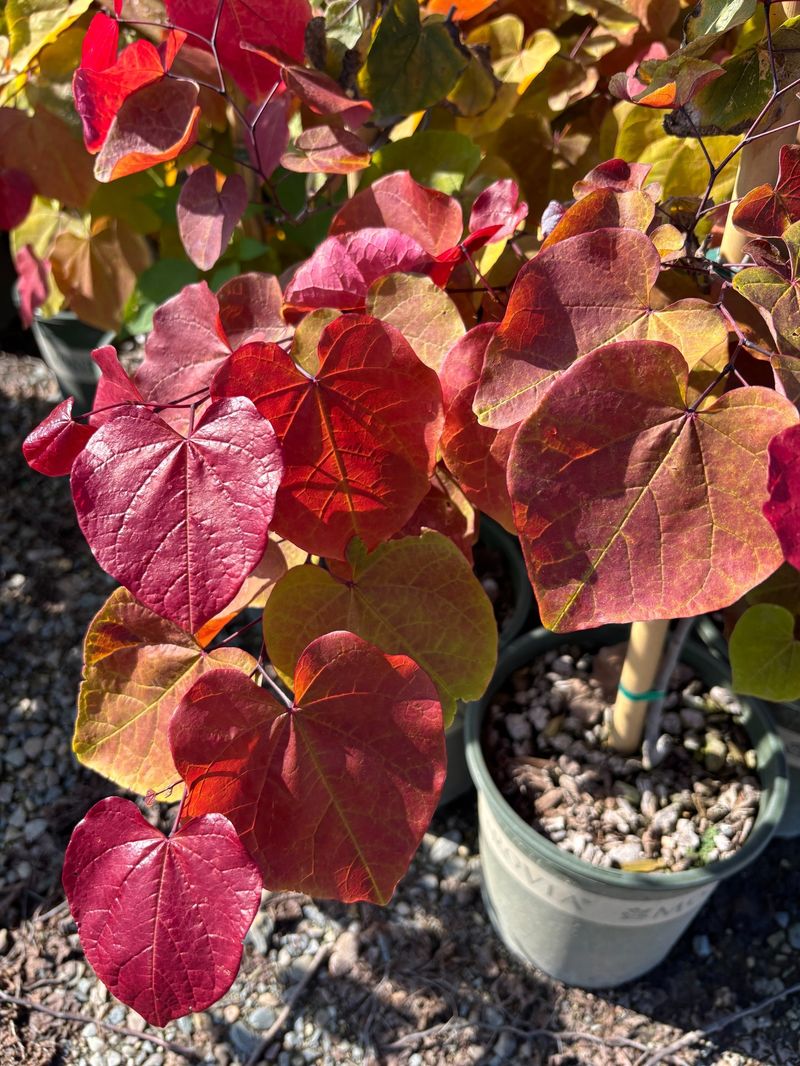
Bigger is not better when it comes to redbuds. Small trees in three to seven gallon containers move into a new spot far more smoothly than large balled-and-burlapped stock, mostly because they lose a smaller share of their roots in the process.
Field-dug trees leave a lot of root behind in the nursery field.
Redbuds carry a reputation for being fussy about transplanting, and that reputation comes largely from their coarse, somewhat brittle root systems that do not regenerate quickly after heavy cutting.
Container-grown stock sidesteps most of that problem since the roots stay intact.
Check the pot before you buy, and slide the tree out if the nursery lets you, looking for roots circling tightly around the outside. Circling roots need to be sliced or teased apart at planting, otherwise they keep spiraling and eventually choke the trunk.
A smaller tree often catches up to a larger one within three or four seasons anyway.
Native eastern redbud does well across most of Georgia, and local nurseries usually stock it alongside named varieties like Forest Pansy or Rising Sun. Straight species tends to be the most forgiving choice for a first tree.
Skip anything with wounded bark or a trunk that cannot stand without staking.
6. Planting Depth Can Make Or Break Early Establishment
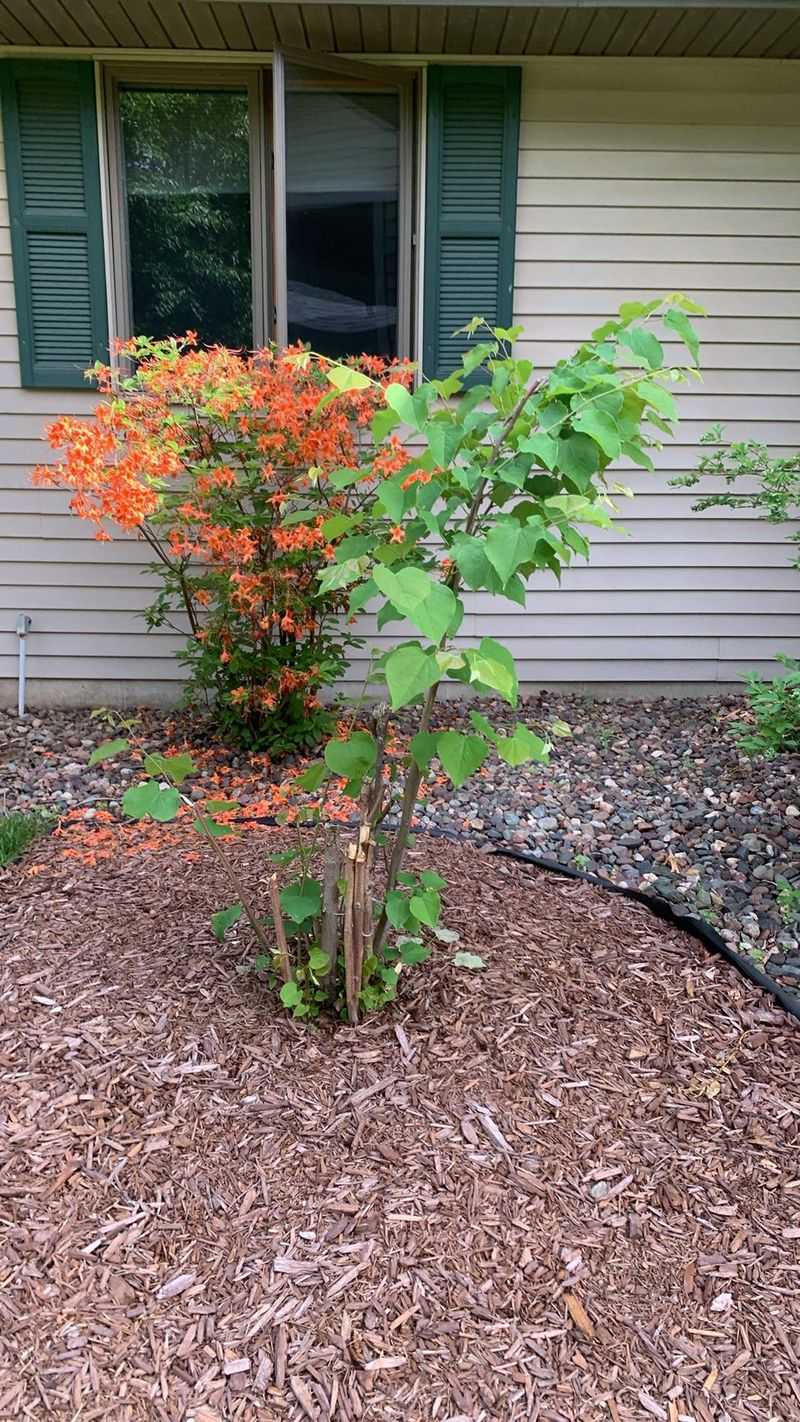
More young trees fail from being planted too deep than from almost anything else. The root flare, that spot where the trunk widens out into the first roots, belongs at or slightly above the surrounding soil line.
Bury it, and the bark stays damp against soil it was never built to touch.
Container soil often sits an inch or two above the actual flare, so scrape the top of the root ball until you find where those first roots branch out. That point is your real measuring line, not the top of the potting mix.
Dig the hole two to three times wider than the root ball but no deeper than the ball itself.
Wide holes give roots loose soil to spread through, while deep holes let the tree settle and sink after the first heavy rain. Solid, undisturbed ground beneath the root ball keeps everything at the right height.
Backfill with the same soil you dug out rather than loading the hole with rich amendments.
Amended pockets in Georgia clay can act like a bathtub, holding water and discouraging roots from moving into native ground. Water as you fill to settle air pockets, then finish with mulch spread wide and kept off the trunk.
Staking is only needed on windy sites, and it should come off within a year.
7. Fall Root Growth Pays Off When Spring Arrives
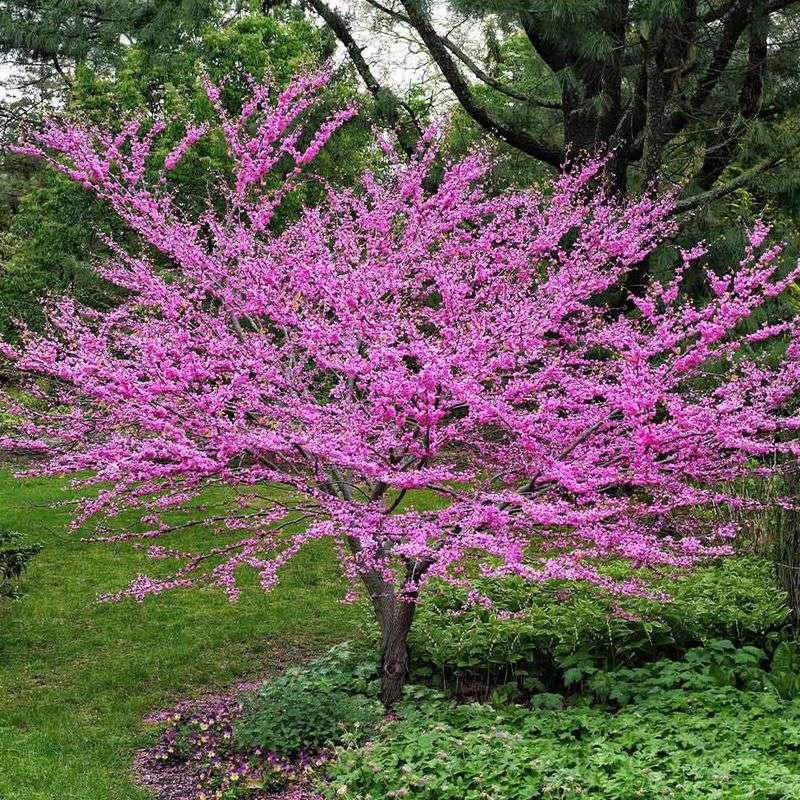
March is when the payoff shows up. A redbud that spent October through February quietly extending roots wakes up with real support underneath it, and that difference shows in how the tree leafs out.
Spring-planted trees spend their first months just catching up.
Bloom is a different story, since young redbuds often flower lightly or skip the show entirely for a season or two while they invest energy in growth. Give it time rather than reaching for fertilizer to force the issue.
Skip fertilizer at planting altogether, because pushing top growth on a tree with limited roots creates more problems than it solves.
Watering stays the one job that matters through that first spring and summer, roughly five to ten gallons per week during dry stretches. Deep and occasional beats light and daily, since shallow watering keeps roots near the surface where they dry out fastest.
Refresh mulch each spring and keep grass a few feet back from the trunk.
Weed trimmers do more damage to young redbuds around Georgia yards than weather ever will, and bark wounds near the base take years to heal over. A simple mulch ring solves that entirely.
By the second spring, most fall-planted redbuds look settled and start putting on the branch growth that leads to a full canopy.