What To Do With Georgia Tomato Plants As Summer Heat Finally Eases
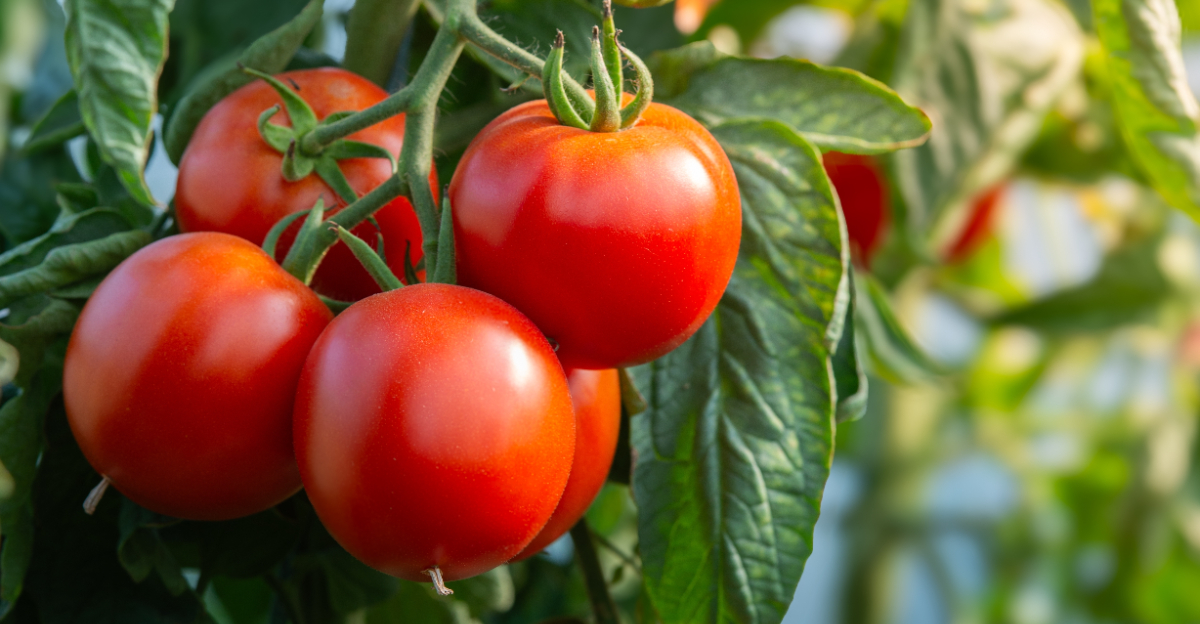
Tomato plants that struggled through weeks of intense heat can start looking surprisingly different once September temperatures begin easing. Before giving up on tired plants, see what still has potential.
That change in weather can give surviving tomatoes another chance to become productive.
Plants that slowed down during the hottest stretch may respond as conditions become less stressful. In Georgia gardens, that makes early fall an important time to judge each plant carefully.
Some tomatoes may deserve continued attention, while others have clearly reached their limit.
Look closely at overall health before deciding what stays and what needs to change. Your next move should depend on the plant in front of you, not simply the calendar.
With thoughtful care now, the tomato season may still have something left to give.
1. Your Tomato Plants May Still Have Plenty Of Life Left
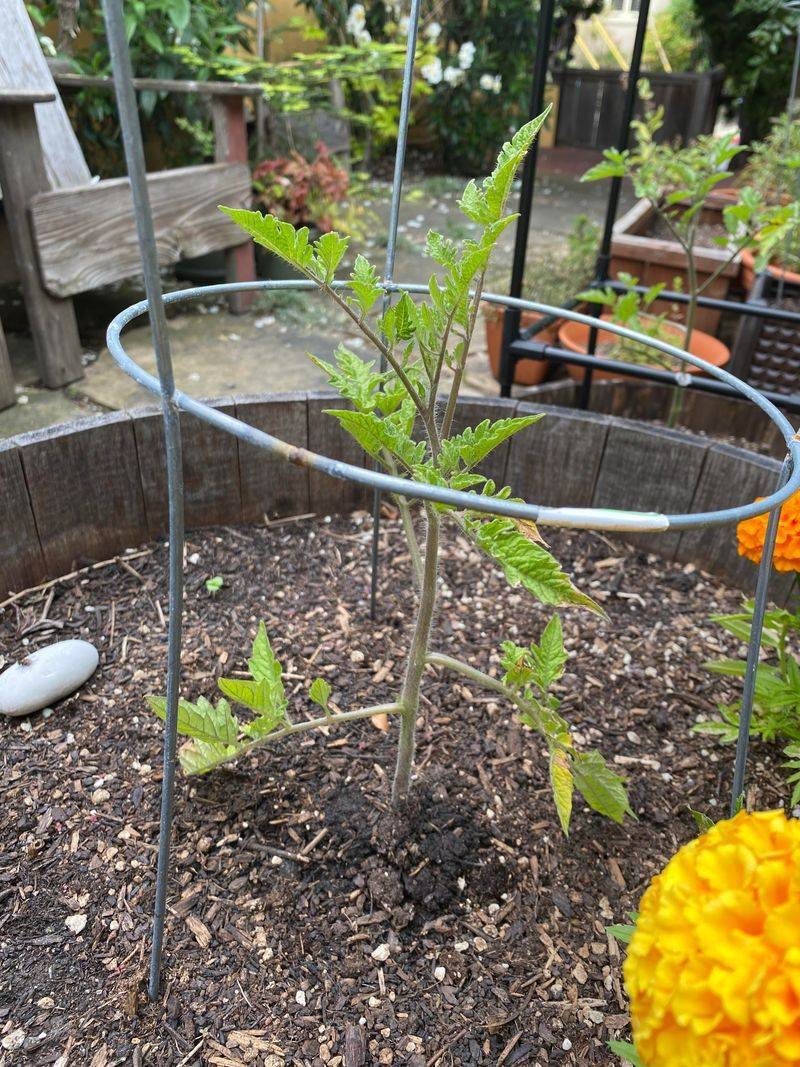
Scraggly does not mean finished. A tomato plant that looks rough in late August can still push new growth once the weather turns.
Check the top of the plant first. If you see fresh green shoots or pale new leaves near the tips, the roots are still working.
Snap a small stem and look at the inside.
Green and moist tissue is a good sign, while dry brown centers usually mean that branch is done.
Lower leaves often look terrible by now. Yellowing at the bottom is common in Georgia gardens and does not always mean the whole plant is in trouble.
Indeterminate types have the best odds. Varieties like Better Boy, Big Beef, and most cherry tomatoes keep producing from new growth all season long.
Determinate plants are a different story. Those set one main crop and rarely bounce back in a meaningful way, so judge them separately.
Give questionable plants a week or two before deciding. Water them well, watch the tips, and see what happens once nights cool off.
Root health matters more than leaf appearance. Plants sitting in compacted or soggy ground tend to struggle no matter how mild the weather gets.
Pulling everything out in early September is a habit worth breaking. Some plants really are spent, but others just need a break from the heat.
2. Cooler Conditions Can Help Fruit Set Pick Up Again
Heat is what stopped your tomatoes, not bad luck.
Once daytime highs drop below the mid 90s and nights fall under about 75, pollination usually works again.
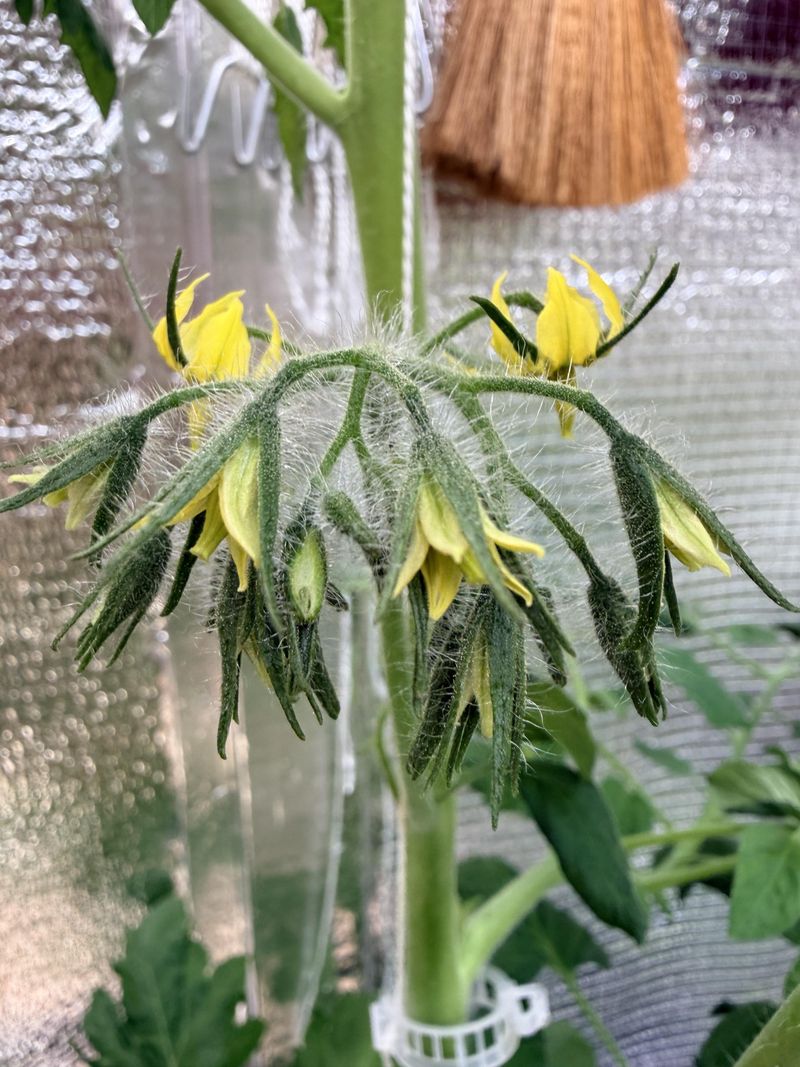
Tomato pollen gets unreliable when nights stay warm. Blossoms open, nothing gets fertilized, and they drop off the stem within a few days.
Cooler air changes that quickly. You may notice tiny green fruit forming within a week or two of the first mild stretch.
Watch the flower clusters closely. Blossoms that stay on the vine and start swelling at the base are a solid sign that fruit set has restarted.
Early fall in north Georgia often brings that shift by mid September, while coastal areas may wait until October. Local weather always has the final say.
Give the plants a gentle shake in the morning. Tomatoes are self pollinating, and a little movement helps pollen drop where it needs to go.
Your Georgia Garden Changes Every Week. Your Plan Should Too.
Gardening in Georgia changes quickly throughout the season. Every Friday you’ll receive a simple weekly plan showing exactly what to plant, prune, fertilize, harvest, and protect so you never miss the right timing.
Bees help too, so leave a few flowering herbs or zinnias nearby. More insect traffic usually means better fruit set.
Do not expect midsummer volume. Fall crops tend to be smaller and slower, but the flavor often improves as ripening slows down.
Patience pays here. New fruit needs six to eight weeks to size up and ripen, so the sooner blossoms hold, the better your odds.
3. Remove Diseased And Damaged Growth Before It Causes More Trouble
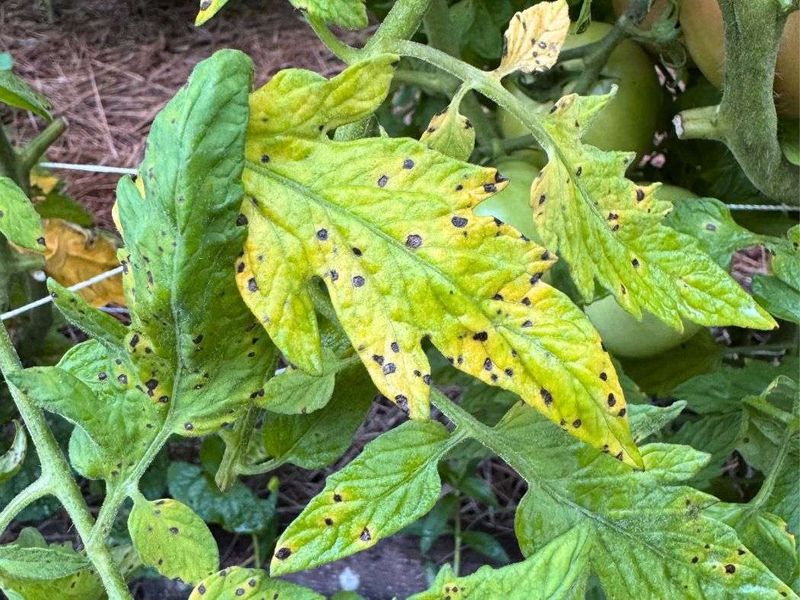
Spotted leaves spread problems fast. Late summer humidity in Georgia builds up fungal issues like early blight and septoria leaf spot, and those never clear up on their own.
Start at the bottom.
Cut off leaves with brown rings, dark blotches, or heavy yellowing, working your way up until you reach clean growth.
Toss the clippings in the trash. Leaving infected leaves on the soil surface gives spores an easy path back onto the plant.
Broken and sunburned branches should go too. Cracked stems invite rot, and scorched foliage will not recover once it turns papery white.
Clean your snips between plants. Wiping the blades with a suitable disinfectant helps reduce the chance of spreading plant diseases from one vine to another.
Prune when leaves are dry. Working in wet foliage moves spores around on your hands and tools more easily.
Look for hornworm damage while you are in there. Chewed stems and dark droppings usually mean a caterpillar is hiding on the underside of a leaf.
Clear out weeds around the base as well. Better airflow at soil level helps leaves dry faster after morning dew or a fall shower.
Cleanup will not cure an infected plant. What it does is slow things down enough for new growth to stay healthy through fall.
4. Keep Watering Consistent As New Fruit Begins Developing
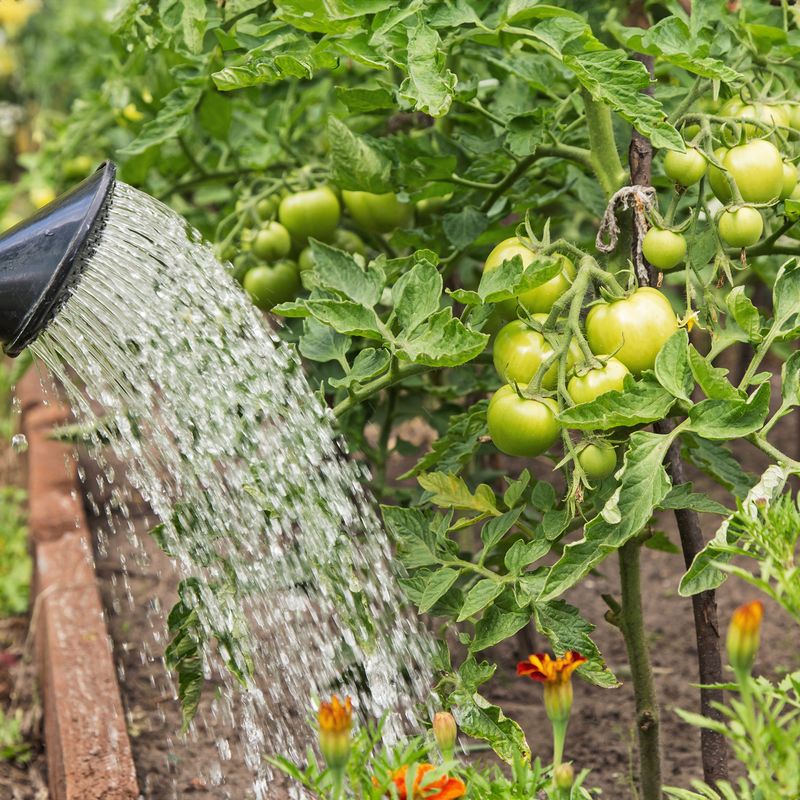
Uneven water splits tomatoes. A dry week followed by a heavy soaking is what causes those ugly cracks around the shoulders of ripening fruit.
Aim for steady moisture instead. Most tomato plants want roughly an inch to an inch and a half of water each week, adjusted for rain and soil type.
Deep soakings beat daily sprinkles.
Watering slowly at the base pushes moisture down where the roots actually live.
Cooler weather changes the schedule. Plants use less water in September and October, so check the soil before you turn on the hose.
Stick a finger two inches into the ground. Dry at that depth means water, still damp means wait another day.
Mulch does a lot of quiet work here. A couple inches of straw or pine straw holds moisture and keeps soil temperatures from swinging.
Fall rain across Georgia can be unpredictable, with dry spells one week and downpours the next. Watching your own beds beats following a calendar.
Water in the morning when you can. Wet leaves overnight give fungal problems a better chance to take hold.
Container tomatoes need closer attention. Pots dry out faster than ground beds, even when the air feels cool and pleasant.
Blossom end rot often traces back to inconsistent watering, so steady habits now protect the fruit forming today.
5. Do Not Strip Away Too Much Healthy Foliage
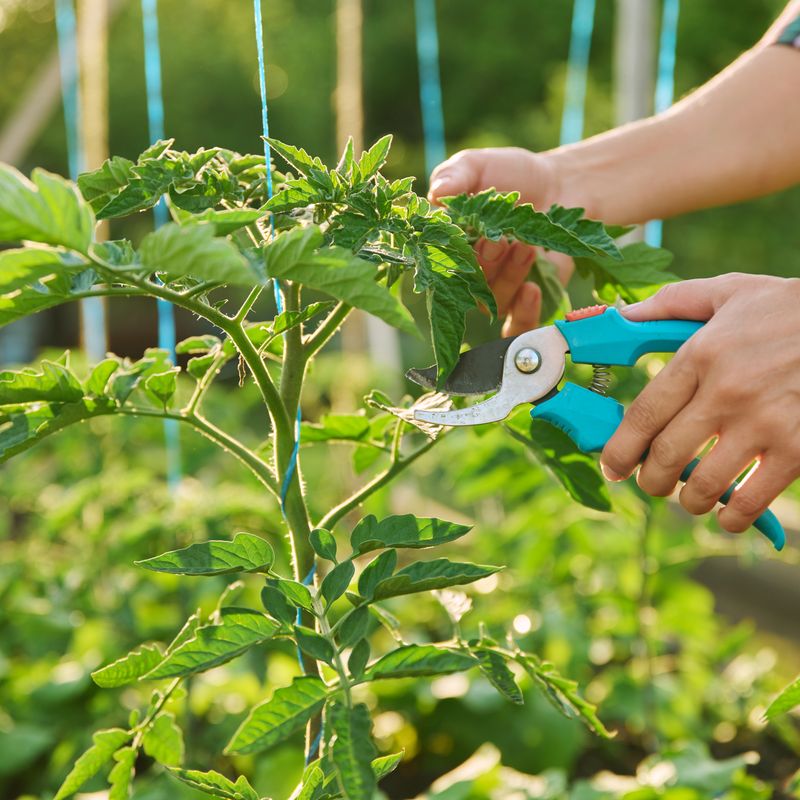
Heavy pruning backfires in fall. Leaves are what feed ripening fruit, and stripping them slows everything down right when you need speed.
Sun scald is the other risk. Georgia sunshine stays strong into October, and exposed green tomatoes can develop pale, leathery patches on the side facing the sky.
Keep the canopy that shades your fruit.
Those upper leaves act like a natural umbrella through the warm afternoons.
Remove only what needs to go. Diseased, broken, and clearly spent foliage is fair game, but healthy green leaves should stay put.
Suckers are a judgment call this late. Small side shoots low on the plant rarely have time to produce, so pinching those is reasonable.
Upper suckers can be worth keeping. Fresh growth near the top sometimes carries the best fall blossoms.
Skip the old advice about defoliating to force ripening. Fruit ripens through internal hormones, not by removing leaves.
Work in stages if a plant needs serious cleanup. Taking a little off each week is easier on the plant than one aggressive session.
Airflow still matters in humid weather. Thinning a few crowded interior leaves helps without gutting the whole plant.
Balance is the goal here. Enough openness to dry out after rain, enough cover to protect and feed the fruit.
6. Keep Supporting Branches As The Fall Crop Gets Heavier
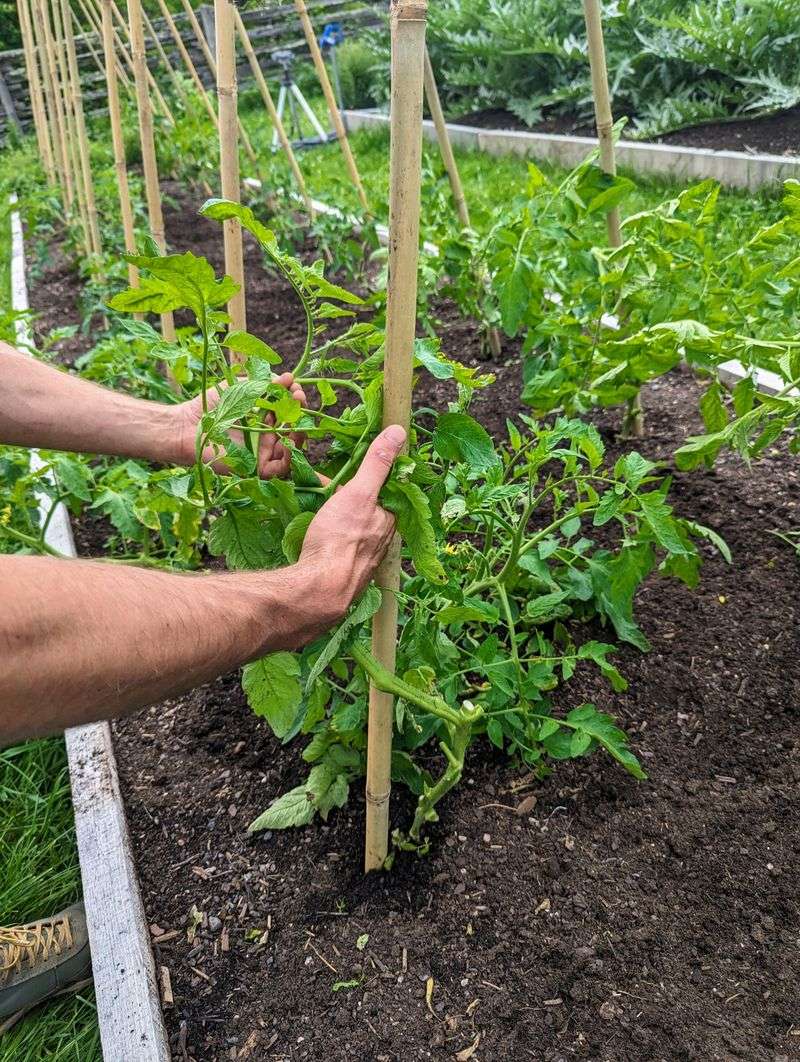
Loaded branches snap without warning. By early fall, tomato vines are tall, top heavy, and often leaning well past their original cage.
Walk the row and look for strain. Stems bending sharply or resting on the ground need help before fruit sizes up any further.
Add ties as the plant grows. Soft cloth strips, garden twine, or velcro ties hold stems without cutting into them.
Tie loosely around the stem. A snug loop restricts growth and can girdle the branch as it thickens.
Stakes may need reinforcement. Driving a second stake beside a wobbly one gives you a stronger anchor for the rest of the season.
Fall storms are the real threat. Wind and heavy rain can flatten a tall tomato plant in minutes, especially in loose Georgia clay that softens when saturated.
Prop up heavy clusters individually. A short piece of twine tied to the cage takes weight off the fruiting stem.
Sprawling plants can be gathered upward.
Lifting long vines back into the cage keeps fruit off wet soil and away from slugs.
Check ties every couple weeks. Stems thicken quickly, and yesterday’s comfortable loop can become tight.
Good support also makes harvesting easier. Fruit you can actually see and reach is fruit you will pick at the right moment.
7. Keep Harvesting Until Cold Weather Finally Ends The Season
Frost sets the cutoff, not the calendar.
Depending on where you live in Georgia, first frost typically arrives from late October in the mountains to as late as December near the coast.
Watch the forecast starting in mid fall. A single night in the low 30s can end fruit production even if the plant looks fine.
Pick ripening fruit regularly. Removing mature tomatoes signals the plant to keep pushing energy into what is left.
Cooler temperatures slow ripening down. Fruit that colored up in four days during July may take two weeks in October.
Cover plants when a light freeze threatens. Old sheets, frost cloth, or a tarp draped over cages often buys you another week or two.
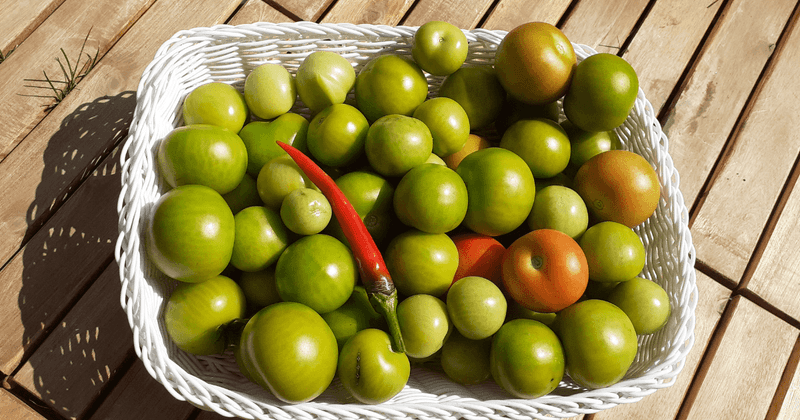
Harvest green tomatoes before a hard freeze. Anything that has started turning pale green or blushing will usually ripen indoors on a counter.
Skip the refrigerator for ripening. Cold storage dulls flavor and stops the process in its tracks.
Fully green, hard fruit has other uses. Fried green tomatoes, relish, and pickles are the classic southern answer.
Clear out spent plants once you are done. Removing old vines and fallen fruit reduces overwintering pests and disease for next spring.
Jot down what worked. Notes on varieties and timing make next year’s fall crop easier to plan.