How Black Walnut Trees Quietly Shape What Grows In Minnesota Gardens
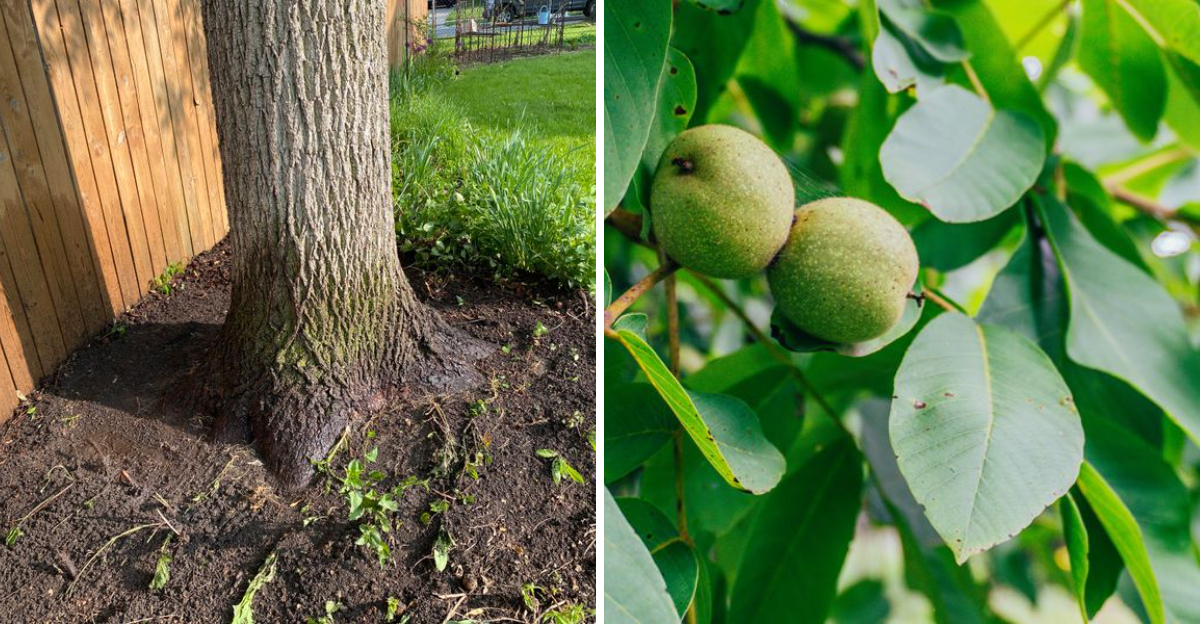
You’ve thrown countless tricks at that same stubborn patch. Compost hasn’t helped you, and mulch hasn’t either. Fertilizer promises lush green results, yet you keep seeing beige. Overhead, a walnut tree is often the underlying cause.
Its roots and leaves release juglone, a natural toxin. This chemical stunts or stops many plants growing near you. Tomatoes, peppers, and countless flowers can’t handle juglone’s reach.
Minnesota winters trap that toxin close to the soil surface. Clay theories and vague shade excuses miss what you’re facing. Neighbors mean well, but chemistry beats their best guesses.
You aren’t imagining the pattern circling that tree’s canopy. Local gardeners across Minnesota are catching on to juglone’s quiet damage. Once you understand this, your whole approach can shift.
Certain plants shrug off juglone and thrive right there. Cheap, clever swaps can turn your frustration into real progress. You’re about to see exactly how to fix it.
1. Juglone, The Quiet Chemical Working Under The Canopy
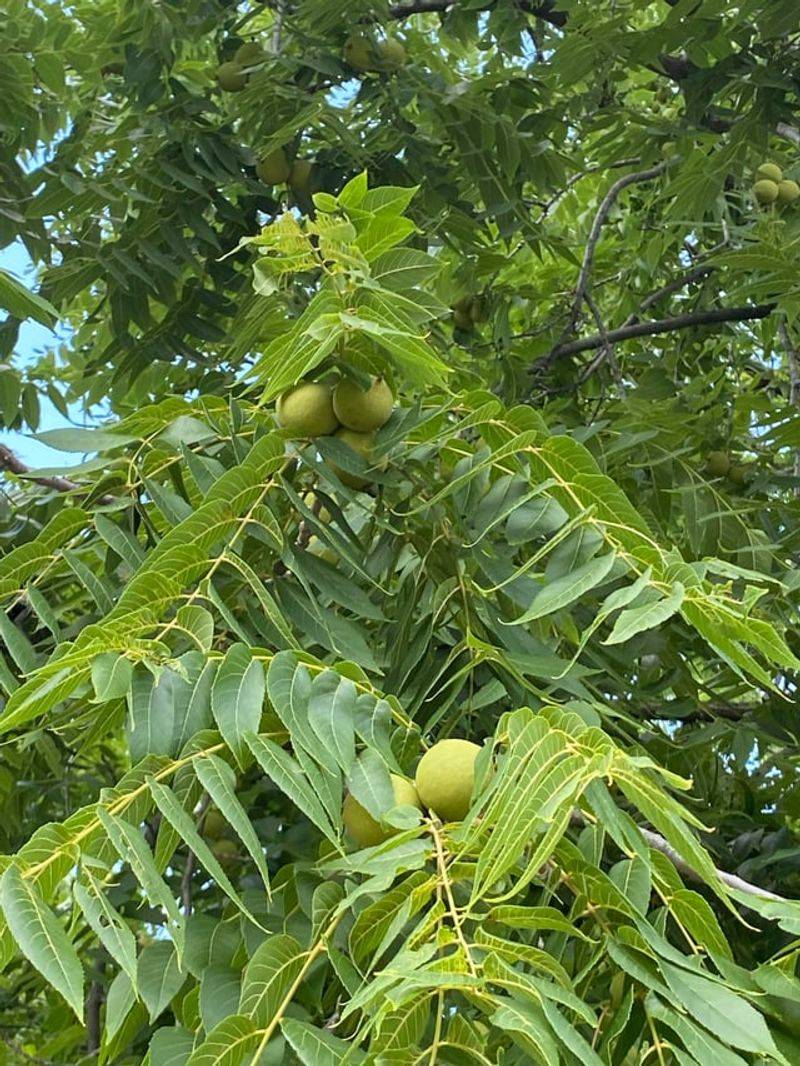
Picture a big walnut standing over a patch of bare, crumbly ground while the rest of the yard bursts with green.
The reason has a name: juglone, a natural compound that has been shaping gardens for centuries. Juglone forms in the roots, buds, nut husks, and leaves of black walnut trees.
Once it reaches the soil, it interferes with how sensitive plants handle water and oxygen inside their cells. Affected plants wilt, yellow, and stall out even when sunlight and rainfall look perfect.
Researchers call the strategy allelopathy, a fancy term for one plant chemically discouraging its neighbors. Walnuts aren’t malfunctioning; they are simply reducing competition for moisture and nutrients around their roots.
Concentrations run highest inside the dripline and stay strongest in soggy, poorly drained ground where the compound lingers. Sandy soil with busy microbe activity breaks juglone down faster, though the timeline varies widely depending on conditions.
Yards react differently, too. Two neighbors on the same block can see very different results depending on drainage, soil life, and the age of the tree.
Once Minnesota gardeners learn that single word, the puzzling bare spot suddenly makes sense. Instead of buying another bag of fertilizer, they start choosing plants that shrug the chemical off and moving fussy crops out of range.
Gardeners often describe the discovery as a relief rather than bad news. A clear cause points straight toward a clear plan, and that saves money, mulch, and plenty of weekend frustration.
2. Warning Signs That Show Up In The Leaves
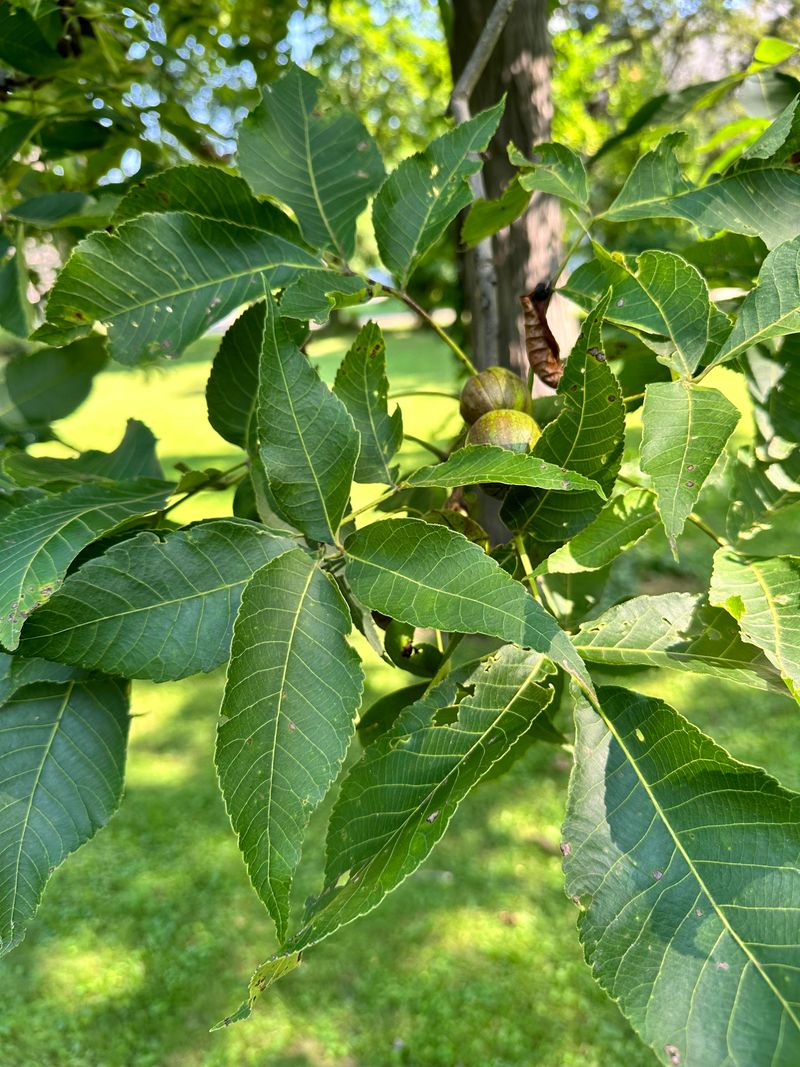
Many gardeners spend seasons blaming clay soil before noticing something odd. The tidy curve of struggling plants often matches the tree’s canopy edge almost exactly.
Wilting during a rainy week is the classic clue. Leaves droop, curl a little, and take on a yellow cast that creeps upward from the base of the plant.
Tomatoes usually show it first, with bronzed stems and fruit that stays marble sized. Peppers stunt, potatoes sulk, and blueberries thin out until they show sparse, thin growth.
Your Colorado Garden Changes Every Week. Your Plan Should Too.
Gardening in Colorado changes quickly throughout the season. Every Friday you’ll receive a simple weekly plan showing exactly what to plant, prune, fertilize, harvest, and protect so you never miss the right timing.
Timing offers another hint. Symptoms often appear within the first few weeks after planting, once young roots grow deep enough to meet walnut roots.
Patterns tell you more than any single plant. When the slump forms an arc that follows the canopy edge, juglone becomes a strong suspect.
Rule out the ordinary troublemakers first, because drought, soggy ground, root rot, herbicide drift, and wilt diseases can mimic the same look. Poking a finger into the soil takes ten seconds and settles a lot of arguments.
Run a small experiment if you are still unsure. Set two tomato seedlings in patio pots and two in the questionable bed, then compare them after three weeks.
Gardeners who jot these clues in a notebook get sharper each season. Notes about which corners struggled and which thrived slowly become a personal map of your yard.
3. Roots Reach Far Beyond The Branch Tips
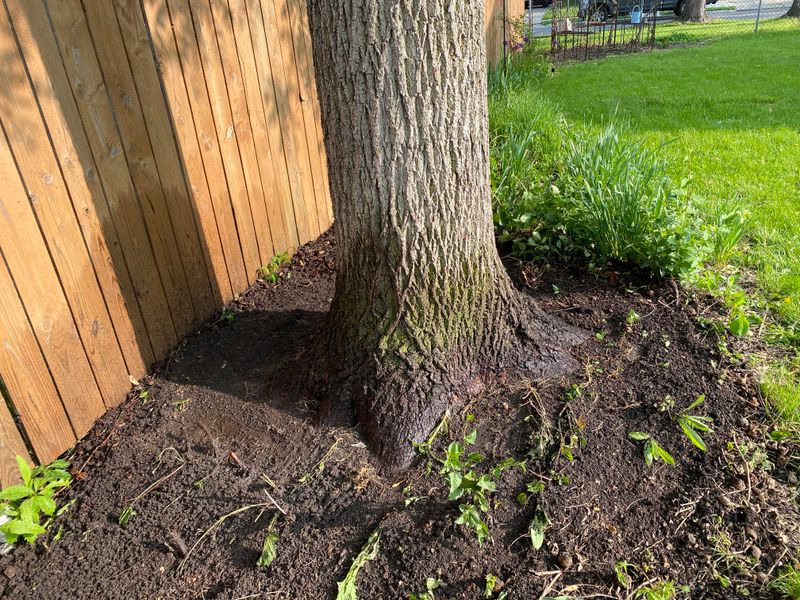
Here is the detail that surprises people: walnut roots typically spread well beyond the tree’s dripline, often much farther than the canopy suggests.
A mature tree in a Minnesota backyard may push feeder roots well beyond fifty feet from the trunk, sometimes considerably farther.
Because juglone travels with those roots, trouble can pop up in a sunny vegetable bed that sits nowhere near the shade. Smart planning starts by measuring from the trunk rather than from the branch tips.
Many extension specialists suggest a general guideline: keep sensitive plants well clear of the trunk of a large tree, often fifty feet or more. Younger trees have smaller root systems, so that comfortable distance shrinks accordingly.
Leftover roots matter as well. After a walnut is taken out, old root pieces can release the compound for several years while they slowly break down in the soil.
Fence lines are part of the picture. If a walnut grows in the neighbor’s yard, its roots may already be exploring your tomato patch without an invitation.
Digging a small hole can help confirm what you are dealing with, since walnut roots often have a distinct smell. The bark on them looks dark and the wood inside runs chocolate brown.
Walk the property line and look up before you blame another soil test. Sketching the trunk locations of nearby walnuts on a scrap of paper turns guesswork into a garden plan you can actually follow.
4. Tomatoes, Peppers, And Other Fussy Neighbors
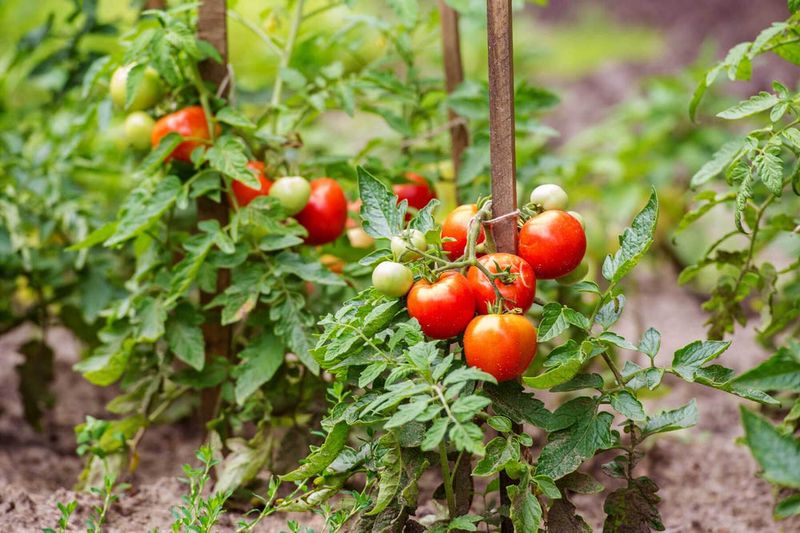
If your tomatoes flop in the same corner year after year, they are trying to tell you something. Members of the nightshade family sit near the top of the juglone-sensitive list.
Tomatoes, peppers, eggplant, and potatoes react fast, sometimes within a few weeks of transplanting. Cabbage, asparagus, and rhubarb can also sulk when their roots wander into walnut territory.
Berry lovers feel it sharply. Blueberries, blackberries, and several raspberry varieties struggle badly, which stings in a state where a backyard berry patch is a summer tradition.
Ornamentals appear on the list, too. Lilacs, peonies, azaleas, rhododendrons, columbine, and many lilies tend to fade near a walnut, along with white birch, red pine, and Norway spruce.
Apple trees deserve a mention, since young ones planted inside the root zone rarely settle in and produce well.
Sensitivity is not a fixed grade, either. The same peony might limp along in wet clay near a big tree yet perform beautifully in sandy loam a bit farther out.
Keeping a short list on your phone helps at the garden center in May, when enthusiasm outruns memory. Checking labels against that list prevents an expensive spring mistake.
Twin Cities gardeners often swap notes about which varieties handled a tricky spot best. Local experience beats a generic chart when drainage changes from one block to the next.
Relocating beats fighting. A tomato bed moved well beyond the tree’s root zone, or lifted into a big container, usually bounces back the following season.
5. Tough Plants That Settle In Happily Nearby
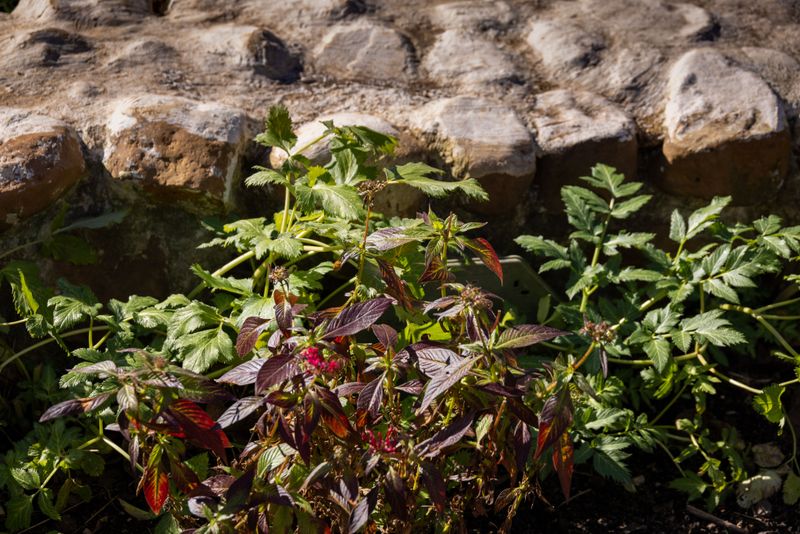
Good news comes in the form of a surprisingly long plant list. Walnuts discourage certain neighbors, but plenty of species grow cheerfully right up to the trunk.
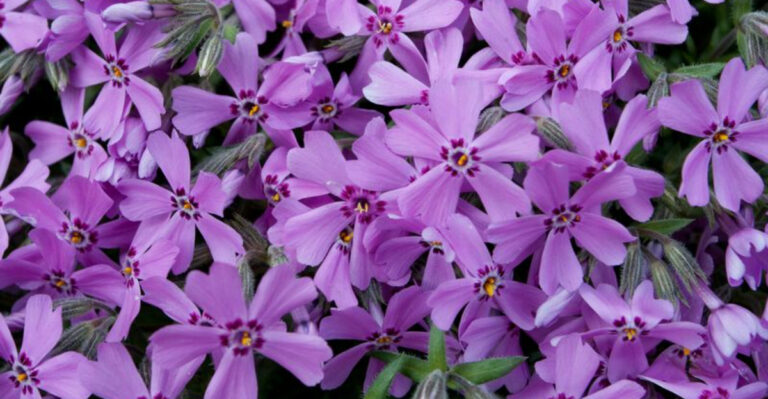
For the shady side, hosta, ferns, astilbe, bleeding heart, Virginia bluebells, and wild ginger hold their own. Sunnier edges support daylilies, black-eyed Susan, coneflower, bee balm, phlox, and hollyhock.
Shrubs with a tolerant reputation include arborvitae, elderberry, ninebark, viburnum, forsythia, and juniper. They give structure to a bed where fussier choices would sputter.
Vegetable gardeners still have options. Beans, beets, carrots, sweet corn, onions, squash, melons, and parsnips generally cope well within the root zone.
Native prairie plants are strong performers in Minnesota yards. Little bluestem, wild bergamot, and Joe Pye weed handle the chemistry along with dry shade and windy afternoons.
Turf grass manages fine, which explains why so many walnut yards keep a neat lawn beneath the canopy. Kentucky bluegrass and fine fescue tolerate juglone reasonably well.
Start in small batches to protect your budget. Buy one plant, watch it for a full season, then add more once it looks settled and vigorous.
Layering makes the space feel intentional rather than leftover. Ferns behind hosta, with daylilies at the front edge, reads like a designed shade border instead of a problem area.
Plenty of gardeners end up preferring these beds. Less watering, fewer pests, and cool green texture all summer add up to an easy corner.
6. Leaves, Husks, And Sawdust Take Extra Patience
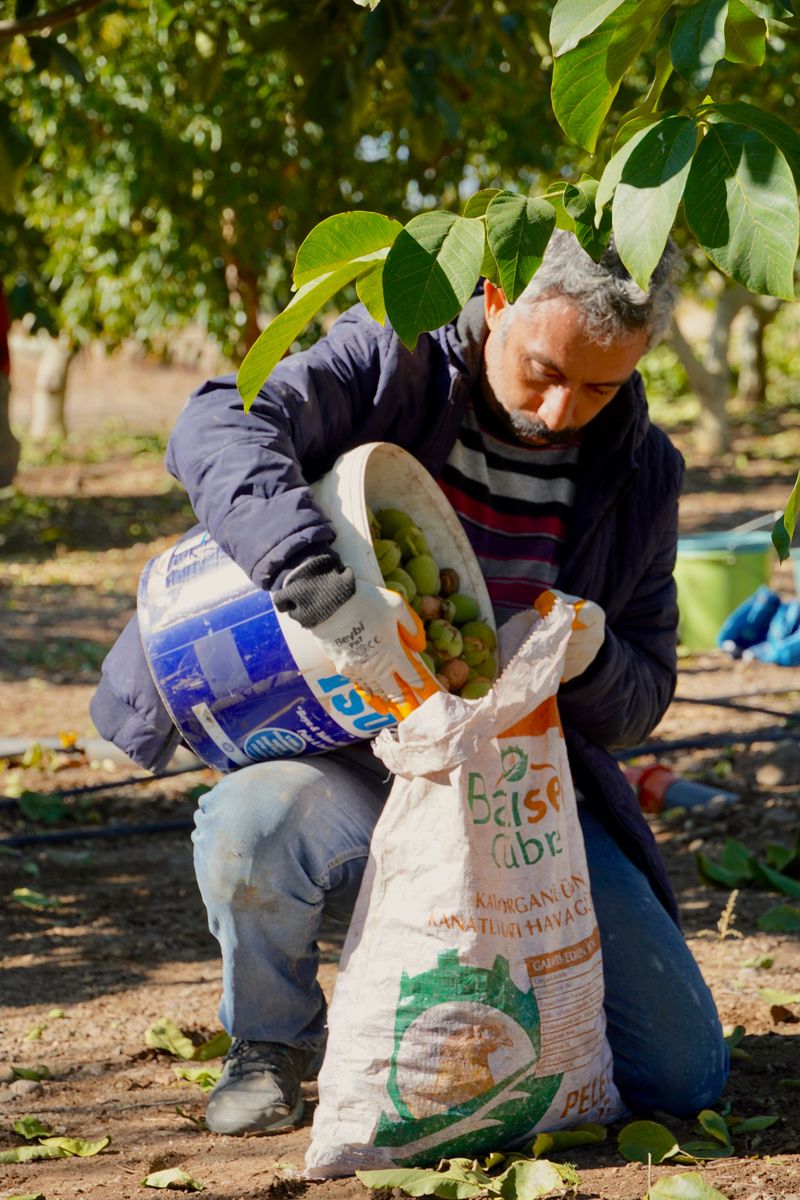
Raking under a walnut in October fills bags in a hurry, and all that material raises a fair question. Juglone does break down with help from soil microbes, air, and moisture, so composting works, just slowly.
Give walnut leaves and husks a hot, well-turned pile and roughly six months to a year. Finished compost that smells earthy and crumbles between your fingers is usually fine around tolerant plants.
Fresh sawdust and wood chips ask for more patience. Chips from a walnut removal can rest in their own pile for a season before they go anywhere near planting beds.
Walnut bark mulch works nicely on paths, under tolerant shrubs, or in that strip behind the garage where looks matter less. A quick test with a few bean seedlings or marigolds gives you a straight answer.
Husks pack the strongest punch and stain hands, gloves, and driveways deep brown. Gather them promptly so squirrels do not plant a small forest for you next spring.
Hay, straw, and grass clippings make simpler mulch choices for vegetable beds while walnut material finishes curing. Rotating your materials keeps the good stuff separate from the risky stuff.
Municipal yard waste sites take walnut debris if your pile is already full. A short trip in the trunk of the car beats guessing about a bed you care about. Labeling piles with a scrap of lumber and a marker saves confusion in April.
7. Raised Beds, Containers, And Barriers That Work
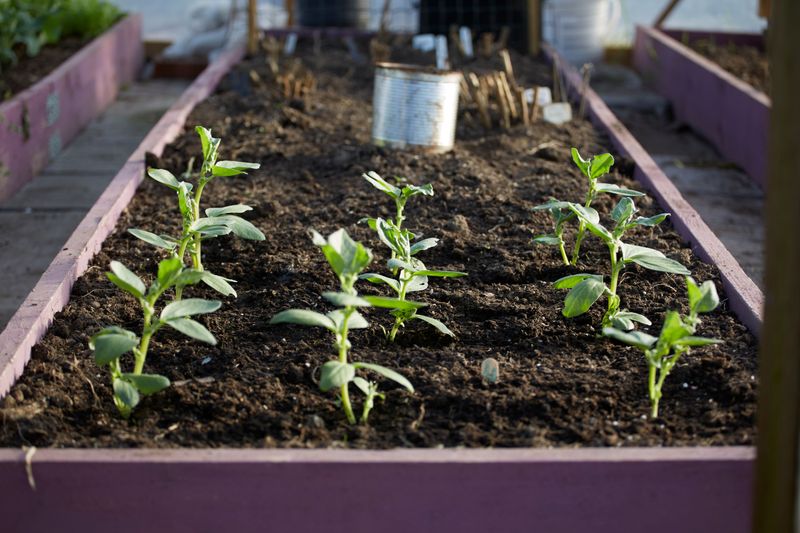
Raised beds are the workaround that rescues many walnut-shaded yards. Twelve to eighteen inches of imported soil, sitting on a solid bottom barrier, keeps tree roots out of your growing mix.
Landscape fabric on its own lets roots slip through eventually. Heavy pond liner or plywood with drilled drainage holes lasts far longer, though the surface needs a slight slope so water escapes.
Containers hand you full control of the soil. Half barrels, grow bags, and large fabric pots follow the sun, empty easily, and rinse clean each fall.
Drainage deserves real attention, because standing water lets juglone hang around. Loose loam blended with compost drains freely and stays easy to dig with a hand trowel.
Pruning low branches reduces the amount of leaf litter and fruit landing in your beds. A quick sweep along the edges after a windy night takes about a minute.
Watering habits matter too, since walnut roots drink hard and pull moisture from nearby soil. Drip lines aimed at your crops cut the competition and keep foliage dry.
Sunlight is the other limit, so count the hours before you build anything. Six hours of direct light beats a flawless soil recipe sitting in deep shade.
Hardware cloth stapled under a bed frame discourages voles that love the cover of thick mulch. Small details like that decide whether the project feels clever or exhausting by August.
8. Keeping The Tree And The Garden
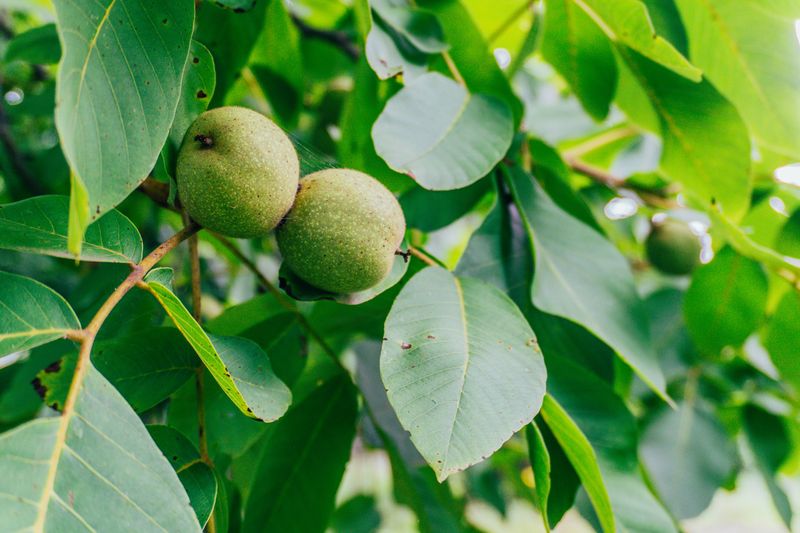
Black walnut is native to southeastern Minnesota, thriving along the Mississippi bluffs and river valleys. Milder winters and hardworking squirrels have carried volunteer seedlings well north of that original range.
Hardy through roughly zone 4, the species grows fast and can pass 70 feet in an open lawn. Timber value can be strong, and a large, straight tree can be commercially valuable at sale.
Removal is only one option among several. Many gardeners keep the tree for cooling shade, wildlife, and nuts, then redesign the beds around it.
Wildlife benefits from that choice. Squirrels, deer, turkeys, and woodpeckers all use walnut trees, and the deep shade drops summer temperatures near the house noticeably.
Harvest season brings its own fun. Gather nuts in early autumn, hull them outdoors with gloves, then cure the kernels for a few weeks before baking that rich, bold flavor into cookies.
If you do decide on removal, budget for stump grinding and expect a few patient years while old roots break down in the soil.
University of Minnesota Extension is a useful resource for regional plant guidance. Local master gardener programs often answer questions through the growing season, sometimes with neighborhood-specific advice.
Sharing what you learn helps the whole block. Once one gardener explains the bare patch, three more suddenly understand their own struggling lilacs and finally plant something that thrives there.