These Are The Reasons Colorado Mountain Aspens Are Already Turning Gold While Towns Below Are Still Green
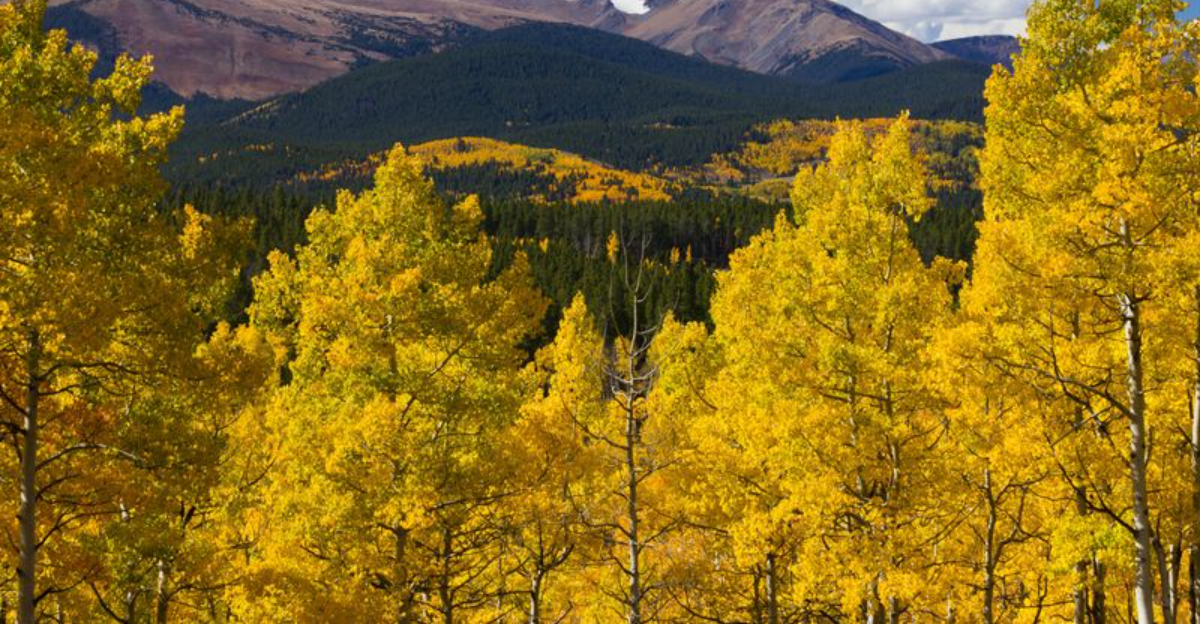
Colorado canyons turn gold ahead of you while towns below stay green. Elevation resets the calendar before your eyes can catch up. Cold air quietly pools first in high bowls you seldom notice.
Aspens read temperature drops your skin cannot feel yet. Light angles shift fastest on steep slopes you are climbing.
Roots connect trees underground, sending signals you cannot see. Water turns scarce higher up, pushing you toward earlier color.
Wind exposure toughens bark and speeds the change you witness. Genetics inside aspen clones decide which grove you see first. Sunlight hitting exposed rock speeds chlorophyll loss you can watch.
Family bonds between trees explain patches you keep spotting. Colorado’s high country runs on rules you rarely notice below. Patterns repeat with a precision you can learn to predict.
Understanding these cues changes how you see any drive. You will not look at a canyon the same way again.
1. Elevation Speeds Up The Mountain Calendar
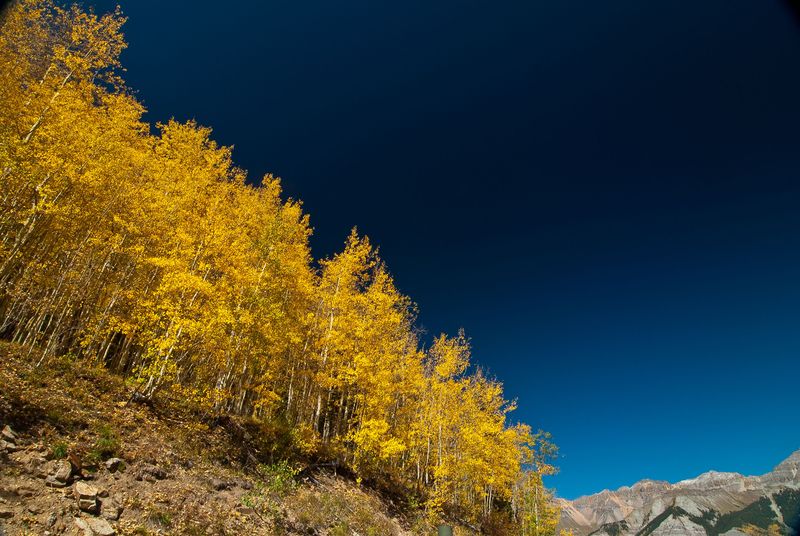
Every thousand feet you climb, the air cools by roughly three to five degrees. That means a grove at 10,500 feet is living in a different season than a park bench in Durango.
Aspens use cool nights as a signal to wind down food production for the year. Up high, those chilly nights arrive in mid to late August rather than late September.
Growing seasons shrink fast with altitude, too. High groves may only get roughly two to three months of frost-free days, depending on exact elevation and site conditions, so they cannot afford to wait around.
Trees below 8,000 feet enjoy a longer, warmer stretch and keep making sugar well into fall. Their leaves stay green because the factory is still running.
If you want peak color, treat elevation like a dial you can turn. Start at 10,000 feet in the first half of September, then work downhill week by week.
Kebler Pass, Independence Pass, and the road up to Guanella Pass often flash gold before valley cottonwoods even blink. Drivers who chase the calendar instead of the map usually miss the show.
Here is a handy trick. Look across a single hillside and you will often see a color line, almost like a tide mark, where cooler air sits above warmer air.
That line creeps downhill a few hundred feet per week. Track it once and you will predict Colorado fall color better than any app.
2. Cold Nights Slow Green Pigment Production

Chlorophyll is the green pigment that turns sunlight into food, and it is surprisingly fragile. Trees rebuild it constantly through summer, like patching a leaky bucket.
When nighttime temperatures drop into the 30s, that rebuilding slows way down. The green fades, and yellow pigments called carotenoids that were hiding all along finally get their moment.
High-elevation groves catch those cold nights first because cool air sinks and thin mountain air loses heat quickly after sunset.
A high meadow can sit near freezing on a given night while a lower town stays comfortably mild, a gap that widens with elevation.
Your Colorado Garden Changes Every Week. Your Plan Should Too.
Gardening in Colorado changes quickly throughout the season. Every Friday you’ll receive a simple weekly plan showing exactly what to plant, prune, fertilize, harvest, and protect so you never miss the right timing.
Clear skies make it happen faster. Without cloud cover acting like a blanket, heat escapes upward and leaf temperatures fall below the air temperature.
That is why the most vivid, saturated gold often shows up after a stretch of crisp nights and sunny days.
Warm nights do the opposite. They keep leaves active and can leave colors looking muted and washed out.
For photographers, this is useful intel. Check overnight lows for the pass you plan to visit, and if you see three or four nights near freezing, expect a big shift within a week.
Wet snow is the wildcard. A heavy early storm can strip leaves off branches before they finish the transition, so plan trips with a little urgency.
3. Shorter Days Trigger An Internal Alarm Clock
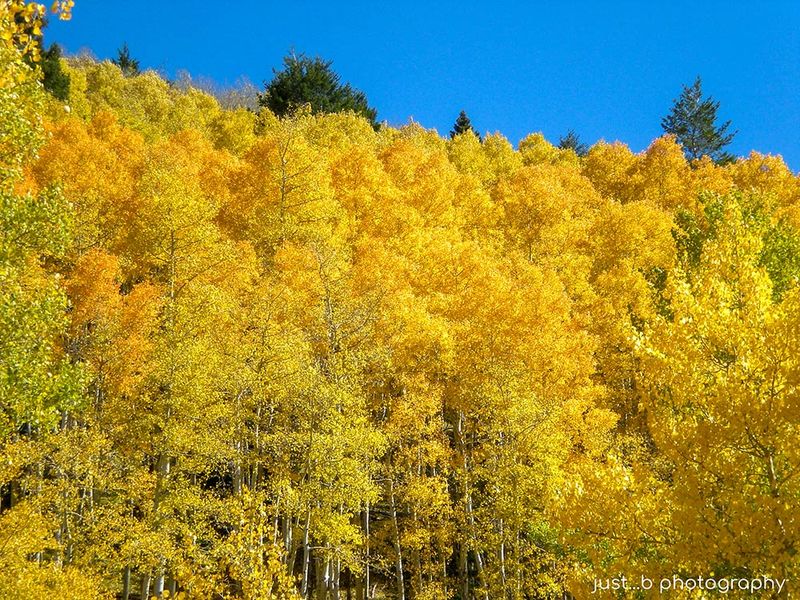
Ask a forester what really starts fall color and they will point at daylight, not weather. Aspens measure night length with light-sensitive proteins in their leaves and buds.
As nights stretch past a certain point, the tree begins closing shop for winter. It builds a corky layer at the base of each leaf stem and slows the flow of water and nutrients.
Day length changes at the same rate everywhere in Colorado, so that alone does not explain the split screen. What differs is the temperature riding along with it.
High groves already sit near their cold limit, so the shortening days plus cooler air push them over the edge sooner. Lower groves get the same light cue but far gentler nights, so they respond later.
Terrain adds another twist. A north-facing slope or a deep canyon loses direct sun weeks earlier than an open south-facing hillside.
Walk the same trail twice in September and you may find one side of the drainage glowing while the other stays leafy green. Shade shortens the effective day.
Because light cues are steady year to year, the general timing of Colorado gold is fairly reliable. High country peaks mid-September, mid elevations late September, foothills early October.
Weather nudges those windows by a week or so. Sunlight sets the schedule, and temperature decides whether the train runs early or late.
4. Thin Air And Strong Sunlight Stress High Groves
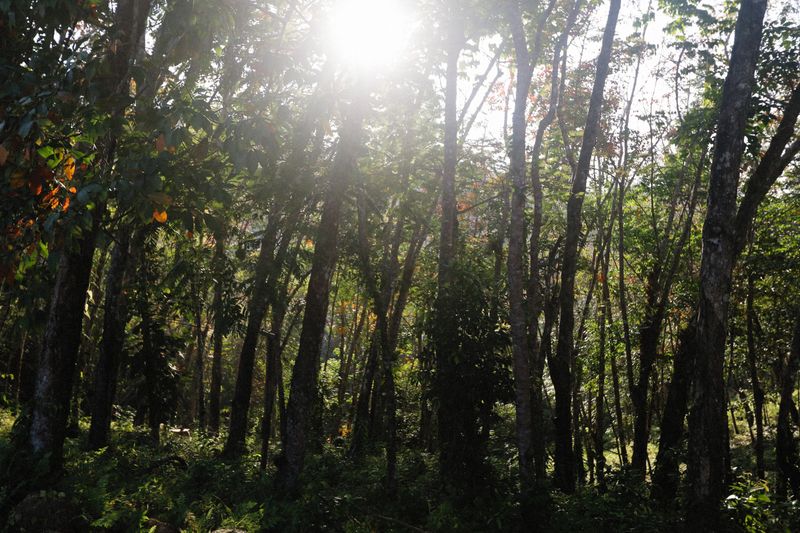
At 11,000 feet, sunlight arrives with a lot more punch. There is less atmosphere overhead to soften ultraviolet rays, so leaves take a beating all summer.
Thin air also holds less moisture and swings wildly between hot afternoons and freezing nights. Leaves up there work harder for every bit of food they produce.
By late August, high-elevation foliage often shows visible wear, with reduced pigment vibrancy, and the tree starts recycling nutrients back into roots and trunk.
Trees in valley towns get shelter from buildings, other trees, and denser air. Their leaves stay in better shape longer, which keeps them green.
You can spot the difference on the leaves themselves. High-country aspen foliage often shows small dark spots and crinkled edges by the time it turns.
That wear and tear is not a problem, just a sign of a tough address. Aspens are well-adapted to harsh conditions and reliably return each spring.
Practical takeaway for hikers: bring layers and expect fast changes. The same slope that shows summer green in July can be gold and windy by the first week of September.
Fun bit of trivia, aspen bark contains chlorophyll too. That greenish-white trunk keeps making a trickle of food even after the leaves let go, which helps high-altitude trees squeeze value out of a short season.
5. Dry Summers Push Color Ahead Of Schedule
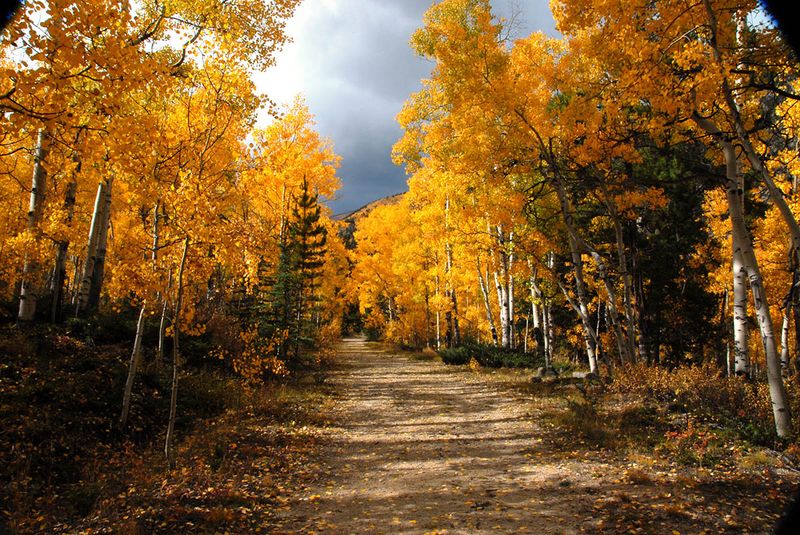
Water shortages act like a fast-forward button. When soil moisture runs low, aspens shed leaves early to cut their losses.
High slopes dry out sooner than valley bottoms because water drains downhill and thin rocky soils hold very little. A rainless three weeks in August shows up first on ridges.
Drought-stressed groves often turn a duller yellow with brown patches mixed in. The color arrives early but does not linger long.
Strong monsoon rains in July and August do the opposite. Well-watered trees hold their leaves longer and produce that deep, saturated gold people drive hours to see.
Valley trees also get a boost from irrigation, lawn watering, and creekside groundwater. Town aspens and cottonwoods practically have their own drip system.
If you are planning a leaf trip, check drought maps alongside the calendar. Regions with a wet monsoon usually deliver richer color and a peak that holds for a full week or more.
Homeowners with aspens in the yard can help. A slow, deep soak every couple of weeks during dry late summer keeps roots comfortable and delays early leaf drop.
Avoid heavy fertilizer in August, though. Pushing new growth that late leaves tender shoots exposed when cold arrives.
Aspens are survivors, so an early turn is rarely cause for worry. It is the tree making a smart financial decision with the water it has.
6. Each Grove Is One Giant Family With Shared Timing
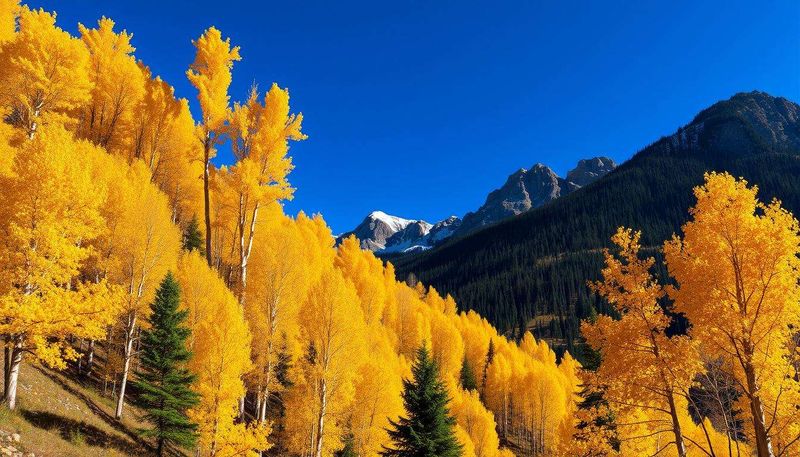
Look at a mountainside in September and you will see patches, not a smooth wash of color. One clump glows orange, the next stays green, and the boundary is oddly sharp.
Those patches are clones. A single aspen root system can send up hundreds of trunks, and all of them share identical genes.
Because they are genetically the same, they change color at the same moment and in the same shade. Neighboring clones may run a week or two ahead or behind.
Some clones lean gold, others produce apricot or even reddish tones depending on their genetics and site. Trace the outline of a patch and you are literally seeing one organism.
High-elevation clones often carry genes tuned for short seasons, which means they wrap up early by design. Lower clones inherited a more relaxed schedule.
Aspen clones are famously long-lived. The Pando grove in Utah is estimated to be somewhere between thousands and tens of thousands of years old, with scientists still debating the exact figure, and its mass is often cited as greater than any known single animal.
For color chasers, the quilt effect is a gift. Even slightly past peak, a slope with many clones will still have fresh patches turning.
Try scouting from a distance with binoculars before choosing a trail. Pick the clone that looks brightest, then find the road or path that puts you underneath it.
7. Slope Direction Decides Who Turns First
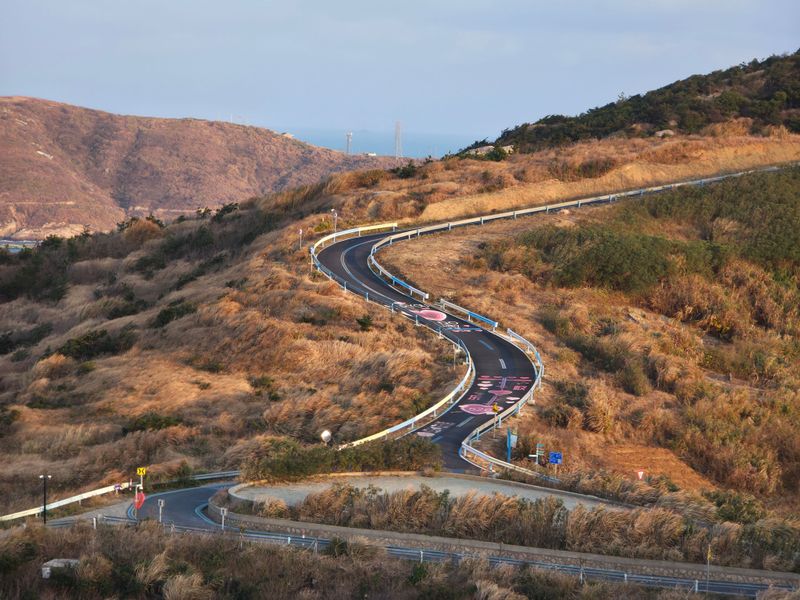
Two hillsides can face each other across a creek and behave like different states. North-facing slopes stay cooler and shadier all year, holding snow later and chilling faster in fall.
Aspens on those shaded slopes get less direct sun each day as the sun angle drops. Their color often runs a week ahead of the sunny side.
South-facing slopes soak up heat and stay warmer into the evening. Trees there keep photosynthesizing longer and hang onto green.
Wind exposure matters just as much. Ridgetop groves catch cold gusts that pull heat away and can rip leaves loose before they finish turning.
Sheltered pockets and creek bottoms hold warm air and moisture, so they finish last. Some of the best late-season color hides in tucked-away drainages.
This is why scenic byways feel so unpredictable. One switchback shows peak gold, the next shows mid-summer green, all within a mile.
Use the pattern to extend your leaf-peeping season. Early September, aim for north-facing high slopes and windy passes.
By late September, shift to sheltered valleys and south-facing hillsides where color is just getting started. Maroon Bells, Ohio Pass, and the Uncompahgre country all show this contrast beautifully.
Bring a map that shows terrain, not just roads. Knowing which way a slope faces turns guesswork into a solid plan.
8. Town Warmth And City Lights Keep Valley Leaves Green
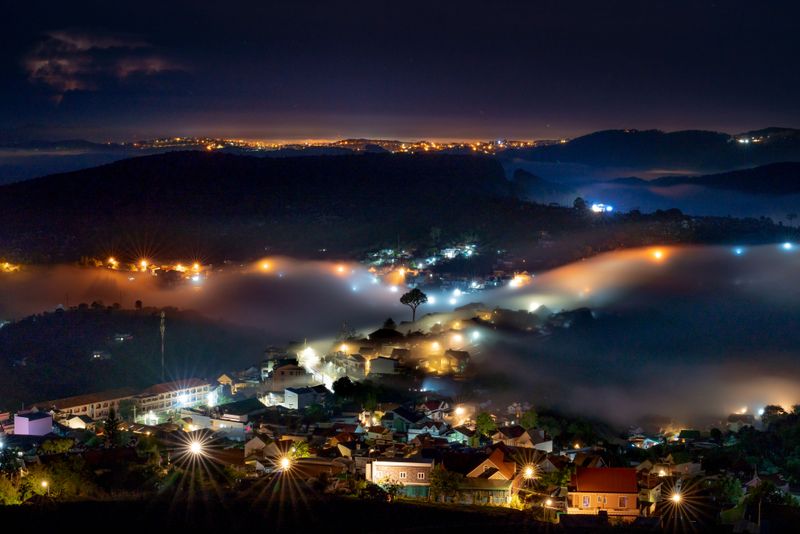
Pavement, rooftops, and parked cars soak up heat all day and release it slowly at night. That extra warmth can keep a town several degrees milder than the forest just uphill.
Streetlights and porch lights add another wrinkle. Artificial light near a tree can stretch its perceived day length and delay the color change on that side of the canopy.
Watch a single street tree closely and you may notice the branch nearest the lamp stays green longest. It is a small effect, but visible once you know to look.
Yard care plays a role, too. Regular watering, mulch, and sheltered planting spots all keep valley trees comfortable and productive.
Wind protection from fences and buildings helps leaves stay attached longer. That is why towns often show color two or three weeks after the passes above them.
None of this means valley color is second rate. Riverside cottonwoods and neighborhood aspens provide an extended, colorful season through early to mid October.
Smart plan for visitors: catch high-country gold on a September weekend, then return in October for towns like Salida, Buena Vista, or Golden. You get two distinct color windows within one season.
According to local tradition, ranchers historically watched the color line on the peaks as an informal signal to move cattle down before weather turned.