The One Thing North Carolina Container Plants Need In 97 Degree Heat
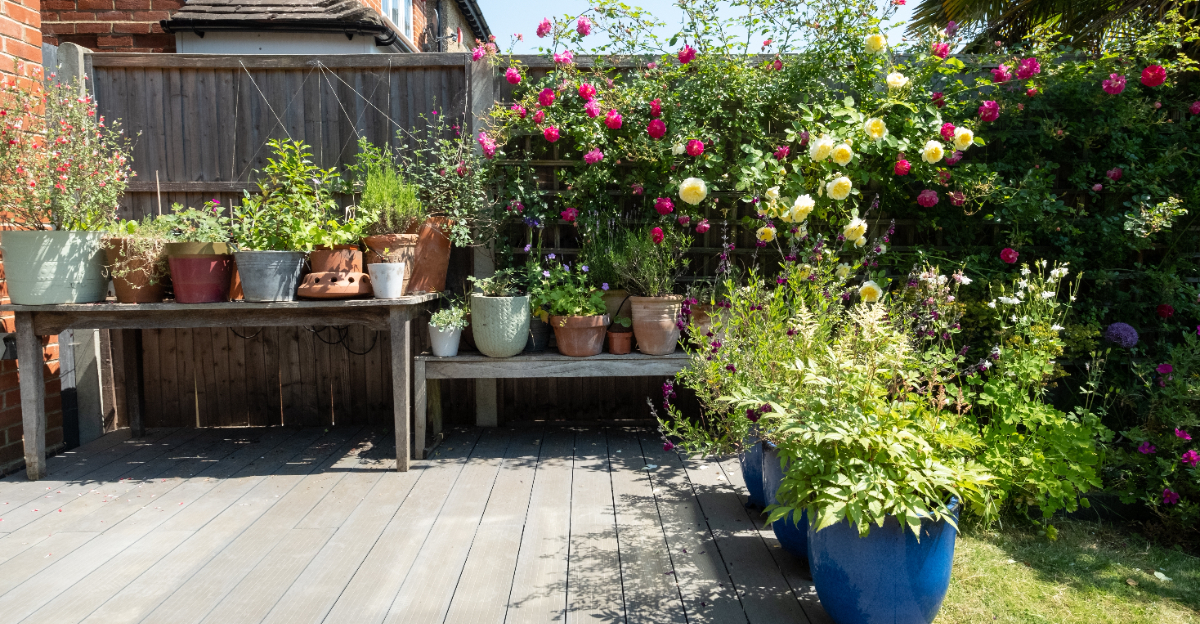
Container plants have it harder than ones in the ground when North Carolina temperatures climb to 97 degrees.
With less soil to insulate the roots, containers heat up fast and lose moisture much quicker, leaving plants vulnerable in a way garden beds usually aren’t.
Moisture becomes the deciding factor during a stretch like this. Even a few hours of missed watering can let a container dry out completely, stressing roots and causing wilting that’s hard to reverse once it sets in.
Because there’s so little buffer in a pot, small lapses matter more here than almost anywhere else in the garden.
For North Carolina gardeners keeping containers alive through this kind of heat, staying ahead of moisture loss is the key to getting plants through safely.
1. Check Containers Every Day
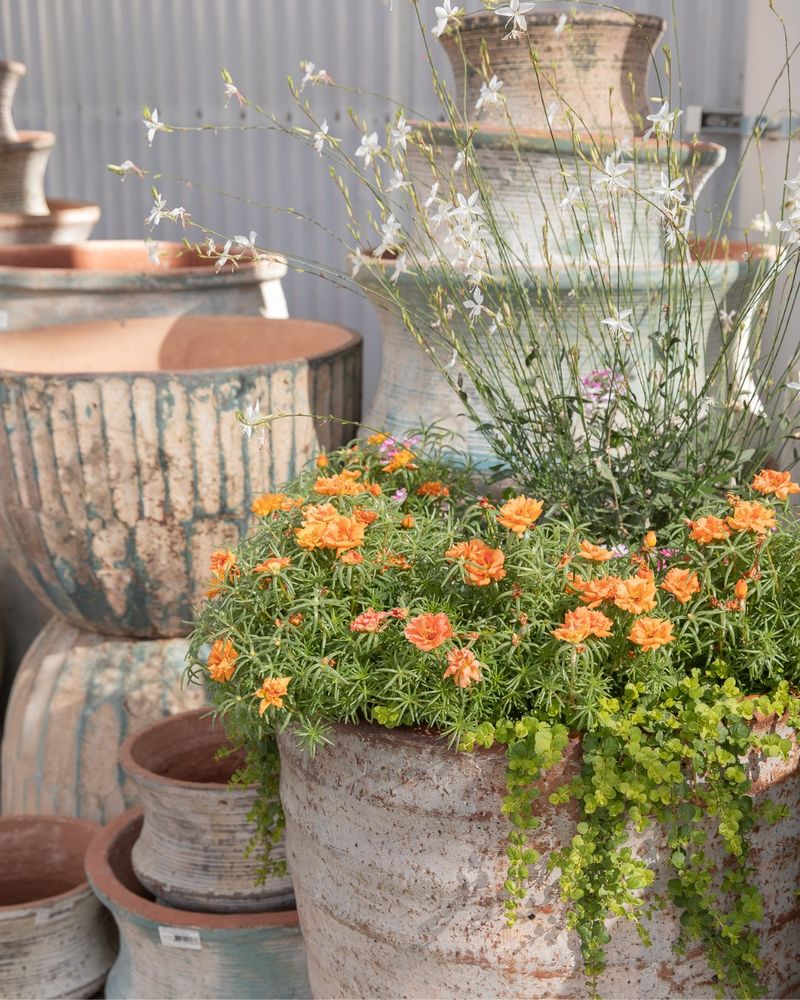
When the heat climbs to 97 degrees, a pot that looked perfect in the morning can turn thirsty by lunchtime. Containers hold only a small amount of soil, so they warm up and dry out much faster than the ground does.
That is why a daily check becomes your best habit during a heat wave. Start by pressing a finger into the top inch or two of the mix. If it feels warm and crumbly, your plant is probably running low on water.
Roots trapped in a hot pot cannot pull moisture the way they would in cool, deep earth. Morning is the perfect time to look things over, before the sun really cranks up. A quick glance at drooping leaves or dry edges tells you a lot too.
Plants often wilt slightly in extreme heat, but they should perk back up once the soil gets a drink.
Try to make your rounds at the same time each day so it becomes automatic. Some folks even check twice when temperatures spike, once in the morning and once in the early evening.
Skipping a day during a scorcher can leave your plants stressed and struggling to bounce back. A five minute walk around your patio saves you a lot of heartache later.
Stay consistent, and your container garden will reward you with steady growth and cheerful color even when the weather refuses to cool down.
2. Water When The Mix Is Dry
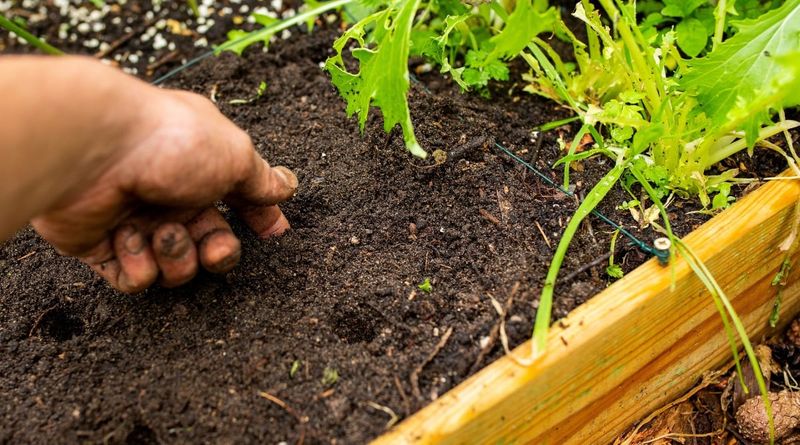
Watering on a strict clock sounds tidy, but plants do not read calendars. What they really need is water when the root zone starts to dry out, and that timing shifts with the weather. On a 97 degree day, a pot might need a drink much sooner than it did last week.
The trick is to feel deeper than the surface. Push your finger a couple of inches into the mix, right down toward where the roots live. If it feels dry at that depth, it is time to water. If it still feels cool and damp, you can wait.
The top layer often looks dry even when moisture hides below, so surface checks alone can fool you. Digging a little deeper gives you the real story about what your plant is dealing with.
Your North Carolina Garden Changes Every Week. Your Plan Should Too.
Gardening in North Carolina changes quickly throughout the season. Every Friday you’ll receive a simple weekly plan showing exactly what to plant, prune, fertilize, harvest, and protect so you never miss the right timing.
For bigger pots, you can use a wooden stick or a moisture meter to reach the lower zone. Pull it out and see if soil clings to it or if it comes out clean and dusty.
Watering only when needed keeps roots healthy and prevents soggy conditions that harm plants. It also saves water, which matters during a hot North Carolina stretch.
Once you get used to reading the mix instead of the clock, you will feel more confident. Your plants will show their thanks with firm stems and bright leaves, proving that paying attention beats guessing every single time during the summer heat.
3. Water Thoroughly Until It Drains
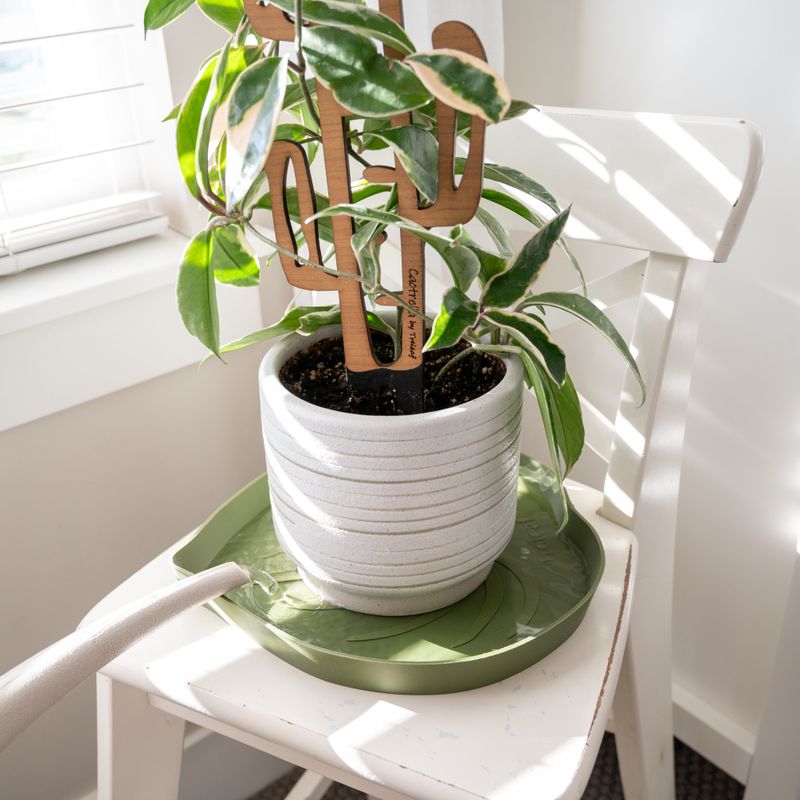
A quick splash of water might make you feel good, but it rarely reaches the roots that need it most. During extreme heat, the goal is to soak the whole root ball, not just dampen the top.
That means watering until you see it flowing out the bottom. Those little drainage holes are your signal. When water starts trickling out, you know moisture has traveled all the way down through the mix.
Every root, top to bottom, gets a chance to drink. Shallow watering trains roots to stay near the surface, where the heat is worst. Deep, thorough watering encourages roots to grow lower where things stay cooler and more stable.
Pour slowly so the water has time to soak in instead of rushing over the top and running off the sides. In very dry mix, you might need to go back a second time after the first round settles in.
On a 97 degree afternoon, dry potting mix can actually pull away from the edges of the pot. When that happens, water sneaks down the gaps and escapes without wetting the roots at all. Slow, steady pouring fixes this problem.
Give each pot enough that you spot that lovely drip underneath, then move on to the next. A fully soaked root ball holds moisture longer and helps your plant handle the next blazing day. Deep watering done right is one of the kindest things you can offer your containers.
4. Small Pots Dry Out Faster
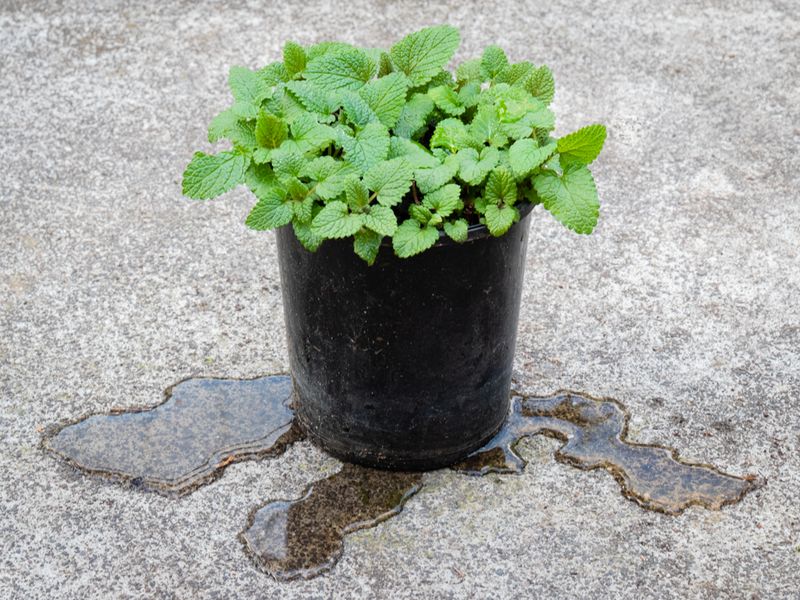
Tiny pots look adorable lined up on a windowsill, but they come with a big challenge when summer roars in. The smaller the container, the less soil it holds, and less soil means less water stored for your plant.
On a scorching day, that limited supply vanishes in a hurry. Think of a small pot like a shot glass and a big pot like a water bottle. The shot glass empties fast, while the bottle keeps going.
Plants in little containers simply run out of moisture sooner. During a 97 degree stretch, some small pots may need water twice a day just to keep up. That is a lot of attention, especially if you have many scattered around your porch.
One smart move is to group your tiniest pots together in a shadier spot. Clustering them helps keep the surrounding air a bit more humid and slows how fast each one dries.
If you find yourself watering constantly, consider moving your plant into a larger container. More room for soil means more moisture stored and fewer frantic trips with the watering can.
Self watering pots or ones with a water reservoir can also take some pressure off during heat waves. They hold extra moisture that plants sip as needed.
Keep a close eye on your small containers when the forecast turns fierce. A little planning keeps them lush and thriving instead of wilting between waterings on those long, hot North Carolina days.
5. Dark Containers Can Get Hotter
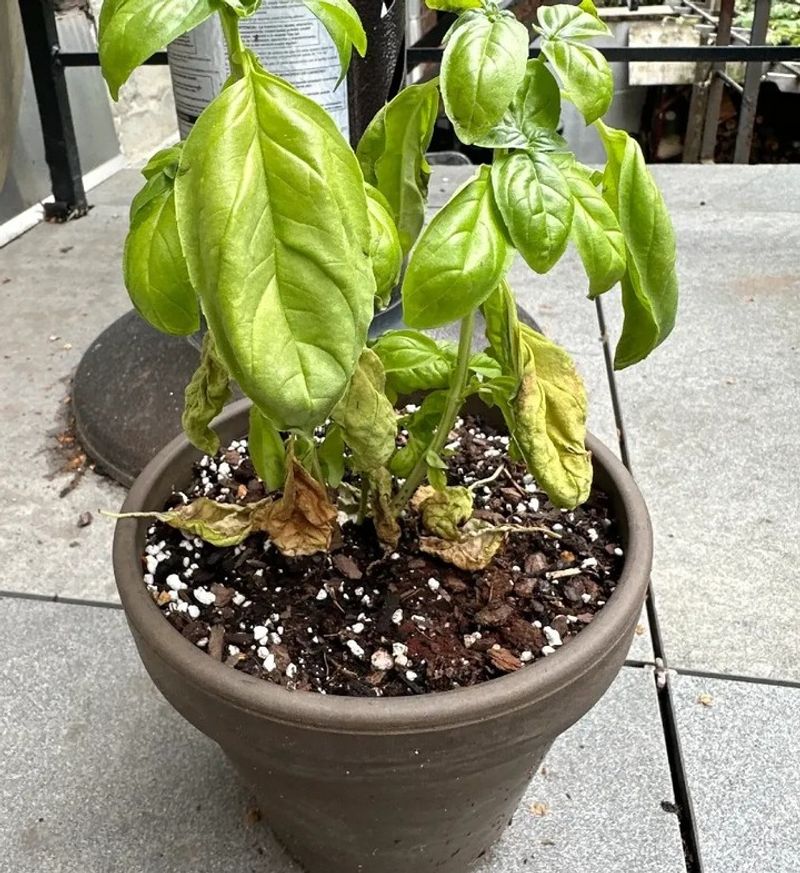
Ever touched a black car in July and yanked your hand back? Dark colored pots behave the same way in the sun. They soak up heat like a sponge, and all that warmth travels straight into the soil and roots.
Light colors reflect sunlight, while dark shades absorb it. A black or deep navy container sitting in full sun can turn into a little oven by mid afternoon. The mix inside heats up and loses moisture faster than it would in a pale pot.
Roots do not enjoy baking. When the soil temperature climbs too high, plants get stressed and struggle to take up water even when you provide plenty.
If you already own dark pots, do not worry. You can slip them inside a lighter outer container, a trick gardeners call double potting. The gap between the two acts like a buffer against the heat.
Another option is to wrap the dark pot with light fabric or move it where it catches morning sun but escapes the harsh afternoon rays. Even a simple shift in position makes a real difference.
When shopping for new containers, lean toward light shades, terracotta, or glazed ceramics in pale colors. They keep roots noticeably cooler during a heat wave.
Paying attention to pot color might seem like a small detail, but on a 97 degree day it can be the difference between a comfortable plant and one fighting to survive the afternoon sun.
6. Give Heat Stressed Containers Some Afternoon Protection
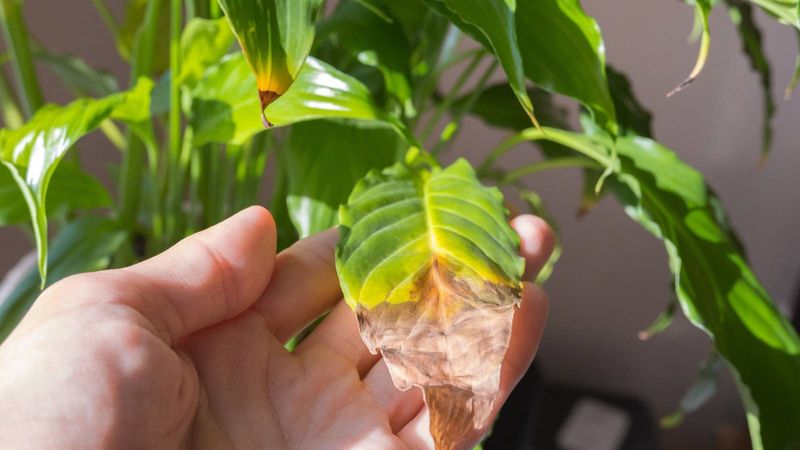
Even sun loving plants can wave a white flag when the afternoon sun turns punishing. Around 97 degrees, that late day heat becomes the toughest stretch of all. A bit of shade during those hours can bring huge relief.
The beauty of container gardening is that your plants come with handles, so to speak. You can pick them up and move them to a cooler corner when the sun gets fierce. A spot with morning light and afternoon shade often works wonders.
If moving pots feels like too much work, temporary shade does the job too. A patio umbrella, a shade cloth, or even an old bedsheet propped overhead can block the harshest rays.
The goal is not total darkness. Plants still crave light to grow and bloom, so you only want to soften the intensity during the hottest part of the day.
Watch how your plants respond. If leaves scorch, curl, or fade in the afternoon, they are begging for a break from that blazing sun.
Even a couple of hours of relief helps roots hold moisture and lets leaves recover. Come evening, the plant bounces back stronger for the next day.
Grouping pots together under one shady spot also makes watering rounds easier. You get to protect several plants at once while keeping your routine simple.
A little afternoon shade during a heat wave keeps your container garden vibrant instead of frazzled, and your plants will clearly show their appreciation.
7. Do Not Leave Pots Sitting In Water
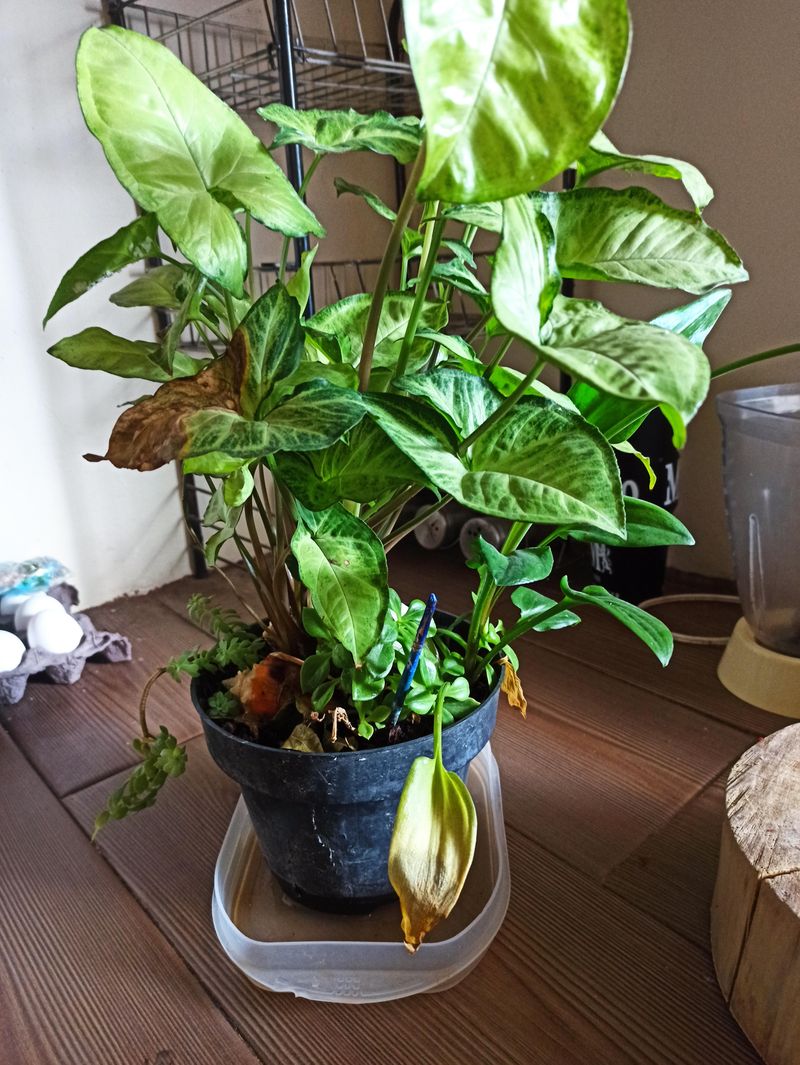
It might seem like leaving a pot in a saucer full of water gives your plant a handy reservoir. In reality, that standing water can cause more harm than good. Roots need air just as much as they need moisture.
When a pot sits in a puddle, the bottom soil stays soggy for hours. Waterlogged roots cannot breathe, and soon they start to rot. A plant can suffer from too much water just as easily as from too little.
Good drainage is the secret to healthy containers. After you water, let the extra flow out freely and then empty any saucer that catches the runoff.
During a heat wave, you might feel tempted to leave water sitting so the plant never runs dry. Resist that urge. Instead, water thoroughly and let the pot drain, then check again later if needed.
Make sure every container has holes in the bottom. Decorative pots without drainage trap water and quietly harm the roots inside.
If you love a pretty pot that lacks holes, use it as a cover and keep your plant in a plastic nursery pot tucked inside. That way you can lift the inner pot out to drain after watering.
Standing water also attracts mosquitoes, which nobody wants buzzing around the patio. Dumping saucers keeps pests away too.
Balance is everything with container plants. Give them a deep drink, let the excess escape, and your roots will stay healthy and strong all summer long.
8. Mulch The Surface To Slow Moisture Loss
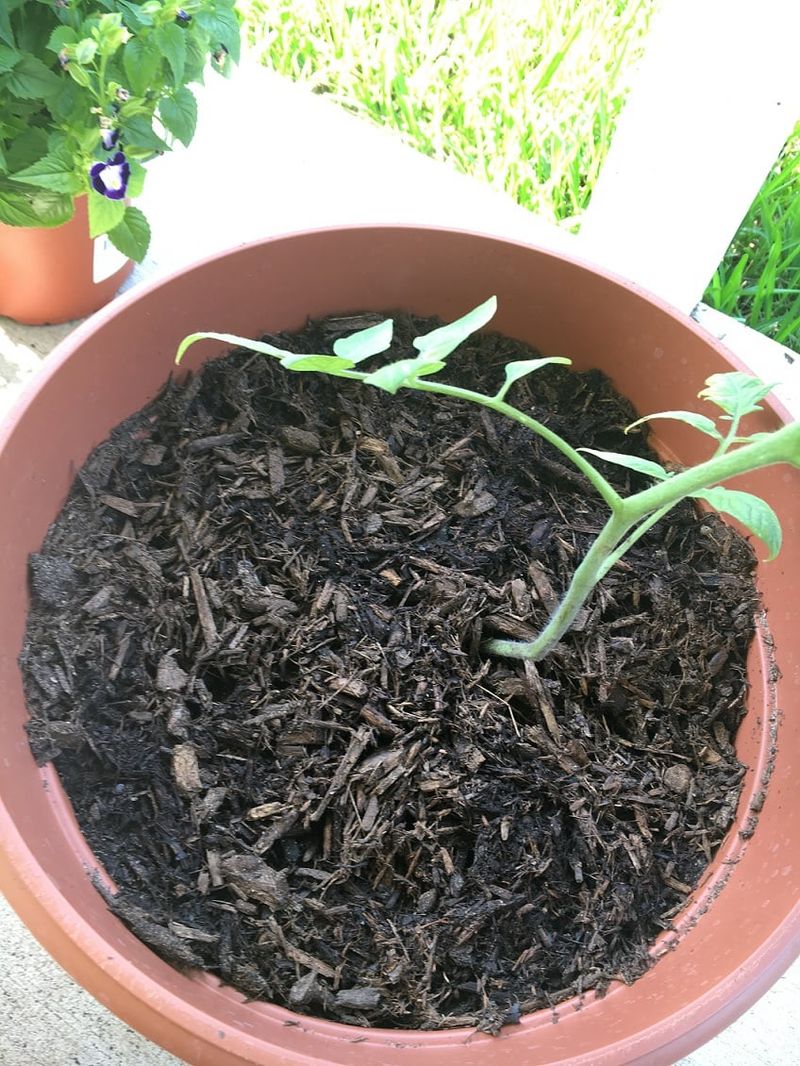
Here is a simple trick that professional gardeners swear by during a heat wave. A layer of mulch spread over the top of your potting mix works like a cozy blanket, only its job is keeping moisture in rather than warmth.
Bare soil loses water fast when the sun beats down. The surface bakes, cracks, and lets precious moisture escape into the air. Mulch shields that surface and slows evaporation dramatically.
You can use bark chips, shredded leaves, straw, or even small pebbles. Spread about an inch across the top, leaving a little space around the stem so it does not stay too damp there.
Besides holding moisture, mulch keeps the soil temperature steadier. Roots stay cooler and calmer instead of swinging from hot to cool with every watering.
Mulch also blocks weeds that would otherwise steal water from your plant. Fewer weeds mean more moisture stays right where your plant needs it.
On a 97 degree afternoon, mulched pots simply hold their water longer, which means fewer trips with the watering can for you. That is a win for both you and your plants.
Natural mulches like bark slowly break down and add nutrients to the mix over time. It is a small effort that pays off in more ways than one.
Toss a handful of mulch onto your containers before the next hot spell hits. Such a tiny step makes a real difference, keeping your plants hydrated and thriving through the toughest summer days.