Why North Carolina Gardeners Are Ditching Landscape Fabric For These Alternatives
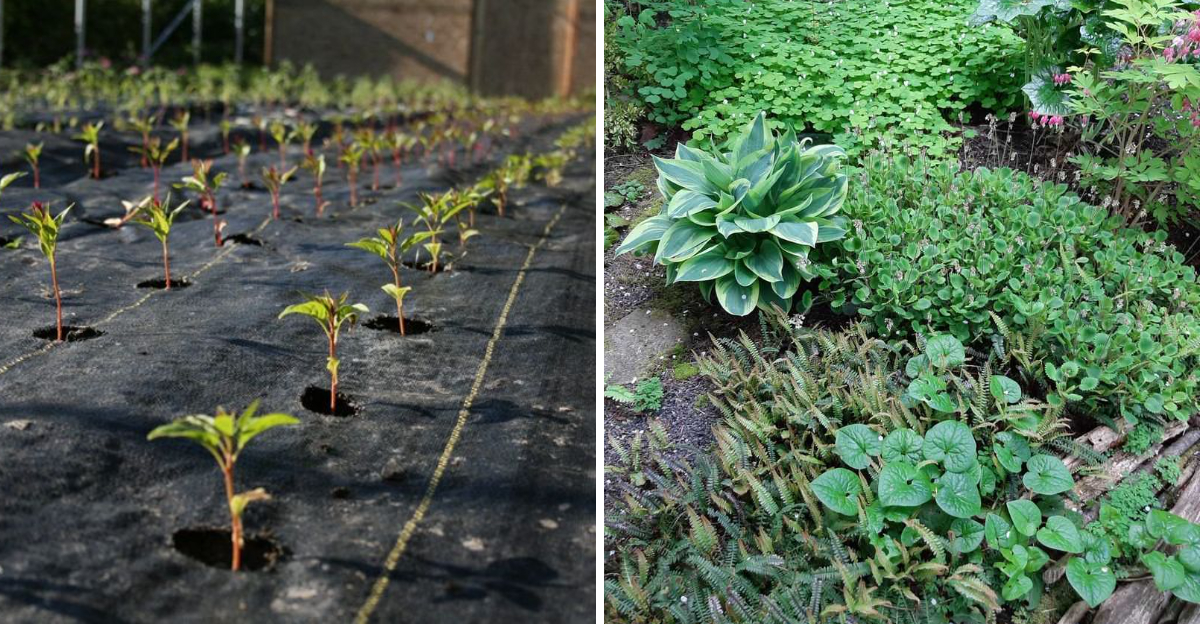
Landscape fabric has long been a popular choice for weed control in North Carolina gardens, but more gardeners are stepping away from it. Over time, the fabric can block water and air from reaching the soil and disrupt the life living within it.
Weeds often find a way to grow through or around it anyway. What’s supposed to make garden care easier can end up creating more work later, especially once the fabric breaks down or tangles with plant roots.
Because of this, many North Carolina gardeners are looking for better ways to manage weeds, ones that don’t come at the cost of healthy soil.
Some alternatives are proving simpler to use and more effective over time, giving beds and borders better long-term results. For gardeners ready to leave landscape fabric behind, here’s a look at a few options worth trying instead.
1. Organic Mulch Improves The Soil As It Breaks Down
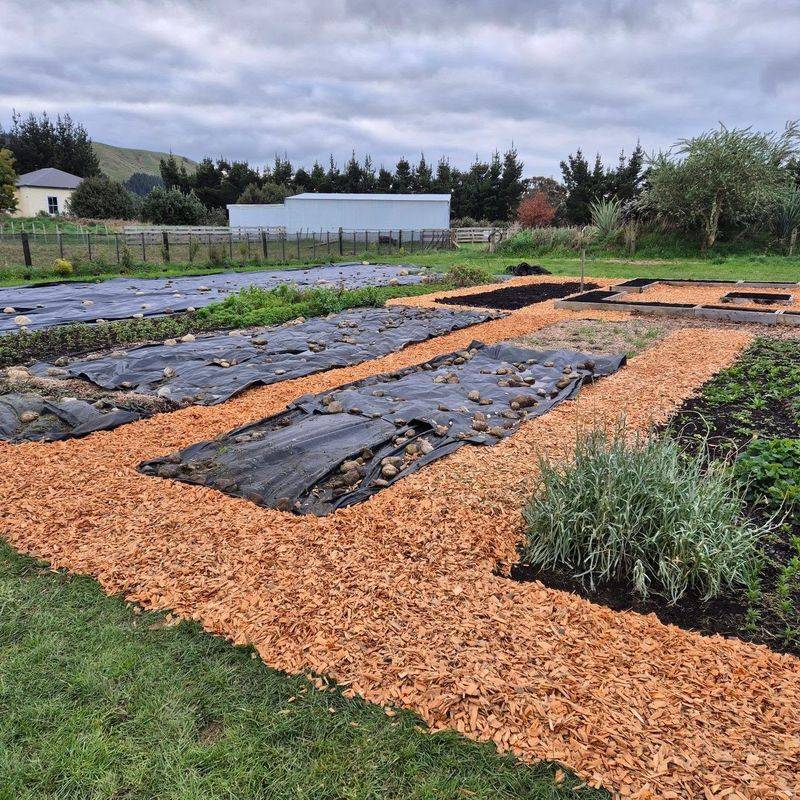
Picture a garden bed that gets better every single year without much effort from you. That is exactly what happens when you use organic mulch instead of plastic fabric.
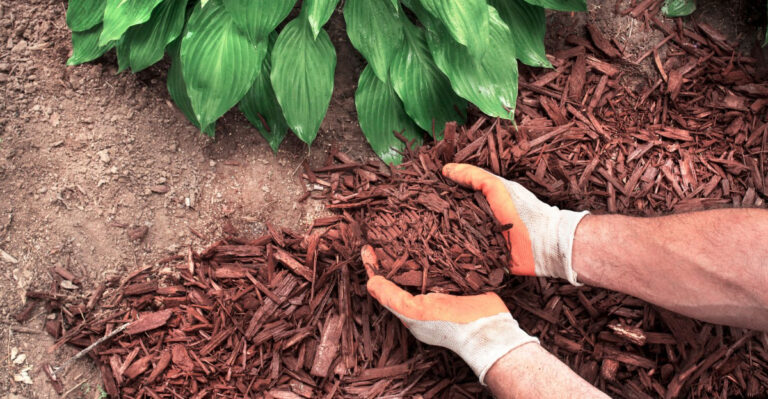
Materials like arborist wood chips, pine straw, shredded hardwood, and leaf mold slowly break down and feed the earth beneath them.
As these natural materials decompose, they release nutrients that plants love. Earthworms and helpful microbes move in, loosening the soil and making it easier for roots to spread.
Organic mulch also holds moisture in the ground during hot Carolina summers, so you water less often. At the same time, a thick layer blocks sunlight from reaching weed seeds, which keeps most of them from sprouting.
You get weed control and soil building rolled into one simple step. The best part is how easy it is to refresh. When the mulch thins out, you just add another layer on top. There is no digging up old plastic or fighting with torn fabric edges.
Pine straw works wonderfully in North Carolina since pine trees grow everywhere here. Wood chips from a local tree service are often free if you ask around.
Over a few seasons, gardeners notice darker, richer soil that grows stronger plants. That slow transformation is something no synthetic barrier will ever give you, and it keeps your garden thriving naturally.
2. Weeds Eventually Grow On Top Of Fabric
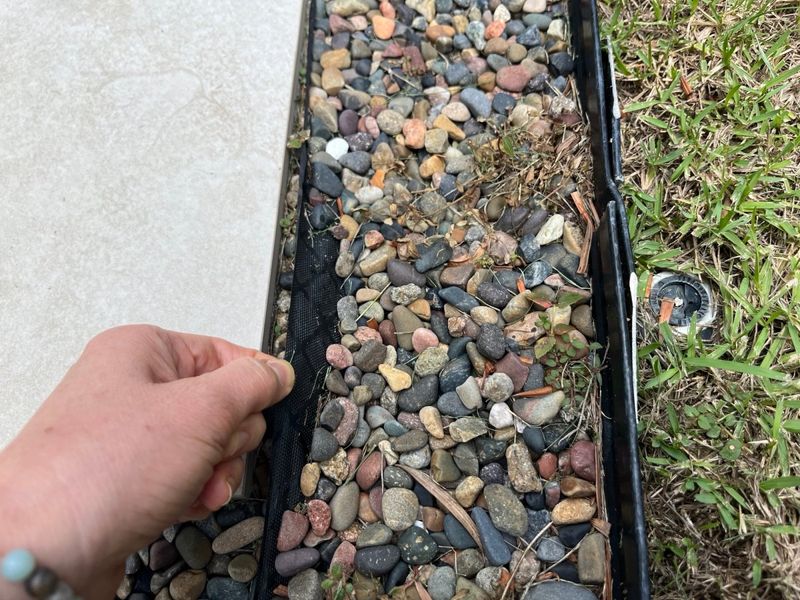
Here is the frustrating truth many gardeners learn the hard way. Landscape fabric promises to stop weeds, but after a couple of years, weeds start growing right on top of it.
It feels like the fabric quit its job when you needed it most. What actually happens is pretty simple. Mulch placed over the fabric slowly breaks down into a thin layer of rich material.
Wind also blows dust and soil onto the surface over time. Together these create a fresh bed of dirt sitting directly above the plastic.
Weed seeds are always floating around, carried by wind, birds, and even your shoes. Once they land on that new layer, they have everything they need to sprout.
Your North Carolina Garden Changes Every Week. Your Plan Should Too.
Gardening in North Carolina changes quickly throughout the season. Every Friday you’ll receive a simple weekly plan showing exactly what to plant, prune, fertilize, harvest, and protect so you never miss the right timing.
Sunlight, moisture, and soil are all right there. The fabric underneath does nothing to stop them because the roots stay above it.
To make things worse, some of those weed roots grow down and tangle into the fabric fibers. Pulling them out becomes a real chore, and often the fabric tears in the process. What was supposed to save you work now creates more of it.
Organic mulch avoids this trap entirely. When weeds pop up in mulch, you can pull them easily since the roots slide right out of the loose material.
There is no plastic tangle to fight. North Carolina gardeners who switch often say weeding suddenly feels quick again, and their beds look tidier without that stubborn hidden barrier working against them.
3. Removing Old Fabric Can Be A Huge Job

Ask anyone who has tried to remove aged landscape fabric, and you will hear a groan. What went down easily years ago turns into one of the most annoying chores in the garden.
Time and nature work together to make that plastic sheet nearly impossible to pull up cleanly.
Over the seasons, plant roots grow through the tiny holes in the fabric. Weeds anchor themselves into it, and mulch settles into every fiber.
All of this creates a stubborn tangle that grips the ground tightly. When you try to lift a corner, it often rips into small shreds instead of coming up in one piece.
Those little pieces are the worst part. They scatter across the bed and mix into the soil, leaving bits of plastic you will keep finding for years. Picking them out one by one takes forever and never feels finished.
Sunlight also makes older fabric brittle, so it crumbles at the slightest tug. Instead of a smooth removal, you end up on your knees with a trash bag, sorting plastic from dirt. It is dusty, tiring work that can eat up a whole weekend.
Organic mulch never puts you in this position. When you want to change a bed, you simply rake the mulch aside or turn it into the soil.
There is nothing to haul away and nothing to tear. Many Carolina gardeners who lived through one fabric removal project vow never to install it again, choosing simpler options that respect their time and their backs.
4. Wood Chips Can Suppress Weeds Without A Synthetic Barrier
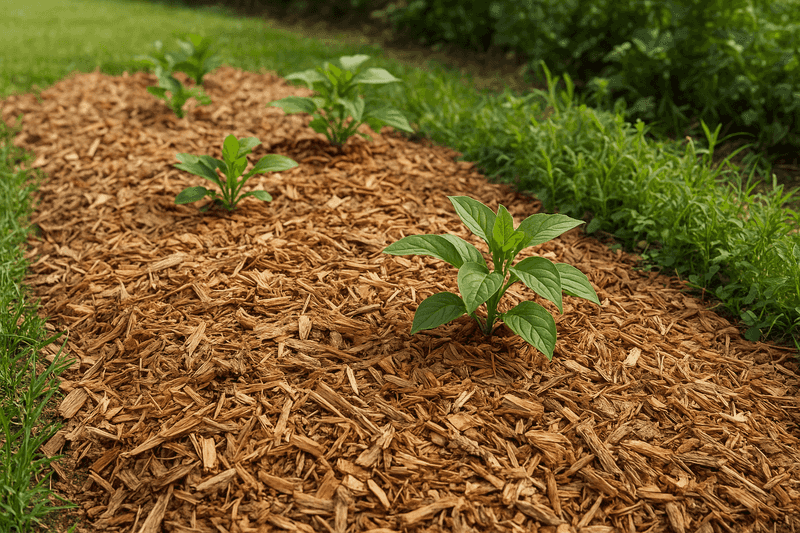
Wood chips might be the unsung hero of the low-maintenance garden. A good thick layer does the same job people hoped fabric would do, only better and without any plastic at all. The secret is simple physics mixed with a little patience.
When you spread coarse organic mulch three to four inches deep, it blocks sunlight from reaching the ground. Most annual weed seeds need light to sprout, so they simply stay quiet under that blanket.
Fewer weeds means less time spent bent over pulling them out. Unlike fabric, wood chips are part of the living soil system. As the bottom layer breaks down, it feeds worms and microbes that keep your dirt loose and full of life.
You are controlling weeds and building better soil in the very same move. Coarse chips work best because they let air and water pass through while still shading the surface.
Fine mulch can pack down too tightly, but chunky arborist chips stay fluffy and last a long time. In North Carolina, many tree services drop off loads of chips for free, which makes this option easy on your wallet.
Refreshing is a breeze too. Every year or two, you just toss on a fresh few inches to keep the layer thick. No digging, no tearing, no plastic scraps.
Gardeners who make the switch often say their beds look neater and their plants grow stronger. That combination of beauty, health, and savings is hard to beat, and it explains why chips keep winning fans across the state.
5. Cardboard Can Work For A New Bed
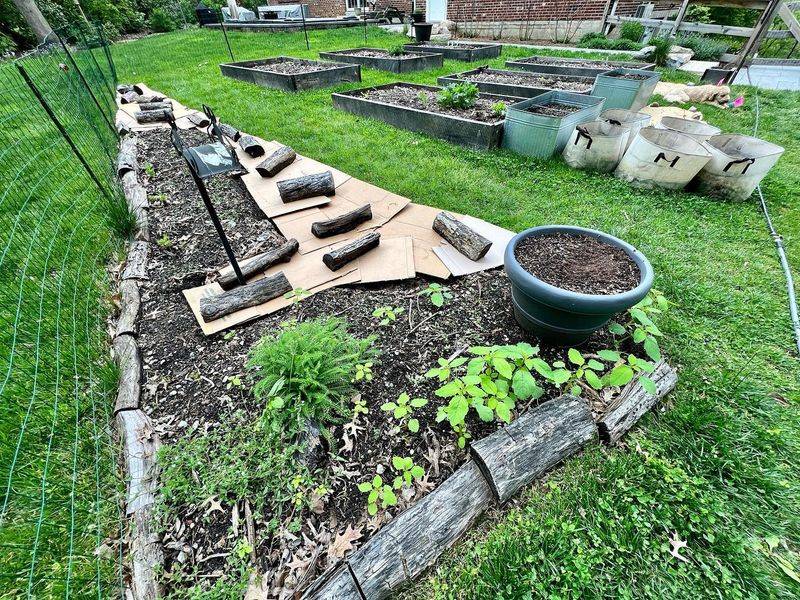
Starting a brand new garden bed over grass or weeds sounds like backbreaking work. Cardboard offers a clever shortcut that many Carolina gardeners swear by.
It is cheap, easy, and turns a messy patch into a planting space with almost no digging.
The method is delightfully simple. You lay flattened cardboard or several layers of newspaper right over the grass, then pile organic mulch on top.
The cardboard blocks light from whatever is growing below, and without light those plants fade away over a few weeks.
What makes this trick even better is what happens next. The cardboard slowly softens and breaks down into the soil, feeding earthworms along the way. By the time it disappears, you are left with looser, richer ground ready for planting.
Be honest with yourself about what cardboard can and cannot do. It works great against grass and many annual weeds, but tough perennial weeds with deep roots may push right through it.
For those stubborn plants, you will still need to dig or pull them out first. Use plain brown cardboard without heavy tape, glossy print, or shiny coatings. Overlap the edges so no gaps let weeds sneak through.
A thick mulch topping keeps everything in place and looking neat. This approach shines when you want to expand your garden without renting equipment or hauling away sod.
Give it a few months before planting, and you get a fresh bed the natural way. It is a temporary helper rather than a forever fix, but for new spaces it truly delivers.
6. Dense Planting Can Become Its Own Weed Barrier
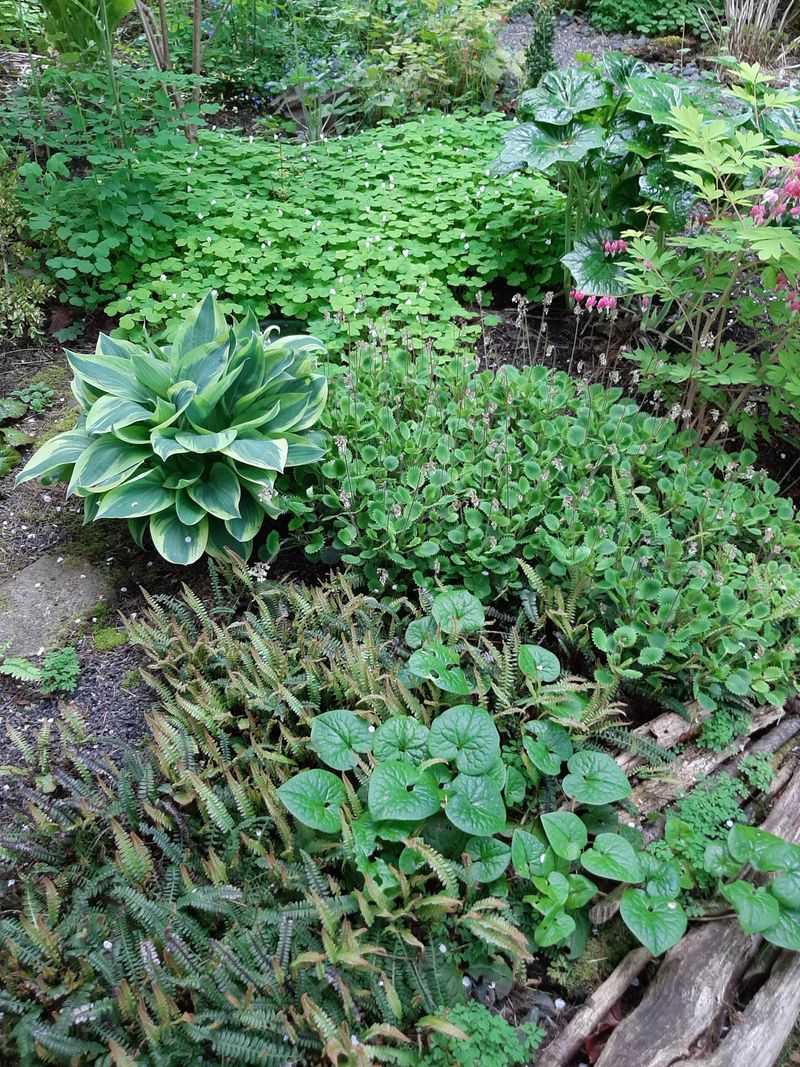
Nature hates bare ground, and smart gardeners use that fact to their advantage. When you fill a bed with closely spaced plants, they create a living shield that keeps weeds from ever getting started.
It is one of the prettiest ways to skip fabric entirely. The idea rests on shade. Weed seeds need sunlight to sprout, so when leaves cover every inch of soil, those seeds stay in the dark and never grow.
Your plants take the space and light that weeds would otherwise grab. Ground covers are especially good at this. Low, spreading plants like creeping phlox, sedum, or native varieties knit together into a thick carpet.
Once established, they leave almost no open dirt for troublemakers to invade. Tall perennials and shrubs help too when planted a little closer than the tags suggest. As they grow and touch, their leaves form a canopy that blocks the sun from the ground below.
The bed becomes a full, lush scene instead of scattered plants surrounded by mulch. This method rewards patience. The first year takes some weeding while plants fill in, but each season gets easier as the coverage thickens.
Soon you spend far less time fussing over weeds. Keep in mind that dense planting mostly stops annual weeds. Perennial weeds with strong roots can still muscle their way in, so you will want to remove those by hand when they appear.
Even so, a packed, thriving bed looks gorgeous and does much of your weed control for free, all while supporting pollinators and local wildlife.
7. Fabric Still Has A Place In Certain Landscapes
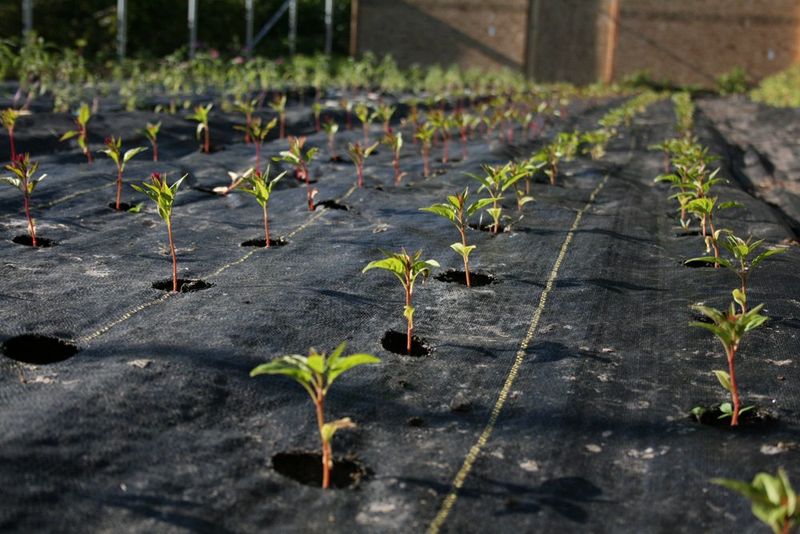
Before you toss every roll of landscape fabric in the garbage, pump the brakes for a moment. Fabric is not the villain in every garden story.
There are real situations where it does exactly what you need, and NC State experts recognize this too.
Geotextiles, which are the fabric’s more heavy-duty cousins, shine in long-term projects. When you plant permanent woody shrubs and trees that will not change for years, a proper fabric layer under mulch can hold back weeds without needing constant attention.
Since you are not replanting often, the downsides matter less. Erosion control is another spot where fabric earns its keep. On slopes or along paths, it holds soil in place and stops rain from washing everything downhill.
Under gravel walkways and driveways, it keeps stones from sinking into the mud below. The key is installing it the right way. Quality fabric, secured firmly and topped with the correct material, performs far better than a cheap sheet slapped down in a hurry.
Cutting neat holes for plants and overlapping edges makes a big difference. Maintenance still matters even here. Keeping mulch fresh and sweeping off built-up debris helps the fabric last and work as intended.
So the smart move is matching the tool to the task. For flower beds you replant often, organic mulch wins easily.
For a rock path or a permanent shrub row, fabric might be your best friend. Understanding when to use each option is what separates a frustrated gardener from a truly happy one who works with their landscape.