Stop Making These 9 Mistakes With Your North Carolina Climbing Clematis

A clematis goes into the ground in North Carolina, gets staked, gets watered, gets babied for five straight years.
Three sad flowers show up anyway, while the neighbor’s vine buries her entire mailbox in purple every single May.
Something is clearly different between those two yards. It is not luck.
Most struggling clematis vines are perfectly healthy plants stuck with a care routine working against them instead of for them.
A handful of small habits decide almost everything here, and most gardeners never connect the dots between a quiet mistake made in February and a bare trellis come May.
Nine of those habits show up constantly across Carolina yards, and fixing them costs nothing but a little attention at the right moment.
Grab your pruners. Some of these might surprise you.
1. Planting Too Shallow Stresses New Roots

Plenty of North Carolina gardeners set a new clematis in the ground at exactly the depth it sat in its nursery pot.
That single habit holds back more vines than any pest ever will. Clematis is one of the rare plants that actually wants to go deeper than expected.
Extension guidance suggests burying the crown roughly two to four inches below the soil surface, so the lowest set of leaf nodes ends up underground.
Those buried nodes work like insurance. Clematis wilt or a string trimmer taking out the top growth still leaves new shoots ready to push from below the soil line.
A shallow planting leaves the crown exposed to heat, drought swings, and our brutal August sun. Roots near the surface dry out fast in sandy coastal soil and cook in compacted clay.
Stress like that shows up as thin stems, few flowers, and a vine that never seems to gain any ground at all.
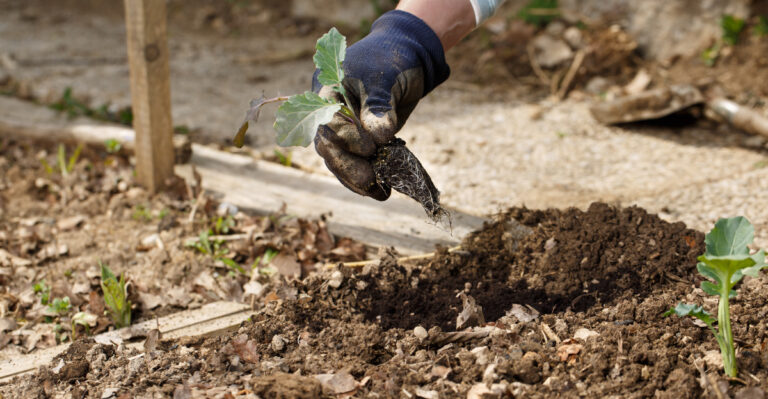
Dig the hole wider and deeper than the pot, loosen the sides, and mix in compost to improve drainage. Set the plant at an angle for long stems, then backfill gently around the buried nodes.
Water deeply after planting to settle the soil, and label the spot so you remember where the crown sits. Give that first year to root building rather than expecting a wall of blooms right away.
Patience pays off in year two and three. Deep roots simply handle a Carolina summer better than shallow ones ever could.
2. Mixing Up Pruning Groups Costs Blooms

Here is the mistake that steals an entire spring: cutting every clematis back to a foot tall because a video said so.
Clematis fall into three pruning groups, and each one flowers on completely different wood. Guess wrong and you snip off the buds before they ever get a chance to open.
Group 1 includes early spring bloomers such as Clematis armandii, Clematis montana, and the alpina types. They bloom on wood grown the previous year, needing little more than a tidy-up right after flowering finishes.
Group 2 covers most big-flowered hybrids, the ones with saucer-sized blooms in May. These flower first on old wood, then repeat lightly on new growth, so late winter pruning stays gentle. Remove spent stems and trim back to a pair of fat, healthy buds.
Your North Carolina Garden Changes Every Week. Your Plan Should Too.
Gardening in North Carolina changes quickly throughout the season. Every Friday you’ll receive a simple weekly plan showing exactly what to plant, prune, fertilize, harvest, and protect so you never miss the right timing.
Group 3 is the only crowd that welcomes a hard chop without complaint.
Jackmanii types and sweet autumn clematis bloom on brand new growth, so cutting them to about twelve inches in late winter or very early spring actually encourages more flowers rather than fewer.
Save the plant tag or write the variety name on a stake, because the group follows the variety, not the season. A lost label calls for watching a full year and noting the bloom time before touching the shears at all.
One universal pruning rule simply does not exist for this genus, and pretending otherwise explains why so many vines grow leaves and nothing else.
3. Skipping Support Leaves Vines Tangled

A clematis climbs by twisting its leaf stems around thin things, not by gripping walls the way ivy does. Nothing skinny to grab means the vine flops into a knotted heap on the ground instead.
That heap traps humidity, and humid Carolina air plus tangled foliage adds up to fungal trouble fast.
Set the support in place before or at planting time, never after the vine has already sprawled everywhere. Digging a trellis leg into an established root zone risks slicing the shallow feeder roots you worked hard to grow in the first place.
Leaf stalks curl best around material about a quarter to a half inch thick. Fat wooden posts and wide arbor beams are too chunky for this job, so add netting, wire mesh, jute twine, or thin bamboo for the vine to actually hold onto.
Early guidance matters too. Loosely tie the first few shoots to the structure with soft garden tape, spreading them sideways as well as upward.
Fanning the stems out gives you flowers across the whole trellis instead of one skinny column at the top, which is a fair trade for a little extra effort.
Keep the support a few inches off a brick or vinyl wall so air moves behind the leaves. Stagnant pockets against hot siding scorch foliage in July and invite mildew by August without much warning.
Check the ties every few weeks during the growing season, loosening any that bite into thickening stems.
Ten minutes of steering in May saves an hour of untangling in September, and the vine rewards you with cleaner, showier growth for the trouble.
4. Too Much Shade Limits Flowering

Shade-tolerant does not mean shade-loving, and clematis proves that every single summer.
A vine tucked under a dogwood canopy or against a north-facing fence grows plenty of green and almost no flowers to show for it. Sunlight on the leaves is what fuels bud production from the start.
Most clematis want roughly six hours of direct sun daily on the top growth. North Carolina mountains usually see full sun all day work out fine.
Down in the Piedmont and toward the coast, morning sun with a little afternoon relief keeps petals from bleaching out in the heat.
Trees are sneaky about this whole equation. A spot that felt bright in March can turn deeply shaded by June once oaks and maples leaf out fully. Track the light for a full day in early summer before deciding a location counts as sunny enough.
Some pale-flowered hybrids hold their color better with light afternoon shade, so the real goal is bright, not blistering. Deep shade, though, produces leggy stems reaching desperately toward any gap in the canopy above.
A vine already stuck in the gloom can still be moved during dormancy. Late winter transplanting, with a generous root ball and deep replanting, gives it a full season to settle into its new spot.
Thinning a few overhanging limbs is another option, and it often helps air circulation at the same time. More light plus better airflow tends to mean more buds and fewer leaf spots, a pretty good trade for an afternoon spent with the pruning saw.
5. Letting Roots Bake In Full Sun

Old gardeners had a saying about clematis. Head in the sun, feet in the shade. It sounds cute until you feel the surface of bare clay soil in a Raleigh July, easily hot enough to stress roots sitting just below.
Cool, evenly moist soil at the root zone keeps the vine growing steadily through the worst of summer. Bare, sun-baked ground swings between soggy and cracked, and clematis genuinely hates that kind of whiplash.
A two to three inch layer of shredded bark, pine straw, or compost does most of the work here. Keep the mulch pulled back an inch or so from the stems themselves so the crown stays dry and airy underneath.
Living shade works beautifully too. Low perennials such as hardy geranium, heuchera, dwarf daylilies, or catmint planted around the base cast a cooling shadow without competing much for water.
A flat stone or two set over the root area is an old trick that still works surprisingly well.
Companion plants also hide the bare lower stems that most clematis develop by midsummer, a nice bonus for anyone who wants the whole planting to look finished and intentional.
Refresh the mulch each spring, since pine straw and bark break down fast in our warm, wet climate.
Skipping that yearly top-up is how a well-planted clematis slowly slides back into heat stress without anyone noticing until the flowers start shrinking. Cool feet also help a vine shrug off wilt and other stress problems down the line.
6. Overwatering Invites Root Problems

Loving a plant too much is a real thing, and daily watering is usually how it shows up. Clematis likes moisture, sure, but it will not tolerate roots sitting in soggy soil.
Heavy Piedmont clay lets water linger in a planting hole like a bathtub with no drain in sight.
Waterlogged soil pushes out the air roots need to breathe, and stressed roots become easy targets for rot organisms like Phytophthora.
Wilting leaves can look identical whether the cause is drought or drowning, which fools plenty of gardeners into watering even more.
Check before you pour anything. Push a finger or a screwdriver three or four inches into the soil. Coming out damp and cool means waiting a day or two before adding more.
A deep soak once or twice a week beats a light sprinkle every evening, hands down. Roughly an inch of water at a time encourages roots to grow downward, where soil temperatures stay steadier through the day.
Drainage matters more than schedule here. Work compost into the whole bed rather than just the hole, avoid planting in low spots where runoff collects, and skip plastic sheeting under mulch.
Container-grown clematis needs holes in the bottom and a pot big enough to hold cool, moist but breathable soil.
Summer thunderstorms count too, and they are easy to forget about. Two inches of rain in an afternoon means the hose goes away for several days while the soil catches its breath.
Watch the plant and the weather, not the calendar sitting on the wall.
7. Ignoring Support Height As Vines Grow

That cute little fan trellis from the garden center looks perfect in April of year one. By the third summer, a mature Clematis montana can top twenty feet and weigh enough to bend cheap metal like a paperclip left out in the sun.
Mature size varies wildly by variety, so reading the label before buying hardware saves a lot of grief later.
Many large-flowered hybrids settle in around eight to twelve feet, while vigorous species types and sweet autumn clematis can double that number easily.
Weight is the part people underestimate most. Wet foliage after a summer storm adds serious load fast, and a top-heavy vine on an undersized trellis can pull the whole thing over, snapping stems right at the base.
Build or buy for the plant’s full grown size from the start. Anchor posts in the ground properly, use galvanized wire or sturdy panels, and make sure the structure can handle a gusty afternoon without wobbling around.
Think about reach as well as height. Flowers ending up ten feet above your head means losing the whole show, so consider training the vine along a fence, over a low arbor, or through a shrub where blooms stay closer to eye level instead.
Access for pruning matters too. A vine growing up a downspout or into gutters becomes a yearly chore nobody enjoys, and reaching Group 2 buds with a ladder is no fun in February.
Plan the structure so you can actually stand in front of it with hand pruners like a normal person.
8. Missing Early Signs Of Clematis Wilt

Few things rattle a gardener quite like walking outside to find a thriving clematis suddenly collapsed, leaves hanging limp on stems that looked perfectly fine yesterday.
That is the signature move of clematis wilt, a fungal stem rot caused by Calophoma clematidina. Humid Carolina summers hand it plenty of opportunity to spread.
Early clues show up well before the dramatic flop happens. Look for dark spots or streaks on leaf stalks, blackening where a leaf joins the stem, and small sunken lesions low on the stems near the soil line.
One stem wilting while the rest look completely healthy is a classic warning sign, since the fungus blocks water movement in that single shoot alone.
Large-flowered hybrids get hit far more often than tough species types like Clematis viticella or sweet autumn clematis.
Catching it early opens up real options. Cut the affected stem back to healthy tissue, or all the way to the ground if the lesion sits at the base, cleaning your pruners with rubbing alcohol between cuts every time.
Bag and trash the trimmings rather than composting them. Rake up fallen leaves under the plant too, since spores overwinter in that debris and splash right back up with the next rain.
Here is the encouraging part worth holding onto. A deeply planted clematis usually regrows from buried buds, sometimes within the same season.
Watering at the base instead of overhead, spacing stems for airflow, and staying alert in late spring all stack the odds firmly in your favor.
9. Rushing Pruning Timing Costs A Season

Technique means very little if the calendar is wrong. A perfect cut, made at the perfect angle, above a perfect pair of buds, still wastes an entire year if made in the wrong month.
Group 1 spring bloomers get pruned right after their flowers fade, usually in late spring. Cut them in winter instead, and you are hauling next year’s flower buds straight to the compost pile.
Group 2 hybrids want a light cleanup in late winter or very early spring, before growth pushes hard. Waiting until the vine is already leafing out in April means slicing off the swelling buds meant to open in May.
Group 3 varieties handle a hard cut in late winter while dormant, since they flower on new growth entirely. Chop one in June, though, and you erase the very stems that were about to bloom for you.
North Carolina adds its own twist to the timing puzzle. Warm spells in February can trick a vine into breaking bud early, and a hard freeze afterward damages that tender growth, so aim for pruning while the plant stays clearly dormant rather than at the first mild weekend that shows up.
Removing broken or diseased stems stays fair game in any group, at any time of year, no exceptions. Everything else should follow the group instead.
Write the variety, its group, and its pruning month on a garden marker, and guessing becomes a thing of the past. One well-timed session in winter can carry the whole show.