The Most Underrated Watering Trick North Carolina Gardeners Use To Survive Severe Drought
August can make a North Carolina garden look defeated before breakfast.
Leaves curl by noon. Mulch feels hot. The top inch of soil turns dusty again only hours after watering, and another round with the hose starts to feel inevitable.
Yet the biggest difference during a dry spell may come from changing where the water goes rather than simply adding more of it.
One quiet setup can keep moisture closer to the roots, slow losses at the soil surface, and make each irrigation session work harder without soaking foliage or sending water across paths.
So what are experienced gardeners doing differently?
The trick is surprisingly low-tech.
It does not require an elaborate irrigation system, a new sprinkler controller, or daily attention. Placement matters more than pressure, and a simple covering above the wet zone changes how long that moisture stays useful.
Once the pattern is set up correctly, watering becomes slower, deeper, and less frantic.
That can be exactly what a North Carolina garden needs when rain disappears for weeks.
Lay A Soaker Hose Beneath The Mulch
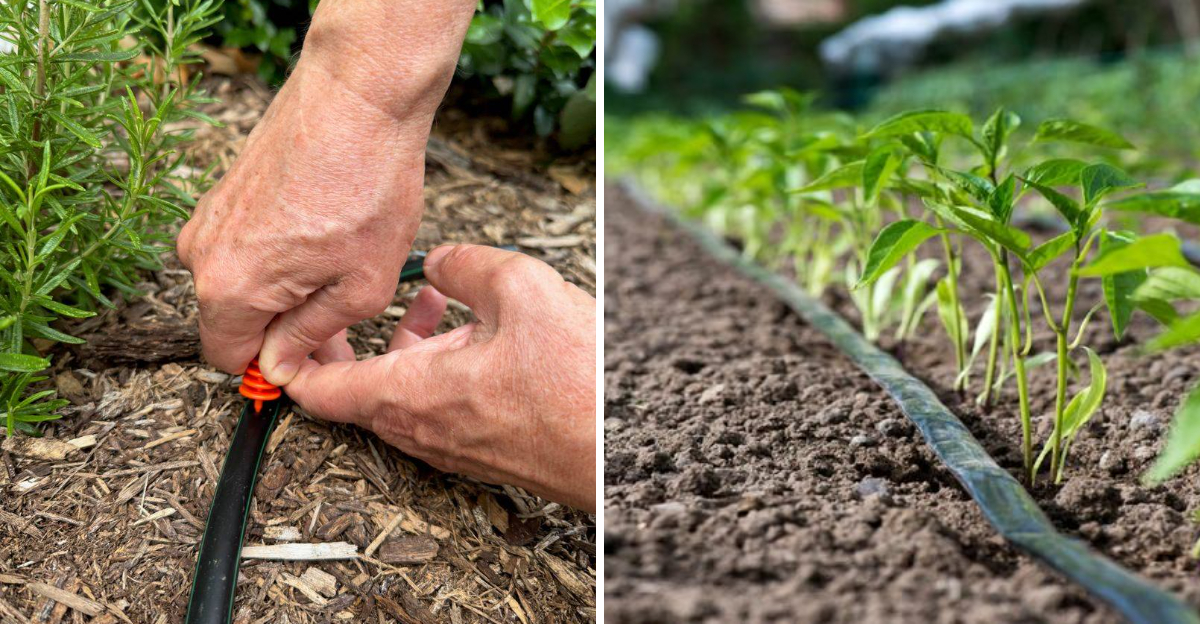
The trick is simple: put a soaker hose directly on the soil, then cover it with mulch.
That position changes where the water starts. Instead of spraying into hot air or wetting leaves first, the hose releases moisture along the soil surface where roots can use it. Water moves gradually into the bed rather than arriving in one hard burst.
The mulch above it helps protect that wet zone from direct sun and drying wind.
Use two to three inches of organic mulch around established vegetables, perennials, and shrubs, while keeping the material pulled slightly back from stems and trunks.
Shredded bark, pine straw, or other locally appropriate mulch can work well as long as it does not form a soggy mound against plant crowns.
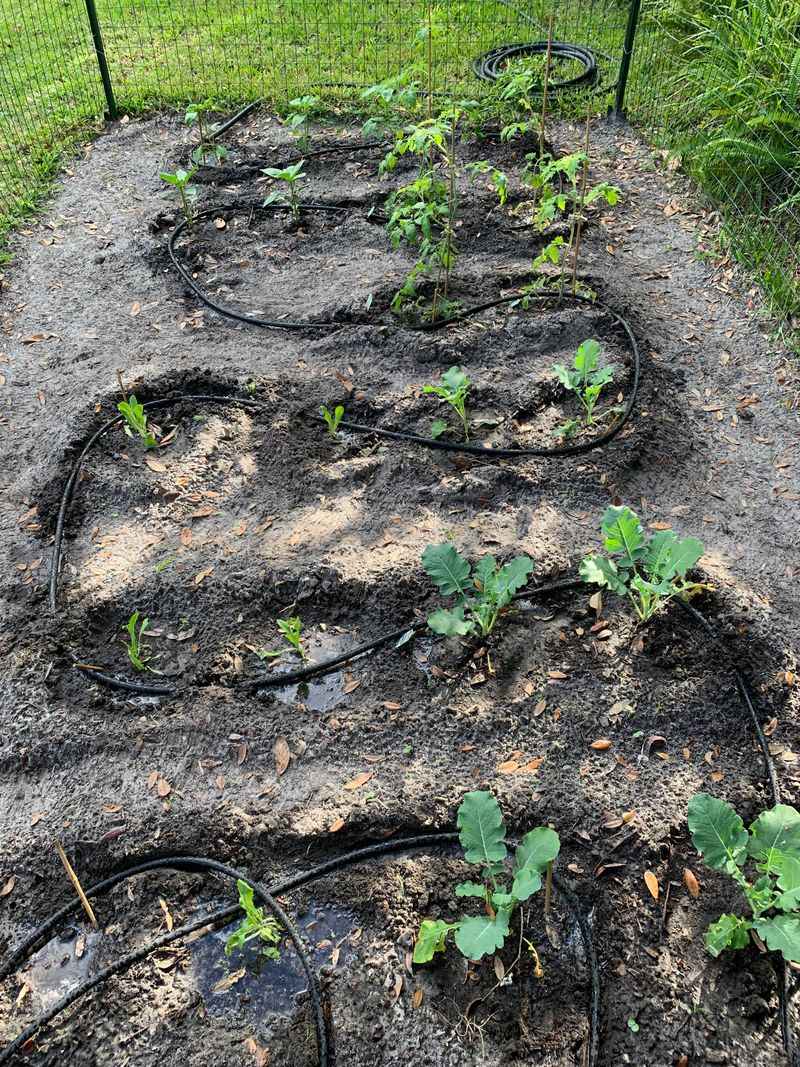
Lay the hose in gentle curves through the root zone rather than pressing it against each stem. The goal is to wet the surrounding soil, where most absorbing roots are found.
This setup works especially well in beds with several plants sharing the same irrigation zone.
It is less useful for broad lawns or isolated trees with roots extending far beyond a narrow hose line.
The real advantage comes from placement.
Once the water source sits beneath the mulch instead of above it, less of each irrigation session is exposed to the hottest, driest part of a North Carolina afternoon.
Run The Soaker Hose Slowly Enough For Water To Sink Deep
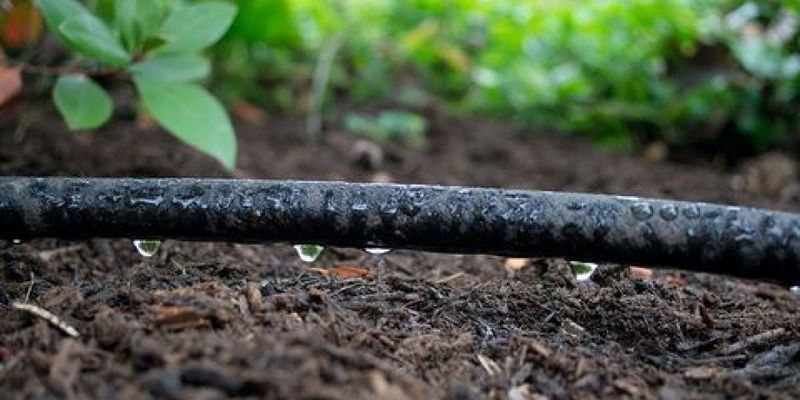
Turning the faucet higher does not make a soaker hose work better.
The useful part of this method is the slow release. Run the hose at low pressure so water seeps evenly along its length instead of spraying from weak spots or flooding the soil near the connection.
Then give the bed enough time for moisture to move downward.
A quick ten-minute run may darken the surface and create the illusion of a thorough watering while leaving deeper roots dry. After an irrigation cycle, push a trowel or long screwdriver into the soil and check how far the moisture actually traveled.
Your North Carolina Garden Changes Every Week. Your Plan Should Too.
Gardening in North Carolina changes quickly throughout the season. Every Friday you’ll receive a simple weekly plan showing exactly what to plant, prune, fertilize, harvest, and protect so you never miss the right timing.
For many established garden plants, the goal is to wet several inches of the active root zone rather than merely dampening the mulch. Exact depth varies with the crop, soil type, and root system, so use the soil itself as your guide.
Clay-heavy North Carolina soils absorb water slowly and may need shorter cycles with pauses between them to prevent runoff. Sandier soils drain faster and may require more frequent irrigation.
Do not leave the hose running by habit.
Once you know roughly how long your bed needs, use a timer so a forgotten hose does not turn water conservation into water waste.
Slow irrigation is the point.
The best setting is not the one that makes the hose look busy. It is the one that lets the soil drink without puddling.
Keep Mulch Over The Soaker Hose To Hold Moisture Longer
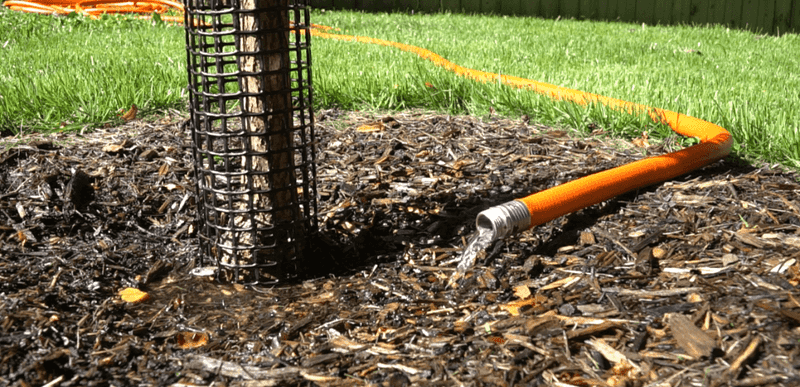
The mulch is not decoration in this setup. It is part of the watering system.
A bare bed can lose moisture quickly when August sun heats the soil surface. Covering that soil reduces direct exposure, moderates temperature swings, and slows evaporation after the soaker hose has done its work.
Keep the layer deep enough to shade the soil but not so thick that water struggles to move through it or plant crowns stay constantly damp.
Around many established beds, two to three inches is a practical target. Pull mulch back from trunks, woody stems, and the crowns of perennials rather than piling it against them.
Check the layer during the season because organic mulch settles.
A bed that started with three inches in spring may have far less by late summer, especially after heavy rain, weeding, and decomposition. Top it up lightly when bare soil begins showing through.
The hose should stay underneath that layer and on top of the soil.
Burying it deeply can make repairs harder and may send water below shallow-rooted plants before the upper root zone receives enough moisture.
Mulch also gives you another clue about watering.
Lift it before turning the hose on. The surface underneath may still be cool and damp even when the top looks dry.
That simple check can prevent unnecessary irrigation.
In drought, saving water often starts with noticing what the soil has already kept.
Check Under The Mulch Before Running The Hose Again
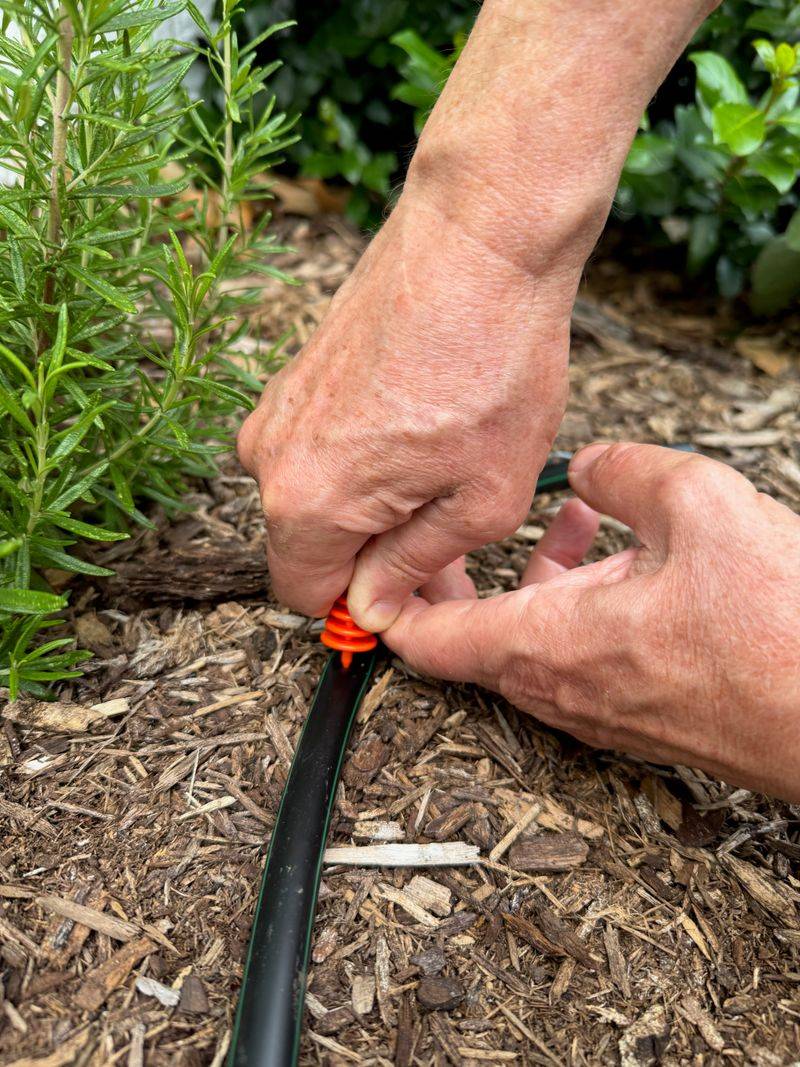
A soaker hose under mulch can still waste water when it runs on the wrong schedule.
Do not water automatically just because another hot day arrived. Check the soil first, especially beneath the mulch where conditions can be very different from the exposed surface.
Push a finger, trowel, or soil probe several inches into the bed.
When the root zone still feels comfortably moist, wait. When it is drying at depth and plants begin approaching stress, run a thorough cycle rather than adding another shallow sprinkle.
Early morning is usually the easiest time to irrigate.
Temperatures are lower, wind is often calmer, and the soil has time to absorb moisture before the strongest afternoon heat.
Root-zone delivery also keeps foliage drier than overhead watering, which can help reduce the long periods of leaf wetness that favor some plant diseases.
Rainfall should reset the schedule.
A summer thunderstorm may soak one neighborhood and barely touch another, so rely on what happened in your yard rather than the weather app alone. A simple rain gauge makes that easier.
Newly planted vegetables, shrubs, and perennials need different treatment from established plants.
Their root systems occupy a smaller area and may dry more quickly, so check them more often while they establish.
Deep and infrequent is a useful principle, not a rigid calendar.
The soil decides when the next cycle is due.
Loop The Soaker Hose Through The Whole Root Zone
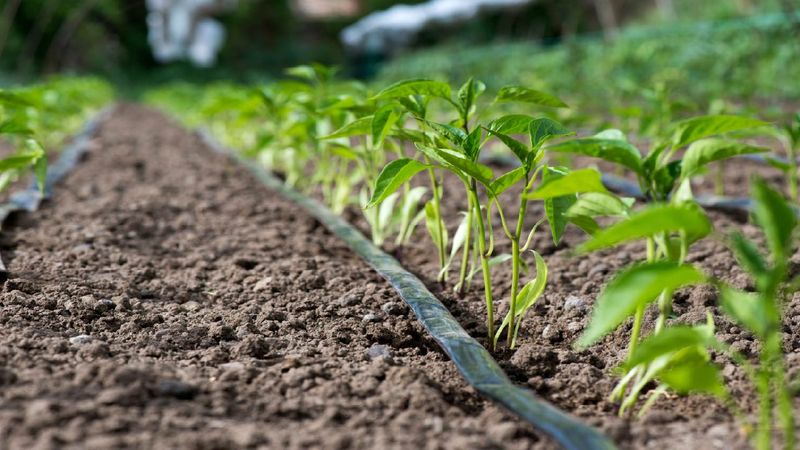
Hose placement matters most around shrubs and larger perennials.
Water poured directly beside the trunk may miss much of the active root system, especially on plants that have been in the ground for several years.
Fine absorbing roots spread outward through the surrounding soil rather than staying packed against the stem.
Loop the soaker hose through the broader root zone.
For a young shrub, that may mean a loose circle around the planting area. For a mature border, weaving the hose between plants can create overlapping wet zones without soaking every inch of unused soil.
Keep a little space between the hose and woody trunks.
Constant moisture against bark can encourage problems you do not want, and it does little to improve drought resilience.
Trees require even more perspective.
A single loop of hose around the trunk is usually too narrow for an established tree because major water-absorbing roots extend well beyond that point.
Larger trees may need a broader irrigation pattern, drip emitters, or another method that reaches more of the root area.
Before trusting the layout, run the system and check several spots afterward.
One side of a bed may stay dry because the hose is kinked, too long, or losing pressure toward the end.
A drought setup should wet roots evenly, not create one lush strip beside a row of thirsty plants.
Move the hose until the moisture pattern matches the plants.
Check The Soaker Hose For Dry Spots Before Drought Peaks
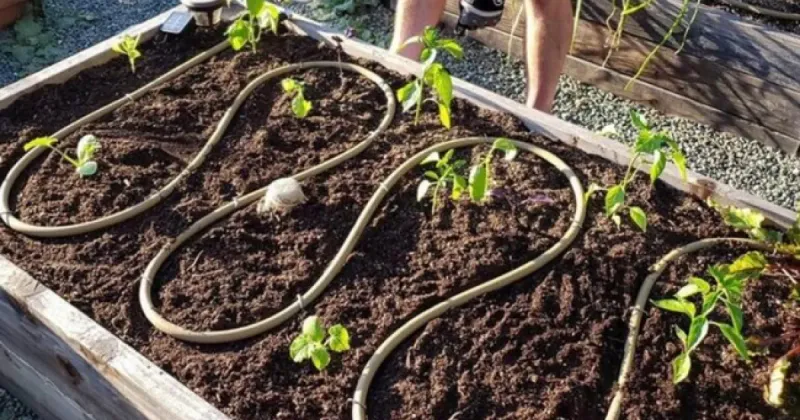
A clogged or badly pressurized soaker hose can make a gardener think the soil is receiving far more water than it really is.
Check the entire line at the beginning of a dry spell.
Turn it on gently and walk from the faucet connection to the far end. Look for dry sections, strong sprays, kinks, or areas where pressure drops so much that little moisture reaches the soil.
Long runs can water unevenly.
Splitting a large bed into shorter zones often produces better distribution than asking one hose to cover an entire landscape. A pressure regulator can also help when household pressure is higher than the hose is designed to handle.
Flush the line periodically if the manufacturer allows it.
Mineral buildup and debris can clog the porous material over time, particularly where hard water is common. Inspect connectors too, because a slow leak at the faucet can waste gallons outside the bed while the plants remain thirsty.
Do not judge performance by how wet the mulch looks.
After the hose runs, dig into the soil at several points and compare moisture depth near the beginning, middle, and end of the line.
That tells you far more than watching the hose itself.
A soaker system should disappear into the background once it is working correctly.
When one section stays dry, fix the delivery before increasing the total watering time.
Otherwise, the wet end gets wetter while the thirsty end keeps waiting.