This September Task Determines How Many Blueberries Georgia Bushes Produce Next Year
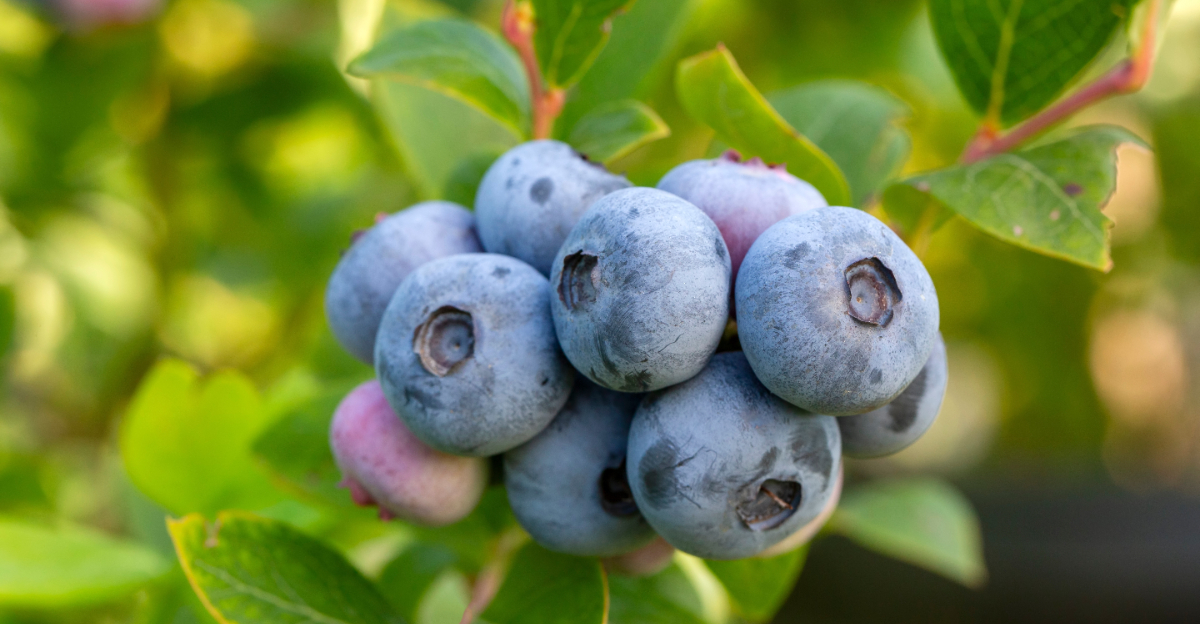
Next year’s blueberry harvest may seem far away, but your bushes are already preparing for the season ahead. What you do in September can influence how well that process continues.
That makes this month more important than the empty fruit stems might suggest.
Once harvesting ends, it is easy to give blueberry bushes less attention and focus elsewhere. Yet Georgia plants still need the right conditions while they build strength for future growth.
One September task deserves special attention during this quiet stretch.
Handle it correctly, and you can support the bushes without pushing them at the wrong time. The goal is to work with their natural seasonal rhythm rather than treating harvest as the finish line.
Give your blueberries attention now, because next summer’s crop begins with what happens after this one.
1. Next Year’s Blueberry Crop Is Already Taking Shape
The fruit you pick next June is being decided right now, in the quiet weeks after harvest.
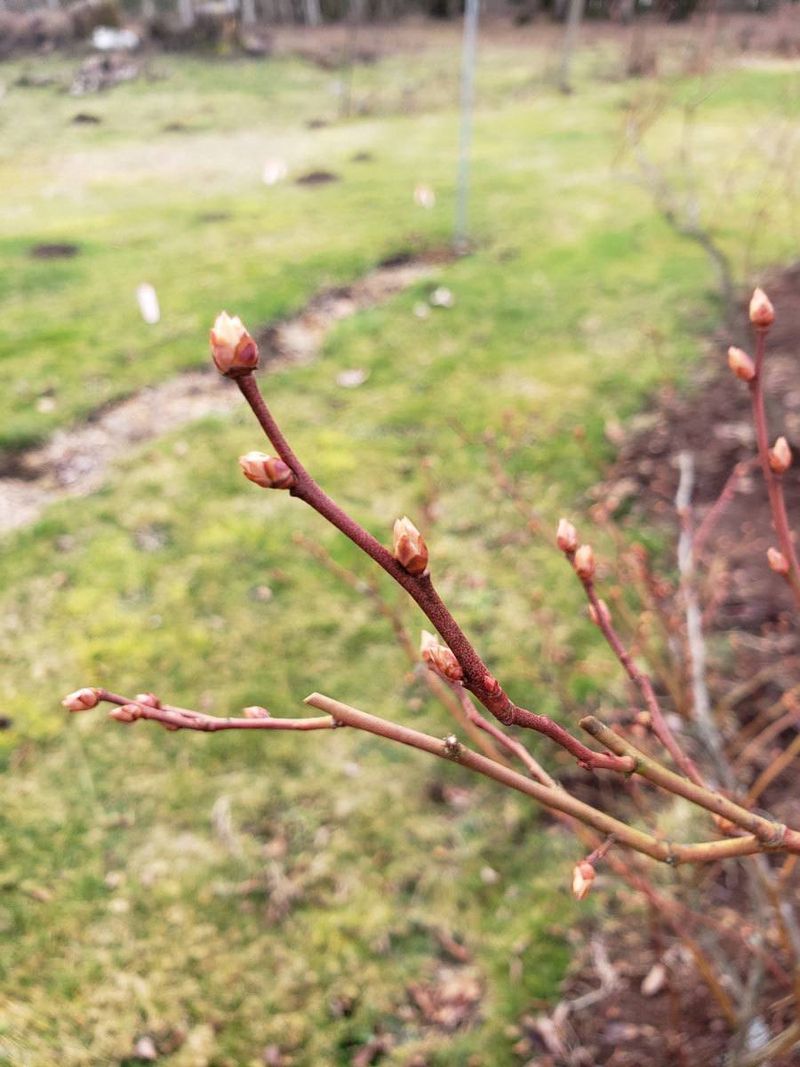
Once berries come off, blueberry bushes shift their energy from ripening to building. Flower buds form on the tips of this season’s new wood.
Those buds sit there through fall and winter, waiting.
Look closely at a healthy shoot in late summer and you may notice the tip buds getting rounder and fatter than the slim leaf buds behind them. Fat and plump usually means fruit potential.
Skinny tips often mean fewer flowers come spring.
Across Georgia, rabbiteye varieties do most of this bud setting from late summer into early fall, though exact timing shifts with weather and location. A cool, wet September can push the process along nicely.
A hot, dry one can slow it down.
What makes this tricky is that nothing looks urgent. The bush appears fine, leaves are green, and there is no fruit to worry about.
Meanwhile the plant is doing its most important work of the year.
Gardeners who treat September as an off month often wonder why bloom looks sparse the following March. The answer traces back to conditions during bud set.
Understanding that connection changes how you treat the plant. Suddenly a dry week in September feels a lot more important than it looks.
2. September Is An Important Time For Flower Bud Development
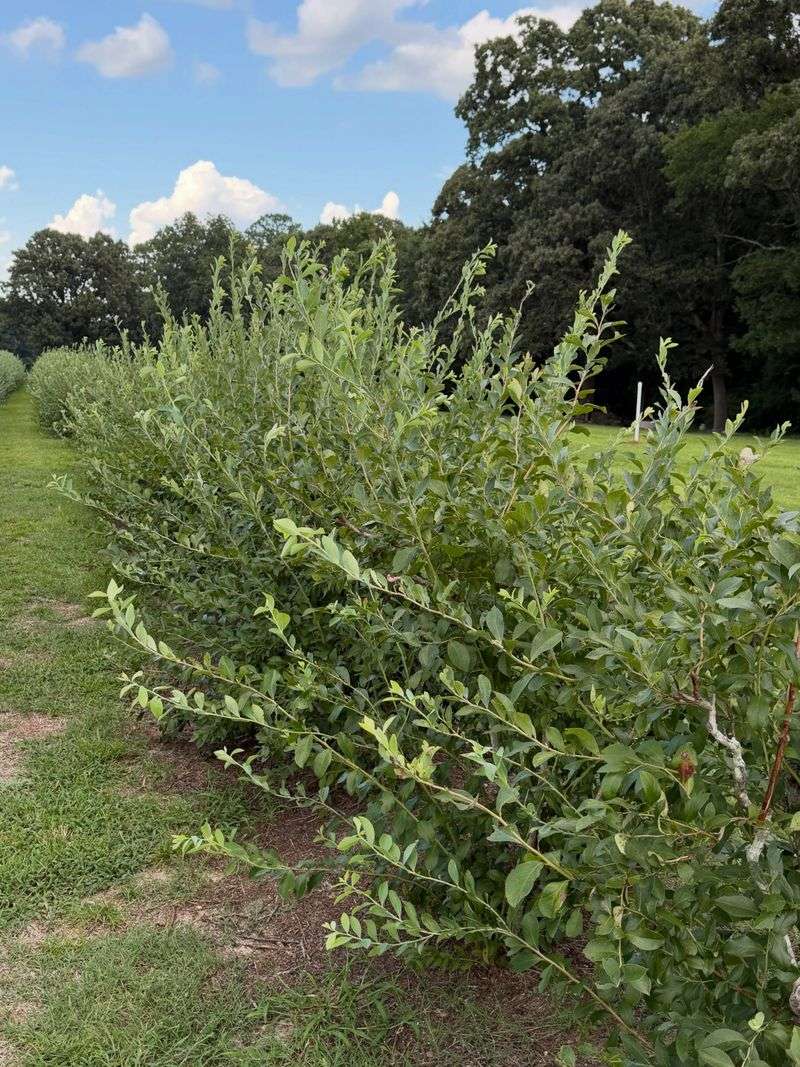
Timing beats effort with blueberries, and September sits right in the sweet spot.
Bud initiation happens after fruiting wraps up, when day length shortens and the plant redirects energy. New shoots stop stretching and start firming up.
Those firmed-up tips are where next spring’s flowers form.
Warm days and cooler nights help. That combination is common in the Peach State by mid to late September, though hot spells can push the schedule later in the south of the state.
Weather varies year to year, so treat timing as a range rather than a fixed date.
A bush under stress during this window will often set fewer buds. Stress can come from drought, root damage, insect pressure, or heavy defoliation.
None of those problems announce themselves loudly.
Your Georgia Garden Changes Every Week. Your Plan Should Too.
Gardening in Georgia changes quickly throughout the season. Every Friday you’ll receive a simple weekly plan showing exactly what to plant, prune, fertilize, harvest, and protect so you never miss the right timing.
Something worth knowing is that the number of buds per shoot varies by variety. Some rabbiteye types naturally set heavier than others, so comparing two bushes side by side does not always tell you much.
Compare a bush to its own past performance instead.
Practical advice for the month is short: keep the plant comfortable and leave it alone. Skip the heavy pruning, skip the soil disturbance, and let it finish.
Bushes that coast through September in good shape usually bloom more evenly, though spring frosts can still affect the final crop.
3. Dry Soil Can Work Against The Buds Forming Now
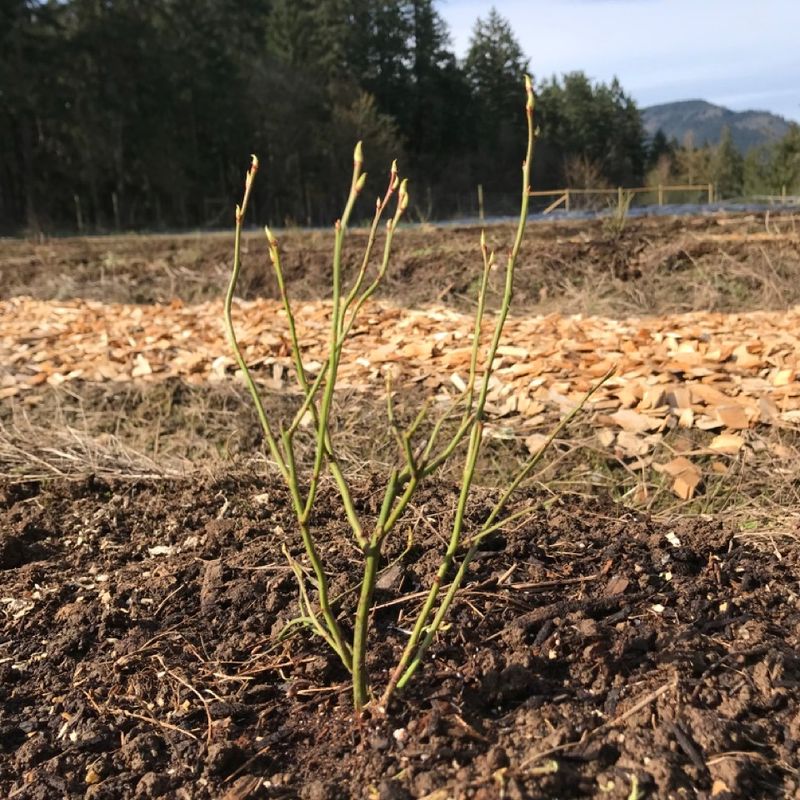
Blueberry roots are shallow, fibrous, and unforgiving about drought.
Most of the root system sits within the top foot of soil. There is no deep taproot pulling moisture from below when the surface bakes.
Dry topsoil means a thirsty plant, fast.
September in Georgia can be deceptive. Afternoon storms fade, humidity stays high, and the ground dries out while everything still looks lush.
Two weeks without rain is enough to matter.
When water gets short, the bush protects itself. It slows growth, reduces bud formation, and may shed some leaves early.
Fruit buds are among the first things sacrificed.
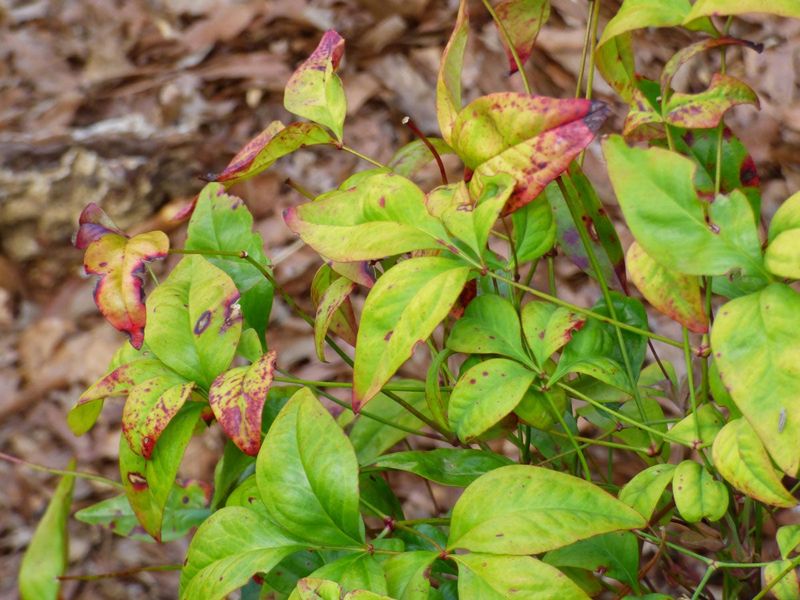
Signs of trouble are easy to miss. Slightly dull leaves, a bit of curling at midday, or reddish coloring showing up earlier than usual can all point to moisture stress rather than normal fall change.
Poke a finger a couple inches into the soil to check.
Sandy soils common in parts of the state drain quickly, which makes the problem worse. Clay holds water longer but can also crust over and shed rainfall instead of soaking it in.
Know which one you are dealing with.
The takeaway is not complicated. Dry September soil rarely harms the bush itself, but it can quietly shrink next year’s bloom.
Keeping moisture steady is the cheapest insurance available.
4. Deep Watering Helps Bushes Through Dry September Weather
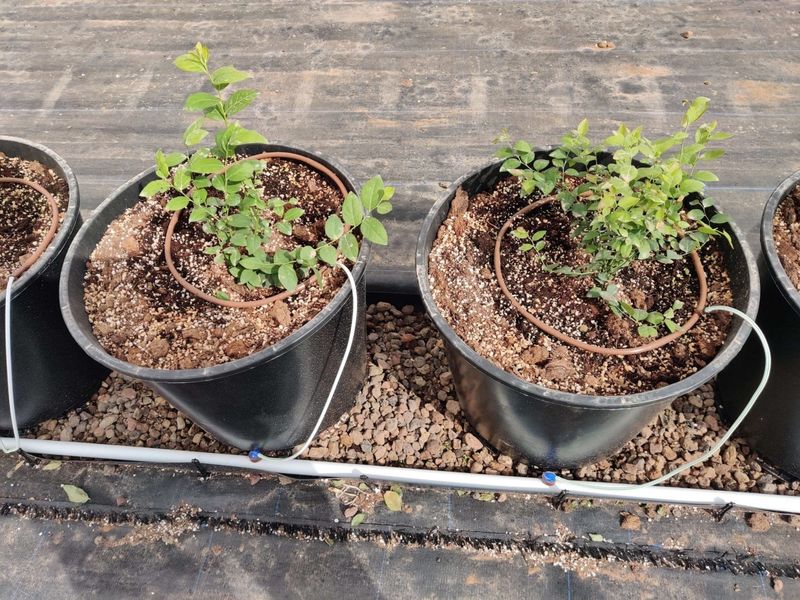
A quick spray with the hose does almost nothing for a blueberry.
Shallow watering wets the mulch and evaporates by lunchtime. Roots need moisture that reaches down several inches and stays there for a while.
Slow and deep beats fast and frequent.
A soaker hose or drip line works best. Run it long enough to wet the soil about eight to twelve inches down, then let the top inch dry slightly before watering again.
Timing depends on soil type and rainfall, so check rather than guess.
Established bushes in Georgia yards often do well with one or two thorough soakings a week during a dry September. Younger plants set out within the last year or two typically need more attention.
Container-grown blueberries dry out fastest of all.
Mulch does a lot of quiet work here. A three to four inch layer of pine bark or pine straw slows evaporation, keeps roots cooler, and suits the acidic conditions blueberries prefer.
Pull it back an inch or so from the crown.
Overwatering is possible too, especially in heavy clay that stays soggy. Roots sitting in saturated soil can decline, so drainage matters as much as volume.
Aim for steady, not soaked.
Morning watering gives leaves time to dry and reduces disease pressure through the day.
5. Healthy Leaves Still Have An Important Job To Do
Leaves are the factory, and September is a busy shift.
Every leaf still on the bush is producing sugars. Those sugars feed bud development and get stored in roots and wood for winter.
Lose leaves early and the plant loses production.
Leaf spot diseases show up often in humid southern gardens, and heavy infections can strip foliage weeks ahead of schedule. Rust and septoria are common culprits.
Bushes that defoliate in early fall often bloom weaker the next spring.
Air circulation helps more than most people expect. Bushes crowded against fences or packed tightly together stay damp, and damp foliage invites problems.
Space and light are free preventatives.
Watch for spider mites during hot, dry stretches too. Fine speckling on the upper leaf surface and webbing underneath are the giveaways, and a strong spray of water can knock down light populations.
Check the undersides, not just the tops.
Raking up fallen infected leaves reduces spores that overwinter nearby. It is a small chore with a real payoff.
Do it before winter sets in.
Across the state, natural leaf color change usually starts later in fall, so red or yellow foliage in early September deserves a second look. It may signal disease, drought, or a nutrient issue rather than the season turning.
Green leaves in September are worth protecting.
6. Extra Fertilizer Is Not The Answer This Late In The Season
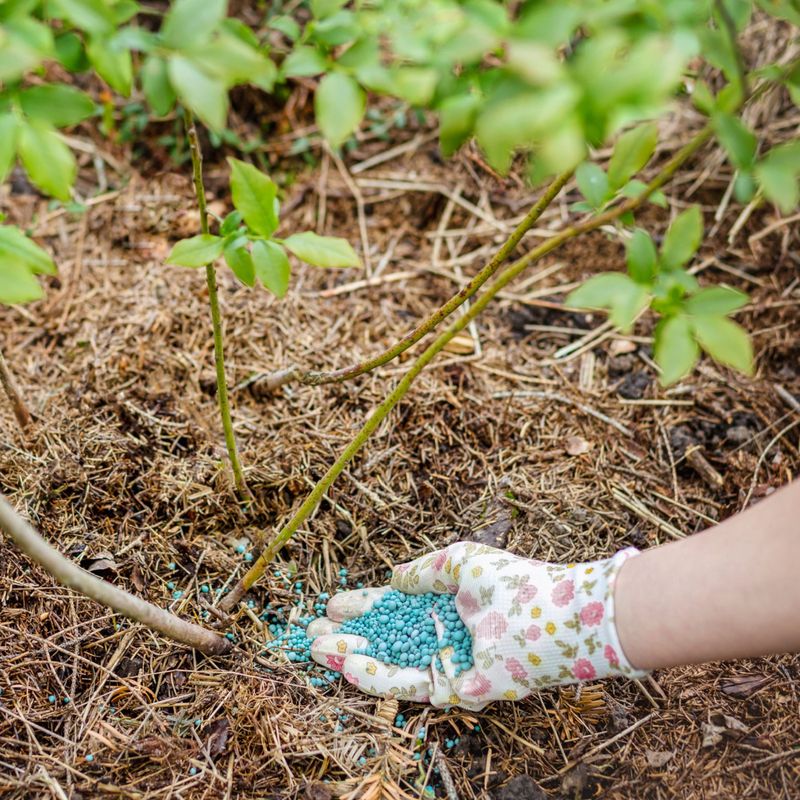
Feeding a blueberry in September usually backfires.
Nitrogen pushes soft new growth. Late shoots do not harden off in time and can be damaged by the first real cold snap.
The plant wastes energy it should be storing.
Most guidance for the Southeast puts blueberry fertilizing in spring, with a possible light follow-up around early summer. After that, the feeding window closes.
Georgia growers generally stop applying nitrogen well before fall arrives.
Blueberries are light feeders anyway. Too much fertilizer can burn those shallow roots, and salt buildup in the root zone causes leaf scorch that looks a lot like drought damage.
Less is genuinely safer here.
Soil pH matters more than fertilizer amount. Blueberries want acidic soil, roughly 4.5 to 5.5, and outside that range they struggle to take up nutrients no matter what you add.
A soil test through your county extension office answers the question cheaply.
If a bush looks pale or weak now, resist the urge to feed it. Note the symptom, test the soil, and plan corrections for late winter or early spring instead.
Diagnosing beats guessing.
Organic matter is the one thing you can add safely. A fresh layer of pine bark or pine straw mulch feeds the soil slowly without triggering a growth flush.
Patience now pays off at bloom time.
7. Protecting Fall Growth Helps Prepare The Bushes For Spring
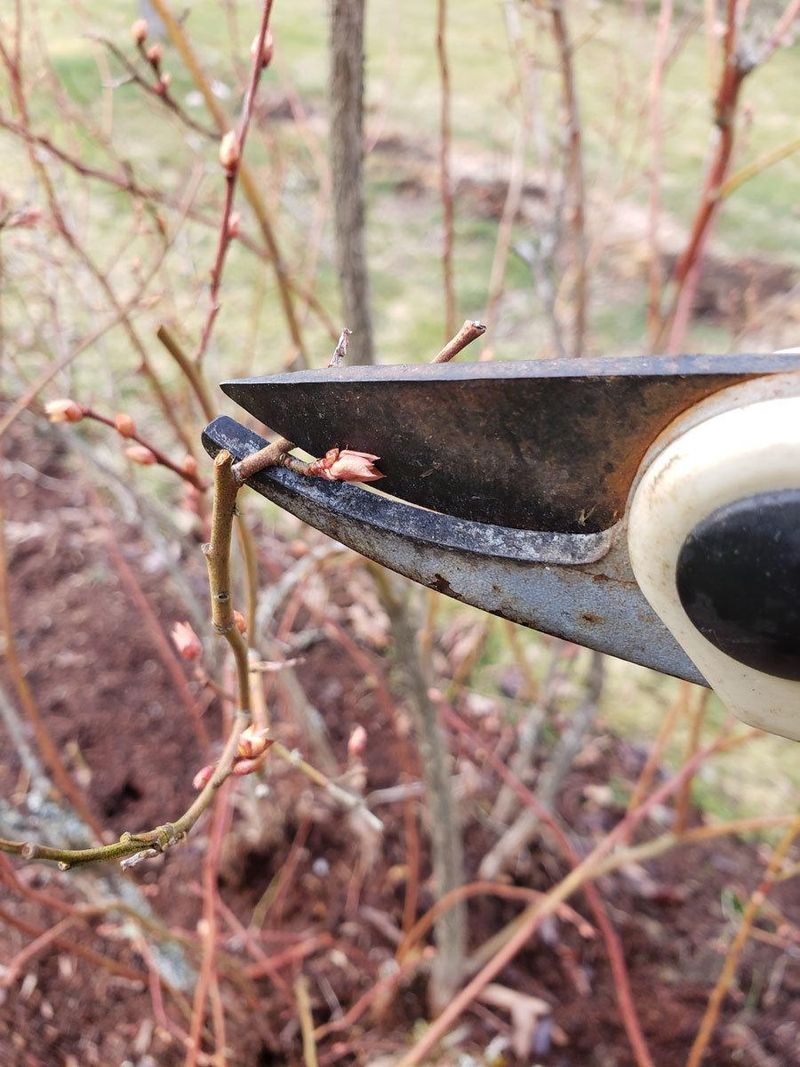
Cutting back a blueberry in September can cost you fruit.
Those new shoot tips hold next spring’s flower buds. Snip them off now and the buds go with them.
Save real pruning for late winter when the plant is dormant.
Removing an obviously broken or diseased branch is fine. Shaping, heading back, or thinning the whole bush is not.
Wait until February or so, before buds swell.
Weeds compete harder than people think. Shallow blueberry roots lose out to grass and weeds fighting for the same water in the top few inches of soil.
Pull by hand or smother with mulch rather than hoeing deep.
Birds and deer take an interest in fall foliage and tender tips in some yards. Netting or fencing may be worth it where pressure is heavy, though needs vary a lot by property.
Watch what actually happens in your own garden.
Container plants deserve extra thought. Roots in pots face bigger temperature swings, so grouping containers together or sinking them into the ground helps buffer them later in the season.
Plan that before the first cold nights.
Fall care around Georgia comes down to steady moisture, intact leaves, and hands off the pruners. Get those right and the bush enters winter with buds already loaded.
Spring bloom will show whether September went well.