What To Leave In Your Georgia Yard This August To Keep Hummingbirds Coming
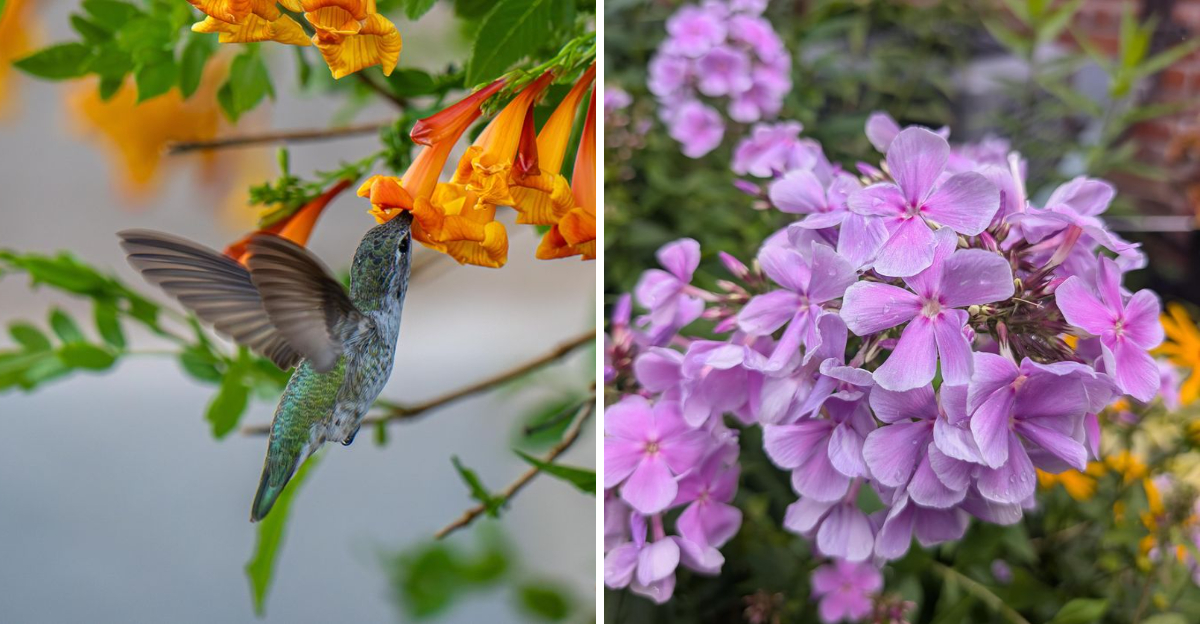
August can make a Georgia garden look overdue for a hard reset.
Flower spikes lean, vines wander, leaves show heat stress, and a pair of pruners starts looking very persuasive. Hummingbirds have other priorities.
Ruby-throated hummingbirds are still abundant across Georgia in late summer, and many are building energy reserves or moving south during migration. Flowers remain important, but so do the tiny insects and spiders these birds eat for protein.
That changes what “cleanup” should mean this month.
Instead of cutting every tired plant to the ground, leave the stems that are still blooming, sheltering insects, or producing fresh buds.
Coral honeysuckle, salvia, trumpet creeper, bee balm, rose mallow, garden phlox, and zinnias can all keep a yard useful during this busy feeding period.
So what deserves another few weeks?
Keep productive flowers working, tidy only the parts that truly need attention, and save the major reset for later.
A slightly looser August garden can offer far more than a clipped one when hummingbirds are counting every reliable stop.
1. Leave Coral Honeysuckle Blooming
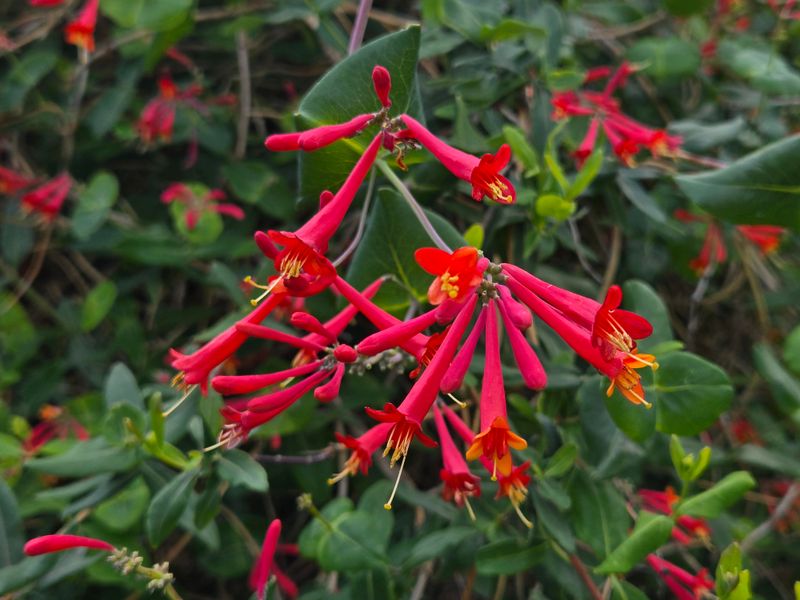
A vine still carrying red-orange trumpets in August is doing useful work.
Coral honeysuckle, Lonicera sempervirens, is native to Georgia and is one of the woody vines UGA recommends for hummingbird gardens.
Its tubular flowers are built for long-billed visitors, and Georgia wildlife guidance also lists coral honeysuckle among plants favored by hummingbirds.
Do not rush into a major cut while flowers are still opening.
Late-summer bloom may be lighter than the spring flush, but every fresh cluster adds another nectar stop during a month when ruby-throated hummingbirds are feeding heavily.
Leave productive stems in place and remove only clearly broken, rubbing, or badly misplaced growth.
Give the vine a sturdy support.
Coral honeysuckle behaves much better on a trellis, arbor, or fence than when allowed to tangle through shrubs.
UGA describes it as a manageable native vine that can be kept within bounds with regular pruning and notes that it is much less aggressive than troublesome Japanese honeysuckle.
Save the larger pruning job for a quieter point in the season.
Heavy August trimming can remove flower buds and open blooms at exactly the moment the yard benefits from keeping them. A few wandering shoots are a small price for another round of nectar.
The vine does not need to look salon-fresh.
In August, a slightly shaggy coral honeysuckle with flowers attached is doing more for hummingbirds than a perfectly trimmed vine with nothing left to sip.
2. Keep Salvia Flower Spikes Working
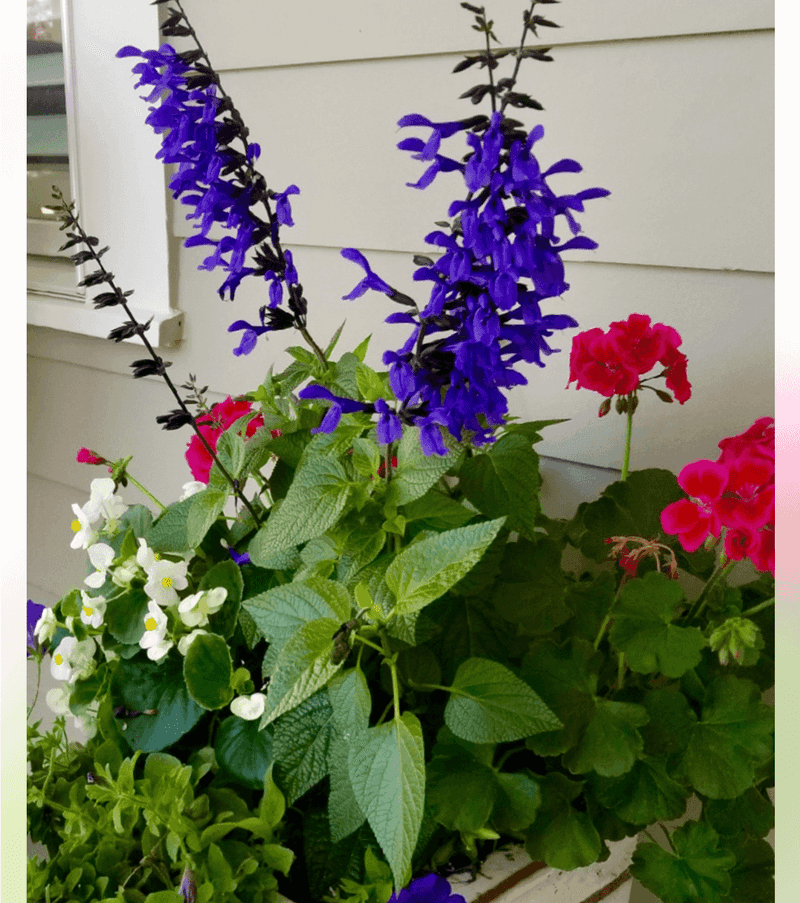
Scarlet flower spikes can keep a tired summer border lively long after other plants have slowed down.
Salvia is especially useful because Georgia gardeners can grow both native and nonnative species that attract hummingbirds.
Scarlet sage, Salvia coccinea, is a native choice used in Georgia pollinator plantings, and UGA notes that its red tubular flowers continue from early summer until frost with suitable care.
The key is to keep flowering stems in rotation.
Remove spent spikes selectively, cutting them back to healthy side growth where new buds are forming. Leave the fresh spikes alone.
Your Georgia Garden Changes Every Week. Your Plan Should Too.
Gardening in Georgia changes quickly throughout the season. Every Friday you’ll receive a simple weekly plan showing exactly what to plant, prune, fertilize, harvest, and protect so you never miss the right timing.
UGA specifically recommends removing finished flowers on scarlet sage to encourage repeat flowering and bushier growth.
Avoid shearing the entire clump.
A hard cut may leave the bed flowerless for a stretch, which removes one of the most dependable nectar sources in a hot garden. Hummingbirds notice reliable patches, especially when several flowering stems are grouped together.
Keep soil moisture steady during long dry spells.
Heat tolerance does not eliminate ordinary plant water needs. Water near the root zone and let the foliage stay as dry as practical.
Salvia also attracts insects, adding another layer of value to the patch.
That is useful because hummingbirds do not live on nectar alone. They also take small insects and spiders for protein.
A few brown spikes can go.
The blooming ones have earned an August extension.
3. Let Trumpet Creeper Hold Late Flowers
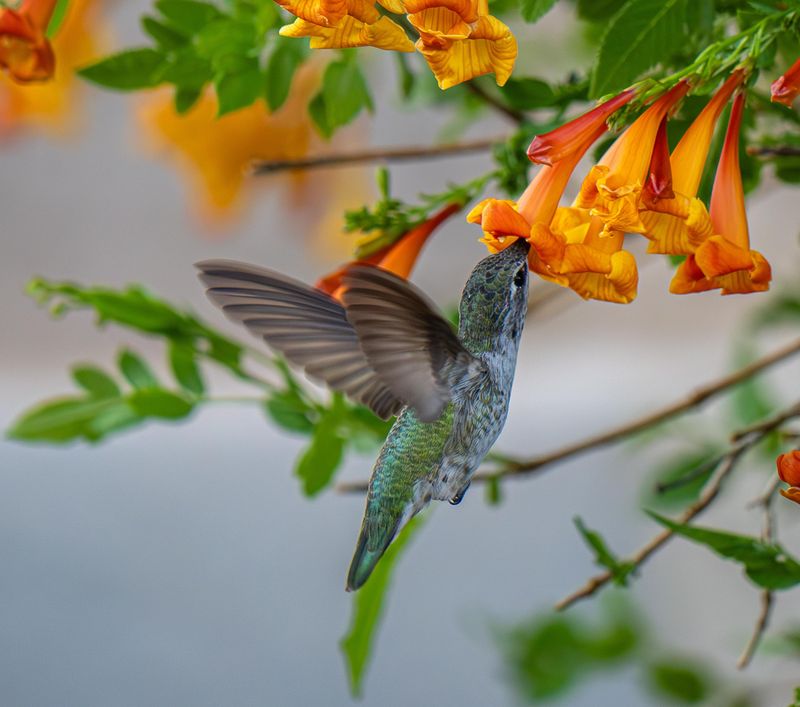
Few vines advertise themselves to hummingbirds as boldly as trumpet creeper.
Campsis radicans is native to Georgia, produces orange-red tubular flowers from summer into August, and is specifically identified by UGA as a good hummingbird plant.
It is also vigorous enough to make gardeners understand the appeal of owning very sharp pruning tools.
Restraint matters this month.
Leave flowering sections on the main vine while removing root suckers or wandering shoots that are crossing paths, climbing into gutters, or heading somewhere structurally inconvenient.
That keeps the plant manageable without stripping away the bloom hummingbirds are using.
A strong support is essential.
Trumpet creeper can become large and heavy, reaching roughly 30 to 40 feet, so flimsy trellises are poor long-term partners.
UGA also describes the species as aggressive and recommends placing it where vigorous growth will not become a constant problem.
Full sun usually produces the best flowering.
The species tolerates a broad range of soil conditions, but its willingness to grow almost anywhere is exactly why placement deserves thought before planting.
This is not a vine to tuck beside delicate shrubs and hope everyone negotiates boundaries politely.
August is a good month for selective control, not revenge pruning.
Take out the growth creating a real problem and leave the flower-bearing framework intact.
The vine may still look enthusiastic afterward.
That is fine. Hummingbirds are not grading the trellis for neatness, and every remaining trumpet is another open table during migration season.
4. Save Late Bee Balm For Hummingbirds
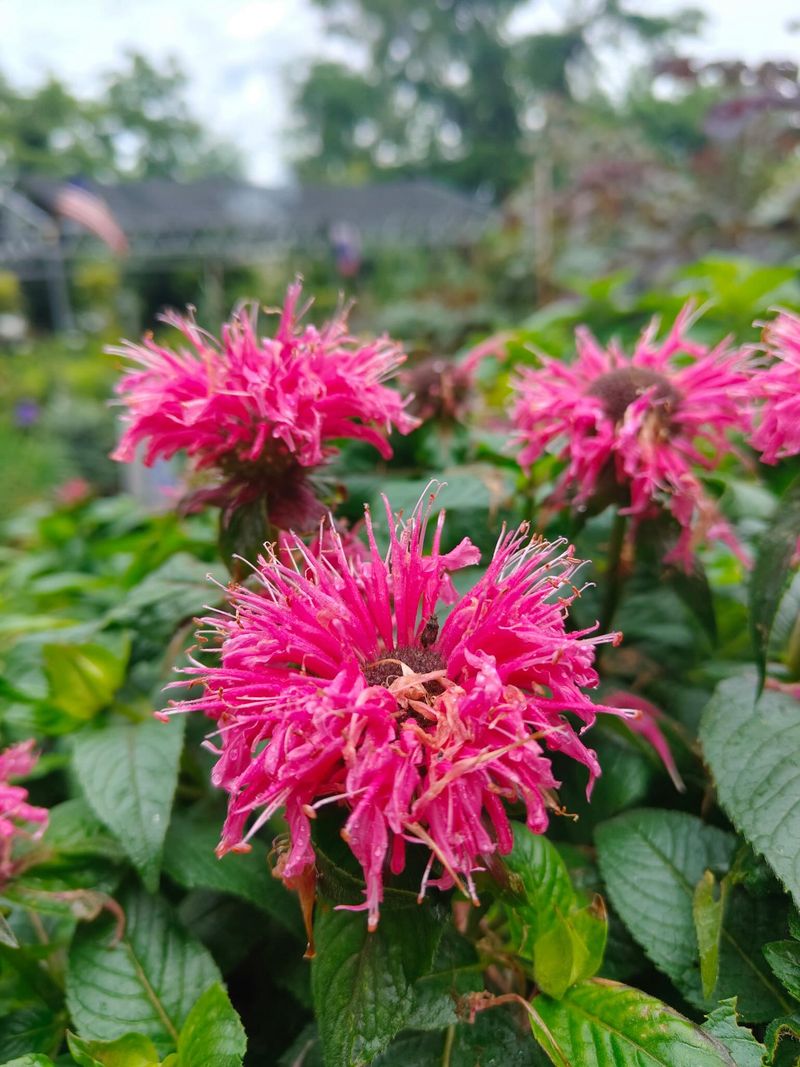
Bee balm often reaches August looking like it has already worked a double shift.
Some flower heads are finished, fresh side blooms may still be opening, and powdery mildew can give the foliage a dusty cast.
Monarda is still worth keeping where useful flowers remain. UGA includes bee balm in hummingbird gardens and specifically notes the need for good air circulation to reduce mildew trouble.
Start with selective cleanup.
Remove badly affected stems that are crowding the center, especially where airflow has disappeared. Leave stems carrying open flowers or fresh buds.
Cutting the entire patch to the ground can erase the last nectar right when late-summer hummingbirds are feeding heavily.
Do not confuse cosmetic damage with complete failure.
Powdery mildew can make bee balm look rough without making every flowering stem useless. Space between stems, soil-level watering, and mildew-resistant selections can improve the patch in future seasons.
UGA specifically notes ‘Jacob Cline’ as one cultivar with good powdery mildew resistance.
Seed heads can stay where they are not causing trouble.
They are not an important hummingbird nectar source themselves, but standing growth can support insects and add structure for other wildlife. Hummingbirds also hunt tiny arthropods around foliage, so a completely stripped flower bed is not automatically more useful.
Leave the useful mess and remove the real problem.
Bee balm does not need to win a beauty contest at the end of summer.
A few healthy late blooms can still make the patch worth visiting.
5. Keep Hibiscus Blooms In The Rotation
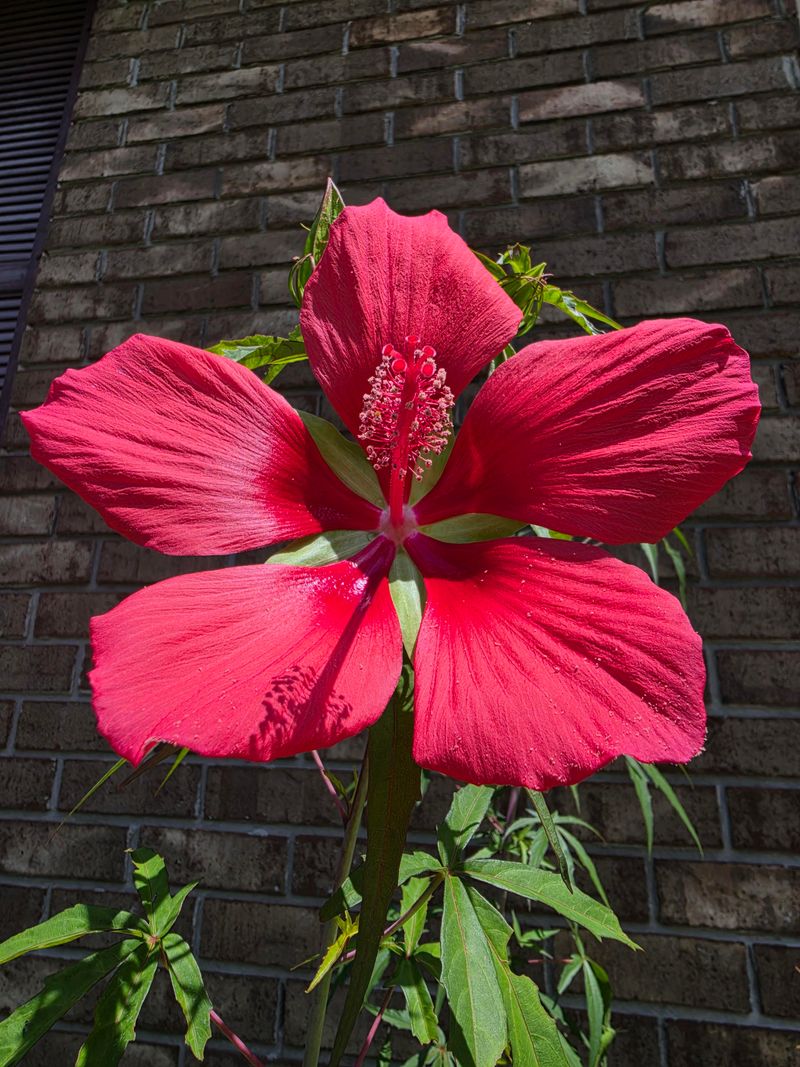
A wet corner holding tall rose mallow can become one of the brightest places in a Georgia yard during late summer.
Two excellent native choices are scarlet rose mallow, Hibiscus coccineus, and crimson-eyed rose mallow, Hibiscus moscheutos.
UGA identifies both as southeastern natives suited to moist conditions, and scarlet rose mallow is specifically noted for attracting hummingbirds. H. moscheutos flowers from late summer into fall and also provides nectar used by hummingbirds.
Leave flowering stems standing.
Cutting the plant back in August removes the buds waiting behind today’s flower. Instead, take off spent blooms only where appearance matters and keep healthy stems with unopened buds intact.
Moisture is the bigger maintenance priority.
These native hibiscus species belong in moist ground. Scarlet rose mallow likes wet to moist soil, while H. moscheutos performs well in fertile, moist sites and low areas near ponds or drainage features.
Do not confuse them with tropical hibiscus.
The familiar Hibiscus rosa-sinensis sold for summer containers is not hardy across Georgia and is not a Georgia native. UGA makes that distinction clearly when discussing hardy rose mallows.
The native flowers hardly need extra advertising.
They are enormous.
Keep the root zone supplied with moisture, leave unopened buds attached, and let those late-summer flowers continue handling the hummingbird marketing department.
6. Let Garden Phlox Finish Its Show
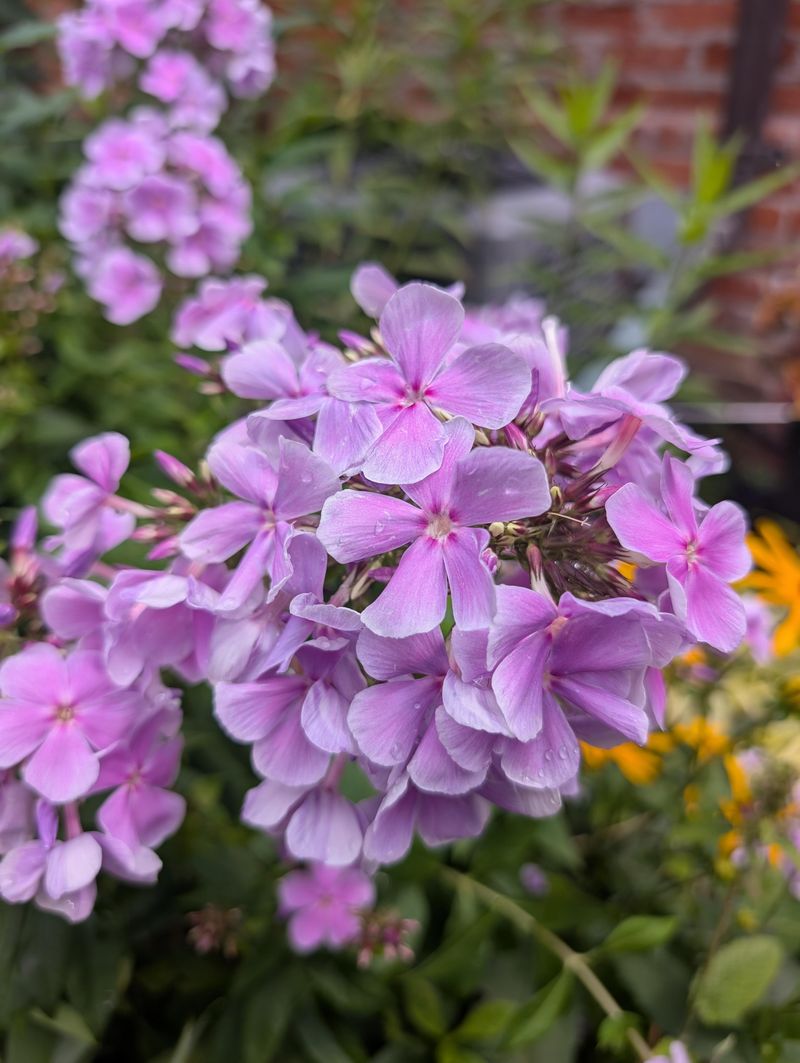
Late-summer phlox can look uneven because the top cluster often finishes before side shoots do.
That staggered bloom is a reason to prune lightly rather than cutting the whole clump down. Garden phlox, Phlox paniculata, is native into Georgia, flowers from July into September, and is listed by UGA for hummingbird and butterfly gardens.
Follow the fresh flowers.
Snip off spent clusters above healthy side shoots and leave lower buds or blooms untouched. This keeps the remaining display working while removing the brownest parts of the plant.
Powdery mildew deserves attention, but panic pruning rarely improves the garden.
Good air movement, adequate spacing, and avoiding repeated overhead irrigation help reduce disease pressure.
Some cultivars also show stronger mildew resistance than others. UGA notes ‘Robert Poore’ as one selection with particularly strong resistance.
Keep the root zone from drying hard during prolonged heat.
Garden phlox prefers moist, loamy soil, so August drought can shorten the bloom period and leave foliage looking rougher than the calendar alone would suggest.
Hummingbirds may visit the tubular flowers, while butterflies and other insects commonly use the same patch.
That makes an active phlox clump more valuable than its fading upper flower heads suggest.
Trim with the bloom pattern rather than with frustration.
The top may look finished while the sides are still serving customers.
Give those later flowers time to open before the stems come down. August phlox often has a second act hiding just below the part that first caught your eye.
7. Keep Zinnias Producing Fresh Flowers
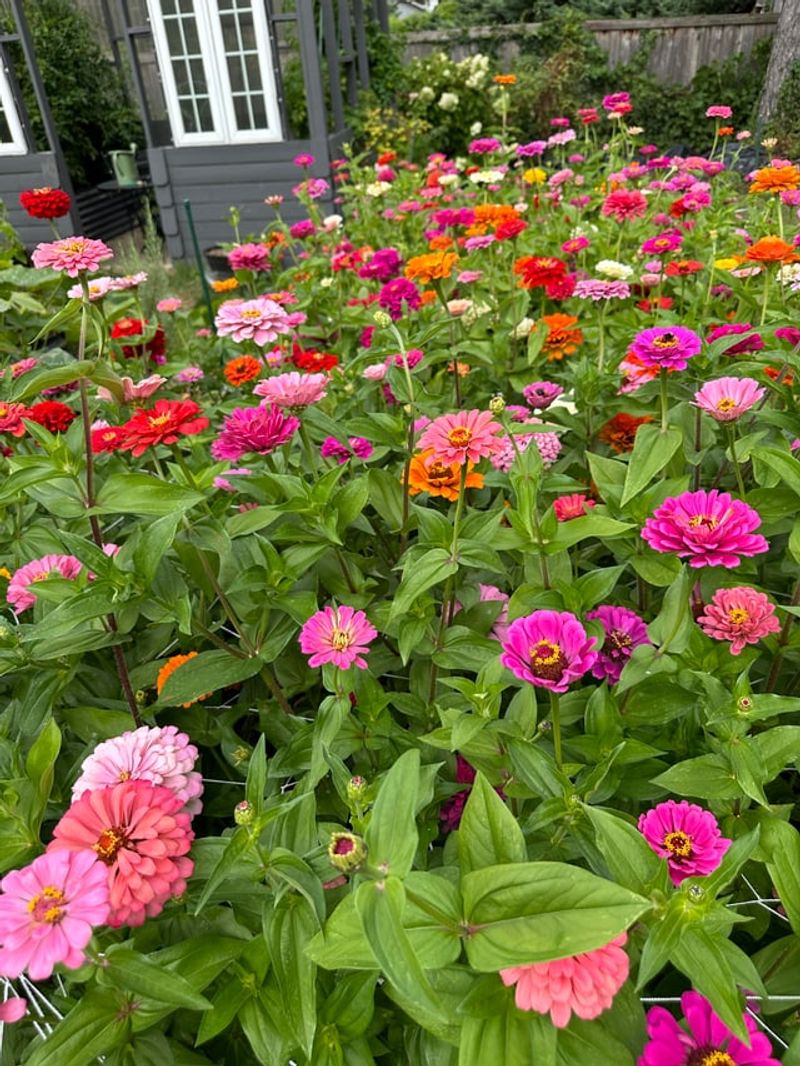
A patch of zinnias can look gloriously unruly by August, and that is not necessarily a reason to clear it.
Zinnias are not Georgia natives, but Georgia DNR lists them among ornamental flowers frequented by hummingbirds.
UGA also describes zinnias as heat-loving annuals that perform well in sunny Georgia gardens when adequate moisture is available.
Keep fresh blooms coming with selective trimming.
Cut spent flowers back to a healthy set of leaves while leaving new buds and open flowers in place. That directs growth toward another round of color without reducing the entire patch to stubs.
Later in the season, some seed heads can remain.
Georgia DNR notes that zinnia seeds are especially attractive to American goldfinches and are also eaten by several other birds.
That benefit is separate from hummingbird feeding, but it gives the same planting another wildlife job after nectar production slows.
Maintain airflow through crowded plants.
Humid weather can encourage foliar problems, so remove badly affected leaves and thin only where stems are packed tightly together. Water near the soil rather than repeatedly wetting the canopy.
Hummingbirds also hunt small insects around flowering plants.
A busy zinnia patch can therefore contribute more than color alone.
Do not confuse tidy with useful.
A few faded heads among dozens of fresh flowers are hardly a garden emergency.
Keep the productive stems going, and let the patch stay a little exuberant until migration activity begins to ease.