Georgia Gardeners Are Planting Dianthus Now For Winter Color
Once the summer annuals give out, most flower beds either sit empty or get a single flat of pansies and nothing else.
Pansies are a fine choice, but dianthus handles cold weather just as well and stays compact and green through winter.
Across Georgia, plenty of gardeners are already putting it in the ground while the soil still holds some warmth.
That timing makes more difference than most homeowners expect, because the roots need a few weeks to settle before the first hard freeze.
A plant that goes in too late usually just hangs on through winter instead of blooming through the mild stretches between cold snaps. If you have a bare spot near your front walk, it is worth filling it with dianthus sometime in the next few weeks.
1. Cold Weather Is Where Dianthus Starts To Shine
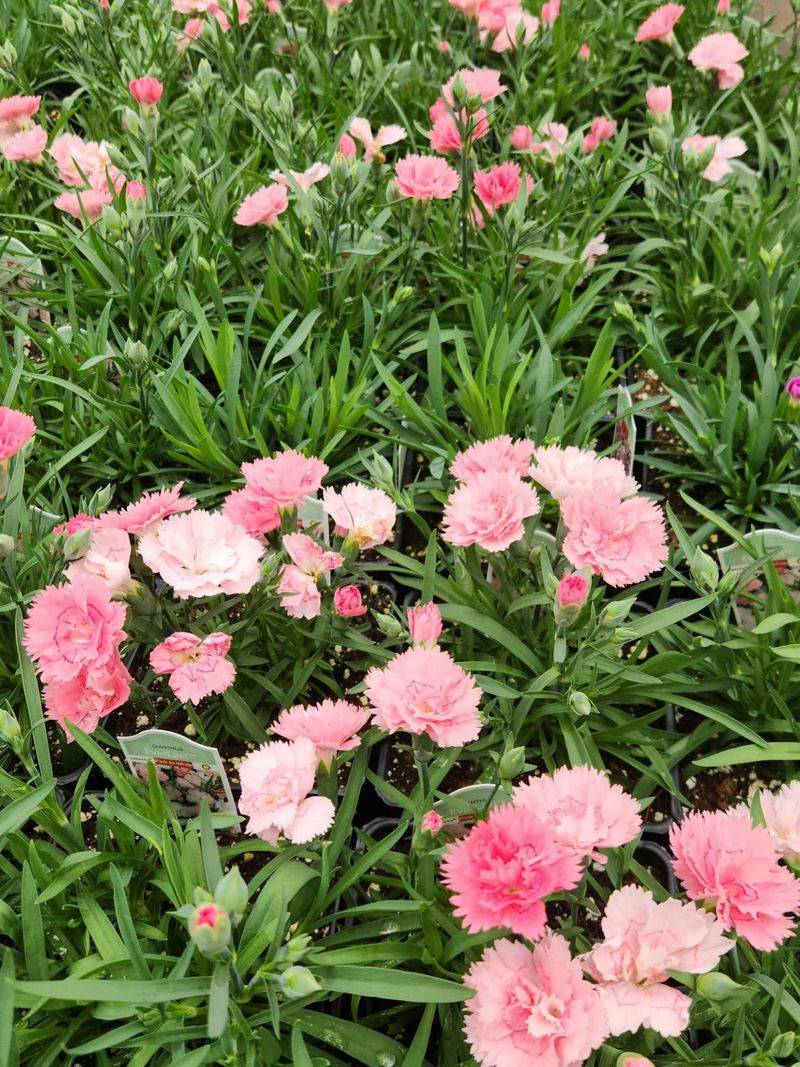
Summer heat is rough on dianthus, but cool weather brings out its best side. Once nights drop into the 50s and 60s, the plants tend to push fresh buds with real energy.
Most garden dianthus sold in fall are hardy perennials or cold-tolerant annual types.
Across much of Georgia, winters are mild enough for them to stay green and often bloom on warmer stretches. Coastal and southern areas usually see more winter flowers than the mountains up north.
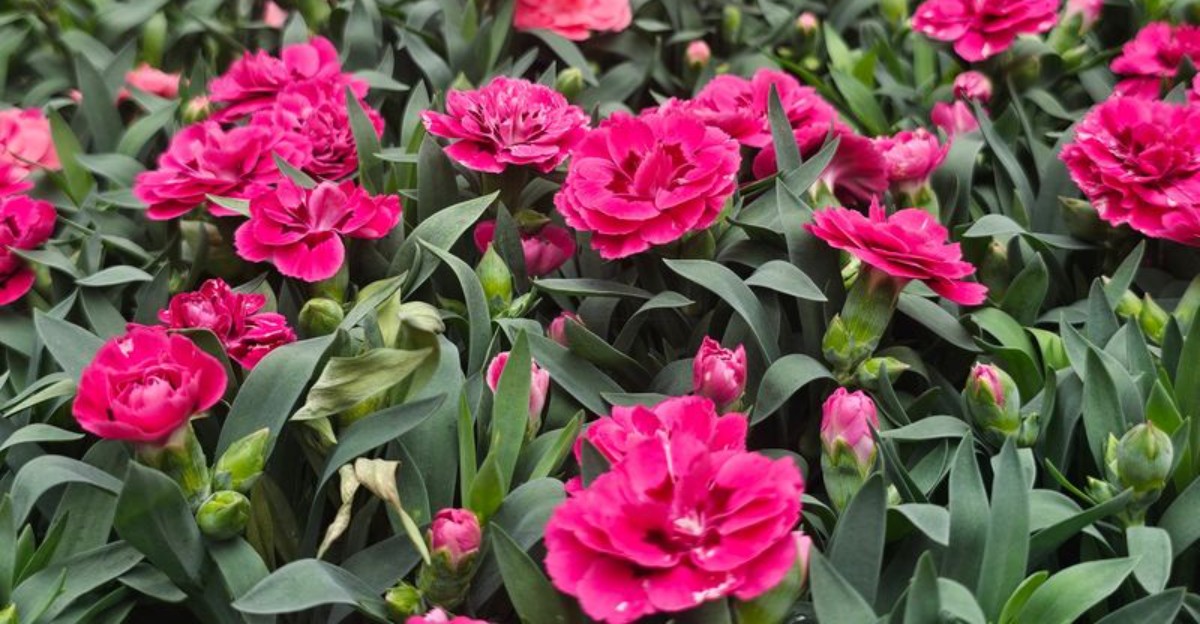
Frilly petals come in pink, red, white, and bicolor shades that look cheerful beside pansies and violas.
Plenty of varieties also carry a light clove scent, which explains the old nickname pinks. That name likely comes from the notched petal edges, which look like they were trimmed with pinking shears.
Foliage matters too, especially when blooms slow down during a cold week.
Blue-green, grassy leaves give beds a tidy look even on gray January days. Pair them with dark mulch, and the color stands out nicely against the soil.
Expect some ups and downs, since a hard freeze can pause flowering for a while.
Once the weather warms a bit, buds usually pick back up without much fuss. Results vary by variety and location, so check plant tags for cold hardiness before buying.
2. Fall Gives New Plants Time To Settle In
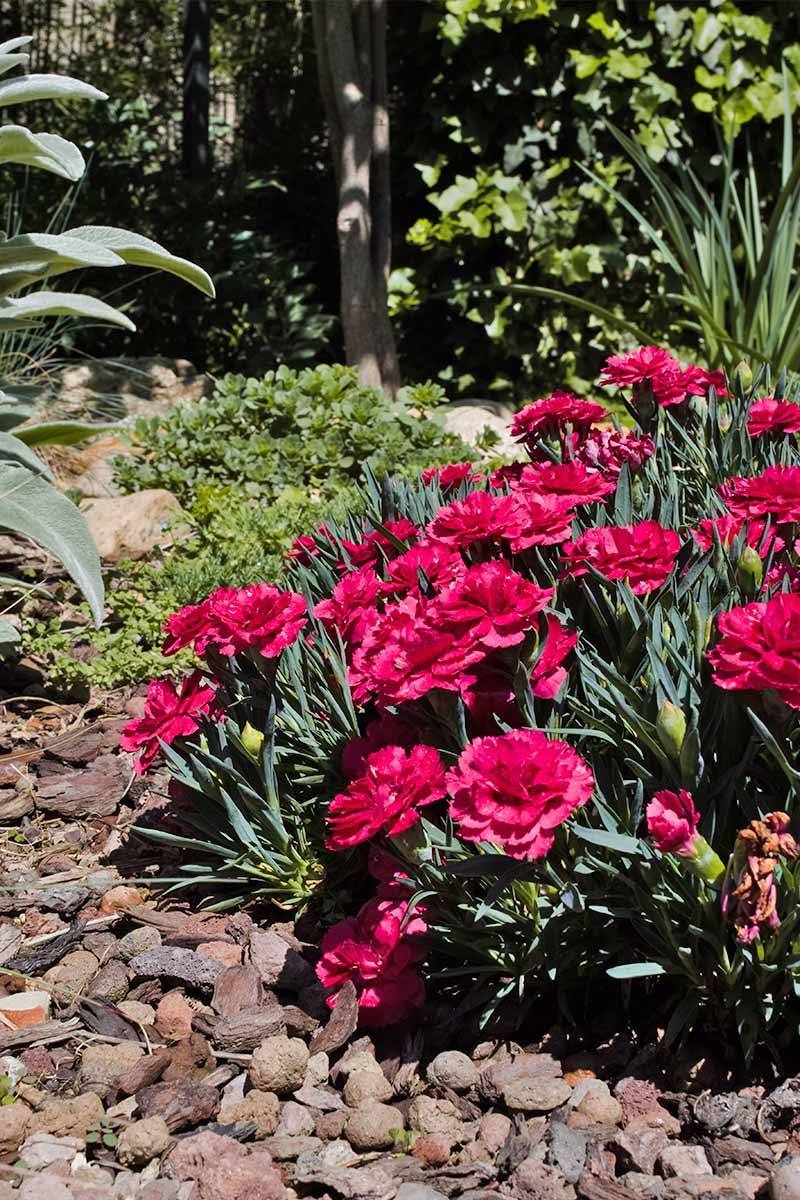
Timing is half the trick with dianthus. Plants set out in fall get several weeks of warm soil to grow roots before cold weather arrives.
Roots keep growing when soil stays warm, even as the air starts cooling off.
Late September through October works well for most of Georgia, though north Georgia gardeners may want to lean toward the earlier side. Southern parts of the state can often plant into November without much trouble.
Early September heat can still stress new transplants, so watch the forecast closely.
Waiting for a stretch of highs in the low 80s or cooler gives plants an easier start. Planting late in the afternoon also helps them avoid harsh midday sun on the first day.
Water right after planting, then check soil moisture every few days for the first couple of weeks.
Young roots have not reached far yet, so the top few inches matter most. Once growth looks steady, you can water less often and let fall rain help out.
Your Georgia Garden Changes Every Week. Your Plan Should Too.
Gardening in Georgia changes quickly throughout the season. Every Friday you’ll receive a simple weekly plan showing exactly what to plant, prune, fertilize, harvest, and protect so you never miss the right timing.
Spacing counts more than people expect, since crowded plants hold moisture around their stems.
Most bedding types do well about 8 to 12 inches apart, but tags give the best guide. A little breathing room now can mean healthier plants when damp winter weather rolls in.
3. Frost Does Not Mean The Flowers Are Finished
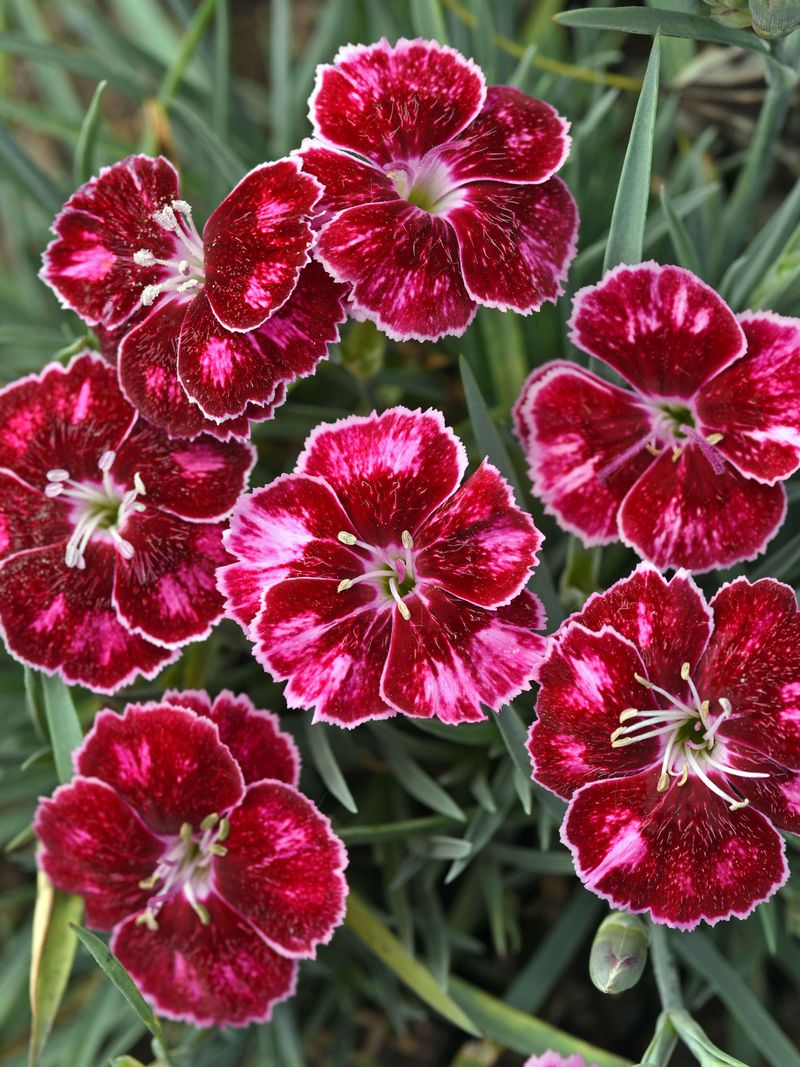
Picture a frosty lawn at sunrise, with dianthus blooms still showing color underneath a sparkly coating. Scenes like that surprise first-time growers every winter.
Light frost usually leaves established dianthus looking fine by lunchtime.
Open flowers may brown a little at the edges after a hard freeze. Leaves and crowns tend to hold up much better, and new buds often follow when temperatures rise again.
Georgia winters swing wildly, with a cold snap one week and 70 degrees the next.
Those warm spells are when dianthus often puts out a fresh round of color. Blooms may come in waves rather than nonstop, which is normal for the season.
Sudden deep cold after a warm stretch can still cause damage, especially to newly planted pots.
Tossing a frost cloth or old sheet over beds on the coldest nights adds some protection. Remove it the next morning so plants get sunlight and air.
Containers need extra attention because roots sit above ground and chill faster than roots in soil.
Grouping pots against a south-facing wall can soften the worst cold. On bitter nights, moving smaller pots into a garage is an easy backup plan.
4. Sun And Drainage Make The Biggest Difference
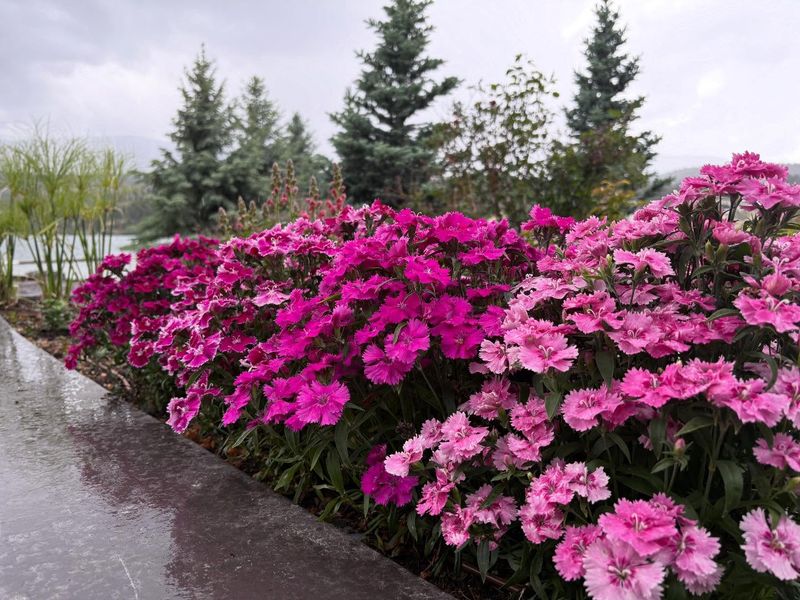
Shade and soggy ground are two quick ways to disappoint a dianthus. Give it bright sun and loose soil, and it tends to reward you with steady blooms.
Aim for at least six hours of direct sun each day, especially during the short days of winter.
Winter sun sits lower in the sky, so shadows from houses and fences stretch longer. A spot that looked sunny in July might be shaded by December, so take a quick look before planting.
Drainage matters just as much as light.
After a heavy rain, check where water puddles and where it disappears quickly. Places that dry out within a few hours are usually good candidates for dianthus.
Raised beds and slightly mounded rows help water move away from the crown.
Even a mound two or three inches higher than the surrounding ground can make a noticeable difference. Keep mulch thin and pulled back from stems, since a thick blanket can trap moisture.
Containers work well when you want full control over light and drainage.
Choose pots with holes in the bottom and use a quality potting mix rather than garden dirt. That setup lets you move plants into the sunniest corner as the seasons change.
5. Heavy Soil Can Quickly Cause Problems
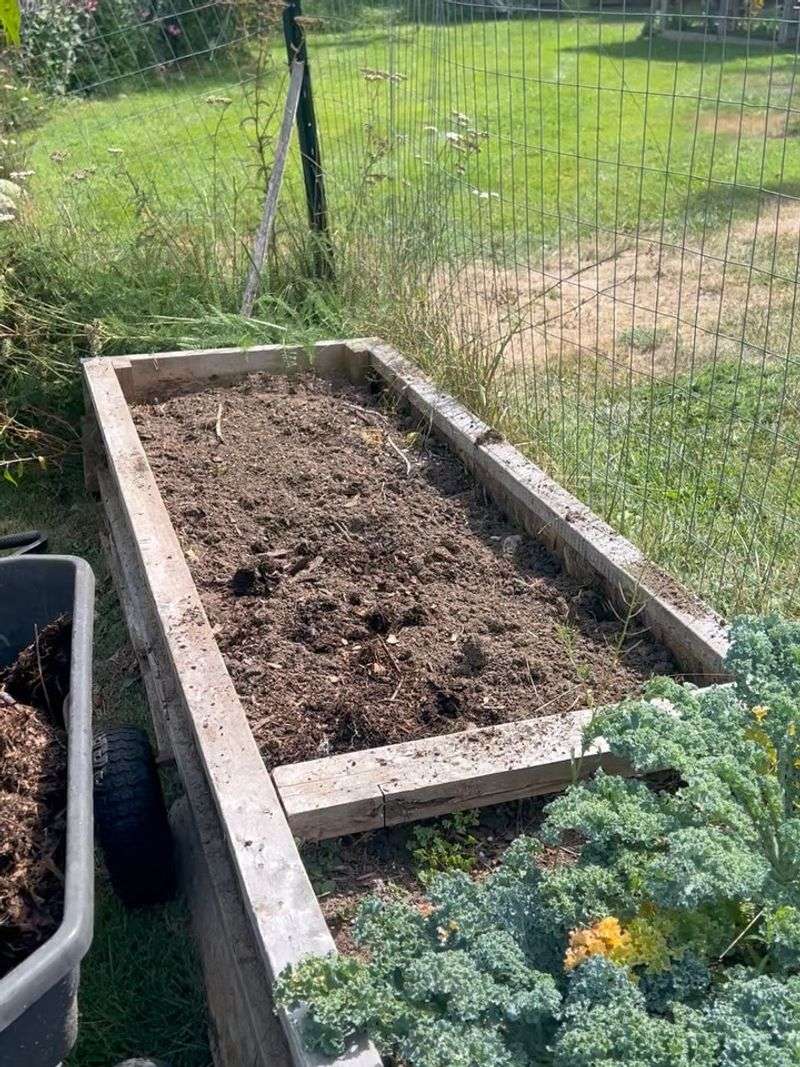
Red clay is famous across Georgia, and dianthus does not love it straight out of the ground. Dense clay holds water around roots long after a winter rain.
Soggy roots can lead to crown and root rot, which often shows up as yellowing, limp plants.
By the time the damage is obvious, recovery can be tough. Preventing wet feet from the start is much easier than trying to fix it later.
Working in organic matter helps loosen heavy soil and improve drainage over time.
Compost and fine pine bark are common choices for loosening beds in the Southeast. Mix them into the top eight inches or so instead of just spreading them on top.
Skip the idea of adding a little sand to clay, since small amounts can make it harder.
Dianthus also generally prefers soil that is close to neutral or slightly alkaline. Many southern soils lean acidic, so a soil test through your county extension office can show whether lime would help.
Results from soil changes depend on how heavy the clay is and how much material you add.
If the ground feels hopeless, switching to raised beds or containers is a perfectly reasonable choice. Plenty of gardeners grow beautiful dianthus without touching their clay at all.
6. Small Care Changes Help Extend The Color
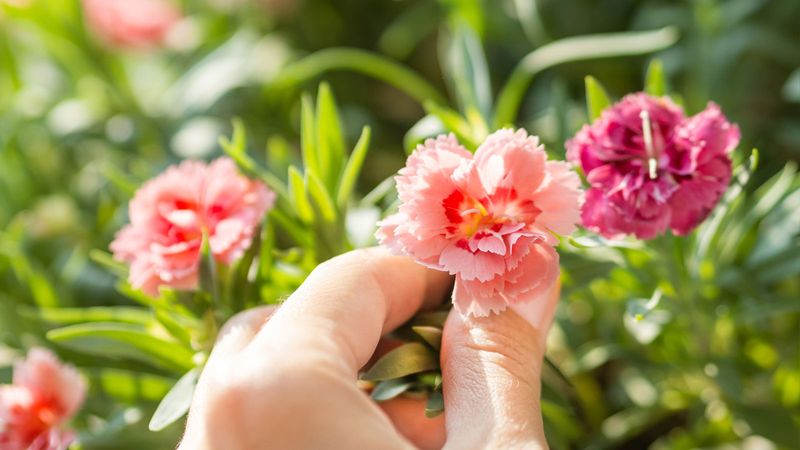
Snipping off faded blooms takes only a few minutes, and it pays off. Plants that are not busy making seeds often put that energy into fresh buds.
Small scissors or garden snips make deadheading quick, especially on plants with lots of little flowers.
Cut just below the spent bloom, down to the next set of leaves or buds. When a plant looks scraggly, shearing the whole top lightly can encourage a tidier flush of growth.
Watering needs drop in winter, and overdoing it is a common mistake.
Push a finger into the soil before grabbing the hose or watering can. If the top inch still feels moist, give it another day or two.
Morning watering lets leaves dry before cooler evening temperatures set in.
Feeding can be light, since dianthus does not need rich soil to bloom well. A balanced slow-release fertilizer at planting is usually plenty for fall and winter, following the label rate.
Watch for crowded foliage and remove brown or mushy leaves when you see them.
Better airflow helps reduce fungal issues during damp, gray weeks. None of these steps take long, yet together they can stretch the color noticeably.
7. Spring Brings An Even Bigger Payoff
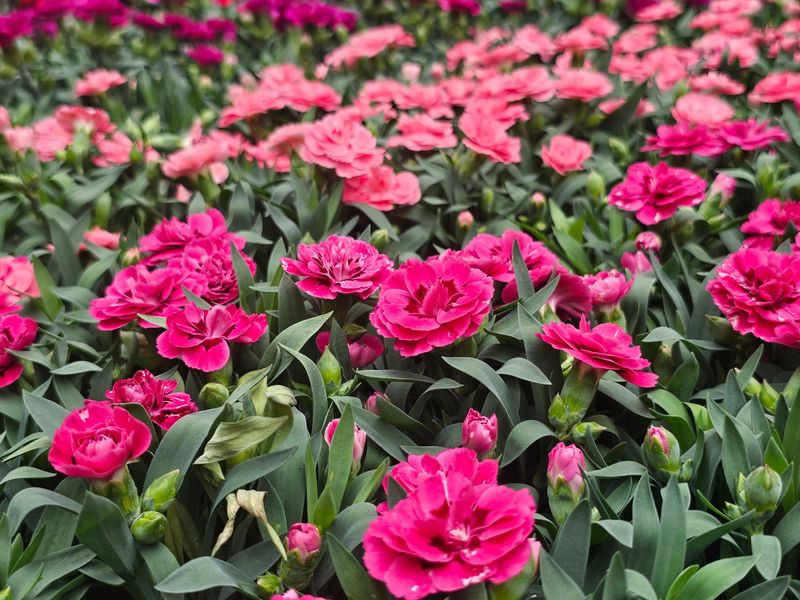
Patience gets rewarded around March and April. Dianthus planted in fall often comes into spring with a strong root system and a heavy load of blooms.
Plants set out in spring have to build roots and flowers at the same time, which can slow them down.
Fall-planted dianthus has already done much of that groundwork during the cool months. In many Georgia yards, that head start shows up as fuller mounds and more flowers.
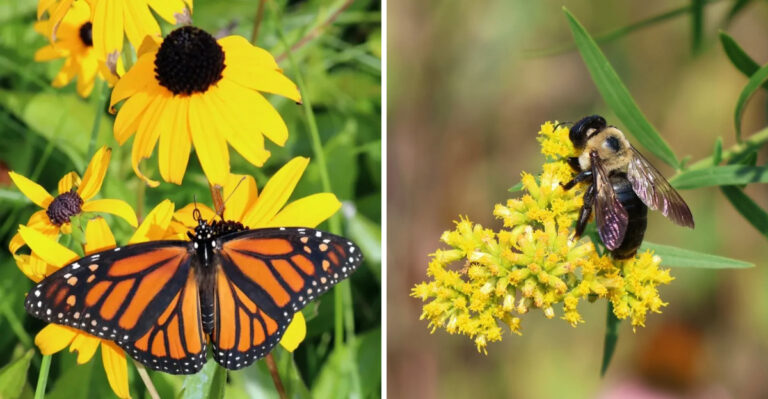
Pollinators notice the spring show too, with butterflies and bees visiting on warm afternoons.
Fragrant types can scent a whole path, especially near a front walk or patio. Cutting a few stems for a small vase brings that clove smell indoors.
Once summer heat and humidity return, many dianthus varieties slow down or struggle.
Some perennial types come back for another fall season, while annual types usually need replacing. How well they survive summer depends on variety, drainage, and how hot your area gets.
Keep a quick note about which colors and spots performed best this year.
Next September, that little record makes shopping and planting much easier. It turns one season of experimenting into a smarter plan for the following winter.