Should You Trim Florida Hibiscus In September Or Let It Keep Blooming?
Your hibiscus is covered in blooms right now.
Red, pink, or orange, still opening fresh flowers while the rest of the yard has clearly given up on summer.
And there you stand with pruners, because the plant has also gotten leggy and wide and generally out of hand.
That’s the whole dilemma. Tidy or colorful, pick one.
Except you don’t actually have to.
Here’s the detail that resolves it. Hibiscus flowers on new growth, and those buds sit on the same stem tips you’d remove in a serious trim.
So the question isn’t whether to prune. It’s how much and where.
A light hand keeps the display running. A heavy hand trades every open flower for bare stems and several weeks of nothing.
There’s also a timing issue involving cold weather that most people never consider.
Curious how much you can safely take?
Light Pruning Keeps Blooms Coming Longer
September often works like a bonus month for hibiscus in Florida.
Plenty of plants are still pushing bright buds and fresh flowers, and a light trim keeps the shrub neat without stopping that.
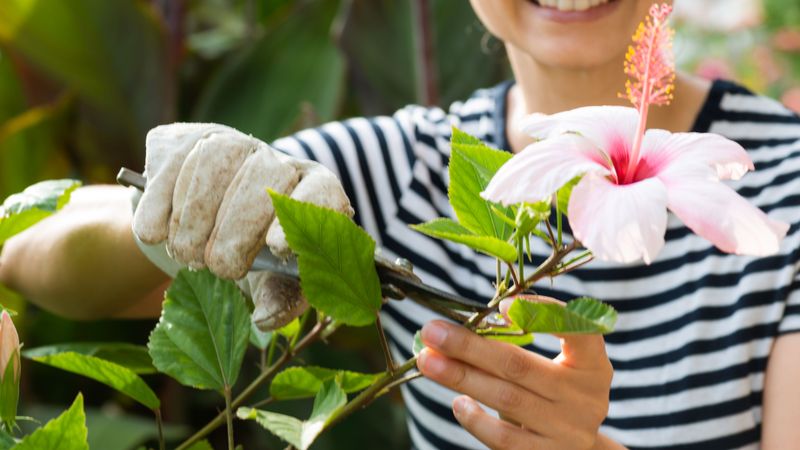
Selective pruning beats major cutting when plants are actively blooming or setting buds.
Rather than shortening every branch, snip small problem spots, faded blooms, and thin twiggy tips that look untidy.
That kind of touch-up improves how sunlight and air move through the plant.
It also preserves most of the stem tips where the next round of flowers is forming.
Gardeners sometimes worry that any fall pruning causes harm, and the real variable is how much wood you remove.
Taking a little here and there rarely knocks a healthy hibiscus out of bloom.
Clean pruners matter too, since neat cuts seal faster and reduce disease spread between stems.
Florida humidity makes that precaution more than theoretical.
A shrub covered in flowers and looking strong calls for gentle selective work.
A few careful cuts tidy the plant while keeping the color going through warm weeks ahead.
Water normally afterward and skip heavy feeding, since fresh nitrogen produces soft growth at a questionable time.
Watch for aphids and whitefly on new growth while you work, since both appear on hibiscus regularly.
That balanced approach answers the question for most Florida yards.
Heavy Cuts Now Cost You Flowers
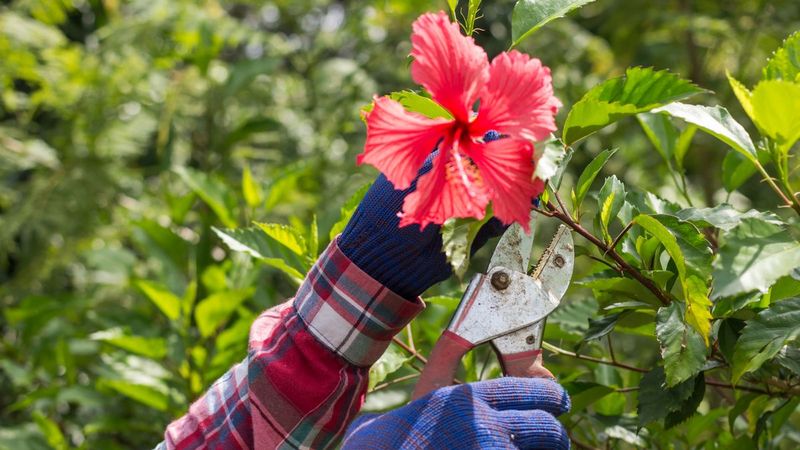
A big pruning session feels productive, particularly when a hibiscus has grown tall, wide, and somewhat wild after summer rain.
The problem is that many branch tips you’d remove hold flowers, swelling buds, or growth about to bloom.
A hard cutback trades a colorful plant for a bare one almost immediately.
Hibiscus doesn’t respond to heavy fall pruning by flowering more the following week.
First it spends energy replacing stems and leaves, and that recovery pauses flowering entirely.
In warmer parts of Florida it may push soft shoots rather than staying focused on buds it already had ready.
Lighter cleanup during active bloom and larger reshaping later is the standard recommendation for good reason.
Your Florida Garden Changes Every Week. Your Plan Should Too.
Gardening in Florida changes quickly throughout the season. Every Friday you’ll receive a simple weekly plan showing exactly what to plant, prune, fertilize, harvest, and protect so you never miss the right timing.
Flower buds aren’t separate decorations sitting apart from the plant’s structure.
They’re attached to the wood you remove, so every deep September cut carries a visible cost within days.
Genuine problems still justify attention. A branch blocking a path or storm damage both warrant removal now.
Beyond that, letting the plant finish its bloom cycle makes considerably more sense.
Waiting a few months means more flowers now, less stress on the plant, and a better shape after winter work.
Container hibiscus follows the same logic, though pots dry faster and stressed plants tolerate cutting even less.
Patience here pays out in spring and summer.
Remove Only Spent Or Crossing Stems
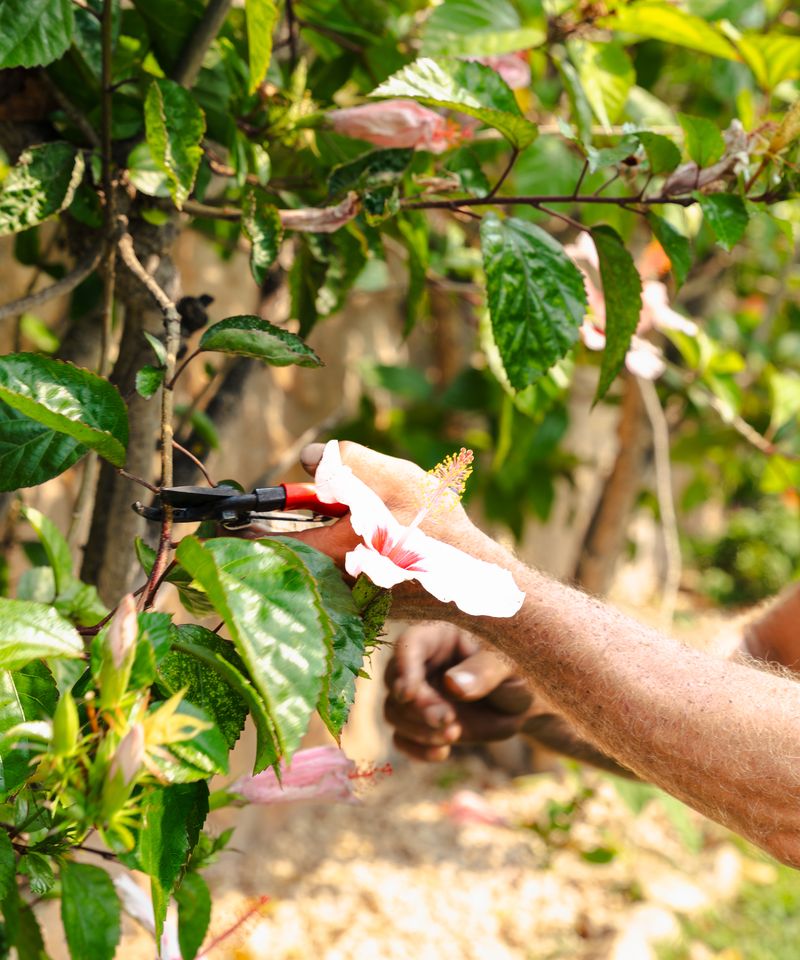
Sometimes the best pruning barely shows. In September, a Florida hibiscus benefits more from careful cleanup than from anything substantial.
Focus on stems that are clearly finished, rubbing hard against each other, broken by wind, or growing inward tightly enough to block air and light from the center.
Spent wood is generally dry and brittle, showing brown inside when lightly scratched.
Crossing branches take more judgment, and the goal stays simple. Keep the stronger better-placed stem and remove the one causing crowding or rubbing wounds.
Those wounds open entry points for insects and disease, especially in humidity that lingers into fall. Skip healthy outer stems loaded with buds, even where the plant looks uneven.
You can always shape it later, and you can’t ask a removed branch to flower next week.
Make each cut just above a node or branch junction, use sharp pruners, and step back every few cuts. That habit prevents light cleanup from becoming accidental heavy pruning, which happens more easily than people expect.
A five-minute check usually covers it. Remove the obviously finished parts, open one badly tangled area, then stop.
Sanitize blades between plants if you’re moving through several shrubs. That small effort makes the plant healthier and tidier without costing the September display.
Save Major Shaping For Late Winter
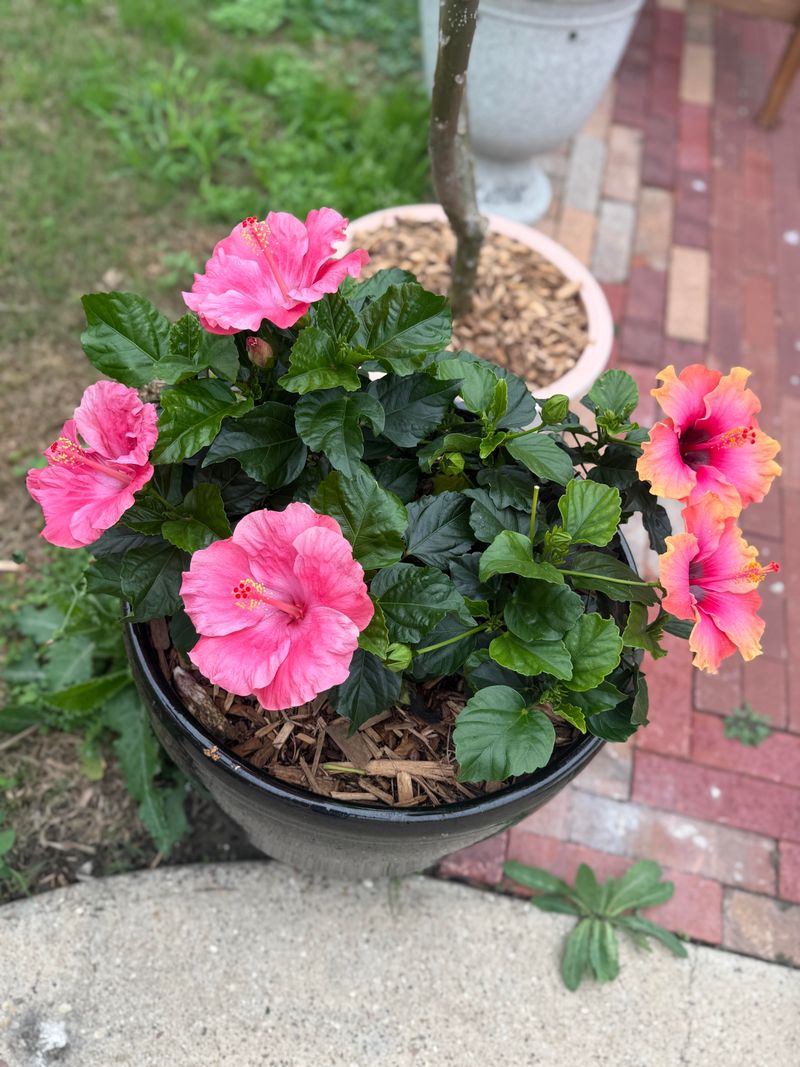
Shaping goes better when you can see what needs fixing, and late winter offers that clarity.
In cooler parts of Florida, hibiscus growth slows enough by then to prune without sacrificing the current wave of flowers.
That timing aligns with standard guidance better than a September trim does. Waiting lets the plant continue doing what it’s already doing well.
You also make structural decisions with a calmer eye, since you’re not reacting to fast summer growth, storm weather, or a plant in full performance mode.
Long branches, awkward gaps, and weak stems all read more clearly during a quieter season.
Late winter is when you lower height, correct shape, reduce legginess, and encourage fuller branching for the next growth period.
Restraint still applies. Removing no more than about a third at a time is the cautious approach when a plant needs renovation.
Hibiscus tolerates fairly hard pruning at the right season, and even then a staged approach across two years beats one aggressive session.
Florida spans enough latitude that timing shifts by region. South Florida can prune slightly earlier than North Florida, where cold arrives sooner and matters more.
The basic message stays consistent regardless. Use September for touch-ups rather than redesigns. When late winter arrives, shape with purpose and set the plant up for spring.
Watch For New Growth Before Frost
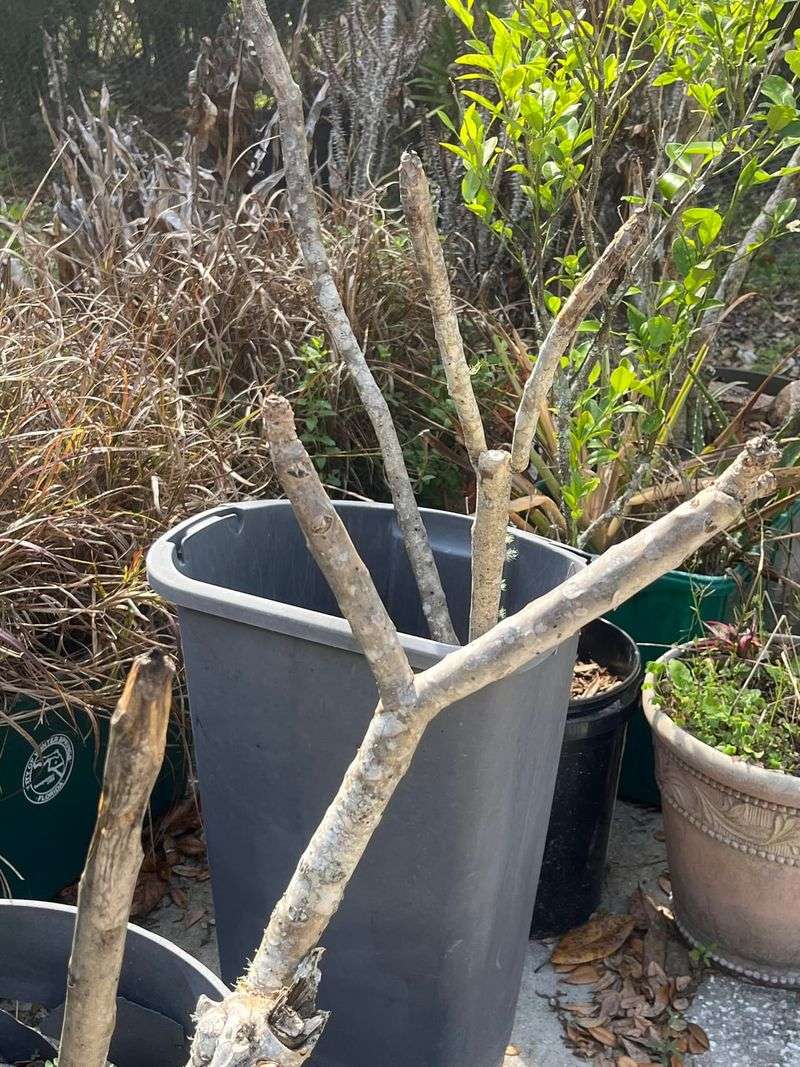
Fall runs tricky in Florida, since warm days keep plants growing while the calendar moves toward winter.
Pruning signals hibiscus to send out fresh shoots.
That sounds useful and creates a real problem, since tender growth produced late in the season is the part most easily damaged by a cold snap.
South Florida sees frost rarely, and cooler weather still slows plant processes and leaves soft tips vulnerable.
Central and North Florida face more serious risk as fall progresses.
A September hard pruning creates a flush of growth without much time to harden before colder nights arrive. That’s a central reason major cutbacks get discouraged during this period.
The plant may come through fine, and coming through isn’t the same as looking good or blooming well.
Cold-damaged shoots turn black and force another round of pruning later, meaning the plant spent energy on growth that never became useful.
Hibiscus is tropical and genuinely sensitive to cold compared with most Florida landscape shrubs.
A safer plan stays simple. Enjoy current flowers, remove small problem stems only, and avoid anything pushing substantial new growth.
If weather stays hot, the plant keeps blooming rather than rebuilding itself. That choice gives it a better shot at entering winter strong, particularly outside the warmest coastal areas.
Trim Spent Blooms Instead Of Stems
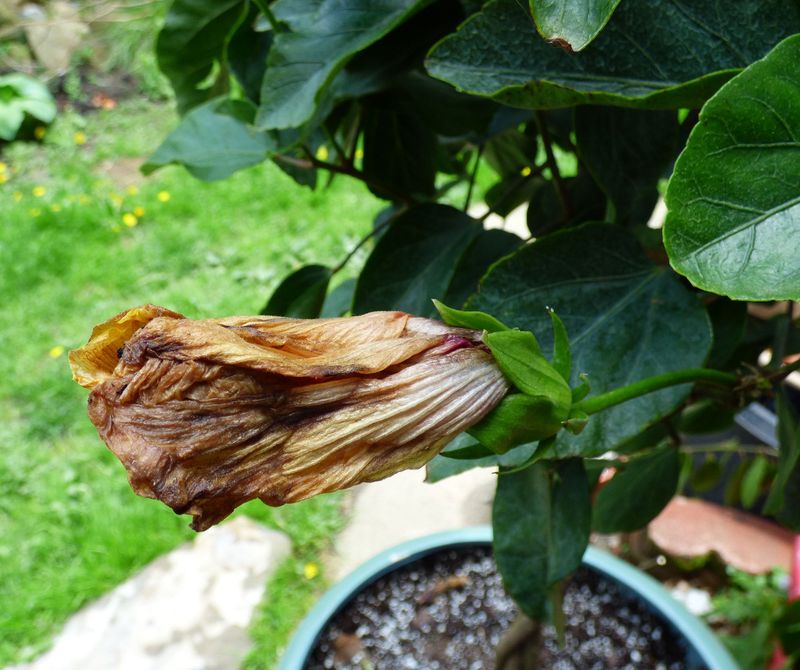
There’s a meaningful difference between removing an old flower and removing the stem that could produce the next one.
Trimming is the gentler move in September.
It tidies a hibiscus quickly, keeps the shrub looking cared for, and avoids cutting growth that may still be ready to bloom.
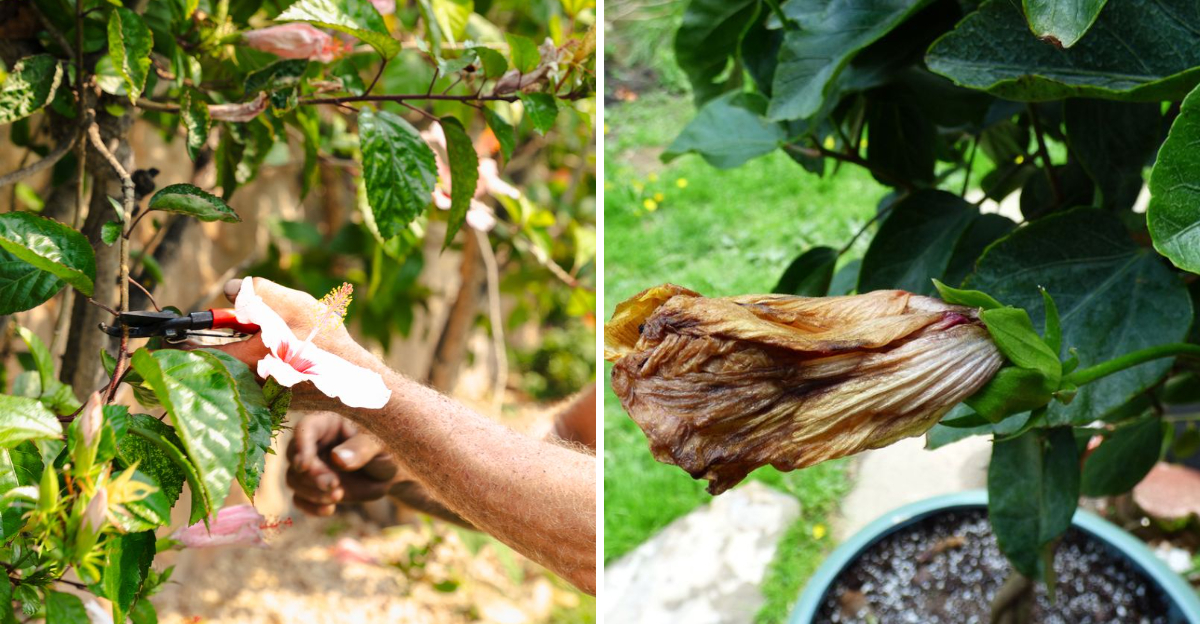
With most tropical hibiscus, you can pinch or snip the faded flower and its short stalk without shortening the branch below.
That distinction matters because branch tips and upper nodes hold the future buds.
Removing only the spent flower keeps the blooming framework intact.
Hibiscus flowers typically last a single day, which means trimming is a frequent small task rather than an occasional one.
Some gardeners trim purely for appearance while others do it to keep the yard feeling fresh through a long flowering season.
Both reasons work fine.
The key is not confusing cleanup with pruning, since clipping stems several inches back crosses from tidy maintenance into flower-losing cuts without much warning.
Collect faded flowers every few days, particularly after rain or wind knocks them loose.
The plant still reads as lively from the sidewalk with very little effort.
It’s a small habit that protects the branch structure supporting ongoing blooms. For a healthy Florida hibiscus in September, trimming is the neatest available option.
Let Established Plants Keep Their Show
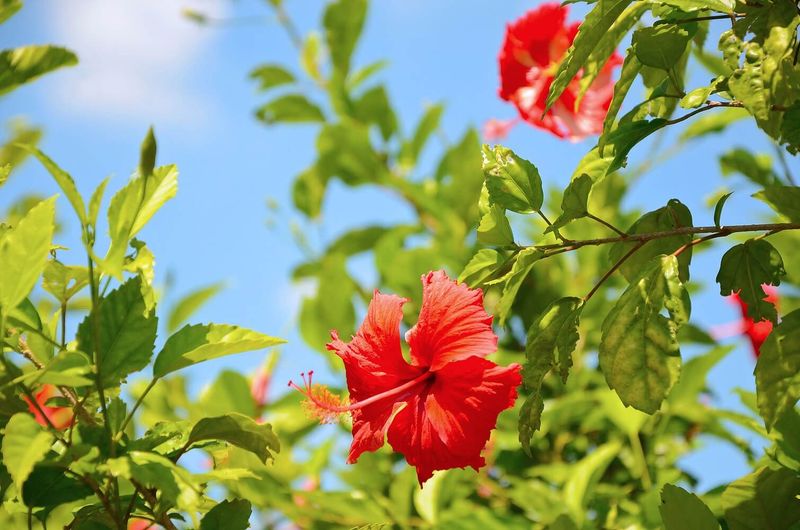
Picture a mature hibiscus by the porch still producing red, pink, or orange blooms while the rest of the yard looks tired.
That plant is telling you something worth listening to.
An established, healthy, well-flowering hibiscus in September usually calls for minimal interference.
Healthy roots, good leaf color, and steady bud production matter considerably more right now than a perfect outline.
A plant actively performing doesn’t need a reset because the calendar reached fall.
Light cleanup, watering through dry spells, and regular pest checks make better September tasks than hard pruning.
Aphids, whitefly, and hibiscus erineum mite all show up in Florida, and the mite in particular causes distorted blistered growth worth catching early.
Newly planted or damaged hibiscus follows different rules, and local conditions always factor in.
For an established shrub in most Florida landscapes, minimal pruning is simply the right answer.
Keep the flowers, remove what’s genuinely troublesome, and wait for late winter if real shaping is needed.
Fertilizing lightly during active bloom supports continued flowering, using a product suited to hibiscus rather than a general lawn formulation.
Consistent moisture matters too, since drought stress causes bud drop before flowers ever open.
A blooming Florida hibiscus in September deserves a light hand rather than a deep cut that erases the best part of the plant while warm weather still supports more flowers.