Florida Gardeners Are Swapping Pentas For This Native Pollinator Flower
Florida pollinator gardens are changing, and pentas is not always getting the final vote.
Gardeners across the state are making a swap that hummingbirds and butterflies seem to strongly approve of, and the replacement is something that has been growing wild in Florida long before anyone thought to plant it on purpose.
It reseeds on its own. It keeps blooming when everything else looks exhausted in August heat.
It handles sandy soil, afternoon downpours, and brutal humidity without flinching, because it evolved here and knows exactly what summer in this state feels like.
The wildlife activity it generates is the part that really gets people talking.
One established patch can turn a quiet garden corner into something that looks like a nature documentary by midsummer, with wings and hovering movement everywhere you look.
Now, Pentas is not a bad plant. Nobody is saying that.
But once Florida gardeners see what this native alternative does for pollinators, the comparison becomes genuinely difficult to argue.
Ready to find out what is taking over the most enthusiastic Florida pollinator gardens?
Scarlet Salvia Takes The Pentas Spot
Walk through almost any Florida neighborhood in July, and you will spot pentas filling front beds with clusters of pink, red, and white blooms.
Pentas has been a Florida garden staple for years, and for good reason. It handles heat, attracts butterflies, and stays colorful through long summers.
But lately, a red-flowered native plant is quietly earning its spot in those same beds.
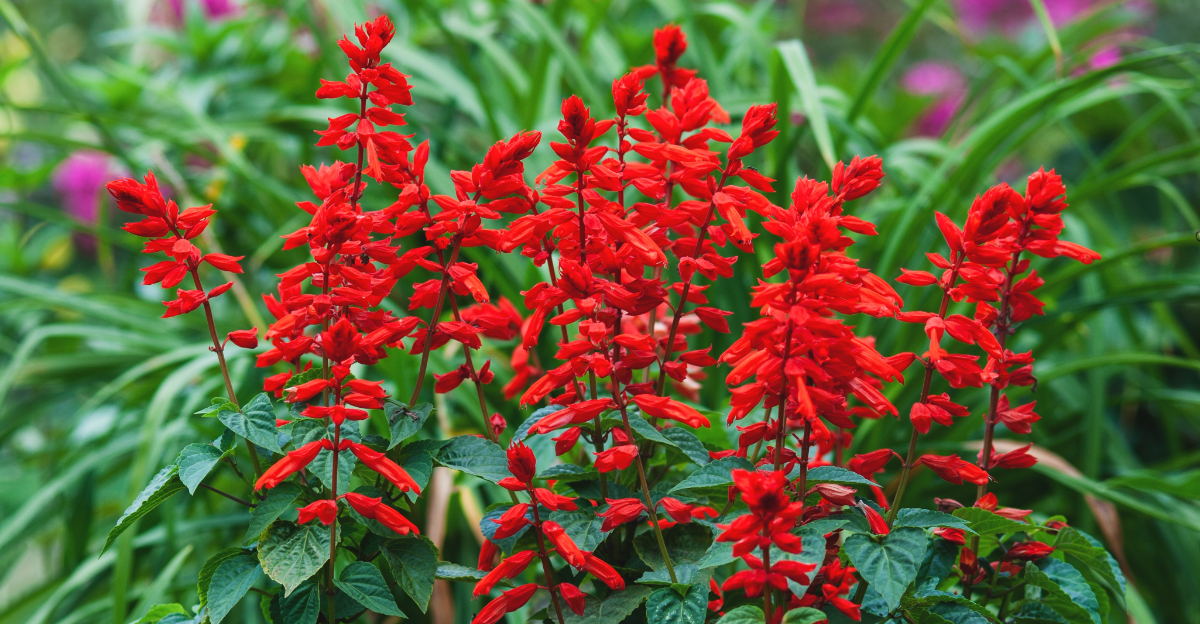
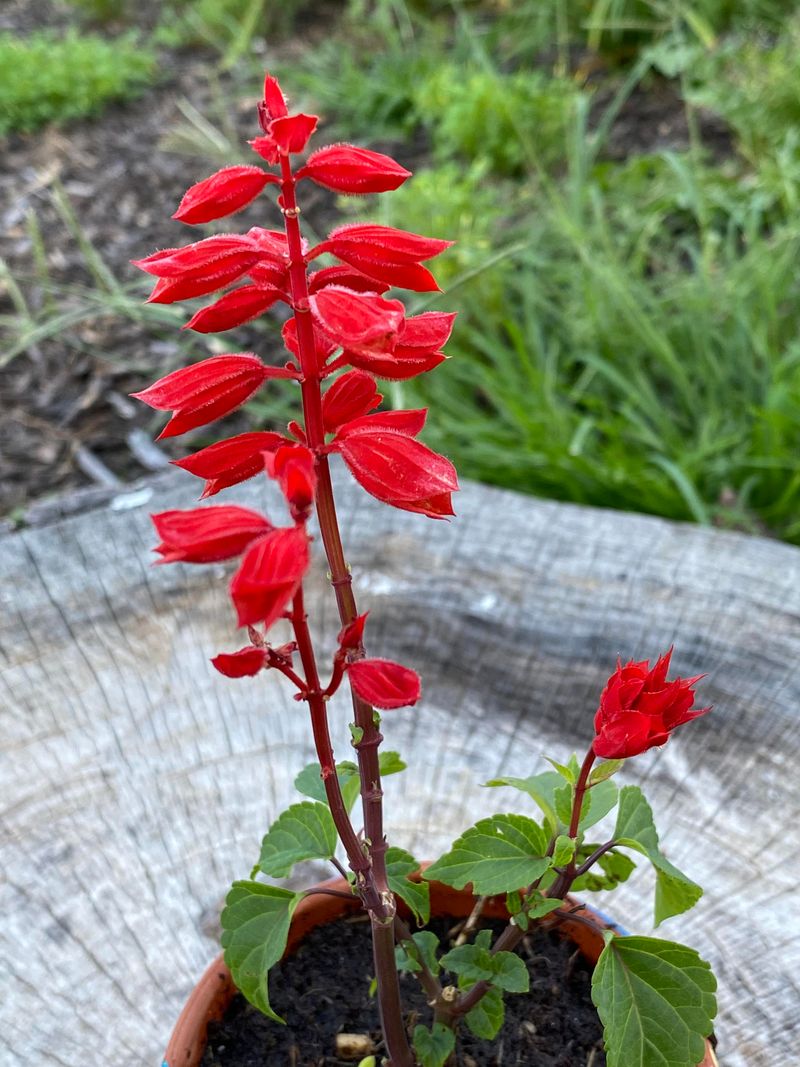
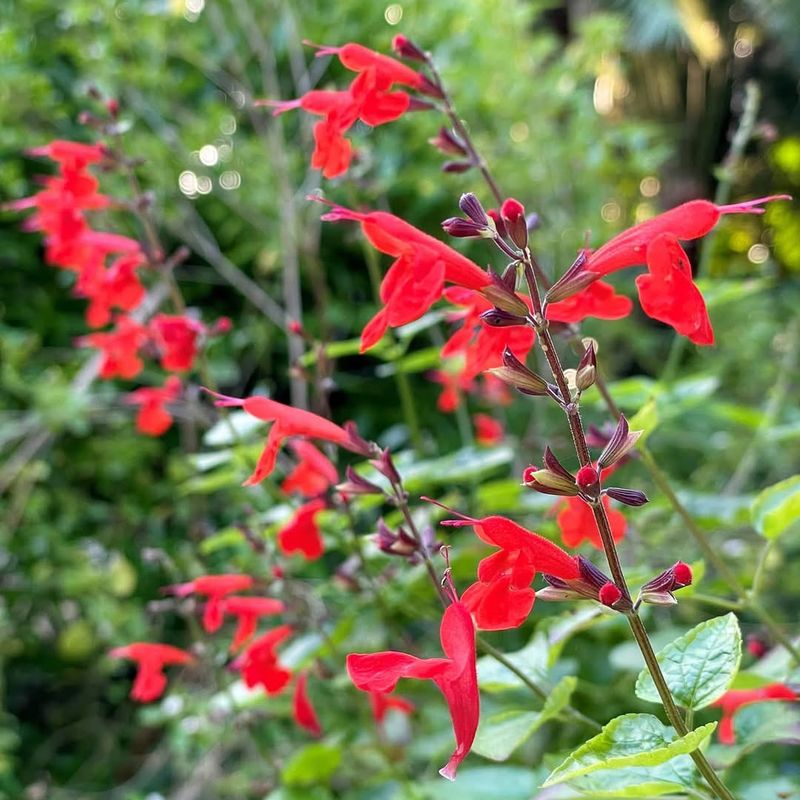
Scarlet salvia, known scientifically as Salvia coccinea, is a Florida native wildflower that grows naturally across the state. It is well-adapted to Florida soils and climate, making it a smart pick for local pollinator gardens.
Unlike pentas, which was introduced from Africa, scarlet salvia evolved right alongside Florida’s native bees, butterflies, and hummingbirds.
The switch is not about pentas being a bad plant. The swap is more about gardeners wanting a plant with deeper local roots and stronger wildlife value.
Scarlet salvia checks both boxes with ease.
It also tends to be easier to find at native plant nurseries and Florida-friendly garden centers. Many gardeners start with just a few plants and find them spreading naturally through the bed over the following season.
That kind of low-effort abundance is hard to argue with, especially when the blooms are this striking and the pollinators show up this reliably.
Native Roots Make The Swap More Useful
There is a reason native plants keep showing up in conversations about sustainable Florida gardening.
Plants that evolved here already know how to survive here. They have spent thousands of years adapting to Florida’s intense summer rains, long dry spells, sandy acidic soils, and punishing afternoon heat.
That built-in toughness is something no amount of fertilizer can fully replace in a non-native plant.
Scarlet salvia fits into Florida’s natural landscape like it belongs there, because it does.
The Florida Wildflower Foundation lists Salvia coccinea as a native species found throughout the state, from the Panhandle down through South Florida.
Your Florida Garden Changes Every Week. Your Plan Should Too.
Gardening in Florida changes quickly throughout the season. Every Friday you’ll receive a simple weekly plan showing exactly what to plant, prune, fertilize, harvest, and protect so you never miss the right timing.
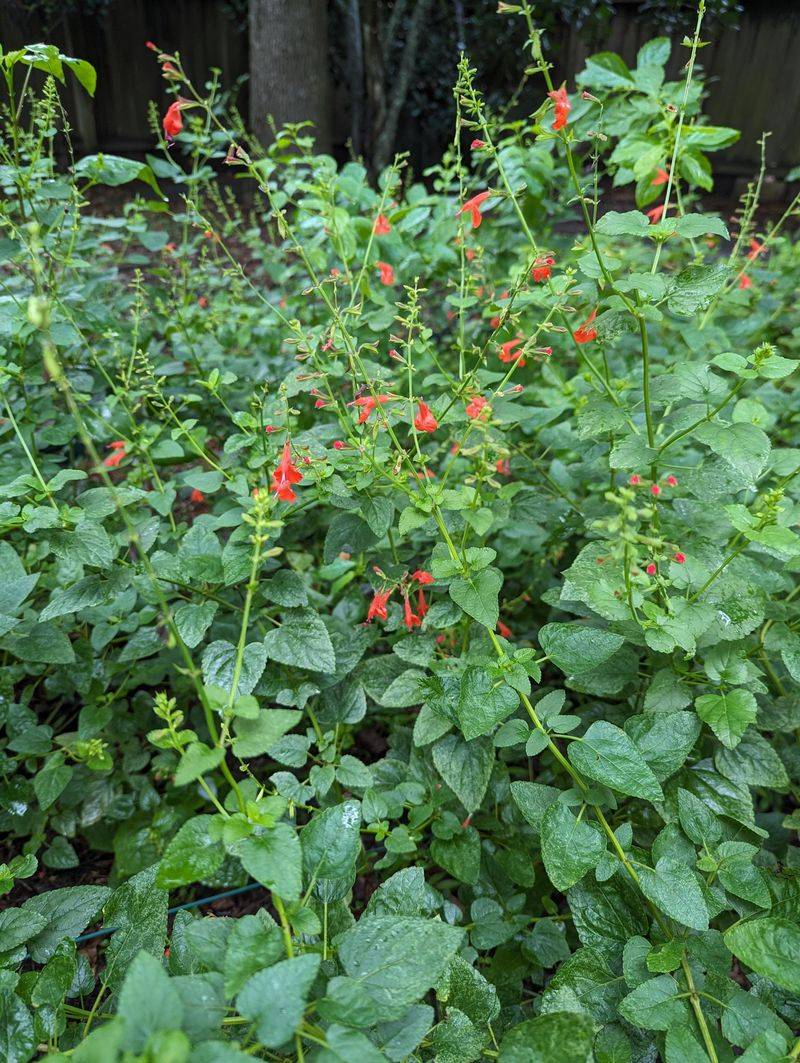
It naturally grows in open woodlands, disturbed areas, and roadsides, which means it is already comfortable in the kind of imperfect, sun-baked garden beds most Florida homeowners actually have.
Native plants also support local food webs in ways that imported species cannot always match.
Native bees, in particular, rely on plants they co-evolved with. When you plant scarlet salvia, you are not just feeding pollinators passing through. You are supporting the specific insects and birds that belong to your region.
For gardeners who want to do more than grow pretty flowers, choosing a native plant is a practical step toward a healthier yard.
Native plants generally need less water, fewer soil amendments, and fewer chemical inputs once they are established in the right spot. That is a deal worth taking.
Hummingbirds Find The Tubular Blooms Fast
Set out a pot of scarlet salvia on your porch and give it about a week.
If a ruby-throated hummingbird is anywhere in your neighborhood, there is a very good chance it will find those red tubes before you even notice.
Hummingbirds are famously drawn to red tubular flowers, and scarlet salvia is practically designed for them.
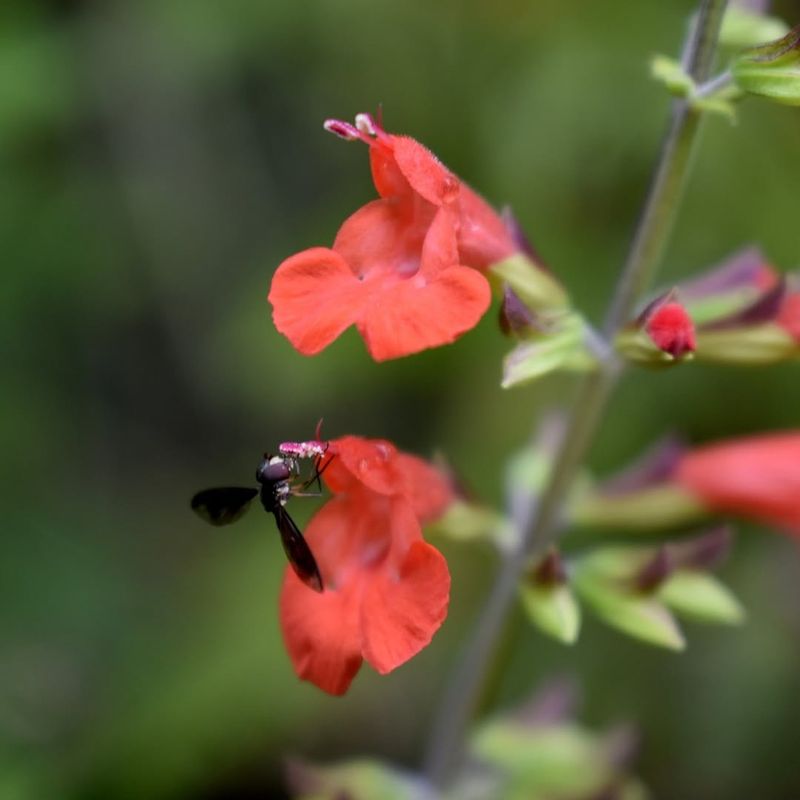
The long, narrow shape of each bloom fits a hummingbird’s bill with almost perfect precision.
That is not a coincidence. Salvia coccinea and ruby-throated hummingbirds have a long shared history in Florida. The flower offers nectar deep inside the tube, and the hummingbird’s bill and tongue are built to reach it.
In return, the bird carries pollen from plant to plant, helping the salvia reproduce.
Ruby-throated hummingbirds are the most common hummingbird species in Florida, and they rely heavily on native flowering plants during migration and breeding seasons.
Planting scarlet salvia gives these tiny birds a reliable fuel stop, especially in fall when many other flowers have slowed down.
Flower shape matters more than many gardeners realize.
Flat-topped flowers like pentas are easier for butterflies and short-tongued bees to access, but they are less efficient for hummingbirds. Scarlet salvia bridges the gap beautifully, attracting hummingbirds without turning away butterflies.
Watching a hummingbird hover at those red spikes on a bright Florida morning is one of those garden moments that makes the whole effort feel completely worthwhile.
Butterflies Keep Visiting Through The Heat
Florida summers are not gentle.
By late June, temperatures regularly climb past 90 degrees, humidity makes the air feel thick, and afternoon thunderstorms roll in like clockwork.
Many bedding plants struggle to keep blooming through this stretch, leaving butterfly gardens looking sparse right when the most butterflies are active.
Scarlet salvia does not flinch.
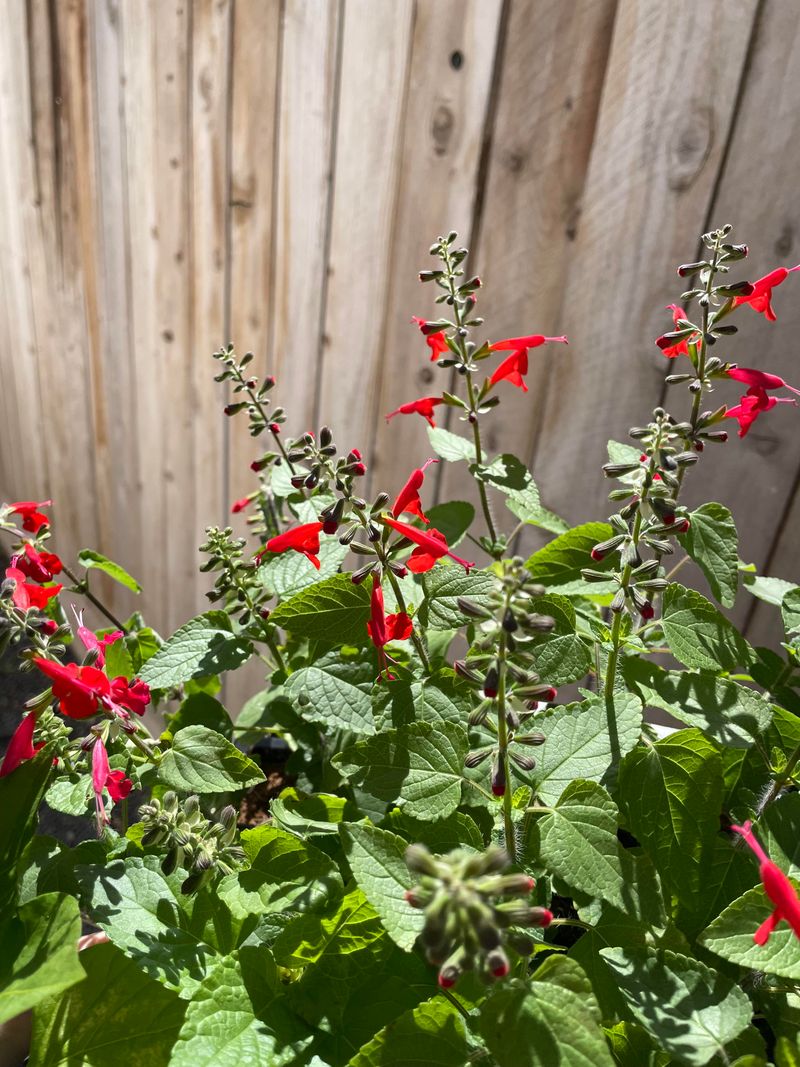
It keeps pushing out new flower spikes through the hottest, stickiest months of the Florida growing season. That consistent bloom time matters enormously for butterflies, which need nectar sources throughout their adult lives.
Scarlet salvia attracts a wide range of butterfly species, including swallowtails, sulfurs, and the stunning gulf fritillary.
The flower structure works for butterflies too. While the tubes are long, many butterfly species have tongues capable of reaching the nectar inside.
Butterflies also land on the calyx and surrounding foliage while feeding, making the plant feel like a genuine butterfly hangout rather than just a quick pit stop.
Pairing scarlet salvia with other native plants that bloom at different times creates a butterfly buffet that runs almost year-round in Florida.
Butterflies are creatures of habit, and once they discover a dependable nectar source, they return again and again.
A single established patch of scarlet salvia can become the busiest spot in your backyard by midsummer, with wings flashing in every direction on a bright afternoon. Not a bad return on one plant.
Summer Flowers Hold Strong When Pentas Fade
Pentas is a tough plant, and nobody is here to argue otherwise.
It handles Florida heat better than most tropical imports, and it blooms generously from spring through fall in many yards. But even pentas has its limits.
During the most brutal stretches of Florida summer, some pentas plantings slow down, drop leaves, or look ragged after heavy rains and intense humidity.
Scarlet salvia tends to take those conditions in stride.
Gardeners who have grown both plants side by side often notice that the salvia keeps flowering steadily even when the pentas looks tired. That is partly because scarlet salvia is already calibrated to Florida’s climate at a cellular level.
It does not need to adapt to summer. Summer is where it belongs.
Tall flower spikes also give scarlet salvia a vertical presence that pentas cannot match.
In a mixed bed, those red spikes rise above lower-growing plants, adding visual structure and making the garden feel layered and full.
That height also makes the blooms easier for hummingbirds to spot from a distance, which means more wildlife visits even on the most scorching days.
A garden that stays lively in August is a Florida garden worth bragging about, and scarlet salvia is one of the plants that makes that possible.
Reseeding Makes The Bed Feel Effortless
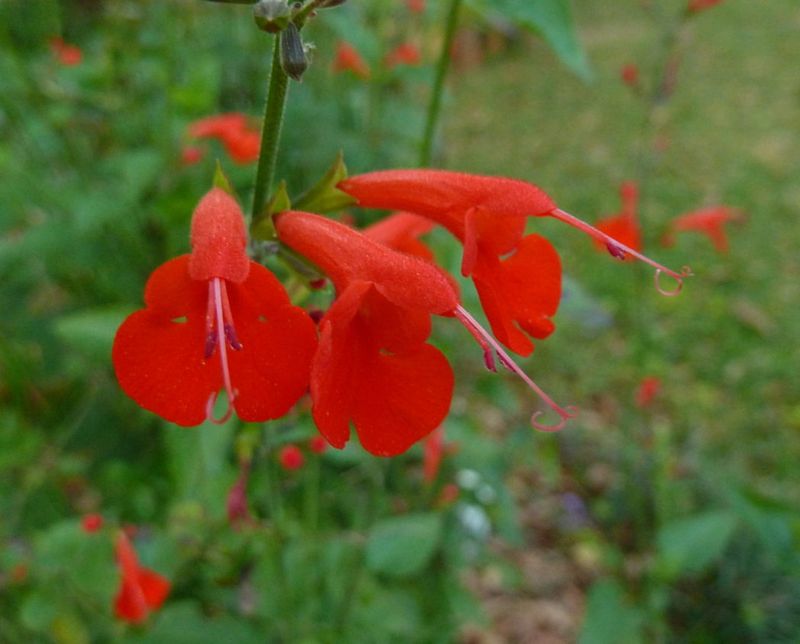
Walk out to your garden in early spring and find new plants exactly where you hoped they would be, without planting a single seed yourself.
That is the quiet magic of a self-reseeding native plant, and scarlet salvia can do exactly that in the right Florida garden conditions.
Salvia coccinea produces seeds freely after each bloom cycle.
When left to mature on the plant, those seeds drop to the soil and germinate when conditions are right, typically in warm, moist Florida spring weather.
Scarlet salvia reseeds readily in suitable garden settings, which makes it especially appealing to gardeners who want a naturalistic, low-effort planting style.
Not every garden will see heavy reseeding.
Thick mulch layers can prevent germination, and very shaded or waterlogged spots are not ideal. But in a typical Florida garden bed with light mulch, good drainage, and plenty of sun, scarlet salvia often fills in on its own over time.
Many gardeners find they buy a flat of plants once and never need to purchase them again.
There is something genuinely satisfying about a plant that takes care of its own future.
The naturalistic spreading habit also gives garden beds a more relaxed, cottage-garden feel that looks intentional without requiring constant intervention.
Letting a plant reseed is not laziness. It is smart gardening that works with nature instead of against it, and your back will thank you.
Lower Pest Pressure Makes Gardeners Notice
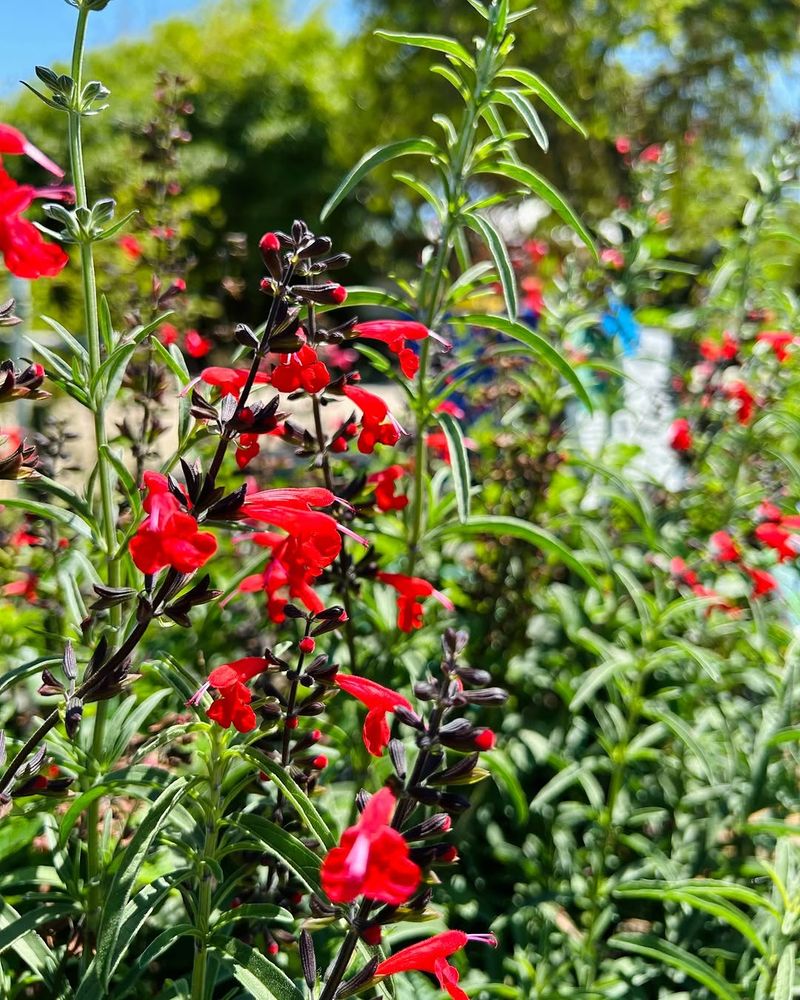
Any Florida gardener who has battled aphids on pentas or watched caterpillars work through a favorite bedding plant knows how quickly pest problems can derail a beautiful garden bed.
Pest management takes time, money, and energy that most homeowners would rather spend enjoying their yard instead of defending it.
Well-sited native plants like scarlet salvia tend to attract fewer of the pest insects that plague fussier bedding plants.
That is not because nothing ever touches them. Native plants still interact with insects, and some caterpillars do feed on salvia species.
But because scarlet salvia is already adapted to Florida’s environment, it is generally more resilient and less stressed than plants pushed to perform outside their natural range.
Stressed plants are more vulnerable to pests.
A plant struggling in the wrong climate or under too much irrigation pressure sends out chemical signals that certain insects find attractive.
A native plant growing in conditions it evolved for tends to be healthier, and healthier plants are simply better at handling the occasional nibble.
Native plants also support beneficial insects, including the predatory wasps, beetles, and flies that naturally keep pest populations in check.
Choosing natives helps build a more balanced garden ecosystem over time.
Fewer pest problems mean less time spraying and more time sitting on the porch watching hummingbirds. That trade-off is exactly why so many Florida gardeners are paying close attention to what scarlet salvia brings to a bed.
Florida Heat Turns This Native Into A Workhorse
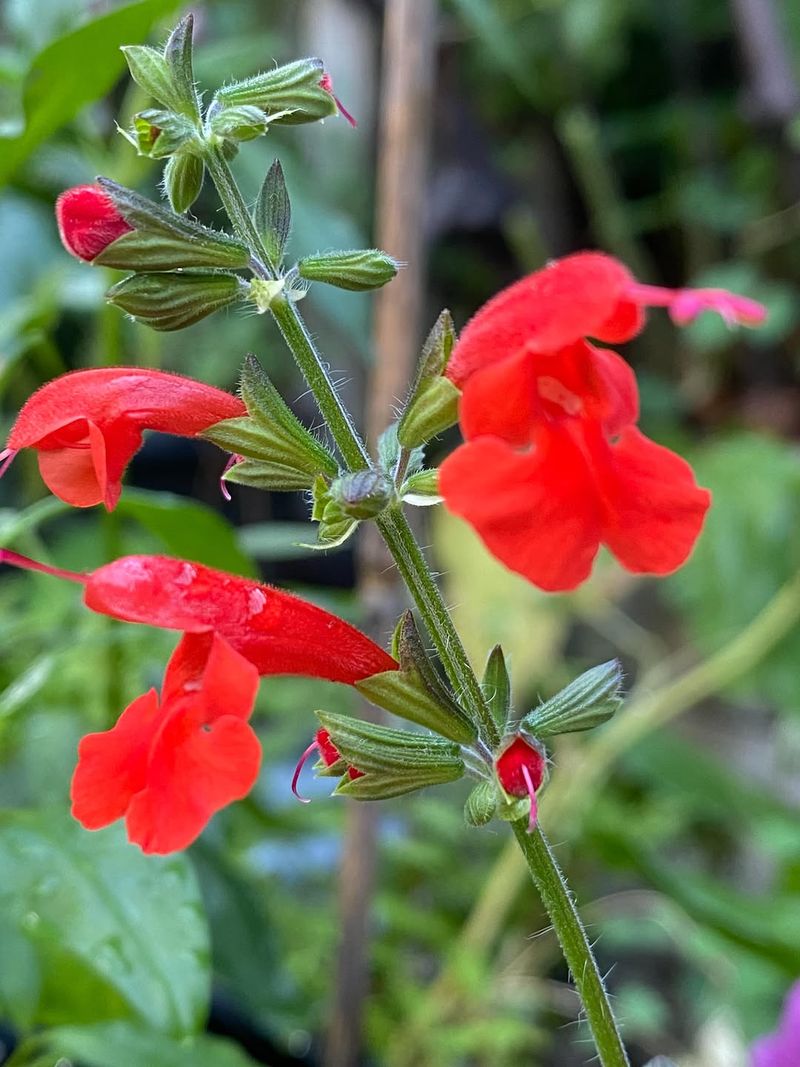
Some plants just find their moment in the sun, and for scarlet salvia, that moment is a Florida summer.
While other plants wilt, bolt, or go into survival mode, this native wildflower leans into the heat and keeps performing.
That kind of reliability is rare and deeply appreciated by anyone who has watched a carefully planted bed collapse in August.
Scarlet salvia grows best in full sun to partial shade and handles Florida’s sandy, well-drained soils without needing heavy amendments.
Once established, it is remarkably drought-tolerant, making it a smart choice for Florida-Friendly Landscaping principles.
It does not need constant irrigation, which saves water and reduces the root stress that wet feet can cause in humid Florida summers.
The plant typically reaches two to four feet tall, giving it enough presence to anchor a pollinator border or fill in a sunny corner that needs vertical interest.
Red flower spikes appear from spring through fall, with peak bloom often happening right in the middle of the hottest months.
That timing lines up perfectly with hummingbird migration and peak butterfly activity.
Scarlet salvia is not a one-trick plant.
It feeds hummingbirds, supports butterflies, attracts native bees, reseeds in the right conditions, handles drought, and looks genuinely beautiful doing all of it.
Plant it once in the right spot and it will reward you season after season with very little asked in return. Florida’s heat is its superpower, not its weakness.