Why Your Florida Yard Is Missing Hummingbirds And What Finally Brings Them In
Tiny wings sweep past your porch without slowing down. Hunger guides these travelers straight through Florida skies. Speed matters more to them than scenery ever will. Eyes scan yards from above in mere seconds.
Dense hedges alone will not earn you a landing spot. Instinct tells them where sweetness waits nearby. Something quieter than shade earns the choice. Florida gardens draw real attention this time of year.
Texture and color speak louder than size or height. Your setup might be sending the wrong signal outward. Migration timing rewards yards that plan ahead early. Color, sweetness, and timing separate a flyover from a stop.
Small shifts can turn silence into a buzzing porch. Certain habits send these visitors toward someone else’s fence. Other choices draw them straight into your view instead.
You hold more control over this than you realize. The difference between silence and spectacle sits closer than you think.
Spring Blooms Fade And The Menu Goes Blank
Picture a yard that fills with color in March, then coasts on plain green leaves for months. Hummingbirds notice that gap, and they schedule their travels around reliable food.
Early September is prime passage season in Florida, when ruby-throated hummingbirds trickle south along the coasts and through backyard corridors. Birds moving now hunt for fuel today, not for the memory of April flowers.
Plenty of popular landscape shrubs wrap up flowering by June, leaving a long stretch with thin pickings. A yard with one short bloom window usually earns one short visit, if any at all.
The repair starts with a calendar rather than a shopping cart. Walk the yard once a month and jot down what is actually open. Those blank weeks are your planting list.
Shoot for color from March through November, with extra muscle in late summer and fall. Firebush, tropical sage, and porterweed handle that late shift beautifully in warm Florida gardens.
Stagger your planting so a few clumps flower while others rest and rebuild. Three or four overlapping species outperform a single showy hedge that peaks once and quits.
Container plants help too, since you can slide a blooming pot into a bare spot within minutes. Move them near a window and you get a front-row seat.
Fun bit: many returning hummingbirds favor feeding stops they visited before, circling back to the same reliable spots. Serve something sweet in September, and next season’s travelers may circle back through your gate.
Feeders Hidden Where Wings Cannot See Them
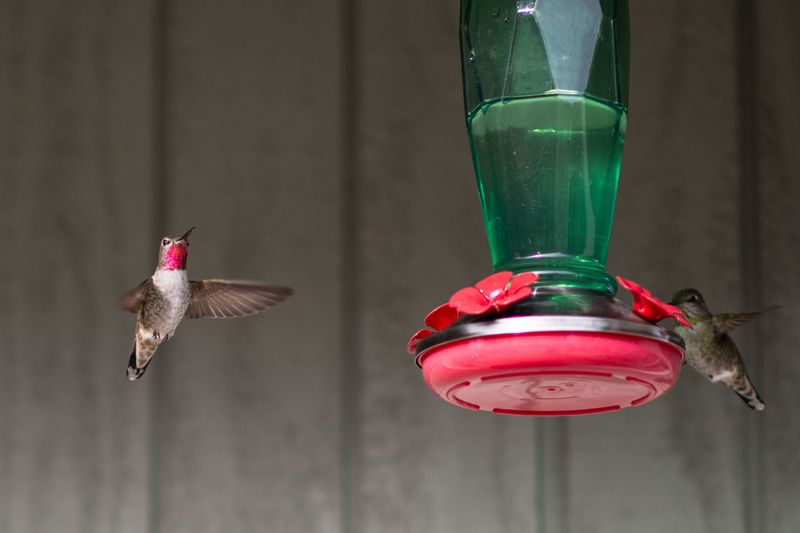
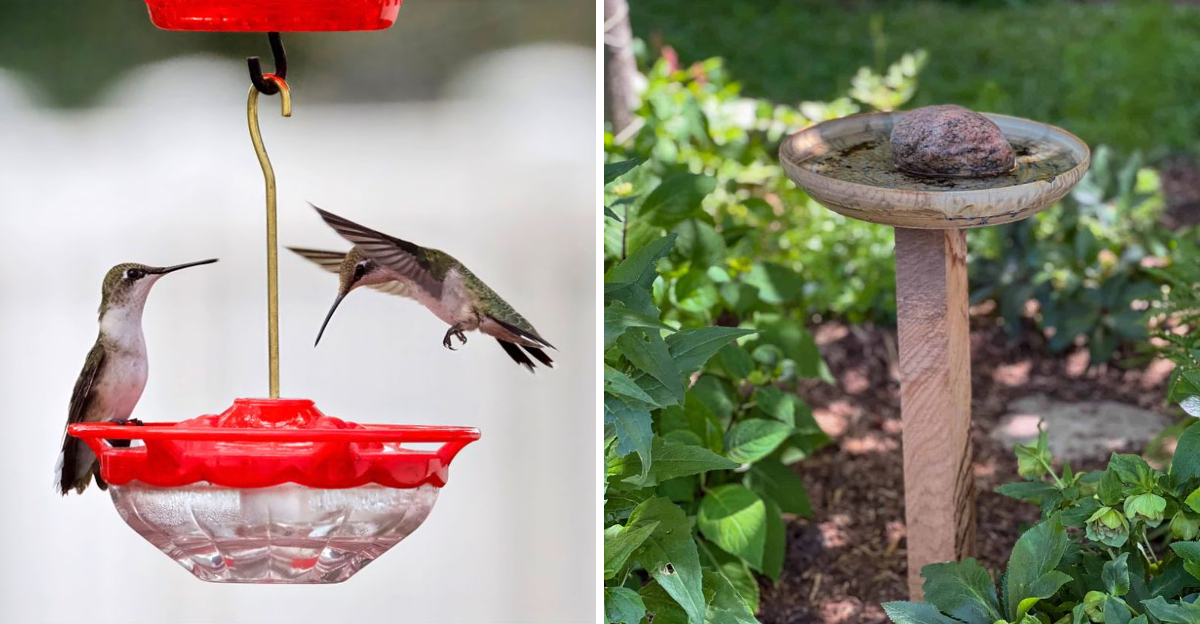
A hummingbird shopping for nectar works mainly by eye, cruising well above rooftops and scanning for flashes of color. A feeder tucked under a deep porch eave or behind a screened lanai simply does not register.
Many folks hang the feeder where it is convenient for refilling, not where it is obvious from the sky. That small choice can significantly reduce visits for the season.
Height matters as well. A feeder placed knee-high inside a dense hedge blends into shadow, while one at eye level along an open edge reads like a neon sign.
Your Florida Garden Changes Every Week. Your Plan Should Too.
Gardening in Florida changes quickly throughout the season. Every Friday you’ll receive a simple weekly plan showing exactly what to plant, prune, fertilize, harvest, and protect so you never miss the right timing.
Distance from cover plays a role too. Birds prefer a feeder close to a twig, wire, or shrub branch where they can rest between sips.
Territory is another wrinkle. One bird will guard a single feeder and chase off newcomers, so your yard looks empty while a dominant bird sits on a nearby branch.
Splitting the food into two or three small feeders, set out of sight of each other, quietly ends that standoff. Corner of the house, side yard, far bed: spread the wealth.
Partial shade helps the syrup stay fresh in Florida heat, so morning sun with afternoon protection is a smart compromise. Skip spots directly above sidewalks, ant highways, or pet bowls.
Pair each feeder with real flowers within a few feet, since blossoms act as the billboard that pulls birds down for a closer look. Once one bird finds it, others tend to follow.
Sugar Water Turns Sour Faster Than You Think
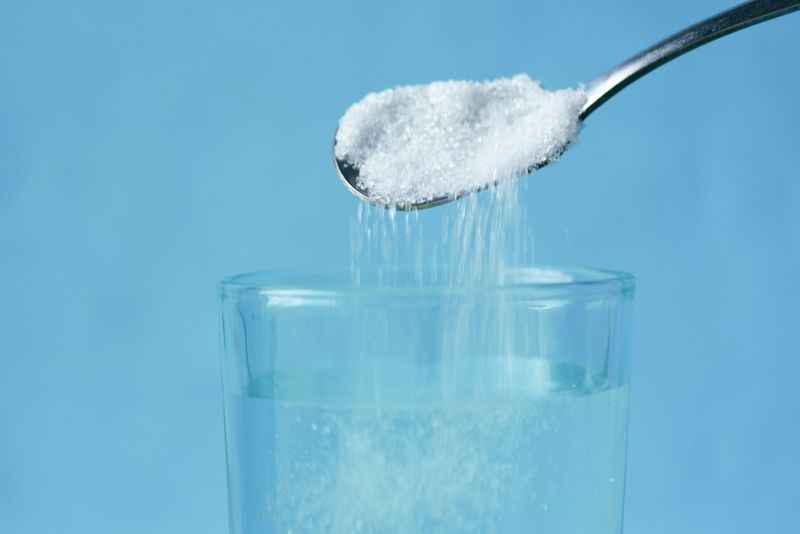
Florida heat and humidity do rough things to sugar water. In September temperatures, a feeder can go cloudy within a day or two.
Cloudy syrup, stringy strands, or black speckles inside the ports discourage birds from returning. They can detect spoiled nectar and refuse to drink it.
Homeowners often assume an untouched feeder means no birds nearby. Frequently it means the birds tried it once, found it off, and crossed the yard off their list.
Swap the nectar at two-day intervals while daytime highs sit in the 90s, and stretch to three or four days when October cools things down.
Rinse with hot water and scrub the ports with a bottle brush or pipe cleaner at each refill. A weekly soak in one part white vinegar to four parts water clears the film that a quick rinse leaves behind.
Heavy dish soap can leave a residue and a taste, so use it sparingly and rinse well. Let parts air dry before you reassemble.
Fill only what the birds drink in two days. A feeder holding four ounces beats a gallon jug that sits half full and cooks in the sun.
Red dye, honey, brown sugar, and molasses belong nowhere in the mix, since they ferment quickly or upset a tiny digestive system. Plain white sugar and water is the whole recipe.
Ants and bees are often drawn to sugar water even without a leak, though sticky drips usually point to an overfilled or dripping feeder.
Tidy Lawns, Sprayed Bugs, And Nowhere To Land
Here is the part that surprises people: sugar is dessert, not dinner. Small insects and spiders make up a big share of a hummingbird’s diet, especially during migration.
Gnats, aphids, tiny wasps, and fruit flies deliver the protein and fat these birds run on. A yard scrubbed of insects offers sweetness with no substance.
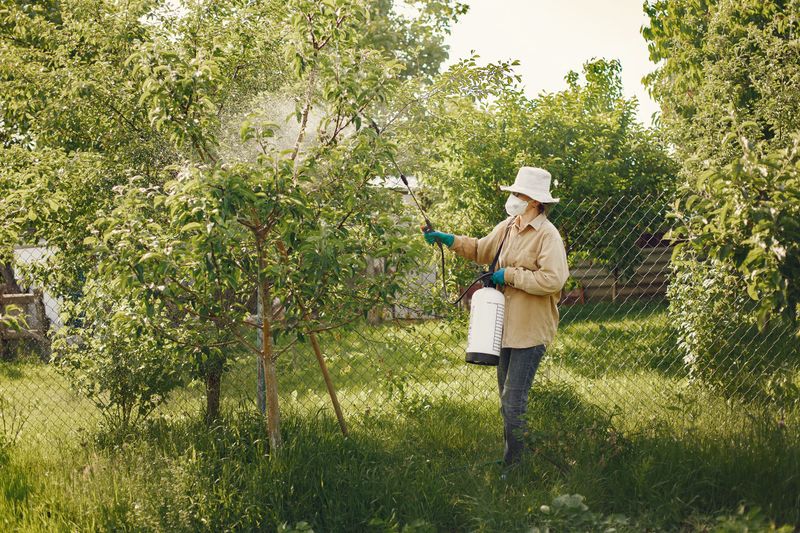
Broad mosquito fogging and automatic misting systems reduce those little insects along with the target pests. Spider webs vanish too, and hummingbirds use silk to bind their walnut-sized nests.
Wall-to-wall turf creates a second problem: no perches. Hummingbirds spend a surprising share of daylight sitting, preening, and watching for hawks and jays from thin twigs.
Hedges sheared into smooth boxes bloom less and hide nothing much. Layers, on the other hand, give a bird a ladder of resting spots at different heights.
Try leaving one back corner unsprayed and a little shaggy. Native shrubs, leaf litter, and a few flowering weeds host the insect life that keeps birds circling back.
Spot-treat trouble instead of blanketing the whole property, and hold off on sprays during blooming hours when pollinators are busy. Dumping standing water handles mosquitoes without collateral damage.
Let a small tree or a bare-branched shrub stand where you can watch it from a window. Crepe myrtle twigs, oak limbs, and even a strung wire become favorite lookouts.
Tolerate a web or two near the porch light, since it doubles as both grocery and hardware store for a nesting female.
Tubular Native Bloomers Do The Heavy Lifting
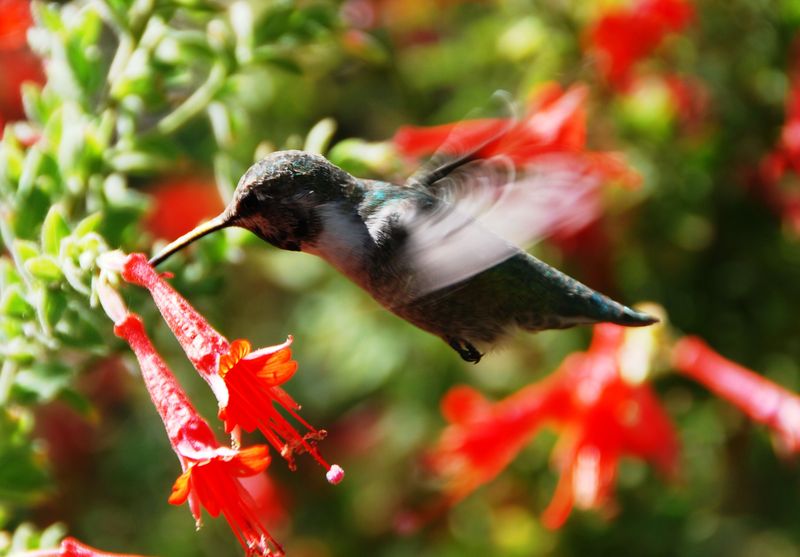
Ask a Florida gardener who watches hummingbirds daily, and firebush comes up within the first breath. Hamelia patens pumps out orange-red tubes from spring into late fall, right through migration season.
Long, narrow, brightly colored blossoms match a hummingbird’s bill and tongue. Flat daisies and doubled ornamentals look pretty to us but offer little for a hovering feeder.
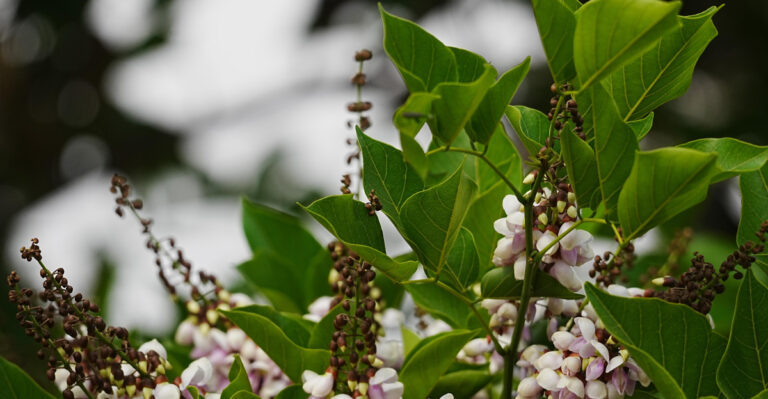
Coral honeysuckle climbs a fence or trellis and flowers in flushes rather than one burst. Coral bean produces scarlet spikes in spring that strongly attract migrating travelers.
Tropical sage, sold as Salvia coccinea, reseeds itself politely and blooms nearly year round in central and south Florida. Blue porterweed keeps insects buzzing nearby, which feeds the protein half of the diet.
For late-season color, firespike lights up shady spots from October into winter. Cigar plant, shrimp plant, and standing cypress round out a strong lineup.
Plant in clusters of three to five rather than lonely singles, because a mass of color is visible from far above. Birds notice patches, not polka dots.
September is a friendly planting month here, with warm soil and the rainy season still helping roots settle. Water new shrubs deeply twice a week for the first month.
Group thirsty plants together, mulch lightly, and skip heavy fertilizer that pushes leaves at the expense of flowers. Snipping spent spikes keeps the show rolling.
One more perk: flower gardens carry no cleaning chores. The blooms refill themselves each morning while you sip coffee.
A Plain Sugar Recipe They Can Trust
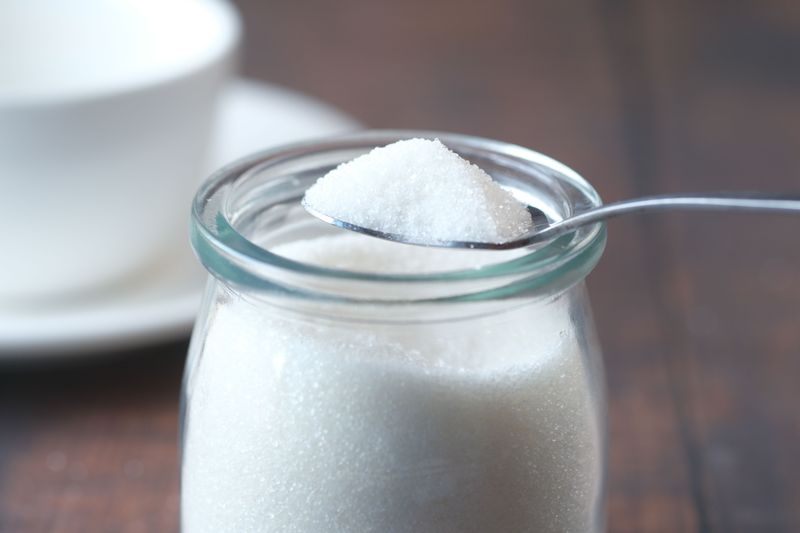
Four parts water to one part plain white sugar. That single ratio, roughly matching flower nectar, does more work than any gadget on the shelf.
Stir until the crystals vanish, using warm tap water for speed. Boiling is optional and mainly slows spoilage a bit, though cooling fully before filling matters.
Store extra syrup in a covered jar in the refrigerator for up to a week. Mixing a small batch on Sunday makes midweek refills a two-minute chore.
Skip red dye, since the feeder itself supplies the color cue. Honey can grow mold, and raw or brown sugars carry extra minerals a hummingbird handles poorly.
Choose a feeder you can take apart without a wrestling match. Saucer styles rinse in seconds, resist leaks, and keep syrup below the ports where bees struggle to reach.
Glass and hard plastic both work; the real test is whether you will clean it twice a week. A feeder you avoid handling becomes a feeder nobody visits.
Start feeding now and keep going into November, since stragglers pass through long after the first cool front. Leaving a feeder up does not hold birds back from migrating.
Hang it where you can see it from the kitchen sink, because watching becomes the habit that keeps the routine alive. A sticky note on the fridge helps at first.
Curious fact: a hummingbird may visit hundreds of flowers in a day and still stop by your feeder for a quick top-off.
Perches, Layers, And A Patch Of Purposeful Mess
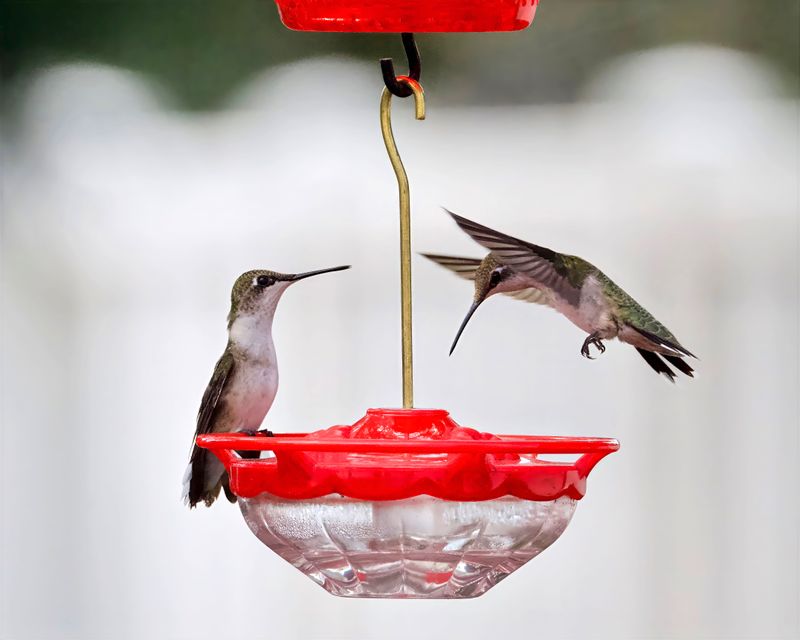
Watch a hummingbird for an hour and you will spend a chunk of it staring at a bird sitting still. They rest often, guard territory from high twigs, and preen between meals.
A yard with flowers and no furniture asks a lot of a featherweight traveler. Give them somewhere to sit and they linger instead of passing through.
Thin bare branches are prime real estate. A trellis, tomato stake, or length of wire strung between posts works when trees are young.
Build in layers: ground cover, waist-high flowers, shoulder-high shrubs, and a small tree or two above. Each level offers shade, shelter from wind, and quick escape from a hawk.
Nesting females hunt for spider silk and lichen to weave stretchy little cups onto slim branches. Leaving webs in quiet corners hands them the exact material they want.
A patch of intentional mess pays off in insects as well. Fallen leaves under shrubs shelter the gnats and small flies that fuel long flights.
Keep pruning light and seasonal rather than constant. Shrubs shaped once a year bloom more freely than ones shaved monthly.
Cats change the math quickly, so keeping them indoors protects birds using low perches. Window decals cut down on collisions near glass.
Plant flowers within a short hop of those resting spots, since birds prefer feeding stations close to a safe branch. Ten feet is plenty. Over a season, this layered setup turns a rest stop into something closer to a residence for local birds.
Moving Water, Mist, And A Shallow Splash
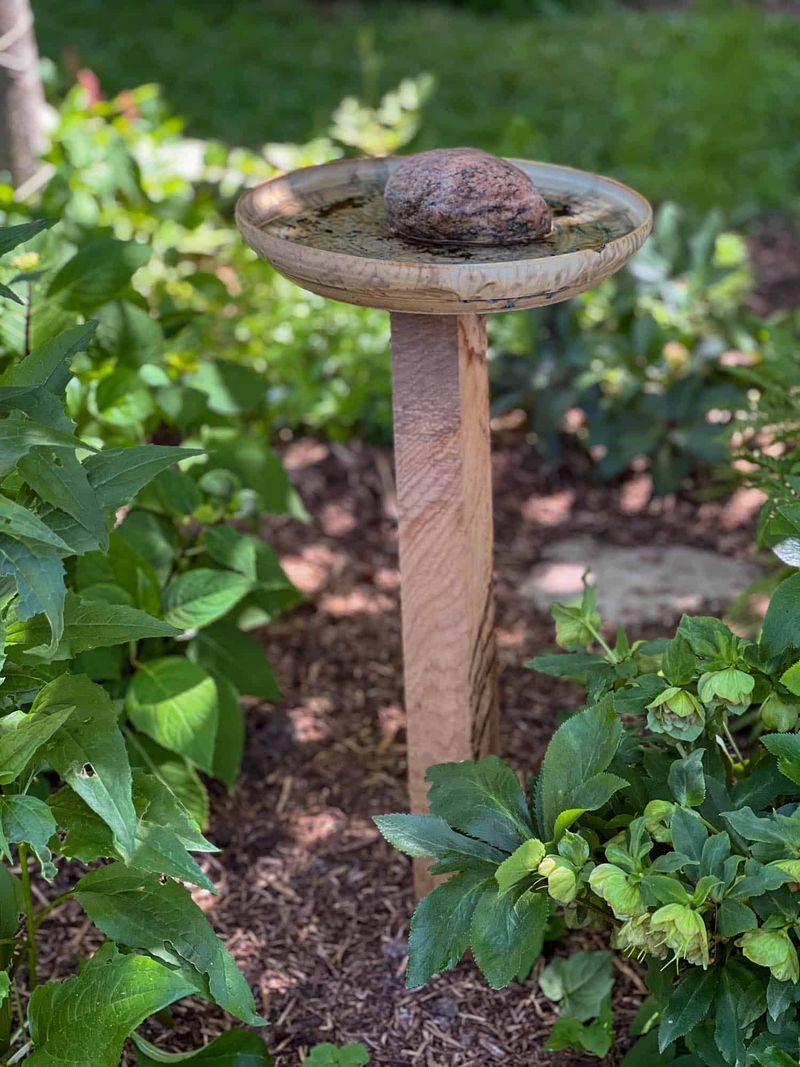
Bird baths built for cardinals do little for a creature the size of a thumb. Deep water is a hazard, not a spa, for a hummingbird.
What they actually love is motion: a fine mist, a slow drip, or water sheeting across a broad leaf. Sound and sparkle catch attention from a distance.
A misting attachment clipped to a shrub branch creates a shower they fly through in loops. Run it for 15 minutes in the late afternoon and watch the show.
Drippers work too, letting a bead of water tick onto a stone or a wide leaf below. Elephant ear and canna foliage make natural bathtubs after a rinse.
Keep pools under half an inch deep, or add flat pebbles to a saucer so birds can stand while they bathe.
Solar fountain discs cost little and turn a plain basin into a moving target for curious eyes. Set them where afternoon sun hits the panel.
Place water near foliage rather than in the open middle of the lawn. Birds want a branch within a wingbeat to shake off and preen.
Scrub basins and misters weekly, since Florida humidity grows algae fast and mosquito larvae appear in still water within days. A quick brush and refresh handles both.
Sprinkler heads on a timer can pull off the same trick by accident, which explains why you sometimes spot one zipping through the spray at dusk.
Pair the water with nearby blooms and a clean feeder, and your yard covers all three needs: food, bath, and rest.