Why North Carolina Gardeners Disagree About Whether To Trim Zinnias At All
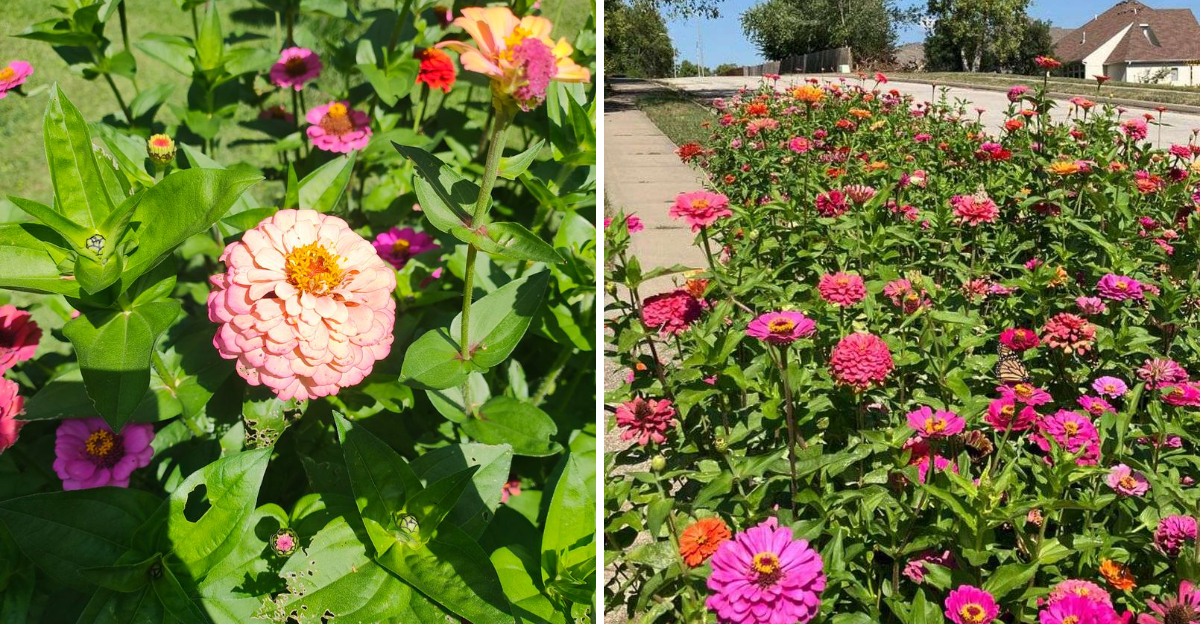
Two houses on the same North Carolina street.
One yard has zinnias clipped clean, every faded bloom snipped before it browns, the bed looking like a catalog photo through October.
The other has zinnias standing dry and crunchy, seed heads intact, finches working the stems every afternoon.
Both gardeners know what they’re doing. Both would tell you the other one is making a mistake.
Here’s what makes this genuinely interesting rather than just a difference in taste.
They’re not disagreeing about zinnias. They’re disagreeing about what a garden is for, and both answers are defensible.
Then North Carolina humidity enters the picture and complicates it for everyone, since one common disease can override whichever camp you belong to.
There’s also a detail about how zinnias reproduce that lowers the stakes considerably.
Curious which side your yard should be on?
1. Trimming Pushes Out More Fresh Blooms
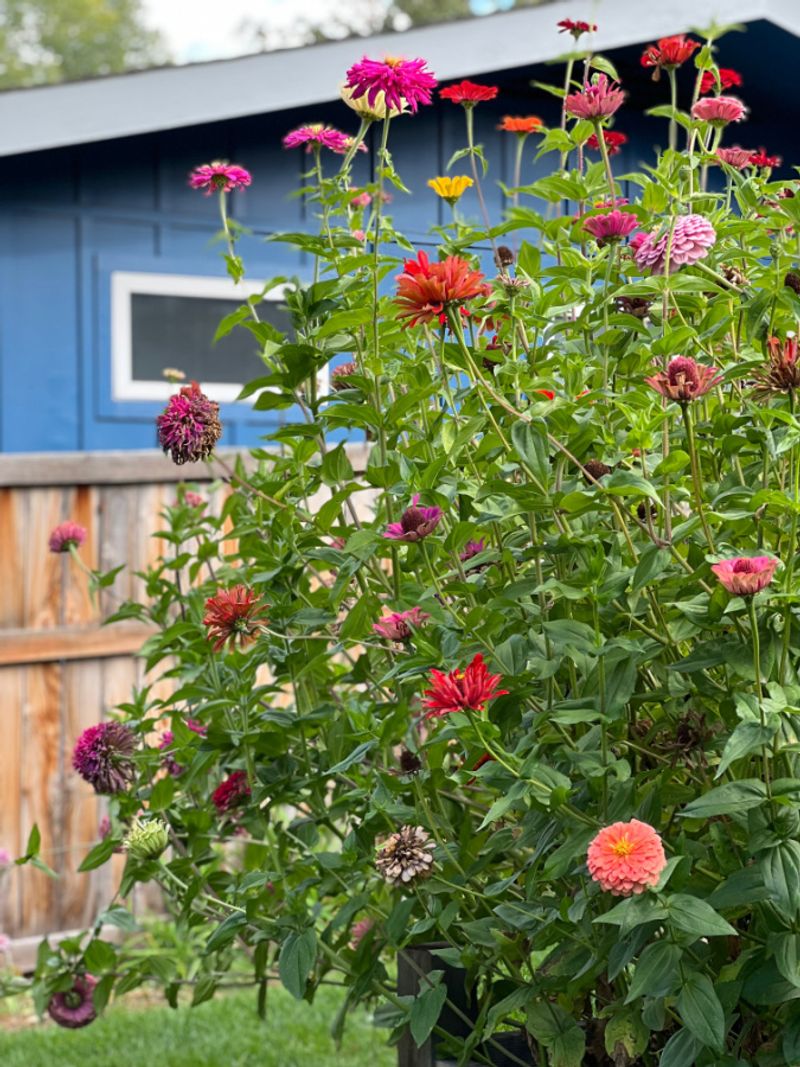
Some gardeners commit to one small habit, clipping old zinnia blooms before they brown.
The logic is straightforward. Removing faded flowers keeps the plant directing energy toward new buds rather than finishing seed production.
That matters in North Carolina because warm weather often runs deep into fall, particularly across the Piedmont and coastal plain.
A regularly trimmed zinnia patch may stay colorful weeks longer before frost ends things.
Trimming annual flowers to extend bloom is standard guidance, and zinnias are among the classic examples.
Plenty of home growers want that specific payoff. Armfuls of cut flowers, a full border, and color near the porch through football season.
Snipping spent blooms every few days isn’t difficult, though it does require steady attention, especially after summer rain pushes another flush of growth.
Cutting for bouquets accomplishes the same thing, which means anyone harvesting flowers regularly is already trimming.
A practical benefit sits alongside appearance. Removing aging flower heads makes the bed easier to read and helps you spot insect damage or mildew creeping onto leaves.
Cut just above a leaf node or side shoot so the plant branches from that point rather than leaving a bare stub.
For gardeners growing zinnias primarily for long bloom and bouquets, trimming feels less like a chore and more like the mechanism that keeps the show running.
2. Seed Heads Feed Birds Through Fall
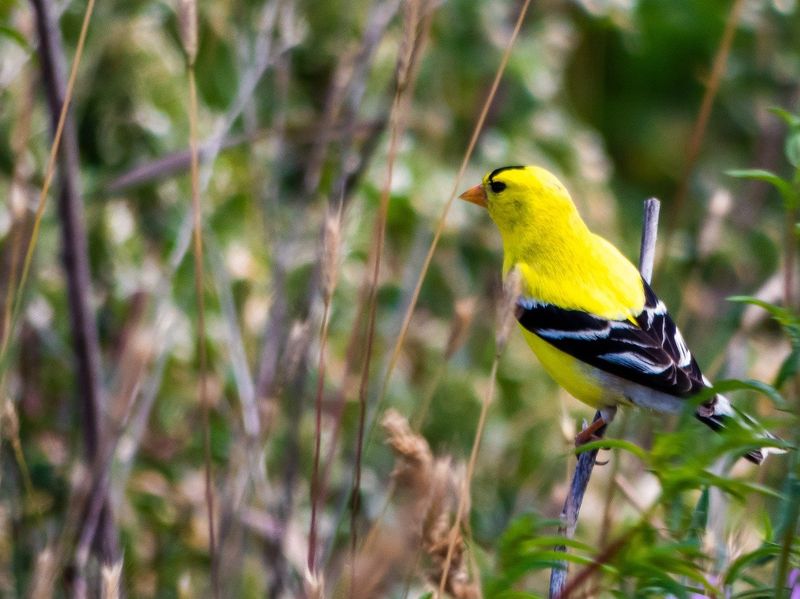
Leave a few faded flowers alone and the garden starts functioning as a snack bar.
That’s the heart of the no-trim position. Once zinnia blooms dry into seed heads, goldfinches and other seed-eating birds work them through fall.
Many North Carolina gardeners prefer that tradeoff to a constant supply of fresh flowers.
A border looking rough to one person reads as full of activity to someone watching from a kitchen window.
Fall habitat value is worth real consideration, and standing seed heads play a small but genuine role in supporting backyard wildlife.
There’s an emotional pull here as well. Kids notice birds landing on crunchy stems, and adults who garden for nature enjoy a bed staying busy past peak bloom.
Your North Carolina Garden Changes Every Week. Your Plan Should Too.
Gardening in North Carolina changes quickly throughout the season. Every Friday you’ll receive a simple weekly plan showing exactly what to plant, prune, fertilize, harvest, and protect so you never miss the right timing.
In that framing, a spent zinnia hasn’t failed. It’s changed jobs.
Gardeners choosing this path accept a less tidy look.
Some leave whole plants standing while others trim a few stems for bouquets and save the rest for birds and possible self-seeding.
Hollow stems also shelter overwintering insects, which extends the habitat argument past just seeds.
If wildlife watching outranks perfect color in your priorities, skipping the shears makes sense.
What looks untidy in September can turn into the most active corner of the yard by late October.
3. Powdery Mildew Changes The Calculus Fast
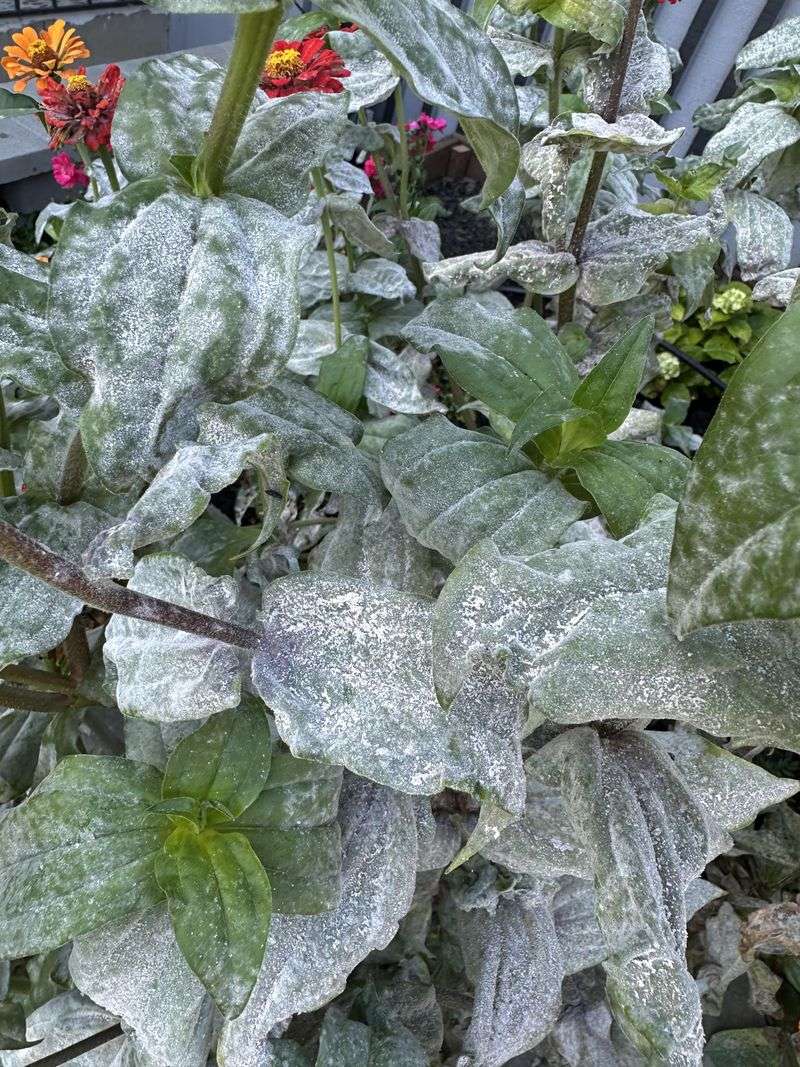
Then the weather turns humid and the whole discussion gets complicated.
Zinnias in North Carolina get hit by powdery mildew regularly, particularly when nights cool, humidity stays high, and air movement is poor.
That disease coats leaves with a pale dusty layer and makes cheerful plants look exhausted quickly.
Here’s why gardeners stop arguing in simple terms.
Trimming is one question, and removing diseased foliage is a separate one entirely.
Powdery mildew management depends on spacing, air movement, resistant varieties where available, and sanitation that may include cutting back affected growth once the planting declines.
So even gardeners who love leaving seed heads may trim some stems when mildew spreads badly.
Gardeners focused on tidy beds may remove flowers and damaged leaves early to slow the decline.
Both responses can be reasonable, since the actual question becomes how far gone the patch is.
The Profusion and Zahara series both carry better mildew resistance than older zinnia types, which addresses the problem at purchase rather than with pruners.
A middle ground usually works. Keep healthy seed heads for wildlife value while removing stems that are heavily infected, collapsed, or shading the rest of the bed.
Once mildew turns serious, the debate shifts from style to plant health.
4. Some Gardeners Prioritize Pollinator Habitat
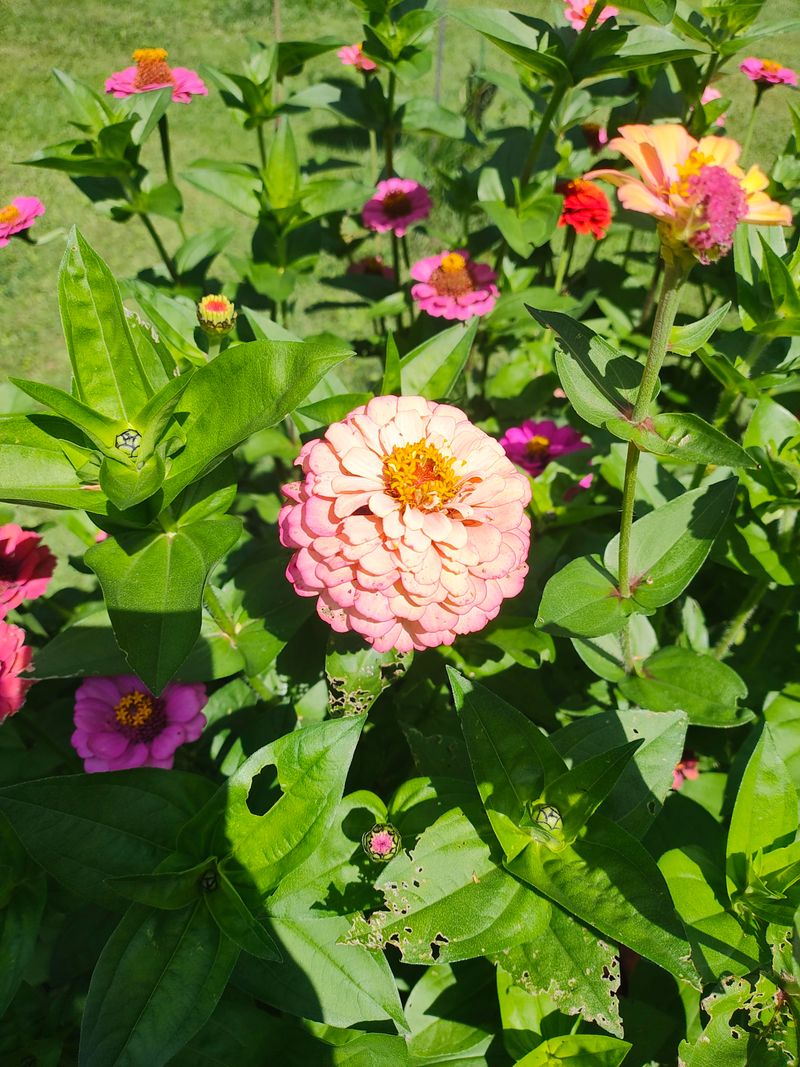
For some people the best fall garden isn’t the neatest one.
It’s the one still busy with activity after summer fades, and that mindset shapes how they treat zinnias.
Especially when a few flowers are still blooming while others dry into seed.
Pollinator-minded gardeners often skip heavy autumn cleanup because beds keep providing food and cover late in the season.
Fresh zinnia blooms attract butterflies and bees while standing stems add structure to a more naturalistic planting.
Fall landscapes support wildlife in ways that aggressive winter-prep habits sometimes eliminate too early.
That doesn’t mean never touching the plants.
Many gardeners in this camp trim lightly, removing broken stems and clearly diseased plants while leaving the rest until frost or later.
The goal is letting the bed keep functioning rather than treating every faded bloom as a problem.
Zinnias are particularly worth leaving while flowering, since they rank among the better nectar sources for butterflies in a late-season garden.
Monarchs moving through North Carolina on fall migration use them readily, which gives the delay some real value.
There’s a bigger picture too. Gardeners combining native flowers, herbs, shrubs, and annuals often see zinnias as one piece of a living system.
If your goals include birds, bees, and a softer seasonal look, leaving more of the bed standing reads as thoughtful rather than lazy.
5. Others Want Tidy Beds Until Frost
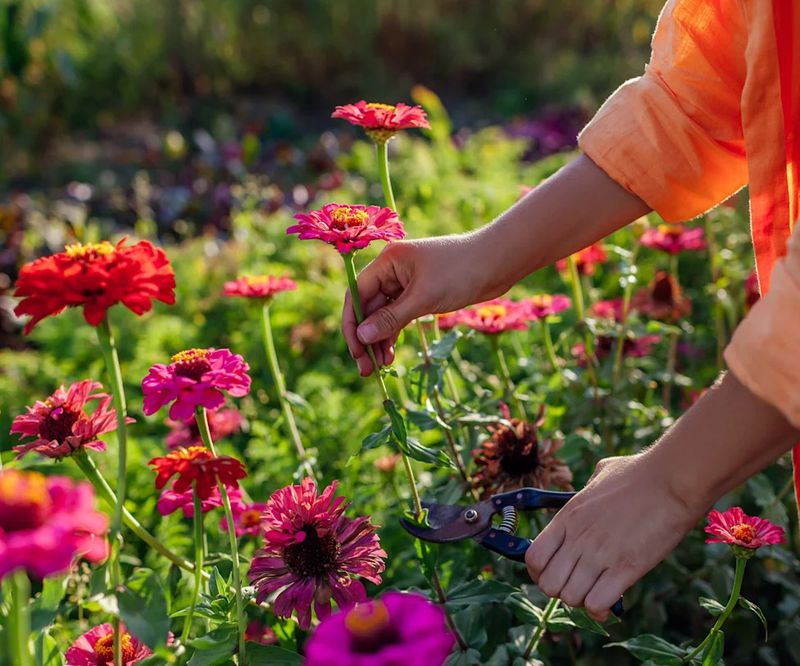
Across town, another gardener walks out with pruners and a bucket and feels better the moment the bed looks clean.
That response is easy to understand.
A tidy zinnia patch looks brighter, more cared for, and better suited to a front yard where every plant has a defined place.
Curb appeal matters to plenty of people in North Carolina neighborhoods.
Spent flowers turn papery, droop after rain, and lean into walkways right when mums and pansies are starting to look good.
Regular trimming keeps zinnias presentable and makes watering, weeding, and disease checks simpler.
A plant-health argument sits alongside the aesthetic one.
Gardeners who clean up frequently point out they’re removing tired growth before fungal problems spread, particularly through humid stretches that favor mildew.
Trimming alone cures nothing, and many people prefer managing a bed closely to watching decline accumulate.
This camp generally values control and predictability.
Flowers for guests, school events, and weekend bouquets all require a bed that looks intentional, and the scruffy stage between bloom and seed serves none of that.
Clean pruners matter here, since moving from a mildewed plant to a healthy one can spread problems.
If that describes you, trimming isn’t fussiness. It’s a reasonable way to keep the garden strong through frost.
6. Zinnias Reseed Easily Either Way
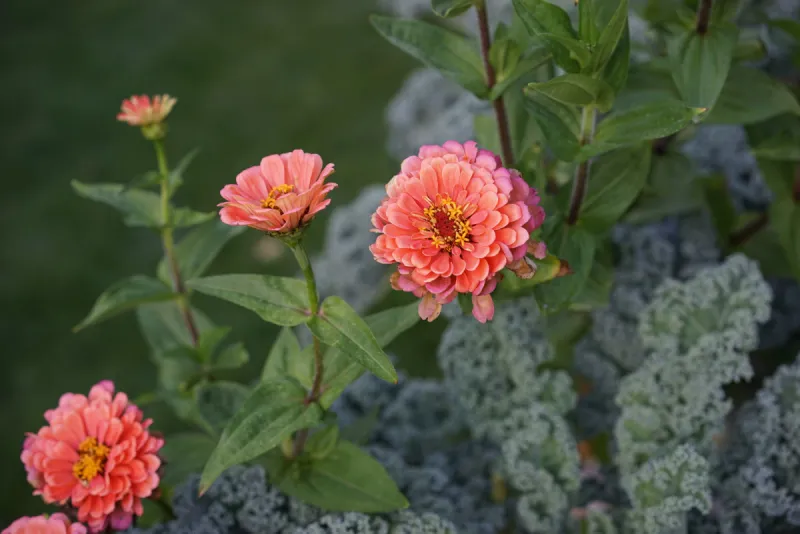
Here’s the twist that takes pressure off the whole argument.
Zinnias are generally good at returning from seed in the same garden, which means the trim-or-don’t decision matters less than the debate suggests.
North Carolina gardeners often find volunteer seedlings in spring whether they trimmed most of the season or left flowers standing.
One plant produces a substantial amount of seed over a full season.
Even gardeners clipping regularly miss a few blooms, and those late heads mature before frost arrives.
Meanwhile, gardeners leaving every seed head still lose seed to birds, weather, rot, and mulch that prevents soil contact.
So the practical stakes run lower than the conversation implies.
You needn’t choose between extended flowering and any future self-seeding at all.
Trimming early for color and letting final blooms dry as fall deepens gives you both.
Hybrid varieties complicate the outcome, since seedlings from hybrid parents often don’t resemble what you planted.
Volunteers may come up in different colors or forms than expected, which some gardeners enjoy and others find annoying.
Reseeding is never guaranteed anyway. Soil disturbance, thick mulch, and heavy cleanup all reduce it.
Knowing that makes the decision feel less like a permanent rule.
7. The Right Choice Depends On Your Goals
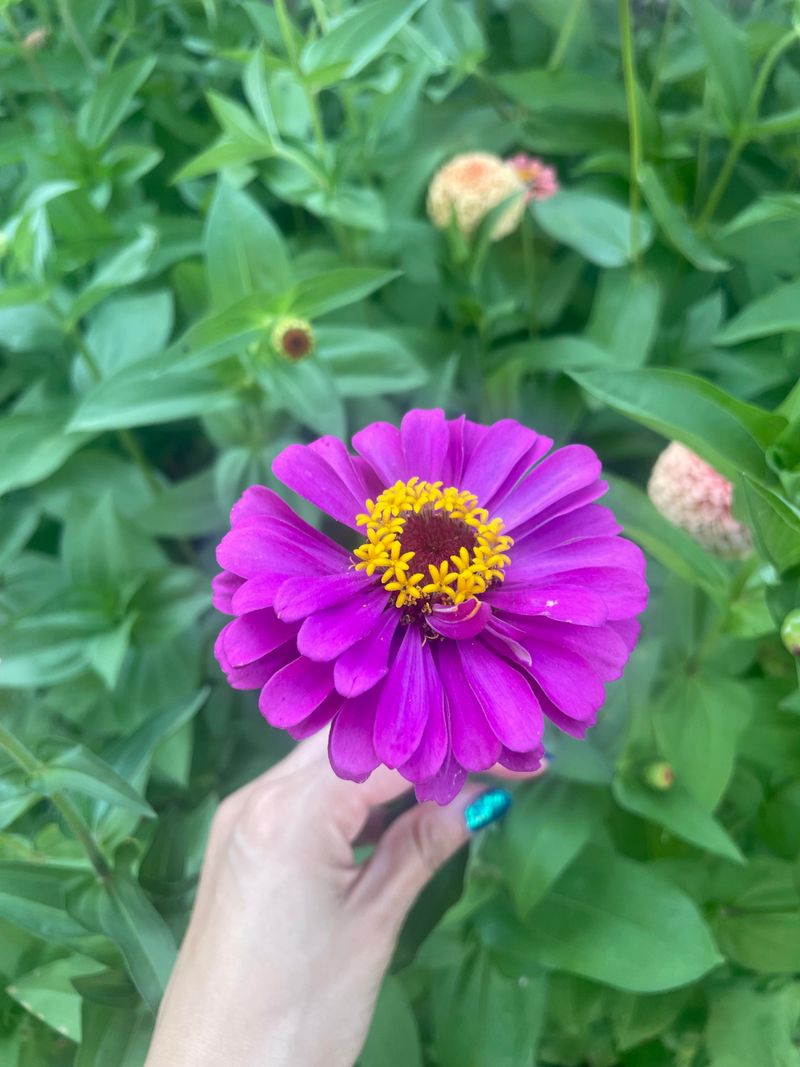
Two neighbors look at the same row of zinnias and see two different jobs.
One sees bouquets waiting to happen. The other sees birds, seeds, and a softer fall garden that keeps producing past peak bloom.
That’s why the trimming question has no single answer for every North Carolina yard.
Wanting steady new flowers makes regular trimming the obvious approach.
Caring most about birds, self-seeding, and a wildlife-friendly look makes leaving seed heads equally sensible.
Humidity adds one more layer to consider.
Powdery mildew is common enough here that both camps may need to remove badly affected stems, even while disagreeing about spent blooms.
The real choice isn’t trim everything or trim nothing. It’s deciding which result matters most while watching plant health.
Timing helps resolve it too. Trim through late summer for color, then let healthy blooms mature as fall arrives.
Frost eventually settles the question regardless, since zinnias are frost-sensitive annuals and one cold night ends the season.
Clean out plants that are genuinely diseased, keep some seed heads for birds, and accept that a garden can be useful and attractive simultaneously.
Both neighbors are right. They’re just answering different questions with the same plant.
8. Saving Seed Changes The Decision Entirely
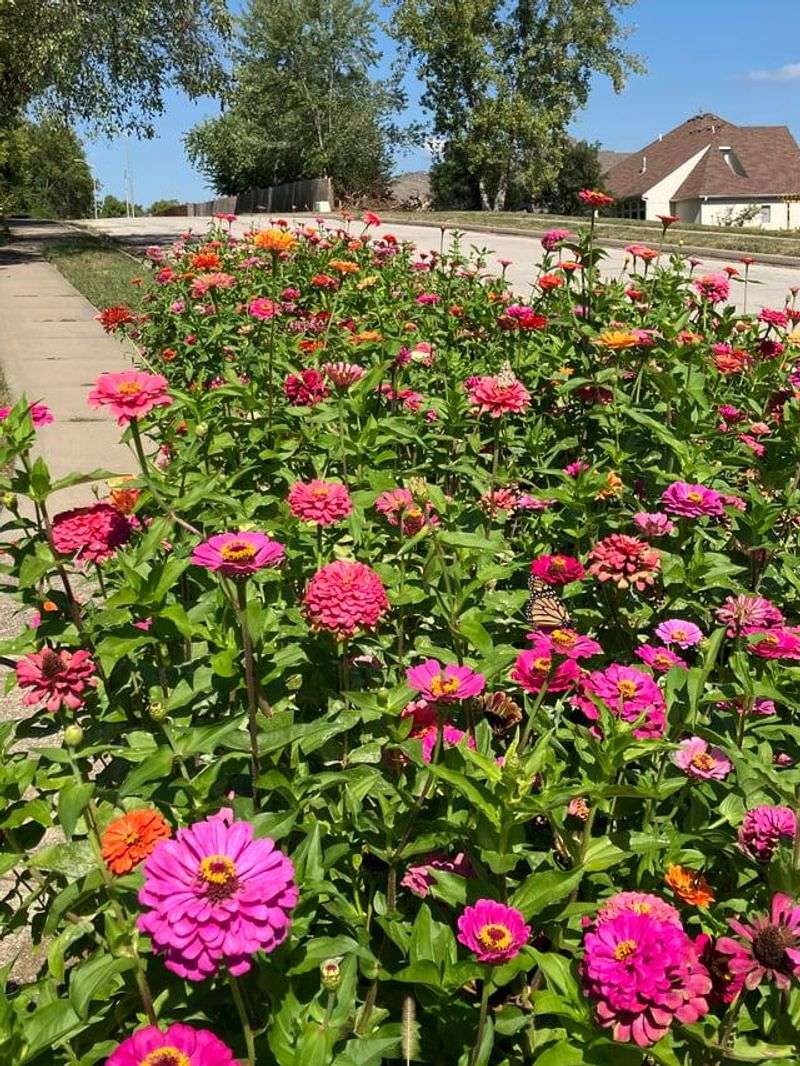
For anyone planning to collect seed, the whole debate resolves itself.
You have to leave some flowers standing, since seed needs time on the plant to mature fully.
Timing is the part people get wrong. Seed heads should dry to brown and crisp on the stem rather than being picked while still soft.
That usually takes several weeks after the flower fades, so late summer blooms are the ones to mark and leave alone.
Choose your best plants for seed rather than whichever flowers happen to be last.
Strong stems, good color, and mildew resistance are all worth selecting for, and seed from a struggling plant carries no advantage.
Harvest on a dry day, since damp seed heads mold in storage.
Rub the dried head between your fingers over a bowl and the seeds separate readily, arrowhead-shaped with a papery point.
Spread them somewhere dry and airy for a week or two before storing in a paper envelope.
Hybrid seed is the complication worth knowing. Seedlings from hybrid parents rarely match the original, so expect variation in color and form.
Open-pollinated varieties like the older Cactus and Benary’s Giant types come truer from seed.
Labeling matters more than you think, since a year later nobody remembers which envelope held which color.
That plan lets you trim all summer and still save what you need.