Why Garlic Mustard Keeps Coming Back In Michigan Shade Gardens
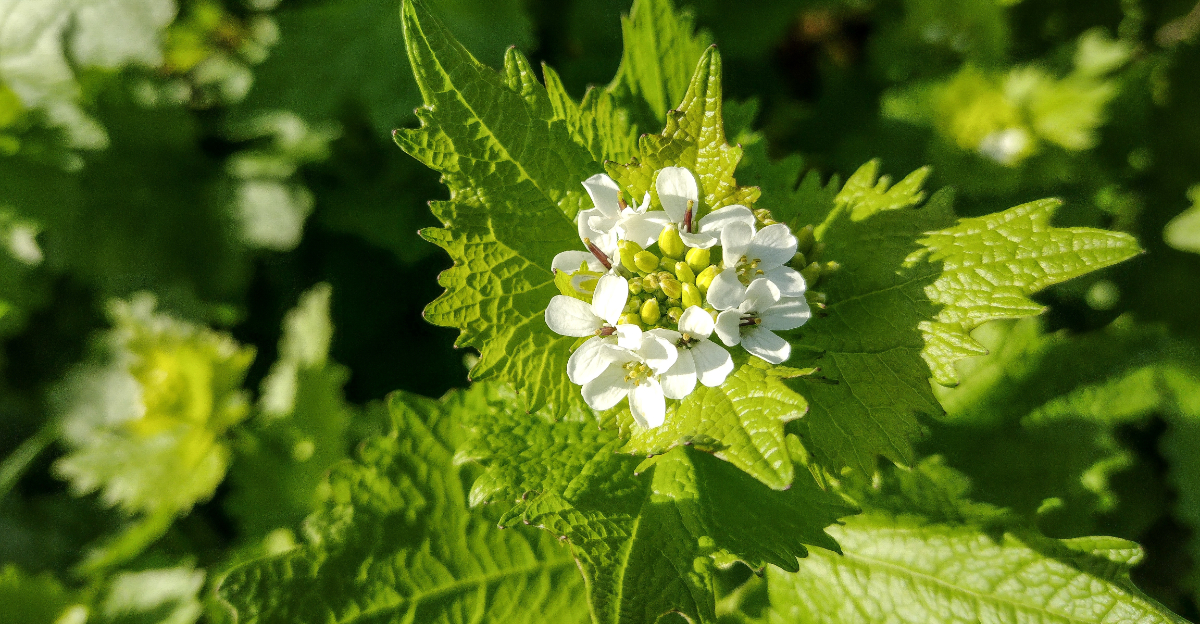
Garlic mustard is one of the most persistent invasive plants in Michigan shade gardens, and pulling it once rarely solves the problem for good.
As a biennial, it spends its first year as a low rosette before flowering and setting seed in its second year, which means a garden can have several generations present at once without it being obvious.
The real challenge lies underground, in the seed bank it leaves behind. Garlic mustard seeds can remain viable in the soil for years, sprouting well after visible plants have been removed.
This makes single removal efforts feel effective in the short term while the problem quietly continues below the surface. Shady, moist areas common in Michigan gardens happen to be ideal conditions for this plant to thrive.
Here’s why garlic mustard keeps returning year after year, and what actually needs to happen to get ahead of it for good.
1. Its Seeds Can Survive For Years
Even after you clear every plant you can see, garlic mustard has a secret weapon hiding underground. Its seeds tuck themselves into the soil and wait patiently, sometimes for many years, before sprouting.
Scientists call this hidden supply a seed bank. In garlic mustard’s case, seeds can stay ready to grow for five years or even longer. That means a single messy season can haunt your garden well into the future.
Here is why that matters so much. You might feel like you won the fight this spring, but buried seeds are simply biding their time. When conditions feel right, a fresh batch of seedlings appears, and the cycle starts all over again.
The tricky part is that you cannot see these seeds. They blend into the dirt, so there is no way to scoop them all out at once. Gardeners often think they missed a spot, when really the soil was holding a backup army the whole time.
What can you do about it? Patience and consistency win here. Plan to check the same areas every single year, even when the ground looks clean and clear.
Mulching thickly can help block some seedlings from reaching sunlight. Keeping your desirable plants healthy also crowds out new sprouts, giving them less room to settle in.
Think of your control efforts as a multi-year project rather than a one-time chore. If you stay steady and keep watching, that hidden seed supply slowly runs down. Eventually you will see fewer surprise seedlings each season.
2. One Plant Can Produce Thousands Of Seeds
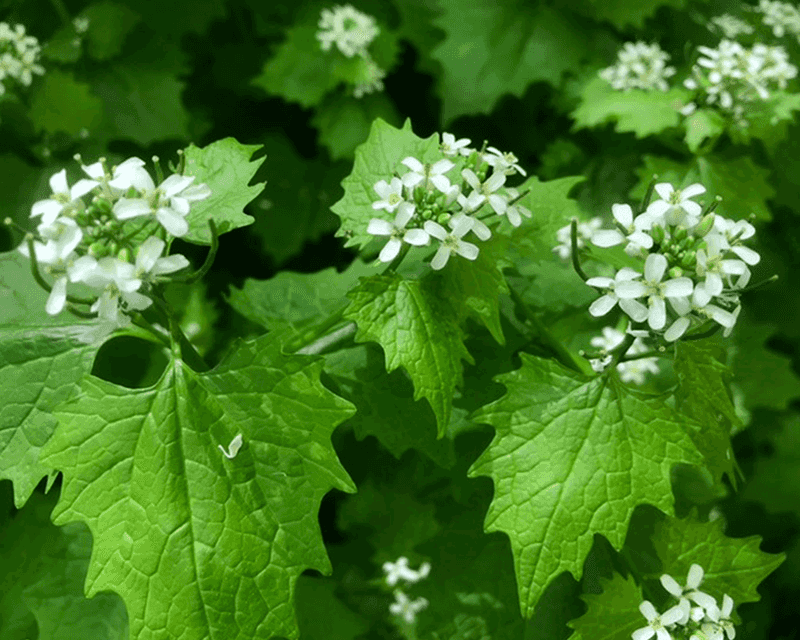
Picture just one garlic mustard plant standing quietly in the corner of your garden. That single plant can create thousands of seeds in one season, which is honestly a little alarming.
Some plants produce hundreds of seeds, while healthy ones can pump out well over a thousand. Multiply that by a small patch, and you suddenly have a soil supply stretching into the tens of thousands.
This explosive output is exactly why the weed feels impossible to beat. Miss a handful of plants, and they quietly refill the ground with a whole new generation of future troublemakers.
Your Michigan Garden Changes Every Week. Your Plan Should Too.
Gardening in Michigan changes quickly throughout the season. Every Friday you’ll receive a simple weekly plan showing exactly what to plant, prune, fertilize, harvest, and protect so you never miss the right timing.
The good news is that this fact also points you toward the smartest strategy. Since seeds cause the ongoing problem, stopping seed production becomes your top priority every year.
Focus your attention on plants before they finish flowering and form pods. If you remove them at that stage, you prevent thousands of new seeds from ever reaching the soil.
Timing makes a huge difference. In Michigan, garlic mustard usually blooms in spring, so late April through May is prime time to act. Getting out there before the pods mature saves you enormous effort later.
Try walking your shade beds regularly during bloom season with a bag in hand. Grabbing flowering plants early keeps your seed bank from growing bigger.
When you cut off the seed supply year after year, the population finally starts shrinking. It takes commitment, but every plant you stop before seeding is a real victory for your garden’s future.
3. It Is A Biennial
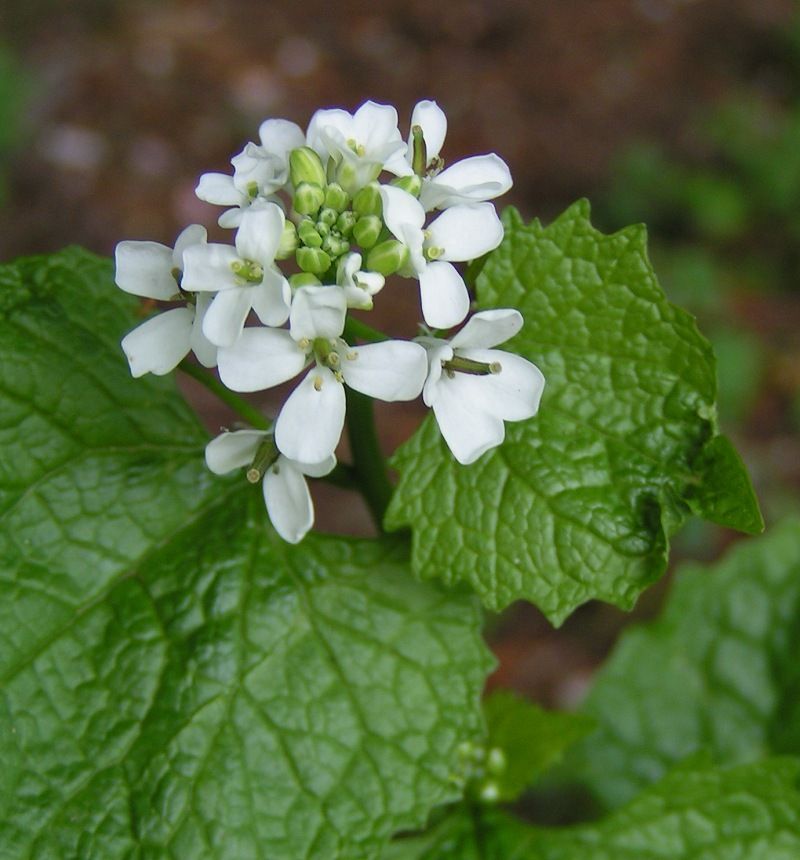
Garlic mustard plays a sneaky two-year game that fools a lot of gardeners. It is a biennial, which means it needs two growing seasons to complete its full cycle.
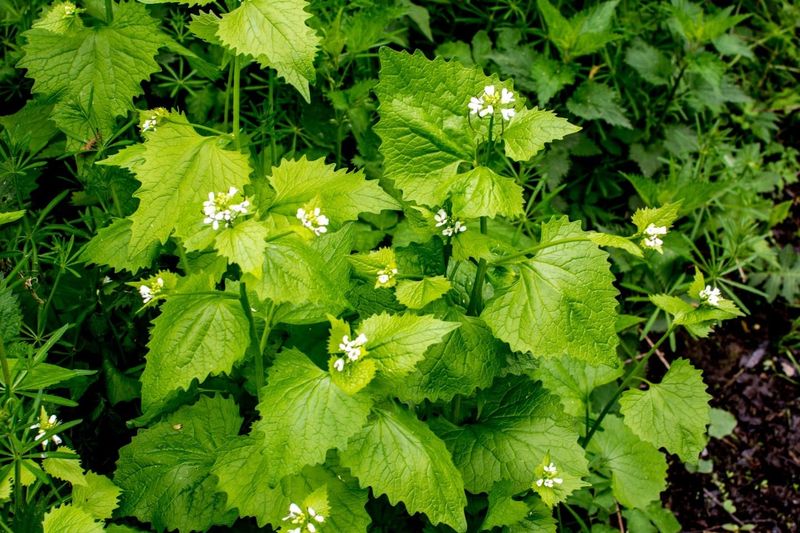
During the first year, the plant stays low to the ground as a small rosette of round, scalloped leaves. It looks harmless and easy to overlook, especially tucked among your other shade plants.
Then the second year arrives, and everything changes. The plant shoots up tall, produces clusters of little white flowers, and gets busy making all those seeds we talked about.
This timing trick explains why an infestation can seem to vanish and then return. You might clear the flowering plants one spring and feel relieved when the area looks calm the next.
What you may not notice is the fresh crop of first-year rosettes hiding at ground level. They sit quietly all year, then rise up flowering the following spring, catching you by surprise.
Learning to spot both stages gives you a huge advantage. Once you recognize those low rosettes, you can pull them before they ever get the chance to bloom.
A helpful habit is checking your garden in both spring and fall. Rosettes are often visible even during cooler months, since they stay green longer than many plants.
By targeting first-year rosettes, you interrupt the cycle a full season early. Combine that with removing second-year bloomers, and you cover both stages at once, finally staying one step ahead of this clever weed.
4. Shade Does Not Stop It
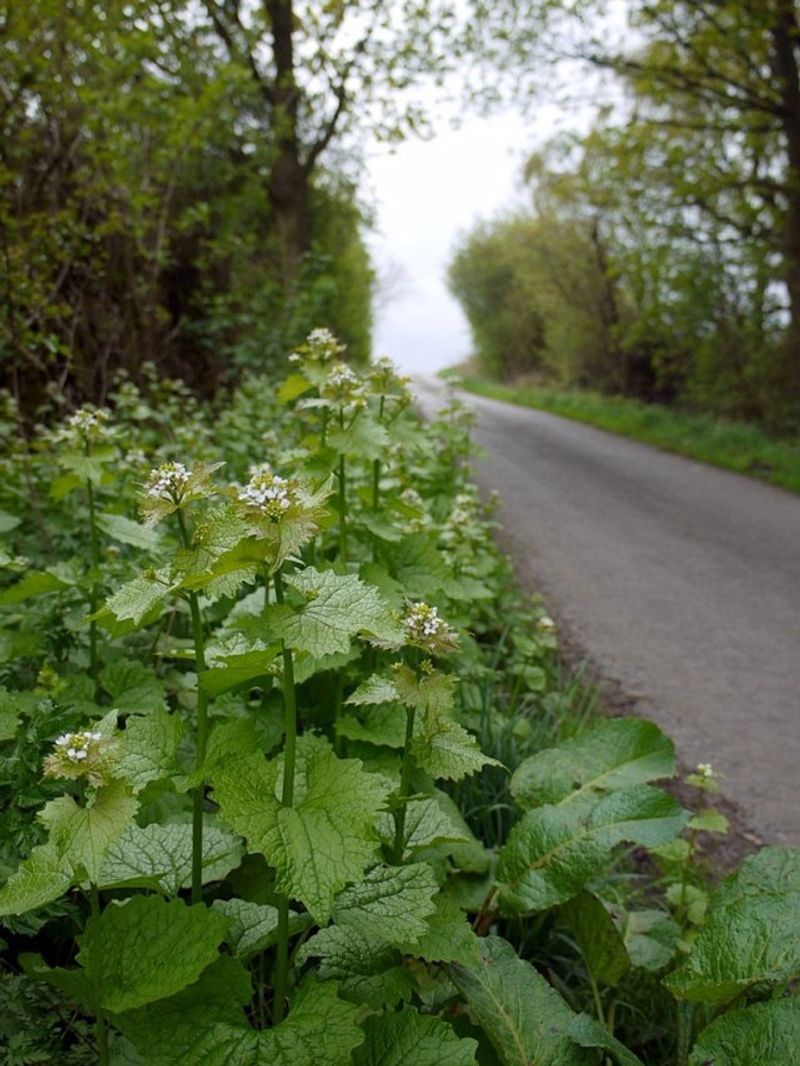
Garlic mustard is highly tolerant of shade, which helps it thrive in Michigan’s woodland understories. This is exactly what makes it such a headache in Michigan woodland gardens.
Many plants struggle beneath thick tree canopies because they crave bright light. Garlic mustard, though, happily grows in deep shade where competitors cannot keep up.
That tolerance gives it a serious edge. While your native wildflowers fight for a little sunlight, this invader spreads across the shady forest floor with barely any effort.
Here is another reason it thrives in these spots. Michigan’s shaded woodlands offer moist, rich soil that garlic mustard absolutely loves, creating perfect conditions for it to take over.
Because it does so well in low light, garlic mustard can carpet areas beneath established trees. Over time it pushes out the native plants that local wildlife and insects depend on.
This makes shade gardens especially vulnerable. You cannot simply rely on sunlight-loving groundcovers to outcompete it, since the weed handles darkness better than most of your desirable plants.
So what helps in these tricky spots? Filling shady ground with strong native species like wild ginger or woodland sedges can limit open space for the invader to claim.
Keeping a close eye on the darkest corners of your yard matters too. Those overlooked areas are often where garlic mustard quietly builds its strongest foothold.
Knowing that shade offers no protection helps you stay alert everywhere. When you watch even the dimmest beds, you catch this persistent plant before it spreads.
5. Disturbing The Soil Can Bring Up More Seedlings
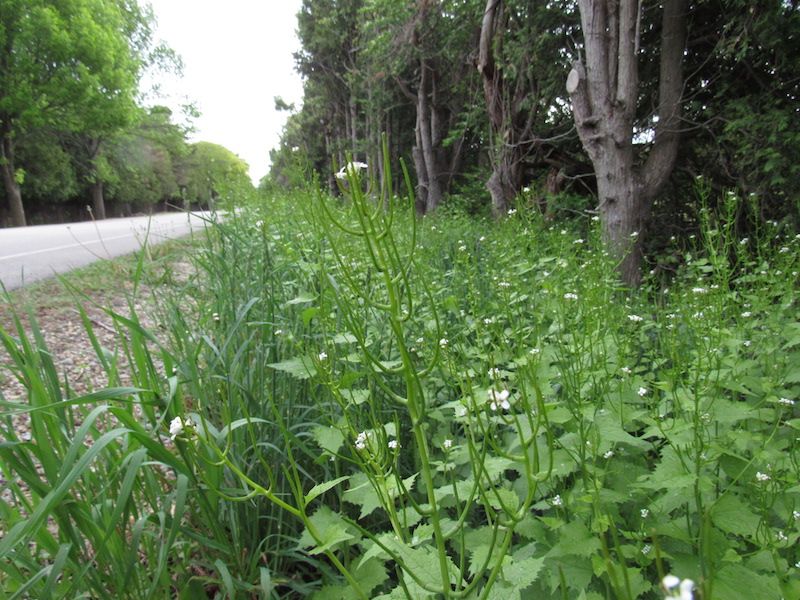
Here is a frustrating twist about fighting garlic mustard. Sometimes the very act of pulling it can invite even more of it to grow.
When you dig, yank, or turn over the soil, you shift things around underground. Buried seeds that were resting quietly suddenly find themselves closer to the surface.
Once those seeds get exposed to light and air, many of them wake up and sprout. So a patch you just cleared can fill with fresh seedlings within weeks.
This does not mean you should stop removing the weed. Pulling is still one of the best tools you have, especially for second-year plants ready to flower.
It simply means you need to expect a response. After disturbing an area, plan to return and check for the new wave of sprouts that often follows.
Try to disturb the soil as little as possible while still removing the plant. Loosening the ground gently around the roots helps you pull cleanly without churning up extra seeds.
Follow-up monitoring becomes the real key to success. Walk your cleared spots regularly and grab tiny seedlings while they are small and easy to handle.
Adding a thick layer of mulch after pulling can also help. It blocks light from reaching disturbed seeds, giving fewer of them a chance to grow.
Think of each cleanup as step one, not the finish line. When you stay ready for that predictable flush of seedlings, you steadily wear down the population instead of feeding it.
6. New Seeds May Be Arriving From Somewhere Else
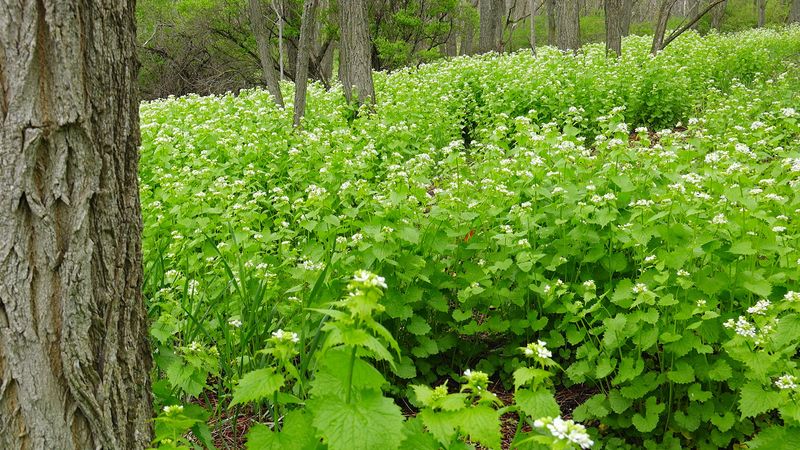
Imagine cleaning up every last plant in your garden, only to watch garlic mustard return anyway. Sometimes the problem is not your yard at all, but new seeds sneaking in from outside.
Garlic mustard seeds are excellent hitchhikers. They cling to shoes, boots, pet fur, and clothing, catching a free ride from one place to another without anyone noticing.
People move seeds around constantly without meaning to. A walk through an infested trail can carry seeds home stuck to your socks or the treads of your sneakers.
Animals help spread them too. Deer, small critters, and even birds can transport seeds across long distances into fresh territory, including your carefully tended beds.
Vehicles and equipment add to the challenge. Lawn mowers, tires, and garden tools can pick up seeds in one spot and drop them somewhere entirely new.
Water and landscape materials matter as well. Flowing rainwater can wash seeds downhill, and contaminated mulch or soil can quietly introduce them into a clean garden.
This is why clearing your own plants may not fully solve the problem. Fresh seeds keep arriving from neighbors, trails, and nearby natural areas beyond your control.
You can still reduce the risk with simple habits. Clean your shoes and tools after visiting infested areas, and buy mulch or soil from trusted, weed-free sources.
Talking with neighbors about shared cleanup efforts helps too. When the whole area works together, fewer seeds travel around, making your own garden far easier to protect over time.
7. Pulling It Once Is Not Enough
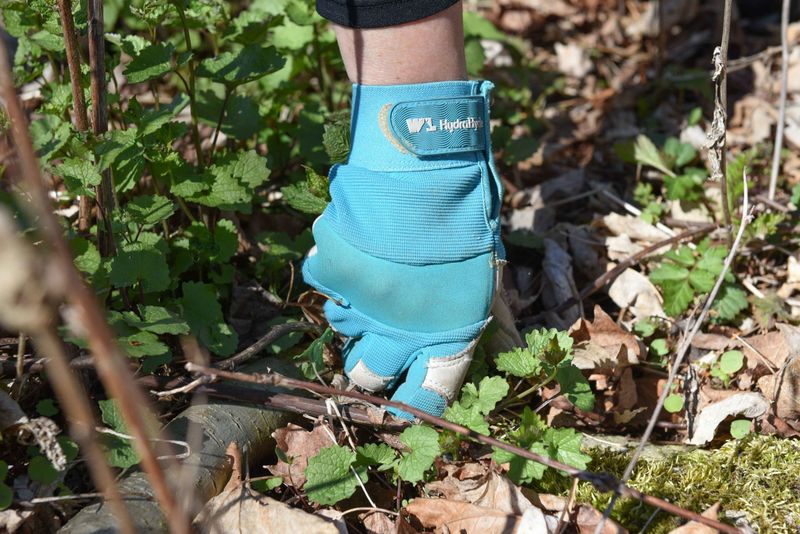
Wouldn’t it be wonderful if one big weeding weekend solved everything? With garlic mustard, sadly, a single cleanup rarely finishes the job.
The Michigan DNR recommends long-term management for good reason. Because seeds survive in the soil and new plants keep appearing, this weed demands repeated attention over several years.
One season of pulling only handles the plants you can see right now. Hidden seeds and first-year rosettes remain, ready to grow the moment you turn your back.
That is why experts stress ongoing monitoring. Returning to the same areas year after year lets you catch new growth before it gets out of hand.
Second-year plants deserve special focus. These are the ones about to flower and produce seed, so removing them early breaks the cycle at its most important point.
A smart plan targets these bloomers before their pods mature each spring. Stopping seed production consistently is what slowly shrinks the population for real.
Set a simple yearly reminder to walk your beds during bloom season. Bring a bag, pull flowering plants, and scan for those low rosettes hiding nearby.
Keeping a small log can help you track progress. Noting which areas still have plants shows you where to concentrate next year’s effort.
The encouraging part is that persistence really pays off. Each year of steady removal means fewer seeds and fewer plants returning.
Treat control as a multi-year mission rather than a quick fix. With patience and repeated checkups, you gradually reclaim your shade garden from this stubborn invader.
8. Even Pulled Plants Can Still Make Seeds
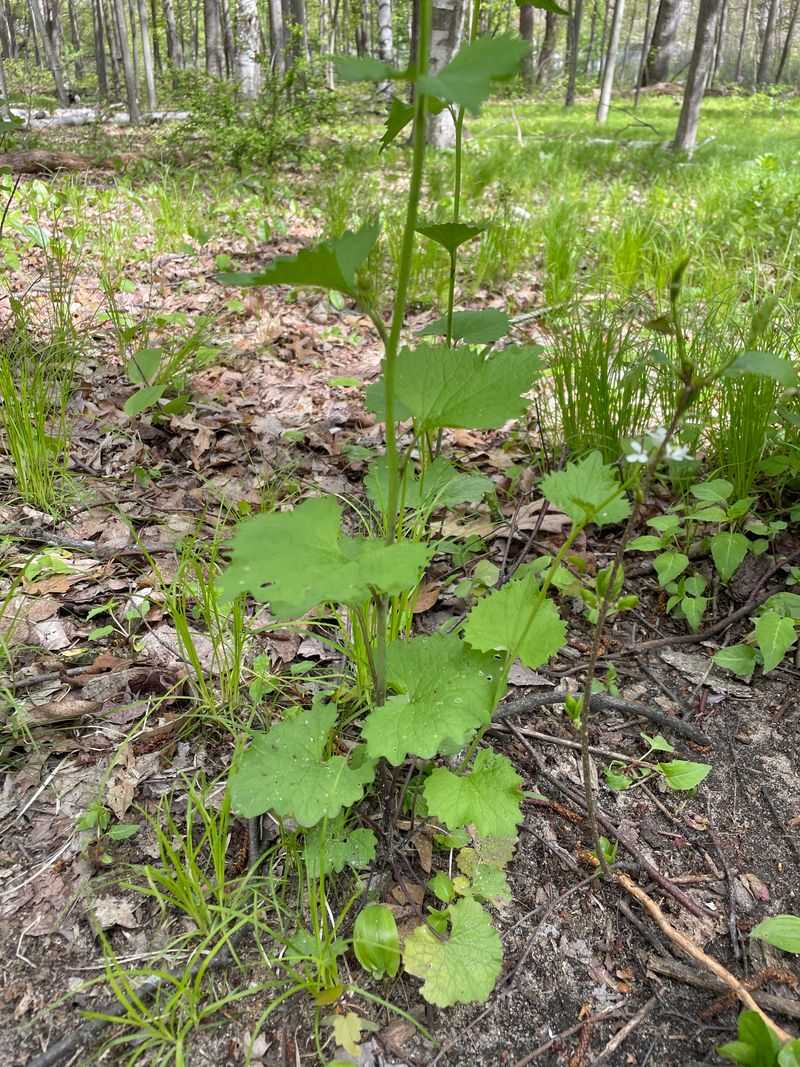
Here is a mistake that catches many gardeners off guard. You pull flowering garlic mustard, toss it aside, and assume the danger is over. It is not.
Even after being pulled, a flowering plant can keep developing its seeds. The energy stored inside allows those pods to finish maturing right there on the ground.
That means a pile of pulled plants left in your garden can still spread seeds. All your hard work could quietly refill the soil bank you were trying to empty.
Proper disposal is the missing piece for so many people. Pulling the plant is only half the task, and what you do next truly matters.
Never leave flowering garlic mustard lying in your beds or compost pile. Home compost usually does not get hot enough to stop the seeds from finishing their growth.
Instead, bag the plants right away in sturdy garbage bags. Sealing them prevents any pods from scattering seeds while you carry them off.
Check your local guidelines for handling invasive plants. Many Michigan communities recommend placing bagged garlic mustard in the trash rather than in yard waste collection.
Timing your removal before flowers appear makes disposal easier too. Plants pulled early have no pods to worry about, simplifying the whole process.
When you must remove flowering plants, handle them carefully from start to finish. Pull, bag, seal, and toss without letting anything drop along the way.
By treating disposal as seriously as pulling, you close the loop completely. That final step protects your garden and keeps the cycle from starting again.