What’s Behind The Muscadine Grape Drop Turning Alabama Lawns Into Wildlife Feeding Grounds
Sweetness thickens the air around you before sunrise fully arrives. Purple bronze orbs blanket your lawn while you still sleep. Wild plums drop around you faster than you can ever rake them.
Heat and humidity push Alabama fruit past its ripening limit quickly around you. Gravity finishes what humidity quietly starts, leaving you no say in it. You inherit a sticky mess the moment you step outside.
Raccoons leave muddy trails winding across your dew soaked grass by dawn. Yellow jackets hover low over your fallen fruit like tiny sentries. Deer and possums quietly slip into your yard for their share too.
Backyards across Alabama double as feeding grounds you did not expect. Sticky residue coats your shoes, your deck, and your patience rather fast.
Each fallen piece quietly invites another visitor into your space by nightfall. Understanding why this happens changes how you handle what drops in your yard.
Why Does Late-Summer Ripening Put Fruit On A Timer
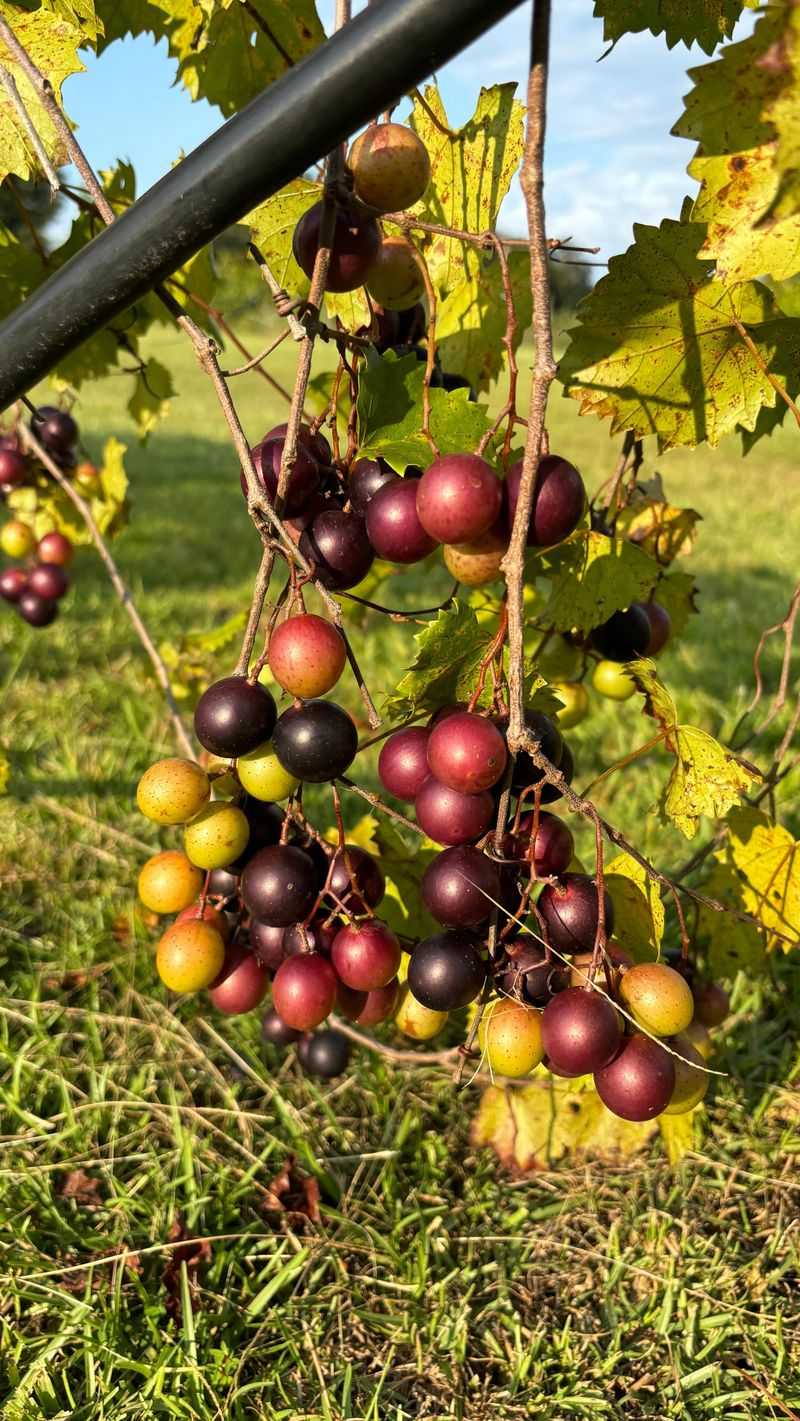
Muscadines run on their own calendar, and that calendar peaks between late August and early October across Alabama. Once a berry hits full sugar, the tiny stem holding it weakens on purpose.
Botanists call that spot the abscission zone, a natural release point the plant builds in. When the seeds inside are mature, the connection weakens, allowing the fruit to fall and spread.
Unlike bunch grapes that hang on in tight clusters, muscadines ripen berry by berry. That is why you get a slow trickle instead of one big harvest day, and why the drop can stretch across several weeks.
Heat speeds the whole process along. A string of hot, humid days can push a vine from firm green fruit to soft, fragrant, falling fruit within about a week.
Here is a fun bit of history: the muscadine is native to the Southeast, and some accounts trace one Carolina vine known as the Scuppernong back several centuries.
Alabama gardeners have leaned on these vines since long before grocery stores existed. Practical tip for homeowners: check your vines every two or three days once the first berry falls.
Fruit picked at peak sweetness generally keeps for several days in the refrigerator, depending on handling. Watching the timer helps you stay ahead of the mess instead of chasing it.
What Happens When Summer Storms Hit Ripening Fruit
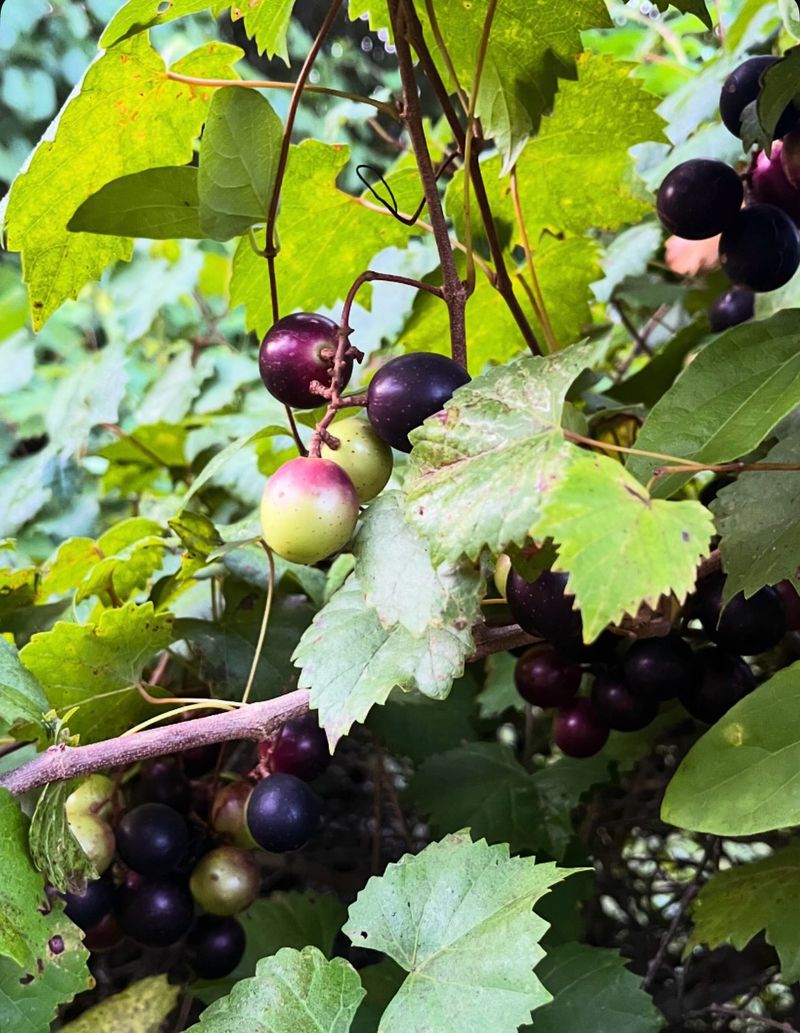
Ask anyone with a trellis in Baldwin County what happens after a thunderstorm rolls through, and they will point at the ground. A single afternoon downpour can knock loose a significant amount of fruit.
Rain works in two ways. Wind and heavy droplets physically jostle the berries, while the roots pull up extra water that swells the fruit from the inside until the skin splits.
Split berries let go fast. They also start fermenting within hours in September humidity, which is why the yard sometimes smells faintly like a winery.
Alabama typically sees substantial rainfall in late summer. A vine loaded with ripe fruit is especially vulnerable to the next gust.
You can soften the impact with steady watering habits. Vines that get consistent moisture through August are less prone to sudden swelling when a storm dumps two inches at once, since the plant is not gulping after a dry spell.
Your Alabama Garden Changes Every Week. Your Plan Should Too.
Gardening in Alabama changes quickly throughout the season. Every Friday you’ll receive a simple weekly plan showing exactly what to plant, prune, fertilize, harvest, and protect so you never miss the right timing.
Mulching around the base with pine straw or wood chips helps too. It holds soil moisture even and keeps the roots from riding a rollercoaster between bone-dry and soaked.
If a storm is forecast and your fruit is close to ready, pick what you can the day before. A quick harvest saves you from raking up fermented berries and gives you something worth turning into jelly or juice.
Deer, Raccoons And Opossums Treat Your Yard As A Feeding Ground
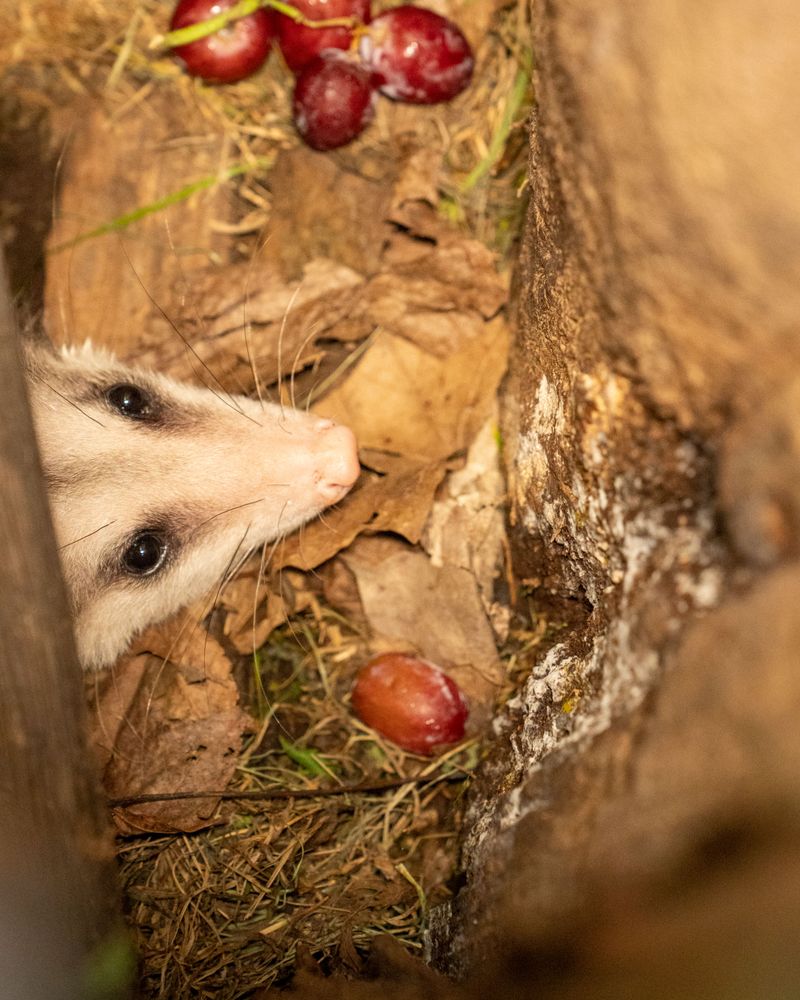
Trail camera footage across Alabama often shows the same pattern each September. Deer are usually first in line, and they will browse a vine’s low fruit clean before sunrise.
Raccoons show up after dark and are surprisingly acrobatic, climbing arbors to grab fruit still on the stem. Opossums follow, working the ground for whatever the raccoons drop.
Foxes and coyotes eat them too, which surprises many homeowners. Both are more omnivorous than their reputation suggests, and sugary fruit is easy calories before winter.
Black bears in parts of northeastern Alabama are also known to seek out wild muscadine thickets. The fruit is widely considered a valuable fall food source that helps animals build fat reserves.
For homeowners, the visitors bring mixed feelings. Free wildlife watching is a treat, but nightly raccoon traffic near the house can lead to trash can raids and torn window screens.
A few simple habits help. Rake fallen fruit into a compost pile set well away from the house, secure garbage lids with bungee cords, and skip leaving pet food outdoors during peak drop weeks.
If deer pressure bothers you, temporary netting draped over the trellis keeps them from stripping low branches.
Netting with openings smaller than an inch works best and can be rolled up and stored once the season winds down. Plenty of folks simply let the animals have it and enjoy the show from the porch.
Songbirds And Wild Turkeys Join The Morning Rush
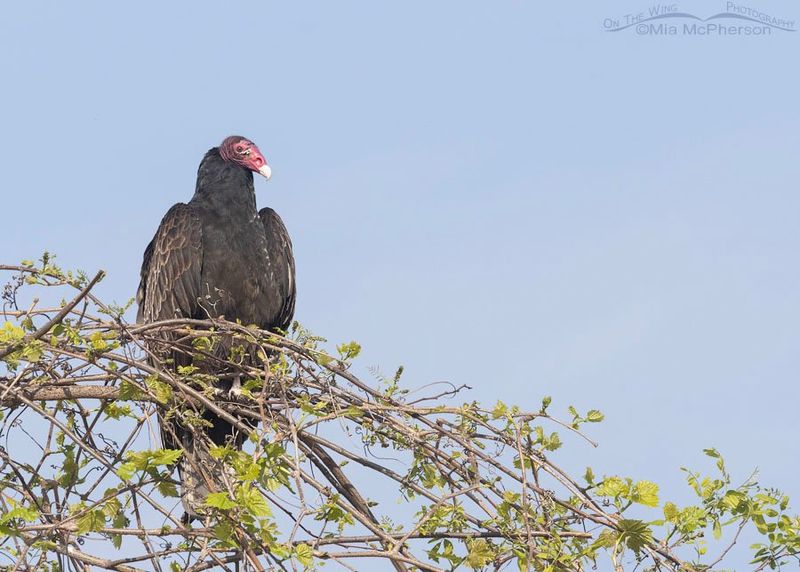
Before the coffee finishes brewing, the birds have already claimed the best berries. Mockingbirds, cardinals, catbirds and brown thrashers all work fallen muscadines with real enthusiasm.
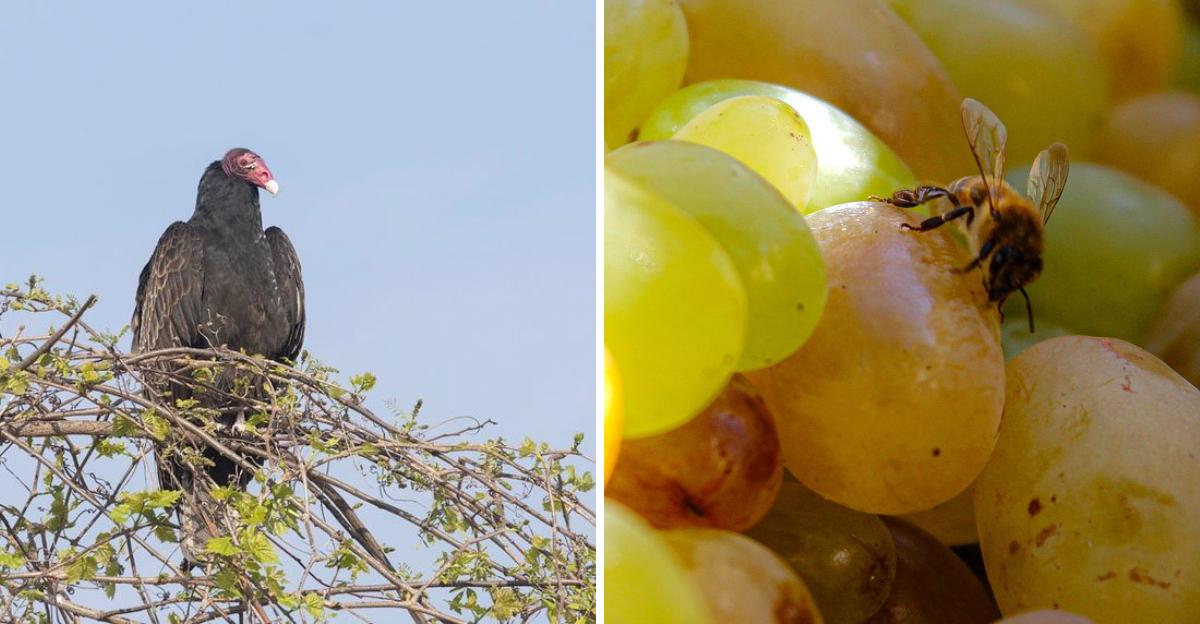
Wild turkeys are the heavyweights of the group. A flock passing through a rural Alabama yard can clear a surprising amount of fruit in a short sitting, gobbling and jostling the whole time.
Bird digestion helps the vines spread. Seeds pass through intact and get deposited along fence lines and woodland edges, which is exactly why wild muscadines pop up in odd corners of property.
The timing matters more than people realize. Many songbirds are fueling up for migration in September, and fruit high in sugar delivers quick energy for long flights south.
Cedar waxwings sometimes arrive in noisy groups later in the season and strip whatever remains. Their appearance is a reliable sign the drop is winding down.
If you enjoy the visitors, leave a portion of the fruit where it falls in a back corner of the yard. A shallow water dish nearby makes the spot even more appealing to birds.
Gardeners protecting a harvest have options too. Lightweight bird netting draped loosely over the trellis works, and reflective tape tied to the wires adds a bit of extra discouragement without harming anyone.
Either approach beats fighting the birds. Sharing a share of the crop is the easier path, and the morning entertainment is worth the trade.
Yellow Jackets And Bees Gather On The Sweet Leftovers
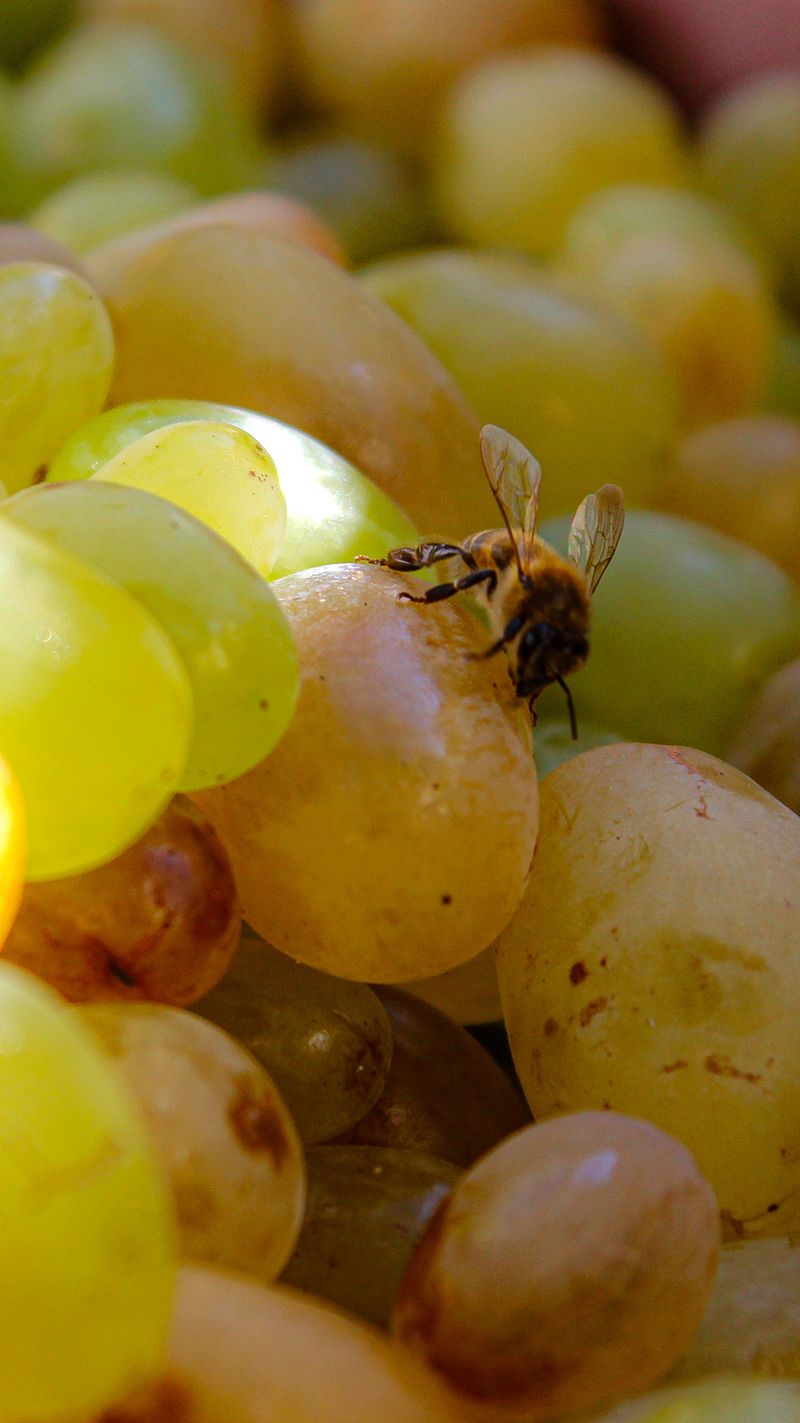
Use caution before going barefoot: the insects find the fruit fast. Split muscadines on warm ground turn into an insect magnet within a single afternoon.
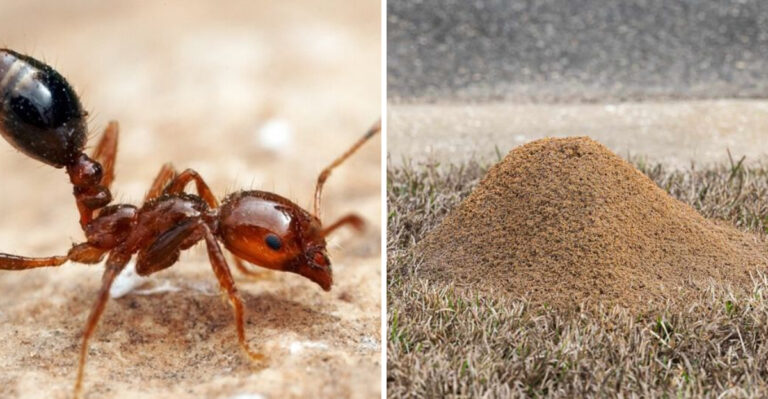
Yellow jackets are the ones to watch. Their colonies peak in size during late summer, food gets scarce, and sugary fallen fruit becomes an irresistible target.
Honeybees, bumblebees, paper wasps and butterflies join in as well. Most are simply sipping juice and pay you no attention if you move calmly.
Yellow jackets, though, are quicker to defend a feeding spot. Stepping on a grape with an insect underneath is how a lot of September stings happen in Alabama yards.
Shoes solve half the problem. Closed-toe footwear during the drop season is the simplest safety step you can take, especially for kids running through the grass.
Cleanup handles the rest. Rake fallen fruit every couple of days and bag it or bury it in a compost pile with a layer of leaves on top to cut the smell.
Mowing over squashed grapes just spreads the juice around and keeps the buffet open. A rake or a leaf blower moves the fruit without turning your lawn into syrup.
Anyone with a known sting allergy should be extra careful near the vines in the morning and late afternoon. Keeping fruit picked up shrinks the crowd considerably, and the yard gets pleasant again within a week or two.
Cleanup Habits That Keep The Lawn Healthy And The Mess Manageable
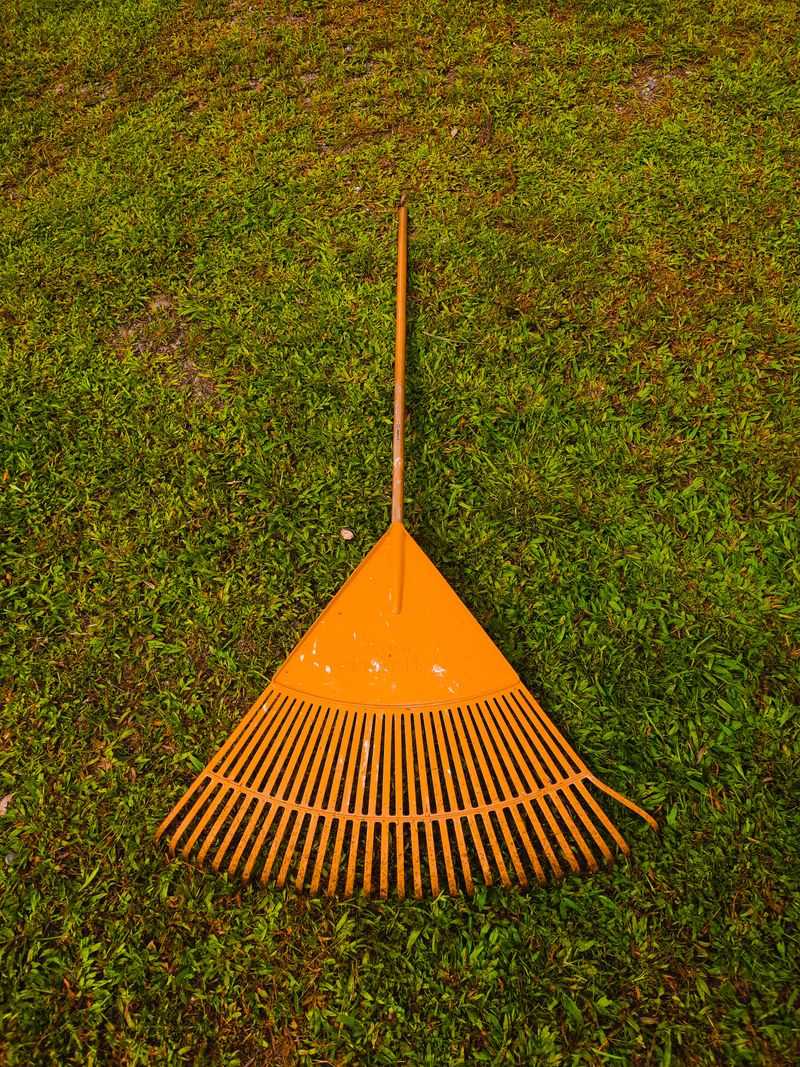
A pile of fruit sitting on grass for a week leaves a yellow patch behind, and that is the part homeowners notice too late. Sugar and moisture smother the blades and invite mold underneath.
A quick pass with a lawn rake two or three times a week keeps things tidy. Grass tolerates a short burst of shade far better than a two-week blanket of fermenting fruit.
Wet fruit clings, so a stiff-tined rake beats a plastic leaf rake for the job. A garden cart parked nearby saves a lot of back-and-forth trips.
Compost is the best destination for the haul. Mix the grapes with dry leaves or straw, using more brown material than fruit.
Skip tossing the fruit into flower beds. It draws rodents close to the house and can sprout volunteer vines you did not plan on.
Good pruning in winter reduces next year’s mess in a big way. Cutting canes back to two or three buds keeps fruit reachable instead of dangling well out of reach over the yard.
Some gardeners spread a tarp under the trellis during peak weeks and simply gather the corners each evening. It sounds low-tech because it is, and it works beautifully.
Handle the fruit while it is fresh and you get jelly, juice or wine out of the deal. Wait too long and you just get a rake and a lesson.