What Happens When You Add Autumn Leaves To Michigan Garden Soil
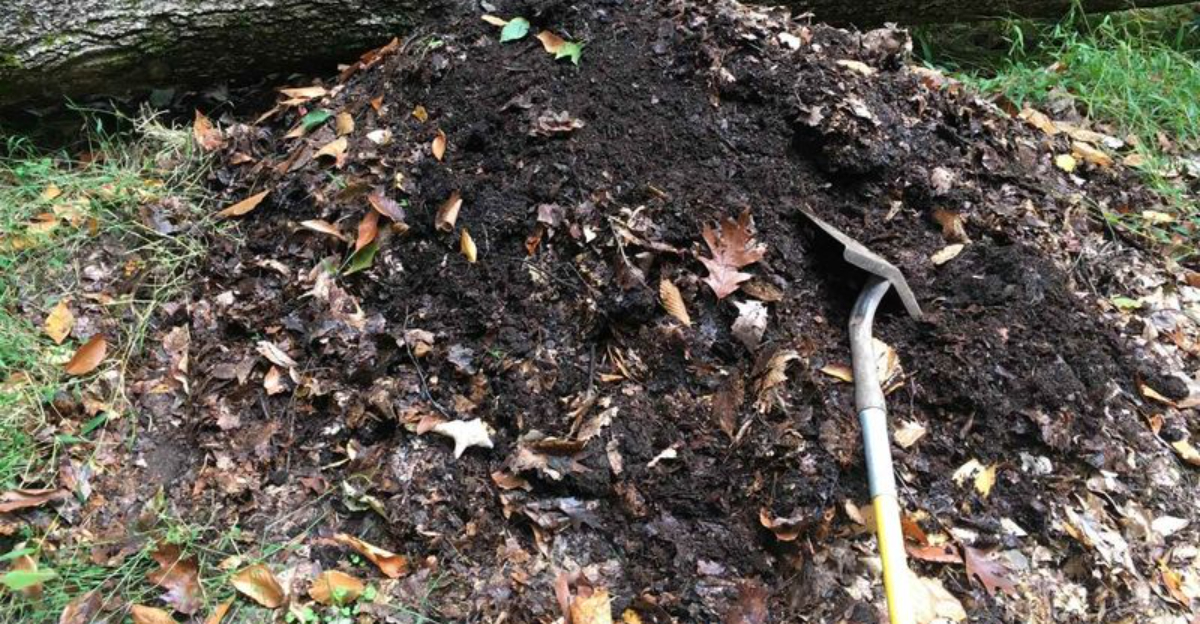
Autumn brings a steady supply of fallen leaves, and many Michigan gardeners are learning that raking them into the trash isn’t the best use of this seasonal resource.
Adding leaves directly to garden soil sets off a natural breakdown process that can meaningfully improve soil health over time.
As leaves decompose, they add organic matter back into the soil, improving its structure and helping it hold moisture more effectively.
This process also feeds the microorganisms and earthworms that keep soil healthy and productive, creating a more balanced environment for future plantings. Over time, this can lead to looser, richer soil that supports stronger root growth.
The way leaves are added, whether whole, shredded, or composted first, can affect how quickly this benefit shows up.
Here’s what actually happens when autumn leaves are worked into Michigan garden soil, and how to get the most out of this free seasonal resource.
1. Leaves Return Nutrients To The Soil
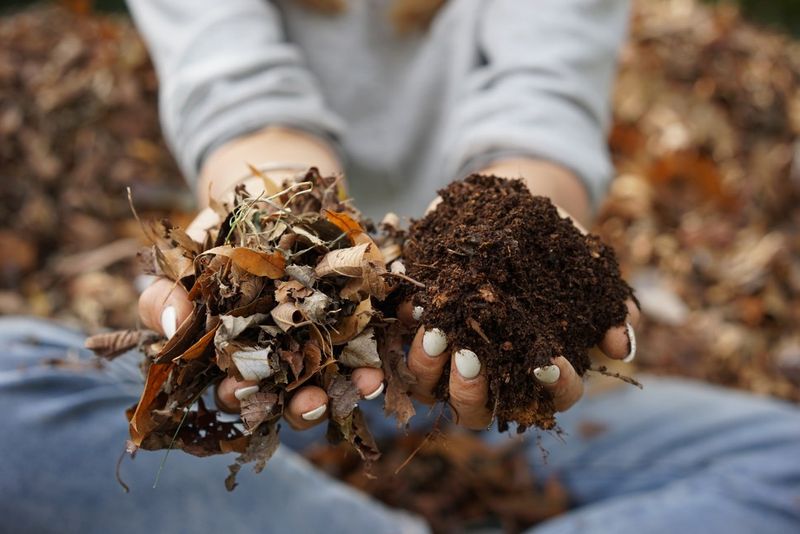
Trees take up nutrients from the soil and use them in their leaves throughout the growing season. Those nutrients travel into the leaves, where they help the tree grow tall and strong.
When leaves fall and settle on your garden, they carry all of that goodness with them. As they slowly break down, elements like nitrogen, potassium, and calcium seep back into the soil. Your plants get to reuse what the tree collected months earlier.
Think of it as a natural recycling program that costs you nothing. The tree does the gathering, and your garden gets the reward once the leaves soften and crumble.
Michigan yards are full of maple, oak, and birch, and each type adds slightly different nutrients. Mixing several kinds together gives your soil a nice variety to feed on.
The process takes patience because leaves do not release everything overnight. Over weeks and months, tiny bits of nutrient trickle down into the root zone where plants can grab them.
You can speed things up by keeping the leaves a little damp and letting soil creatures do their work. The moister and warmer the pile, the faster nutrients become available.
By next spring, some of the leaves may have begun breaking down and adding organic matter to the soil.
Using fallen leaves as mulch can add organic matter while reducing the amount of purchased soil amendments you may need over time. Autumn leaves prove that some of the best garden helpers land right in your own yard.
2. Decomposing Leaves Add Organic Matter
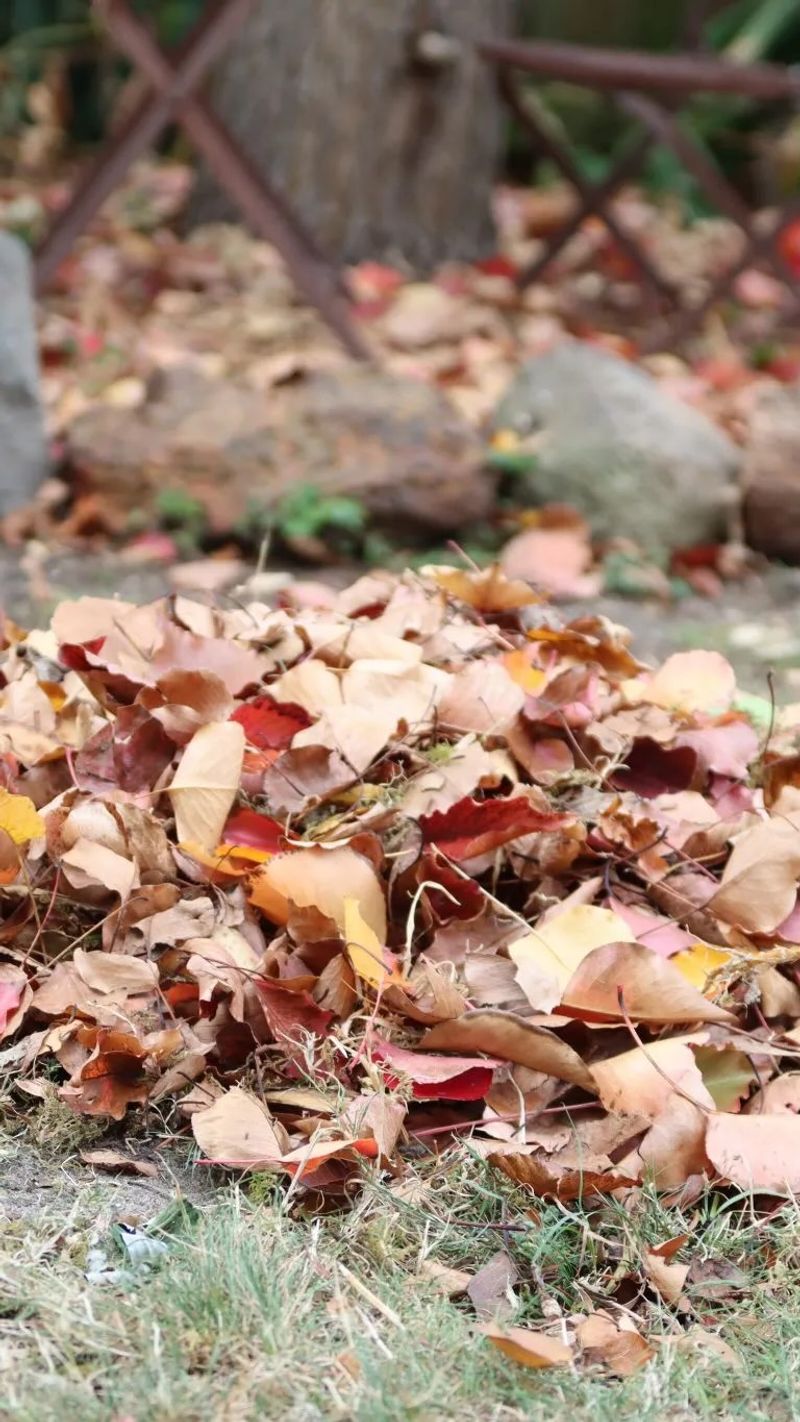
Organic matter is one of the best things you can give any garden, and leaves are packed with it. As they rot down, they turn into soft, spongy material that blends into the soil.
This material acts like a sponge and a snack bar at the same time. It holds water, loosens tight dirt, and feeds the helpful creatures living underground.
Michigan State University points out that adding mulch and composted organic matter builds smarter, healthier soils over time. Leaves are a simple way to start that process at home.
Your Michigan Garden Changes Every Week. Your Plan Should Too.
Gardening in Michigan changes quickly throughout the season. Every Friday you’ll receive a simple weekly plan showing exactly what to plant, prune, fertilize, harvest, and protect so you never miss the right timing.
Sandy soil, which shows up in many parts of Michigan, drains too fast and struggles to hold nutrients. Leaf matter fills in the gaps and helps that loose ground grip onto moisture and food.
Clay soil has the opposite problem because it packs down hard. Organic matter from leaves opens it up so roots and water can move through more easily.
The change does not happen in a day, but each season adds a little more richness. Gardeners who mulch with leaves year after year often notice darker, crumblier soil.
That crumbly texture makes digging easier and helps seeds sprout without a fight. Roots stretch out happily when the ground stays soft and full of air pockets.
Best of all, you are building this improvement using something that fell for free. Fallen leaves quietly become the foundation for a garden that grows stronger every single year.
3. Soil Can Hold Moisture More Evenly
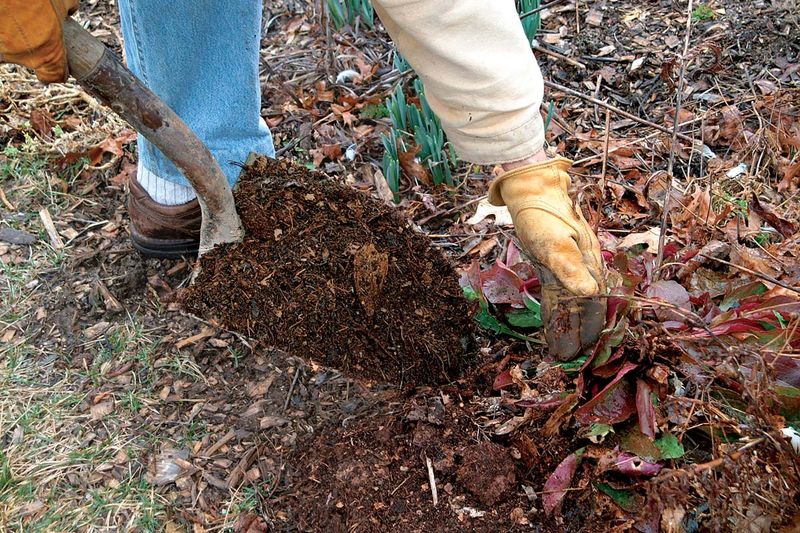
Water has a habit of disappearing fast on hot, breezy days. A layer of leaf mulch slows that escape and keeps your soil damp for longer.
When leaves cover the ground, they shade the surface and block the sun from baking it dry. Less evaporation means the water you give your plants actually sticks around.
Michigan State Extension suggests mulching leaves back into your lawn or garden instead of sweeping them to the curb. One big reason is the steady moisture that mulch helps hold.
Even soil moisture keeps plants happier because their roots do not swing between soaking wet and bone dry. Steady conditions lower stress and help gardens grow more evenly.
During summer, this can mean watering less often, which saves both time and money. Your plants stay comfortable while you spend fewer evenings dragging the hose around.
The mulch layer also softens heavy rain so water soaks in slowly instead of running off. That gentle soaking gives roots a real drink rather than a quick splash.
Shredded leaves work best here because they lay flat without forming a hard crust. A light, fluffy cover lets rain pass through while still guarding against dryness.
Spread the leaves a couple inches thick around plants for the best results. Check underneath after a warm week, and you will often find cool, moist soil waiting. That steady dampness is a small change that makes a big difference all season long.
4. Leaf Cover Helps Protect Soil Through Winter
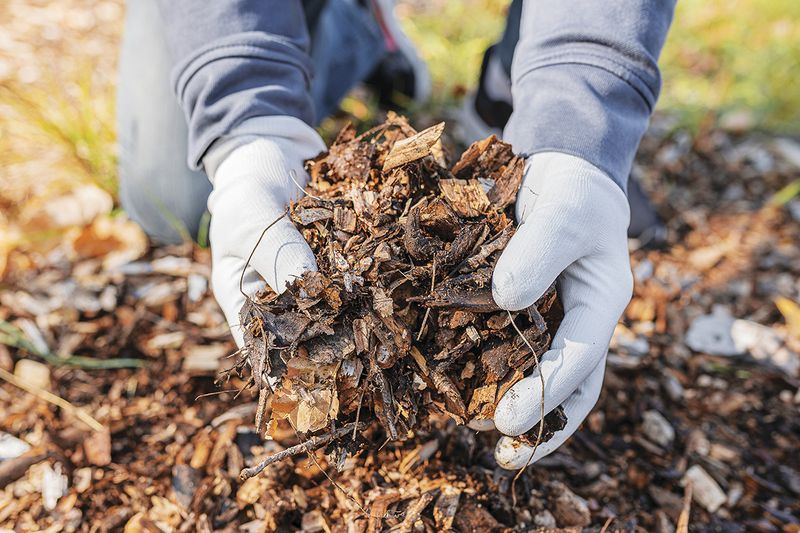
Michigan winters can be rough on bare garden beds. Wind, freezing rain, and constant thawing all wear the soil down when nothing covers it.
A blanket of leaves acts like a cozy quilt for the ground. It shields the surface from harsh weather and keeps the soil from washing or blowing away.
Bare soil often erodes when melting snow runs across it in early spring. Leaves slow that runoff and hold the top layer in place where your plants need it.
Temperature swings are another winter headache in the Great Lakes region. The ground can freeze, thaw, and refreeze many times, which pushes roots around and stresses plants.
Leaf cover softens those swings by holding a steadier temperature underneath. Roots stay tucked in and are less likely to get heaved up out of the soil.
Perennials and bulbs especially appreciate this extra protection during the cold months. A leaf layer helps them rest safely until warmer days return.
The cover also gives soil creatures a place to stay active a bit longer. Even in the chill, some of them keep nibbling leaves and improving the ground below.
Spread a few inches of leaves over empty beds before the first hard freeze. That timing lets the layer settle in before winter really arrives.
Come spring, you can rake back whatever has not broken down yet. Underneath, you will usually find protected, healthy soil ready for planting.
5. Shredding Prevents A Heavy Leaf Mat
Whole leaves have a sneaky habit of sticking together when they get wet. They flatten into a thick, slimy mat that water and air struggle to pass through.
Shredding solves that problem before it starts. Smaller pieces stay loose and fluffy instead of clumping into a soggy blanket over your soil.
Extension experts explain that chopping leaves helps water move freely and speeds up how fast they break down. Tiny bits simply rot quicker than big flat sheets.
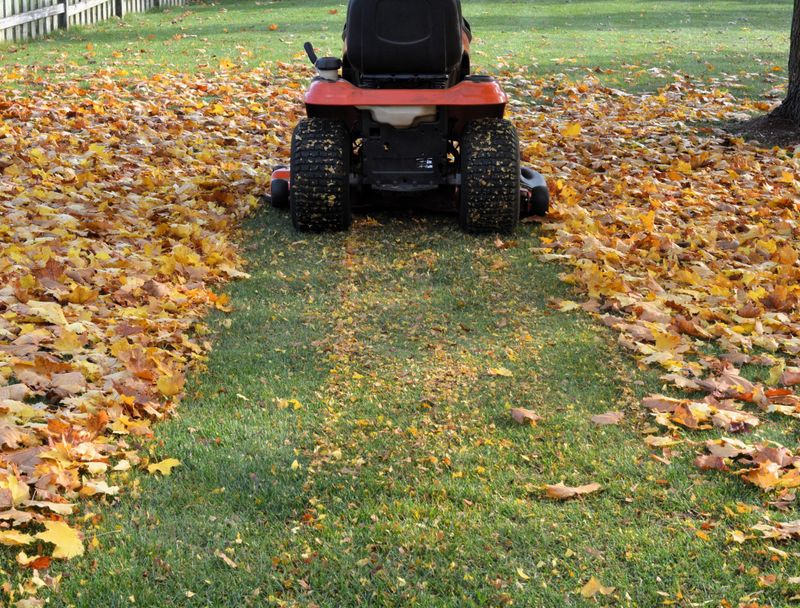
You do not need fancy gear to shred them either. Running a lawn mower over a pile of dry leaves chops them into perfect little flakes.
A mower with a bag makes collection easy, and the shredded bits are ready to spread right away. Some folks use a leaf shredder, but the mower trick works great for most yards.
Shredded leaves also cover ground more evenly and stay put in the wind. That means fewer piles blowing into corners and better protection where you want it.
Because air can reach the pieces, soil creatures move in faster and get busy. More air plus more surface area equals quicker, cleaner decomposition.
Shredded leaves break down faster than whole leaves, although some of the material may remain by spring. Your garden gets fed sooner and your beds stay healthier.
Take a few minutes to shred before spreading, and your leaves will work much harder for you.
6. Leaves Can Suppress Some Weeds
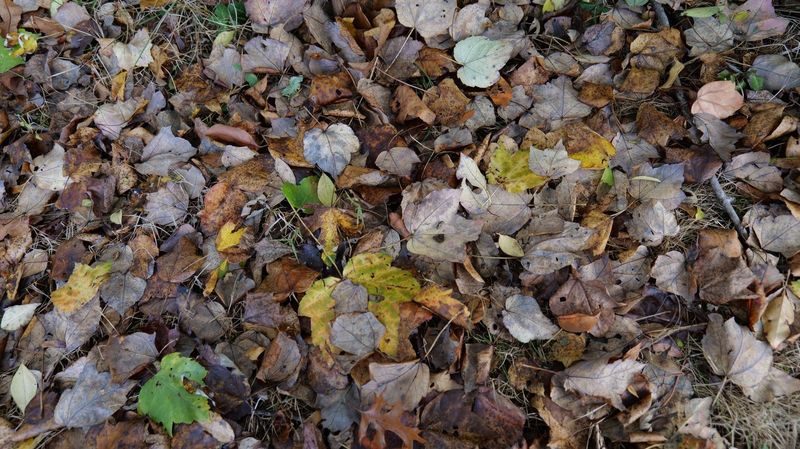
Weeds are always hunting for a patch of bare, sunny soil to sprout in. A good layer of shredded leaves takes that chance away from them.
By covering the ground, leaves block the light that many weed seeds need to grow. Without sunshine reaching them, those seeds simply sit still instead of sprouting.
Winter annual weeds are a common target for this trick. They often try to get started in fall, but a leaf layer keeps them in the dark.
Fewer weeds means less bending, pulling, and grumbling for you next spring. Your garden looks tidier with far less effort on your part.
A cover of two or three inches usually does the job well. Too thin and light sneaks through, while too thick can smother the plants you actually want.
Shredded leaves work better than whole ones for weed control. They knit together into a smooth cover without leaving big gaps for weeds to slip through.
This natural blanket also saves you from reaching for weed sprays. You get cleaner beds while keeping your garden friendly for bees and other helpers.
Keep an eye out for tough weeds that still push through here and there. Pull those few early, and the leaf layer handles the rest.
Over time, the same leaves that block weeds also feed your soil. That double duty makes shredded leaves one of the smartest fall tools around.
7. Soil Life Feeds On The Decomposing Leaves
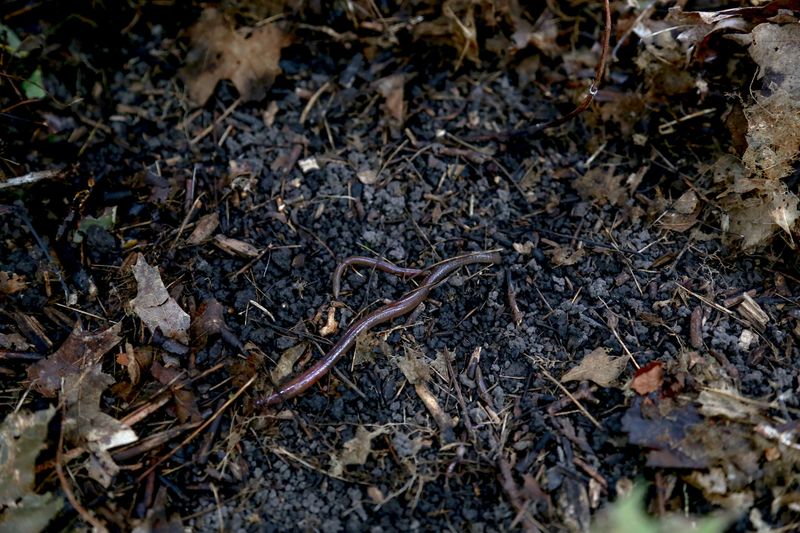
Underneath your garden lives a whole busy crew you rarely see. Fungi, bacteria, earthworms, and tiny bugs all treat fallen leaves as a feast.
These creatures chew, break, and digest the leaves bit by bit. As they eat, they turn tough plant material into soft, rich organic matter.
Michigan State gardening guides note that this teamwork is how leaves become part of the soil. Every worm tunnel and fungus thread helps move the process along.
Earthworms are the friendly stars of the group. They pull leaf pieces down into the ground and leave behind castings that plants love.
Fungi stretch out like tiny threads and break down the toughest parts of the leaves. As decomposition continues, microorganisms transform organic material and release some nutrients into forms that plants can eventually use.
A steady supply of leaves provides food and habitat for the organisms involved in decomposition. A garden full of soil life is a garden that stays healthy on its own.
Their tunneling also loosens the soil and creates space for air and water. That means roots breathe easier and reach deeper without a struggle.
You can support this crew by keeping leaves damp and avoiding harsh chemicals. A gentle, natural setting keeps the whole underground community thriving.
Think of your leaf pile as an all-you-can-eat buffet for the good guys below. Feed them well, and they will build the kind of soil every gardener dreams about.
8. Thick Whole Leaves Can Cause Problems
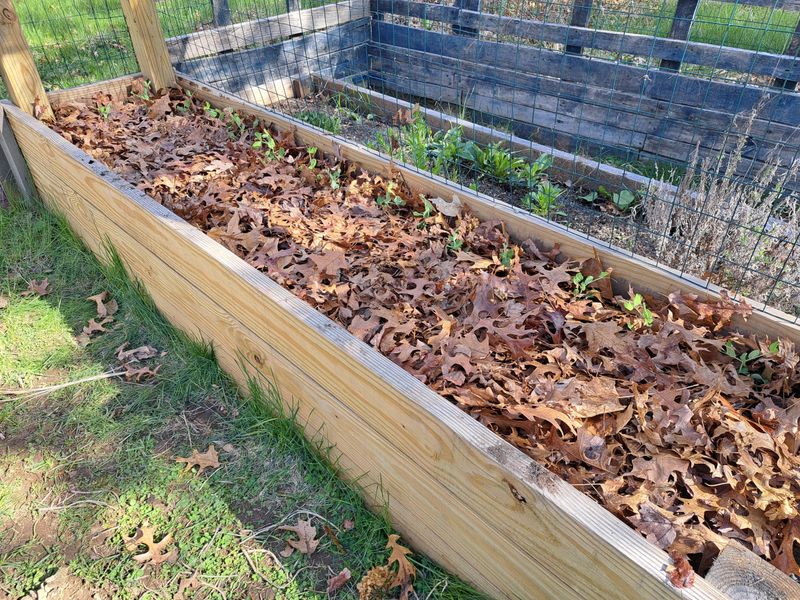
Piling leaves on thick might feel like giving your garden extra love. Too much of a good thing, though, can backfire fast.
Whole leaves dumped in a deep layer press together when they get rained on. The result is a heavy, soggy mat that seals off the soil below.
Air and water both have trouble getting through that packed cover. Roots underneath can suffocate when they cannot breathe or drink properly.
Small plants are especially at risk from a thick leaf blanket. A heavy load can flatten them and block the light they need to grow.
The trapped moisture can make the pile wet and poorly aerated, slowing decomposition and potentially causing unpleasant odors. Instead of feeding your garden, a wet mat may invite mold and rot.
Whole leaves break down slowly too, so the problem can linger for months. What should have helped ends up holding your garden back.
The fix is simple and worth the extra minute. Shred the leaves and spread them in a thinner, even layer.
A cover of just a couple inches lets air and water flow while still protecting the soil. As they break down, they add organic matter back into the soil, improving its structure and helping it hold moisture more effectively.
Check your beds after heavy rain to make sure no mats have formed. Fluff up any clumps you find so the ground can breathe. Used with care, leaves are a gift, but a giant wet pile is one to skip.
9. Keep Leaves Away From Plant Crowns And Stems
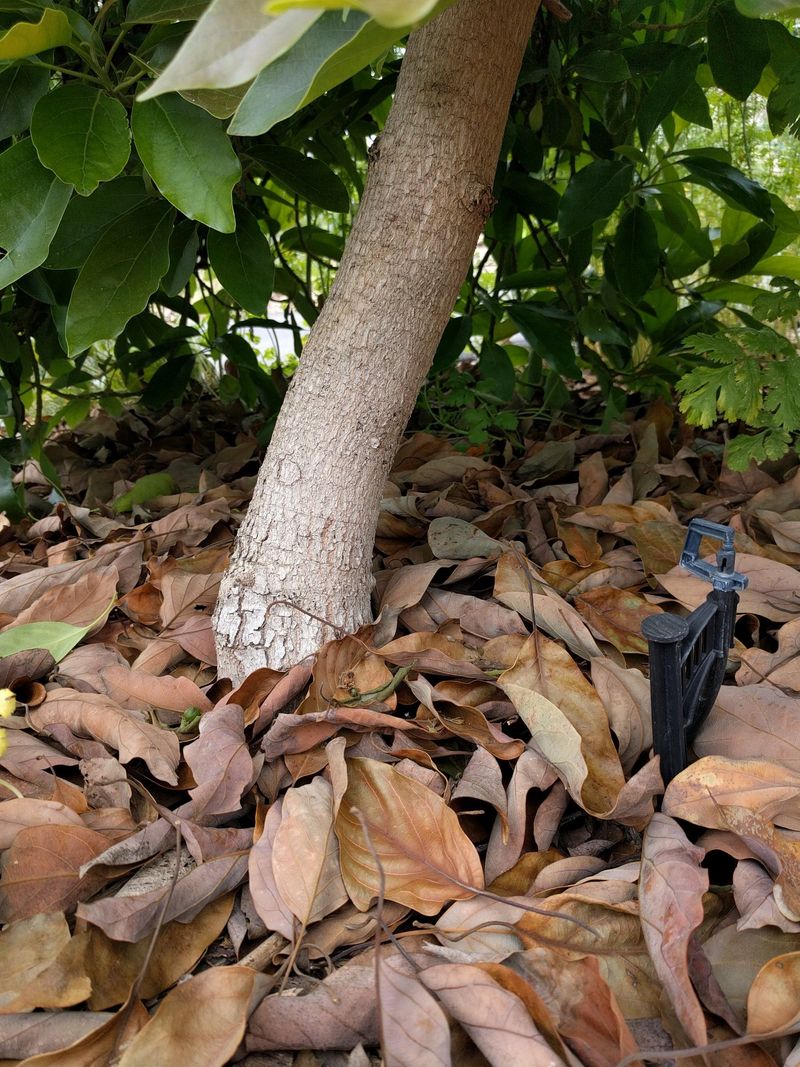
Leaves love to drift and gather right against the base of your plants. That cozy pile up can actually cause more harm than help.
When wet leaves press against stems and crowns, they hold moisture in one spot. Constant dampness there can lead to rot and soft, weak growth.
Perennials have a crown, the part where roots meet the stems, that needs to stay fairly dry. Smothering it with heavy leaves invites trouble.
Shrubs and trees have the same sensitive zone near their base. A mound of packed leaves against the trunk can trap moisture and encourage pests.
The simple rule is to leave a little breathing room. Pull the leaves back a few inches from every stem, crown, and trunk.
This small gap lets air circulate and keeps the plant base dry. Your plants stay healthier while still enjoying mulch nearby.
After windy fall days, check to see where leaves have piled up. Redistribute the heavy spots so nothing stays crushed against a plant.
Spread the extra leaves out over open soil where they can do good work. That way you protect the ground without harming the plants themselves.
Think of it like tucking in a blanket but keeping it off someone’s face. Cover the soil generously, and give the plant itself some space. A quick walk through the garden each week keeps everything comfortable and thriving.
10. You Do Not Have To Mix Them Deep Into The Soil
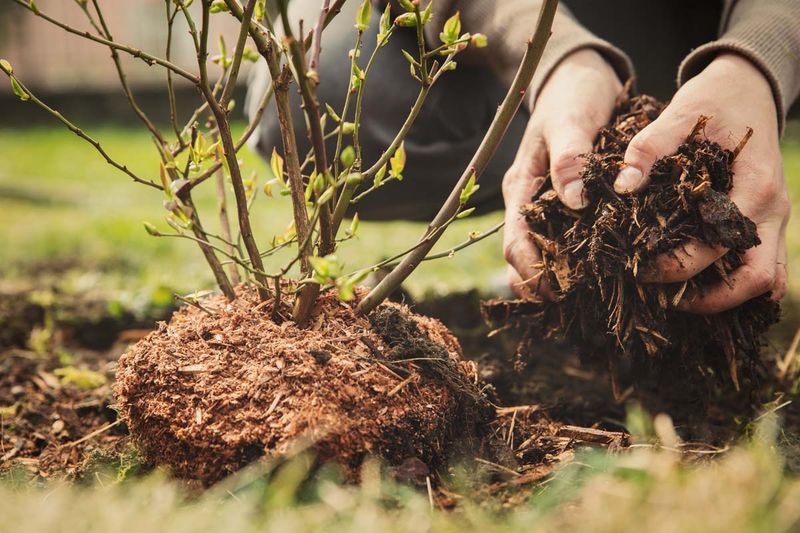
Many gardeners think they must dig leaves deep into the ground to help. The good news is that you can skip all that hard work.
Shredded leaves work wonderfully just sitting on top of the soil. Left as surface mulch, they break down on their own over time.
Nature does exactly this every year in the forest. Leaves fall, rest on the ground, and slowly feed the earth without anyone turning a shovel.
Digging large amounts of fresh leaves into your beds can actually cause trouble. As they break down underground, they can pull nitrogen away from your plants for a while.
Leaving them on top avoids that problem completely. The leaves soften slowly, and soil creatures pull the goodness down for you.
Skipping the digging also protects the soil structure you already have. Too much turning can disturb worms and break up the nice crumbly texture.
Spread a couple inches of shredded leaves over your beds and simply walk away. Let rain, worms, and time do the heavy lifting.
By spring, much of that layer will have melted into the soil surface. Whatever remains can be raked aside or left to finish breaking down.
This lazy method saves your back and still builds richer ground. Fewer chores and healthier soil is a win any gardener can enjoy. Autumn leaves prove that sometimes the easiest path is also the smartest one.