Why Bee Balm Leaves Turn Gray In Michigan Gardens By Late Summer
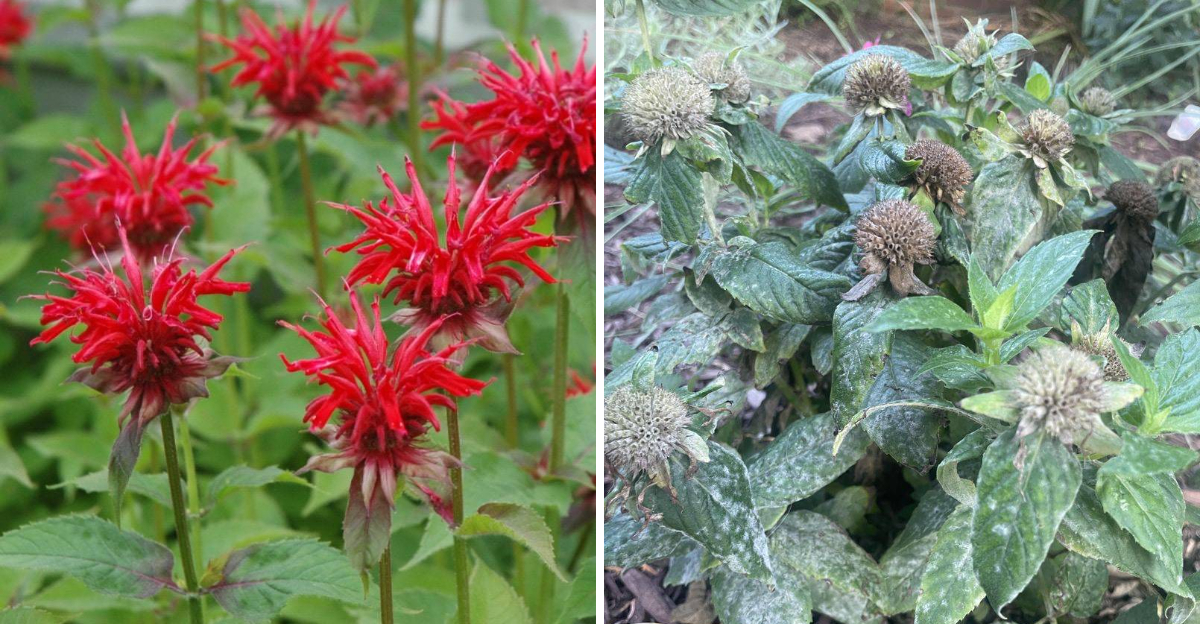
Bee balm puts on one of the best shows in a Michigan summer garden, and then August arrives and the leaves start looking like someone dusted the whole plant with chalk. That powdery gray coating is not a soil problem or a watering issue.
It is powdery mildew, and it has very specific taste in conditions. Warm days, muggy Michigan evenings, crowded clumps with no room to breathe, and poor airflow through the foliage are all it needs to move in and make itself comfortable.
The frustrating part is that bee balm tends to attract mildew right at the end of its best season, which feels a little ungrateful honestly.
Understanding what creates those conditions is what makes it possible to actually do something about it before the whole planting goes gray.
1. Powdery Mildew Is The Main Reason
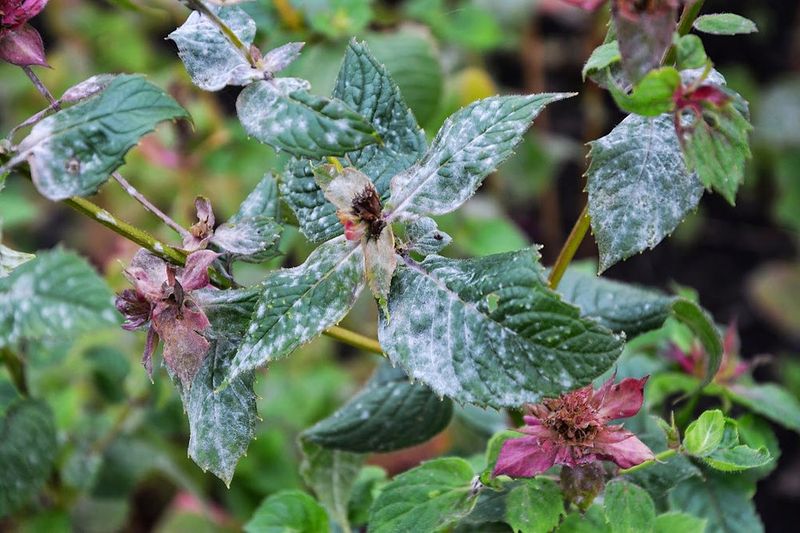
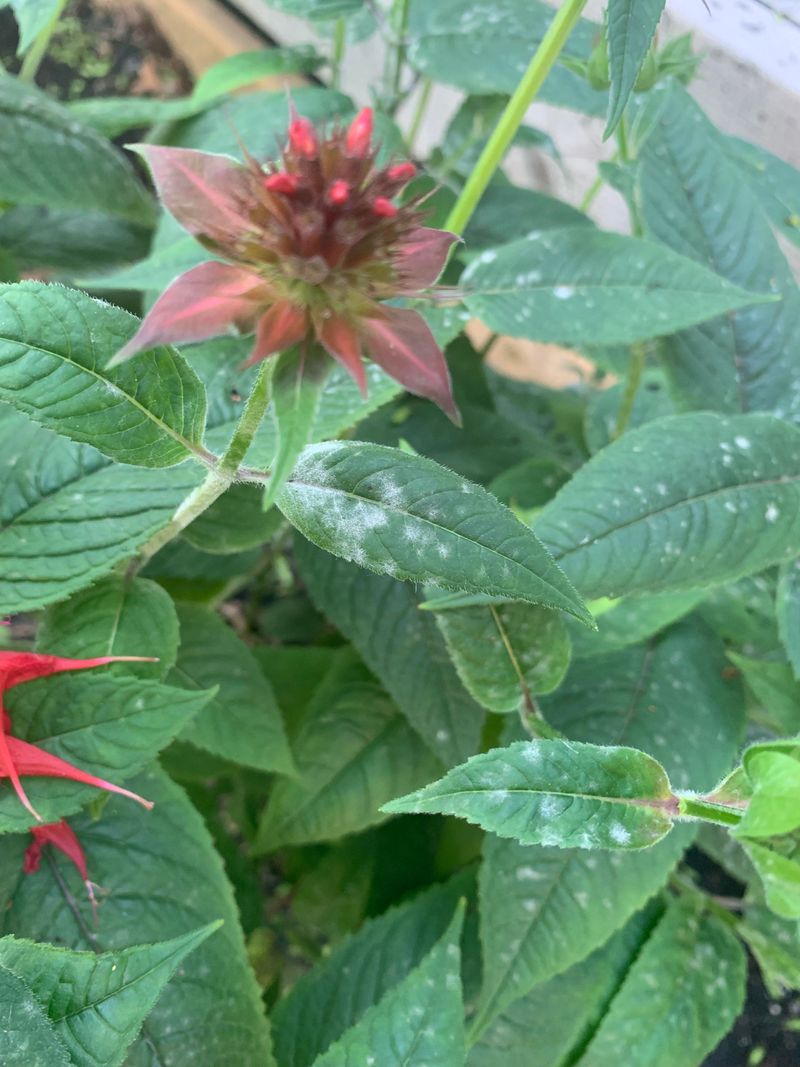
Walk up to a clump of bee balm in late July or August, and you may notice a chalky white or grayish film spreading across the leaves.
That coating is powdery mildew, a fungal condition that is extremely common on Monarda and one of the most recognized late-season problems in Michigan perennial gardens.
Powdery mildew on bee balm is caused by fungal spores that land on leaf surfaces and begin to grow without needing much moisture to get started.
Unlike many other plant diseases that require wet leaves to take hold, powdery mildew can develop in dry conditions as long as humidity levels in the surrounding air are relatively high.
That makes Michigan’s warm, muggy late summers a fairly reliable setup for the problem.
As the fungal growth spreads, leaves may start to look dull, dusty, or faded before turning noticeably gray. Stems and flower bracts can also show signs of the same coating.
While powdery mildew rarely causes serious long-term harm to established bee balm plants, it can make a once-vibrant pollinator garden look tired and worn out well before the first frost arrives.
Recognizing it early gives you more options for managing the situation thoughtfully rather than scrambling to respond after most of the plant is affected.
2. Humid August Weather Encourages It
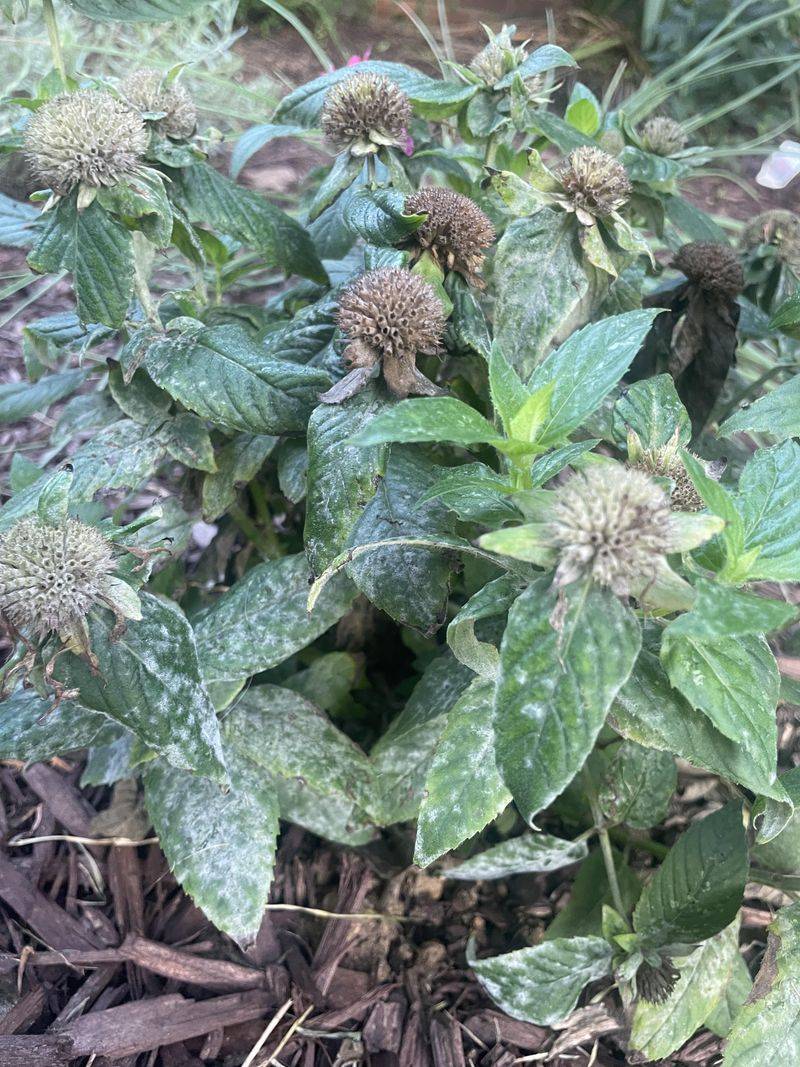
By the time August rolls around in Michigan, many gardens are dealing with a combination of warm temperatures, muggy overnight air, and reduced breezes that can make the environment feel heavy and still.
Those conditions happen to line up almost perfectly with what powdery mildew needs to get going on susceptible plants like bee balm.
Powdery mildew fungi tend to thrive when daytime temperatures stay in the mid-70s to mid-80s Fahrenheit and relative humidity climbs during the evening hours.
Michigan’s late-summer weather often follows that pattern, especially in areas near the Great Lakes where humidity can linger well into the night.
Even gardens that receive decent sun during the day may hold enough moisture in the air around dense plantings to encourage mildew development.
What makes August particularly tricky is that the conditions shift subtly compared to June and July. Days may still feel warm and sunny, but the nights get longer, dew settles more heavily on foliage, and air movement often drops.
Your Michigan Garden Changes Every Week. Your Plan Should Too.
Gardening in Michigan changes quickly throughout the season. Every Friday you’ll receive a simple weekly plan showing exactly what to plant, prune, fertilize, harvest, and protect so you never miss the right timing.
Bee balm clumps that looked perfectly healthy in early summer can start showing gray patches within just a few weeks once those late-season atmospheric conditions settle in.
Paying attention to how your garden feels on humid evenings, rather than only on bright sunny afternoons, can help you notice the early warning signs before mildew spreads across the entire planting.
3. Crowded Clumps Trap Moist Air
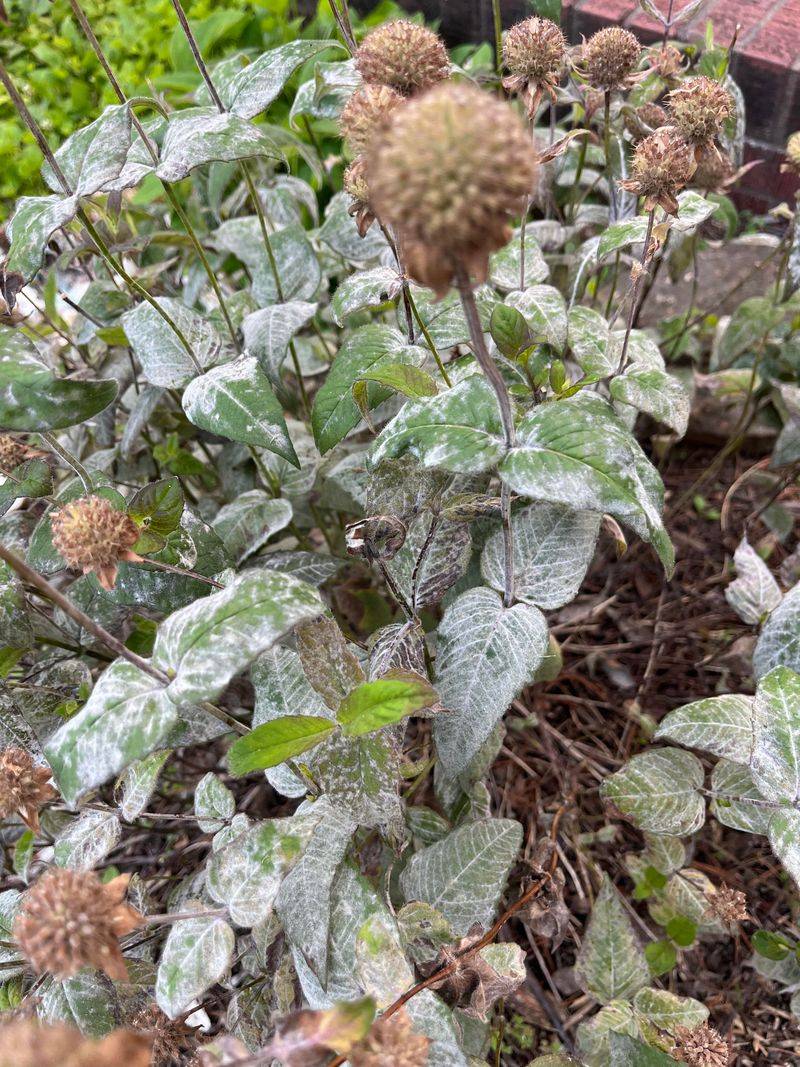
Bee balm spreads aggressively over time, and a clump that was neatly sized two or three seasons ago can balloon into a dense mass of stems that leaves almost no room for air to move through.
That crowding creates a microclimate inside the planting where moisture from the soil, transpiring leaves, and overnight dew has nowhere to go.
When stems are packed tightly together, the inner leaves stay damp longer after rain or heavy dew, and the relative humidity right around the foliage can be noticeably higher than it is just a few feet away in an open part of the garden.
Powdery mildew spores that land in that sheltered, moist pocket find conditions that suit them well, and the infection can spread from leaf to leaf more easily when stems are touching or overlapping.
Michigan gardeners who have not divided their bee balm in several years often notice that mildew seems to start from the center of the clump and work outward. The dense interior is the last place sunlight reaches and the first place moisture collects.
Thinning or dividing overcrowded clumps in early spring, before new growth gets too tall, can help open up the center of the planting and reduce the sheltered, humid conditions that make late-summer mildew so predictable.
Even removing a portion of stems mid-season can improve conditions modestly.
4. Poor Airflow Lets It Spread Faster
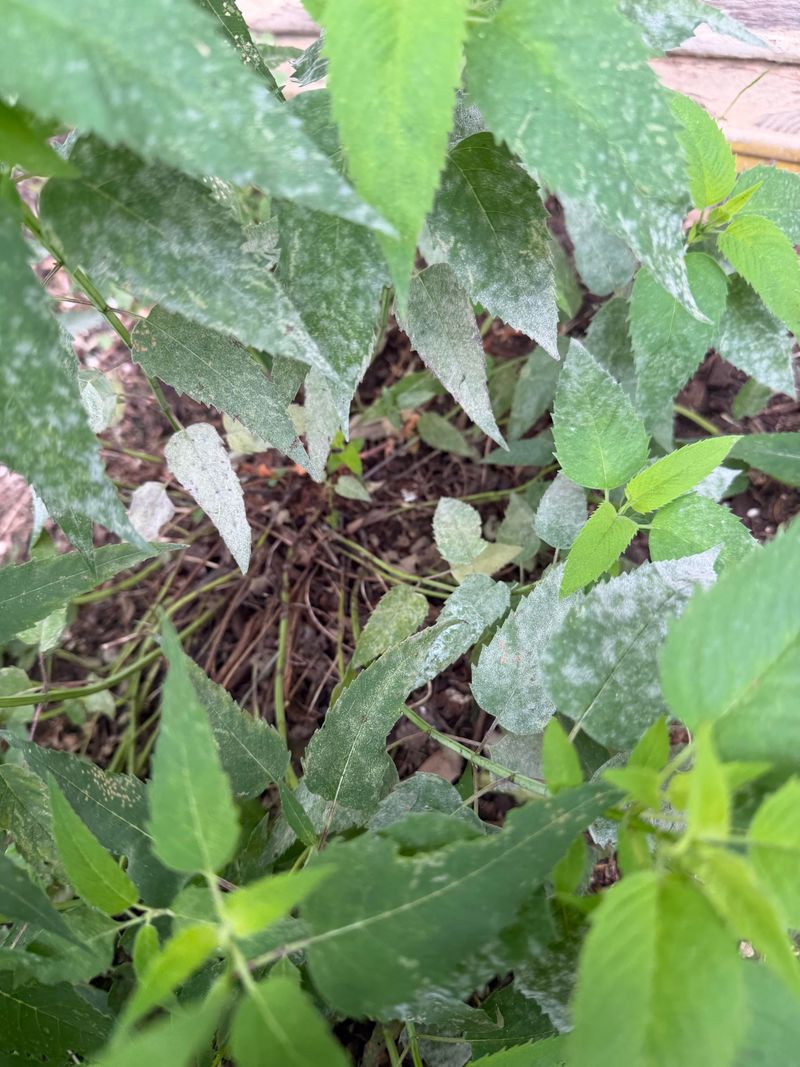
Tucked against a fence, surrounded by tall perennials, or nestled in a sheltered corner of a foundation bed, bee balm can end up in spots where the breeze barely reaches.
Low airflow is one of the more underappreciated reasons why powdery mildew spreads so quickly on Monarda once it gets started in a Michigan garden.
Good air circulation around plants helps carry away the humid air that clings to foliage and stem surfaces, which in turn makes conditions less hospitable for fungal spores.
When airflow is restricted, that moist layer of air stays put, and spores that land on leaves have more time to establish before conditions change.
The result is that powdery mildew can progress from a few small spots to a widespread gray coating in a surprisingly short stretch of time.
Gardens that are naturally open and breezy tend to have fewer problems with powdery mildew on bee balm than gardens with lots of structures, dense shrubs, or tall plants blocking air movement on multiple sides.
When planning or rearranging a pollinator garden in Michigan, thinking about airflow is just as useful as thinking about sunlight.
Spacing bee balm at least 18 to 24 inches from neighboring plants and avoiding locations directly against solid walls or fences helps keep air moving through the foliage.
Keeping surrounding perennials from growing so tall that they block the breeze is another small adjustment that can slow how quickly mildew takes hold by late summer.
5. Too Much Shade Can Make It Worse
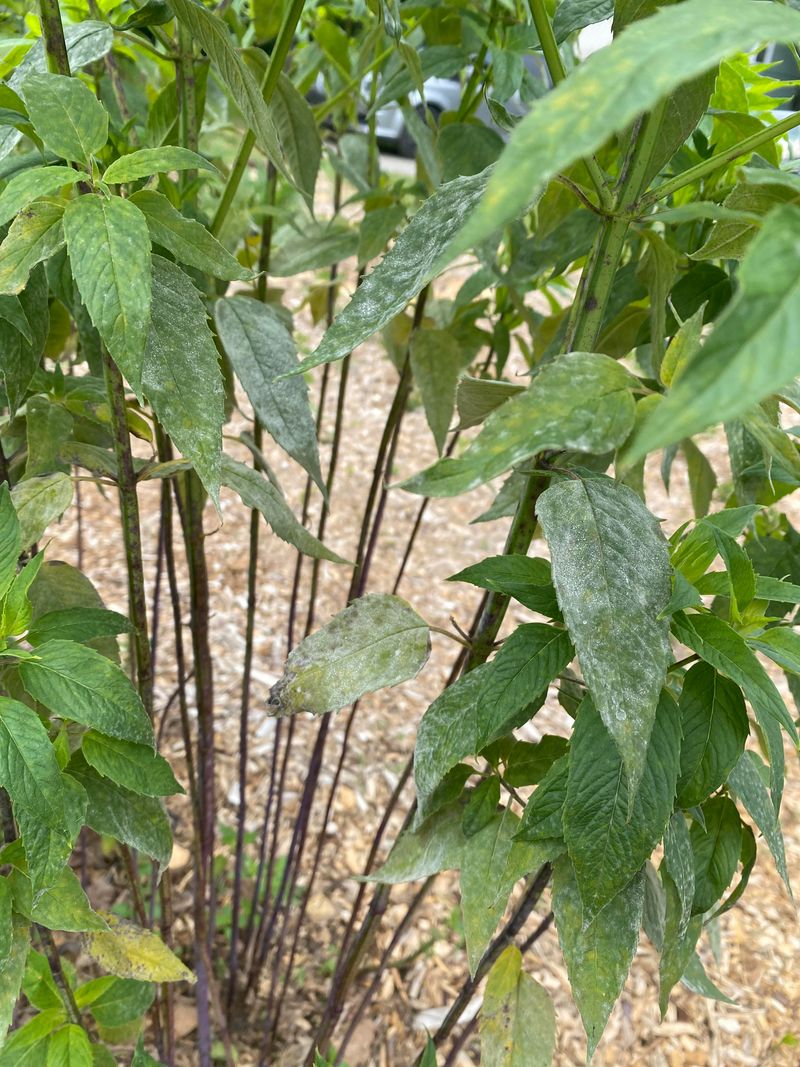
Shade is sometimes marketed as a bee balm benefit, since the plant can tolerate partial shade better than many other sun-loving perennials.
However, too much shade can quietly set the stage for powdery mildew, especially in Michigan gardens where late-summer humidity is already working against you.
Bee balm generally performs best with at least six hours of direct sun each day.
In spots that receive only two or three hours of filtered light, the foliage stays damp longer after rain or dew, the plant tends to produce softer and more vulnerable growth, and the reduced light means less air warming and drying around the leaves.
All of those factors can make shaded bee balm more prone to mildew than the same variety growing in a sunnier location just a few yards away.
In Michigan, tree canopies often expand and thicken over the years, gradually turning what was once a sunny perennial border into a partly shaded one.
Homeowners may not immediately connect that shift in light to the increasingly gray bee balm leaves they notice each August.
If your bee balm is growing under maples, oaks, or other large shade trees, the reduced sun combined with trapped humidity beneath the canopy can create conditions where mildew becomes an almost annual late-summer occurrence.
Moving bee balm to a sunnier spot, or selectively pruning overhead branches, may help reduce the problem over time.
6. Overhead Watering Can Add Humidity
Sprinklers and oscillating heads that spray water over the tops of plants can contribute to the humid leaf environment that powdery mildew tends to favor, particularly when watering happens in the evening or when leaves do not have enough time to dry before nightfall.
In Michigan gardens where bee balm is already dealing with muggy August air, adding overhead moisture to the equation can push conditions further in the wrong direction.
Powdery mildew is a bit different from many other fungal diseases in that it does not strictly require wet leaves to infect a plant.
Even so, consistently wet foliage and the elevated humidity that comes with overhead watering can still create conditions that support mildew development, especially on plants that are already susceptible.
Bee balm is one of those plants that seems to respond noticeably when both natural humidity and watering practices combine to keep moisture levels high around the leaves for extended periods.
Switching to drip irrigation or soaker hoses is one of the most commonly recommended adjustments for reducing foliar moisture on perennials like bee balm.
Watering at the base of the plant delivers moisture directly to the root zone without wetting the leaves at all.
If overhead watering is the only option available, watering in the early morning rather than the evening gives foliage a full day of sun and airflow to dry off before nighttime humidity settles back in around the planting.
7. Some Varieties Are More Susceptible
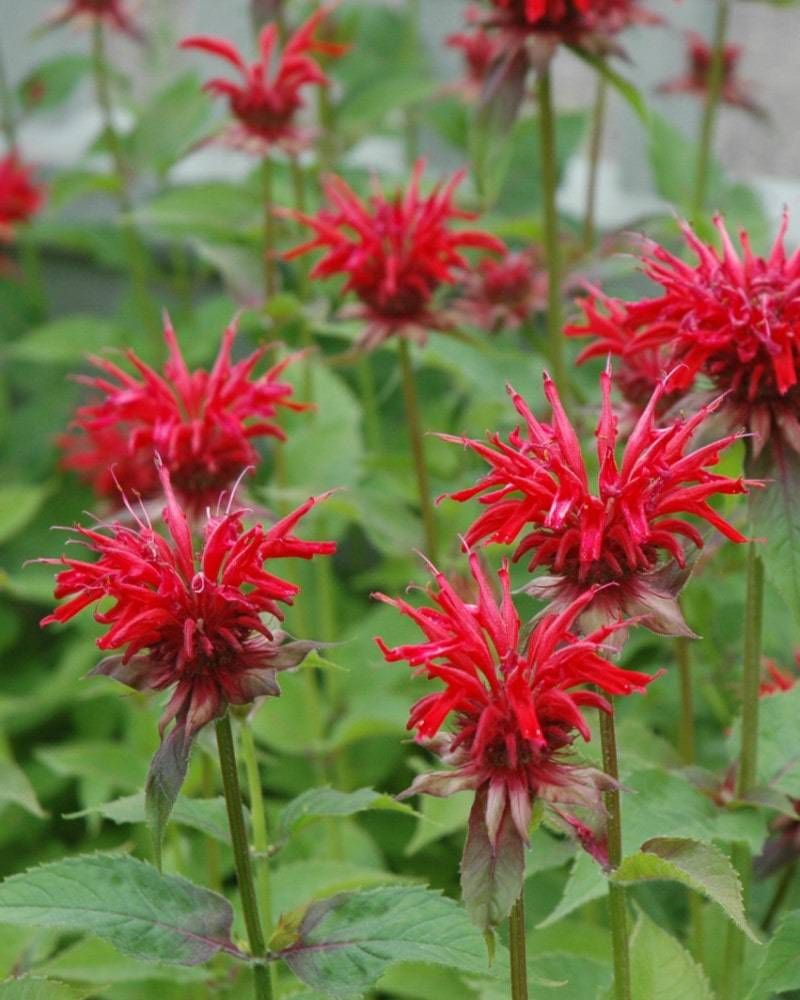
Not every bee balm plant responds the same way to Michigan’s late-summer humidity.
Some older or straight-species Monarda varieties are notably more prone to powdery mildew than others, and that difference can be dramatic enough to notice when two varieties are growing side by side in the same garden bed.
Plant breeders have worked for decades to develop Monarda cultivars with improved resistance to powdery mildew, and many of those varieties are now widely available at Michigan nurseries and garden centers.
Names like Jacob Cline, Raspberry Wine, Violet Queen, and Colrain Red are sometimes mentioned in the context of better mildew tolerance, though resistance levels can still vary depending on local conditions, plant age, and how the season unfolds.
No variety can be considered completely immune, but some hold up noticeably better than others when humidity climbs in August.
If you have been growing the same bee balm variety for many years and mildew is a consistent late-summer problem, swapping in a more resistant cultivar is worth considering.
Shopping at a local Michigan nursery and asking specifically about mildew resistance can help you find options that are well suited to your region.
Replacing highly susceptible plants does not eliminate the underlying conditions that encourage mildew, but starting with a less vulnerable variety can reduce how severe the gray leaf problem becomes each season.
8. Late-Season Cleanup May Be Needed
By late August or early September in Michigan, a badly mildewed clump of bee balm can look so gray and tired that it feels like the whole planting is past saving for the season.
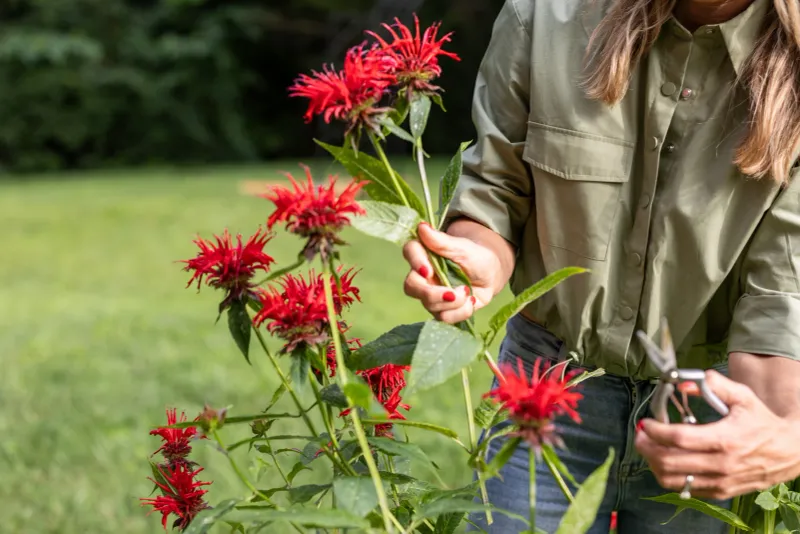
Cutting the affected stems back fairly hard is a common and practical response that many experienced gardeners rely on when mildew has spread widely across the foliage.
Cutting bee balm back to a few inches above the ground in late summer removes the mildew-coated tissue and can sometimes encourage a flush of fresh, clean basal growth before cold weather arrives.
The new leaves that emerge after a late-season cutback are often noticeably greener and healthier-looking than the gray stems that were removed.
That fresh growth will not produce flowers, but it can improve the overall appearance of the garden during the last warm weeks of the season.
Cleanup also plays a role in reducing the amount of fungal material left in the garden going into fall.
Removing heavily infected stems and disposing of them, rather than leaving them to break down in place or adding them to a home compost pile, can help reduce the spore load around your planting.
Combined with dividing crowded clumps in early spring, improving airflow, and considering a more resistant variety for future seasons, thoughtful late-summer cleanup is one part of a broader approach to managing bee balm mildew in Michigan gardens over the long term.