Missouri Oaks Are Dropping Acorns In Numbers That Only Happen Some Years
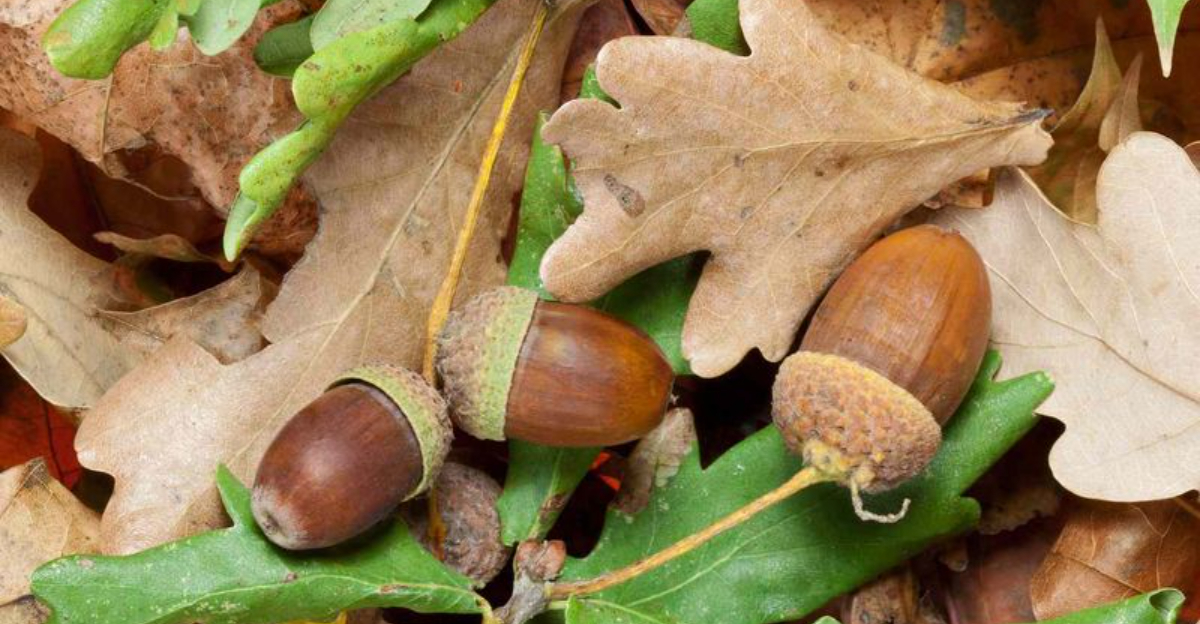
Missouri roofs took a beating this fall, and the sound will not let up. Acorns crack against shingles, bounce off windshields, and pile along fence lines faster than anyone can sweep them away.
Squirrels are acting strange too, darting across yards with cheeks stuffed full, burying more than they could possibly need before winter.
Some autumns the oaks barely drop a thing. This year they are letting go of everything at once, branch after branch, like the whole canopy timed it together.
A mix of weather from past seasons, hungry wildlife, and a survival trick trees have leaned on for generations explains why the ground won’t stop popping.
The Boom Years Behind Missouri’s Heavy Acorn Drop
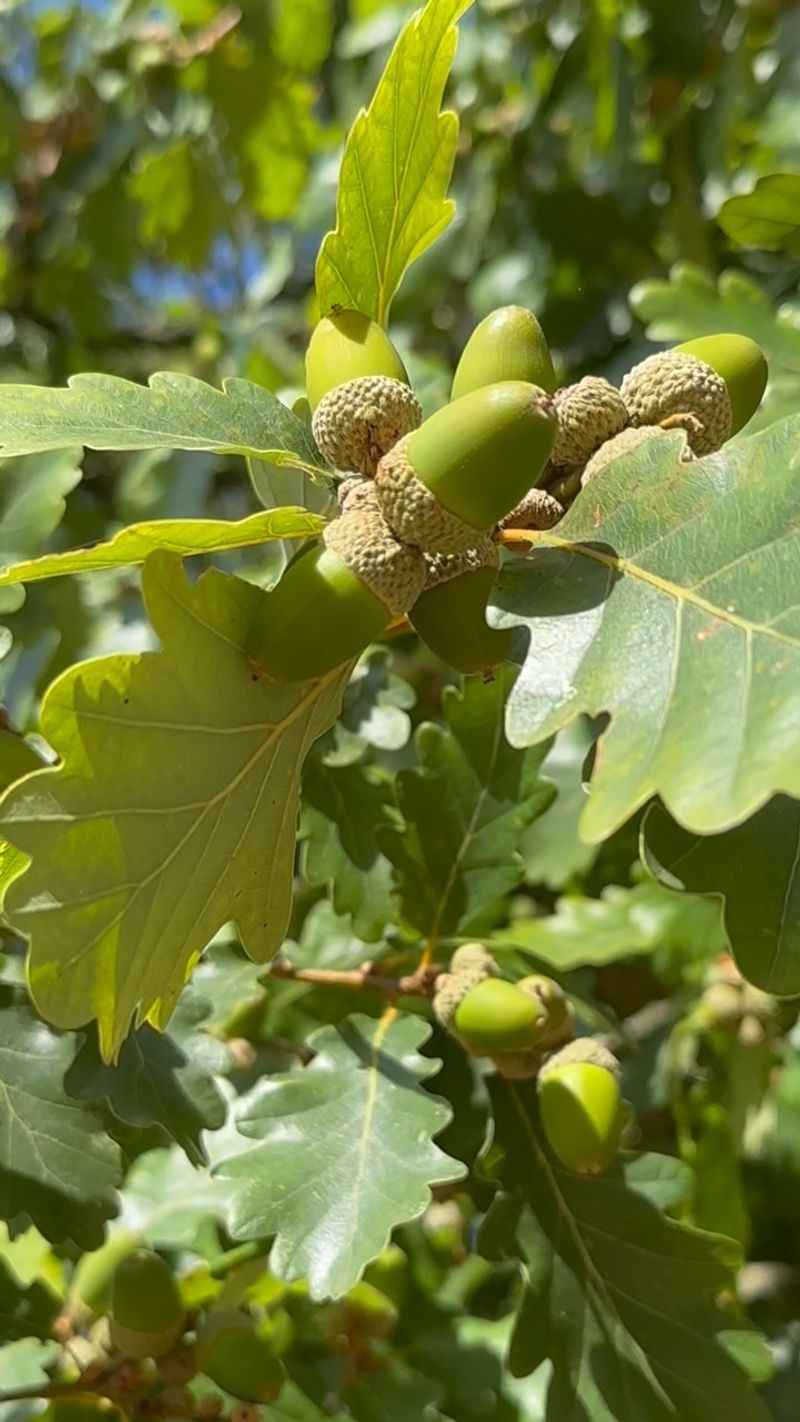
Foresters have a name for the heavy years: masting. It describes the way whole populations of oaks across a region produce enormous seed crops at roughly the same time, then take a break.
Missouri sits in a sweet spot for this behavior. The state has millions of acres of oak-hickory forest, and species like white oak, black oak, northern red oak, and post oak all follow their own rhythms.
When several species peak together, the ground can look paved. Landowners report raking acorns like leaves, and rural roads get slick with crushed shells.
The pattern is not random, though it can feel that way. A big crop takes an enormous amount of stored sugar and energy, so a tree cannot repeat the performance every single autumn.
After a bumper year, many oaks scale back and rebuild reserves in wood, roots, and leaves. That recovery period is why homeowners sometimes go two or three quiet seasons wondering if their tree gave up.
Most oak species produce a good acorn crop only about one year out of every three or four, and red oaks run on a slightly different clock since their acorns need two growing seasons to finish.
Understanding that cycle changes how you read your yard. A bare year under the branches usually means the tree is resting and gathering strength, not struggling.
Keep a simple note on your calendar each fall. Over a few years you will start predicting the loud autumns before your neighbors do.
Weather Patterns That Set The Stage Two Springs Ago
Blame the weather, but not this year’s weather. The acorns bouncing off your porch got their start during a spring that most people have already forgotten.
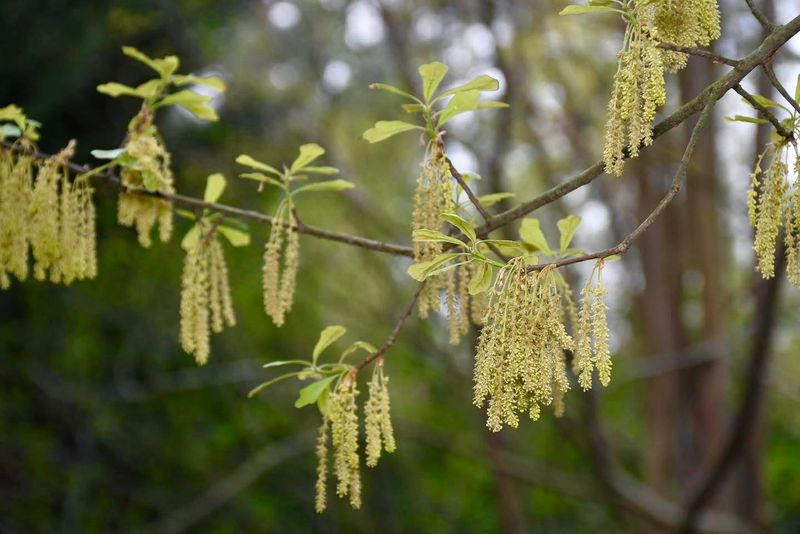
Oaks are wind pollinated, and they release clouds of pollen from long, dangling catkins in April and early May. Warm, dry, breezy days let that pollen travel freely between trees.
A cold snap or a stretch of steady rain during bloom washes pollen out of the air. Fewer flowers get pollinated, and the acorn crop shrinks before anyone notices.
Late frosts matter too. Missouri springs can swing from shirtsleeves to freezing in a weekend, and a hard frost after budbreak damages the tiny female flowers that would have become nuts.
Summer moisture then decides how many survive to maturity. Drought stress can cause an oak to shed developing acorns early, dropping small green ones in July that never fill out.
Your Missouri Garden Changes Every Week. Your Plan Should Too.
Gardening in Missouri changes quickly throughout the season. Every Friday you’ll receive a simple weekly plan showing exactly what to plant, prune, fertilize, harvest, and protect so you never miss the right timing.
Red oaks make the timeline even longer. Their acorns take about fifteen months, so this year’s harvest reflects pollination from last spring, plus a summer of rainfall.
String together one perfect pollination spring and two decent growing seasons across a wide region, and you get the kind of year Missourians talk about at the feed store.
For anyone tracking their own trees, jot down spring conditions along with fall totals. The connection becomes obvious surprisingly fast, and it makes you feel like you have a small window into how the forest plans ahead.
The Survival Logic Of Flooding The Forest Floor
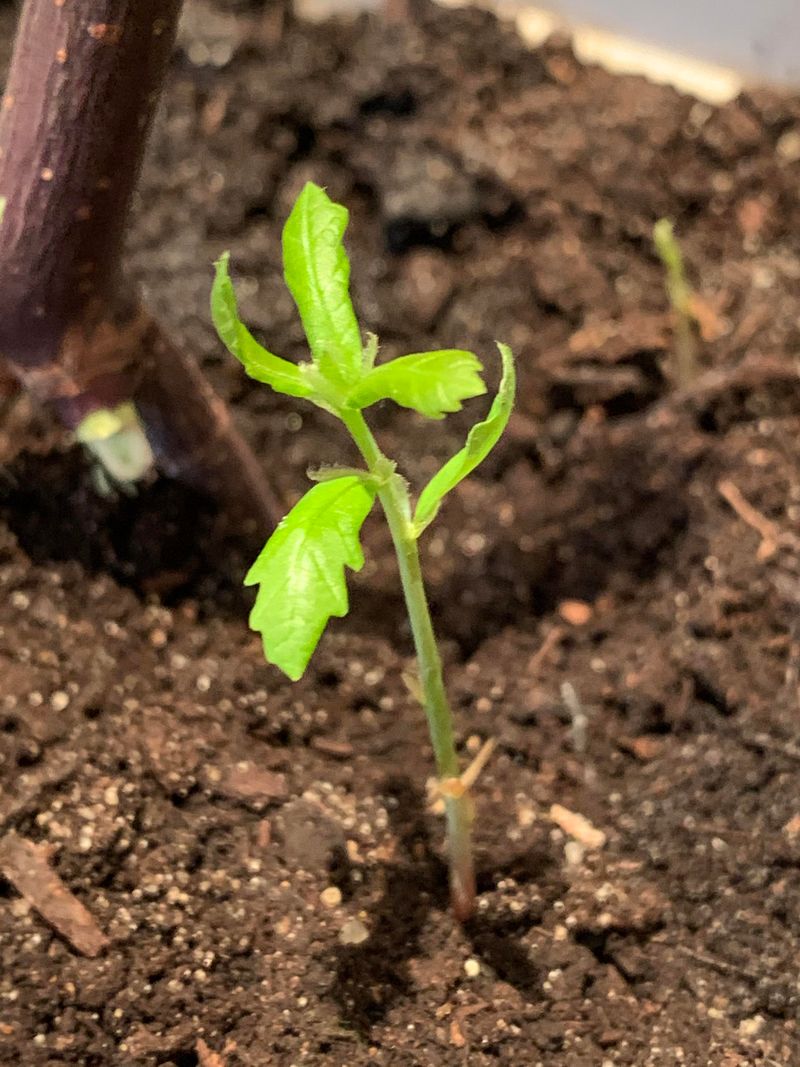
There is a strategy hiding in all that mess. Squirrels, deer, wild turkeys, blue jays, black bears, and wood ducks all treat acorns as a favorite food, and in an average year they eat nearly every one.
Oaks answer with overwhelming numbers. By producing far more acorns than local wildlife can possibly consume, a few nuts slip through and get the chance to sprout.
Scientists call it predator satiation, which is a fancy way of saying the animals simply fill up. Blue jays help too, carrying acorns hundreds of yards away and caching them in soil where forgotten ones become seedlings.
The lean years play a role as well. When crops stay small for a season or two, seed-eating animal populations dip, so the next big drop faces less competition.
Timing it together across a whole region multiplies the effect. If one tree went big alone, every squirrel in the county would show up for the buffet.
Wildlife watchers in Missouri notice the ripple effects immediately. Heavy mast years mean fatter deer heading into winter, more turkey poults surviving, and squirrel numbers climbing the following summer.
Hunters have long used mast reports to pick their spots, since deer shift away from crop fields when white oak acorns are plentiful. The sweeter, lower-tannin white oak nuts get eaten first, while bitter red oak acorns linger into late winter.
Watching that whole chain unfold in your own woods is one of the more satisfying parts of a loud autumn.
Common Assumptions Homeowners Get Wrong About Big Drop Years
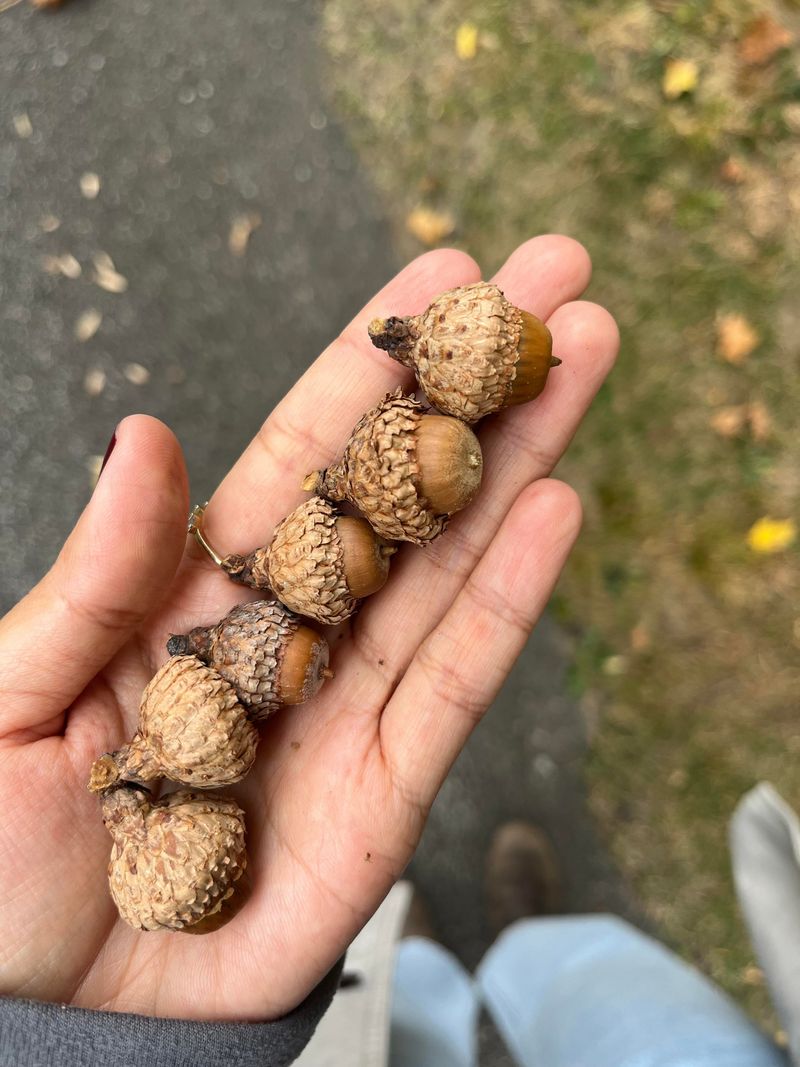
Every heavy autumn, tree services in Missouri field the same worried phone calls. Folks assume a giant acorn crop means their oak is stressed, sick, or making one last desperate effort.
The opposite is usually closer to the truth. It takes a healthy, well-established tree with plenty of stored energy to build tens of thousands of nuts in a single season.
Another myth blames fertilizer or lawn treatments. Feeding an oak nitrogen will not trigger a mast year, because the trigger comes from regional weather and the tree’s internal cycle.
Some people worry the drop signals a coming hard winter. Old folklore says heavy acorns predict deep snow, but the crop reflects past springs rather than future forecasts.
There is a real concern worth taking seriously, though. If a big acorn year arrives alongside thinning leaves, decayed branch tips, or early browning, the combination can point to drought damage or root problems that deserve a look from an arborist.
Do not panic if your tree seems to skip the next couple of years either. A quiet oak is often a recovering oak, not a failing one.
Watch for oak leaf blister, jumping oak gall, and bacterial leaf scorch as separate issues with their own symptoms. None of them are caused by a heavy nut crop.
Judging tree health means looking up at the canopy, not down at the driveway. The acorns are just this year’s chapter in a much longer story.
Practical Cleanup And Yard Care During An Acorn Deluge
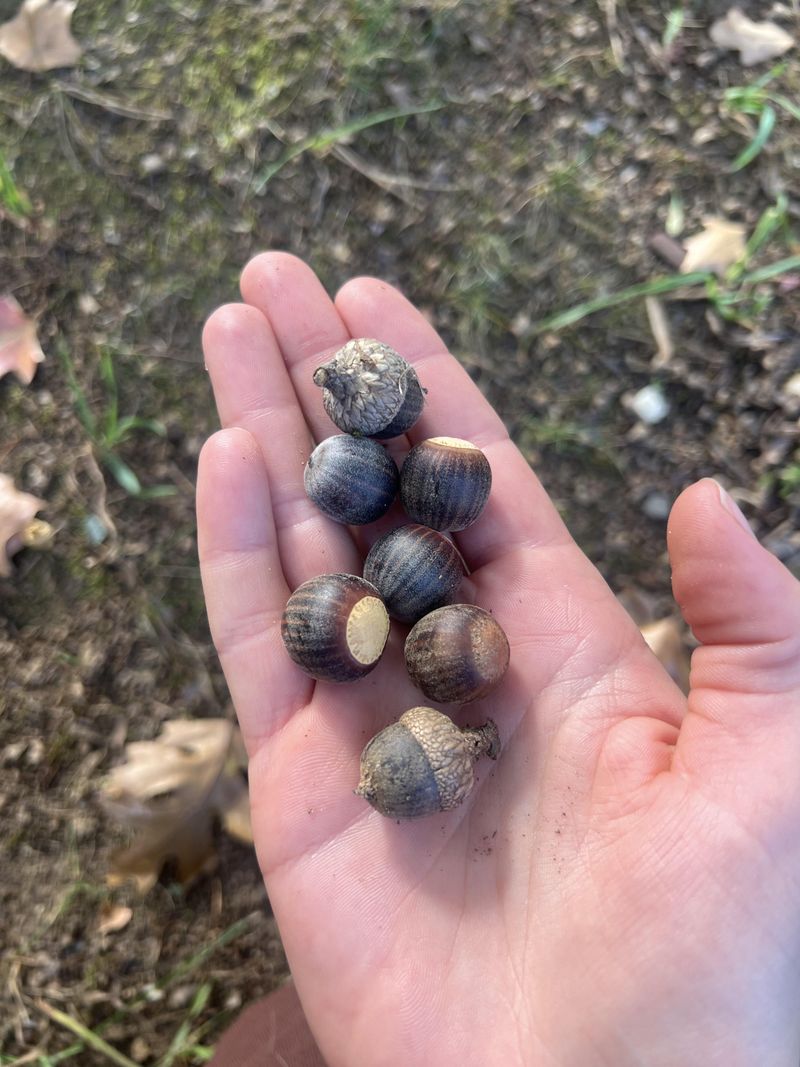
Sooner or later the novelty wears off and the shoveling begins. Thick layers of acorns on a lawn smother grass, roll underfoot on steps, and shoot out from under mower blades like tiny cannonballs.
A rolling nut gatherer, sometimes called a nut wizard, handles the job faster than a rake. Push it across the lawn and the wire basket picks up nuts while leaving grass behind.
Leaf blowers work well on hard surfaces. Blow acorns into a pile on the driveway, then scoop them with a flat shovel into a wheelbarrow or bucket.
Mulching mowers can chop lighter scatterings right into the turf, where the pieces break down and feed the soil. Save that trick for thin layers, since heavy piles jam the deck.
Gutters deserve a check in big years too. Acorns and caps clog downspouts quickly, and a plugged spout can send water straight against your foundation during a Missouri thunderstorm.
Watch walkways closely if anyone in the house has balance trouble. A sprinkling of round nuts on concrete acts a lot like marbles.
Collected acorns have uses beyond the trash bin. Add them to a compost pile in thin layers, spread them at the back of the property for wildlife, or share with a neighbor who raises hogs or keeps chickens.
Dogs are another reason to stay on top of cleanup. Acorns contain tannins that upset canine stomachs, so keep piles away from spots where pets like to nose around.
Turning A Bumper Crop Into Next Year’s Oak Seedlings
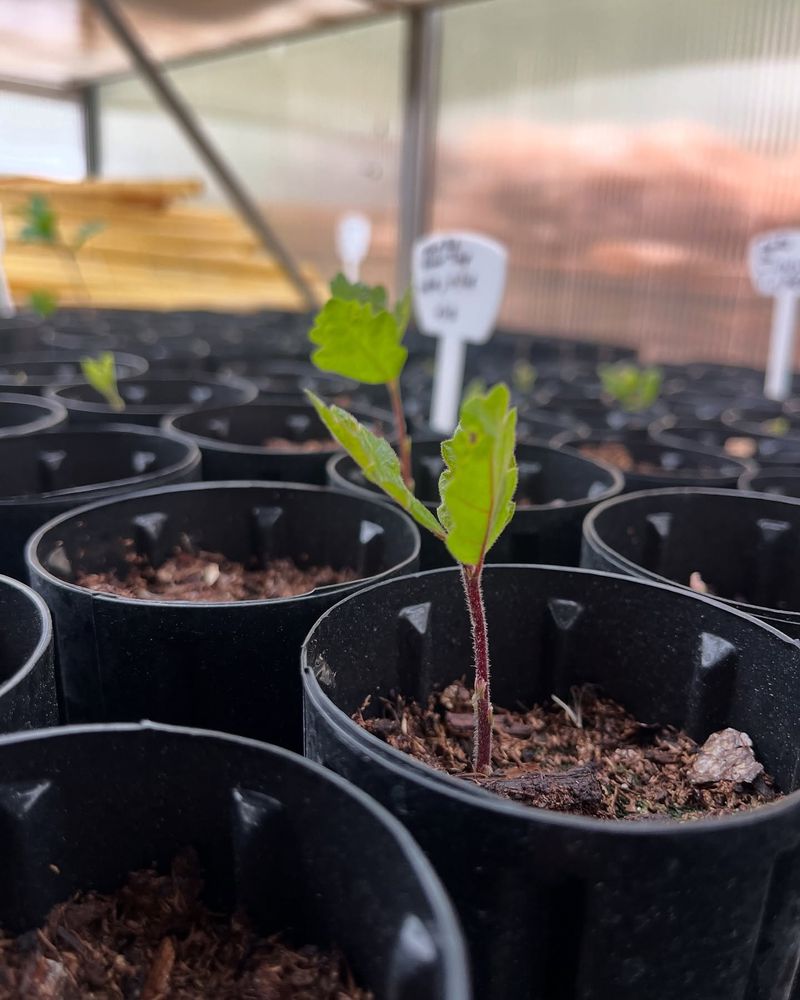
Here is the fun part. Out of all those nuts underfoot, a handful can become the shade tree somebody enjoys fifty years from now.
Start with the float test. Drop acorns in a bucket of water, toss the ones that float or show pinholes from weevils, and keep the heavy sinkers that sit on the bottom.
White oak acorns want to get going right away. Plant them in fall about an inch deep, and many will push out a root before winter even sets in.
Red and black oak acorns need chilling first. Store them in a bag with damp peat or sawdust in the refrigerator for a couple of months, then plant in spring.
Protection matters more than anything else. Cover planting spots with hardware cloth or use tall pots off the ground, because squirrels find buried acorns with impressive accuracy.
Deep containers beat shallow ones. Oak seedlings send down a long taproot early, so a tree tube or a tall nursery pot keeps that root growing straight.
The Missouri Department of Conservation also runs a seedling nursery and sometimes accepts collected seed, which is worth a call if you gather more than you can plant.
Give young oaks room, water during their first two summers, and keep mulch a few inches off the trunk. Growth looks slow at first while roots take hold, then the top shoots up and the whole waiting game suddenly feels worthwhile.