Why Pennsylvania Lawns Turn Brown In Late Summer (And What Actually Revives Them)
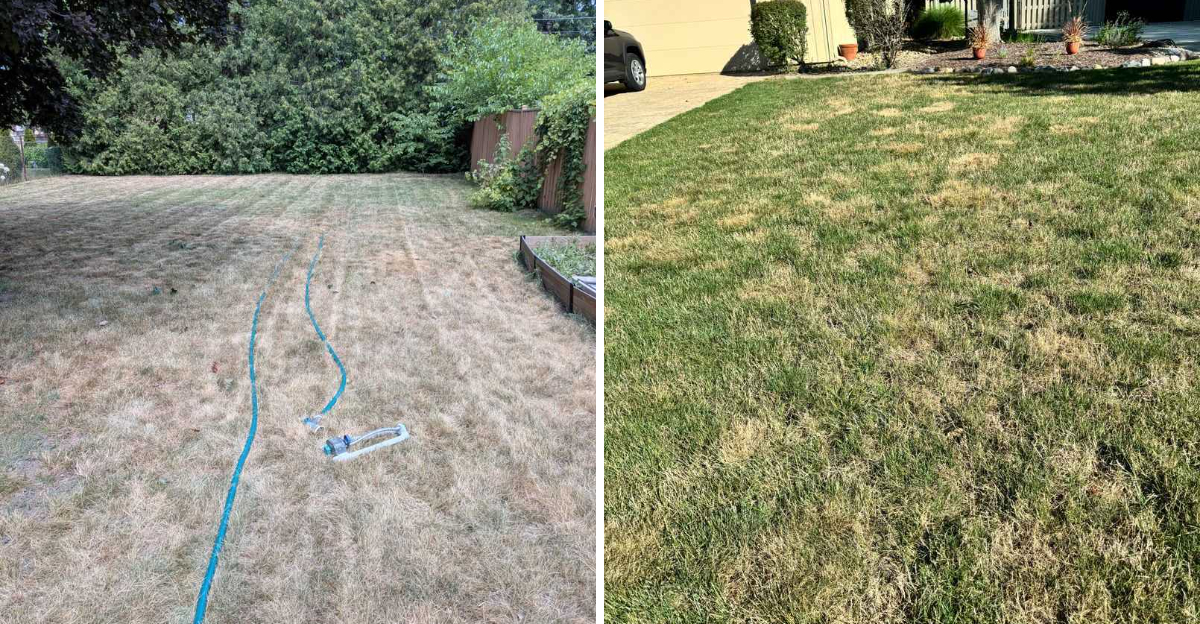
You looked out the window in August and the lawn had gone tan.
Crunchy underfoot. No green anywhere except a strip that gets afternoon shade.
The instinct is to do something about it immediately. Water every evening, spread fertilizer, maybe cut it short to tidy things up.
Every one of those responses can make the situation worse.
Here’s what most Pennsylvania homeowners don’t realize about their grass.
Cool-season lawns are built to shut down when summer gets hard. That browning is a deliberate move rather than a failure.
The plant pulls resources into a growing point near the soil and waits. Leaves go tan while something important stays alive underneath.
So the real question isn’t how to fix a brown lawn. It’s whether yours is dormant or actually damaged, and that takes about thirty seconds to check.
Curious which one you’ve got?
Meet The Grass That Naturally Shuts Down
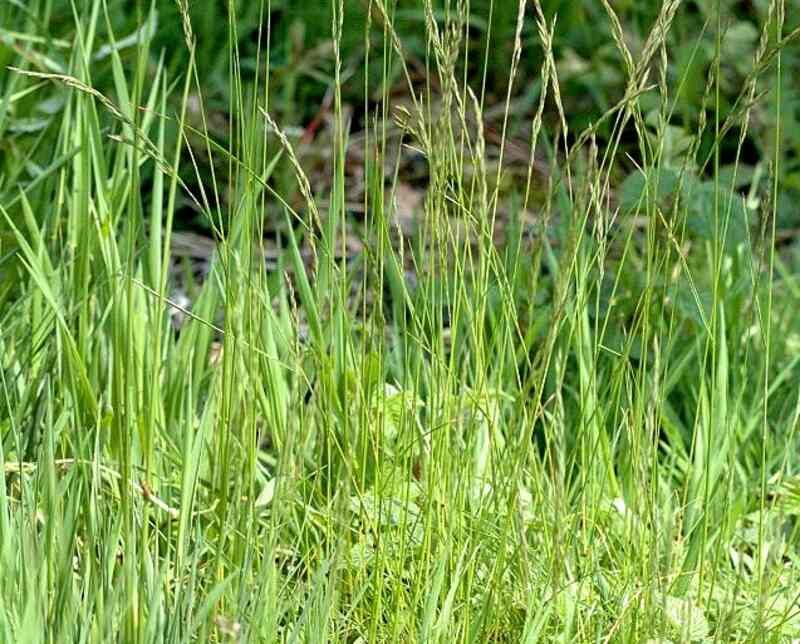
Most Pennsylvania lawns consist of cool-season grasses, and they perform best in spring and fall rather than August heat. Kentucky bluegrass, tall fescue, perennial ryegrass, and fine fescue all prefer milder temperatures.
Steadier moisture suits them too. Once heat arrives and rain gets scarce, these grasses slow down deliberately.
That slowdown is called drought dormancy. Rather than pouring energy into fresh blades, the plant protects its growing point near the soil surface.
That growing point is the crown, and it matters more than anything visible. Leaves lose color while the crown stays viable.
This is a built-in survival response rather than a sign the lawn is finished. Recovery odds stay reasonable through a normal dry stretch.
Kentucky bluegrass typically goes fully tan fastest. Tall fescue often holds color longer because its roots reach deeper moisture.
Fine fescues conserve water well and still struggle during extended dry spells. Species differences show up clearly in a mixed lawn.
Knowing what you have is genuinely useful. A brown Pennsylvania yard in late summer usually reflects normal cool-season behavior.
Grass is being cautious rather than failing. Cooler nights and returning moisture bring most lawns back without dramatic intervention.
Drought Triggers A Protective Survival Mode
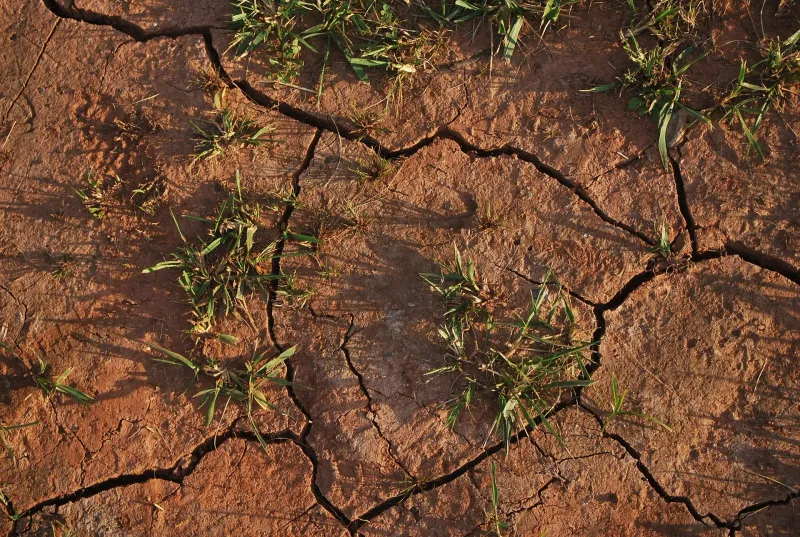
Heat waves do more than fade the color. Inside the plant, a dry spell pushes grass to conserve whatever moisture it can access.
As soil dries and temperatures climb, growth slows and photosynthesis drops. The plant stops sending resources into tender new leaves.
Blades show it first. They roll, wilt, then fade from green to dull gray-green before turning tan.
Below that visible layer, the crown usually stays alive and firm. That’s why dormant lawns recover once rain returns.
Cool-season turf can often remain dormant for roughly three to six weeks without lasting injury. Protected crowns are the key variable.
That window is the plant’s safety margin. Beyond it, conditions matter considerably more.
Longer stretches of severe drought push parts of a lawn past dormancy into real damage. Compacted soil and heavy traffic both accelerate that.
Shade patterns matter too. Areas under trees compete for water and often brown first.
Your Pennsylvania Garden Changes Every Week. Your Plan Should Too.
Gardening in Pennsylvania changes quickly throughout the season. Every Friday you’ll receive a simple weekly plan showing exactly what to plant, prune, fertilize, harvest, and protect so you never miss the right timing.
Roots change during stress as well. The plant isn’t investing in top growth, which is why the yard looks stalled.
Brown lawn in late summer functions as a shield rather than a surrender. That understanding points toward two reasonable paths.
Keep dormancy going gently, or water consistently enough to bring the lawn back. Both work, and switching between them doesn’t.
Brown Does Not Always Mean Gone
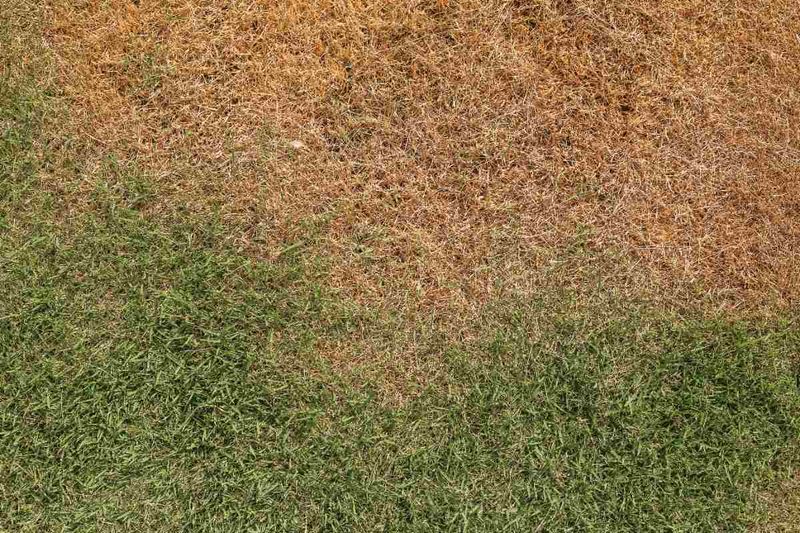
The biggest late-summer lawn myth holds that brown means gone permanently. Dormant grass looks bleak while remaining entirely viable.
Appearances mislead people every August. Checking beats guessing.
A tug test helps immediately. Grab a small handful of brown blades and pull gently upward.
Dormant grass stays anchored because crown and roots hold firm. Grass slipping out easily suggests real damage.
Next, part the turf and look at soil level. Healthy crowns appear pale, firm, and intact even when blades above are crispy.
Crowns that feel mushy or hollow across a whole patch indicate something more serious. Prolonged drought, disease, grubs, or a combination all produce that.
Color patterns offer additional clues. Uniform browning across a sunny yard usually matches drought dormancy.
Odd circles, expanding patches, and areas lifting like loose carpet deserve closer inspection. Those patterns point elsewhere.
Timing helps too. Browning that arrived gradually through a dry stretch reads differently than damage appearing over a few days.
Smart lawn care starts with diagnosis rather than reaction. A quick hands-and-knees check saves money and unnecessary effort.
Common Mistakes Make Stress Worse Not Better
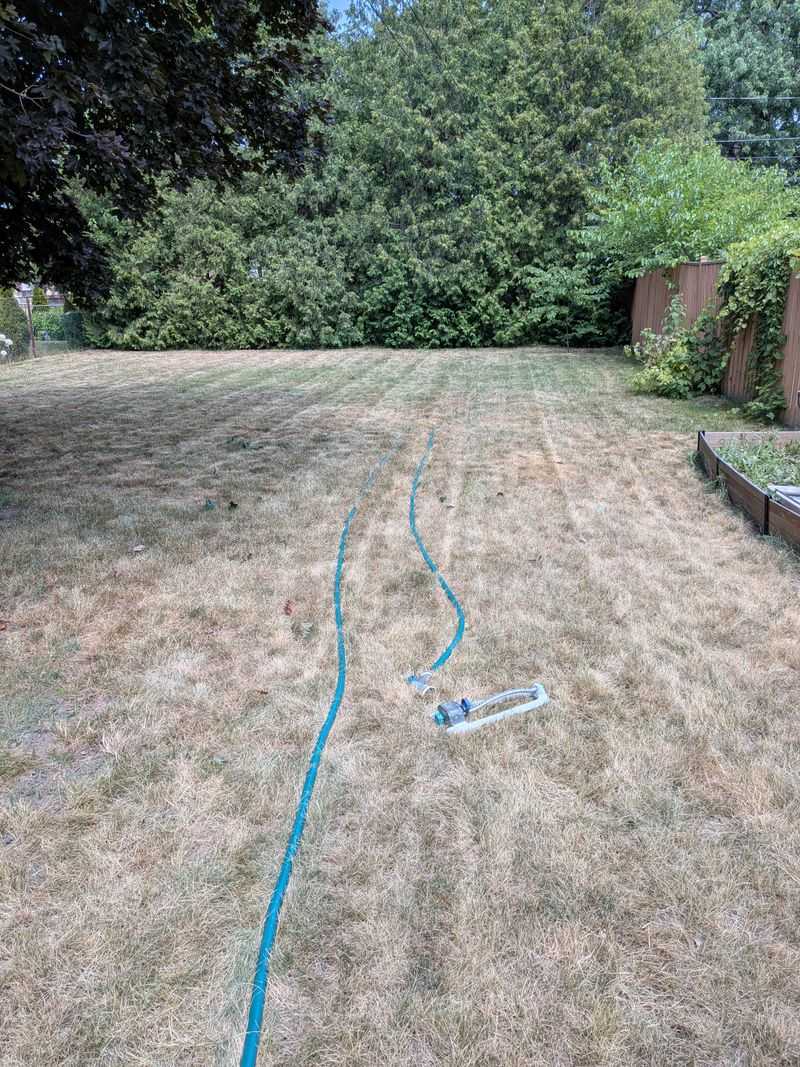
Good intentions damage lawns quickly during late-summer drought. Fertilizing dormant grass because the yard looks hungry tops the list.
Feeding a shut-down lawn stresses the crown. Hot dry conditions also raise the risk of fertilizer burn considerably.
Scalping causes its own problems. Cutting grass short removes leaf area the plant needs for cooling and recovery.
Short turf exposes crowns to more heat. It also opens soil to sun, which accelerates moisture loss.
The daily sprinkle habit creates a different issue. Light watering every evening wets only the top layer of soil.
Shallow rooting follows from that pattern. Grass trained on small amounts becomes dependent on frequent watering.
Evening irrigation leaves blades damp overnight too. That timing favors disease in humid Pennsylvania weather.
Heavy foot traffic adds one more problem. Repeated play, mowing, or parking on dormant turf wears down crowns.
Dormant grass can’t repair damage the way actively growing grass does. Wear shows up as thin spots later.
Herbicide applications deserve mention as well. Most products work poorly on dormant grass and can injure stressed turf.
The best recovery often starts by stopping habits that quietly worsen the situation.
Deep Infrequent Watering Beats Daily Sips
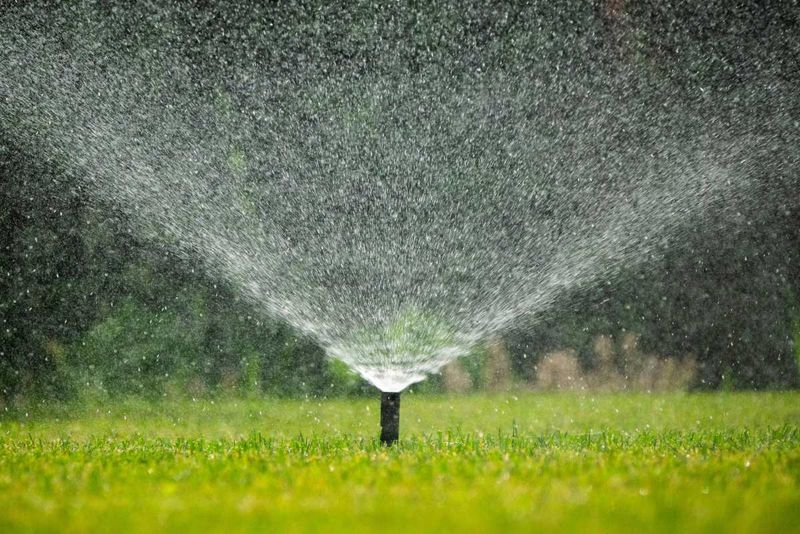
A thirsty lawn doesn’t improve from a quick splash every day. Cool-season turf recovers when water reaches deeper into the root zone.
Barely dampening the surface accomplishes very little. Depth matters more than frequency.
Two honest choices exist here. Let the lawn stay dormant with minimal water, or commit to enough deep watering to keep it growing.
Switching between them repeatedly is the approach that causes trouble. Consistency beats improvisation.
For active recovery, aim for roughly one to one and a half inches per week from rain and irrigation combined. Apply that in deeper less frequent sessions.
Early morning works best, since less water evaporates and blades dry sooner. That timing also reduces disease pressure.
A tuna can or straight-sided container measures what your sprinkler actually delivers. Most people are surprised by the number.
Choosing dormancy means avoiding random sprinkling entirely. Limited water helps crowns survive extended dry periods.
Roughly a quarter inch every two or three weeks supports crown survival without starting growth. Half-awake grass ends up more stressed than consistently dormant grass.
Clay-heavy Pennsylvania soils may need shorter cycles repeated the same morning to avoid runoff. Sandy areas need water more often.
Depth and consistency are the point rather than daily attention.
Raise Your Mower To Protect The Crown
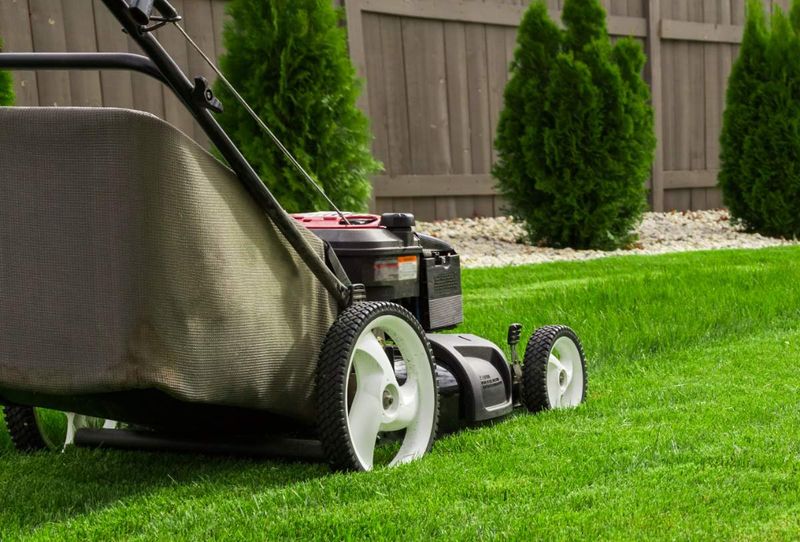
One notch on the mower makes more difference than most people expect. Taller grass shades soil and slows evaporation during hot dry weather.
That extra blade length also protects the crown from additional heat. Small change, real effect.
Recommendations for cool-season lawns commonly favor higher mowing, often around three to four inches. Grass type and site conditions shift that somewhat.
Kentucky bluegrass and tall fescue both handle summer stress better when not cut short. Taller blades support deeper rooting over time.
The one-third rule matters here too. Never remove more than a third of the leaf blade in a single mowing.
Taking too much at once shocks the plant and weakens energy reserves. It also exposes pale lower tissue to direct sun.
Sharp blades affect the outcome as well. Ragged cuts fray leaf tips and make turf look more faded than it is.
Dull blades also create wounds that invite disease. Sharpening once or twice a season handles it.
Mow less often when growth slows, and skip mowing entirely when the lawn is severely stressed. Dormant grass isn’t growing anyway.
Mowing on dry stressed turf compacts soil and damages crowns. Waiting costs nothing.
A slightly taller lawn looks less manicured and handles Pennsylvania Augusts considerably better.
Fall Fertilizing Fuels The Real Comeback
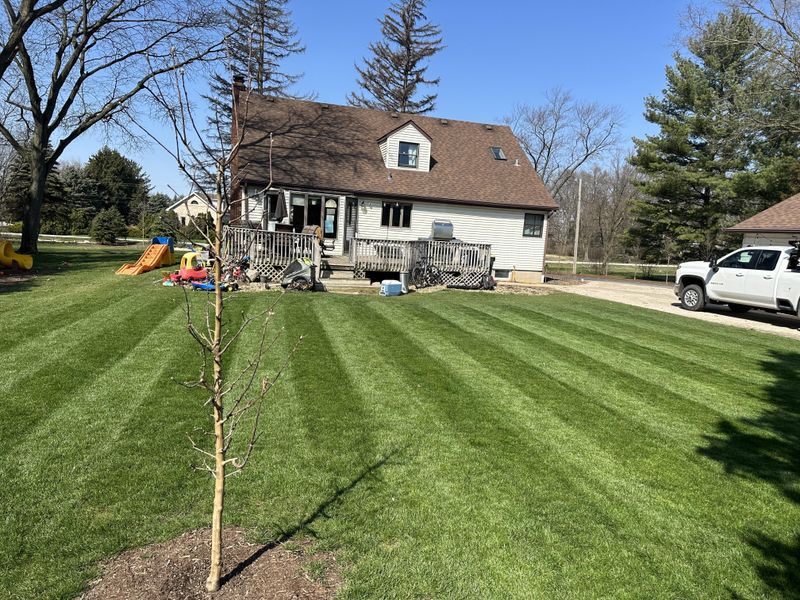
September is usually when a tired Pennsylvania lawn catches its second wind. Cooler nights return and soil moisture generally improves.
Cool-season grasses shift back into active growth then. That timing explains why fall fertilization matters more than August panic feeding.
Once the lawn resumes growing, properly timed fertilizer rebuilds energy reserves and strengthens roots. Turf thickens before winter arrives.
Fall is widely treated as the most important feeding season for cool-season lawns. Nutrients get used efficiently when temperatures favor growth.
Timing carries real weight. Fertilizer applied to fully dormant grass during intense heat is a poor bet.
Waiting for active growth lets the plant actually use what you applied. Stressed crowns don’t benefit from nutrients they can’t process.
Early fall pairs well with overseeding thin areas. Summer weed competition eases around the same time.
Soil temperature stays warm enough for germination while air cools. That combination suits new seedlings well.
Water after application if the product label specifies it. Guessing on spreader settings creates its own problems.
Excess fertilizer causes trouble beyond wasted money. Runoff and burn both follow overapplication.
A sensible fall feeding supports the strongest genuine comeback of the year without performing miracles overnight.
Rule Out Disease Before Blaming The Heat
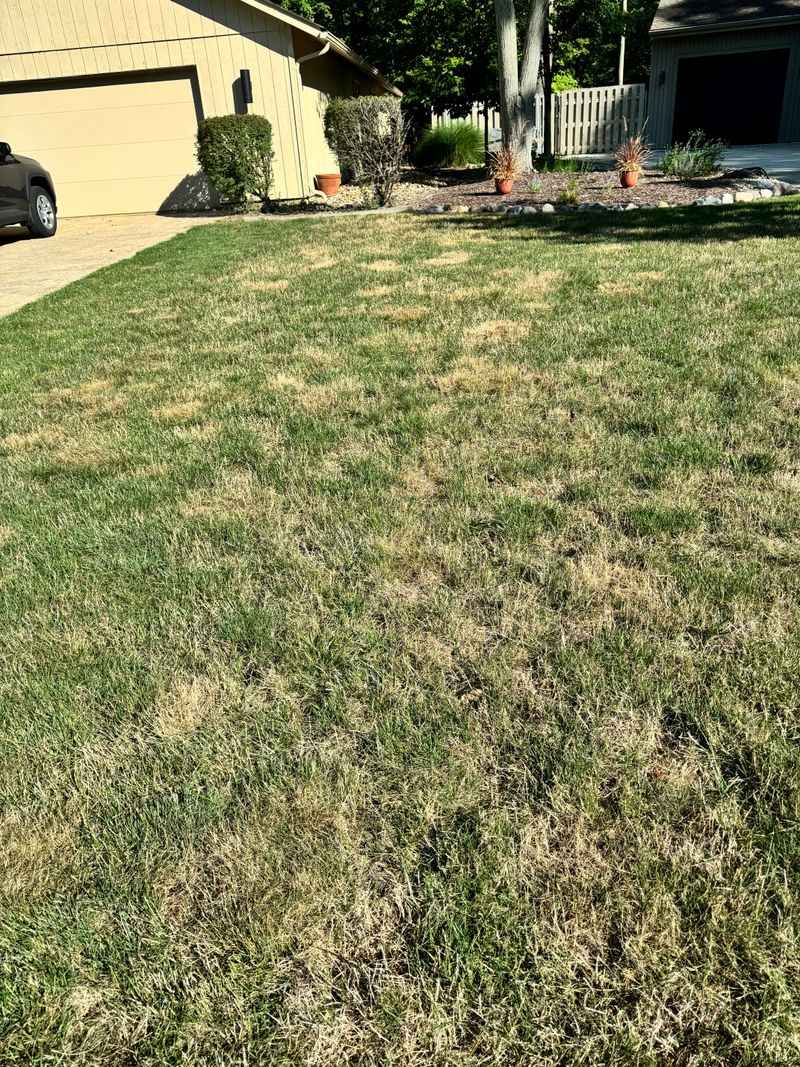
Not every brown patch comes from heat and thirst. Late summer brings problems that closely mimic drought stress.
Brown patch disease and grub injury both cause browning. Treating everything as dormancy wastes time while real issues spread.
Pattern tells you the most. Drought dormancy appears fairly evenly across broad sunny areas after a dry stretch.
Disease forms distinct circles, smoke-ring edges, or irregular patches that expand. Movement over days is the giveaway.
Brown patch favors warm humid weather, particularly where lawns receive evening irrigation and heavy nitrogen. Those two practices increase risk substantially.
Grub damage leaves different evidence. Turf feels loose underfoot and pulls up like rumpled carpet because roots have been consumed.
Birds, skunks, or raccoons tearing at the lawn suggest grub feeding below. Animals find them before homeowners do.
Dormant grass stays attached since crowns and roots hold together. That distinction settles most questions.
Check crown condition, root presence, patch shape, and recent weather together. One clue rarely explains everything.
Severe or confusing symptoms warrant a call to a local extension office. Diagnostic labs handle samples for a modest fee.
Recovery depends on treating the actual problem rather than the most visible symptom.