What To Do With North Carolina Canna Rhizomes Before The First Hard Freeze
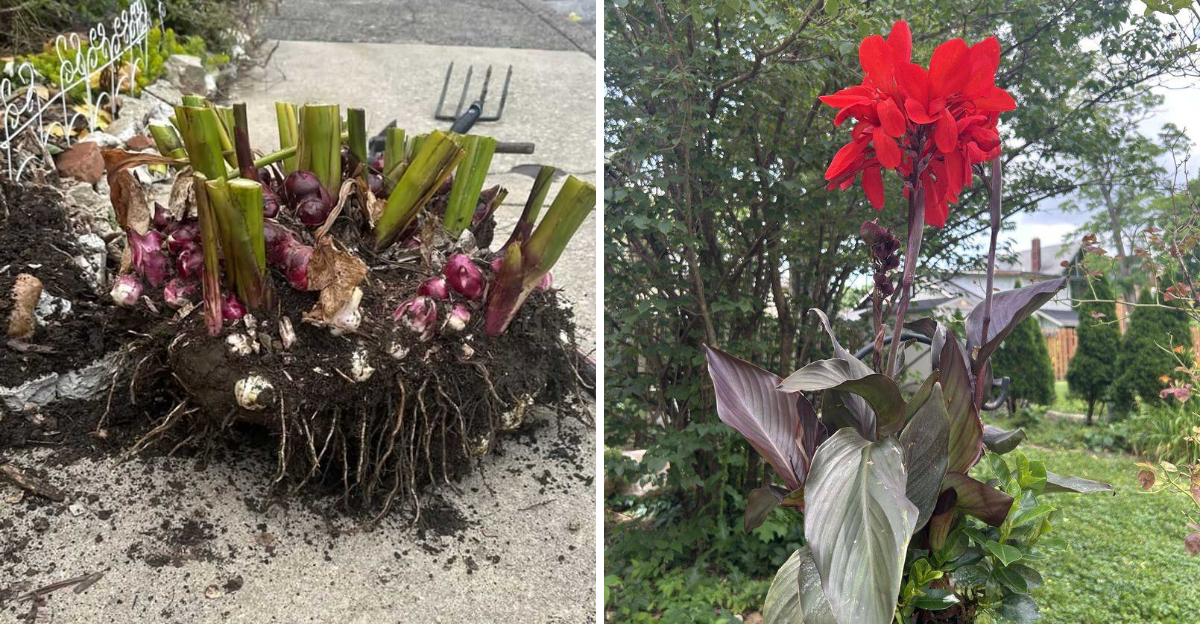
Your cannas are still blooming and the forecast just mentioned frost.
That combination feels like a problem. The plant looks great, nothing has gone wrong, and now the season is about to end abruptly.
Here’s the part that matters though: what happens above ground is nearly finished either way.
Below the soil sits the actual asset. Thick fleshy rhizomes holding everything the plant needs to come back, provided they make it through winter intact.
North Carolina complicates the decision, since the answer genuinely depends on your county. Coastal gardens handle winter differently than mountain ones.
Some gardeners can leave them in place under mulch. Others need to dig.
Getting the timing right matters more than the technique, and one common instinct actually costs you stored energy.
Curious what your cannas need before the cold arrives?
1. Cut Back Foliage After A Light Frost
That first chilly morning functions as a signal in the garden. Canna leaves usually look lush until a light frost turns the tops limp or blackened.
In North Carolina, that damage is generally your cue to cut back foliage, particularly when digging is the plan.
Waiting for frost serves a purpose beyond convenience. The plant finishes moving energy down into the rhizomes during those final weeks, so cutting green tops early costs you some of that stored food.
Cutting back after frost damage, then lifting and storing rhizomes in colder parts of the state, matches standard guidance.
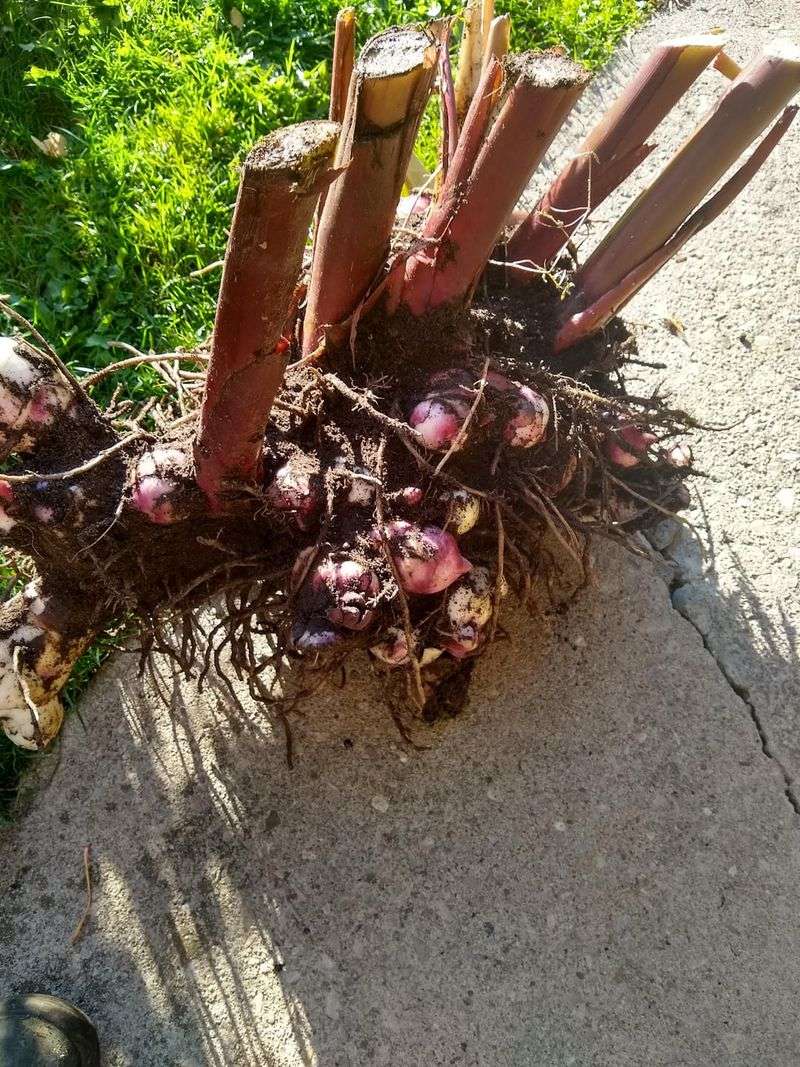
Use clean pruners and trim stalks to a short stub, roughly a few inches above soil level.
Leaving that small piece of stem attached makes the clump considerably easier to handle when digging.
Mushy or spotted leaves belong in the trash rather than a compost pile, since home piles rarely reach temperatures that handle problems.
Coastal plain gardeners sometimes leave cannas in place under heavy mulch. Even there, browned foliage should come off to reduce mess and remove declining tissue.
Piedmont and mountain gardens generally need the full process. Cutting back after light frost is the first practical step before lifting rhizomes ahead of a hard freeze.
Timing varies by year, so watching the forecast beats following a calendar date.
2. Dig Rhizomes Before The Ground Freezes
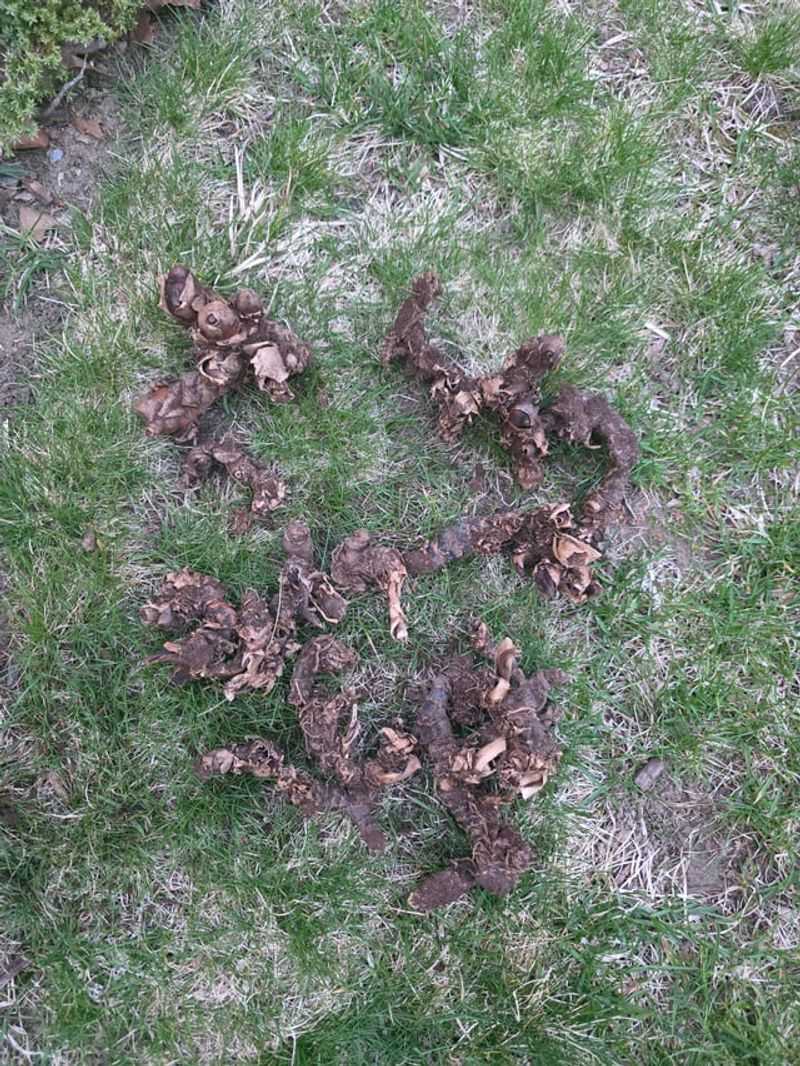
Once the tops come off, the real work begins underground. A hard freeze can damage exposed crowns, and cold wet soil creates a risky environment across much of inland North Carolina.
Mountain and piedmont gardeners in particular should act before the ground turns hard.
A garden fork works better than a shovel here, since it’s less likely to slice through the clump.
Start several inches away from the stems and loosen soil all around before lifting. Slow wide digging matters because canna rhizomes spread outward and snap when you pry too close.
Lift each clump with both hands where possible and keep pieces together until you can inspect them somewhere dry.
Fresh breaks invite rot during storage, so careful handling pays off across the whole winter.
A nicked rhizome should be set aside and watched closely through curing and periodic checks.
Your North Carolina Garden Changes Every Week. Your Plan Should Too.
Gardening in North Carolina changes quickly throughout the season. Every Friday you’ll receive a simple weekly plan showing exactly what to plant, prune, fertilize, harvest, and protect so you never miss the right timing.
Timing in North Carolina isn’t a single date statewide. Coastal gardeners have real flexibility and sometimes overwinter cannas in place under thick mulch.
Colder regions generally require digging.
Several nights of deep cold following a light frost is the clear signal to get rhizomes out.
Frozen soil and winter wet cause more losses than the cold snap itself does.
3. Shake Off Excess Soil Gently
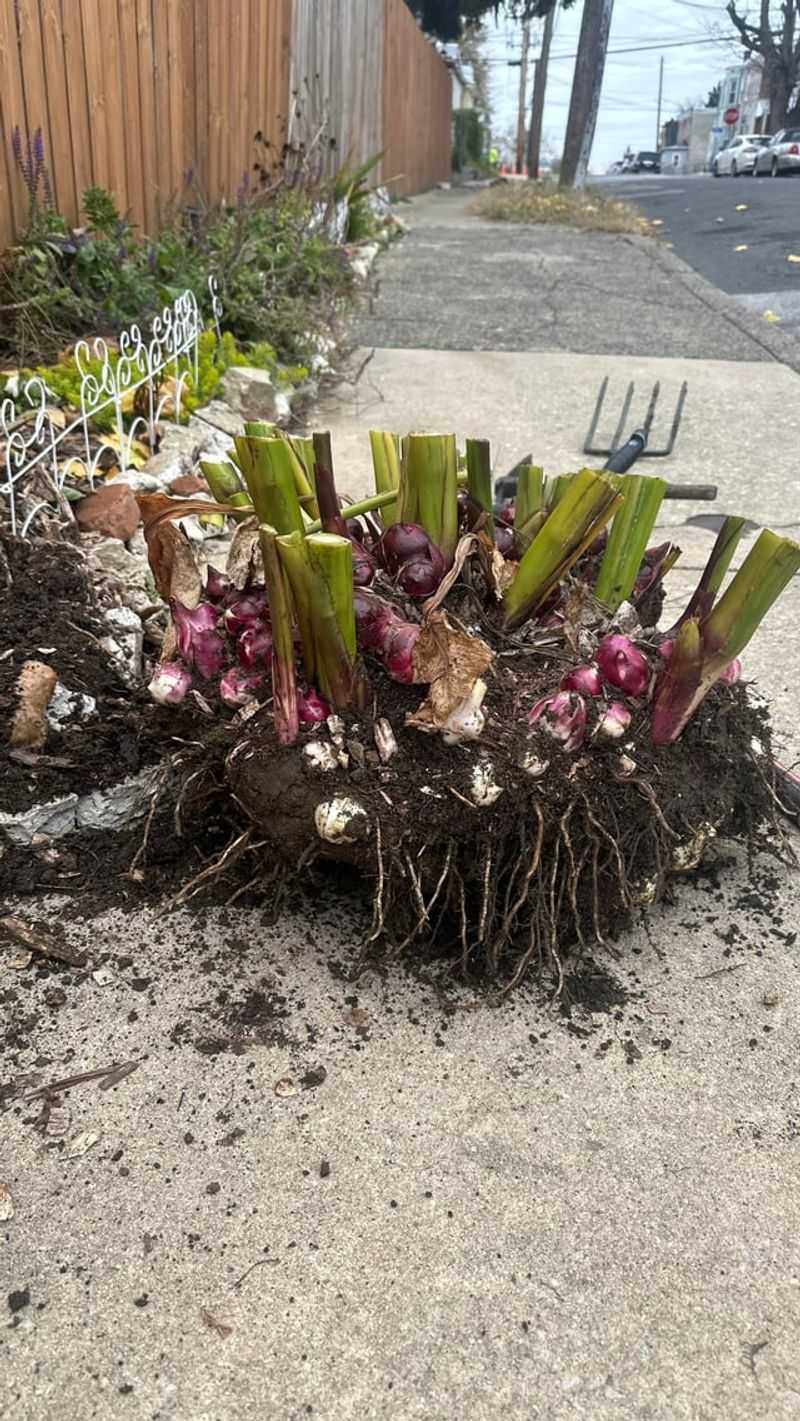
Freshly dug canna clumps come up carrying a substantial amount of soil. The temptation is to bang them against a shovel or knock the dirt loose forcefully.
That rough treatment bruises rhizomes in ways that show up later during storage.
Hold the clump over a tarp, crate, or wheelbarrow and shake off loose soil with light movements.
Use your hands to crumble stubborn dirt from around the roots rather than scraping with a sharp tool.
Leaving a little soil attached is often better than washing everything perfectly clean, since extra moisture slows drying and encourages rot.
Avoid pulling clumps apart immediately unless pieces already separated naturally. Connected clumps cure more easily without damage.
Division works better in spring anyway, when you can see emerging growth points and choose divisions accordingly.
Soft spots, sour smells, and dark mushy areas all warrant removal with a clean knife rather than storage.
Soil type affects the difficulty. Heavy piedmont clay clings considerably more than sandy coastal soil, so patience matters more in some counties.
When finished, rhizomes should look mostly clean, feel solid, and retain their protective skin.
That intact skin is what gives them a real chance through winter without drying out or rotting.
4. Cure Rhizomes In A Dry Spot
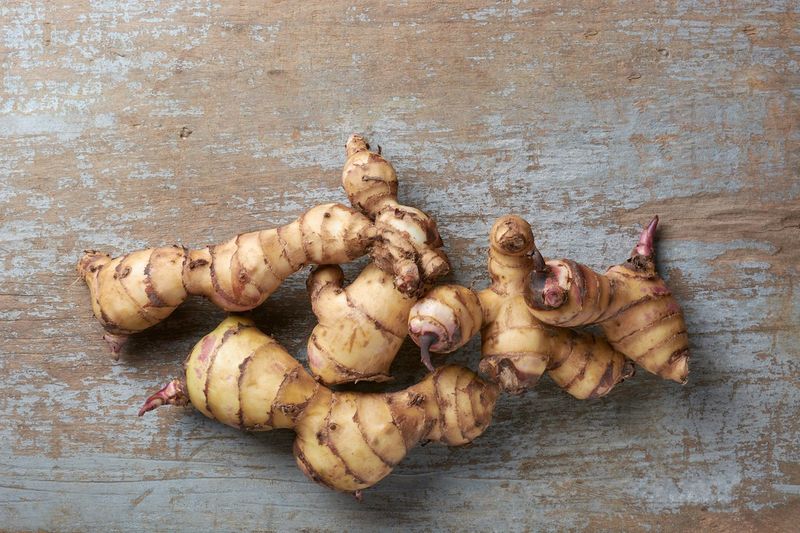
Curing works as a short resting period before storage begins. Rhizomes fresh from the ground carry surface moisture, and damp skin invites rot once packed away.
A dry location with good air movement gives them time to firm up after digging.
Spread the clumps in a single layer on newspaper, cardboard, or a slatted tray. Keep them out of direct sun and away from rain, since heat and moisture both cause problems at this stage.
A garage, shed, or covered porch works when temperatures stay above freezing and air circulates. Drying or curing before long storage is standard practice for canna rhizomes.
Several days usually suffices, though timing varies with humidity and how wet the soil was at digging. The goal is drying the outer surface enough to reduce rot risk without letting the rhizome shrivel.
North Carolina fall humidity can extend that timeline, so checking rather than counting days works better. During curing, inspect again and remove damaged pieces missed earlier.
Labels help considerably if you grow more than one variety and want colors sorted for spring. Rhizomes ready for storage feel dry rather than sticky, and cut stems look sealed instead of juicy.
5. Store In Peat Or Vermiculite
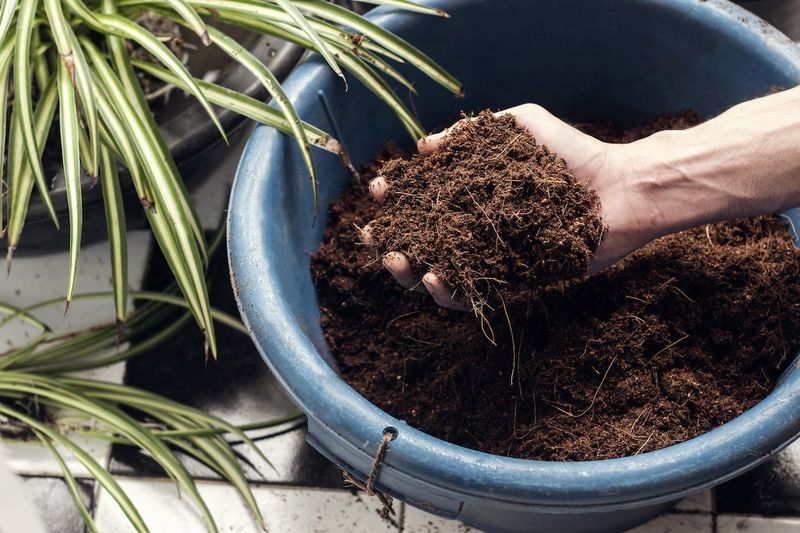
Packing is the step that determines spring success more than any other. Canna rhizomes store best cushioned in material that balances moisture rather than trapping it.
Peat moss and vermiculite both work well, keeping rhizomes from drying too fast while allowing some airflow.
Line a box, crate, or paper bag with dry packing material, then nestle rhizomes so they aren’t jammed together.
Cover them lightly, leaving space around each piece rather than creating one dense pile.
Sealed plastic containers cause problems unless you’re confident moisture won’t accumulate, since trapped humidity encourages mold.
Dusty dry peat is generally better than damp peat. The target is slightly dry medium rather than anything freshly watered.
Vermiculite handles similarly and stays cleaner and lighter, which some gardeners prefer.
Wood shavings and sawdust also work if that’s what you have available.
Label each container with variety and date. That habit prevents confusion and reminds you which boxes to check first.
Cardboard boxes breathe better than plastic bins, which matters more than the specific medium you choose.
The broad rule holds regardless of material. Keep cured rhizomes in loose dry medium that slows moisture loss without creating the dampness that causes rot.
6. Keep Them Cool But Frost Free
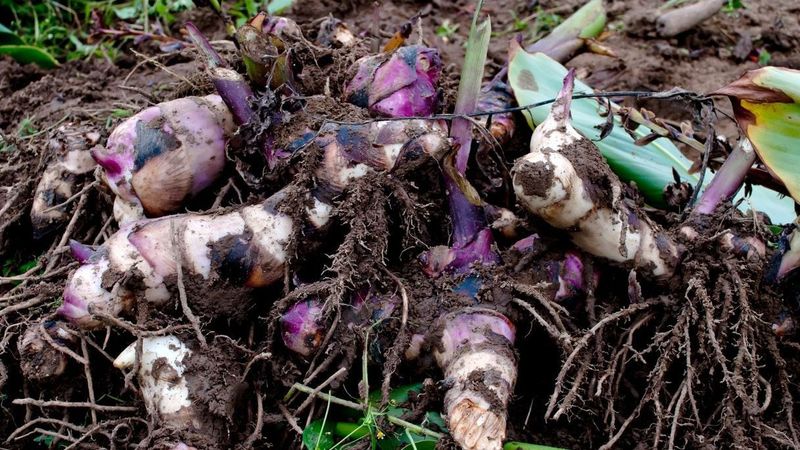
Winter storage amounts to finding rhizomes a stable place to rest. Too warm and they sprout early or dry out faster.
Too cold and freezing damages the tissue that needs to grow in spring.
Cool and frost free is the target range. Common guidance points toward roughly 40 to 50 degrees for stored rhizomes.
Basements, unheated interior rooms, attached garages, and insulated sheds all work when they stay above freezing without swinging between warm afternoons and cold nights.
North Carolina weather makes that harder than it sounds. A mild week followed by a sharp cold snap catches people off guard regularly.
A storage thermometer removes the guesswork entirely and costs very little.
The space should feel cool and steady rather than damp or heated.
Avoid setting boxes directly against an outside wall where temperatures drop first during a cold night.
Elevating containers on a shelf or pallet adds protection and improves airflow underneath.
Coastal gardeners may rely on outdoor mulch through mild winters, and stored rhizomes in colder regions still need cool dry frost-free conditions.
Stability matters more than hitting an exact temperature. Steady conditions treat rhizomes better than constant fluctuation does.
Crawl spaces sometimes work well, since they stay cool without freezing in most of the state.
7. Check On Them Through The Winter
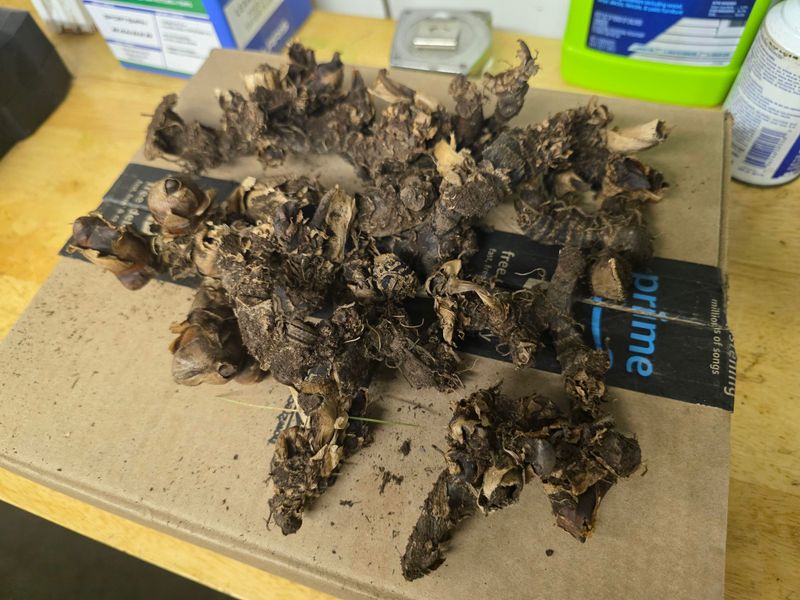
Stored rhizomes are easy to forget until spring, and a quick check saves entire batches.
Problems start small. A little rot, some surface mold, or excessive drying all spread when nobody notices for weeks.
Plan to inspect boxes every few weeks through winter.
Pick up several rhizomes and look for firm texture, intact skin, and no sour smell.
Any piece turned soft or black should come out immediately before it affects neighbors.
Shriveling requires a different response than rot. Badly wrinkled rhizomes are losing moisture, which means packing material is too dry or storage is too warm.
Adjust conditions carefully rather than soaking the rhizomes, since added moisture creates a new problem quickly.
Surface mold suggests poor airflow or overly damp medium. Spreading rhizomes out briefly, discarding failing pieces, and refreshing the material addresses it.
Early sprouting happens sometimes when storage runs warm. Moving boxes somewhere cooler slows that down.
By late winter you’ll have a clear picture of what survived and which setup worked in your part of the state.
Notes on that outcome improve next year’s approach more than memory will.
8. Replant Once Soil Warms In Spring
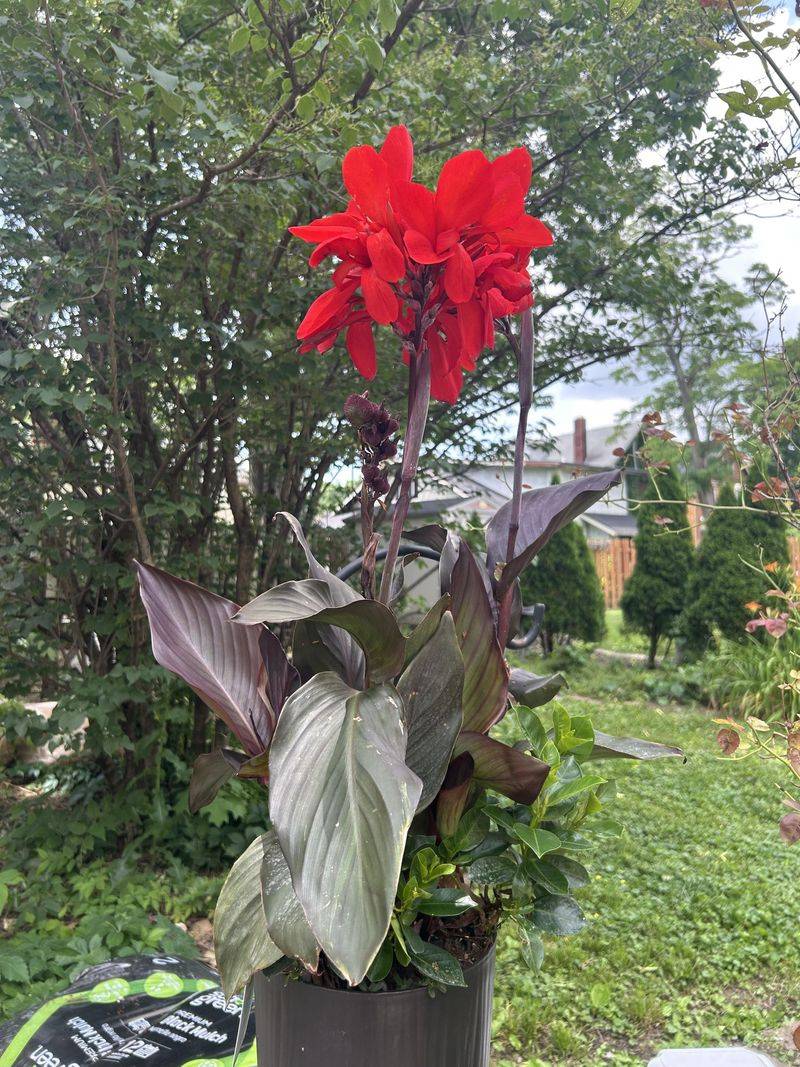
The whole storage effort pays off in spring, and timing that planting matters.
Cannas want warm soil, so waiting until after the last frost date and until soil reaches around 60 degrees produces better results than rushing.
Mid to late April suits most of the piedmont, while mountain gardeners generally wait into May.
Coastal gardens can plant earlier.
Division makes sense now rather than in fall. Emerging growth points are visible, which lets you cut sections with at least one or two eyes each.
A clean sharp knife works, and larger divisions establish faster than small ones.
Plant rhizomes horizontally about four to six inches deep with eyes facing upward.
Space them a foot or two apart depending on the variety, since some cannas reach six feet or more.
Cannas want sun, rich soil, and consistent moisture, which makes them heavy feeders compared with most bulbs.
Working compost into the bed before planting supports the growth they produce through summer.
Starting rhizomes in pots indoors a few weeks early gives you a head start in colder counties.
Water well after planting, then keep soil moist as shoots emerge.
Growth appears slowly at first, then accelerates once heat arrives.