Stop Making This Basil Harvesting Mistake In North Carolina Before Fall
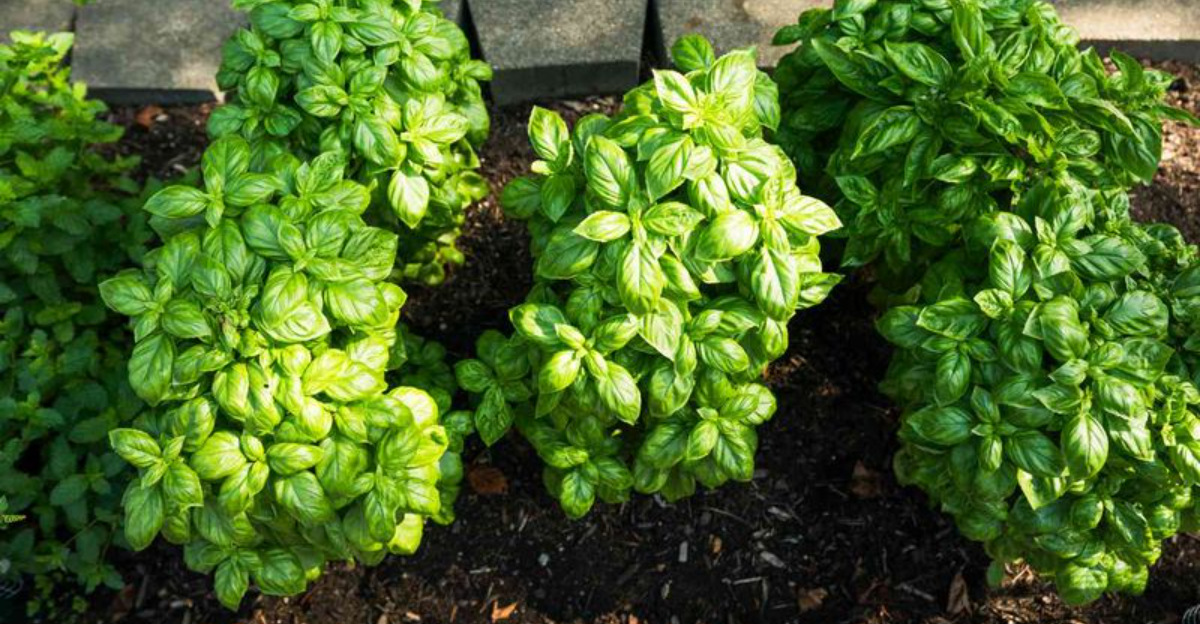
Basil is one of the most rewarding herbs to grow in North Carolina, but how it’s harvested late in the season can make or break its final weeks of production.
Many gardeners fall into a habit that seems harmless at first but ends up cutting the plant’s productivity short right when it should still be thriving.
Basil responds directly to how it’s cut, and small missteps can trigger early flowering, slower regrowth, or a noticeable drop in leaf quality.
Since basil is sensitive to both handling and temperature, mistakes made now carry more weight than they would earlier in summer.
With the growing season winding down, there’s limited time to correct course if this habit continues.
Here’s what North Carolina gardeners should stop making now, and what to do instead to keep basil productive through the last weeks of the season.
1. Do Not Wait Until Basil Is In Full Flower
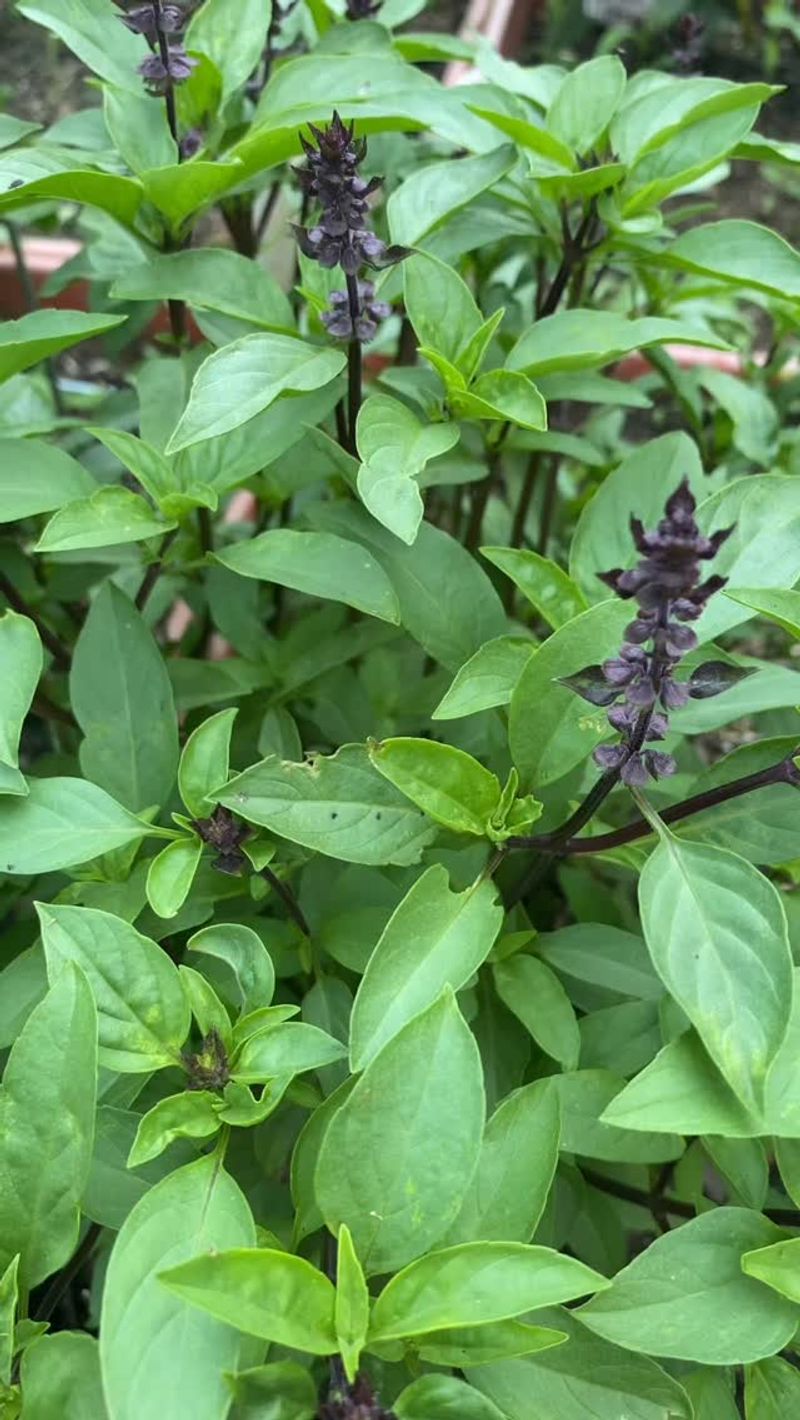
Waiting too long is the mistake most gardeners make. Once basil puts all its energy into blooming, the leaves stop coming in fast and their flavor starts to fade.
When basil is grown for its leaves, full flowers signal a shift in the plant. Instead of building lots of soft, tasty foliage, the plant works on making seeds.
As the plant shifts toward flowering and seed production, leaf growth slows and the flavor and aroma of the foliage can change.
NC State Extension points out that herbs like basil are best picked before they reach full bloom. Leaves harvested during the flowering stage often taste bitter or weak compared to leaves picked earlier.
You might also notice the plant slows down and stops pushing out new growth the way it did in early summer.
Here in North Carolina, warm weather can rush basil toward flowering faster than you expect. One busy week without checking your plants, and suddenly the tops are covered in blooms.
That is why a quick daily glance matters so much during the growing season. Catch it early and you keep your plant in leaf-making mode longer. Snip off the flowering tops as soon as you spot them, and the basil will refocus on growing greenery.
Think of it as gently steering the plant back to the job you planted it for. The reward is simple.
Sweeter leaves, bushier plants, and more basil for pesto, salads, and sauces all season long. A little attention now saves you from a bland, leggy plant later.
2. Harvest When Flower Buds First Appear
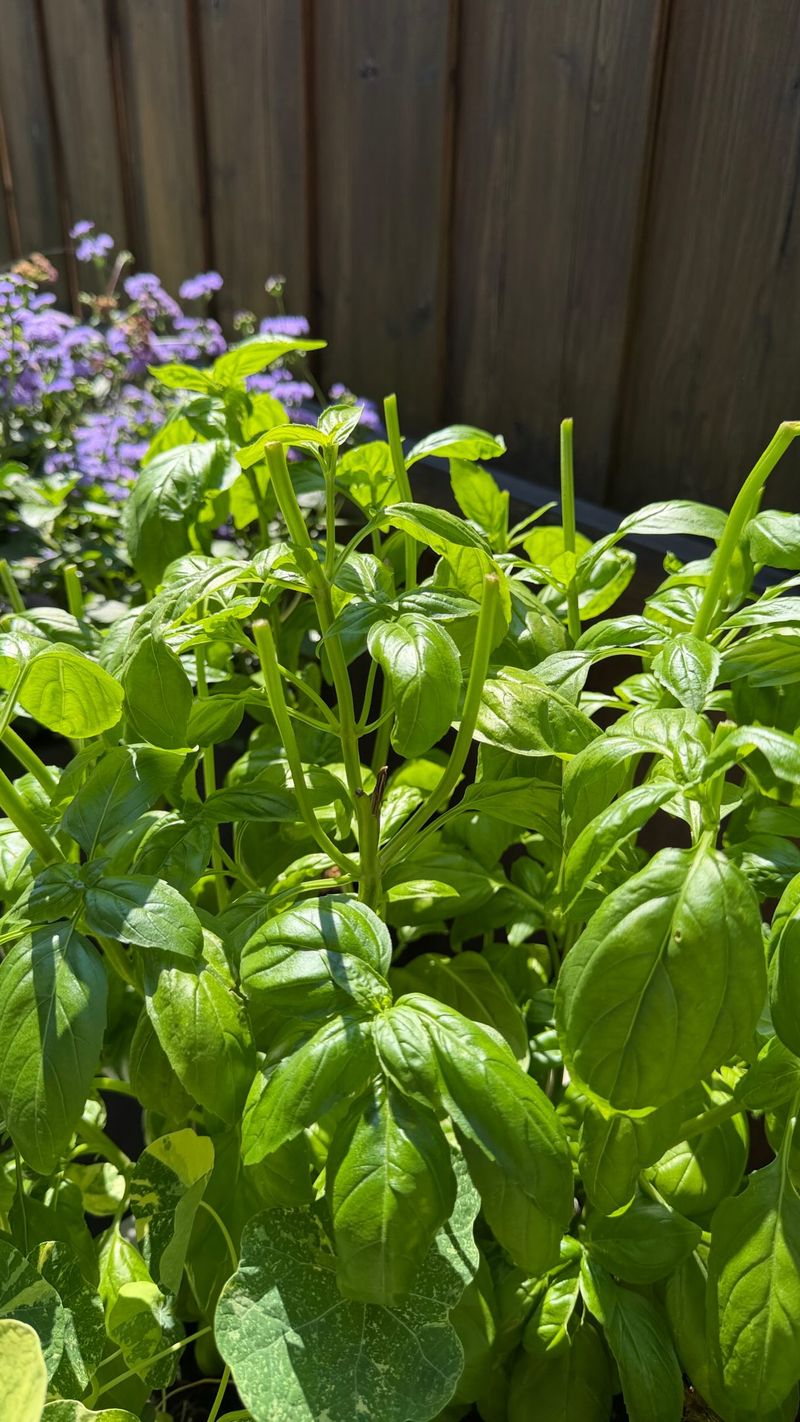
The sweet spot for harvesting shows up right when little buds start forming at the tips. Catch this window and you get the best of both worlds.
Tiny flower buds are the plant’s way of telling you it wants to bloom soon. Before those buds open into full flowers, the leaves still hold their rich flavor and bright green color.
Picking at this stage means you grab that quality before it slips away. There is a bonus, too. When you clip off the budding tops, you send a message to the plant to keep growing leaves instead of flowers.
Your North Carolina Garden Changes Every Week. Your Plan Should Too.
Gardening in North Carolina changes quickly throughout the season. Every Friday you’ll receive a simple weekly plan showing exactly what to plant, prune, fertilize, harvest, and protect so you never miss the right timing.
This keeps your basil producing well past the point where an untouched plant would have quit.
Watch the very top of each stem closely during the warm North Carolina months. The buds look like small, tight clusters that have not opened yet.
As soon as you see them, grab your scissors and trim just below the cluster. This little habit pays off big. Each time you remove buds, the plant branches out and makes even more stems.
More stems mean more leaves, and more leaves mean more basil for your kitchen. You do not need fancy tools for this. Clean scissors or a sharp pinch of your fingers work just fine.
The goal is to stay ahead of the flowers so the plant never gets the chance to slow down. Regular checks turn into a rhythm. Soon you will spot those buds without even trying, and your basil will thank you with steady, flavorful growth.
3. Cut Stems Above A Leaf Pair
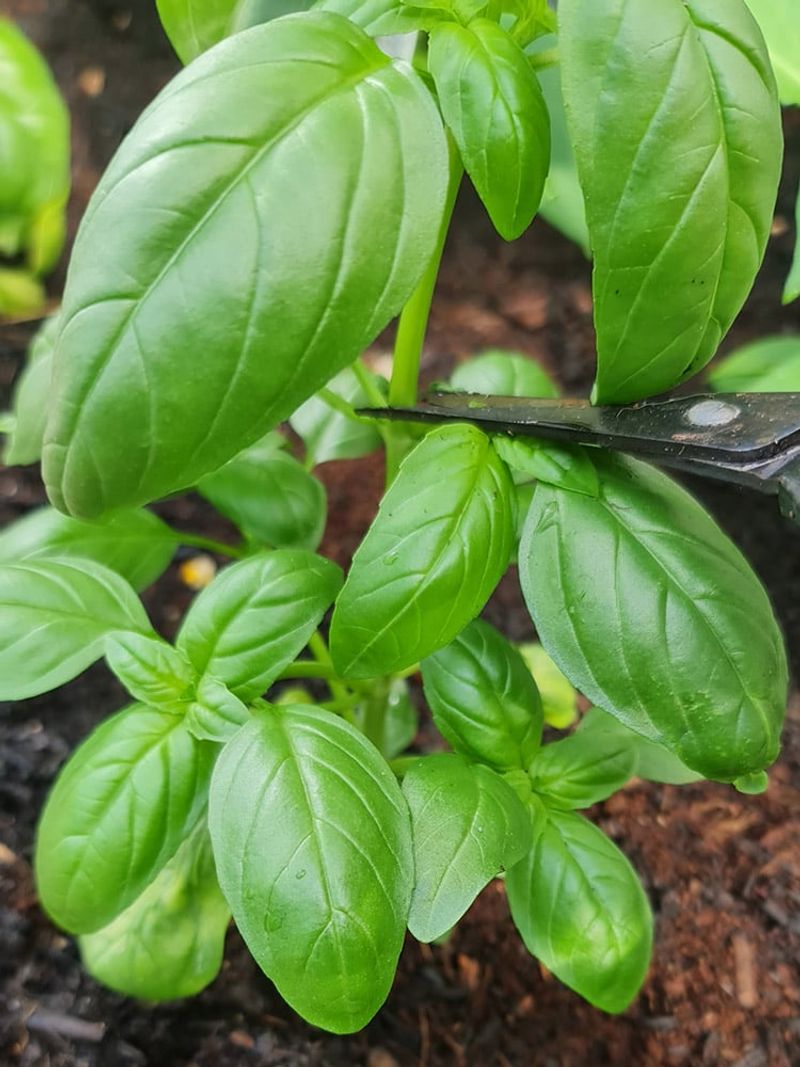
Where you cut matters more than most people think. Snip just above a pair of leaves, and your basil rewards you with double the growth.
Basil leaves grow in matching pairs along the stem. At the spot where they meet, called a node, the plant holds tiny buds waiting to sprout.
When you cut just above one of these pairs, those hidden buds wake up and grow into two new stems.
That means one cut turns a single stem into a fork. Over time, this makes your plant fuller and rounder instead of tall and skinny.
A bushy basil plant gives you far more leaves to pick. Cutting too high leaves an ugly bare stub that can wilt or rot. Cutting too low removes leaves the plant still needs.
Aiming right above a leaf pair keeps everything tidy and healthy. Try to make each cut clean rather than ragged. A smooth snip heals faster and looks better.
Sharp scissors or a firm pinch both do the trick nicely. North Carolina gardeners often see amazing results with this method through the summer. Every few weeks, another round of cuts keeps the plant branching again and again.
By fall, a single plant can look like a small green bush. Think of it as pruning with a purpose. You are not just gathering dinner, you are shaping the plant for future harvests.
Each careful cut sets up the next flush of tasty leaves. Once you get the hang of it, this trick becomes second nature and your basil stays generous.
4. Do Not Strip The Plant Bare
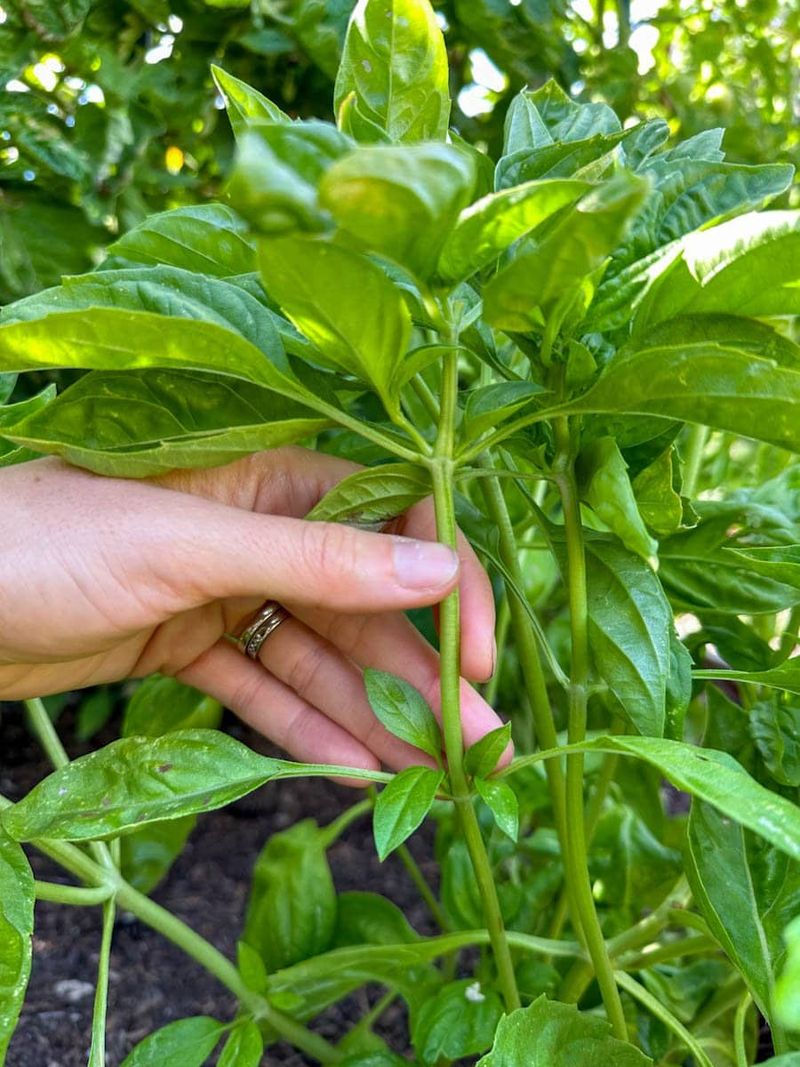
It is tempting to grab every leaf in one big haul, but that move can backfire fast. Leave some greenery behind and your plant keeps working for you.
Leaves are how basil makes food. Through sunlight, the leaves turn energy into fuel that helps the plant grow bigger and stronger.
Strip them all away, and the plant has nothing left to power new growth. A good rule is to take no more than a third of the plant at once. That leaves plenty of foliage to keep the engine running.
The plant bounces back quickly and gives you more to pick later. Picture the lower leaves as the plant’s power source. When you clip the tops and leave the bottom sections in place, the basil recovers in just days.
Take too much, and it may sit still for weeks trying to recover. In North Carolina’s warm season, a well-fed plant grows back with surprising speed. But a bare, stressed plant struggles even in perfect weather.
Patience here really does pay off. This is especially true for young plants. A small basil seedling needs its leaves to build a strong base before you start heavy harvesting.
Give it time to fill out first. Think of harvesting as borrowing, not taking everything. You get your fresh basil, and the plant keeps enough to thrive.
That balance means a steady supply all season instead of one big batch and then nothing. Respect the plant’s needs, and it will keep feeding your kitchen for months.
5. Harvest In The Cool Part Of The Morning
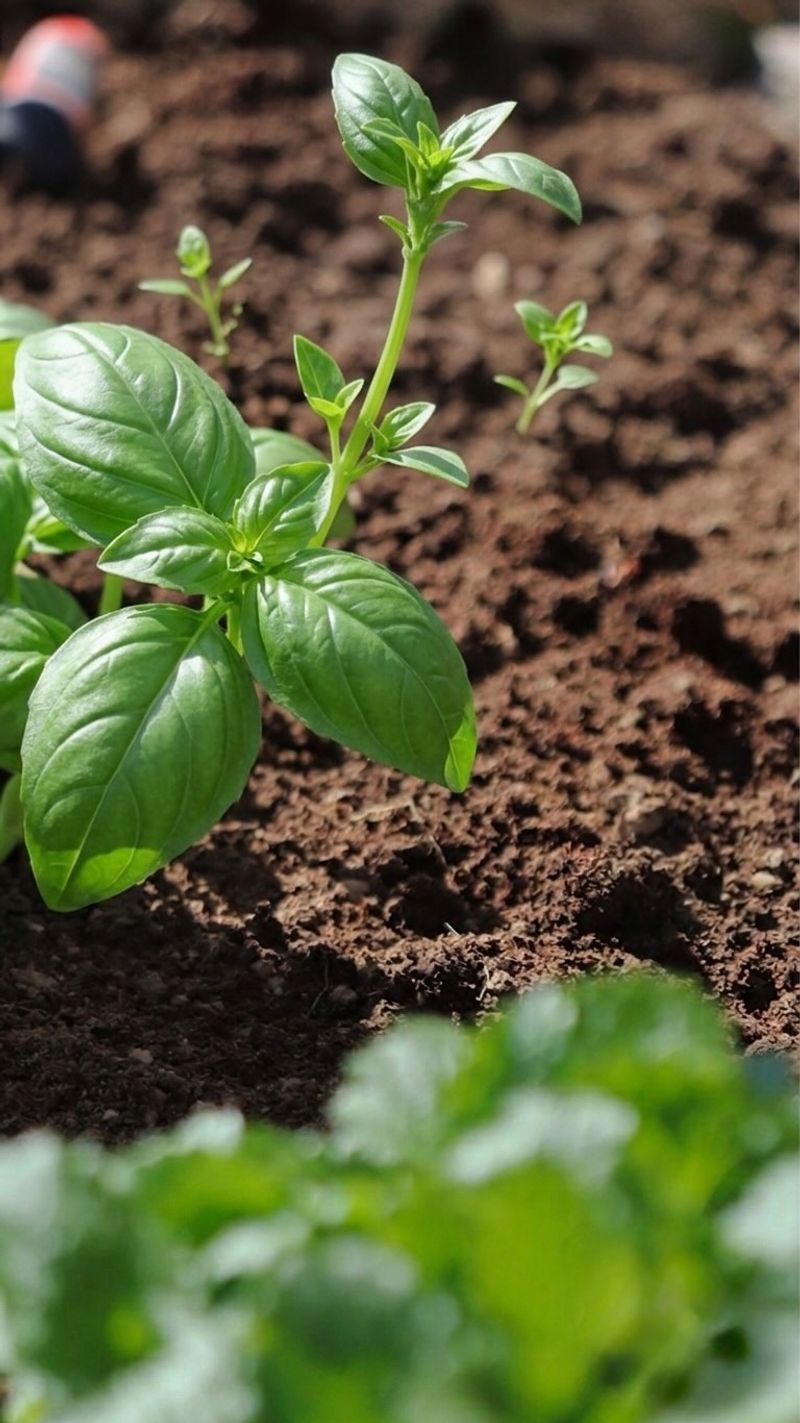
Timing your harvest by the clock makes a real difference. Morning is the golden hour for picking basil, and there is good science behind it.
NC State Extension suggests harvesting herbs after the morning dew dries but before the day heats up. In those cool early hours, basil leaves are full of the oils that give them their strong smell and flavor.
Once the sun blazes down, some of those oils fade. Wet leaves cause problems, too. If you pick while dew still clings to them, the extra moisture can lead to spots or mold during storage.
Waiting until the leaves dry keeps them fresh longer. By afternoon, North Carolina heat can leave plants a little wilted and stressed. Leaves picked then may seem limp and lose flavor faster on your counter.
Morning leaves stay crisp and lively instead. Try stepping outside with your coffee and scissors around mid-morning. The dew has usually burned off by then, and the air is still comfortable.
It becomes a pleasant little routine. Cooler leaves also handle the trip to your kitchen better. They hold their shape and color, which matters if you are making pesto or drying them for later.
Quality starts right at the moment you snip. Avoid harvesting in the heat of midday whenever you can. If mornings are busy, evenings after the sun drops work as a backup.
The main goal is to skip the hottest, brightest part of the day. Small timing choices like this add up to better basil every single time.
6. Keep Harvesting While Basil Is Productive
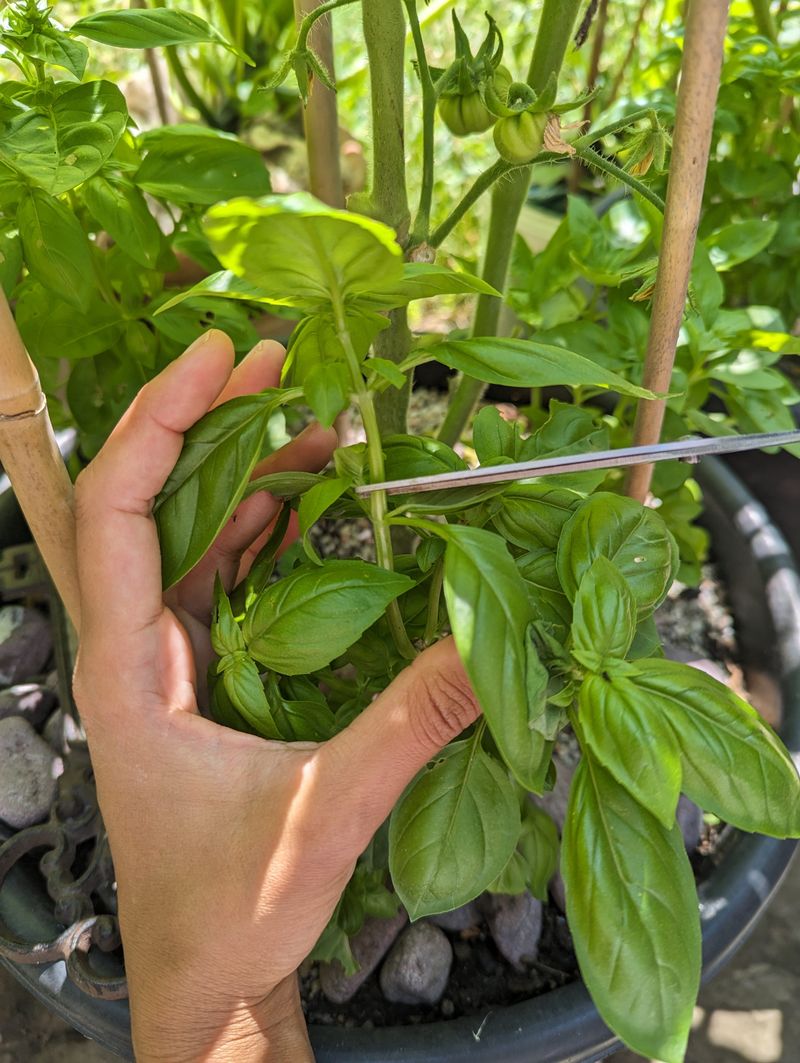
The secret to endless basil is not letting it rest. The more you pick, the more it grows, and that loop keeps your kitchen stocked.
Regular cutting encourages branching and continued leaf production while helping delay flowering.
Skip a couple of weeks, and the plant may sneak toward flowering. Once that happens, leaf growth slows and flavor drops. Staying consistent stops that shift before it starts.
Think of your basil like a machine that needs a gentle nudge to stay busy. Each harvest tells it to branch out and try again. The plant responds by pushing new stems and fresh leaves.
In North Carolina, the warm stretch from late spring through early fall gives basil a long window to produce. Gardeners who harvest every week or two often gather far more than those who pick only once in a while.
You do not always need a full bunch either. Even snipping a few tops here and there keeps the plant active. Little trims count just as much as big ones.
Freeze or dry whatever you cannot use right away so nothing goes to waste. That way every harvest has a purpose, even during a busy week.
This steady approach turns one plant into a generous supply. Keep those scissors handy, check often, and your basil will keep giving. Consistency really is the trick to a long, tasty season.
7. Make A Final Harvest Before Frost
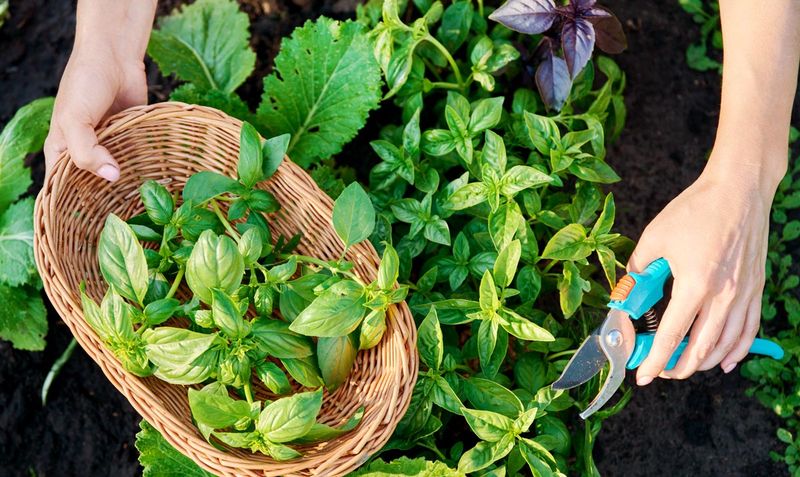
Fall brings a hard stop for basil, so watch the weather closely. One cold night can undo all your hard work if you are not ready.
Basil is a tender annual, which means it cannot handle freezing temperatures. A hard frost harms the plant quickly, turning bright green leaves dark and mushy. Once that happens, they are no good for cooking.
In North Carolina, frost usually arrives sometime in the fall, though the exact date shifts by region. Mountain areas cool off sooner, while coastal spots stay warm longer.
Keep an eye on local forecasts as the season turns. When you see a frost warning, it is time to act. Head out and harvest every usable leaf and stem you can.
A big final cut lets you save the whole plant’s worth of basil before the cold moves in. Do not wait for the perfect moment. Even leaves that are a little small are worth grabbing before frost takes them.
A full harvest beats losing everything overnight. Some gardeners try to stretch the season by covering plants with cloth on chilly nights. That trick can buy a few extra days, but it will not last forever.
Eventually a real freeze arrives. This final gathering often fills your kitchen with more basil than you expected. That surplus becomes the base for pesto, sauces, and dried herbs for winter meals.
Mark your calendar as fall approaches so the frost does not catch you off guard. A little planning means you end the season with a big, rewarding basil haul.
8. Preserve The Extra Instead Of Letting It Flower
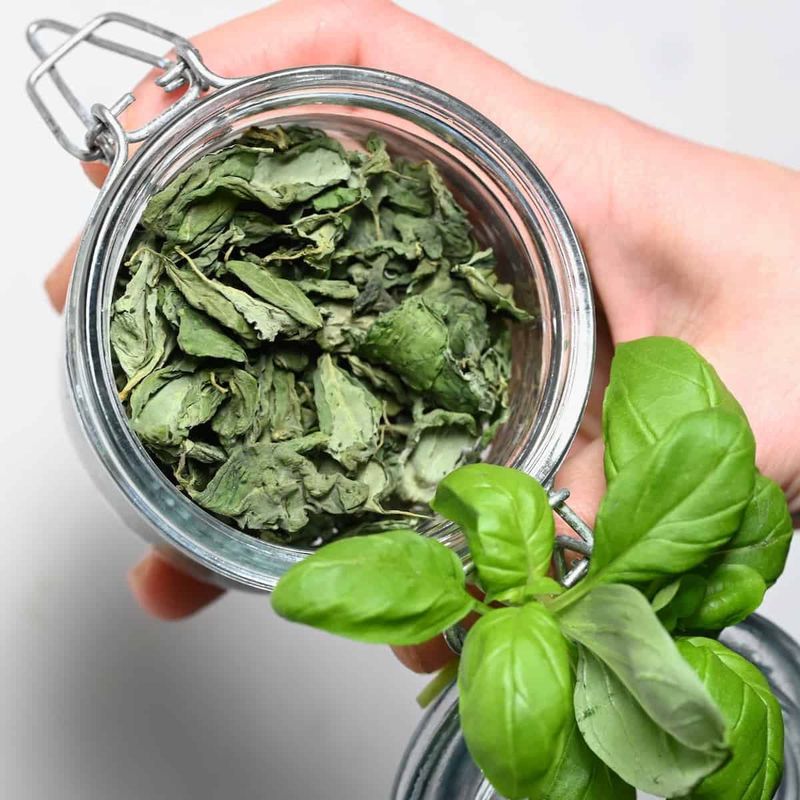
A late-season pile of basil is a gift, not a burden. Instead of watching extra leaves bolt to flower, turn them into flavor you can enjoy all winter.
Freezing is one of the easiest ways to keep basil. You can chop the leaves, tuck them into ice cube trays with a little water or oil, and freeze them into handy cubes. Drop one into soups or sauces whenever you need a burst of summer taste.
Drying works well, too. Spread the leaves in a single layer somewhere warm and airy, or use a low oven or dehydrator. Once fully dry, crumble them into a jar for months of use.
Speed matters with basil more than with many other herbs. Fresh basil can discolor and grow mold faster than tougher herbs like rosemary.
Because of that, process your harvest soon after picking rather than letting it sit. Do not let cut basil linger on the counter for days. The sooner you freeze or dry it, the more flavor and color you lock in.
Same-day processing gives the best results. Letting the plant flower instead wastes all that potential. Those leaves could have filled your freezer or pantry rather than fading on the stem.
Harvesting and preserving keeps nothing to waste. By fall, a well-tended plant can hand you enough basil for a whole season of cooking. Save it properly, and every pot of pasta or soup carries a taste of your garden long after the cold arrives.