Stop Squirrels From Digging Up Freshly Planted Georgia Bulbs With This Fix
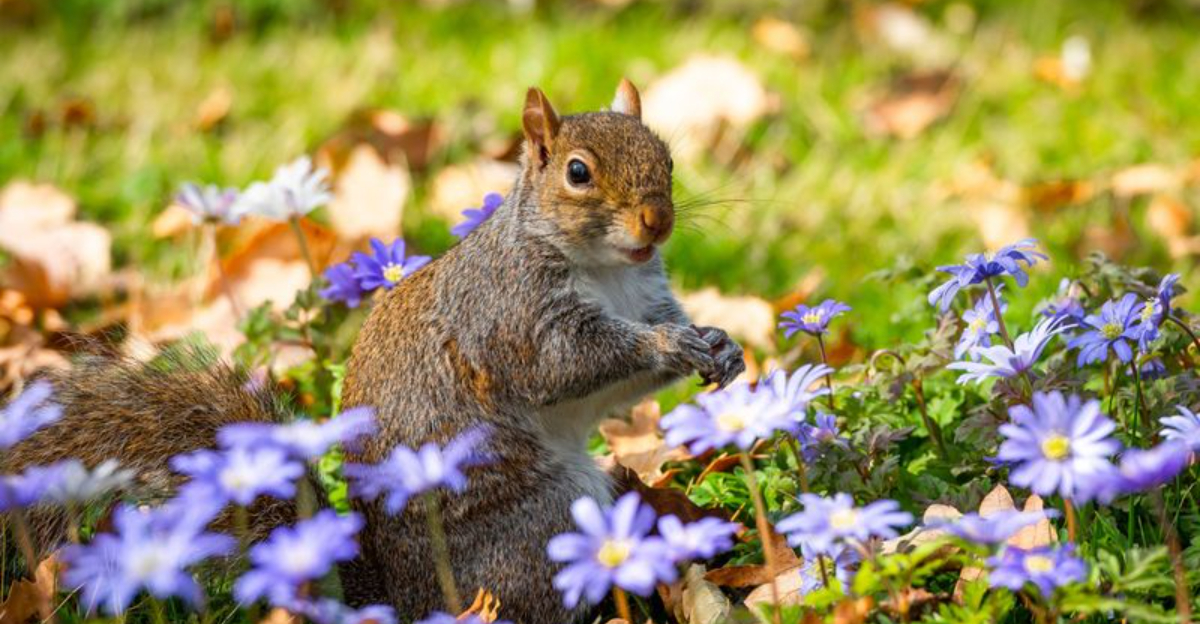
Freshly planted bulbs can disappear from a flower bed before they ever get the chance to grow. Squirrels are quick to investigate soil that has recently been disturbed.
That curiosity can undo your planting work faster than you might expect.
Once they start digging, simply covering the holes again does little to protect what is underneath. Georgia gardeners need a solution that makes the planting area harder to disturb.
Fortunately, the best fix does not require turning your flower bed into an eyesore.
You can protect the bulbs while still allowing rain, air, and new shoots to reach the soil. Set things up correctly, and squirrels have much less opportunity to dig.
Protect your planting now, so those hidden bulbs can stay exactly where you placed them until spring.
1. Freshly Planted Bulbs Can Quickly Attract Unwanted Digging
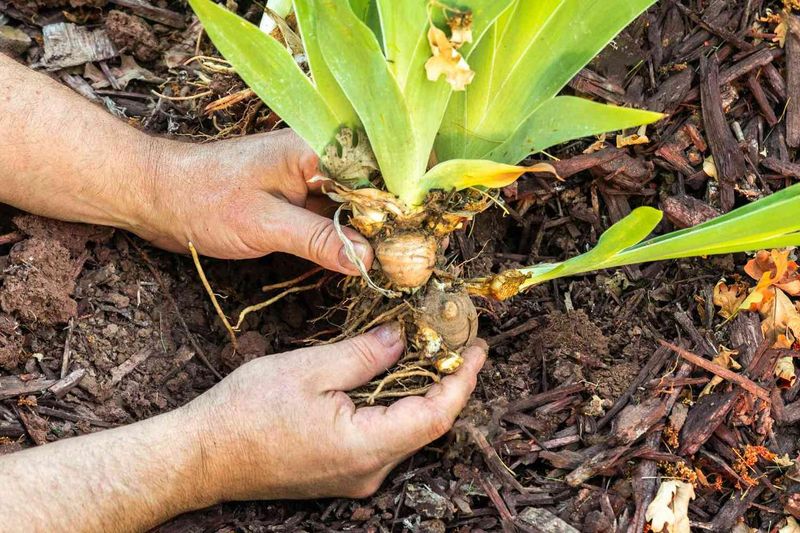
Loose soil is the giveaway. Squirrels notice freshly turned dirt long before they notice the bulb itself.
Autumn is also their stashing season. They are already burying acorns and pecans across Georgia yards, so poking around soft ground is part of their daily routine.
Most of the damage happens in the first week or two after planting.
Once rain packs the soil down and the surface blends back in with the rest of the bed, the digging usually slows. That early window is when your bulbs are most exposed.
Tulips and crocus tend to take the worst of it.
Some squirrels chew on the bulbs, and others simply toss them aside while hunting for their own buried snacks. Either way, the bulb ends up out of the ground and drying out.
Cleanup rarely fixes the problem.
If you just push the bulb back in and pat the soil down, you have created fresh digging again. The squirrels come right back the next morning.
Watering the bed well after planting helps a little by settling the soil faster.
Still, watering alone is not much of a defense. Pairing it with a barrier is what actually keeps the bulbs where you put them through the winter months.
2. A Simple Wire Barrier Can Block Squirrels From Reaching Bulbs
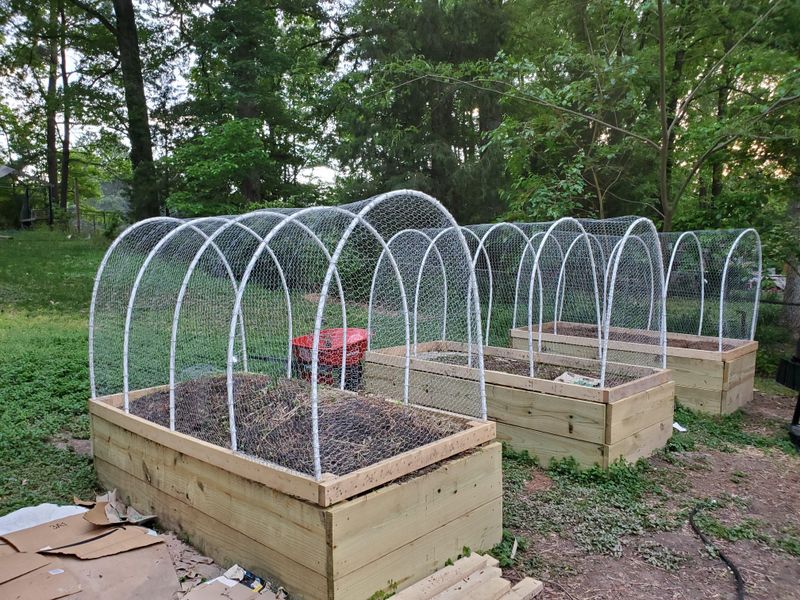
Hardware cloth solves what sprays cannot. A flat sheet of galvanized wire mesh sits between the squirrel and the bulb, and there is no way around it.
Squirrels dig with their front paws.
They are not chewing through metal to reach a tulip when there are easier options a few feet away. Most give up after a scratch or two and move on.
You can buy hardware cloth in rolls at any hardware store, and a small roll covers several beds.
Cut it with tin snips or heavy wire cutters. Wear gloves, because the cut edges are sharp and will catch your skin.
Chicken wire works too, though the openings are wider and floppier.
Hardware cloth holds its shape better once you lay it down, which matters when you are covering it with mulch. Georgia clay tends to shift after heavy rain, so a stiffer sheet stays put.
Your Georgia Garden Changes Every Week. Your Plan Should Too.
Gardening in Georgia changes quickly throughout the season. Every Friday you’ll receive a simple weekly plan showing exactly what to plant, prune, fertilize, harvest, and protect so you never miss the right timing.
Cost is low. A few dollars of mesh protects a whole season of planting.
Some gardeners reuse the same pieces year after year, rinsing off the dirt and stacking them in the shed. Galvanized mesh holds up outdoors for several seasons under normal conditions, though it will eventually rust at the cut edges.
3. One Inch Mesh Leaves Room For New Growth To Emerge
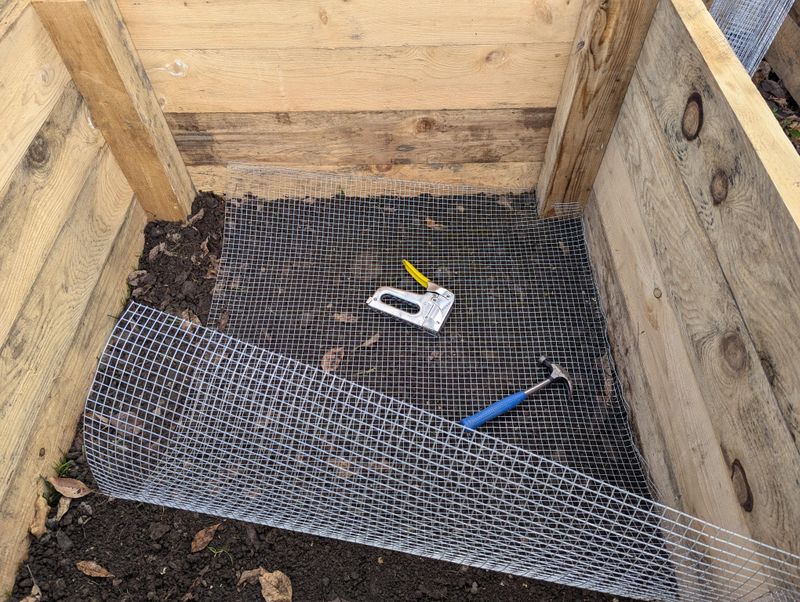
Mesh size decides whether this works or backfires. One inch squares block paws but let shoots pass through without bending or snapping.
Go smaller and you cause problems.
Quarter inch hardware cloth stops squirrels fine, but daffodil and tulip shoots can hit the wire and grow sideways. You end up with crooked stems or growth stuck under the barrier.
Go much larger and the barrier loses its point.
Two inch openings give a squirrel enough room to reach in and start working. The whole idea is to make digging awkward, not just slower.
One inch hits the middle nicely.
Bulb shoots are narrow when they first break the surface, and they find the openings on their own. By the time the foliage widens out, it is already above the wire.
Grape hyacinth and crocus send up thin foliage that slips through easily.
Larger bulbs like allium push a thicker shoot, so check those beds in late winter. If a shoot looks pinched, lift the mesh edge and free it by hand.
Plenty of Georgia gardeners pull the mesh entirely once spring growth starts.
At that point the soil has settled and the digging risk drops. Removing it also makes the bed easier to weed and mulch later on.
4. Place The Mesh Directly Over The Planted Bulb Area
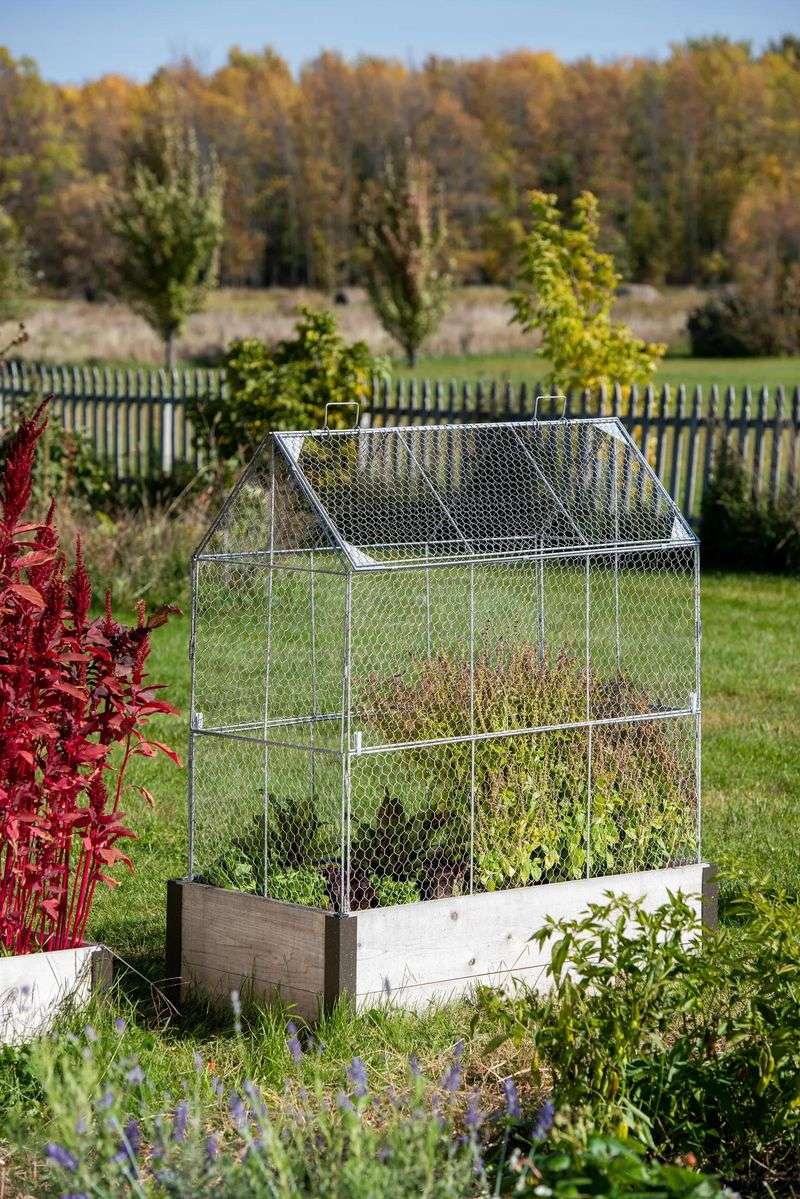
Placement matters more than people expect. Lay the mesh flat on the soil surface right after you finish planting and firm the dirt.
Cover the whole planted patch, not just the middle.
Squirrels work the edges first, so let the mesh extend several inches past your outermost bulbs on every side.
Landscape staples hold everything in place.
Push them through the wire into the ground every foot or so along the edges. Bent pieces of coat hanger work just as well if you have them lying around.
Skip the staples and the mesh will shift.
Wind, rain, and curious animals will lift a loose corner within a week. Once there is a gap, the barrier stops doing much.
For pots and containers, cut a circle to fit inside the rim.
Container bulbs on Georgia patios get hit surprisingly often, since squirrels use planters as convenient digging spots.
Mark your bed corners with a stake or a plant label.
Mulch hides the mesh completely, and you do not want to jab a trowel into buried wire in March. A quick note in your phone about what you planted and where saves guessing later.
Removal is easy when you are ready. Pull the staples, lift the sheet, and shake off the soil.
5. Covering The Mesh With Mulch Keeps The Bed Looking Natural
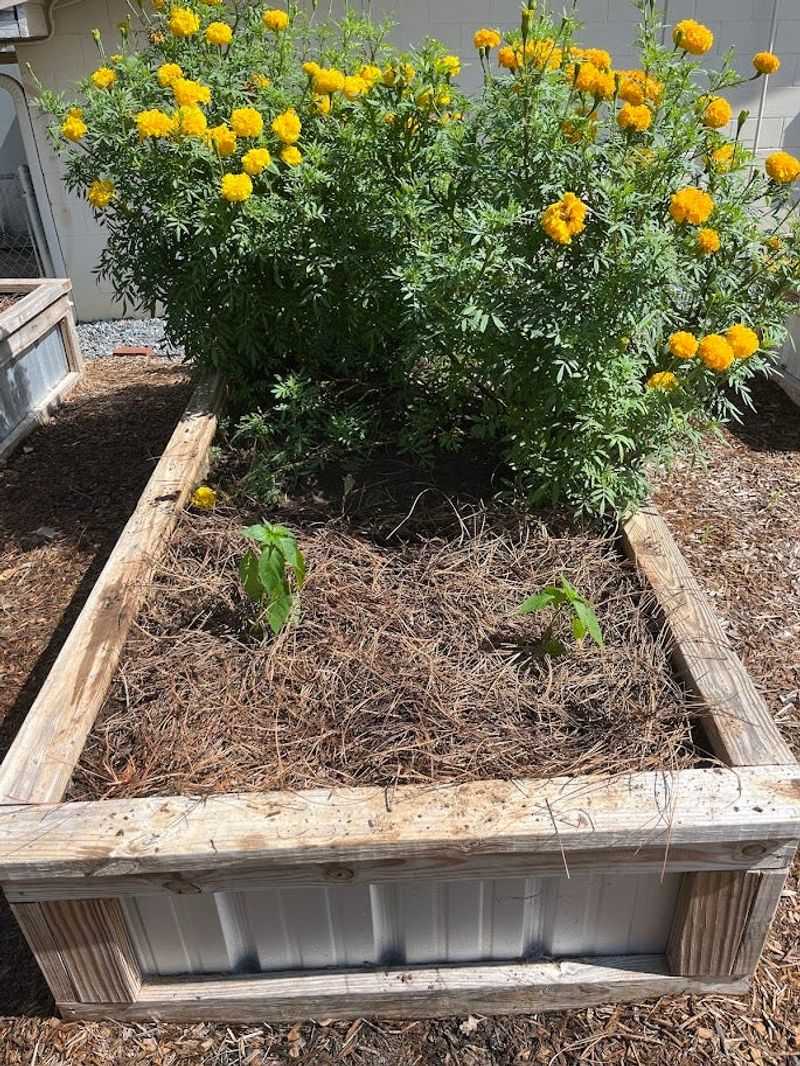
Nobody wants a garden that looks like a construction site. A couple inches of mulch spread over the wire hides it well enough that visitors never notice.
Pine straw is the obvious pick around here.
It settles into the mesh openings, stays put on slopes, and matches what most Georgia landscapes already use around shrubs and beds.
Shredded hardwood works fine too.
Keep the layer around two to three inches. Piling it much deeper can hold moisture against the soil surface longer than bulbs prefer.
Mulch does double duty.
Beyond hiding the wire, it buffers soil temperature swings during our on again off again winter weather. Bulbs sitting in ground that freezes and thaws repeatedly can heave upward.
Fresh mulch also covers the scent of disturbed earth.
Squirrels rely heavily on smell, and a clean layer on top makes the spot less interesting to investigate.
Watch the mulch depth over the winter.
Rain compacts pine straw quickly, and you may want to add a thin refresh in January. Just avoid burying the bed so deep that shoots struggle to reach light.
When spring shoots appear, rake the mulch back gently.
You will see the mesh underneath and can decide whether to leave it or pull it for the season.
6. Some Bulbs Are Less Appealing To Squirrels Than Others
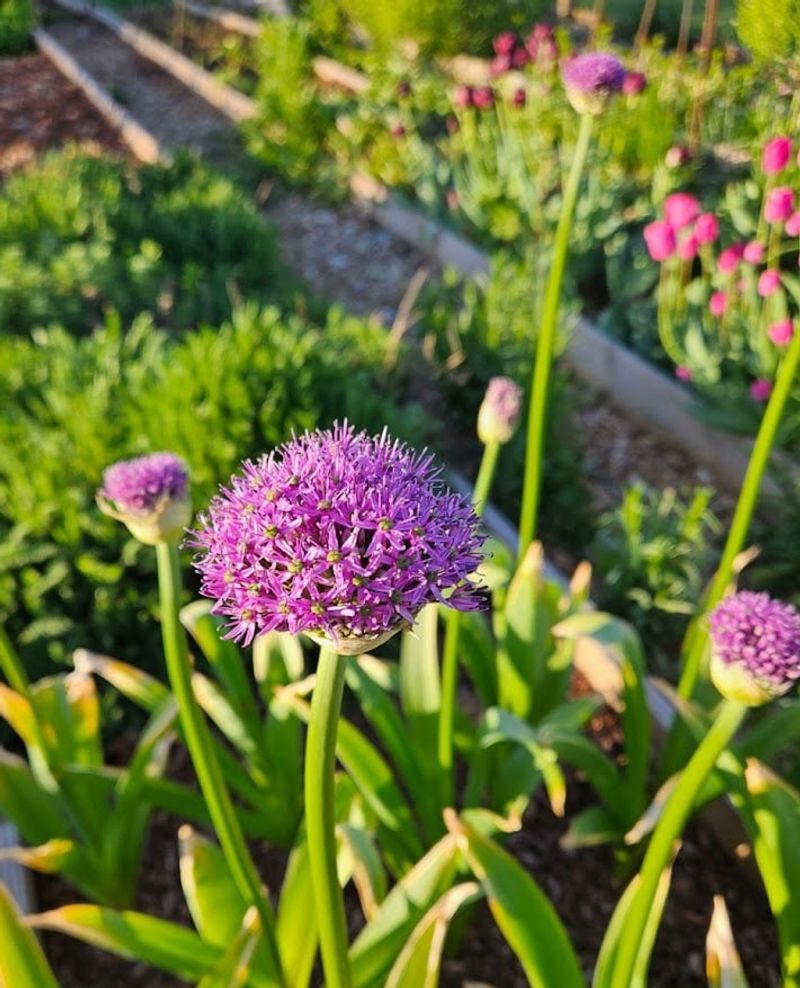
Not every bulb ends up on the menu. Daffodils are the classic example, since squirrels and other rodents typically leave them alone.
Alliums fall into the same group.
Their onion smell does not appeal to most digging animals, and they bloom late enough to stretch out your spring color.
Grape hyacinth, snowdrops, and Spanish bluebells also tend to go untouched.
None of these are foolproof. A hungry squirrel may still dig near them out of curiosity about the loose soil.
Tulips and crocus sit at the other end.
Both get chewed regularly, and crocus in particular seems to disappear from beds overnight in some yards.
Mixing plantings helps.
Ringing a tulip cluster with daffodils gives you a scent buffer, and it looks intentional when everything blooms. Gardeners across Georgia have used that trick for years with decent results.
Keep in mind that tulips already struggle in our warm climate.
Most behave like annuals here unless you chill the bulbs, so protecting them matters even more when you only get one good show.
Choosing squirrel resistant varieties cuts down on trouble, but it does not replace a barrier.
Pair the two and you get better odds than relying on either one alone.
7. Physical Barriers Are More Reliable Than Many Repellent Tricks
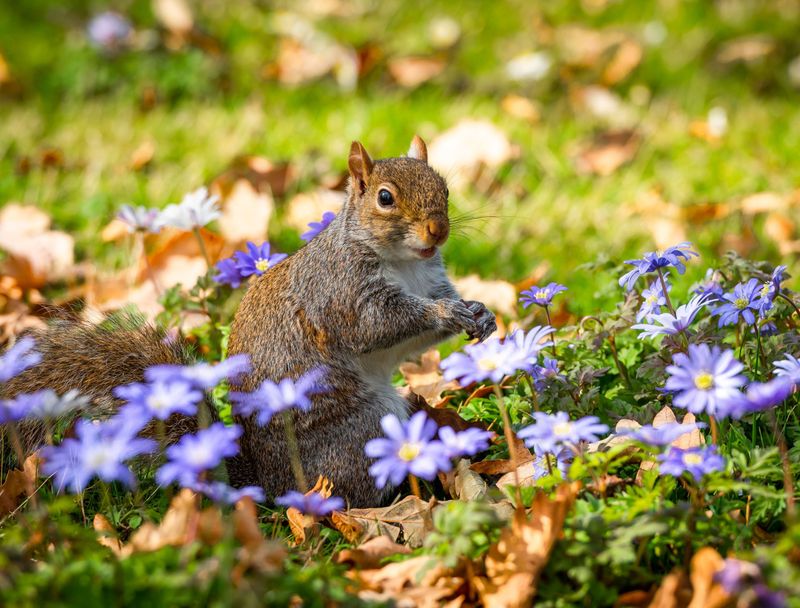
Cayenne pepper washes off in the first storm. That is the trouble with most repellent advice passed around online.
Blood meal, hot sauce, and mothball tricks all share the same weakness.
Rain dilutes them, sun breaks them down, and squirrels often figure out that the smell means nothing after a few days.
Georgia gets plenty of winter rain, which shortens the life of any topical product even further.
Some commercial repellents can discourage squirrels for a while, but results vary. Many need regular reapplication, especially after heavy rain.
Wire mesh has no schedule.
It sits there through cold snaps, downpours, and warm spells without needing attention. That reliability is the whole appeal.
Motion sprinklers and ultrasonic gadgets get mixed reviews at best.
Squirrels adapt fast, and the devices need power or batteries you have to maintain through the season.
Nothing works perfectly.
A determined squirrel might dig alongside the mesh edge or find a spot where a staple pulled loose. Checking beds once or twice over the winter catches those problems early.
Combine the barrier with smarter bulb choices and clean planting habits.
Remove papery bulb skins from the soil surface, since the scent draws attention straight to your new bed.