What Georgia Rosemary Needs This Fall Before Winter Cold Arrives
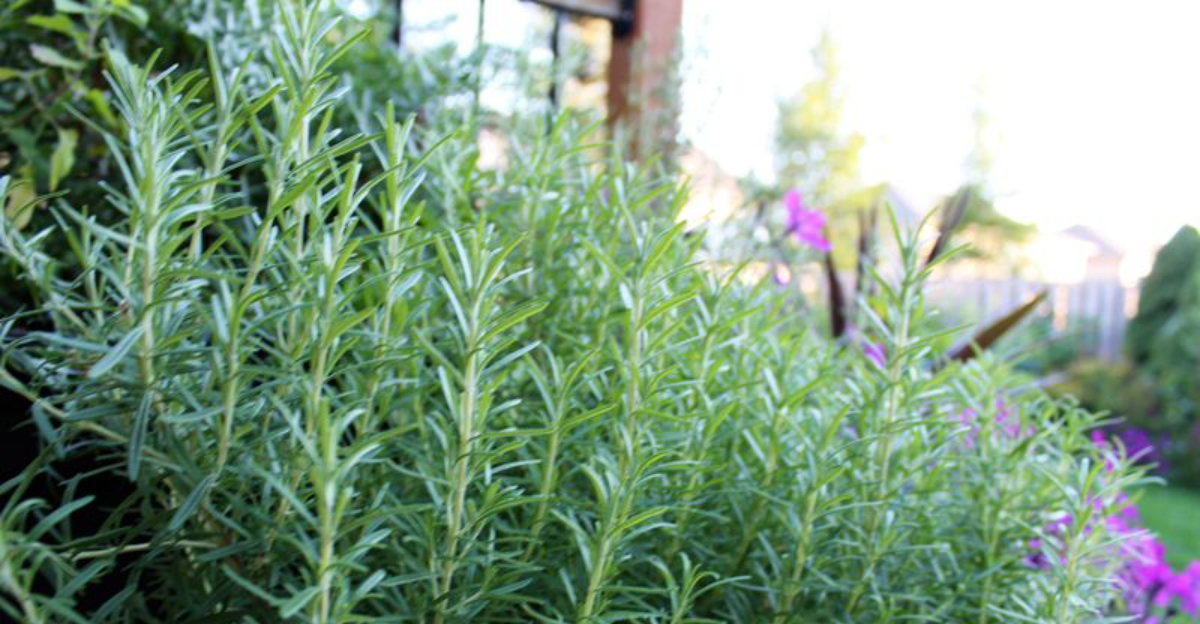
Rosemary can sail through months of heat and still struggle when winter brings a completely different challenge. Fall is your chance to prepare the plant before colder nights arrive.
That preparation starts with understanding what rosemary dislikes most once temperatures begin dropping.
This Mediterranean herb handles dry conditions well, but winter brings concerns that summer care does not always reveal. In Georgia, the right growing spot can become especially important during cold, wet stretches.
So resist the urge to treat rosemary like every other herb in your garden.
Fall care should support strong growth without encouraging soft new stems right before cold weather. Focus on helping the plant enter winter in steady condition.
Give your rosemary the right setup now, and it will have a better chance of handling the colder months ahead.
1. Fall Is The Time To Get Rosemary Ready For Colder Weather
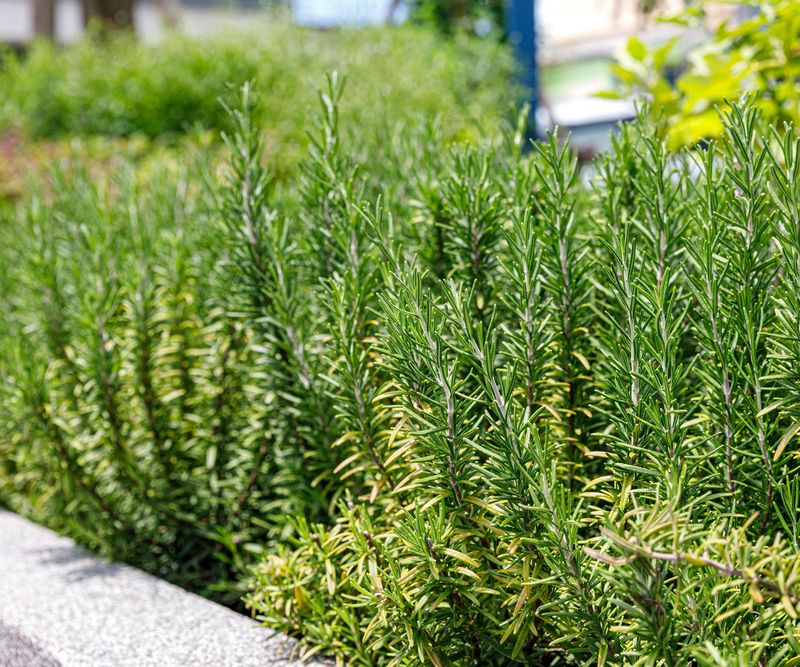
Rosemary shrugs off cold better than most herbs, yet fall still decides how well it holds up.
Cooler nights slow the plant down. Growth eases off, and roots start settling in for the season.
September and October are the busy months for herb beds across Georgia.
Warm afternoons and cool evenings give roots time to spread. Top growth stays quiet while the plant firms up below the soil line.
Feeding late in the season pushes soft new shoots that struggle once a hard freeze hits.
Check the plant’s spot too. Rosemary wants full sun, and shade from falling leaves can leave it damp and sluggish.
Clear fallen leaves off the crown, since trapped debris holds moisture against the stems.
Look closely at the base of the plant. Soft, dark stems or a sour smell usually mean water is sitting where it shouldn’t.
Cold damage rarely comes from cold alone. Soggy roots paired with a freeze cause most of the trouble gardeners notice in spring.
Plants set out this year need closer attention than older ones with deep roots.
A slow, steady fall builds a tougher plant. Rosemary that goes into December strong usually shrugs off the worst of a cold snap.
Timing matters more than any product on the shelf.
None of this takes long. An afternoon of tidying in October pays off by February.
2. Good Drainage Becomes Even More Important Before Winter
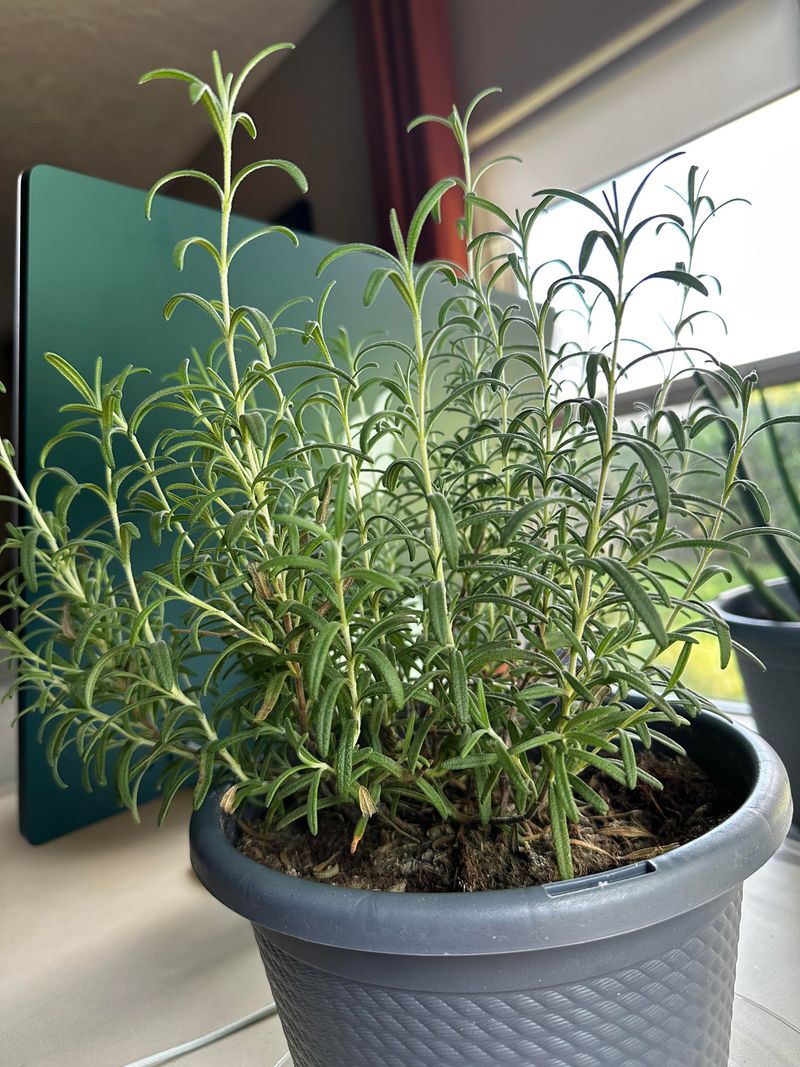
Heavy clay and winter rain make a rough pair for rosemary.
Rosemary comes from dry, rocky hillsides. Its roots handle drought far better than standing water.
Much of Georgia sits on dense red clay that drains slowly after storms.
Cold water around the roots is the real problem. Roots stuck in a soggy pocket break down long before frost does any visible harm.
Test the drainage before winter rain sets in.
Dig a small hole near the plant and fill it with water. If it takes hours to empty, the spot needs help.
Raised beds and mounded soil solve most of it.
Mixing in coarse sand, pea gravel, or fine bark opens up tight ground. Compost improves texture, though too much can hold water longer than rosemary likes.
Your Georgia Garden Changes Every Week. Your Plan Should Too.
Gardening in Georgia changes quickly throughout the season. Every Friday you’ll receive a simple weekly plan showing exactly what to plant, prune, fertilize, harvest, and protect so you never miss the right timing.
Slope matters as well, and low spots collect runoff after every storm.
Gutters and downspouts deserve a look too. Water dumping near a bed can keep soil wet for days.
Container plants need drainage holes that actually work.
Lift pots onto feet or bricks. Saucers that hold rainwater keep the mix soaked.
Loose, quick-draining ground does more for winter hardiness than rich soil.
Fix drainage now while the ground is workable. Wet January clay is no fun to dig.
A little grit mixed in this fall can change how the whole bed behaves.
3. Let The Soil Drain Well Between Fall Waterings
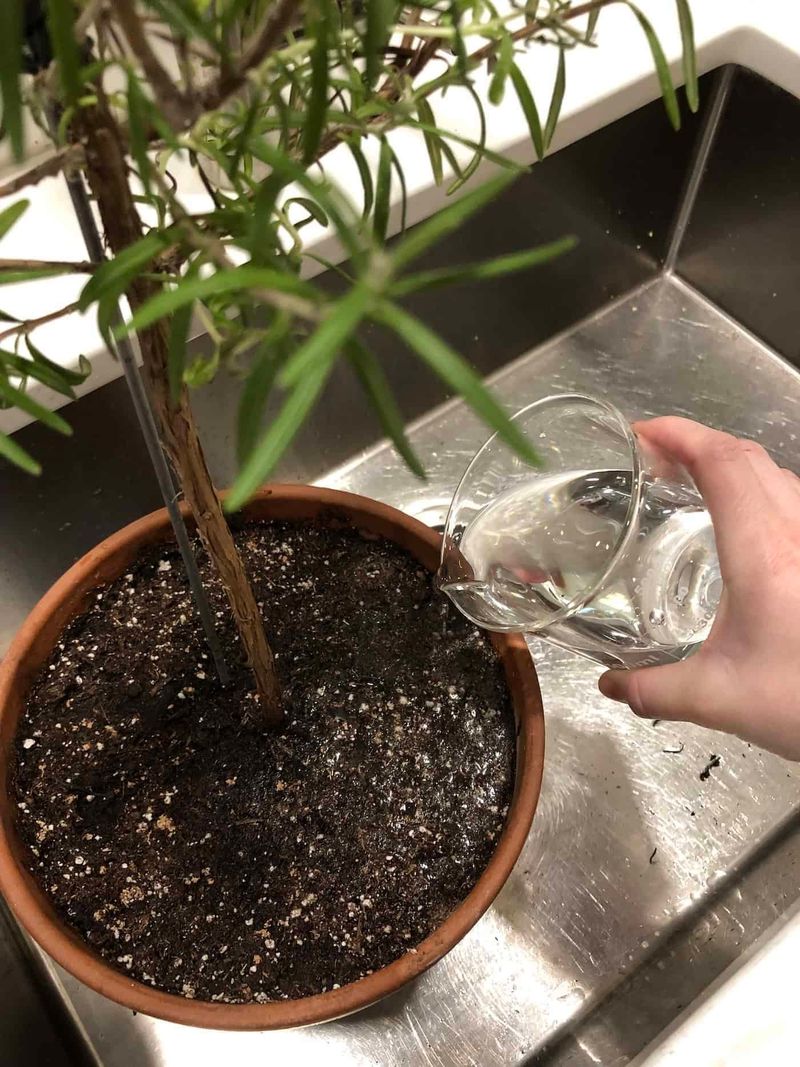
Overwatering causes more rosemary trouble in fall than frost does.
Cooler air slows evaporation. Soil that dried in two days during August may stay damp a full week in October.
Stick a finger two inches down before reaching for the hose.
Dry at that depth means water. Cool and damp means wait a few days longer.
Rain patterns swing hard in Georgia, with soaking weeks followed by dry stretches.
A cheap rain gauge settles the question. An inch of rainfall usually covers rosemary for a week or more.
Water deeply when you do water, then leave the plant alone.
Shallow daily sprinkles keep the surface wet and roots lazy. Deep, spaced watering pushes roots down where soil stays steadier.
Morning watering gives the foliage time to dry before nightfall.
Mature plants in the ground often need nothing extra after October. Potted rosemary dries faster and still needs checking.
Yellowing lower leaves usually signal too much water, not too little.
Cut back gradually instead of stopping all at once. A sudden change stresses plants heading into cold weather.
Slightly moist soil holds heat better than powder-dry ground. A light drink two days before a freeze can help, as long as it drains.
Balance is the whole game here, and rosemary leans toward dry.
Watch the plant and the weather rather than a set schedule.
4. Mulch Can Give The Roots Extra Protection From Cold
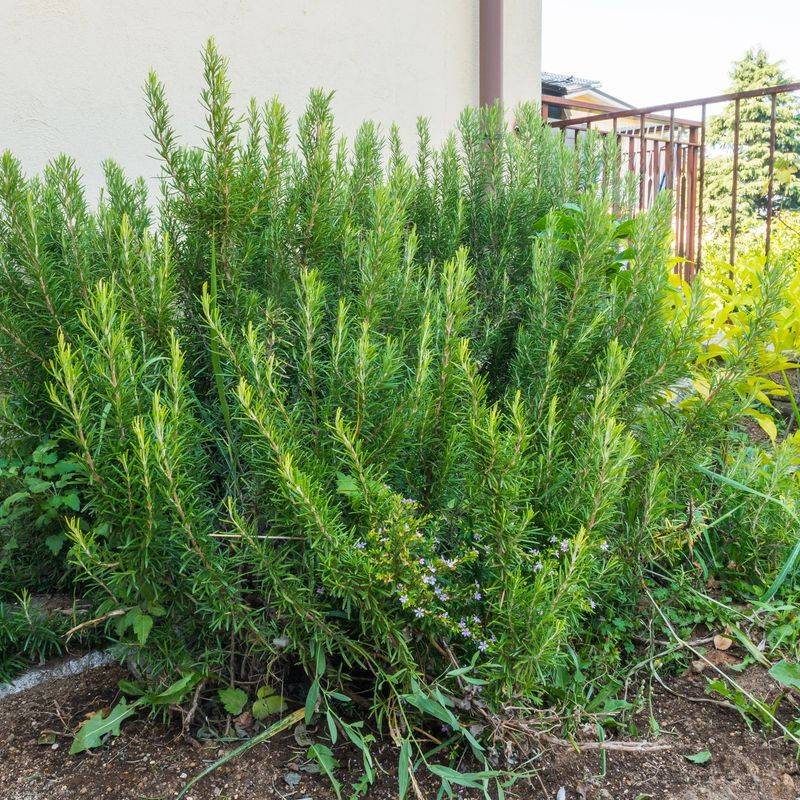
Mulch buys rosemary a few degrees of protection, and a few degrees often matter.
Roots sit closer to the surface than people expect. Sudden temperature swings hit them harder than steady cold.
Pine straw works well across north Georgia gardens.
Shredded bark and pine bark mini nuggets do the same job. Both stay loose and let water pass through.
Keep the layer two or three inches deep.
Pull it back a couple inches from the main stem. Mulch piled against the trunk traps moisture and invites decay.
Apply after the first real cold snap, not before.
Early mulching keeps soil warm too long. That can delay the plant’s natural slowdown.
Avoid soggy materials like grass clippings or wet leaves.
Those mat down and hold water against the crown. Rosemary reacts badly to that kind of dampness.
Gravel mulch suits rosemary too, especially in raised beds.
Small stones warm during the day and release heat slowly at night. They also keep splashing soil off the lower leaves.
Refresh the layer in late fall if last year’s mulch has thinned.
Check it again after heavy rain, since it shifts around. A quick rake keeps coverage even.
Mulch will not stop a deep freeze on its own. Paired with good drainage, though, it makes a real difference.
Think of it as one layer of insurance among several.
5. Avoid Heavy Pruning Before Freezing Weather Arrives
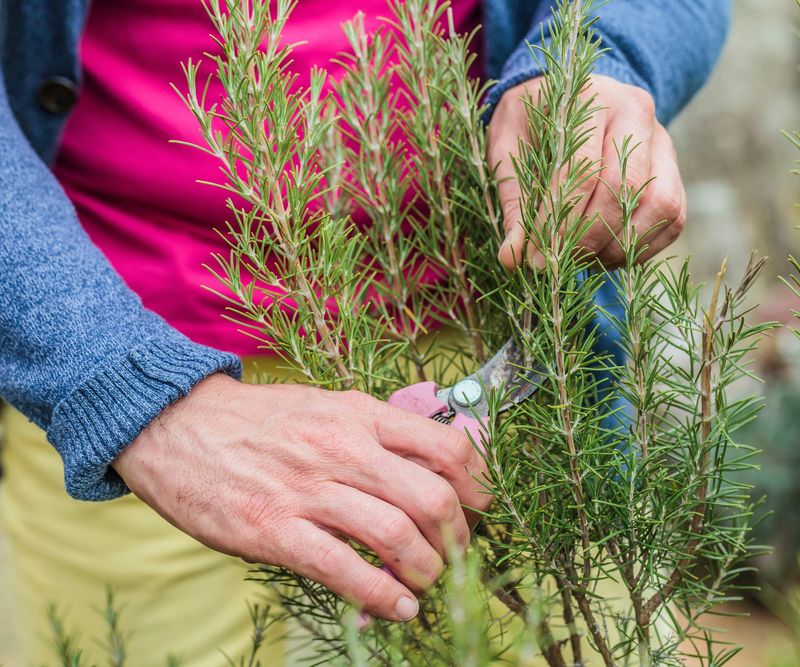
Pruning late in the season is one of the quickest ways to weaken a rosemary shrub.
Every cut wakes the plant up. Fresh shoots come in soft and green, and soft growth has little cold tolerance.
Spring is the better window for shaping.
Wait until new growth appears after the last frost. Cuts then heal while the weather is climbing, not dropping.
Light touch-ups in early fall are usually fine across Georgia.
Snipping sprigs for cooking will not hurt anything. Removing a third of the plant in October will.
Broken or damaged branches can come off any time.
Same goes for stems that look black or mushy. Leaving them invites problems that spread.
Resist the urge to tidy the shape before holiday company arrives.
Rosemary that looks a little wild in December is often the one that comes through best. Bushy growth shields the inner stems from wind.
Winter burn shows up as brown, crispy tips after cold, dry weather.
Leave that damage alone until spring. The brown tissue shelters what sits below it.
Prune once buds swell and you can see which wood is still good.
Cut into green wood, not bare brown stems. Old woody sections rarely push new shoots.
Patience costs nothing here, and it saves plants.
One season of restraint often means a fuller shrub by May.
6. Container Rosemary May Need Extra Protection During Cold Snaps
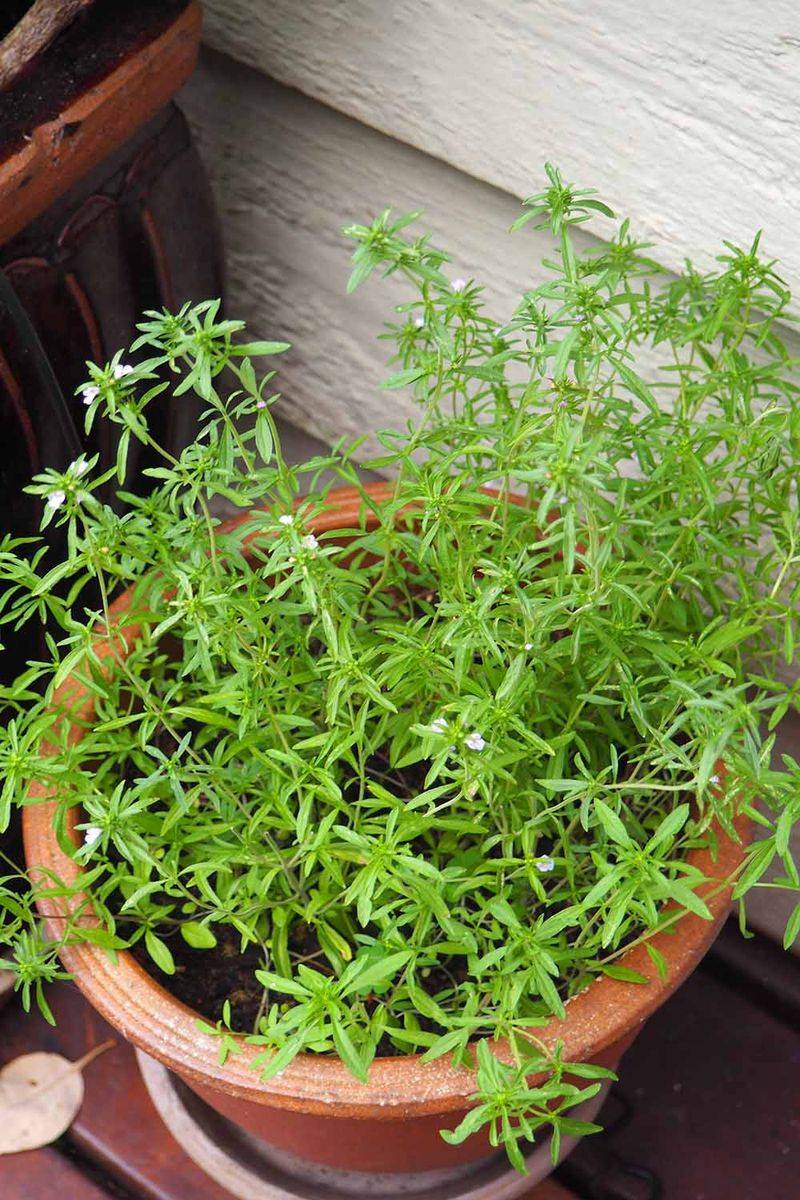
Pots freeze from every side, which puts container rosemary at more risk than plants in the ground.
Soil in a container drops to air temperature fast. Ground soil holds warmth far longer.
Small pots suffer the most during a hard freeze.
Anything under five gallons chills through in a single night. Bigger containers give roots more buffer.
Move pots against a south-facing wall when a cold front rolls into Georgia.
Brick and stone soak up sun during the day. They give that heat back after dark.
Grouping several pots together helps too, since they shelter each other from wind.
Wrap the container, not the plant. Burlap, old towels, or bubble wrap around the pot keep roots steadier.
Terra cotta can crack when wet soil freezes and expands.
Plastic and resin pots handle that stress better. Glazed ceramic falls somewhere in between.
Bringing rosemary indoors sounds easy but often backfires.
Indoor air runs dry and light runs short. Plants sulk, drop needles, and pick up powdery mildew.
An unheated garage or covered porch usually works better for short cold snaps.
Give it the brightest spot available and water sparingly. Move it back outside once temperatures climb.
Check pots for drainage before winter rain arrives.
Blocked holes turn a container into a bucket. Frozen standing water is especially hard on roots.
A little planning beats hauling pots around in sleet.
7. Healthy Rosemary Can Stay Green Through Much Of Winter
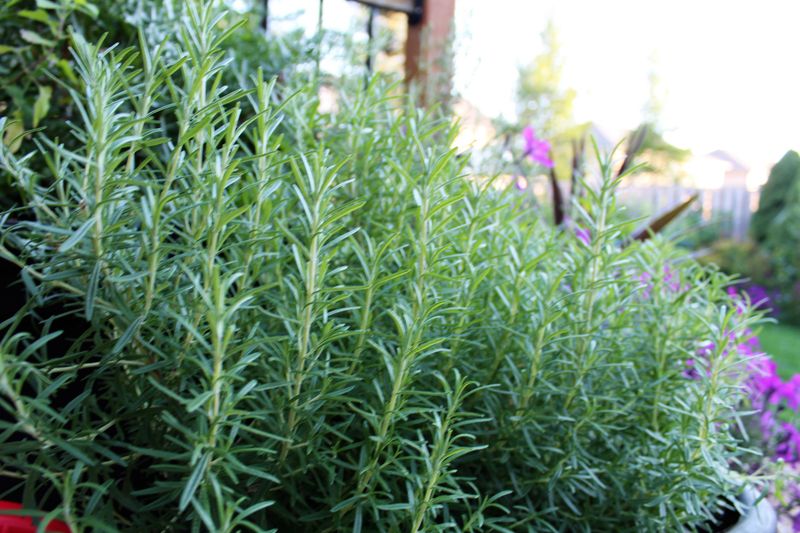
Fresh rosemary in January is one of the quiet perks of southern gardening.
Established plants often hold their color straight through winter. Leaves may darken or curl slightly, but the shrub keeps going.
Hardiness varies by variety more than most gardeners realize.
Arp, Hill Hardy, and Madalene Hill handle cold better than average. Tuscan Blue and creeping types tend to be more tender.
Most of Georgia sits in zones 7 and 8, which suits rosemary well.
Mountain gardens see harder freezes than coastal areas. Choosing a tougher cultivar matters more up there.
Harvesting lightly through the cold months is fine and will not set the plant back.
Take a few sprigs at a time from different spots. Heavy cutting in January leaves gaps that fill slowly.
Wind does more visible damage than temperature alone.
A fence, hedge, or house wall cuts that exposure. Sheltered plants usually look better by March.
Some browning after a cold snap is normal.
Scratch a stem with your thumbnail to check. Green underneath means the plant is still working.
Growth picks up again once nights warm in March.
That’s when shaping, feeding, and replanting make sense. Until then, let the shrub sit and do its thing.
Rosemary rewards steady basics far more than constant fussing.
Sun, drainage, and a light hand carry it through. The rest is mostly weather.