This November Task Can Help Georgia Fescue Lawns Grow Thicker Next Spring
Neighbors’ bermuda lawns turn tan in November, while tall fescue often looks greener and fuller than it has all year.
Plenty of homeowners take that as a sign the lawn can coast until spring arrives.
Below the surface, though, the grass is still busy building roots and storing energy for the months ahead. Cool soil and mild afternoons give fescue one of its best chances of the season to strengthen before winter.
One task done this month can help turn all that underground growth into a thicker lawn when warm weather returns.
Lawns in north Georgia often reach the right window earlier than ones farther south, so local conditions matter.
Mark a spot on your calendar before Thanksgiving gets busy. Small efforts now tend to show up as fewer bare patches once spring growth kicks in.
1. Cool-Season Grass Is Still Busy Below The Surface This Month
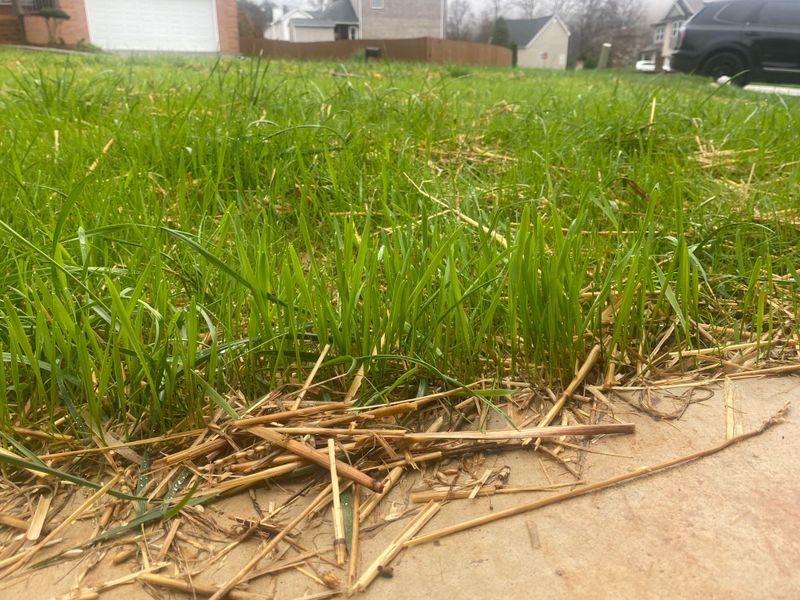
Brown leaves on the ground do not mean your fescue has stopped working. In north and central Georgia, tall fescue often stays green and keeps growing through much of November.
Most of that activity happens where you cannot see it, down in the root zone.
Cool fall air slows top growth, but soil usually stays warmer than the air for a while. Roots can keep spreading in those conditions, and the plant can also form new side shoots called tillers.
So what is the task worth doing now? A late-fall nitrogen feeding, timed to fuel that root growth and those new shoots.
University Extension guidance for Georgia fescue commonly lists fall as the main feeding season. A final light application in November fits that schedule for many lawns in the Piedmont and mountain areas.
Think of it as stocking the pantry before winter. The grass uses some nutrients right away and stores energy that can support green-up later.
A thicker spring lawn is a realistic hope, not a promise. Shade, compacted soil, drought, or disease can all limit how much the grass responds.
Still, for a healthy fescue yard in the right region, this one feeding is a simple, low-cost step.
Check your local Extension office for the best window in your county, since timing can shift with elevation and weather.
2. Fescue Grows Best When Temperatures Stay Cool
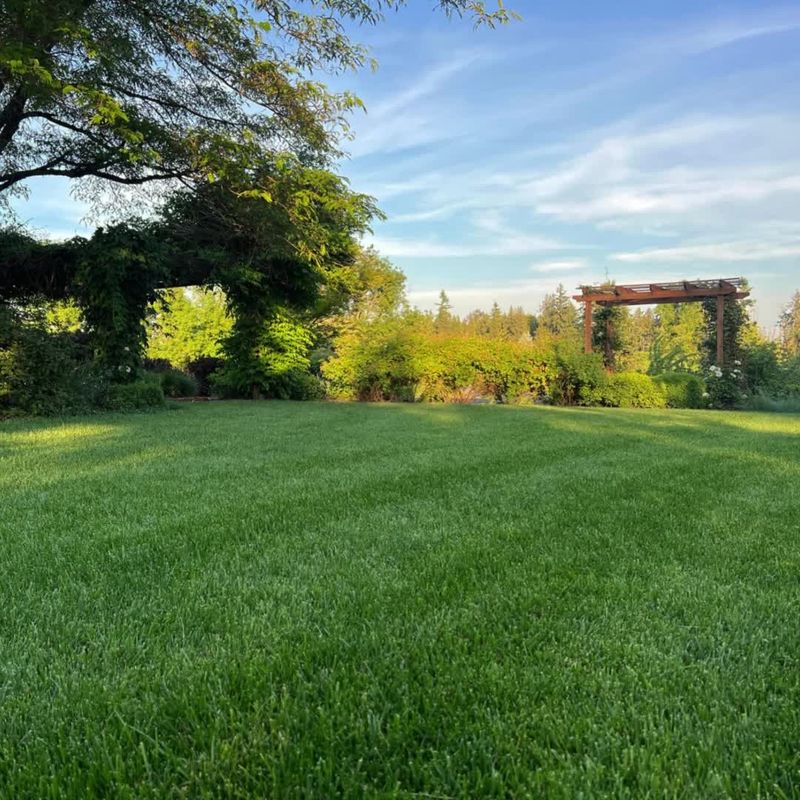
Heat is fescue’s biggest enemy. Summer in Georgia pushes this grass hard, and many lawns come out of August thin and tired.
Cooler days in fall flip that story around.
Tall fescue is a cool-season grass, so it grows most actively in spring and fall. Mild days and cool nights let it rebuild after summer stress without struggling to stay alive.
Picture a runner who finally gets shade and water after a long race. That is close to what autumn feels like for this turf.
Here is where geography matters. Fescue does well in the mountains and Piedmont, including the Atlanta area, but it often struggles farther south.
In the Coastal Plain, long hot summers usually favor warm-season grasses instead. If your neighbors mostly grow centipede or St. Augustine, fescue may not suit your yard.
Your Georgia Garden Changes Every Week. Your Plan Should Too.
Gardening in Georgia changes quickly throughout the season. Every Friday you’ll receive a simple weekly plan showing exactly what to plant, prune, fertilize, harvest, and protect so you never miss the right timing.
Weather varies from year to year, too. A warm November can keep grass growing longer, while an early hard freeze can slow it sooner.
Watch your own lawn rather than the calendar alone. If it is still green and needs mowing now and then, it is likely still active enough to use nutrients.
That steady fall growth is exactly why late-season care can pay off more for fescue than for summer grasses resting brown nearby.
3. Fall Feeding Fuels Roots And New Shoots Instead Of Floppy Top Growth
Feeding grass in spring and feeding it in fall can give very different results. One often brings a burst of leafy growth, while the other tends to support what happens underground.
Cool weather is the reason.
When temperatures drop, fescue slows its leaf growth. Nitrogen applied then is more likely to help roots, stored energy, and new tillers than tall, soft blades.
Those tillers matter. Each one is a new shoot, and more shoots per square foot means a denser lawn.
In Georgia, Extension programs often recommend most of the yearly fescue nitrogen in fall. The exact amounts and dates can vary, so follow the label and local guidance rather than guessing.
A moderate rate is usually the goal, not a heavy dump of fertilizer. Too much nitrogen can be wasted, may wash into storm drains, and can encourage some lawn diseases.
Slow-release products are an option some homeowners like. They feed gradually, though quick-release forms can also work when used at proper rates.
Water lightly after spreading if rain is not expected soon. That helps move granules off the leaves and into the soil.
You may not see dramatic changes in December. The bigger payoff, if conditions cooperate, tends to show up as fuller turf in early spring.
4. Soil Test Results Show Whether Lime Or Other Nutrients Are Needed
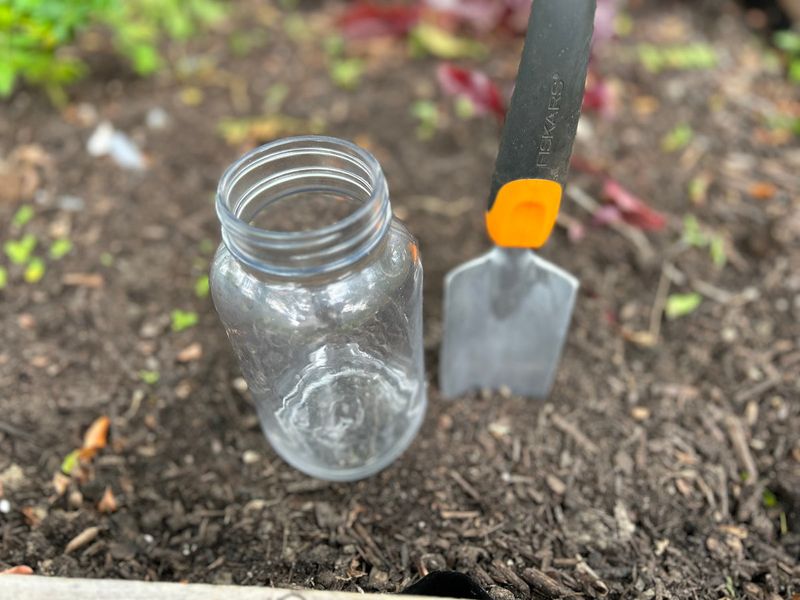
Guessing costs money. A soil test tells you what your lawn actually needs, so you are not spreading products it may not use.
Many yards around Georgia have acidic red clay soils.
Fescue generally prefers soil that is only slightly acidic. If your pH runs too low, the grass may not take up nutrients well, even when you fertilize.
Lime raises pH, but it works slowly. Fall and winter give it time to react before spring growth begins, which makes now a handy time to apply it if a test calls for it.
Taking samples is easy. Use a trowel or probe to gather soil from several spots, about the top few inches, and mix them in a clean bucket.
Your county Extension office can send the sample to the University of Georgia lab for a modest fee.
Results usually include pH, phosphorus, potassium, and specific recommendations for fescue. Some lawns need phosphorus or potassium, while others already have plenty.
Skip lime if your pH is already in a good range. Adding it without need can push soil too far the other way.
Testing every few years is often enough for an established lawn. It turns a one-size-fits-all bag into a plan built for your own yard.
5. Spreading Evenly Avoids Streaks And Burned Spots
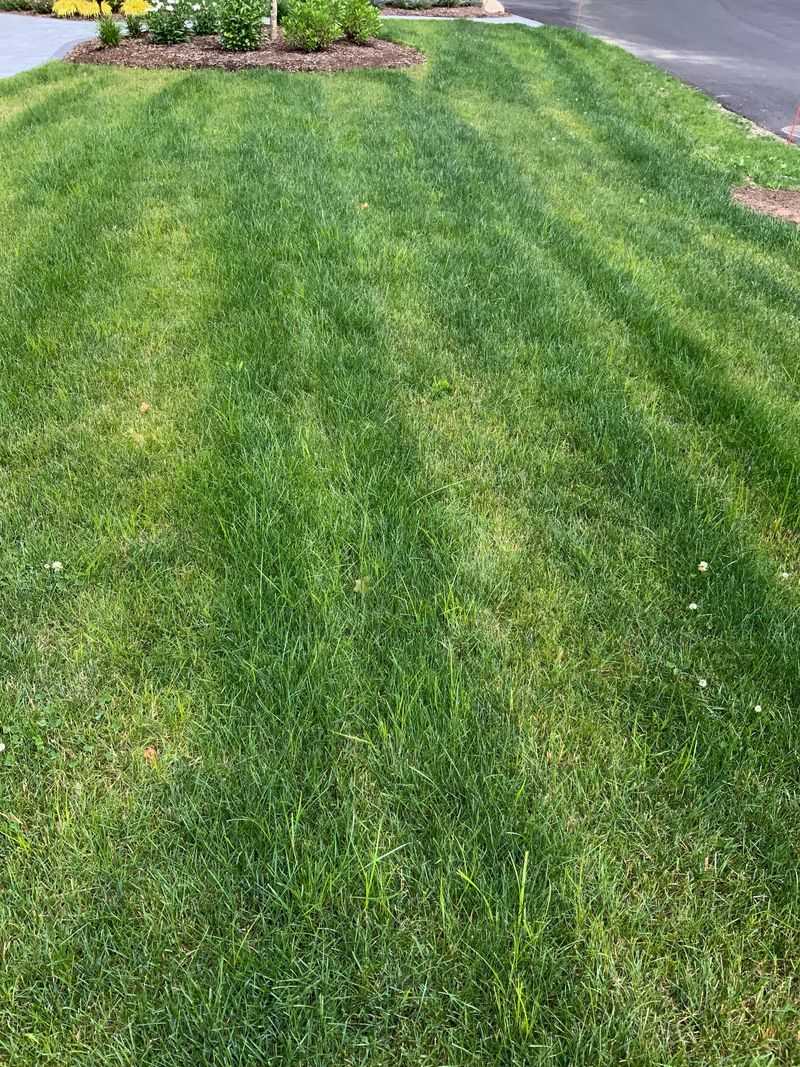
Stripes look great on a ballfield, but not when they come from fertilizer. Uneven spreading can leave dark green bands next to pale strips all season.
A little setup prevents most of that.
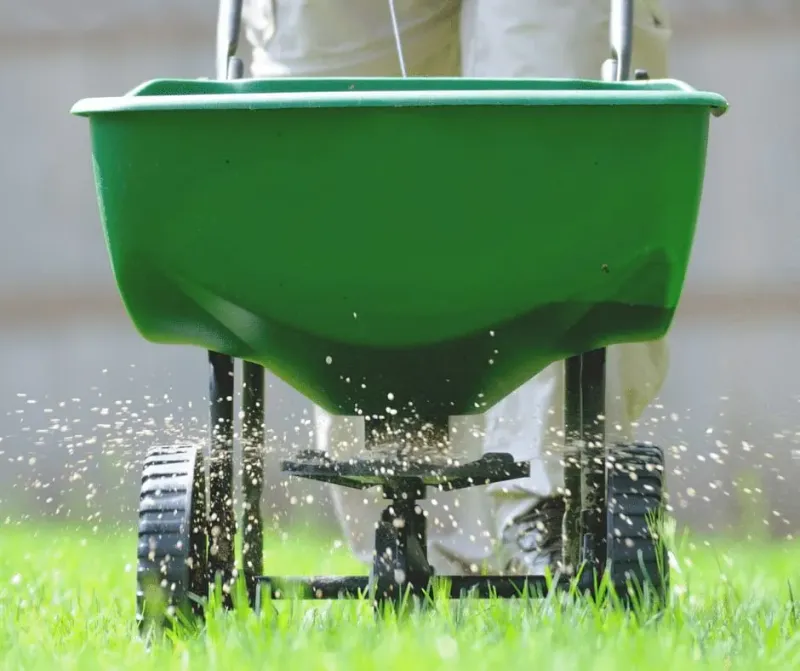
Start by reading the product label for your spreader setting. If your model is not listed, start low and make two passes in crossing directions.
Going over the lawn twice at half rate is an old trick that works well. Walk north and south first, then east and west, and gaps tend to fill in.
Keep a steady walking pace the whole time.
Shut the spreader off when you stop or turn. Piles of granules in one spot can scorch grass and leave yellow or brown patches.
Broadcast spreaders throw product wide, so watch sidewalks and driveways. Sweep any stray granules back onto the grass instead of letting rain carry them into gutters.
Drop spreaders give tighter control near flower beds, though they need careful overlap to avoid missed lines.
Spread when grass blades are dry, unless the label says otherwise. Wet leaves can hold granules and raise the chance of burn.
Clean the spreader afterward, since fertilizer can corrode metal parts. Ten extra minutes now keeps your Georgia lawn looking even instead of patchy next spring.
6. Heavy Spring Feeding Can Leave Fescue Weaker Heading Into Summer
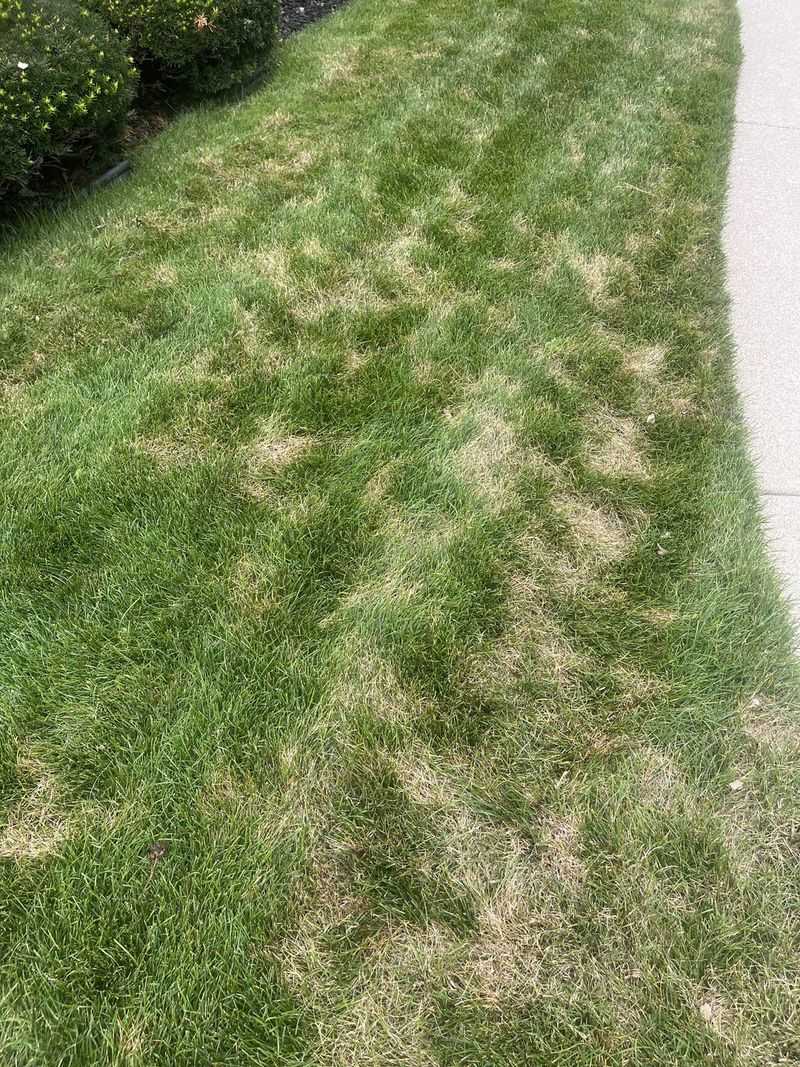
Warm spring days tempt people to fertilize heavily. It feels like the right move, yet for fescue it can backfire.
Lots of nitrogen in spring often pushes fast leaf growth.
That lush top growth needs more water and mowing. Roots may not keep pace, leaving the plant less prepared when summer heat arrives.
Georgia summers are tough on cool-season grass. Fescue weakened by heavy spring feeding can be more likely to thin out during hot, dry stretches.
Brown patch disease is another concern. Lush, heavily fertilized fescue in warm, humid weather can be more prone to this fungal problem, though weather and watering habits play a role too.
Extension advice often suggests keeping spring feeding light or skipping it if the lawn was fed well in fall. Avoid fertilizing fescue in the heat of summer.
Fall feeding fits the grass’s natural rhythm much better.
None of this means spring care is useless. A lawn with poor color or a soil deficiency may still benefit from a small, careful application.
Shifting most of your effort to autumn is the main idea. It lets the grass build strength while temperatures are friendly, instead of forcing growth right before its hardest season.
7. Mowing At About Three Inches Keeps Turf Dense
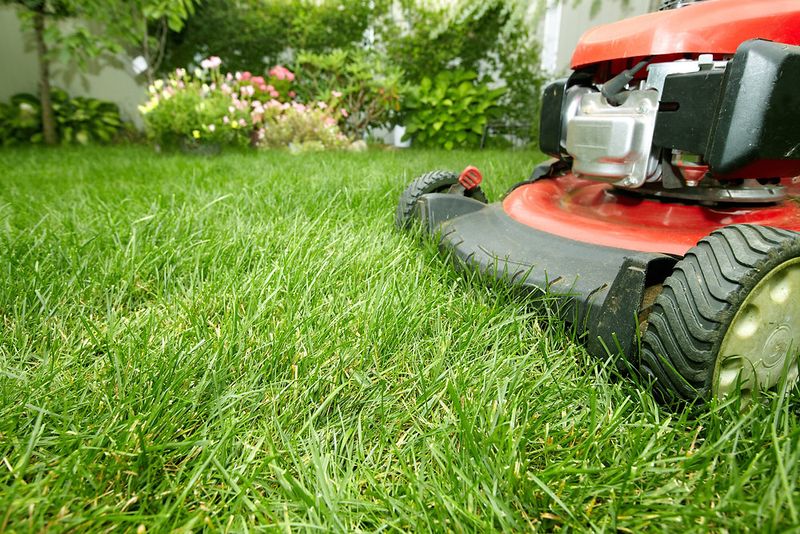
Short grass might look tidy, but scalped fescue rarely stays thick. Height is one of the easiest tools you have, and it costs nothing.
Extension recommendations for tall fescue in Georgia commonly fall around 2 to 3 inches, with taller cuts often favored.
Leaving blades longer gives each plant more leaf area to make food. That energy supports roots and helps the grass fill in.
Taller turf also shades the soil. That shade may help hold moisture and can make it harder for some weed seeds to sprout.
Follow the one-third rule. Try not to remove more than a third of the blade in a single mowing, since bigger cuts stress the plant.
Sharp blades matter, too.
Dull blades tear grass and leave ragged tips that may brown. Sharpening once or twice a year is a reasonable habit for most homeowners.
Keep mowing in fall as long as the grass grows. You will likely mow less often in November, but fescue still appreciates a clean trim.
Fallen leaves can smother turf if left in thick layers. Mulch light layers with the mower or rake heavier piles off.
Pair proper height with that November feeding, and you give your lawn a fair chance at stronger, fuller growth next spring.