The One Thing North Carolina Lemongrass Needs Before September Ends

Lemongrass is a favorite in North Carolina gardens for its bright citrus scent and culinary use, but it isn’t naturally built to handle the state’s colder months without help.
As September winds down, this is the last real window to take action before conditions start working against the plant.
Because lemongrass is sensitive to cold in a way many other garden herbs aren’t, waiting too long can mean losing the plant entirely once temperatures drop.
What works fine in summer heat becomes far less forgiving as fall progresses, making timing especially important right now.
For North Carolina gardeners hoping to keep their lemongrass going, this end-of-September window is critical. Here’s the one thing lemongrass needs before the month runs out, and why waiting even a little longer could put the plant at risk.
1. Move Container Lemongrass Toward A Protected Location
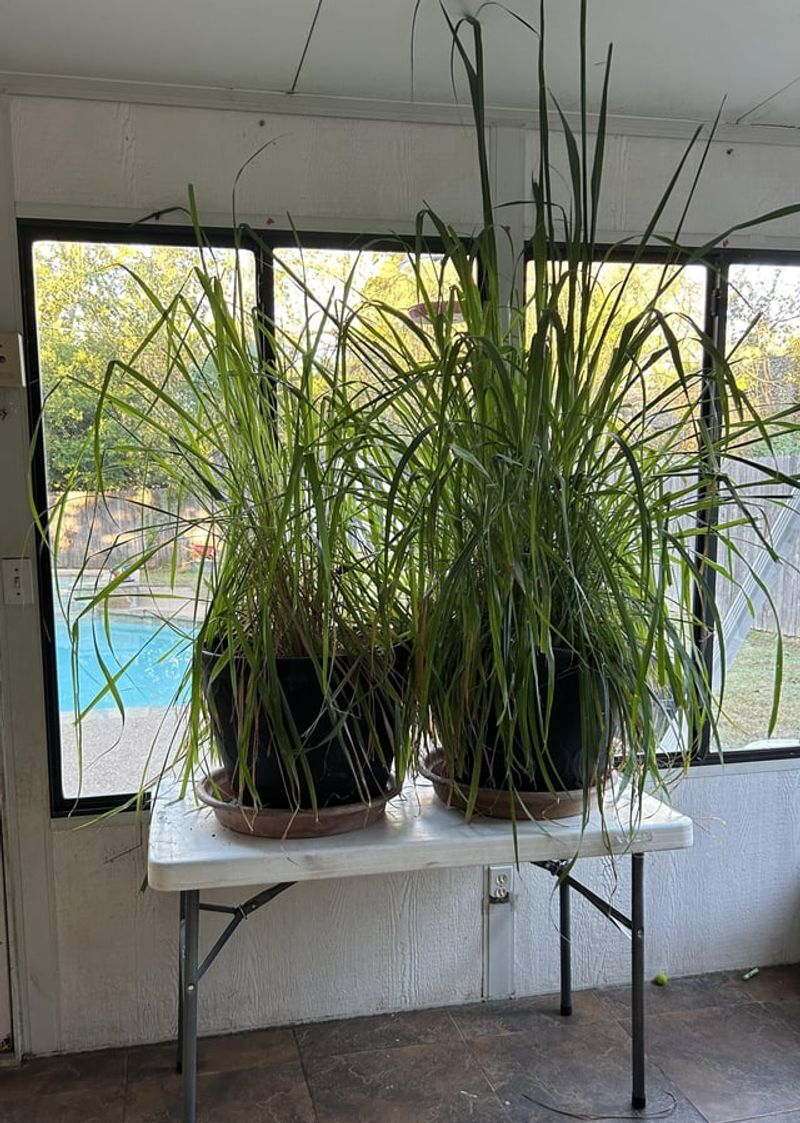
Fall sneaks up faster than most gardeners expect, and lemongrass in a pot feels the change before we do. Because it grows in a container, its roots sit closer to the cool air and lose warmth quickly.
That makes September the smart moment to think about where your plant will spend the colder season. A protected spot gives your lemongrass a gentle transition instead of a shock.
Start by picking a place near the house, a covered porch, or a sunny garage window where the plant stays out of biting wind. Moving it early lets the plant adjust slowly rather than facing a sudden drop in temperature.
Container plants are easy to shift, and that is their biggest advantage. You can slide the pot indoors on cold nights and bring it back out when the sun returns. This flexibility keeps the roots comfortable and the blades green.
Timing matters more than people think. If you wait until the weather turns sharply cold, the plant may already feel stressed by the time you act. A calm September move gives the roots time to settle into their new spot without missing a beat.
Think of this step as setting the stage for everything else. A well-placed pot makes watering, checking for pests, and giving light much easier during the months ahead.
When you handle the location first, the rest of winter care becomes simple, smooth, and far less stressful for both you and your leafy friend.
2. Do Not Wait For The First Hard Freeze
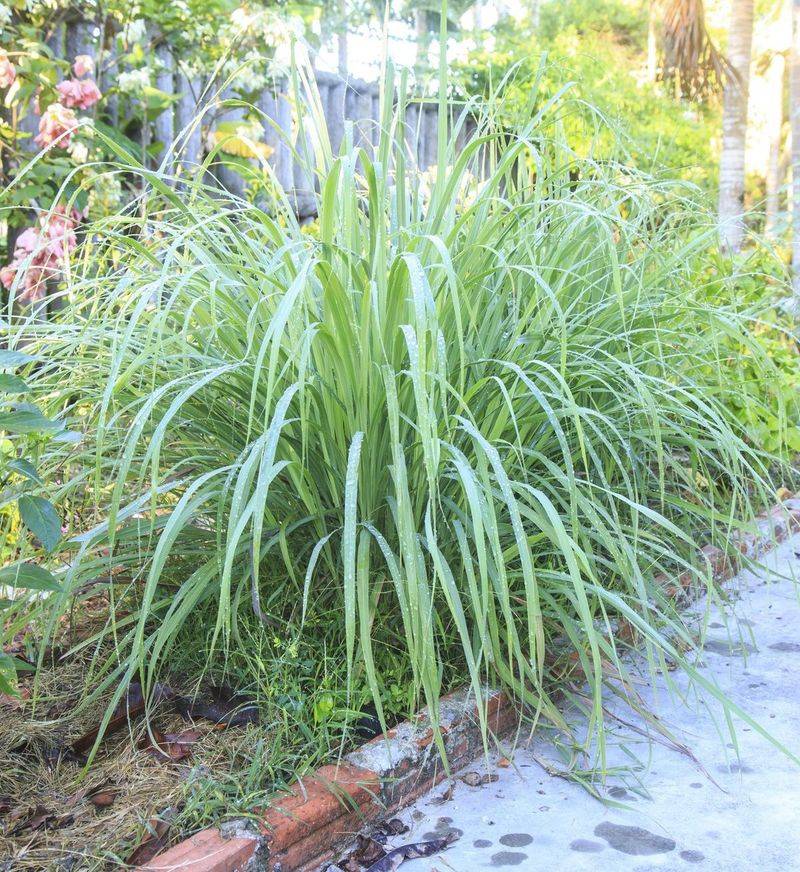
Here is a mistake that catches many gardeners off guard: waiting for frost to appear before acting.
By the time you spot icy blades in the morning, the cold has already touched your plant. Lemongrass reacts poorly to freezing air, so the safest plan is to move it well before that first frost.
North Carolina is a big state, and its first fall freeze arrives at very different times depending on where you live.
According to NC State Extension, mountain areas can cool down much earlier than coastal regions. That means your neighbor two counties away might need to act weeks before or after you do.
Your North Carolina Garden Changes Every Week. Your Plan Should Too.
Gardening in North Carolina changes quickly throughout the season. Every Friday you’ll receive a simple weekly plan showing exactly what to plant, prune, fertilize, harvest, and protect so you never miss the right timing.
Checking your local average first frost date takes only a minute online. Once you know that date, mark it on your calendar and plan to bring your lemongrass in several days earlier. A little cushion protects you from a surprise cold snap.
Weather forecasts help too, but averages give you a steady guide. Freezing temperatures can slip in overnight, especially in low spots where cold air settles. Being ready ahead of time keeps you calm and your plant safe.
Think of the frost date as a starting bell, not a finish line. You want the plant tucked away before the cold arrives, not scrambling in the dark to save it. Acting early feels much better than hoping the weather waits for you.
When you plan around real freeze dates for your area, your lemongrass has the best possible chance of thriving.
3. Give It The Brightest Indoor Spot Available
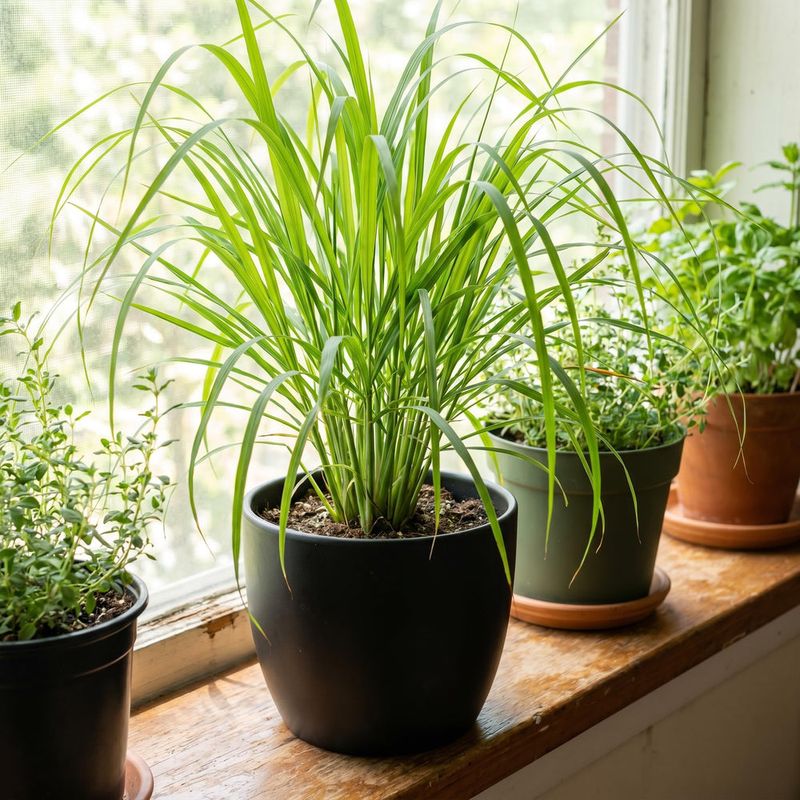
Sunlight is lemongrass fuel, plain and simple. Outdoors it soaks up hours of bright light every day, and that energy keeps the blades tall and full.
When you bring the plant inside, it suddenly has far less light to work with, so your job is to find the sunniest spot you can.
A south-facing window usually wins the prize because it catches the most sun through the day. West-facing windows work well too, especially in the afternoon. The goal is to give the plant as much natural light as possible during the shorter days of fall and winter.
A dark corner might seem cozy, but it starves the plant slowly. Without enough light, the blades turn pale, grow thin, and lose their strength. You may notice the whole plant looking tired and stretched.
If your home does not have a bright window, a simple grow light can fill the gap. Place it a foot or so above the plant and leave it on for several hours each day. This gives your lemongrass the boost it needs when the sun is weak.
Turn the pot every week or so, since plants lean toward the light. A little spin keeps the growth even and the shape balanced. It is a small habit that makes a big difference.
Give this step some thought when you first move the plant inside. Good light from the start helps your lemongrass settle in happily and stay ready for spring, when it can head back outdoors to soak up full summer sun once more.
4. Keep The Container From Drying Out
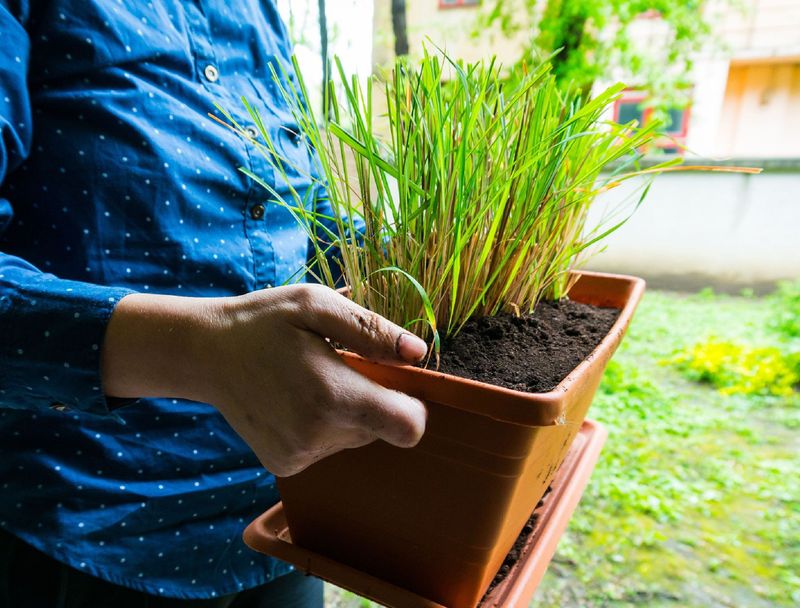
Water is one thing lemongrass really cares about, even when it rests indoors. NC State Extension specifically warns gardeners not to let overwintered lemongrass dry out completely.
This plant naturally grows in warm, moist places, so bone-dry soil leaves it stressed and unhappy.
Indoor air often gets dry in fall and winter, especially when heaters run. That dryness pulls moisture from the potting mix faster than you might guess. Because of this, checking the soil regularly becomes an important habit.
Feeling the mix with your finger is the easiest test. Push a fingertip about an inch into the soil, and if it feels dry there, it is time to water. If it still feels damp, wait a day or two and check again.
A steady schedule helps, but the finger test always wins over guessing. Some weeks the plant drinks more, other weeks less, depending on light and room temperature. Paying attention keeps you from missing the mark.
Water slowly and evenly until moisture reaches the roots throughout the pot. Try not to let the soil crack or pull away from the sides, since that means it has gone too dry. Gentle, regular watering keeps the roots comfortable.
Think of this as steady care rather than heavy soaking. Lemongrass wants damp, never desert-dry, soil while it waits out the cold.
When you keep the mix lightly moist through the season, the plant stays green and strong, ready to burst into fresh growth once warm weather returns and it can move back outside.
5. Do Not Keep The Roots Constantly Soggy
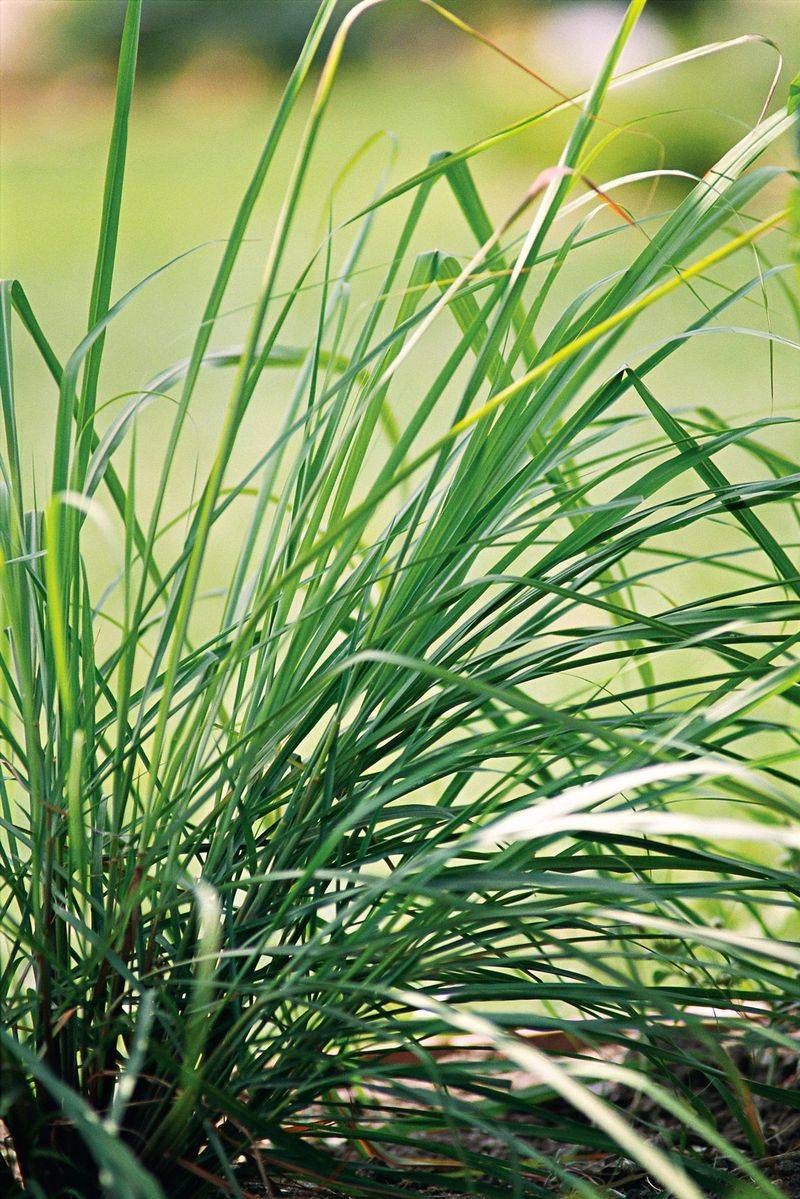
There is a fine line between moist and soggy, and lemongrass wants to stay on the right side of it.
Keeping the soil lightly damp is great, but leaving the roots sitting in standing water causes trouble. Too much water blocks air from reaching the roots, and unhappy roots lead to a weak plant.
Overwatering is one of the most common mistakes people make with indoor plants. It feels like kindness, but the roots actually need air pockets in the soil to breathe. When those pockets stay flooded, the roots begin to rot.
Drainage is the simple fix. Make sure your container has holes in the bottom so extra water can escape freely. Without them, water pools at the roots and has nowhere to go.
A saucer under the pot catches runoff, but do not let the pot sit in that puddle for long. Empty the saucer after watering so the roots are not soaking in leftover water. This small step protects the plant more than you might expect.
Balance is the whole idea here. You want the soil damp enough that it never fully dries, yet loose and airy enough that it never turns into mud. Aim for that middle ground and your lemongrass will thank you.
Watch how quickly your pot drains and adjust as needed. If water sits on top for a long time, the mix may need to be looser. Getting this balance right during fall sets your plant up to stay healthy all winter long.
6. Inspect The Plant Before Bringing It Inside
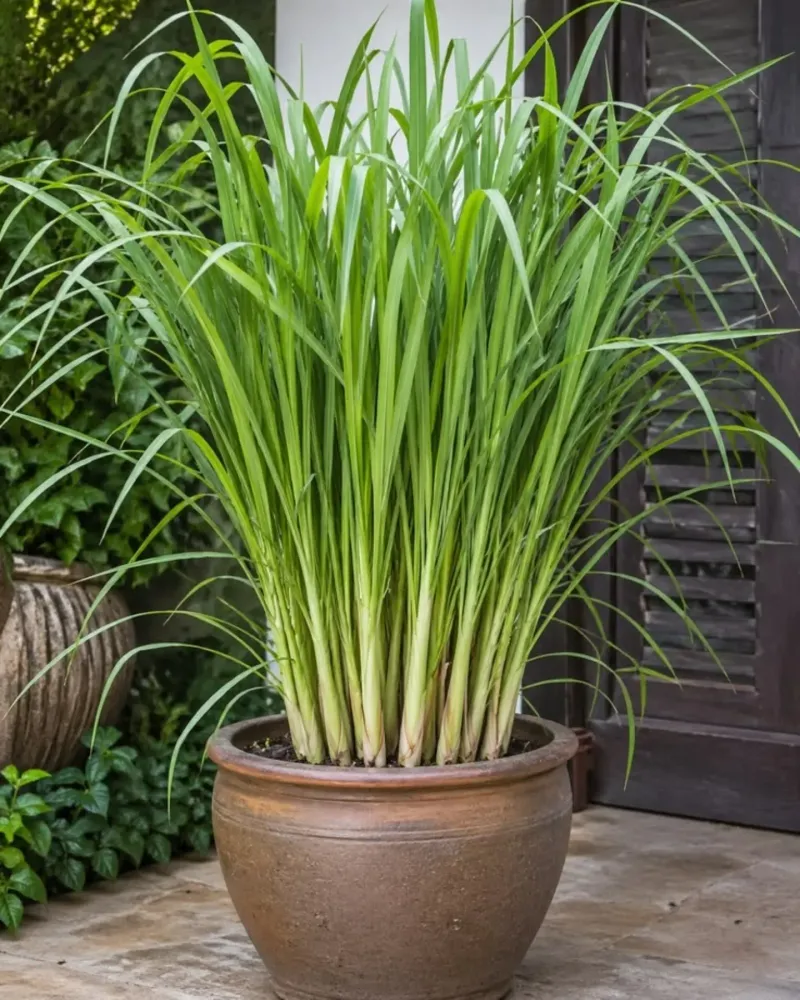
Before your lemongrass crosses the threshold, give it a good once-over. Plants that live outside often carry tiny hitchhikers, and you do not want those pests moving in with your houseplants. A careful check now saves a big headache later.
Look closely at the blades, both the tops and undersides, where insects love to hide. Spider mites, aphids, and other small bugs can cling to the leaves without you noticing at first glance. Turning the plant and studying it slowly helps you spot trouble early.
Check the soil surface and the base of the plant too. Sometimes pests hide near the roots or in the top layer of potting mix. Gently poke around and see if anything is crawling where it should not be.
If you find bugs, treat the plant before it comes inside. A spray of water can knock off many pests, and insecticidal soap handles tougher cases. Dealing with problems outdoors keeps them from spreading to your other plants.
Also watch for signs of disease, like spots, mushy patches, or unusual yellowing. Trimming off any damaged blades tidies the plant and removes possible problem areas. A clean, healthy plant settles indoors far more smoothly.
Give the whole plant a rinse if it looks dusty or grimy. Fresh, clean blades not only look nicer but also make future inspections easier.
Taking these few minutes in September means your lemongrass joins your indoor collection without bringing unwanted guests, keeping every plant in your home safe and thriving through the season.
7. Reduce Fertilizer As Growth Slows
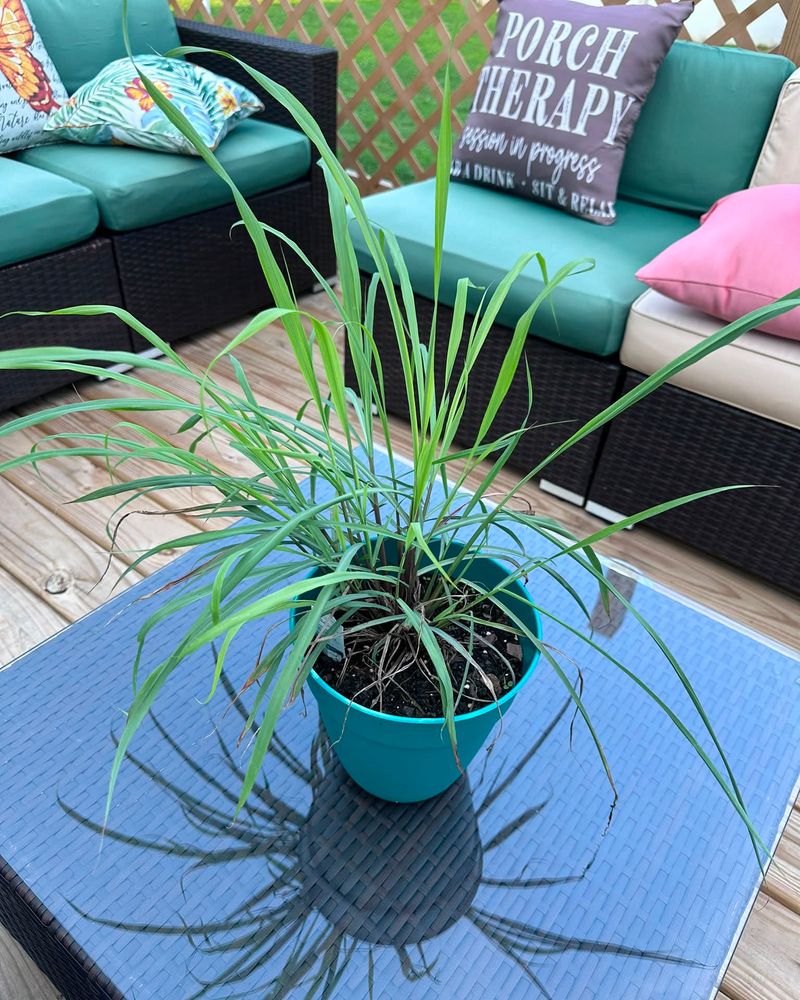
Summer is the time to feed lemongrass and cheer it toward big, bushy growth. Fall flips that idea completely. As days grow shorter and temperatures drop, the plant naturally slows down, and pushing it to grow fast now works against you.
Fertilizer tells a plant to grow, but new growth in cool weather comes out weak and tender. That soft new growth struggles to handle indoor conditions and low light. Instead of helping, heavy feeding leaves the plant stretched and fragile.
Cutting back on fertilizer lets the plant settle into a calmer rhythm. It shifts its energy from growing quickly to simply staying healthy and steady. This quieter phase is exactly what lemongrass needs during the cold months.
Think of fall care as helping the plant relax, not race. Your goal is smooth adjustment to indoor life, not a burst of fresh blades. A resting plant handles the change in light and temperature far better than a stressed, overfed one.
You can slow or stop feeding entirely by the time you bring the pot inside. If the plant looks fine and green, it does not need a boost right now. Let it coast through the season without extra pressure.
When spring arrives and warm days return, you can start feeding again to wake the plant up.
That is when lemongrass wants the extra energy to push out lush new growth. For now, easing off fertilizer keeps your plant calm, comfortable, and ready to bounce back strong once the weather warms.
8. Know When Outdoor Lemongrass Must Come In
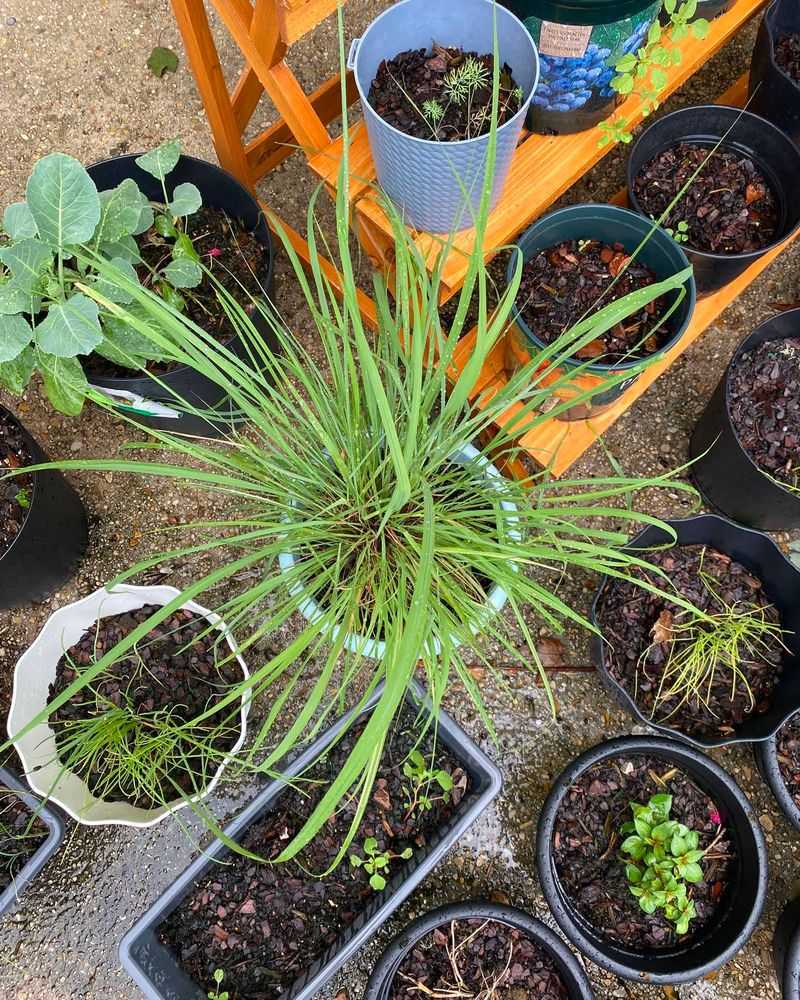
Lemongrass is a tropical plant at heart, and that fact shapes how it survives a North Carolina winter.
Across much of the state, it is not reliably hardy enough to stay outdoors through the cold season. Gardeners in warmer coastal spots may have better luck, but colder regions need a solid plan.
If you planted lemongrass in the ground, digging it up and potting it becomes the safest move in fall. This lets you bring it indoors where the roots stay protected. A garden clump can be split, so you keep a piece inside and share the rest.
Local freeze information should guide your timing, not the sight of damaged blades. By the time frost harms the plant, the cold has already done its work. Acting on your area’s freeze dates keeps you a step ahead.
Colder parts of the state, like the mountains, cool down sooner and harder. Gardeners there simply cannot count on lemongrass toughing it out unprotected. Bringing it in becomes the difference between keeping your plant and starting over next year.
Even in milder areas, a heavy mulch layer only goes so far. When temperatures dip low enough, above-ground blades give up quickly. Having the plant safely potted removes that worry entirely.
Plan around your specific location and its typical fall chill. A quick check of local freeze dates tells you when to dig, pot, and move your lemongrass indoors.
Handle this before September ends, and your plant will greet spring healthy, green, and eager to grow again.