These New York Vegetables Keep Producing Well Into September Every Year
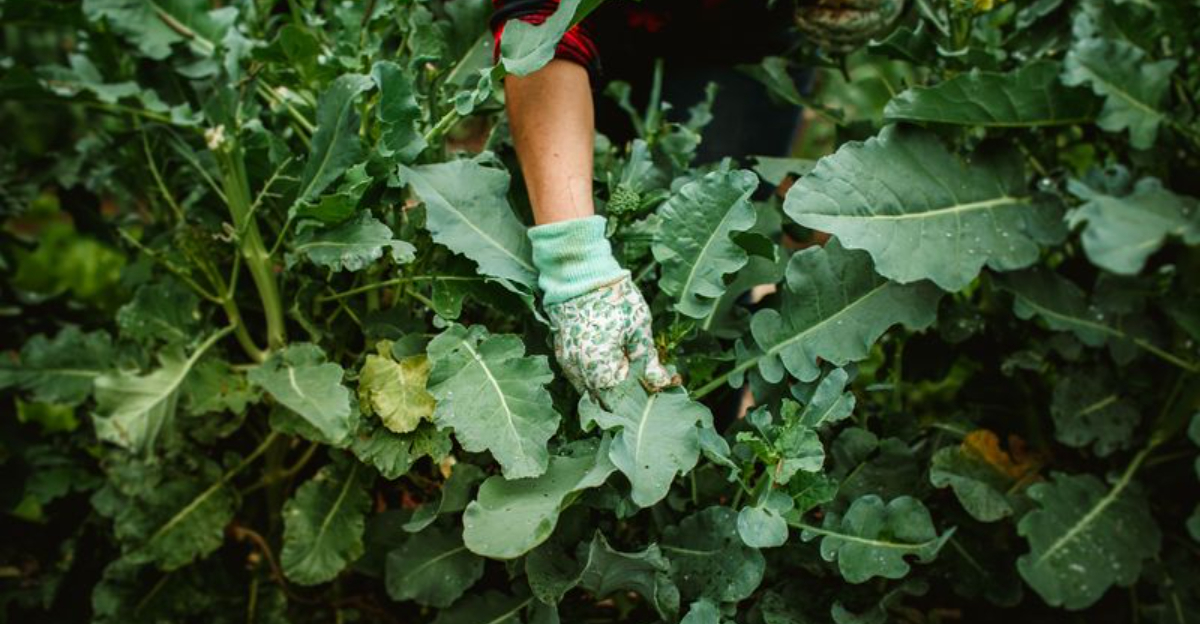
Your summer favorites may be on their way out, but the garden still has plenty of life left. Hardy greens and root vegetables actually prefer the cooler days ahead.
And that’s where September comes in. As summer heat fades across New York, the garden can get a fresh burst of life, with plenty of vegetables ready for harvest.
Some crops even seem to perk up once the summer heat fades. Cooler nights can help certain greens stay tender, while root vegetables continue developing beneath the soil.
You don’t need a big garden to keep harvesting into fall, either. Plant the right crops, and you can keep picking fresh vegetables well after summer has passed.
1. Why September Is Still A Great Time For Kale
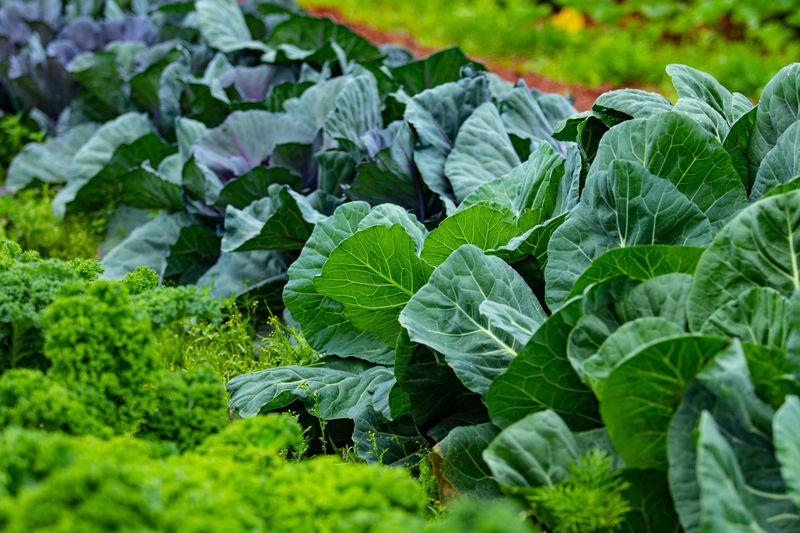
If there’s one vegetable that seems almost unfazed by the arrival of fall, it’s kale. This tough leafy green handles cooler temperatures well and can keep producing after many summer vegetables have started to fade.
Kale is especially useful because you don’t have to harvest the entire plant at once. Pick the larger outside leaves and leave the center intact, and the plant can continue pushing out new growth.
September is often a comfortable growing period for kale in New York. The intense summer heat has eased, but there are usually still plenty of mild days for the plants to grow.
Cool weather can also improve the flavor. Kale tends to develop a sweeter, less bitter taste as temperatures drop, making those September harvests especially welcome.
Keep the plants watered when rainfall is lacking, but don’t leave the soil constantly soggy. A layer of mulch around the base can help keep moisture in and protect the roots as temperatures begin to fluctuate.
If a cold snap is coming, you don’t necessarily need to panic. Kale is one of the better vegetables to have in the garden when fall starts making an appearance.
2. Spinach Finds Its Sweet Spot In September
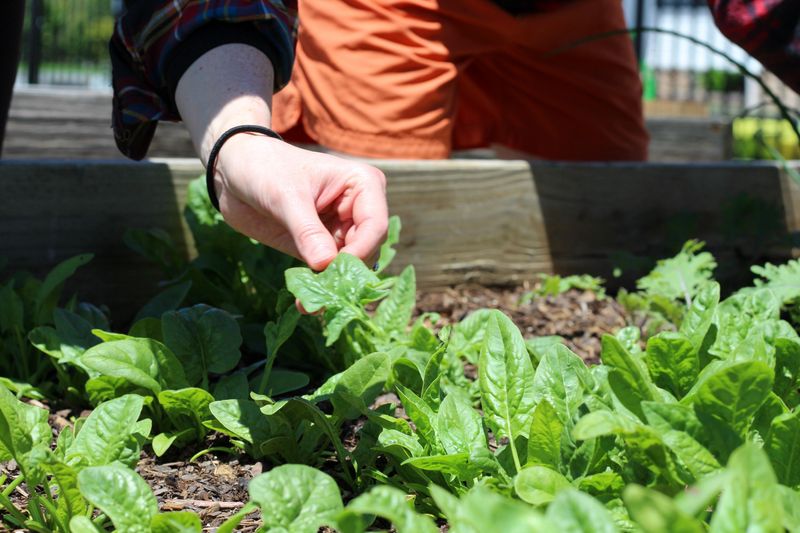
Spinach and summer heat aren’t exactly best friends. High temperatures can encourage spinach to bolt, leaving you with fewer tender leaves and a plant that’s rushing toward seed production.
Once September arrives, conditions become much more comfortable.
Cooler days and nights give spinach a chance to produce tender leaves without dealing with the same heat stress it faces in midsummer. That’s why spinach is such a popular choice for fall gardens.
If you already have spinach growing, keep harvesting the outside leaves while allowing the smaller center leaves to develop. Regular picking can give you a steady supply instead of one large harvest.
New spinach can also be started in late summer or early fall, depending on your location, variety, and how long your growing season lasts. Just remember that shorter days mean plants won’t grow as quickly as they did during the brighter months of summer.
That isn’t necessarily a problem. The goal is to take advantage of the cooler conditions while there is still enough time for the plants to establish themselves.
Your New York Garden Changes Every Week. Your Plan Should Too.
Gardening in New York changes quickly throughout the season. Every Friday you’ll receive a simple weekly plan showing exactly what to plant, prune, fertilize, harvest, and protect so you never miss the right timing.
And when the nights get colder, row covers can give young plants some extra protection. With a little help, spinach can keep giving you fresh leaves as fall settles in.
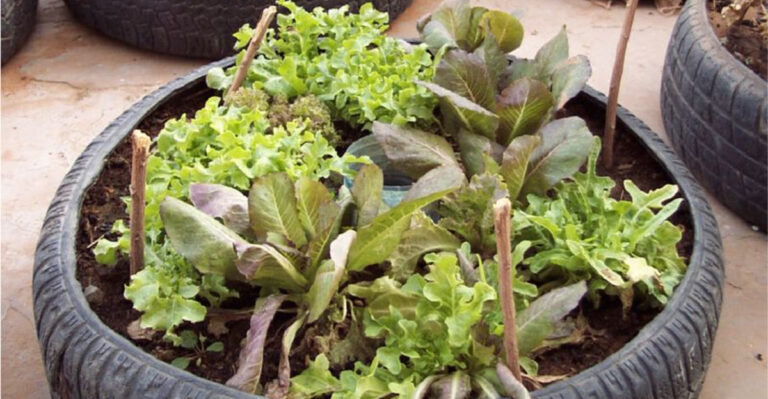
3. Lettuce Loves The Shift To Cooler Days
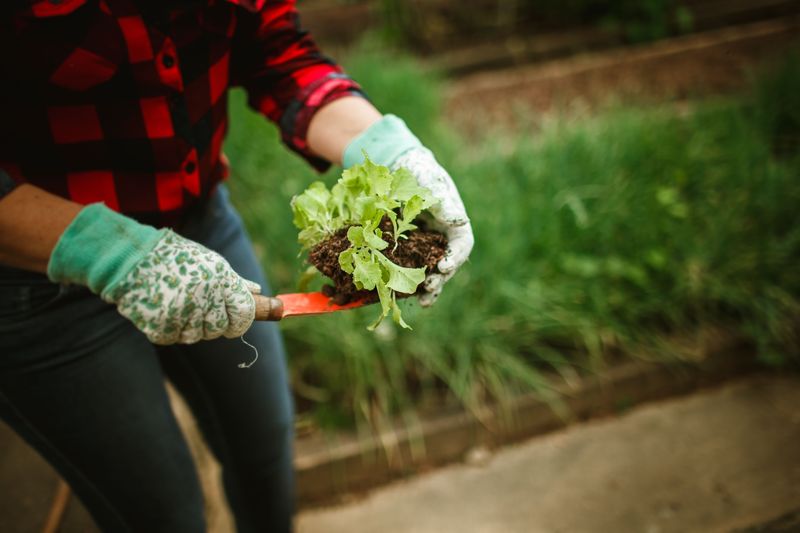
Lettuce is another crop that appreciates the change from hot summer weather to cooler September conditions in New York.
If your lettuce struggled during a stretch of hot weather, don’t assume the season is over. Leaf lettuce, romaine, and butterhead varieties can all perform well when temperatures become milder.
One of the biggest advantages of lettuce is that you can harvest it in stages. With loose-leaf varieties, pick the larger outer leaves and let the rest continue growing.
Head lettuces are usually harvested differently once they mature.
This works especially well in a small garden because you can get multiple harvests from the same planting.
Keep an eye on moisture, particularly during dry stretches. Lettuce has relatively shallow roots, so it can dry out faster than deeper-rooted vegetables.
Mulch can help keep the soil from drying too quickly.
You can also make your fall lettuce supply last longer by planting small batches rather than putting all your seeds in the ground at once. That way, everything doesn’t become ready at the same time.
As the weather gets colder, lightweight row covers can also help protect lettuce from frost. A little protection can give you extra time to keep harvesting before winter finally takes over.
4. Swiss Chard Just Keeps On Producing
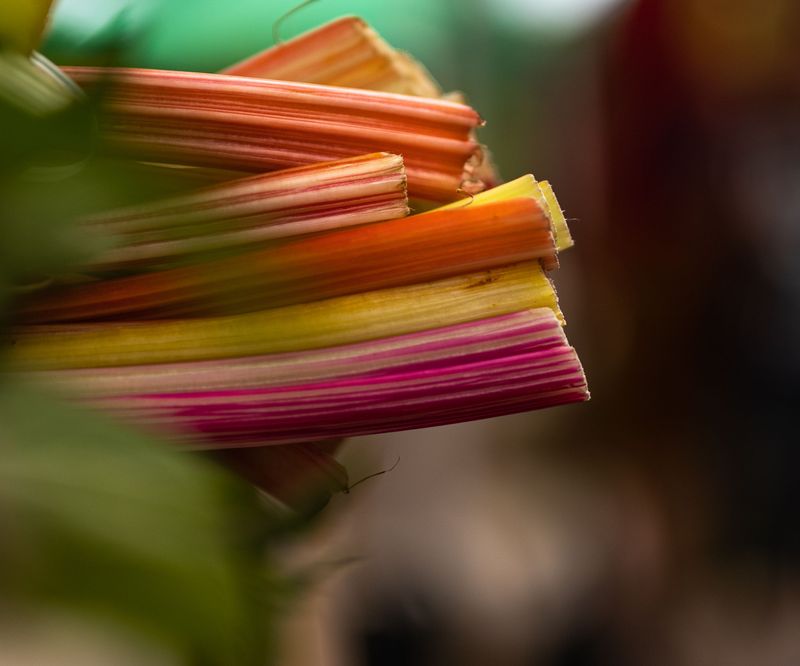
Swiss chard is easy to underestimate. It may not get as much attention as kale or spinach, but it’s one of the most useful vegetables for keeping a garden productive as summer winds down.
The plants can continue producing leaves as temperatures cool, giving you another reliable source of greens for September meals.
And like kale, chard doesn’t require you to harvest everything at once. Pick the larger outside leaves and allow the younger leaves in the center to continue developing.
This makes chard especially handy if you prefer harvesting a little at a time.
September’s cooler temperatures can also make the plants easier to manage than they were during the hottest part of summer. Just keep the soil reasonably moist and make sure the plants receive plenty of sunlight.
If you grow colorful varieties, the bright stems can also add some interest to a garden that’s starting to look a little tired after months of summer growth.
Don’t pull the plants simply because summer is ending. If they’re still healthy and producing, give them room to keep going.
With reasonable care and some protection when colder weather arrives, Swiss chard can help stretch your garden’s leafy-green harvest well into fall.
5. Radishes Bring A Quick September Harvest
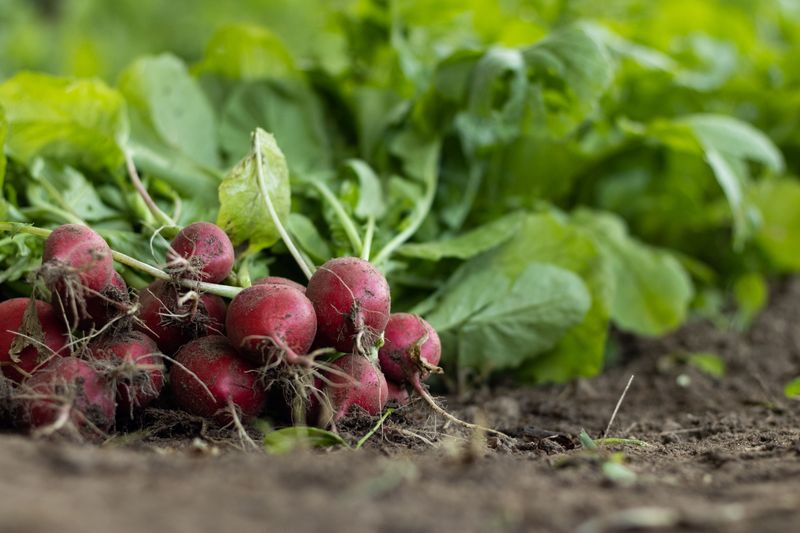
Want a vegetable you don’t have to wait forever to harvest? Radishes are one of the easiest choices.
Many radish varieties mature quickly, making them a good option for gardeners who still want to plant something as summer comes to an end.
They also appreciate cooler conditions. Hot weather can make some radishes grow poorly or develop an overly strong flavor, while cooler temperatures can help them stay crisp and pleasant to eat.
September can therefore be a useful time to grow another round, depending on your location and the variety.
Rather than planting an entire packet at once, try sowing a small number of seeds every week or two when conditions allow. This can give you a more consistent supply of radishes instead of having dozens ready at exactly the same time.
Radishes also don’t require much garden space. They can fit into small beds, containers, or open spaces between slower-growing crops.
Keep the soil evenly moist while they’re developing. Uneven moisture can affect root development and quality.
Once the roots reach the size you want, harvest them rather than leaving them in the ground indefinitely. Older radishes can become tough or overly strong.
For a quick late-season crop, though, radishes are hard to beat.
6. Beets Keep Getting Better As Fall Gets Closer
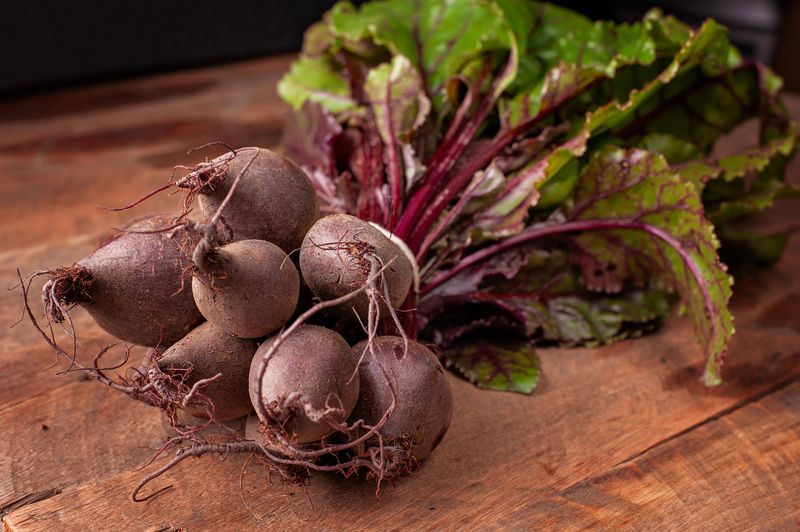
Beets are doing some of their best work where you can’t see it.
While the leaves grow above the soil, the roots continue developing underneath. Cooler September conditions can give these root vegetables plenty of time to finish growing before the ground becomes too cold.
If you planted beets earlier in the season, September is a good time to check their progress. You don’t necessarily have to harvest every beet at once.
Pull the larger ones when you’re ready and leave smaller roots to keep developing.
The greens are edible, too, giving you two useful harvests from one plant.
Beets generally prefer consistent moisture, so don’t let the soil swing from very dry to very wet. A layer of mulch can help keep moisture levels more even while also reducing weed competition.
Another benefit is that beets don’t take up a huge amount of space. They’re a practical choice for gardeners working with small beds who want to squeeze in another fall harvest.
As temperatures cool, the plants can continue developing even when some summer crops have stopped producing.
Just keep an eye on your local weather. If a hard freeze is approaching and your beets are mature, harvesting them may be the better choice rather than risking damage.
7. Cooler Days Bring Out The Best In Carrots
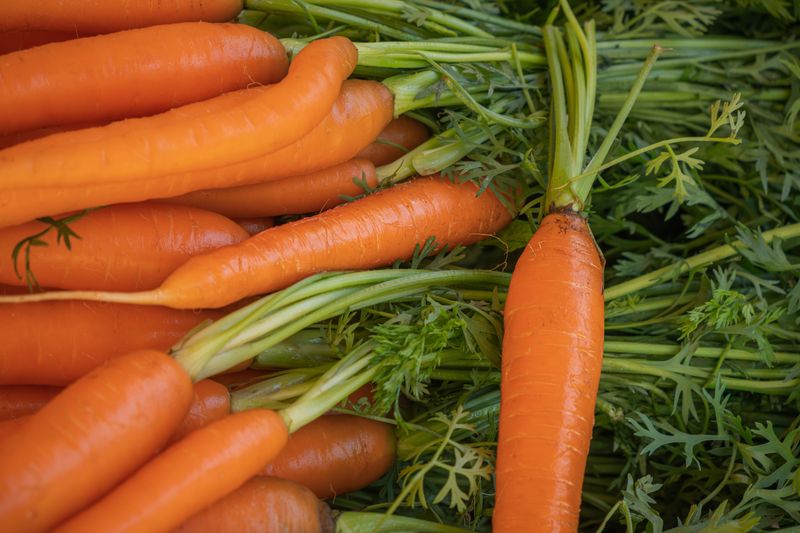
Carrots are another vegetable that can make the transition from summer to fall feel like a bonus growing season.
Unlike tomatoes, peppers, and cucumbers, carrots don’t need hot weather to finish their growth. In fact, cooler conditions can be helpful for flavor.
If you planted carrots earlier in the year, don’t assume you need to pull them all as soon as September arrives. Depending on the variety and their size, they can often stay in the ground while you harvest them as needed.
Cool temperatures can also encourage carrots to develop a sweeter flavor as they mature.
The important thing is to keep track of how large the roots have become and whether your soil is still easy to work. Once the ground becomes very wet, frozen, or difficult to dig, harvesting becomes much less convenient.
Carrots also appreciate loose soil because compacted ground can make it harder for their roots to develop properly.
If you’re growing them in heavy or rocky soil, raised beds or containers can make things easier.
For New York gardeners, carrots are one of those crops that can quietly keep working while the garden above ground starts looking more like fall.
8. Broccoli Hits Its Stride As Fall Nears
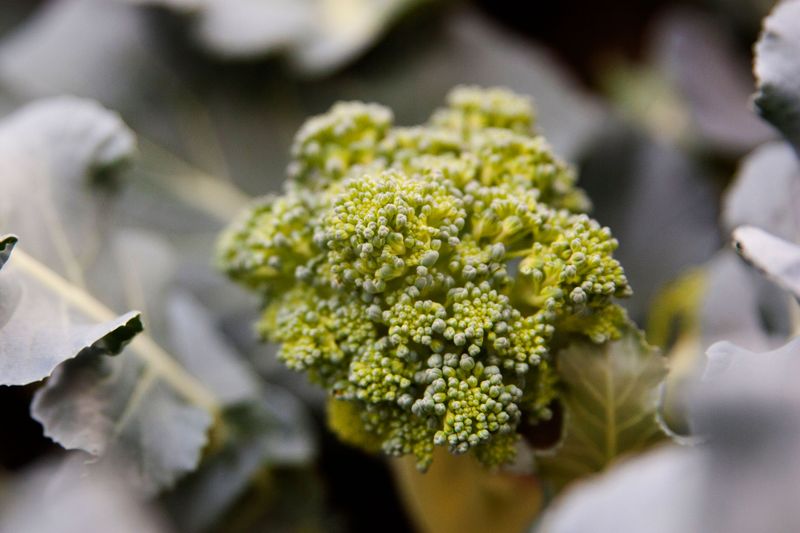
Broccoli is a classic cool-season vegetable, and fall can be a great time for it to shine.
The plants generally prefer cooler conditions to the heat of midsummer. If your broccoli was planted at the right time, September can be when some varieties begin producing harvestable heads.
Keep an eye on the developing heads. You want to harvest them while the buds are still tight and before the yellow flowers begin opening.
Cutting the main head doesn’t necessarily mean the plant is finished. Many broccoli plants can produce smaller side shoots afterward, giving you additional harvests.
Broccoli also needs steady moisture while the heads are developing. Dry conditions can slow growth and affect the quality of the harvest, so check the soil regularly.
Watch for caterpillars and other pests, too. Cooler weather doesn’t automatically mean the garden is pest-free.
If you have healthy broccoli plants heading into September, there’s no reason to rush them out just because summer is ending. Their preferred weather is finally arriving.
9. Peas Get A Second Wind When Summer Ends
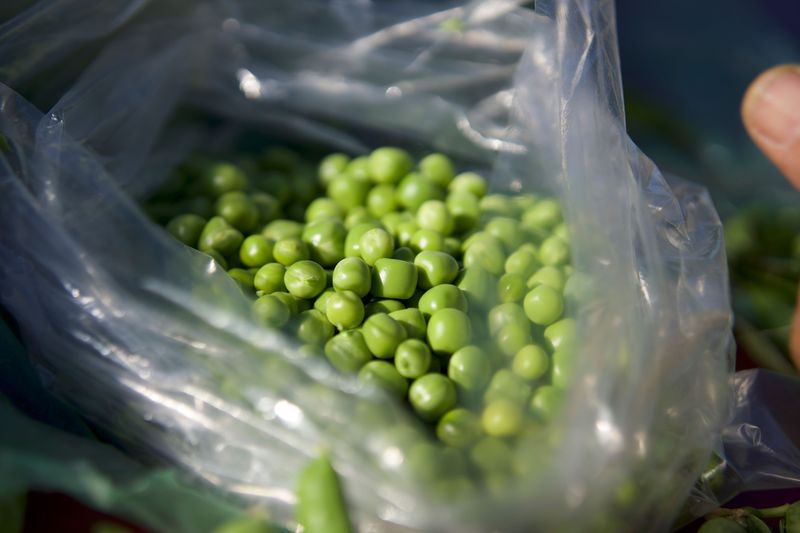
Peas are another vegetable that enjoys cool weather, making them an interesting option for extending the growing season.
They don’t perform particularly well during hot weather, so the arrival of cooler September temperatures can actually be a relief.
If peas were planted early enough for your local growing conditions, they may continue producing pods as summer fades, especially in areas with a longer fall season. Gardeners in areas with a longer fall season may have more time to enjoy them before the first hard freeze.
Keep plants supported if you’re growing climbing varieties. A simple trellis or other support gives the vines somewhere to grow and keeps the pods easier to find.
Harvest pods regularly once they are ready. Leaving mature pods on the plant can signal the plant to slow down production.
Peas are also a good reminder that fall gardening isn’t just about leafy greens and root vegetables. Some crops that struggled during the summer can get a second chance when the heat disappears.
Just keep your local frost date in mind. Peas are relatively cold-tolerant, but a hard freeze can bring production to an end.
10. Green Onions Refuse To Call It Quits
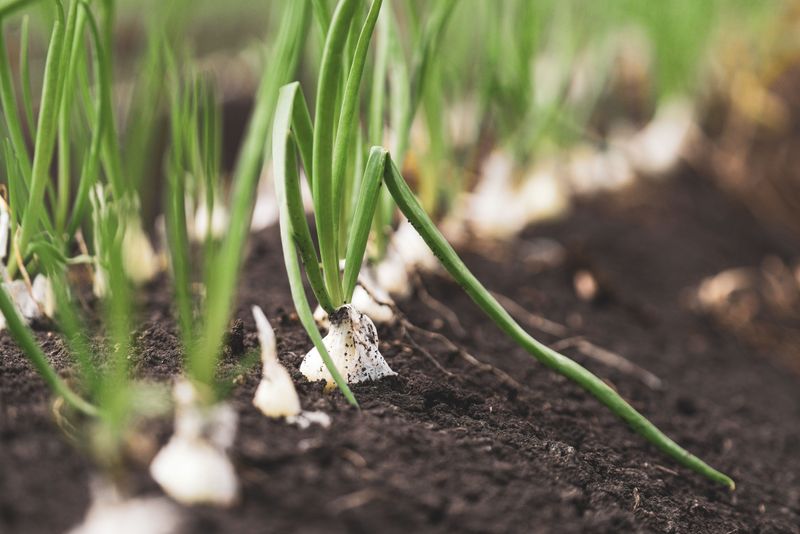
Green onions may not be the star of the vegetable garden, but they’re one of the easiest crops to keep using as the weather cools.
They don’t require much space, and you can harvest them as needed rather than waiting for one large crop.
Snip green tops for salads, soups, sauces, sandwiches, and other meals, or pull the entire plant when it’s large enough.
Because green onions can handle cooler temperatures, they can help keep your garden productive after many summer vegetables have finished.
They’re also a smart choice for smaller gardens. You can tuck them into spaces between larger plants or grow them in containers if you’re short on room.
Keep the soil reasonably moist and weed-free, especially while young plants are establishing.
If you planted them earlier in the season, September can be a great time to start using them regularly. If your local conditions allow, green onions can often tolerate cooler temperatures and continue providing harvests later into the season.
Sometimes extending the harvest isn’t about growing huge crops. It’s simply about having something fresh to pick whenever you need it.