This Overlooked Native Shrub Beats Boxwood In New York Landscapes
Boxwood has held its place in New York gardens for generations, framing walkways and holding hedges in crisp, predictable lines.
That reputation has started to slip. Blight, hungry deer, and scorched winter foliage have turned a low-maintenance classic into a shrub that asks for steady attention and frequent replacement.
Meanwhile, another evergreen has been quietly thriving in the state’s damp woodland edges and sandy soils, shrugging off the conditions that leave boxwood thin and patchy.
The trade-off gets better from there. This one holds glossy leaves through February, tolerates wet spots where boxwood roots rot, and feeds pollinators in spring and songbirds through winter.
Gardeners from Long Island to the Hudson Valley have been swapping it in, and the hedges look sharper for it. The question worth asking is why it took this long.
A Native Alternative Solves Boxwood’s Biggest Problems
Boxwood blight moved through the Northeast and left homeowners with brown, bare hedges in a single season. That setback pushed many New York gardeners to look for something tougher and more reliable.
Inkberry holly turned out to be the replacement most gardeners had not considered. This native holly grows on its own across the eastern United States, including New York’s wetlands and woodland edges.
Unlike boxwood, inkberry does not host the fungal diseases that ruined so many formal hedges. It handles harsh winters, humid summers, and the kind of weather swings New York delivers every season.
Inkberry also takes shearing well, holding a clean rounded form through repeated trims each season. Its small spring flowers draw native bees, and the dark berries that follow carry songbirds through the coldest stretch of winter.
Homeowners who made the swap noticed something right away. Their new hedges looked healthier, required less spraying, and needed far less fussing overall.
Native plant nurseries in the Hudson Valley and on Long Island have seen steady interest in inkberry holly. Landscape designers are now specifying it in place of boxwood on many residential projects.
The plant’s natural toughness comes from centuries of adapting to local soil, rainfall, and temperature patterns. Few imported shrubs match that kind of deep-rooted resilience.
If you have struggled with boxwood in your yard, inkberry offers a fresh start. Choosing a plant that actually belongs here makes every season easier and every garden more rewarding.
Its Glossy Foliage Mimics The Classic Boxwood Look
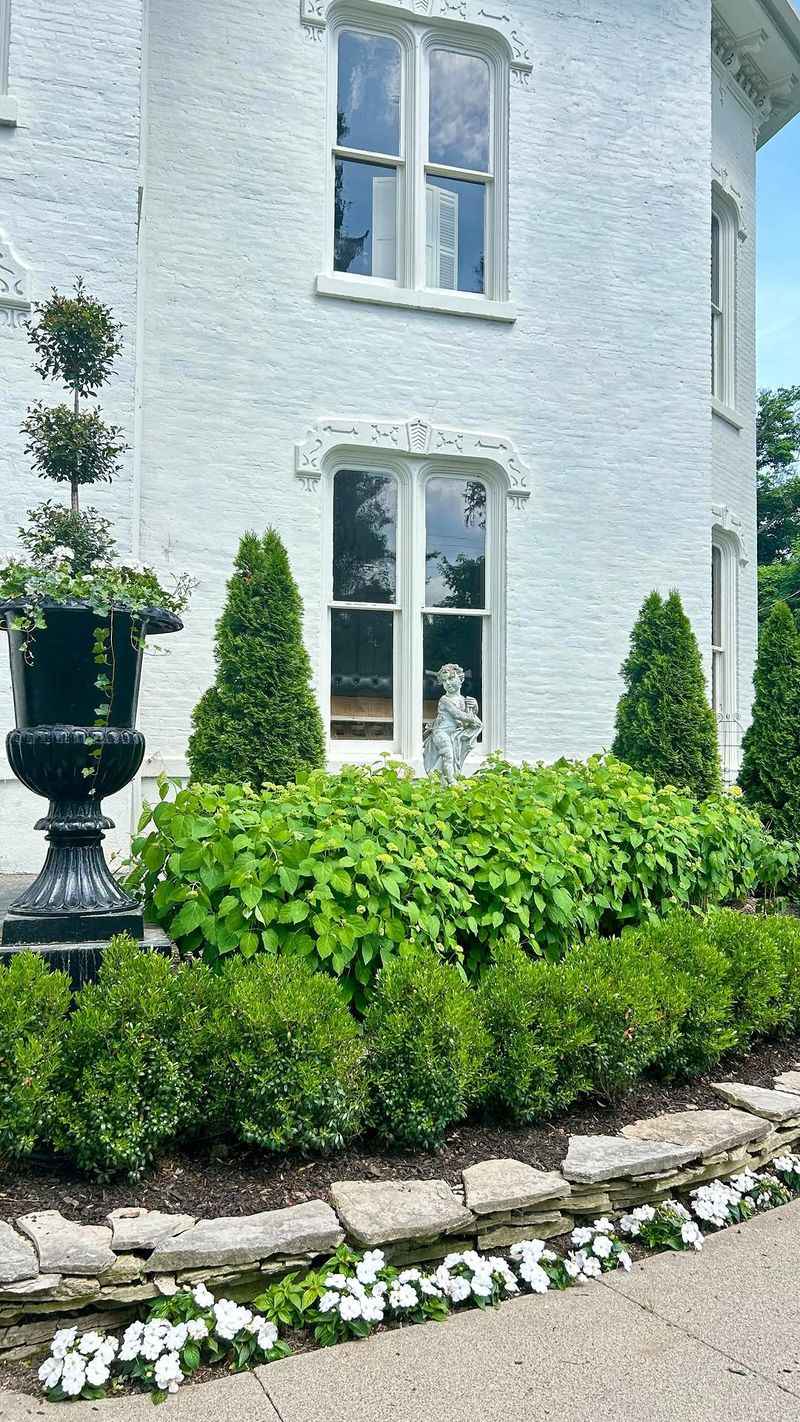
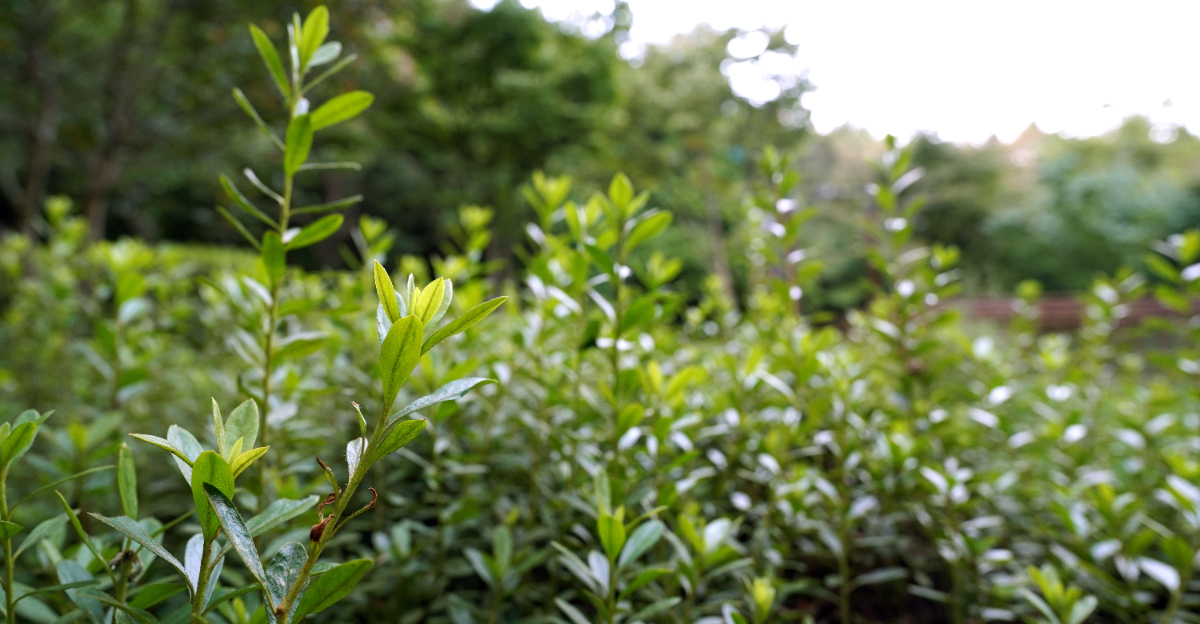
Walk past an inkberry hedge and do a double take. The dense, dark green foliage has a polished look that feels surprisingly similar to classic boxwood from a distance.
The leaves are small, oval, and shiny, giving the plant a tidy, structured appearance. That quality suits both formal and casual garden styles, which is why designers reach for it so often.
Boxwood earned its reputation partly because of that clean, evergreen presence. Inkberry holly delivers the same visual effect while being a native plant that actually belongs in this region.
The shrub holds its foliage through winter, which matters a lot in New York’s cold months. When everything else goes bare, an inkberry hedge stays green and keeps the garden looking intentional.
Your New York Garden Changes Every Week. Your Plan Should Too.
Gardening in New York changes quickly throughout the season. Every Friday you’ll receive a simple weekly plan showing exactly what to plant, prune, fertilize, harvest, and protect so you never miss the right timing.
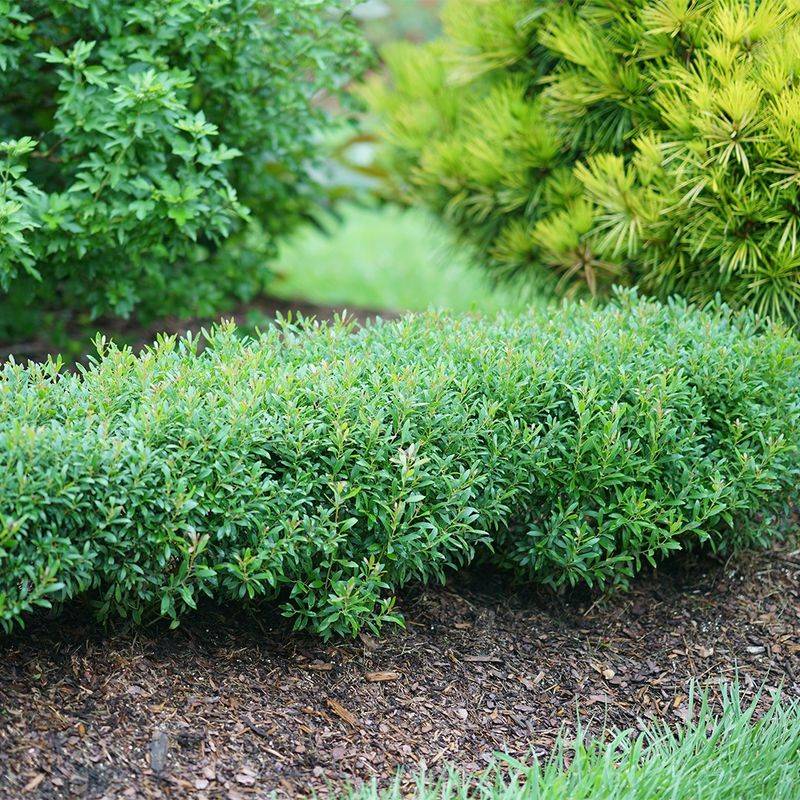
Some cultivars, like Shamrock and Gem Box, have been selected specifically for compact growth. These varieties stay tight and neat with very little pruning, making them ideal for defined borders and foundation plantings.
Gem Box grows only two to three feet tall, which is perfect for low hedges along walkways or driveways. Gardeners used to shearing boxwood several times a season find inkberry far more forgiving.
The glossy texture also catches light beautifully in the morning hours. That subtle shine reads brighter than the matte foliage of most other hedging shrubs.
Inkberry Holly Also Tolerates Wet Soil Better
Soggy spots in the yard undo most ornamental shrubs. Boxwood roots rot quickly in poorly drained soil, and replacing an established hedge gets expensive fast.
Inkberry holly thrives in spots where most ornamental shrubs fade out. It evolved in wetland edges and boggy areas, so standing water after a rainstorm rarely sets it back.
Many New York properties have low spots, clay-heavy soil, or areas near downspouts where water collects. These are the spots where inkberry performs best and boxwood struggles most.
Rain gardens have become popular in suburban neighborhoods as a way to manage stormwater runoff naturally. Inkberry ranks among the most recommended plants for rain garden borders thanks to its tolerance for periodic flooding.
Landscape architects working on sustainable projects often specify it near retention areas or along drainage swales. It holds surface soil in place, handles periodic saturation, and still looks attractive through the growing season.
Established plants also hold their color and density after a wet spring, when many shrubs come out thin. That makes inkberry dependable on properties where drainage varies from corner to corner.
Inkberry also skips the soil prep that boxwood needs to thrive. There is no amending, no perfect drainage to engineer, just average garden soil and a plant that settles in on its own.
Choosing a plant that fits your actual yard conditions saves time, money, and frustration. Inkberry lets you work with your yard conditions instead of correcting them every season.
Resistance To Blight Gives It A Lasting Edge
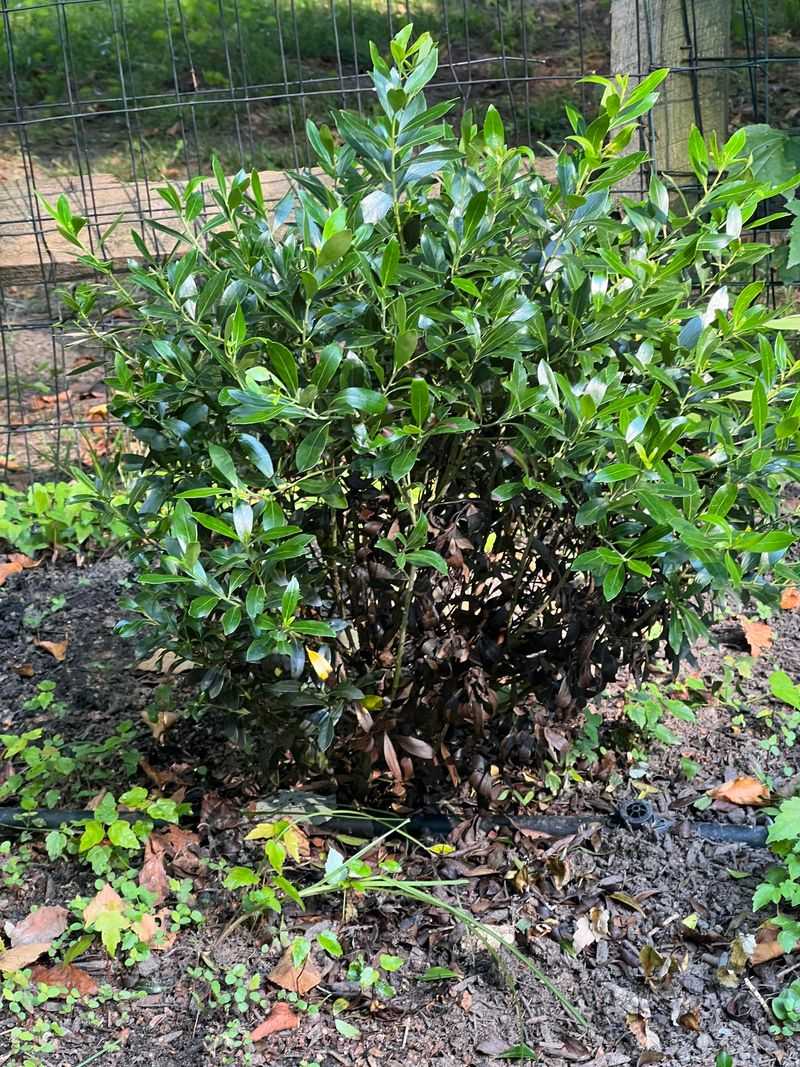
Boxwood blight ranks among the more damaging ornamental plant diseases to reach American gardens in recent decades. The fungal infection spreads fast, browns the leaves, and ruins entire hedges within a single season.
Inkberry holly is not susceptible to boxwood blight. The disease does not affect hollies, so a neighboring boxwood hedge poses no risk to your planting.
Boxwood leaf miner is another pest that causes serious damage across New York gardens. The larvae of this small insect tunnel through the leaves, creating a blotchy, unhealthy appearance that is hard to reverse.
Inkberry does not attract boxwood leaf miners. Switching to this native shrub removes two of the biggest problems that trouble traditional formal hedging plants.
Pesticide applications for boxwood diseases and pests add up quickly in both cost and environmental impact. Choosing a disease-resistant native plant reduces the need for chemical treatments significantly.
Some homeowners spray boxwood several times a season just to keep it presentable. With inkberry, that spray routine drops away, which benefits your soil, your household, and local wildlife.
A shrub that stays healthy without intervention is a shrub worth planting. Inkberry holly pairs a tidy appearance with real durability, and it holds that combination far longer than boxwood does.
Pollinators And Birds Benefit From Its Berries
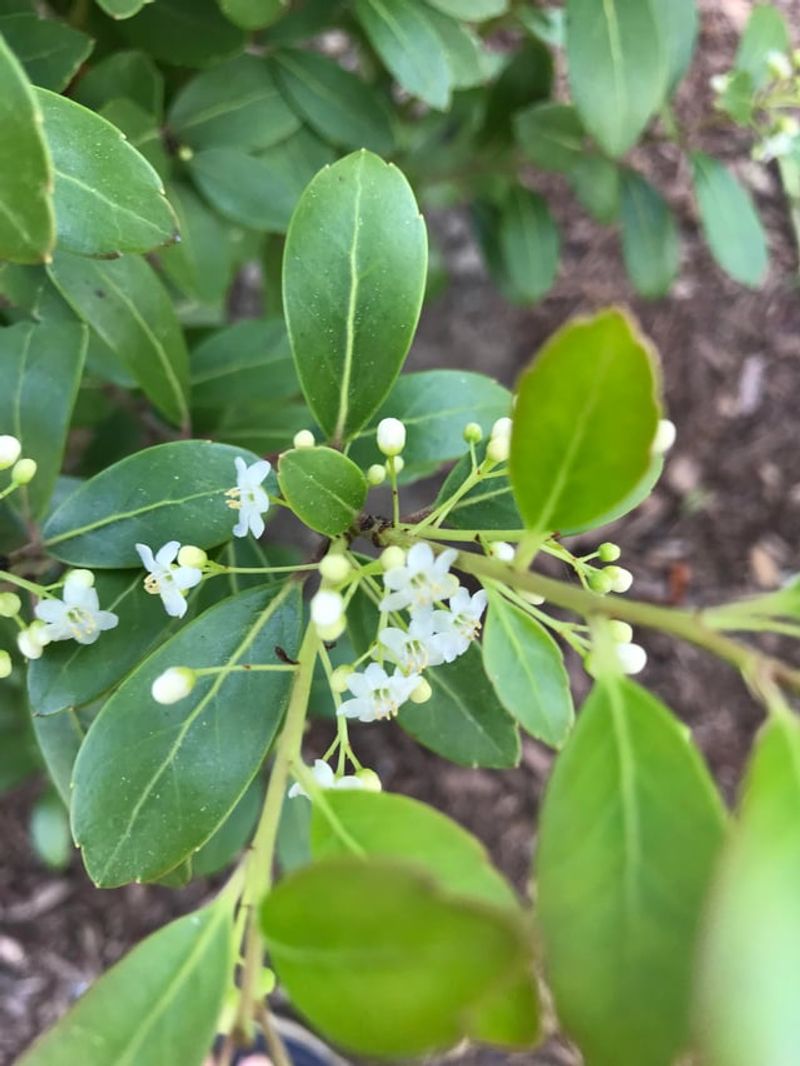
Small white flowers appear on inkberry holly in late spring, and they are a magnet for native bees. Bumblebees, sweat bees, and other pollinators work these blooms steadily through the late spring weeks.
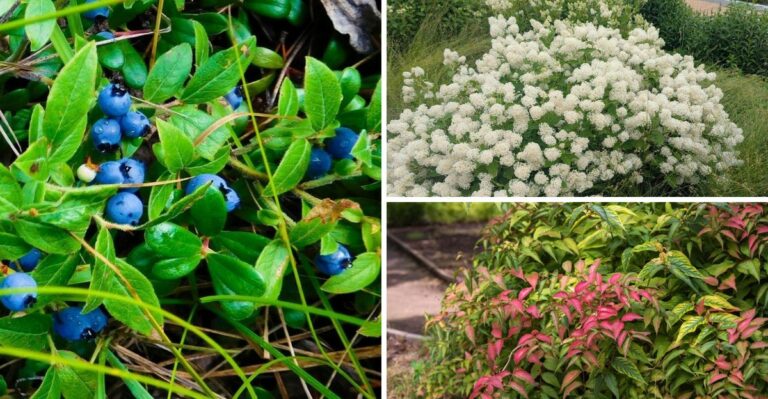
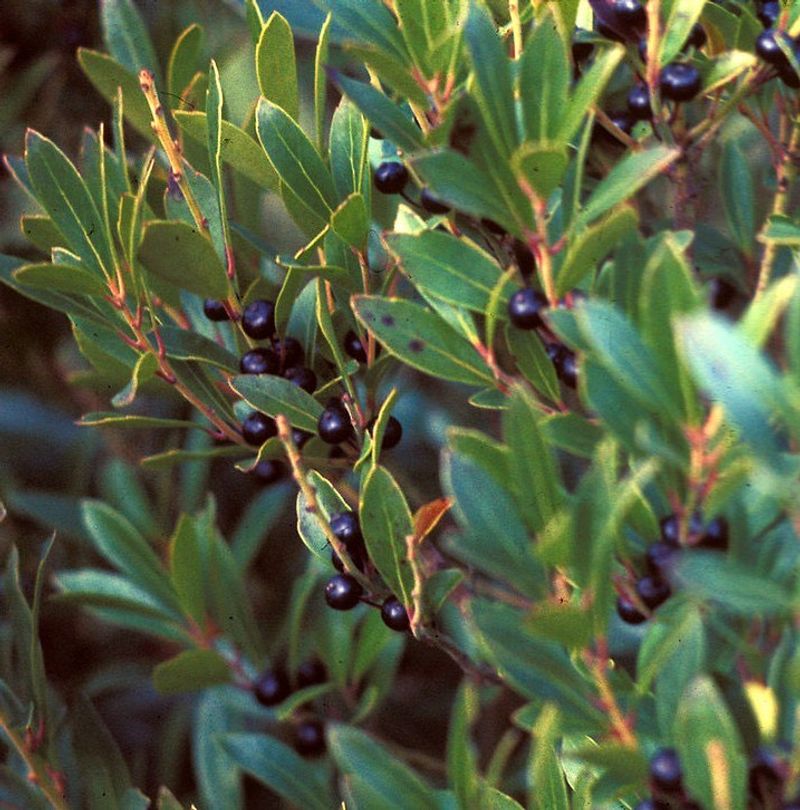
By late summer, female plants produce clusters of dark, glossy berries that look almost like blueberries. These fruits hold on through winter and become a reliable food source for birds during the coldest months.
Cedar waxwings, bluebirds, hermit thrushes, and mockingbirds are among the species that feed on inkberry fruits. Planting a small grouping gives migrating and wintering birds one more reason to stop in your yard.
Boxwood offers little to wildlife. Its foliage contains compounds that most animals avoid, and its flowers draw few pollinators compared with native alternatives.
Creating a yard that supports local wildlife has become a priority for many American homeowners. Inkberry fits perfectly into that goal without sacrificing the neat, attractive appearance of a well-kept garden.
Berry production requires both male and female plants growing near each other. One male plant can pollinate several females, so planting a small grouping gives the best results.
Watching birds work through an inkberry hedge on a cold January morning is its own reward. The garden becomes part of the local food web rather than a backdrop for curb appeal.
Site Selection And Care Basics For Strong Growth
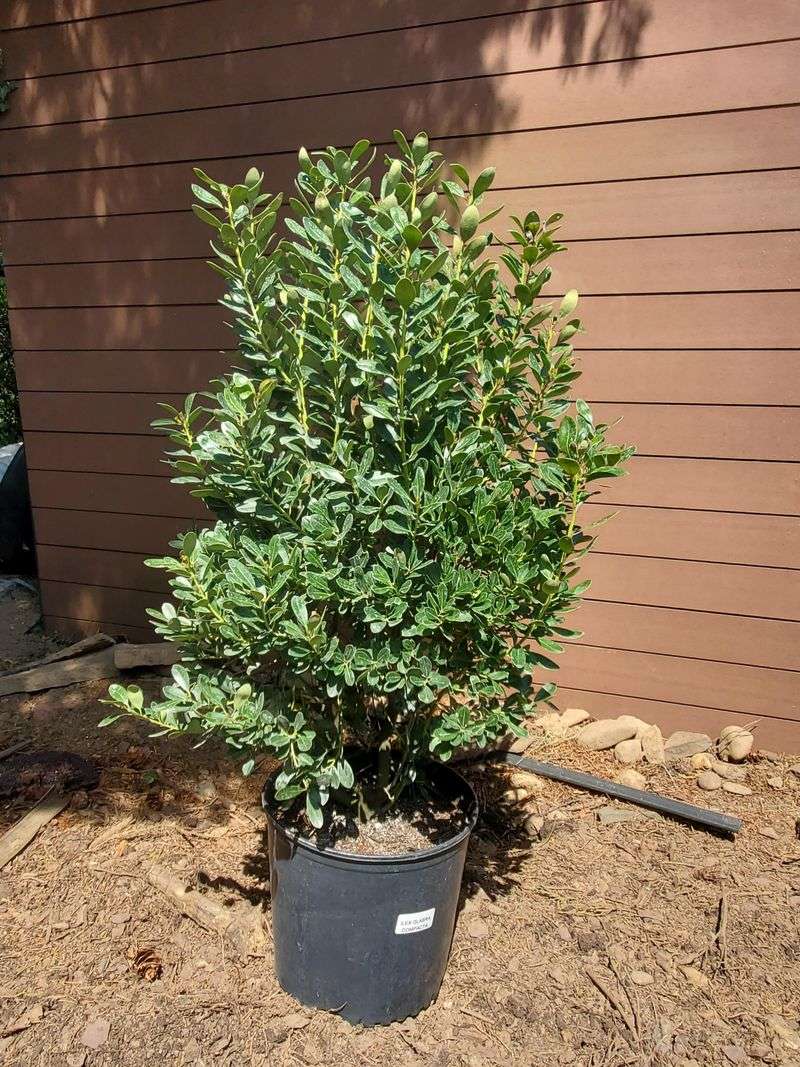
Inkberry holly grows best in full sun to partial shade, which gives it flexibility in most yard layouts. Morning sun with some afternoon shade works especially well in warmer, south-facing spots.
Choose a spot where the soil stays consistently moist, or amend dry areas with compost to improve water retention. Inkberry adapts to a wide range of conditions, but it performs best in moisture-rich settings.
Spacing matters when planting a hedge or mass planting. Place plants about three to four feet apart to allow for natural spread while still achieving a full, connected look within a few seasons.
Fall planting suits New York because cooler temperatures reduce transplant stress. Roots settle in before winter, and growth picks up quickly in spring.
Water new plants deeply once or twice per week for the first growing season. After that, established plants handle short dry spells, though they still need consistent moisture through hot summer stretches.
Pruning is minimal with compact cultivars, but you can shape plants lightly in early spring before new growth begins. Skip heavy cutting in fall, since it removes the berries birds rely on through winter.
Mulch around the base with two to three inches of wood chips to hold moisture and regulate soil temperature. With those basics covered, inkberry holly holds its shape and looks for years with little upkeep.