Before You Buy Another Snake Plant, Try This Trick To Split One Into Many In Arizona
If you have a mature snake plant sitting in the corner of your Arizona living room, you may already have the start of a whole collection sitting right in that pot. Dividing a snake plant means separating its rooted clumps into individual plants, and it costs nothing beyond a clean tool and a few extra containers.
This works only when the parent plant has enough rooted structure to share, but when it does, you end up with multiple plants that already have roots and a real head start over cuttings grown from scratch.
When One Mature Snake Plant Can Become Several
Not every snake plant in an Arizona home is ready to be divided into a collection. Division produces multiple plants only when the parent contains separate rooted clumps or underground rhizomes that can be cleanly separated.
A single-stemmed plant with no offsets, no side growth, and one tightly bound root mass simply does not have enough structure to split into several viable pieces.
A rooted division already has roots attached, so it has a real head start over a leaf cutting placed in soil or water.
That head start does not mean a freshly divided plant is fully established in its new Arizona pot. Each division still needs time to recover from the disruption, settle into fresh potting mix, and push new roots into its container.
Think of it as transplanting a small plant rather than planting a mature one.
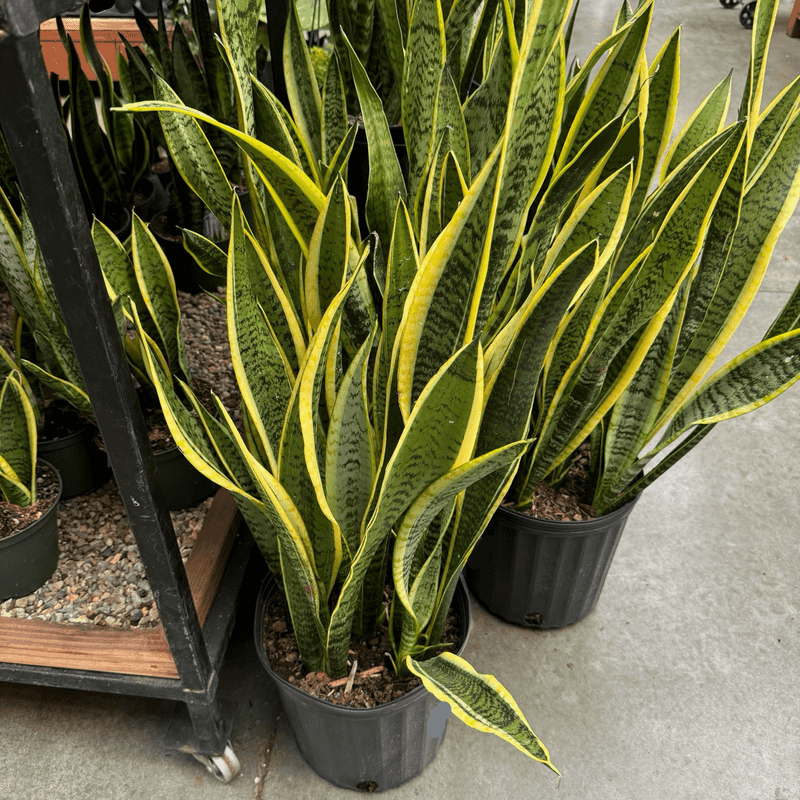
Division also preserves the parent plant’s form and leaf markings more reliably than leaf propagation, which matters especially in Arizona rooms where a prized yellow-edged cultivar is involved. The method is practical and repeatable, but the number of plants you get depends entirely on what the root ball actually contains.
Check Whether Your Arizona Snake Plant Is Ready
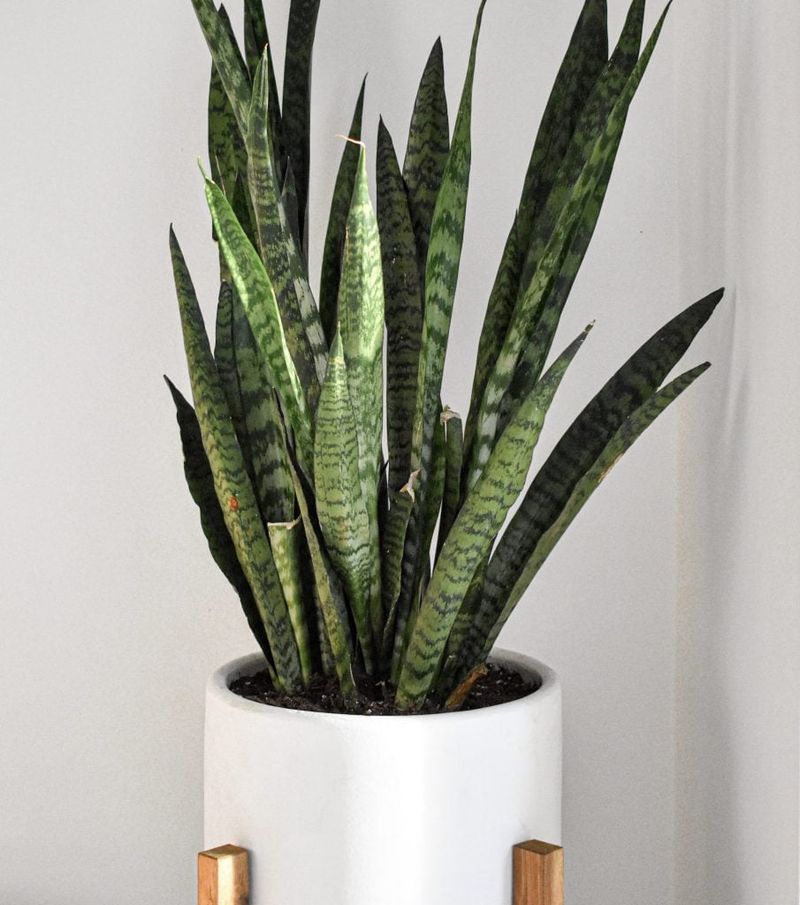
Before you tip that pot over and start pulling roots apart, spend a few minutes reading the plant itself. A healthy, established snake plant that has been growing in its Arizona container for a year or more is the right candidate.
Look for multiple distinct leaf clusters rising from the soil, visible offsets pushing against the pot edge, or signs that the root ball is packed enough to have developed separate sections.
That leaf may eventually root if treated as a cutting, but it is a slower and less certain process than separating a genuinely rooted clump.
The size of the parent plant sets the ceiling on how many divisions you can expect. A small, tightly packed Arizona plant might yield only two viable pieces.
A larger plant that has been growing undisturbed for several years may yield more, but there is no formula that guarantees a specific number. The root ball tells you what is possible.
Postpone division if the plant is already struggling. Soft, blackened, or wilted leaves, mushy stems at the base, or widespread dead growth are signs that the plant needs diagnosis and recovery, not the additional stress of being pulled apart in an Arizona room.
Your Arizona Garden Changes Every Week. Your Plan Should Too.
Gardening in Arizona changes quickly throughout the season. Every Friday you’ll receive a simple weekly plan showing exactly what to plant, prune, fertilize, harvest, and protect so you never miss the right timing.
Choose a Stable Growth Window
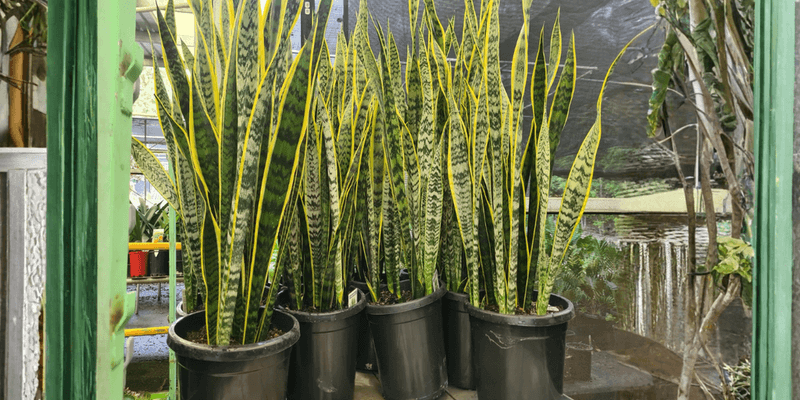
Timing a division around the plant’s condition matters more than hitting a specific calendar date. Spring is a genuinely favorable period because snake plants are coming out of their winter rest and beginning a more active phase of growth.
That momentum can help a freshly separated division recover more quickly in its new Arizona pot.
The practical standard for Arizona indoor plants is to divide during a period of active growth when the plant looks healthy and the indoor environment is relatively stable.
Arizona’s summer heat creates a specific caution worth naming. Outdoor temperatures regularly exceed 110 degrees Fahrenheit in the Phoenix and Tucson areas during June through August, and even a climate-controlled Arizona room can experience temperature swings near south- or west-facing glass.
Dividing a plant during that period is not automatically disqualifying if the room stays consistently cool, but a plant already showing heat stress, dryness, or decline is not a good candidate for the additional disruption of division.
Winter is also a lower-risk period to avoid in most Arizona homes. Snake plants slow down in cooler months, and divisions made when the plant is least active take longer to settle and may be more vulnerable to moisture problems in the mix.
Separate Rooted Clumps and Rhizomes Carefully
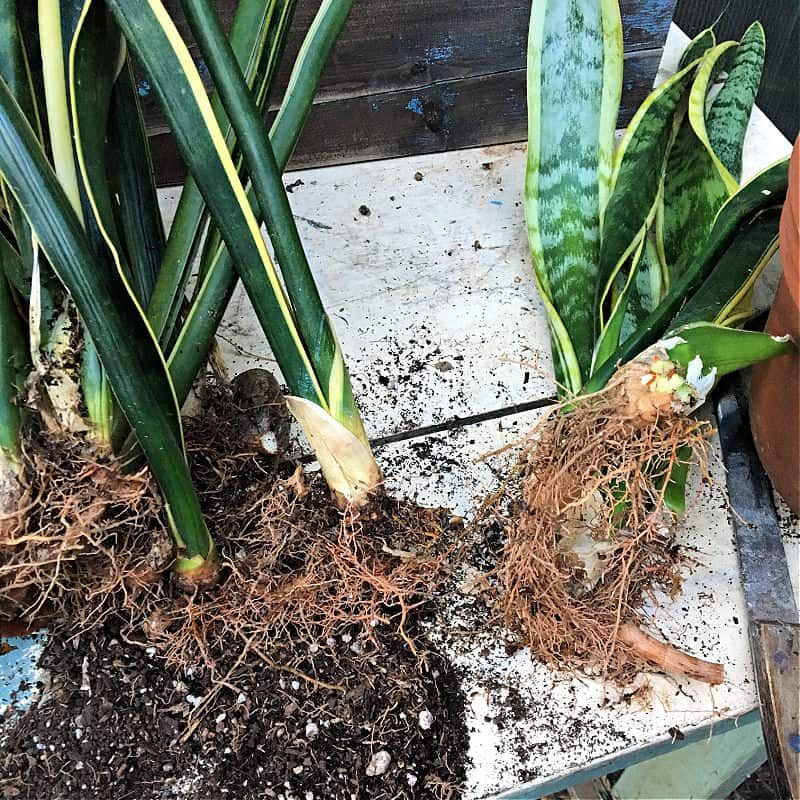
Working on a stable surface covered with newspaper or a tray keeps the process manageable and the mess contained. Start by tipping the pot on its side and sliding the root ball out gently.
If the plant resists, run a clean knife around the inside edge of the pot rather than yanking the leaves.
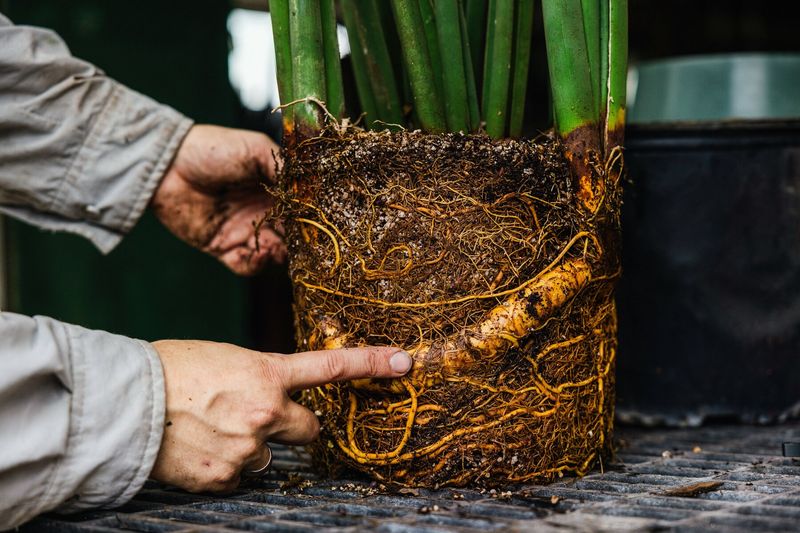
Once the root ball is exposed, brush or shake off enough loose mix to see what you are working with. Look for natural separations between clumps, places where one cluster of leaves clearly has its own roots and rhizome sections distinct from the next cluster.
Those natural divisions are your first targets.
Try separating those sections by hand before reaching for any tool. Many established Arizona snake plants have clumps that pull apart with steady, even pressure once the surrounding soil is cleared away.
The Royal Horticultural Society recommends using a clean knife or pruning tool only where a firm rhizome connection actually resists hand separation, not as a first step.
When a cut is necessary, make it clean and deliberate rather than sawing back and forth. A sharp, clean blade reduces damage to the tissue on both sides of the cut.
After separating, inspect each piece honestly. Every division that goes into a new pot should have healthy, firm roots and at least one healthy leaf cluster.
Discard any section with soft, black, mushy, or dead roots and tissue rather than trying to rehabilitate it in a new Arizona container. Damaged tissue left on a division can spread rot into otherwise healthy roots once the piece is repotted.
Replant Each Division in a Draining Container
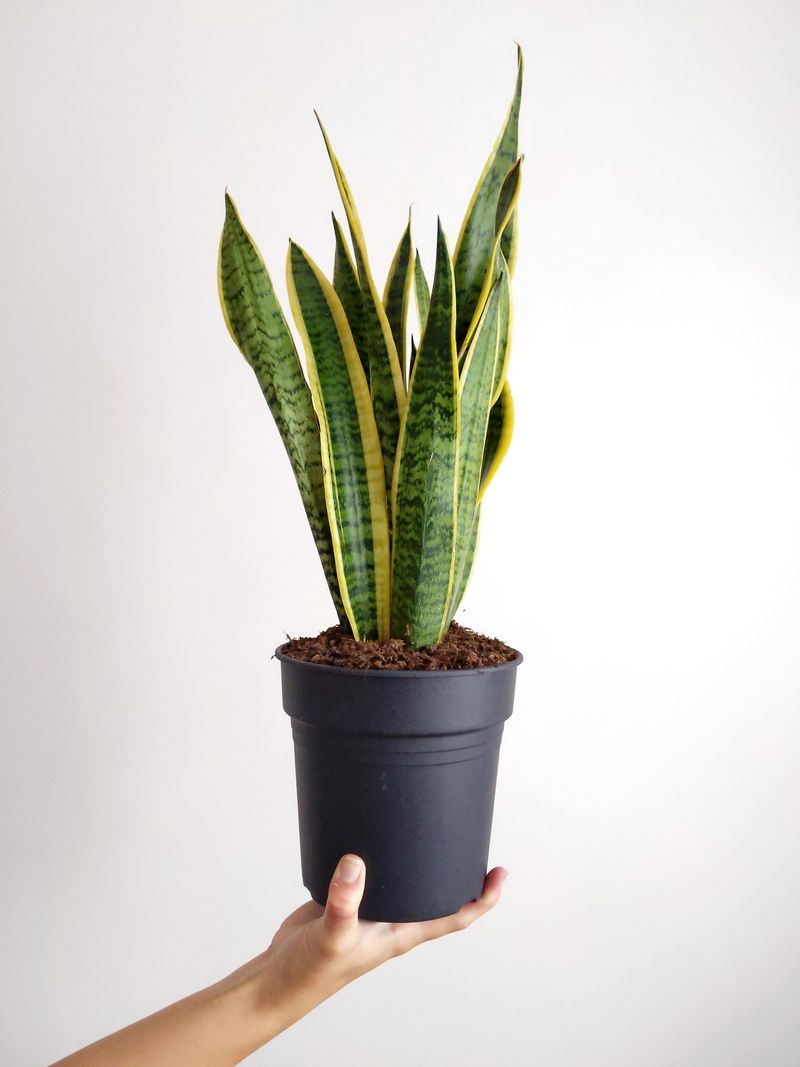
Container choice makes a real difference for a freshly divided snake plant in an Arizona home. Each division should go into a pot that is only slightly larger than its root system, with a drainage hole at the bottom.
Oversized pots hold more moisture around the roots for longer, and that excess moisture is one of the primary causes of root rot in snake plants.
Fill the container with a cactus- or succulent-style potting mix rather than standard all-purpose potting soil. North Carolina Extension’s profile of Dracaena trifasciata (snake plant) specifically notes that the plant requires free-draining soil and that excessive moisture and poor drainage can cause root rot.
A fast-draining mix combined with a correctly sized pot gives the division the best environment for re-establishing in an Arizona room.
Set each division at roughly the same depth it occupied in the parent pot. Burying the base too deeply can invite moisture problems around the crown, while planting too shallowly leaves roots exposed and the plant unstable.
Firm the mix gently around the roots without compacting it.
Taller divisions may look sparse or feel wobbly after repotting, especially if they came from a section with fewer leaves than the original parent. A bamboo stake or a folded piece of cardboard tucked alongside the leaves can provide temporary support while the division develops a stronger hold in the new Arizona container.
That instability is normal and does not indicate failure.
Adjust Water and Light for Arizona Rooms
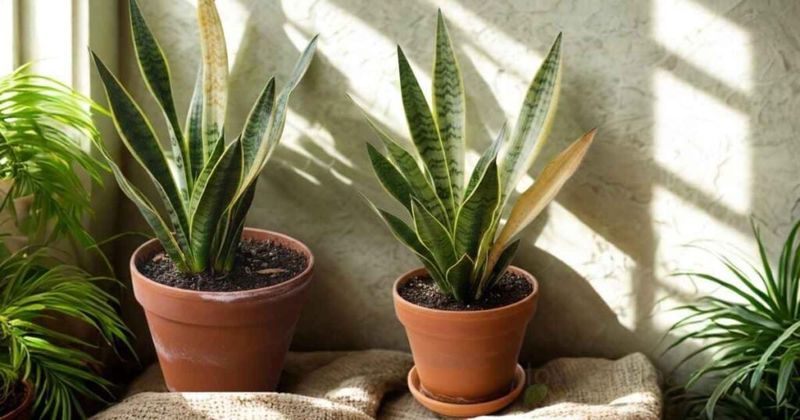
Watering a newly divided snake plant in an Arizona home requires more restraint than most first-time dividers expect. Water the division once after repotting to help settle the mix around the roots, then wait.
The potting mix should be allowed to dry out between waterings rather than being kept consistently moist. Moisture needs vary with pot size, light level, temperature, and root health, so checking the soil before watering is more reliable than following a fixed schedule.
Arizona’s dry air and air-conditioning do not change this principle. The indoor air in a Phoenix or Tucson home may feel extremely dry, but a snake plant’s roots can still rot when the potting mix stays wet for too long.
Dry air affects the leaves; overwatering affects the roots. Those are separate concerns, and the solution to one is not to increase the other.
Light placement matters just as much as watering in an Arizona room. Bright, filtered, or indirect light is the right environment while a division re-establishes.
University of Arizona Cooperative Extension guidance on indoor plant care warns that plants placed near Arizona windows can face excessive heat and intense sunlight that stresses or damages them.
Keep freshly divided plants away from hot south- or west-facing glass during Arizona’s summer months. Avoid positioning them beside air-conditioning registers, which can blast cold, dry air directly onto the leaves.
Moving a division abruptly from indoors to full outdoor sun in an Arizona summer is also a reliable way to cause leaf scorch. Give the plant a stable, protected indoor spot and let it settle before making any changes.
Preserve Variegation by Choosing Division
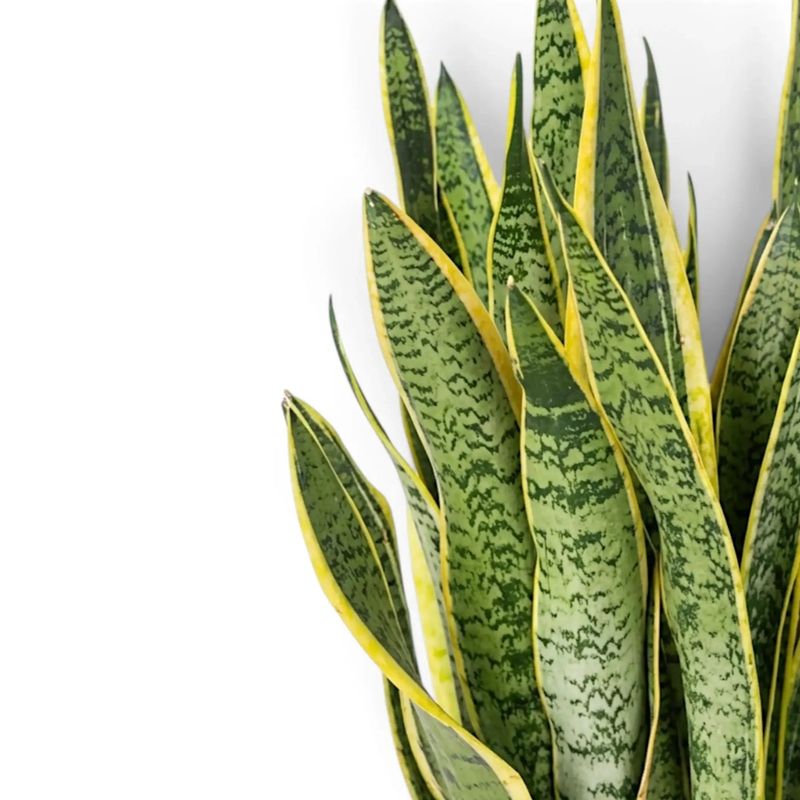
Arizona gardeners who grow yellow-edged or otherwise patterned snake plant cultivars have a specific reason to prefer division over leaf propagation. The markings that make a variegated cultivar visually distinctive are not reliably passed along through leaf cuttings.
Division sidesteps that problem because each rooted clump is a physical piece of the original plant. The tissue already contains the same growth characteristics as the parent, so the yellow margins or other patterning carries forward into the new pot.
This is one of the clearest practical advantages division holds over leaf propagation for Arizona owners of prized cultivars.
A rootless leaf pulled from a variegated Arizona snake plant is not a shortcut to more patterned plants. It may eventually root and produce new growth, but the outcome for variegation is unpredictable.
If preserving the parent’s appearance is the goal, rooted division is the method that delivers it consistently. Leaf propagation remains a valid approach for producing more plants from solid-green varieties, but it should be treated as a separate process with its own timeline and limitations.
Keep Divisions Safe Around Pets

Snake plant is toxic to cats and dogs if eaten. The ASPCA lists the plant under the common name Mother-in-Law’s Tongue and identifies saponins as the toxic principle.
According to ASPCA poison control guidance, possible signs of ingestion in pets include nausea, vomiting, and diarrhea.
Arizona households with cats or dogs should place newly divided plants on high shelves, in rooms that pets cannot access, or in hanging containers well out of reach. Freshly repotted divisions placed on the floor or a low table during the re-establishment period are easy targets for curious animals.
Division creates more plants from one parent, which means more potential contact points for pets unless placement is planned carefully. Keep that in mind when deciding how many divisions to keep and where to position them in your Arizona home.
Use the Root Ball to Set Realistic Expectations
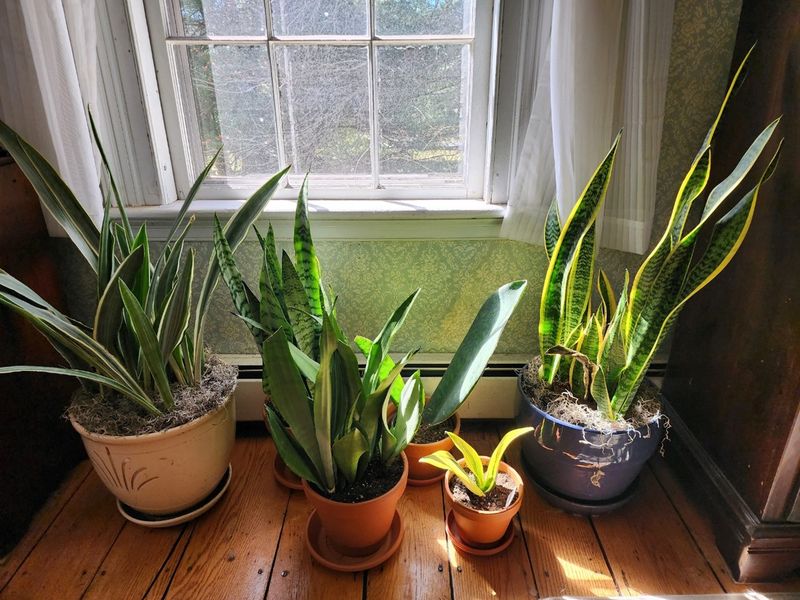
A practical checklist keeps the process grounded. Start with a healthy mature parent that has been growing in its Arizona container long enough to develop multiple rooted clumps.
Identify those clumps before reaching for any tool, separate them by hand where possible, and cut only where a firm rhizome connection actually resists. Discard any soft or dead tissue rather than repotting it.
Each division goes into a small container with a drainage hole and a fast-draining cactus-style mix. Water once to settle the soil, then let the mix dry between subsequent waterings.
Provide bright, filtered, or indirect light and keep the pots away from hot Arizona window glass, air-conditioning registers, and abrupt outdoor sun exposure.
Division can turn one suitable mature snake plant into several plants that already have roots and a genuine head start over leaf cuttings. How many plants you end up with, and how quickly each one settles, depends on the parent plant’s rooted structure and the conditions each division encounters in its new Arizona container.
The root ball sets the terms; your job is to work with what it actually offers.