Why Moles Keep Returning To The Same Oregon Lawn
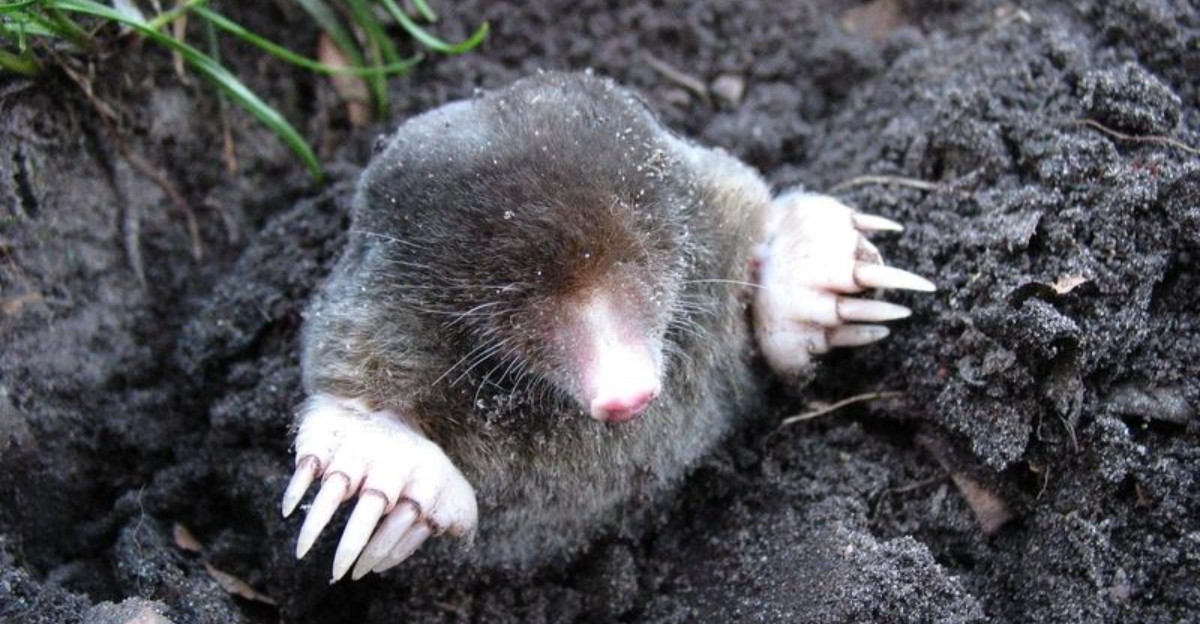
You flatten the little dirt volcanoes on Saturday morning, feeling pretty proud of yourself. By Sunday afternoon, three fresh ones have popped up in the exact same corner.
Oregon lawns have a way of hosting the same underground guest year after year. Something about that soft, damp, worm-rich ground keeps sending out invitations.
Most homeowners blame bad luck or a stubborn visitor with a grudge. The real story is a mix of soil, weather, food, and a tunnel system that outlasts whoever dug it.
Figure out what keeps drawing activity back to your yard and the fixes start making a lot more sense. Here is what is really going on beneath the grass.
The Underground Highway System Beneath Your Grass
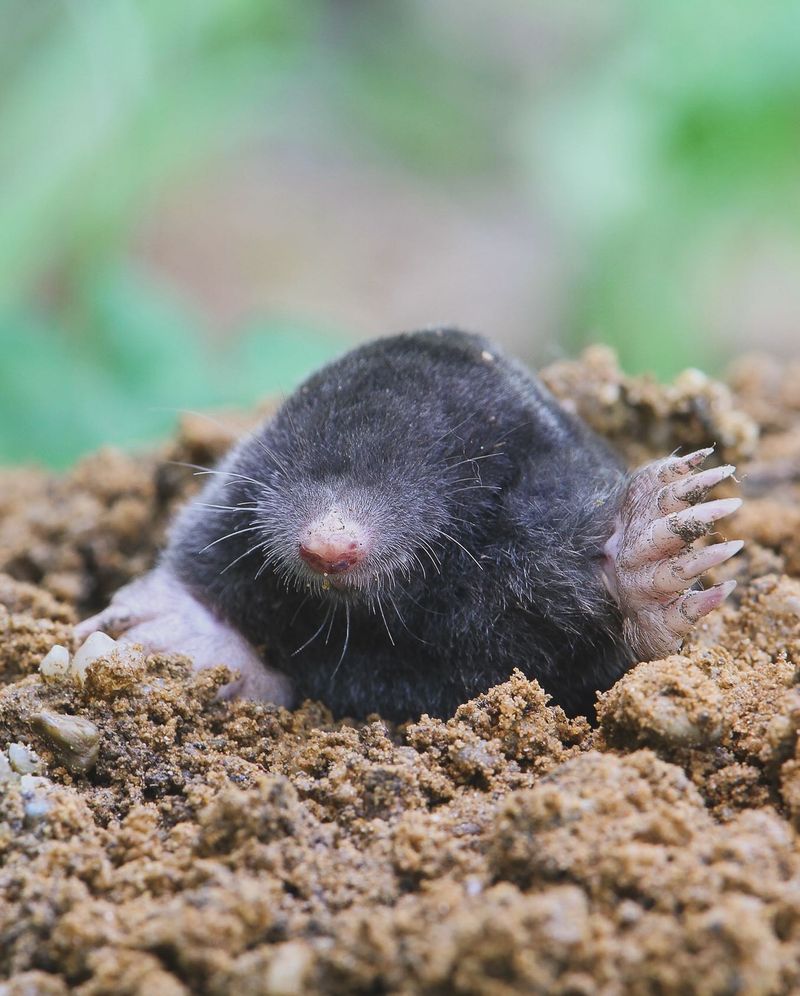
Picture a subway map hidden under your turf. That is essentially what sits beneath a lawn with a long mole history, and it explains the frustrating repeat visits better than anything else.
Moles build two kinds of runs. Shallow surface tunnels are the raised ridges you trip over, used for quick feeding trips. Deeper runs, usually 6 to 12 inches down, work as permanent travel corridors that connect nesting chambers to feeding zones.
Those deep tunnels can last for years. When one resident moves on, the burrow does not collapse or vanish. It sits there like a furnished apartment waiting for the next tenant.
A young mole searching for territory in spring will happily claim ready-made tunnels instead of digging fresh ones. Digging burns enormous energy, so inherited real estate is a bargain.
That is why your yard can seem quiet for six weeks and then erupt with fresh mounds. You are often looking at a new animal using old infrastructure, not the same one returning from vacation.
Stomping ridges flat only crushes the top few inches. The deep highways stay intact underneath.
Understanding this changes your strategy. Instead of chasing surface damage, focus attention on the main travel runs, which usually follow fence lines, driveways, sidewalks, and garden bed edges.
Find a run that reopens within a day after you press it down. That is an active corridor, and it is the spot where any control effort actually pays off.
Oregon Soil And Rainfall Create Ideal Digging Conditions
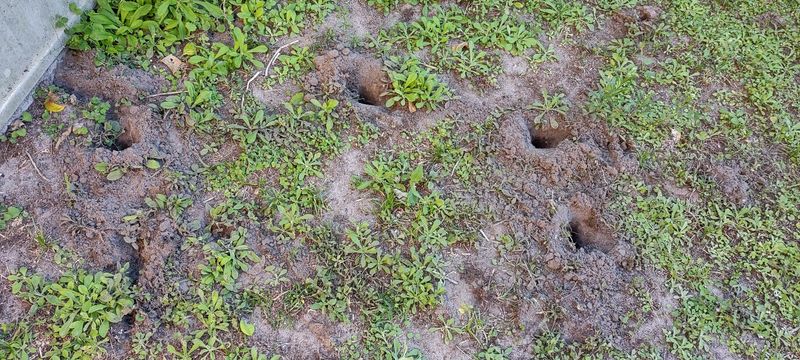
Ask any gardener west of the Cascades about the soil and you will get a smile. That same rich, crumbly ground the vegetables love is exactly what makes tunneling easy.
Much of the Willamette Valley sits on deep loam and silt loam soils. They hold moisture, stay loose, and rarely bake into concrete the way clay does in hotter states.
Add a rainy season that stretches from October into May and you get soil that stays workable for most of the calendar. A mole can push through damp loam using its shoulders like tiny shovels, moving several feet in an hour.
Compare that to eastern Oregon’s drier, rockier ground where digging costs far more effort. The difference in soil quality is a big reason western Oregon yards see so much more activity.
Irrigated lawns make things even more inviting during summer. While surrounding fields harden and crack in July, your sprinkler-fed turf stays soft and cool underground.
You are essentially running an oasis. Animals from nearby pastures, greenbelts, and unwatered lots drift toward the moisture.
Cutting irrigation back slightly can help. Watering deeply but less often keeps grass healthy while letting the top layer firm up between sessions.
You will not change the geology of your neighborhood, and that is fine. Knowing your soil is naturally welcoming just means prevention needs to be steady rather than occasional.
An Earthworm-Rich Lawn Is Exactly What Moles Are After
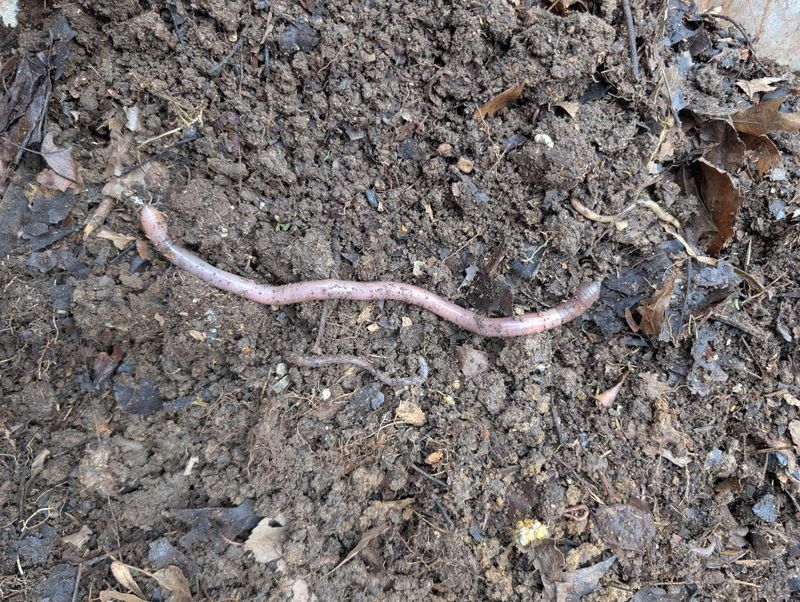
Here is the blunt truth. Moles want protein, not your grass or your feelings. Earthworms make up around three-quarters of the diet, and most chewed bulbs are the work of voles traveling through mole tunnels.
A Townsend’s mole eats roughly 60 to 80 percent of its body weight in worms and insects each day. That appetite means it needs a territory packed with food, and it will settle wherever the buffet is richest.
Oregon lawns tend to be worm paradise. Cool temperatures, steady moisture, and thick organic matter from grass clippings and leaf litter create ideal worm habitat.
Healthy soil biology works in your favor. Worms aerate the ground, break down thatch, and feed your grass naturally.
The catch is that they also advertise your address. If a neighbor’s gravelly, compacted yard holds few worms and yours holds thousands, the choice is obvious.
Grubs add a second course. European crane fly larvae are common in western Oregon and can boost the food supply dramatically in spring.
Treating a heavy crane fly problem may reduce some pressure, though worms alone will keep a lawn attractive. Blanket insecticide use is rarely worth the tradeoff for soil health.
A smarter angle is dethatching and avoiding heavy overwatering, which drives worms closer to the surface. Slightly drier upper soil pushes the food deeper and makes shallow feeding runs less rewarding.
Reduce the reason to stay and the visits get shorter.
Seasonal Timing Explains Those Sudden Mound Explosions
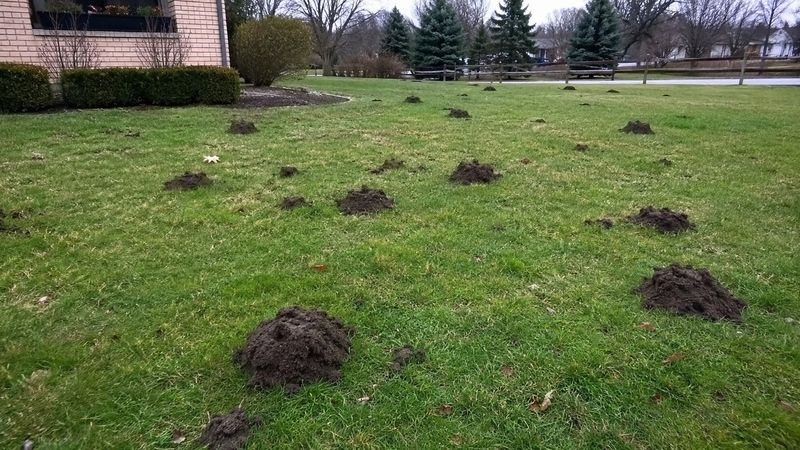
Late winter arrives and suddenly your yard looks like a miniature mountain range. There is a rhythm behind it, and once you spot the pattern the surprise fades.
Breeding runs from about December through February in western Oregon, peaking in January. Males travel widely searching for mates, opening new tunnels through territory they normally would avoid.
That means a yard hosting one quiet resident might suddenly show traffic from two or three wanderers. More travel equals more excavated soil, and excavated soil has to go somewhere.
By early summer, young moles are on their own. Juveniles get pushed out of the family territory and go hunting for unclaimed ground, which is when established old tunnel systems get taken over.
Autumn brings another wave of visible activity. As rains return and worms move upward, feeding shifts closer to the surface and fresh ridges appear across the turf.
Hard freezes and hot midsummer usually look calm. Activity has simply dropped lower in the soil profile where temperature and moisture are steadier.
Calm does not mean vacant. Plenty of homeowners assume the problem resolved itself, relax their watch, and then get caught off guard in February.
Timing your response matters enormously. Late winter and early fall are the windows when animals are most active near the surface and most responsive to control efforts.
Mark those months on a calendar. Working with the season beats reacting to it every single time.
Common Homeowner Fixes That Quietly Fail
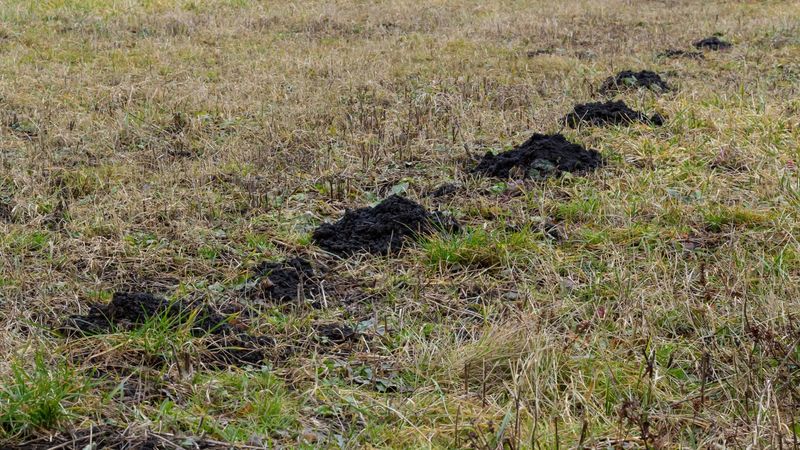
Somewhere in America, a perfectly nice person is pouring castor oil down a hole while a mole eats lunch two feet away. The internet is generous with mole remedies and stingy with results.
Vibrating stakes are a favorite. Studies from university extension programs have found little lasting effect, and animals often resume tunneling within days of installation.
Flooding tunnels with a hose sounds satisfying and rarely works. Water drains into side chambers or soaks away, while the resident simply retreats to higher ground.
Chewing gum, mothballs, and hot pepper all show up in neighborhood advice. None of them address food supply or tunnel access, and mothballs are not approved for this use at all.
Castor oil products have slightly better standing. They can make worms taste unpleasant and encourage relocation, but coverage must be thorough, reapplied after heavy rain, and the effect is temporary.
The biggest mistake is inconsistency. People try one thing for a week, see mounds return, then abandon it and try something else the following month.
Another misstep is treating the wrong tunnels. Feeding runs get abandoned quickly, so effort spent there produces nothing.
Oregon rules are worth a quick check as well. Moles are unprotected here with no closed season, and standard mole traps are legal, unlike in neighboring Washington where body-gripping mole traps are prohibited.
Better to pick a proven approach, apply it to active main runs, and stay with it through a full season.
Building A Lawn That Stops Sending Invitations
Long-term relief comes from changing the address, not moving the tenant out. A yard that offers less food, firmer soil, and blocked entry points stops looking like prime real estate.
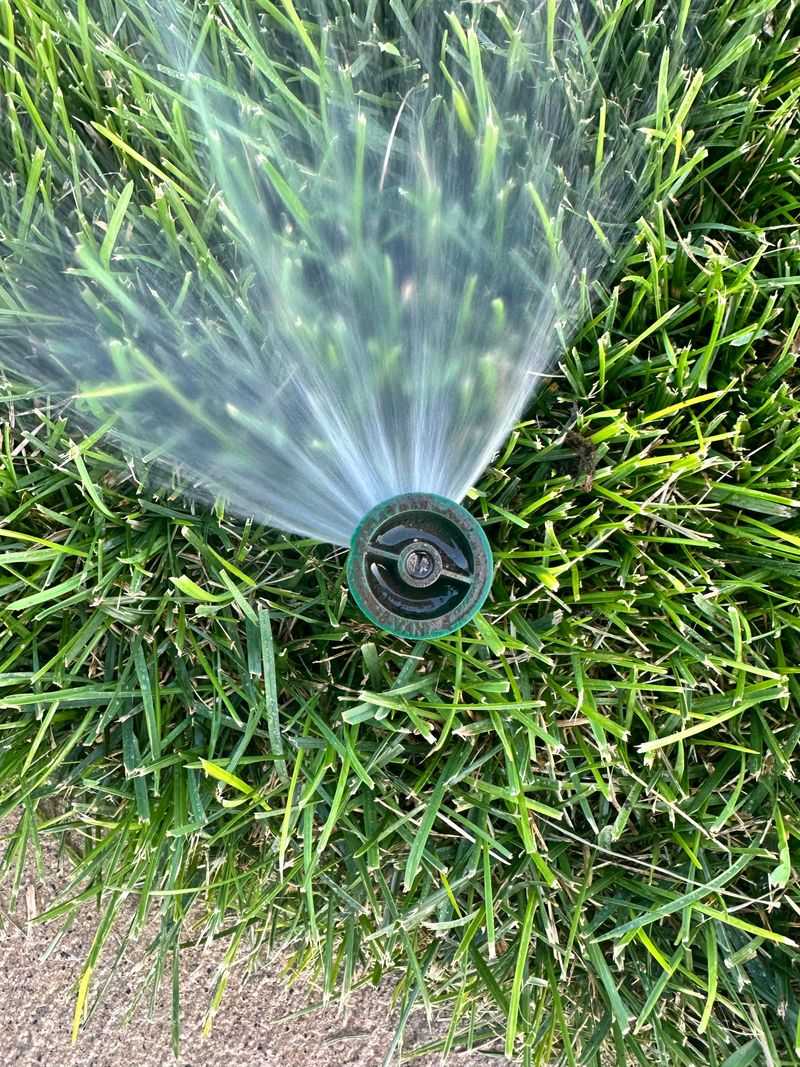
Start with water management. Deep, infrequent irrigation keeps grass roots strong while letting the top layer firm up, which discourages shallow feeding runs.
Dethatch every couple of years and skip heavy organic top-dressing if you have chronic problems. Thick spongy layers hold moisture and concentrate worms right where tunneling is easiest.
Physical barriers work well for smaller protected areas. Hardware cloth buried around raised beds, roughly two feet deep with an outward lip, keeps vegetable gardens and prized plantings safe.
Perimeter awareness helps too. Most animals arrive from adjoining fields, wooded edges, or an untended neighboring lot, so watch fence lines for the first ridges each season.
Regular monitoring beats emergency response. A quick walk every couple of weeks lets you find and address a single new run before it branches into a network.
For persistent situations, a licensed local wildlife control professional understands Oregon regulations and seasonal behavior far better than a generic product label.
Adjust expectations a little as well. In the Pacific Northwest, occasional visitors are part of owning green space, and a mound or two is not a failure.
Aim for management rather than a permanent empty yard. Steady habits, seasonal timing, and a slightly less inviting habitat will keep your lawn looking like turf instead of a construction site.