Why Hummingbirds May Be Visiting Your Yard More Often In September
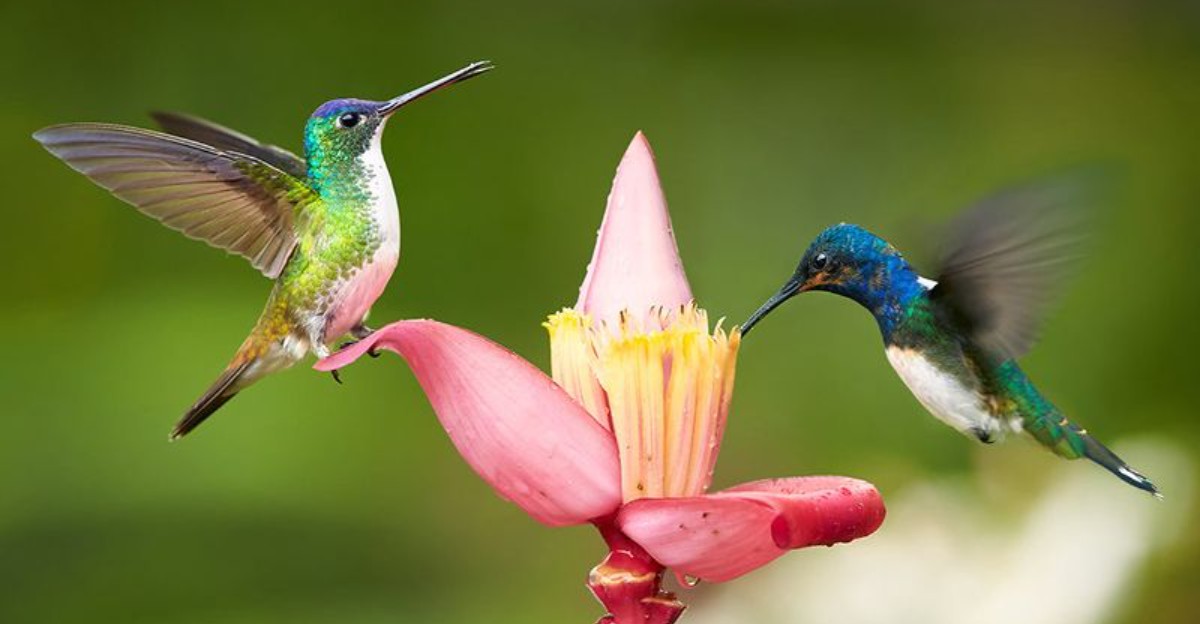
Hummingbirds don’t fly past you, they already blink into another spot instantly. Blink again and that flash has already moved several feeders over quickly. Feeders in your yard now empty within days, not weeks anymore.
Sugar water disappears faster than it did back in early July. Wings this tiny still manage truly astonishing bursts of speed. Daylight fades quickly now, and instinct kicks hard into overdrive.
These tiny travelers face a long, demanding journey south soon. Distance like this demands fuel, and fuel demands steady nectar. Timing shifts fast, and so does what you should offer.
Miss the window, and the visitors quietly move somewhere else. Your choices right now quickly decide who stops by. Meanwhile, backyards everywhere sit along a very critical flight path now.
Soon, the rush will peak hard, then fade rather quickly. Ignore this shift, and you might miss the wildest week hummingbirds bring all year.
1. Fall Migration Is Picking Up Speed
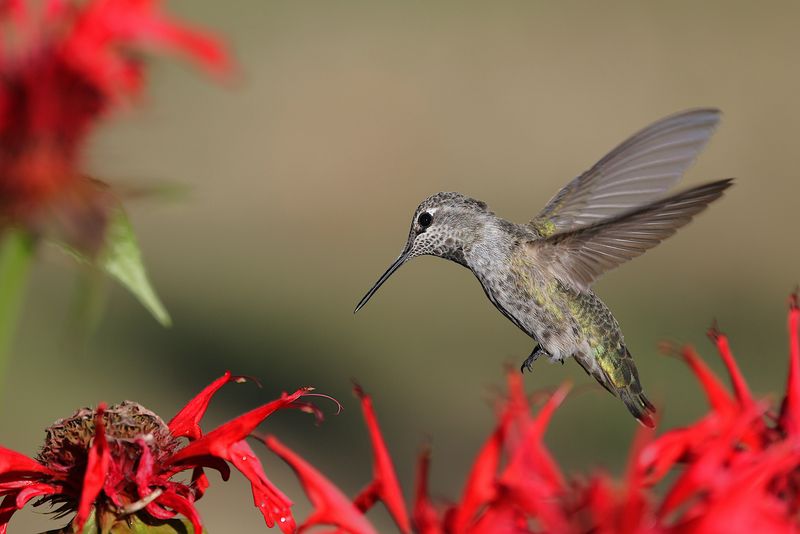
Somewhere around late August, a switch flips inside these tiny travelers, and September becomes their busiest travel month.
Ruby-throated hummingbirds that spent summer in the eastern United States begin heading south toward Mexico and Central America, and your yard may sit along the route.
Shorter days trigger the change, not cold weather. As daylight shrinks, hormones tell the birds it is time to move, so they drift southward in a steady trickle rather than one big wave. That trickle explains why you might spot a fresh face at your feeder each morning.
Migrating birds travel in short hops, covering maybe 20 to 25 miles before pausing to refuel. Each stop can last a day or several, depending on how much food they find. A yard with flowers, feeders, and cover looks like a roadside diner with a motel attached.
Because the birds you watched in July may already be gone, the ones sipping now could be strangers from Michigan, Ontario, or Wisconsin.
Banders have recorded individual hummingbirds returning to the same stopover yards year after year, which hints that they remember helpful spots.
Keep feeders up through September and into October, since leaving them out will not hold a bird back. Their internal calendar, not your sugar water, decides the departure date.
A late straggler passing through on a chilly morning may treat your yard as the best rest stop for miles. Fresh nectar, a shady perch, and a little patience are what turn a quick visit into a longer stay.
2. Hungry Birds Are Packing On Fat
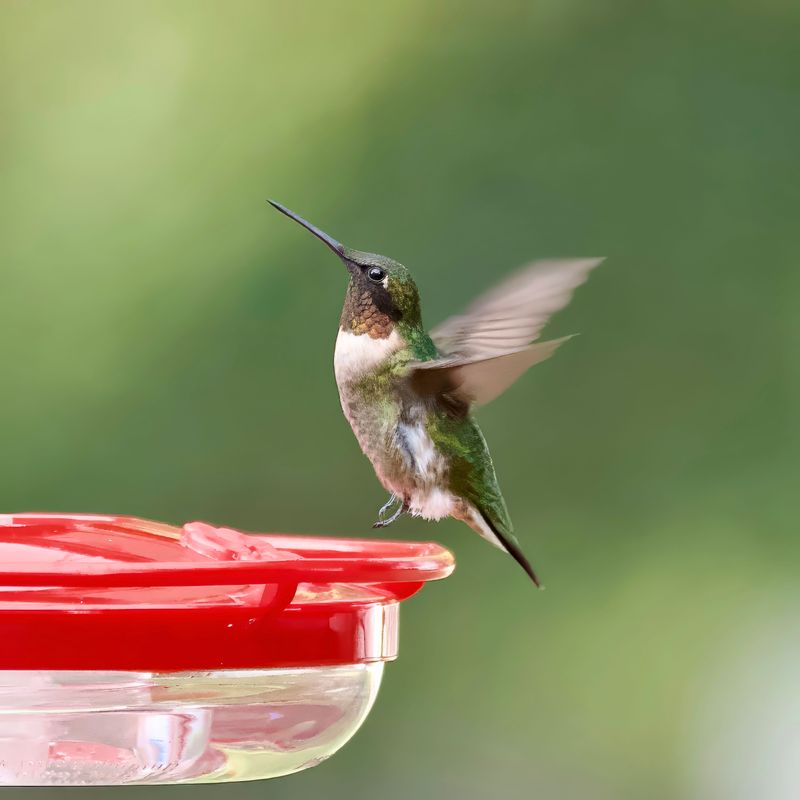
Picture a bird the weight of a nickel trying to gain half its body weight in a couple of weeks. That is the September mission for hummingbirds, and it is called hyperphagia.
They eat almost around the clock, fueling up for a journey that can include a 500-mile nonstop flight across the Gulf of Mexico.
A ruby-throat that weighs about 3 grams in August may bulk up to nearly 5 grams before it leaves. The extra weight sits as fat along the chest and belly, which works like a built-in fuel tank. Watchers often notice birds looking rounder, almost chubby, by mid-month.
All that eating means feeders empty faster and flowers get worked over harder. You may refill a feeder twice as often as you did in June, and that is a good sign.
Consider adding a second or third feeder in different corners of the yard so more birds can drink at once.
Sugar water at a 1 to 4 ratio, one part white sugar to four parts water, closely matches flower nectar. Skip red dye, honey, and brown sugar, since plain white sugar is what they handle best.
Protein matters too, so leave a few spider webs alone and let small insects gather near ripe fruit. Hummingbirds snap up gnats, aphids, and tiny spiders for the nutrients sugar cannot supply.
Feed them well now, and you become part of a journey that stretches thousands of miles south. Not a bad job for a jar of sugar water.
3. Young Hummingbirds Are Out Exploring
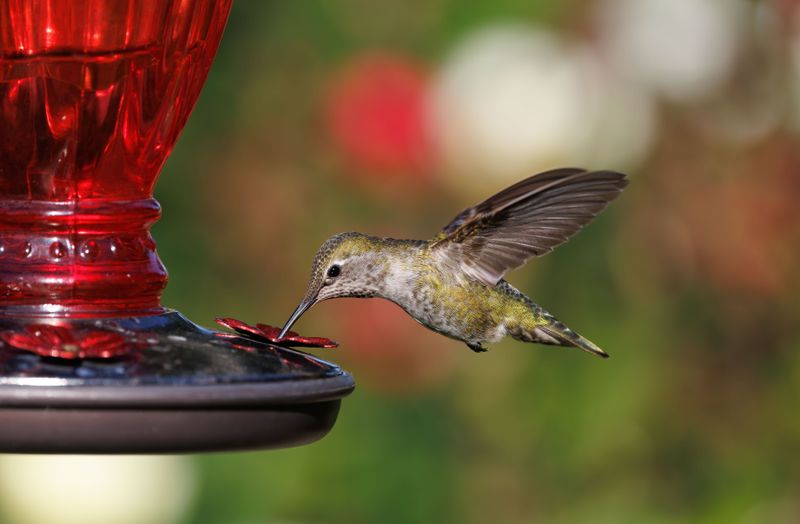
Some of the birds hovering near your window this month hatched only weeks ago. Late-summer broods fledge in August, and by September those youngsters are testing their wings around the neighborhood.
Young hummingbirds tend to be bold, curious, and a little clumsy, which makes them easier to watch. A juvenile male ruby-throat looks a lot like his mother, with a pale throat and maybe a few dark streaks where his ruby gorget will grow in.
He might hover in front of your red shirt, inspect a garden hose nozzle, or land on a tomato cage to rest. Adults usually keep more distance, so those close encounters often involve first-year birds.
Because young birds have not learned the local map yet, they investigate anything that looks like a flower. Bright hanging baskets, orange ribbons, and even patio umbrellas get a second look.
Placing feeders where you can see them from a kitchen window pays off during these weeks.
Give the newcomers a spot to perch within a few feet of the feeder, such as a thin twig or a tomato stake. Hummingbirds spend a surprising share of the day sitting still, and a perch encourages them to linger.
Shallow moving water, like a mister or a dripper over a birdbath, draws them in for a shower.
Watching a fledgling flutter through spray on a warm afternoon is one of the small joys of early fall. Enjoy the show while it lasts, because these rookies will be gone in a few short weeks.
4. Late-Summer Flowers Hit Their Peak
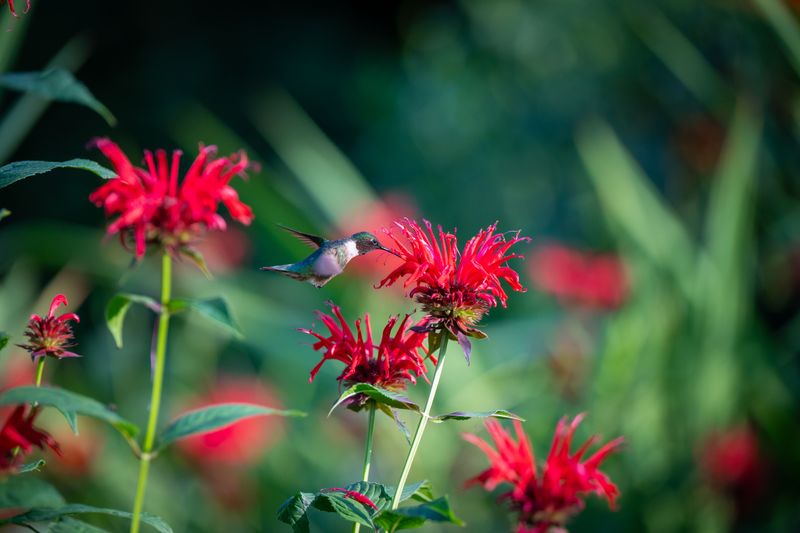
Gardeners sometimes think of September as a wind-down, yet many nectar plants save their finest show for now.
Cardinal flower, salvia, zinnia, bee balm, trumpet vine, and jewelweed are all pouring out sugar. Hummingbirds follow bloom, so a yard full of late flowers becomes a magnet.
Jewelweed deserves special credit, since its orange trumpets line damp ditches and shady edges across the eastern states. Migrating ruby-throats time their journey partly around this plant, which blooms right when they need it.
If you have a soggy corner, letting jewelweed grow there takes little effort and feeds plenty of birds.
Tubular flowers in red and orange catch their attention fastest, though they will visit purple and pink blooms too. Depth matters as much as color, because long blossoms hold nectar that only a long bill and tongue can reach.
Plant in clusters rather than singles, since a patch of ten salvia plants is easier to spot than one lonely stem.
Container gardens work well on decks and balconies, and they can be moved into view. Pinching off spent zinnia and salvia blooms through early September keeps fresh buds coming into October.
Skip pesticides near these plants, since the tiny insects hummingbirds eat live in the same leaves.
One more tip: note which plants get the busiest traffic this month and jot it down. Next spring you will know exactly what to plant more of, and your September yard will hum a little louder.
5. Northern Visitors Are Passing Through
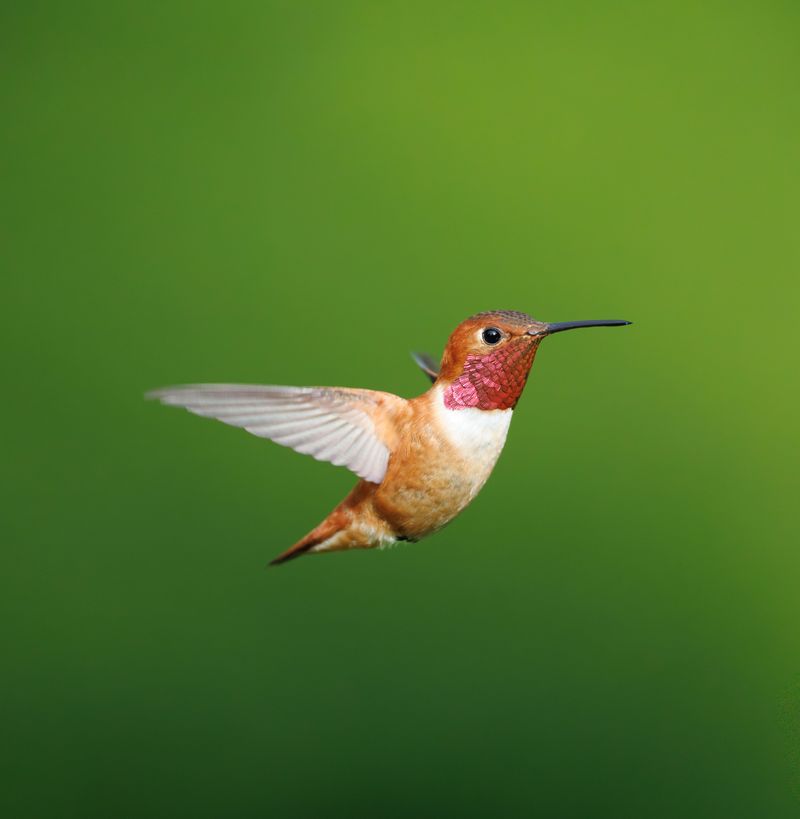
Here is a fun twist: the hummingbird at your feeder in September may have hatched hundreds of miles north of you.
Birds from Canada, New England, and the upper Midwest funnel south through yards that were quiet all summer. Southern states see a real surge, since they sit along the final stretch before the Gulf crossing.
Numbers can jump so much that people who hosted two birds in July suddenly count a dozen. September also opens the door for surprises.
Rufous hummingbirds, which breed as far north as Alaska, sometimes swing east on their way to Mexico. Calliope, black-chinned, and Allen’s hummingbirds have turned up at eastern feeders in fall as well.
Those visitors are uncommon, yet they are reported often enough that keeping a feeder clean and full through late autumn is worth doing. Snap a photo if you see a bird with rusty orange sides or an unusual throat pattern.
Local bird groups and banding stations love those reports, and your yard could end up in a record book. For everyday visitors, variety in feeder placement helps.
Newcomers arriving after a long flight may avoid a crowded feeder guarded by a dominant resident bird.
Hanging an extra station around a corner, out of sight from the first one, gives tired travelers a fair shot. Think of it as opening a second checkout lane during a busy shopping day.
The more room you offer, the longer your guest list gets. September rewards hosts who plan ahead.
6. Feeders Turn Into Reliable Fuel Stations
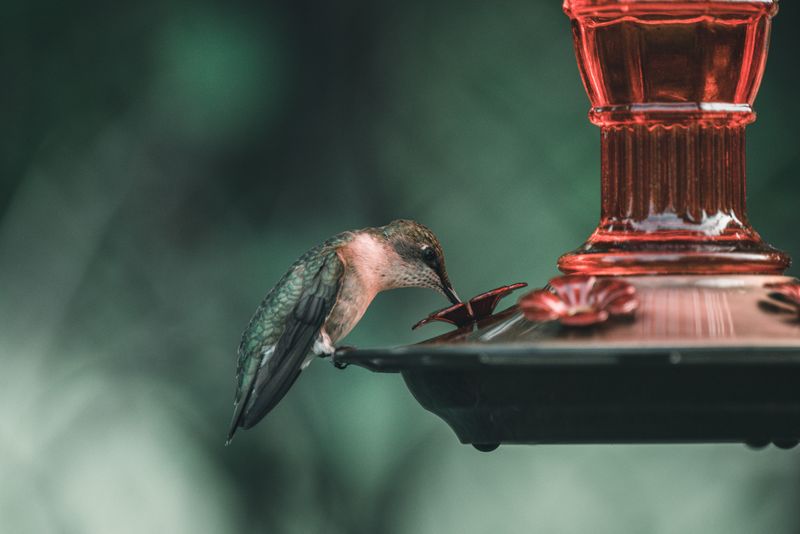
A feeder that stayed half full in July can run dry in a day come September. Word travels fast among hummingbirds, and a dependable feeder earns repeat customers. Warm early-fall afternoons still spoil sugar water quickly, so a cleaning routine matters.
When highs sit above 85 degrees, change nectar every other day at least. In milder weather, aim for every three to four days to stay safe. Cloudy nectar, black specks, or a slick film on the ports means it is time for a scrub.
Hot water and a bottle brush handle the job, with a splash of white vinegar for stubborn spots. Rinse well, and skip soap, which can leave a residue birds dislike. Ants and wasps get pushy this time of year, drawn by the same sweetness.
An ant moat filled with plain water above the feeder stops the parade without chemicals. Bee guards on the ports, plus feeders in red rather than yellow, cut down on wasp traffic. Placement also counts, so hang feeders in partial shade where nectar stays fresher longer.
A short distance from a shrub or small tree gives birds a quick escape route and a lookout perch. Keep a spare feeder in the cupboard and swap them out, which makes cleaning day painless.
Store extra nectar in the fridge for up to two weeks, and let it warm a bit before pouring. Small habits like these turn a plastic bottle into a landmark that migrating birds count on. By October you may miss the daily refill chore.
7. Territorial Squabbles Ramp Up
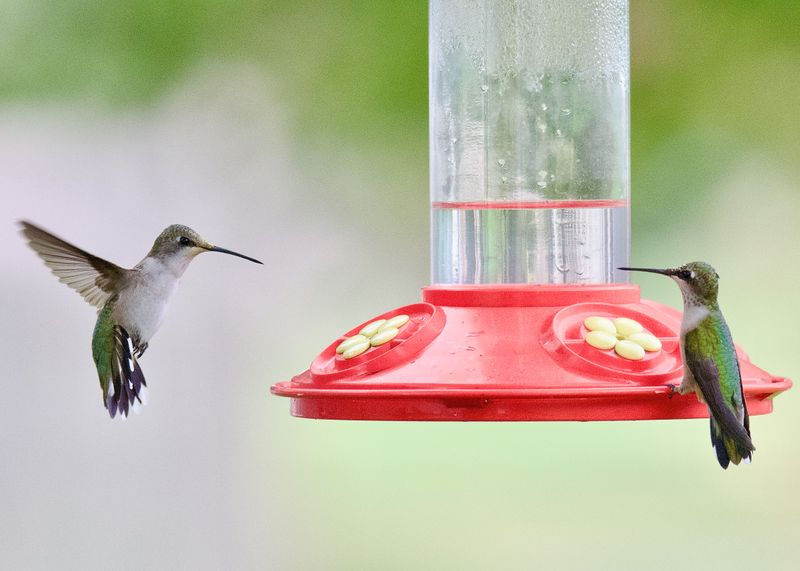
Anyone who has watched a hummingbird standoff knows the sound: a sharp chatter, then two birds darting past your ear. September brings extra drama, because more birds are competing for the same fuel.
A single adult may claim a feeder and spend the day chasing off newcomers from a nearby branch.
The chasing looks fierce, yet it mainly involves bluffing, diving, and loud complaining. Birds rarely get hurt, and the loser simply finds another flower patch.
All that motion makes hummingbirds seem far more numerous than they were in midsummer. You might have four birds and think you have fifteen. Breaking up the bully system is easy and fun.
Spread several feeders around the yard where the guard cannot watch them at once, using corners, side gates, and the far end of the garden. A defender can only patrol one spot, so extra stations let quieter birds drink in peace.
Feeders with multiple ports and built-in perches also help, since sitting birds burn less energy than hovering ones. Flowering plants scattered through the yard spread the crowd out even further.
Watch closely and you will start recognizing personalities. One bird guards the porch feeder each morning, another sneaks in from below, and a bold youngster tries the direct approach.
Keeping a small notebook of these habits turns feeder watching into a season-long story. By the time the chasing quiets down in October, you will know your regulars by their tactics. That familiarity is half the fun of fall.
8. Cool Fronts and Weather Shifts Nudge Birds Along
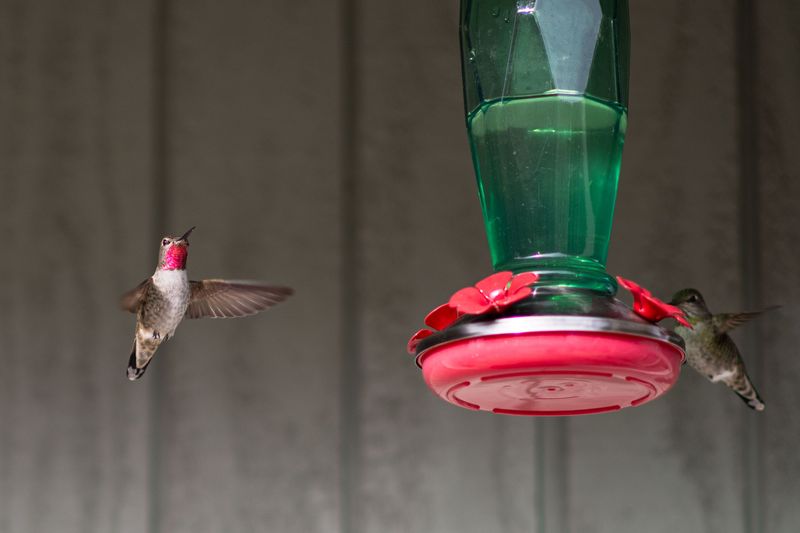
Weather does more than change your wardrobe in September; it steers hummingbird traffic straight through your yard.
After a cold front sweeps down from the north, birds ride the tailwinds that follow. Feeder activity often spikes for a day or two right after that shift in the air.
Northerly breezes make the trip cheaper in terms of energy, so birds move when the wind cooperates. The morning after a front, you may find several unfamiliar hummingbirds jostling at your feeder. Checking the forecast can help you predict the busiest days.
Cool nights bring another wrinkle, since chilly air slows the insects hummingbirds rely on. On mornings in the 40s, a feeder may be the warmest meal available before flowers open.
Hummingbirds can enter torpor overnight, dropping their body temperature to save fuel, then wake up ravenous.
Sunrise visits become frequent, so refill the night before if you want to catch the rush. Rainy stretches also push birds toward feeders, because wet flowers hold diluted nectar. Hanging one feeder under an eave or porch roof keeps at least one option dry.
Wind can spill nectar from saucer-style feeders, so secure hangers with a hook or a short chain. As the month rolls on, sightings taper off in northern yards while southern yards stay busy into October.
Track your last sighting date each year and compare notes with neighbors. Patterns show up quickly, and you will start guessing arrivals and departures like a seasoned watcher. The weather map becomes part of your birding kit.