5 Household Ingredients That Give Your Arizona Chilies And Tomatoes A Bigger Fall Harvest
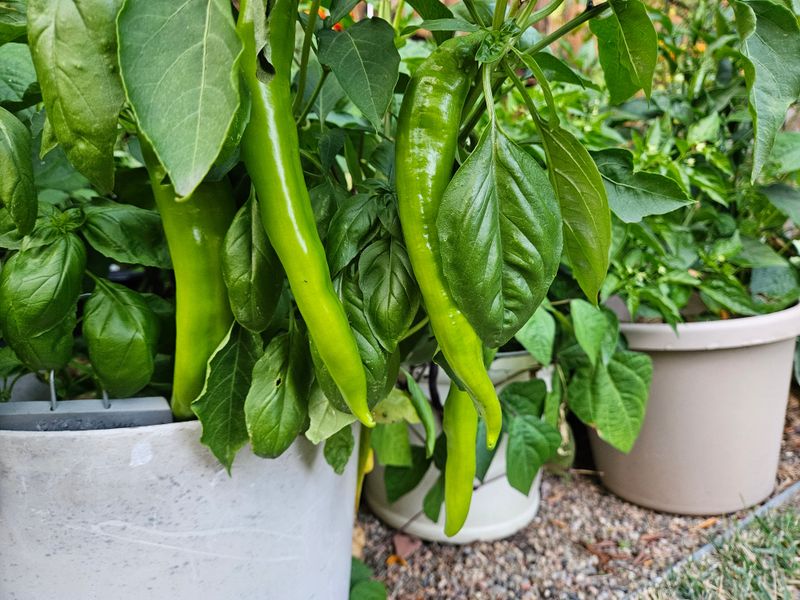
Growing chilies and tomatoes in Arizona means fighting tough alkaline soil, blazing heat, and thirsty plants that always want more. The good news is you probably already have the fixes sitting in your kitchen right now.
These five simple household ingredients can feed your plants, strengthen their roots, and lead to a bigger fall harvest. Best of all, they save you money and cut down on chemical fertilizers.
1. Compost and Composted Manure for Enriched Soil
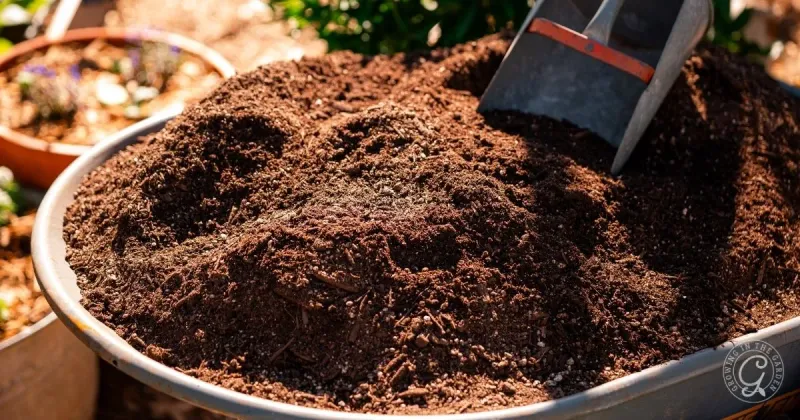
Nothing transforms stubborn Arizona dirt faster than a generous helping of compost. Our low-desert soils tend to be alkaline and packed with caliche, which locks nutrients away from hungry chili and tomato roots.
Mixing in composted steer manure or homemade kitchen compost helps nudge that stubborn pH back toward neutral. It makes iron, nitrogen, and other minerals far easier for your plants to actually soak up and use.
Beyond feeding, compost rebuilds the very structure of the soil. It loosens compacted ground so water soaks deep instead of running off, and it holds that precious moisture longer during those brutal 100-degree stretches.
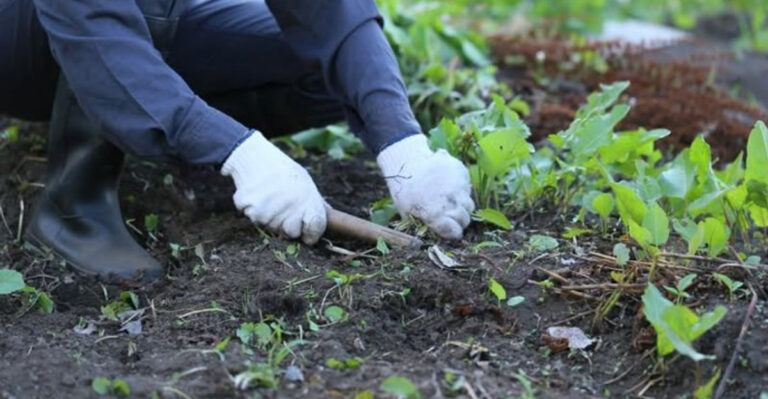
Fall is the sweet spot for this work in Arizona. As you prep beds in October and November, work a few inches of compost into the top layer before you plant.
The organic matter releases nutrients slowly all season long.
Your reward is sturdier plants that shrug off heat stress and pump out more fruit. A yard built on healthy living soil works for you, using less water while growing a fuller fall harvest of peppers and tomatoes.
2. Eggshells for Stronger Plants and Pest Defense
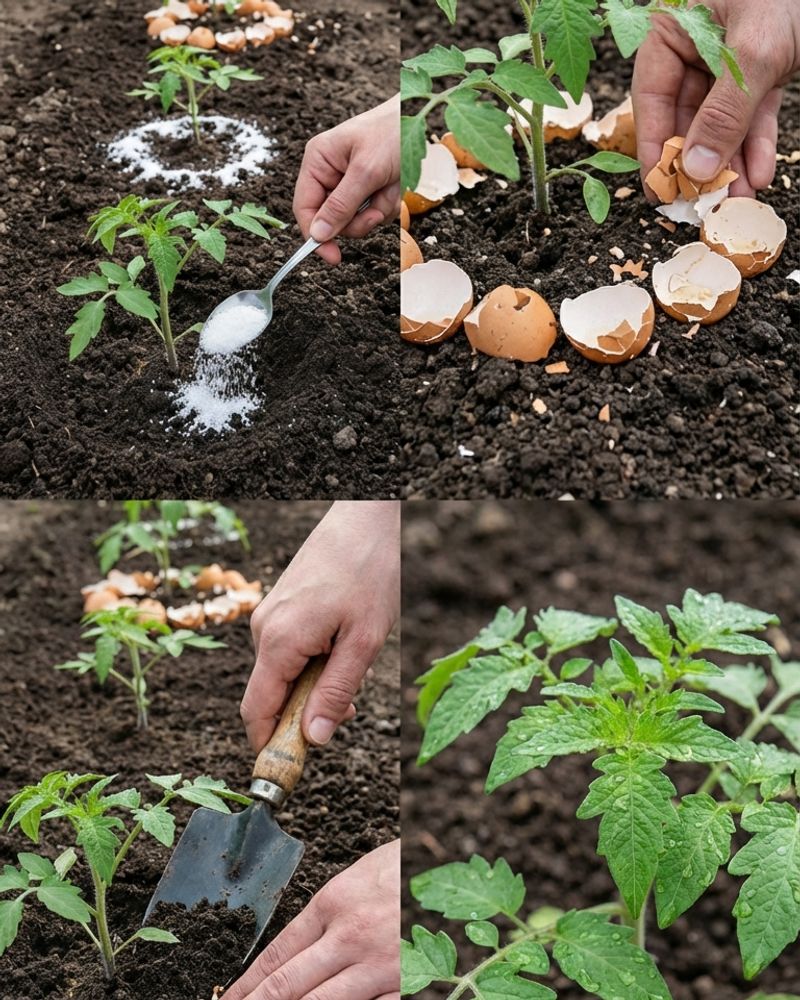
Save those breakfast eggshells, because they pull double duty in the garden. Crushed and dried, they are loaded with calcium that your tomatoes and peppers desperately crave.
Blossom end rot is the frustrating brown mush that ruins fruit right at the bottom, and it often traces back to calcium shortages paired with uneven watering. Working crushed shells into the planting hole gives roots a steady calcium supply to fight it off.
There is more inside than just calcium. As shells break down in Arizona’s alkaline beds, they slowly release zinc, copper, magnesium, phosphate, and potassium that round out a plant’s diet.
The sharp edges bring a bonus too. Sprinkled in a ring around the stem, jagged shell bits create an uncomfortable barrier that can discourage soft-bodied slugs and snails from crawling in.
Those same broken pieces help open up tight, compacted desert soil, improving drainage and letting young roots stretch out with ease.
Rinse, crush finely, and scatter them around each plant. It is a free, no-waste habit that quietly builds tougher chilies and tomatoes ready for a heavier fall harvest.
3. Epsom Salt for Nutrient Uptake and Growth Boost
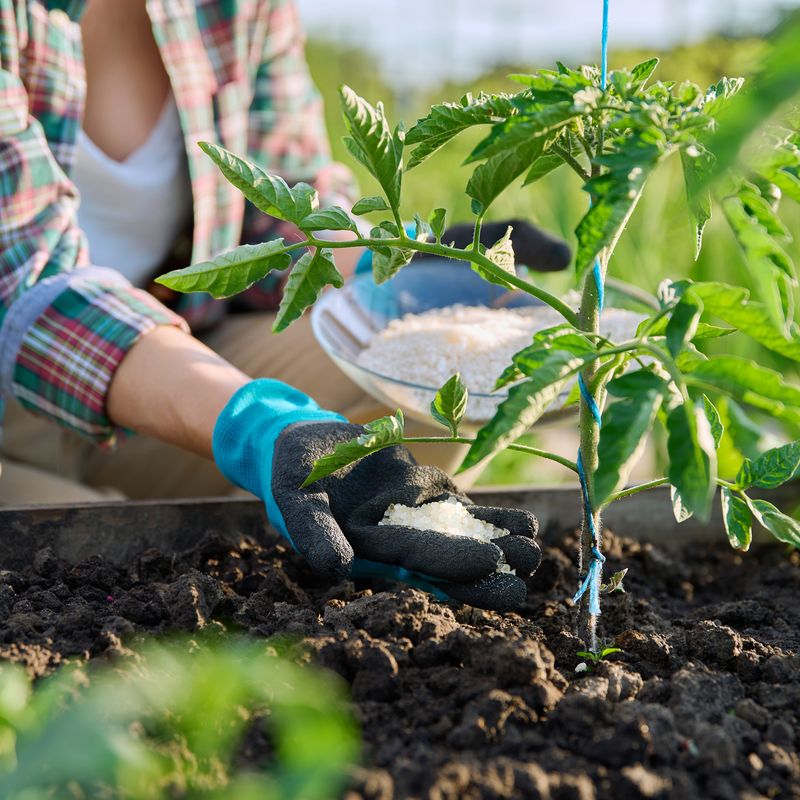
When your chili leaves start yellowing between the veins, magnesium is often the missing piece. Epsom salt, that cheap box in the medicine cabinet, delivers both magnesium and sulfur straight to the plant.
Magnesium sits at the heart of chlorophyll, the green pigment that lets leaves capture sunlight and turn it into food. Without enough of it, plants photosynthesize poorly and struggle to grab other nutrients from the soil.
Your Arizona Garden Changes Every Week. Your Plan Should Too.
Gardening in Arizona changes quickly throughout the season. Every Friday you’ll receive a simple weekly plan showing exactly what to plant, prune, fertilize, harvest, and protect so you never miss the right timing.
Sulfur pitches in as well, supporting healthy growth and gently nudging Arizona’s naturally alkaline soil toward a friendlier pH over time.
To use it, dissolve a spoonful in water and apply it as a foliar spray on the leaves or as a soil drench around the base. Correcting a magnesium gap this way can green plants up and encourage bigger, more flavorful fruit.
A word of caution keeps this safe: dilute it properly and reach for it only after you suspect a real magnesium deficiency. Dumping on too much can actually block calcium uptake and backfire.
Used with a light touch, Epsom salt can be a quiet helper toward a fuller fall harvest of Arizona chilies and tomatoes.
4. Banana Peels for Enhanced Flowering and Fruiting
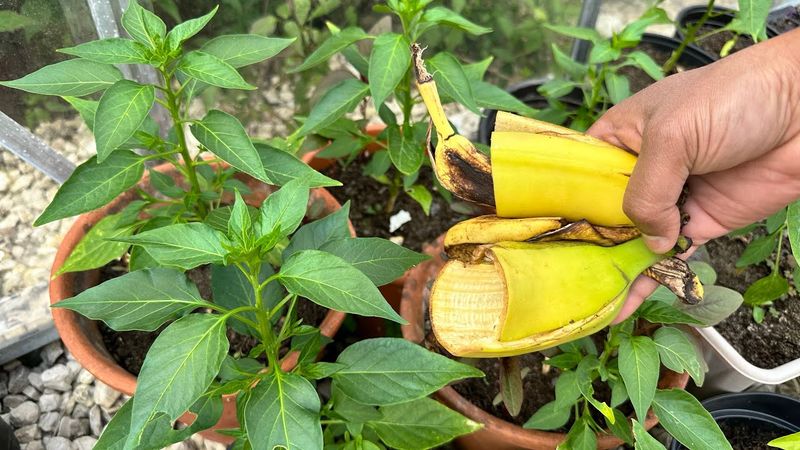
Before you toss that banana peel in the trash, know it is basically a slow-release flower booster. Peels are rich in potassium, the nutrient that drives strong blooms and plump fruit on chilies and tomatoes.
They carry phosphorus and calcium too, a trio that builds sturdy root systems, encourages more blossoms, and pushes plants to set larger, more numerous peppers and tomatoes across your Arizona beds.
Because peels break down gradually in the soil, they feed steadily rather than all at once. That slow drip of nutrients keeps plants nourished deep into the growing cycle without any sudden burst that could stress them.
Here is the clever part for fruit growers: banana peels are naturally low in nitrogen. Too much nitrogen sends plants into leafy overdrive at the expense of fruit, so this low dose keeps energy focused where you want it, on the harvest.
Putting them to work is easy. Chop peels and bury them a few inches down near the base, or soak them in water for a day to brew a simple banana tea to pour around your plants.
It is an effortless kitchen scrap that pays you back in a more prolific fall crop.
5. Coffee Grounds for Soil Health and Mild Pest Deterrence

That morning coffee habit can quietly power your garden. Used grounds bring nitrogen, potassium, and phosphorus to the table, three nutrients that keep chilies and tomatoes growing vigorously through Arizona’s demanding climate.
Stirred into desert beds, coffee grounds add organic matter that improves the whole texture of the soil. They boost aeration and help the ground hold water, a real bonus for the compacted, quick-draining dirt so common around Phoenix and Tucson.
Grounds also feed the hidden workforce underground. Beneficial microbes and earthworms thrive on them, and those tiny helpers are what keep soil fertile and alive over the long haul.
A quick note on acidity saves headaches. Used grounds land close to pH neutral, but fresh, unbrewed grounds are more acidic and should be composted first so they do not slow plant growth or seed sprouting.
There is a bonus for pest-weary gardeners too. A thin scattering of used grounds around your plants may help discourage certain crawling garden pests from settling in.
Sprinkle lightly and mix them in rather than piling them thick. Handled right, this everyday leftover builds richer soil and a bigger, healthier fall harvest across your Arizona garden.