The Watering Tricks Every Arizona Gardener Should Know To Waste Less In The Heat
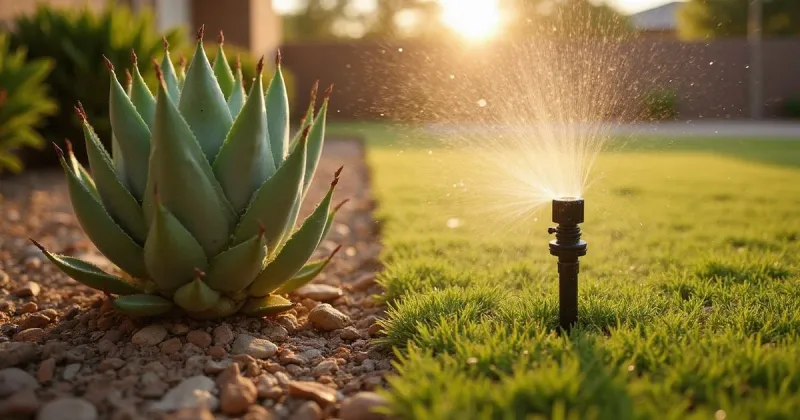
Keeping a yard alive in Phoenix or Tucson during a brutal summer takes more than just turning on the hose. Arizona’s low-desert heat, alkaline soils, and unpredictable monsoon rains make a fixed watering timer one of the least reliable tools a gardener can rely on.
Learning to match water to each plant’s actual needs, root depth, and soil conditions is what separates a thriving yard from one that wastes water and still looks stressed.
Low-Desert Arizona Needs More Than a Fixed Timer
Running a sprinkler or drip system on the same schedule every week sounds simple, but in low-desert Arizona, a fixed timer ignores nearly everything that actually determines how much water a plant needs. The Phoenix and Tucson areas face some of the most intense evaporative demand in North America, with summer temperatures regularly topping 110 degrees Fahrenheit, low humidity outside of monsoon season, and soils that range from sandy loam to rock-hard caliche.
A schedule set for a mild spring day will either underwater plants during a brutal July heat wave or overwater them after a monsoon delivers half an inch of rain.
The goal of smarter irrigation in Arizona is not simply to run the system for fewer minutes. The real target is placing the right amount of water in the active root zone, reducing avoidable losses to evaporation, runoff, and poor emitter placement, and adjusting the system as plants grow and weather shifts.
This guide applies primarily to Phoenix- and Tucson-area low-desert conditions. Higher-elevation communities in northern or southeastern Arizona have different soils, cooler temperatures, and different frost windows, so the advice here does not transfer automatically to those regions.
No specific water-savings percentage applies to every yard, because results depend on plant selection, soil, irrigation design, and how much high-water-use turf or non-adapted vegetation is present.
Low-Desert Arizona Plants Need Different Moisture Patterns
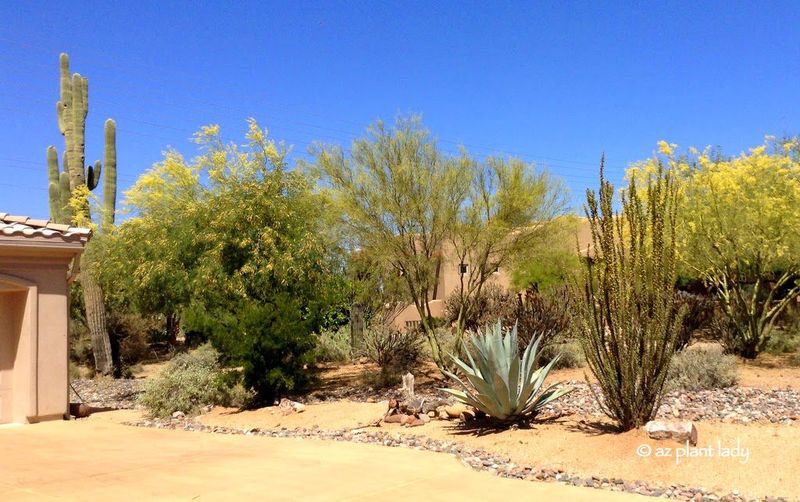
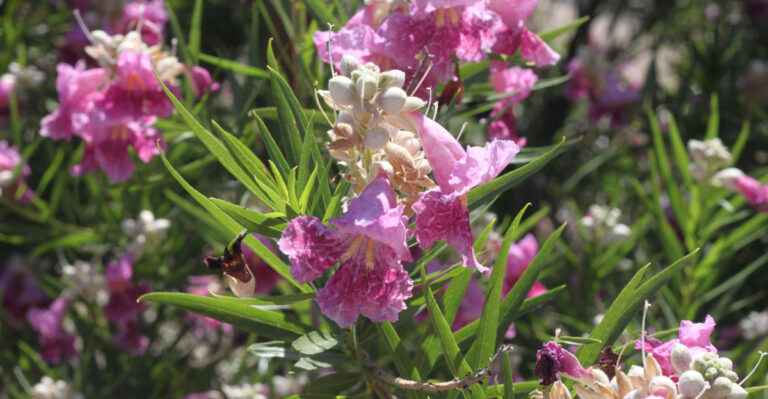
One of the most common irrigation mistakes in Arizona is treating every plant in the yard as if it needs the same schedule. Established trees and shrubs, especially desert-adapted species like mesquite, palo verde, and desert willow, generally do best with slow, deep irrigation followed by a period of partial drying before the next watering.
That partial drying encourages roots to grow deeper and wider in search of moisture, which makes the plants more resilient during prolonged dry spells.
Cacti and succulents sit at the other end of the spectrum: their root zones can be damaged when soil stays continuously wet, so they need well-drained conditions and longer dry periods between irrigations.
Newly planted trees and shrubs in Arizona need more attention than established ones, regardless of species. The root ball must stay reasonably moist while the plant pushes roots into the surrounding native soil, and that process takes time.
University of Arizona planting guidance estimates roughly one year for small plants, two years for shrubs, and three years for trees before they are considered established, though conditions vary. Desert-adapted does not mean maintenance-free in a residential landscape, particularly during the first few summers after planting.
Your Arizona Garden Changes Every Week. Your Plan Should Too.
Gardening in Arizona changes quickly throughout the season. Every Friday you’ll receive a simple weekly plan showing exactly what to plant, prune, fertilize, harvest, and protect so you never miss the right timing.
Use a Probe to Measure Low-Desert Arizona Soil Moisture
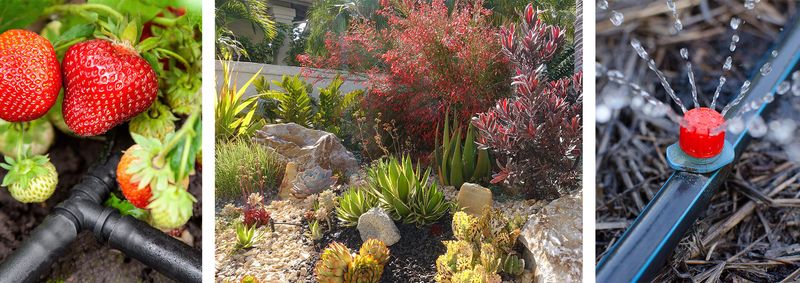
Guessing whether a plant needs water based on how many minutes the system ran is one of the least reliable methods in Arizona. Soil type, emitter output, root depth, plant size, and recent weather all affect how far water actually travels into the ground.
A much more dependable approach is to push a soil probe, a long screwdriver, or a smooth metal rod into the soil after an irrigation cycle and feel how far it moves easily before hitting dry or compacted ground.
According to University of Arizona guidance on watering trees and shrubs, water should reach the full active root zone without moving substantially below it. As a starting point, target roughly one foot of depth for lawns, annual flowers, and smaller plants; about two feet for shrubs; and two to three feet for trees.
Those numbers shift based on species, soil barriers like caliche, and how long the plant has been in the ground, so treat them as guidelines rather than fixed rules.
Arizona’s soils add another layer of complexity. Clay soils absorb water slowly, and heavy application rates cause runoff before the water can soak in.
Compacted or crusted ground and sloped areas present the same problem. When water ponds or runs off before reaching target depth, the solution is not to increase flow but to use a cycle-and-soak approach: run the system for a shorter period, pause long enough for the water to infiltrate, then run again.
That pattern moves moisture deeper without wasting it to surface runoff.
Water Low-Desert Arizona Trees Across the Root Zone
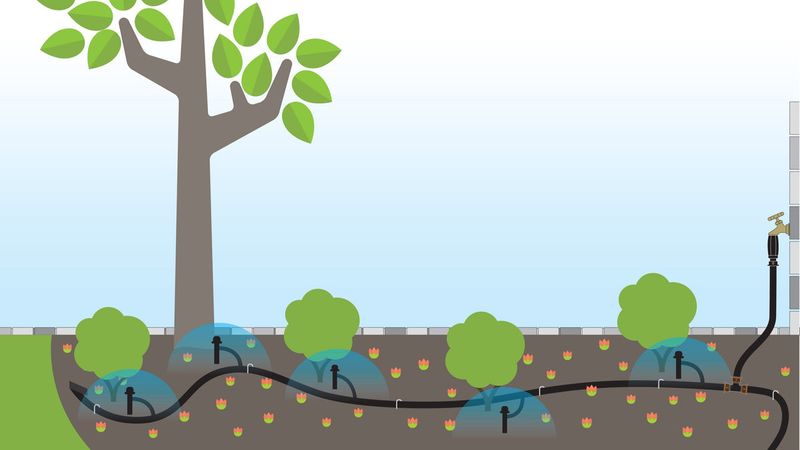
Placing irrigation water directly against a tree’s trunk is one of the most persistent mistakes in Arizona yards. For established trees and large shrubs, the feeder roots that actually absorb water are not clustered next to the trunk.
They spread outward, often reaching to and beyond the canopy’s drip line, which is the outer edge of the leaf canopy where rainfall would naturally drip off. Concentrating emitters at the base creates a small wet spot near the trunk rather than encouraging roots to spread, and it can contribute to trunk and crown problems over time.
The practical fix is to place drip emitters in a ring or arc that matches the active root zone, starting near the drip line and potentially extending beyond it for large, established trees. University of Arizona guidance on watering trees and shrubs reinforces that water directed across the broader root zone supports healthier root development than water pooled at the base.
For newly planted trees, emitters can start closer to the root ball and gradually move outward as the tree grows.
Moving or adding emitters as plants mature is an easy step that many Arizona gardeners skip. A tree supplied by the same two emitters used at planting may have roots crowding into a small saturated patch rather than spreading through the intended root zone.
Walking the yard with the system running and checking where water is actually landing, then repositioning emitters to follow the expanding canopy, takes very little time and can make a real difference in how efficiently the tree uses each irrigation cycle.
Tune Up Low-Desert Arizona Drip Irrigation
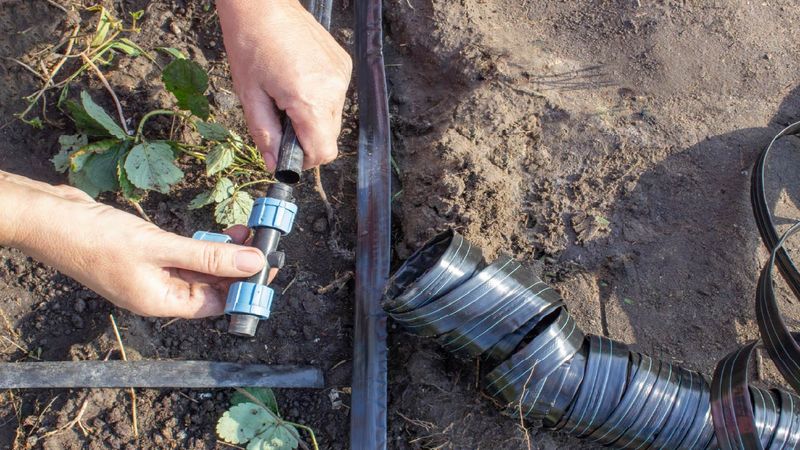
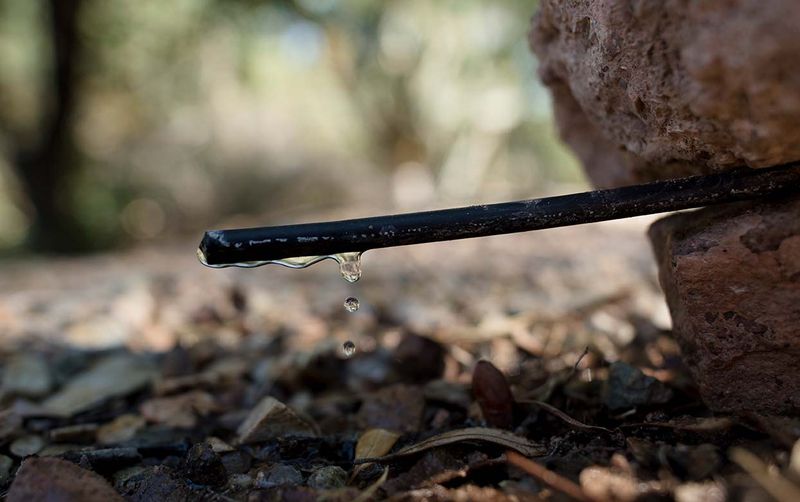
Drip irrigation has a reputation for saving water, but that reputation only holds when the system is designed and maintained correctly. In Arizona’s low-desert heat, emitters clog with mineral deposits from hard water, tubing develops small cracks and leaks that go unnoticed for months, and pressure fluctuations cause some emitters to run far above or below their rated output.
A system that looked fine at installation can quietly overwater some plants and underwater others as those problems accumulate.
Filters and pressure regulators are not optional accessories in Arizona: they protect emitters from the sediment and pressure swings that shorten system life. Flushing the ends of drip lines periodically clears accumulated debris before it reaches emitters.
Running the system while walking the yard, rather than trusting a controller to handle everything, is the most reliable way to catch leaks, blocked emitters, and misaligned heads before they waste significant water or stress plants.
Grouping plants with similar water needs on the same valve is another step that pays off quickly in Arizona. Trees, shrubs, turf, vegetables, annual flowers, cacti, and succulents do not share the same irrigation requirements, and combining them on one zone forces a compromise that usually means some plants are overwatered while others are stressed.
Arizona Department of Water Resources guidelines for landscape drip irrigation support separating zones by plant type so each group can be scheduled independently, making seasonal adjustments far easier and more precise.
Use Low-Desert Arizona Mulch and Rain Capture Carefully
Mulch is one of the lowest-effort tools available to Arizona gardeners for reducing water loss between irrigations. A three- to four-inch layer of organic mulch over the root zone slows evaporation from the soil surface and moderates soil temperature, both of which matter enormously when ground temperatures in the Phoenix and Tucson areas can climb well above 150 degrees Fahrenheit in summer.
Keep mulch pulled back several inches from trunks and stems, because material piled against the base of a plant holds moisture against the bark and can cause rot or create habitat for pests.
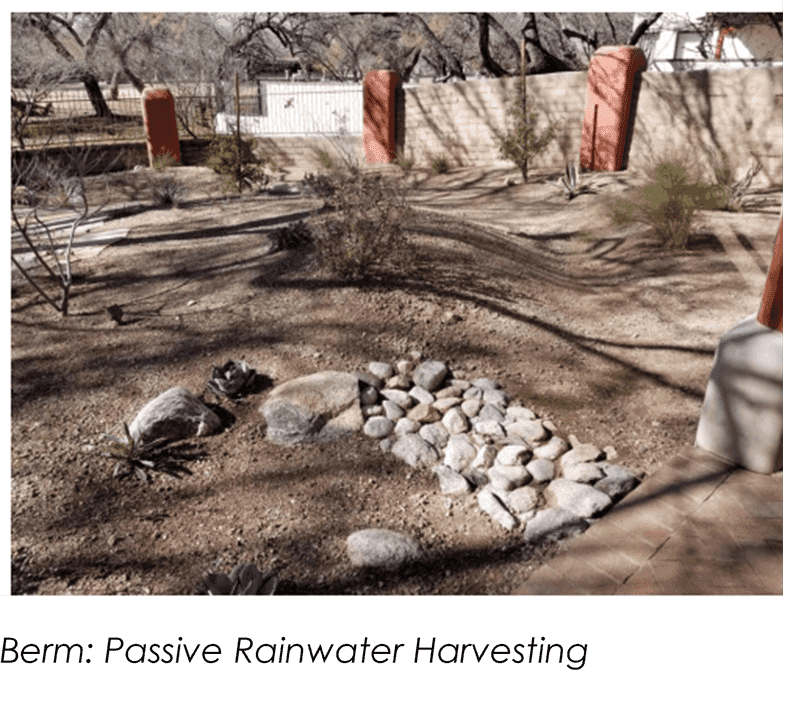
Capturing Arizona’s monsoon rainfall before it runs off the property is another way to extend the benefit of each storm. Berms, shallow basins, and swales can be shaped into the landscape to slow runoff and direct water toward plant root zones.
University of Arizona guidance on passive rainwater harvesting emphasizes that these structures work best when water infiltrates the soil rather than ponding against trunks or collecting in areas with poor drainage.
Rain gauges earn their place in Arizona yards because the amount of rain that falls at a weather station may differ significantly from what landed on your property. Arizona guidance commonly treats at least half an inch of measurable rainfall as a reason to consider skipping the next scheduled irrigation, but that threshold depends on how much water actually infiltrated versus ran off, how deep the roots are, and what type of plant received the rain.
Checking soil moisture after a storm with a probe is more reliable than assuming the controller can be skipped.
Adjust Low-Desert Arizona Timing to Weather and Establishment
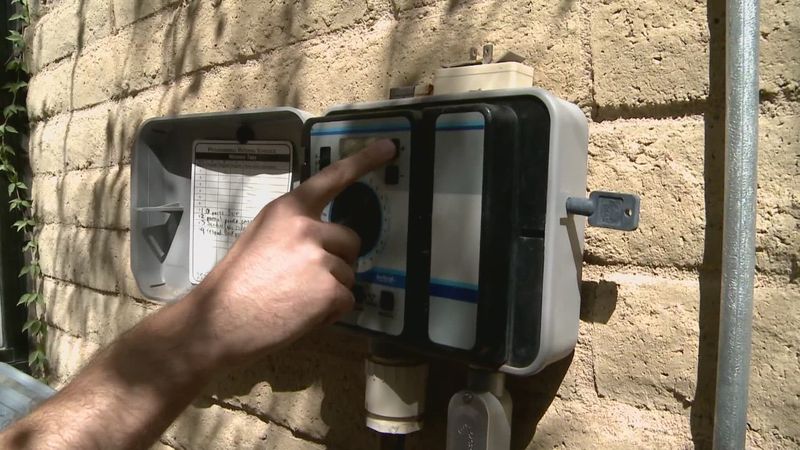
Replacing a fixed weekly schedule with a decision process is the most important shift an Arizona gardener can make. For established low-water trees and shrubs in the low desert, the interval between irrigations might range from several days during the peak of summer heat to a week or more during cooler stretches, depending on the plant, soil, site drainage, and how much the root zone dried out since the last watering.
That range is not a calendar prescription; it is a starting point that requires a soil check to confirm.
Newly planted trees and shrubs in Arizona need a different approach. University of Arizona planting guidelines explain that the root ball must stay adequately moist while roots grow into surrounding soil, and that irrigation frequency should decrease gradually as establishment progresses over one to three years depending on plant size.
Skipping that gradual transition and moving a new plant onto an established-plant schedule too soon is a common cause of transplant failure in the low desert.
Watering time of day matters more for some situations than others in Arizona. Early morning is the preferred window for lawns and any overhead irrigation because foliage has time to dry before nightfall, and University of Arizona guidance for Pima County specifically warns that prolonged leaf wetness during humid monsoon conditions can encourage fungal disease.
For drip systems watering trees and shrubs, the timing concern is less about foliage and more about wind and evaporation from exposed emitters. After any significant rain, wind event, or unusual heat spike, checking root-zone moisture before running the next scheduled cycle is more reliable than trusting the controller to adapt on its own.
Read Low-Desert Arizona Signs of Water Stress
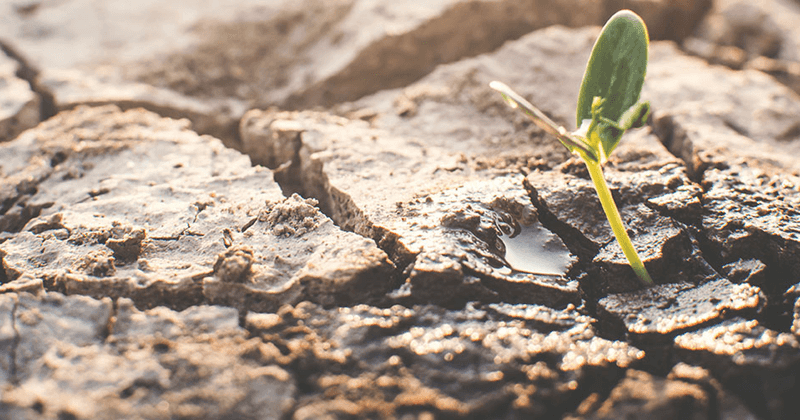
A wilting plant in the Arizona afternoon does not always mean the root zone is dry. Temporary midday wilting is a normal heat-stress response for many plants when air temperatures exceed 105 to 110 degrees Fahrenheit, and the leaves often recover on their own once temperatures drop in the evening.
The more telling sign is whether a plant is still wilted or showing curling, crispy edges in the morning, or whether symptoms are worsening earlier each day. Morning wilting or a steady decline in appearance warrants a soil moisture check before adding more water.
Persistently wet soil, slow drainage, or water moving below the active root zone can harm Arizona plants just as surely as drought. Caliche, a hard calcium carbonate layer common in Phoenix and Tucson area soils, can trap water above it and create conditions where roots sit in saturated soil even though the surface looks dry.
University of Arizona guidance on managing caliche explains that breaking through or working around this layer is often necessary to achieve proper drainage, and that routine deep soaking in sites with poor drainage can make root problems worse rather than better.
Salt accumulation is a real concern in Arizona’s alkaline soils and with hard irrigation water, and occasional longer irrigation runs can help move salts below the root zone. However, this is a targeted practice for sites where drainage is adequate, not a routine recommendation for every yard.
Where caliche restricts infiltration or soil stays persistently wet, extra-long irrigation runs can push salts sideways into the root zone or keep soil saturated in ways that damage roots rather than help them.
Build a Low-Desert Arizona Root-Zone Routine
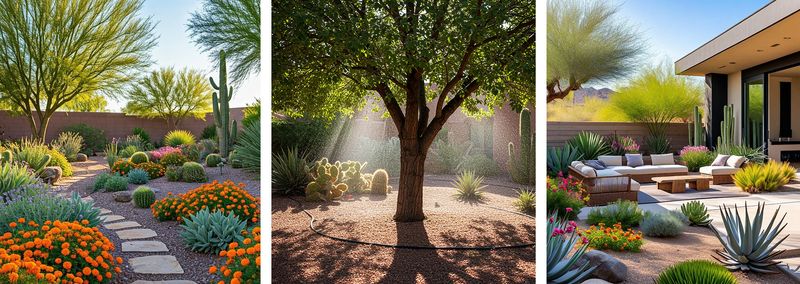
Putting these practices together into a repeatable routine makes water-smart gardening in Arizona far less complicated. Start by identifying each plant’s type and how long it has been in the ground, because a newly planted desert willow and a ten-year-old mesquite have very different irrigation needs even in the same yard.
Check root-zone moisture with a probe or screwdriver before each scheduled cycle rather than running the system on a fixed timer, and water slowly enough that the soil absorbs the water without runoff.
Direct water across the active root zone for trees and large shrubs, allow appropriate established plants to partially dry between events, and keep cacti and succulents on a separate zone with longer dry intervals. Inspect emitters, filters, and tubing at least seasonally, and move emitters outward as plants grow.
After significant rain, check soil moisture before the next scheduled run rather than skipping it automatically.
Arizona gardeners save water by matching irrigation to actual conditions, not by following a single weekly rule. The difference between a yard that struggles and one that thrives often comes down to reading the soil and the plant rather than trusting the clock.
Reducing waste and keeping plants genuinely healthy are the same goal, not competing ones.