The Kentucky Lawn Window That Closes At The End Of September
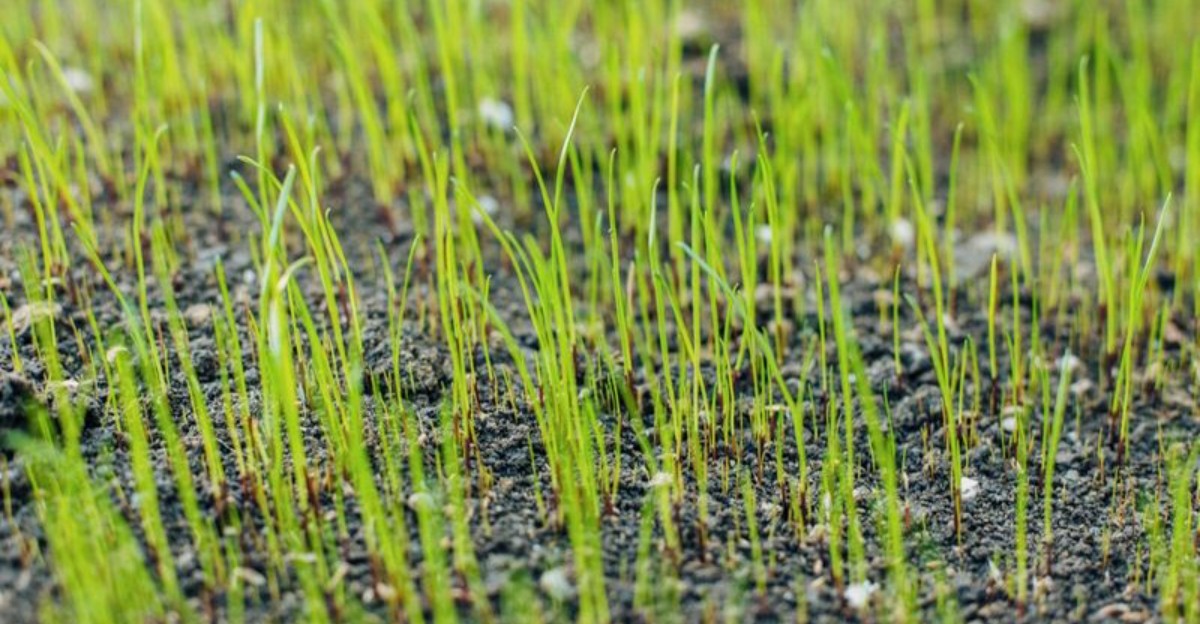
There is a stretch of Kentucky weather that smells like cut grass and cool mornings, and it does not hang around long. Somewhere between the last hot spell and the first frost, the ground quietly turns generous.
Miss it, and you spend the following spring staring at thin patches and stubborn bare spots. Hit it, and your yard fills in like it never struggled at all.
The University of Kentucky has put a date on this stretch, and that date is closer than most homeowners think. Extension agents repeat it every year, yet phones still ring in November with the same regret.
There’s a reason those extension phones start ringing every November, and it’s not complicated. The short version: the window is closing faster than most people realize.
AGR-50 Sets The Real Cutoff For Fall Seeding
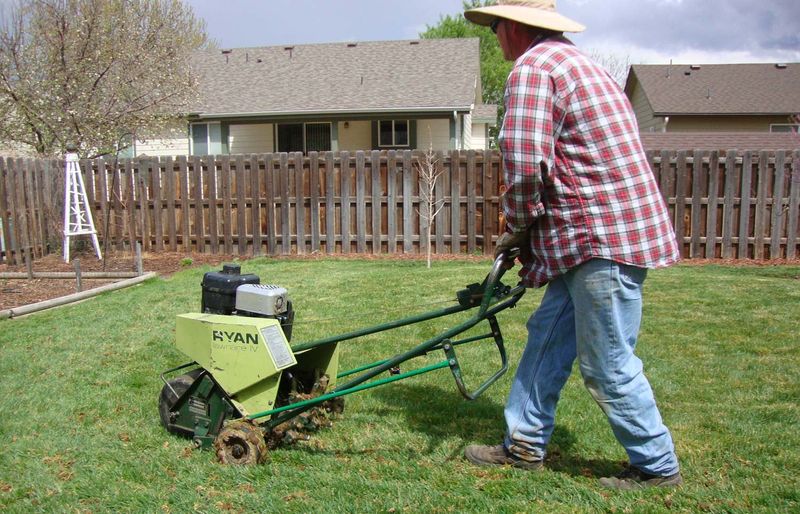
Kentucky homeowners have a free cheat sheet sitting on a university website, and hardly anyone reads it. The publication is called AGR-50, produced by the University of Kentucky Cooperative Extension Service.
Its guidance on timing is refreshingly blunt. Mid-August through late September is listed as the prime stretch for seeding cool-season grasses across the state.
That means tall fescue, Kentucky bluegrass, and perennial ryegrass, the three names that cover most yards from Paducah to Pikeville. Each one germinates best when soil sits in that comfortable late-summer range.
Notice the wording carefully: late September is the tail end, not the sweet spot. Seed dropped on September 28 has far less cushion than seed dropped on September 5.
The reason comes down to root development before cold weather. Grass planted in September gets roughly seven to eight months to develop its root system before summer heat arrives.
Count backward from Kentucky’s average first hard frost in late October or early November. September’s final days barely squeeze in under the wire.
Extension agents in county offices statewide hand out this same advice every year at fairs, farmers markets, and over the phone. It is worth calling your local office if you want dates fine-tuned for your part of the state.
Elevation and local weather patterns can shift the edges of this window slightly, so it’s worth confirming exact timing with your county extension office.
Still, the headline stays the same. September’s end closes the door.
Why Kentucky Soil Turns Generous In Late Summer
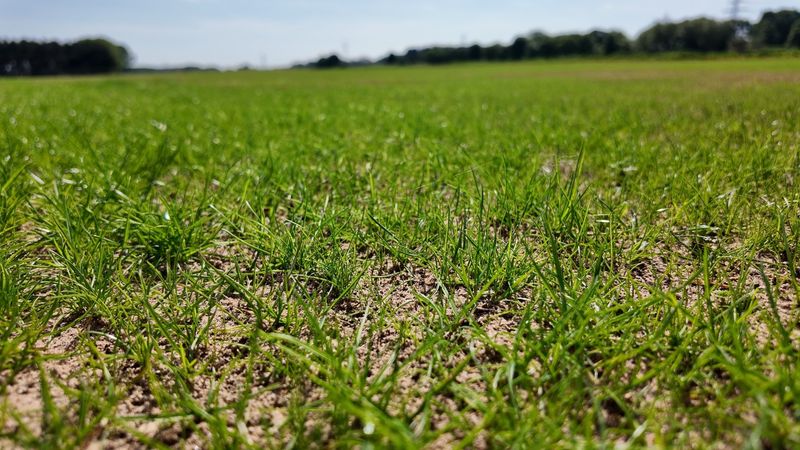
Warm dirt and cool air rarely show up together, but in Kentucky they overlap for a few glorious weeks. Soil that baked all July holds its heat well into September, while the air above finally loosens its grip.
Grass seed reads that combination like an invitation. Warm soil speeds up germination, often cutting sprouting time compared to a chilly April planting.
Meanwhile, cooler nights reduce stress on those brand new blades. A seedling that pops up in mid-September gets weeks of mild weather to stretch roots downward instead of fighting heat.
Rainfall usually cooperates too. Late summer and early fall storms roll through the Ohio Valley often enough to keep the surface damp without drowning anything.
Your Kentucky Garden Changes Every Week. Your Plan Should Too.
Gardening in Kentucky changes quickly throughout the season. Every Friday you’ll receive a simple weekly plan showing exactly what to plant, prune, fertilize, harvest, and protect so you never miss the right timing.
There is another quiet advantage most folks overlook. Crabgrass and other summer weeds are winding down their season, so your young grass is not elbowing anyone for water, light, or nutrients.
Compare that to spring seeding, where every warm day wakes up a fresh crop of competitors. New grass planted in April spends its infancy losing ground to faster-growing competitors.
Extension specialists at the University of Kentucky point to this soil-and-air pairing as the whole reason fall works. It is not tradition or superstition, just soil temperature charts and weed life cycles lining up nicely.
Once October arrives, that warmth drains out of the ground fast. The generosity ends, and seed sown afterward simply sits and waits.
The Spring Seeding Habit That Keeps Backfiring
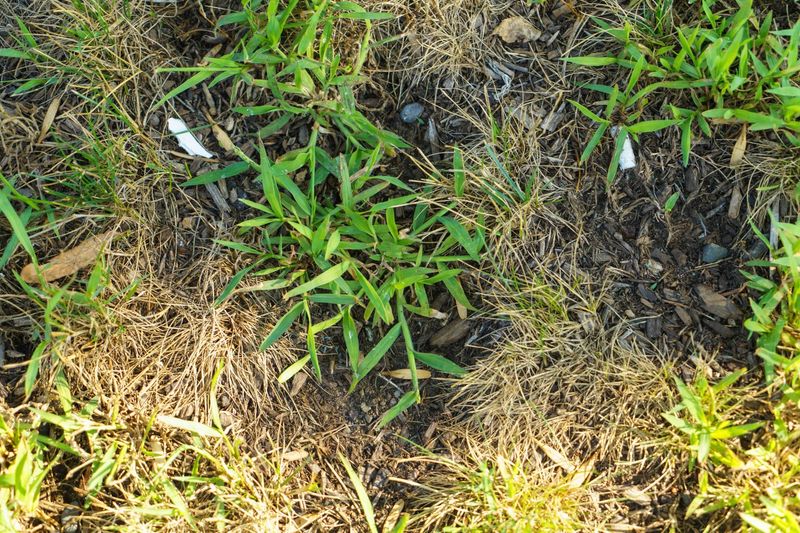
Ask around any Kentucky neighborhood in April and someone is spreading grass seed. It feels right, since everything else is waking up and the garden centers stack seed bags by the door.
The results tell a different story. Spring-planted grass sprouts into a season stacked against it from day one.
Crabgrass germinates around the same time and grows faster. By June, that aggressive weed has claimed the sunlight your seedlings needed.
Then July arrives with Kentucky humidity and stretches of ninety-degree afternoons. Shallow-rooted young grass cannot pull moisture from deep enough to ride out a dry spell.
Most crabgrass preventers block grass seed from sprouting too, so you’re often forced to choose between weed control and new grass, unless you use one of the few pre-emergents formulated to allow seed germination.
Skip the preventer and weeds win. Apply it and your seed sits idle in the soil.
Fall sidesteps that whole tangle. Weeds are fading, temperatures are dropping, and no pre-emergent product is standing in the way.
Plenty of longtime Kentucky lawn keepers learned this the expensive way, buying seed twice in one year. The spring bag went to waste, and the September bag actually worked.
Breaking the habit takes a mental shift more than anything. Treat late August as your lawn’s real new year rather than April.
Your wallet notices the difference, and so does the yard by the following May.
Getting Ground Ready Before The Seed Ever Drops
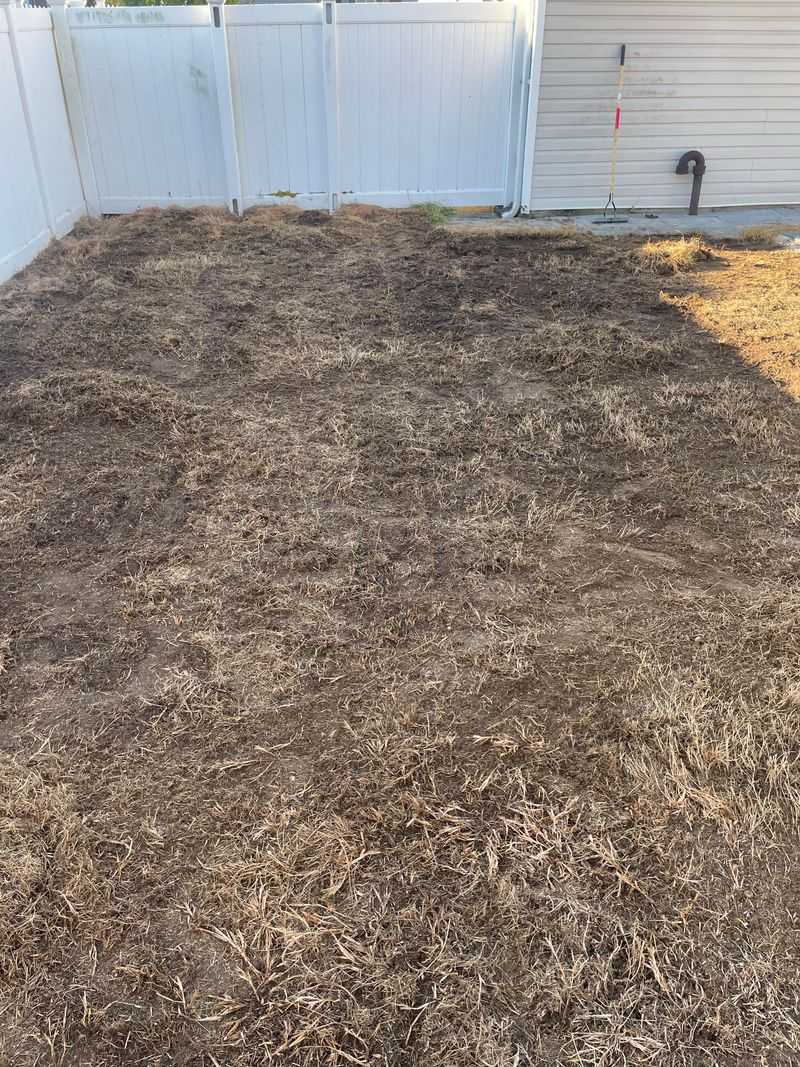
Tossing seed onto hard ground is a bit like tossing marbles onto a sidewalk. Nothing settles, nothing takes hold, and birds enjoy an easy snack.
Preparation makes the difference between a thick stand and a disappointing scatter. Seed needs firm contact with actual soil, not thatch, not mulch, not a mat of old clippings.
Core aeration handles this beautifully on established lawns. A machine pulls small plugs out, leaving thousands of little pockets where seed can tuck in and stay moist.
Kentucky’s clay-heavy soils benefit especially, since compaction is a common complaint from Louisville subdivisions to Lexington horse country. Loosened ground lets roots travel instead of hitting a wall two inches down.
For bare patches, a stiff rake works fine. Scratch the surface until you see loose dirt, then spread seed and rake lightly again.
Mowing shorter than usual right before seeding helps too. Drop the deck to about two inches so sunlight reaches the soil surface.
Rake up heavy clippings and fallen leaves afterward. A thick blanket of debris blocks the very light your seedlings are counting on.
A soil test through your county extension office costs very little and removes the guesswork on lime and phosphorus. Kentucky soils often lean acidic, and correcting pH now pays off for years.
Do the prep work in mid-August so seeding day arrives without scrambling. Front-loading the effort keeps you inside the window instead of chasing it.
Choosing Grass Types That Handle Bluegrass State Summers
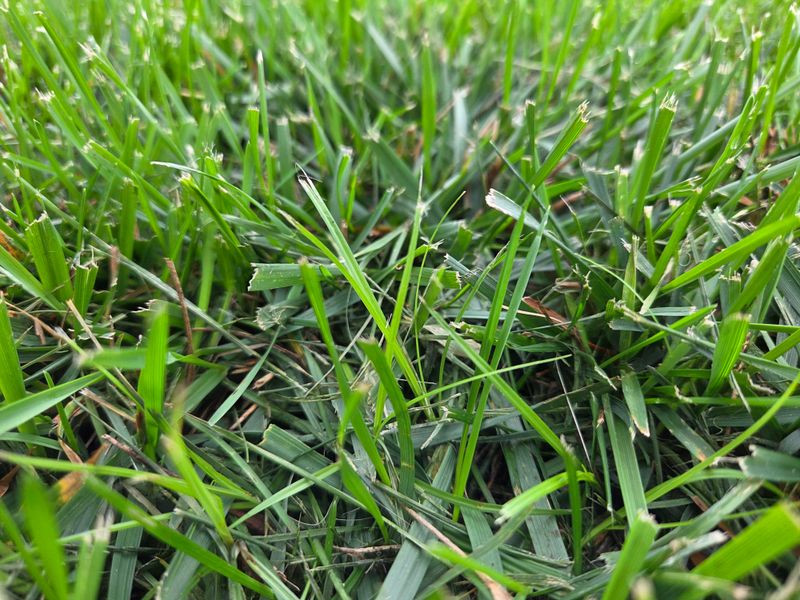
Not every bag on the shelf belongs in a Kentucky yard. The state sits in what turf people call the transition zone, a tricky belt where summers punish northern grasses and winters bother southern ones.
Turf-type tall fescue has become the workhorse answer. Its deep roots reach moisture during August dry spells, and it tolerates the heat better than most cool-season cousins.
Kentucky bluegrass carries the state name and delivers that dense, carpet-like look people love. It spreads on its own through underground stems, which helps it patch small gaps without help.
The tradeoff is thirst. Bluegrass needs more water and often goes dormant and brown during a hot, rainless stretch.
Many Kentucky lawns run a blend, leaning heavily on tall fescue with a smaller share of bluegrass mixed in. The fescue provides toughness while the bluegrass fills thin spots over time.
Perennial ryegrass sprouts quickly, sometimes within a week, so a little in the mix gives fast cover on slopes. Too much of it, though, crowds out the slower species you actually want long term.
Check the seed label for weed seed percentage and the test date. Fresh seed germinates far better than a bag that sat in a warehouse for two seasons.
Certified varieties bred for disease resistance cost a bit more upfront. Given that you only get one good window each year, cheaping out on seed rarely pays.
Watering New Seedlings Without Washing Them Away
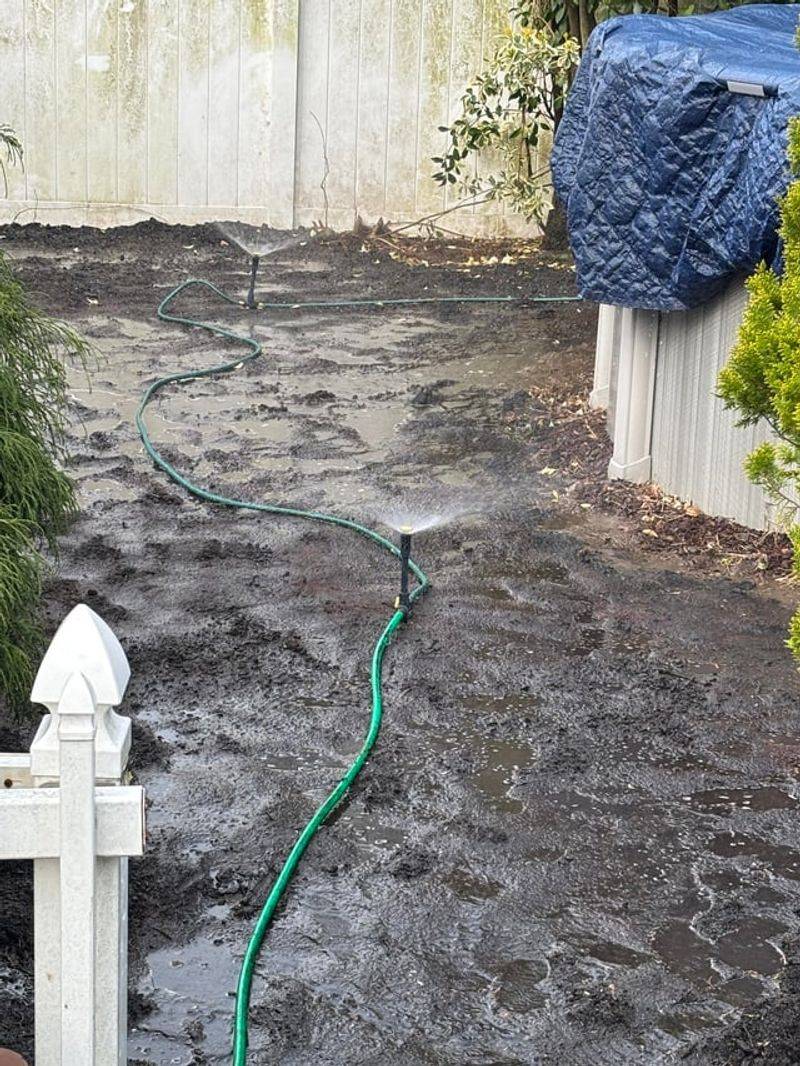
Here is where good intentions drown a lot of grass seed. Homeowners either forget to water entirely or blast the yard like they are putting out a fire.
Newly planted seed wants steady dampness in the top half inch of soil. Think of a wrung-out sponge rather than a puddle.
Short, frequent sessions beat long soakings during the first two weeks. Ten minutes in the morning and ten in the early afternoon usually does the job.
Heavy blasts of water carry seed downhill and pile it in low spots. You end up with bare stripes on slopes and thick clumps at the bottom.
Once seedlings reach about an inch tall, stretch the schedule out. Water a little longer and a little less often, which trains roots to chase moisture deeper.
Kentucky often delivers helpful September rain, so check the forecast before running sprinklers. Overwatering invites fungal trouble in warm, muggy conditions.
A light layer of straw over bare patches holds moisture and shades the surface. Use it thinly enough that you can still see soil through it.
Foot traffic during this period does real harm. Keep the dog, the kids, and the wheelbarrow off newly seeded areas for a few weeks.
First mowing can happen once the new grass hits roughly three inches. Use a sharp blade and take off only the top third so you do not tear tender plants loose.