This Old Tennessee Weather Ritual Returns As Persimmon Trees Set Fruit
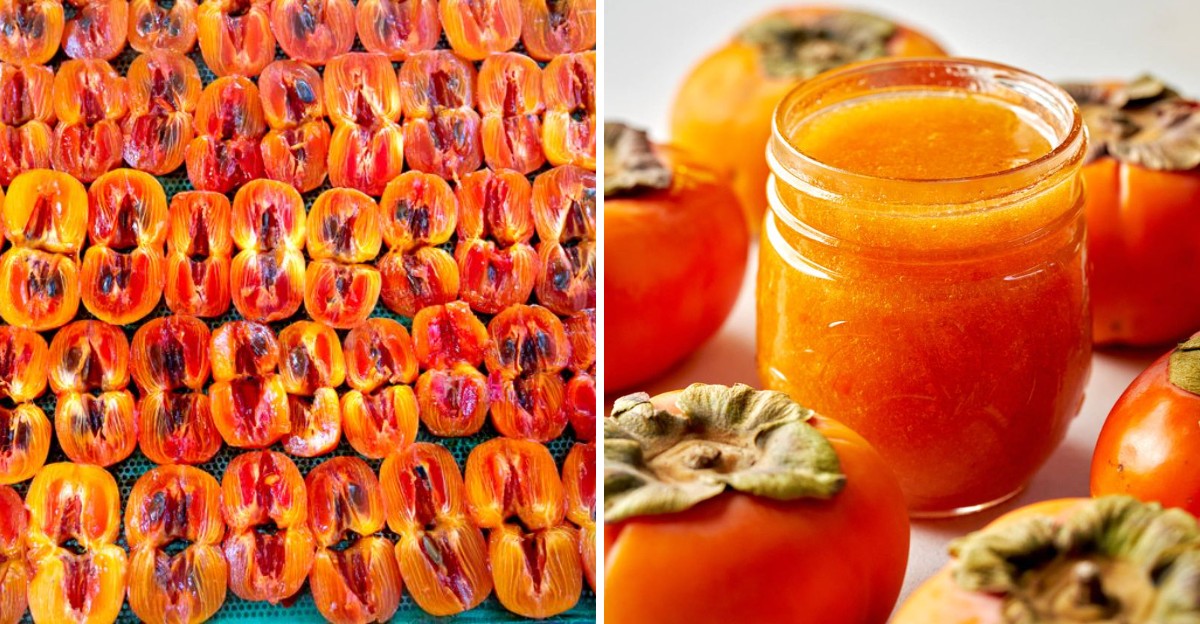
Slice open a persimmon seed and you’ll find a secret waiting inside. Tennessee families have leaned on this trick for generations. You slice carefully, hoping for a clue about winter’s mood.
Spoons promise heavy snow, forks hint at powder, knives mean cold winds. Farmers across Tennessee still trust this seed over forecasts. Modern kitchens still carry that curiosity forward each autumn.
Grandparents passed this practice down without writing a single instruction. County fairs now host contests judging whose seed predicts best. Skeptics scoff, yet the tradition refuses to fade quietly.
Believers swear the shape inside tells the truth. Winter’s answer sits hidden until you cut the seed open. Curiosity pulls you toward the knife before logic can object.
Science offers no proof, yet nobody seems to mind the mystery. History adds weight to this old-fashioned forecast, thin as it seems. Pick up a persimmon seed and discover what waits inside.
The Seed-Splitting Custom Tennessee Folks Grew Up With
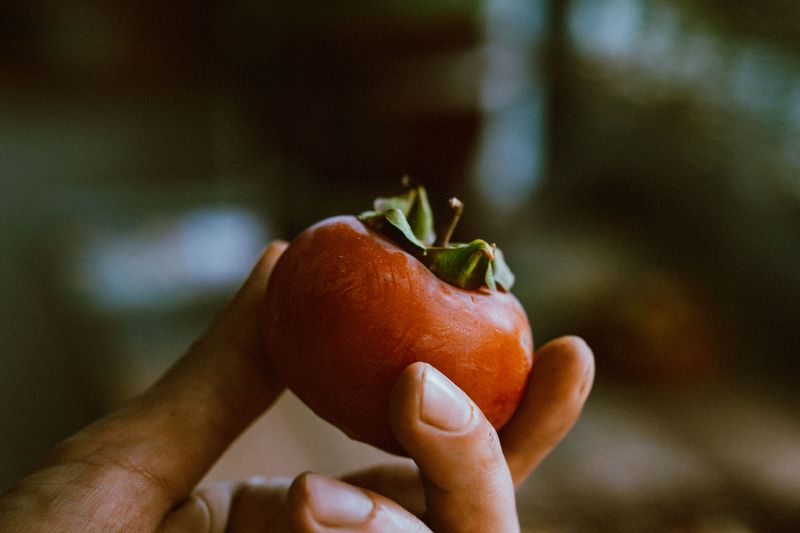
Ask anyone whose grandparents farmed in Middle Tennessee, and you will likely hear about the persimmon seed. Slice one open lengthwise, and the pale shape inside is supposed to hint at winter weather.
The tradition is believed to have traveled here with settlers from Europe, blending over time with local knowledge of the native American persimmon, Diospyros virginiana.
Because the tree grows wild along fencerows, roadsides, and old pastures across the state, nearly anyone could take part.
The timing matters. Folks wait until fruit has softened after the first cool nights, usually late September into October, though early September is when the ritual starts buzzing in conversation as the fruit swells and colors up.
What makes the custom stick is how simple it is. No apps, no radar, no subscription. Just a knife, a fruit from your own fencerow, and a room full of opinions.
Families would split several seeds and compare, treating disagreements as part of the entertainment. County extension offices and local newspapers still publish the results each autumn, and folks share photos online.
Meteorologists generally note that seed shapes are more likely to reflect the growing season just past than the winter ahead. Even so, the ritual survives because it connects people to the land and to the folks who came before them.
Consider it a seasonal handshake between neighbors. You get a story, a snack, and a reason to walk the back fence line before the leaves turn.
Reading The Shapes Inside
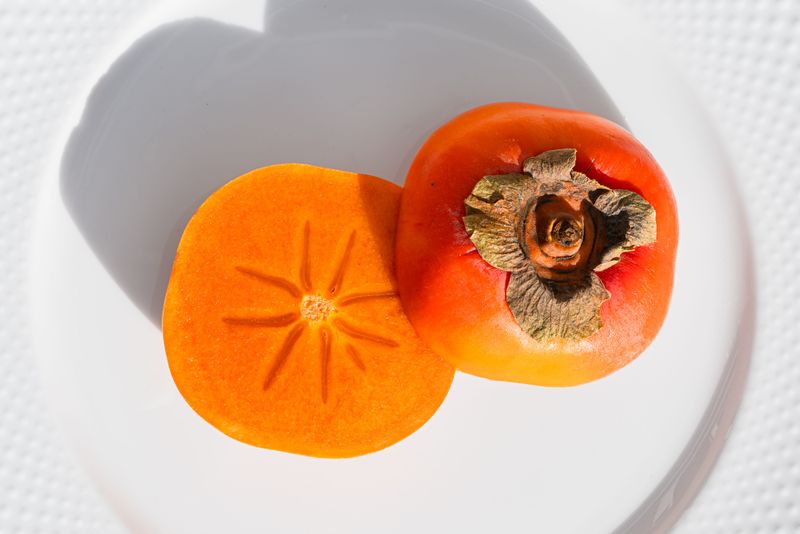
Inside each seed sits a tiny white sprout called the cotyledon, and folklore says it takes one of three familiar kitchen shapes. Each one carries its own forecast.
A spoon shape is the crowd favorite for drama. Tradition says it stands for a shovel, meaning heavy, wet snow that has to be scooped off the driveway.
A fork suggests a mild, powdery winter with light snow and stretches of pleasant days. Folks who dislike shoveling cheer when the fork turns up.
A knife shape is the one that gives people pause. It supposedly means cold winds that cut through light clothing.
Your Tennessee Garden Changes Every Week. Your Plan Should Too.
Gardening in Tennessee changes quickly throughout the season. Every Friday you’ll receive a simple weekly plan showing exactly what to plant, prune, fertilize, harvest, and protect so you never miss the right timing.
Anecdotal reports suggest the spoon shape shows up often in western and middle Tennessee, though no formal data confirms this, and results shift from year to year and even from tree to tree. That variability is part of the fun.
Splitting only one seed makes for a thin forecast, so tradition calls for several. Many families cut five to ten seeds from different fruits, then go with whichever shape shows up most.
Cutting technique matters more than people expect. Slice the flat seed along its wide edge, not across it, or the shape will look like mush.
Botanists note the cotyledon shape relates to seed development and moisture during the growing season. Still, seeing that little spoon appear feels like a small seasonal surprise.
Spotting Wild Persimmon Trees Along Tennessee Fencerows
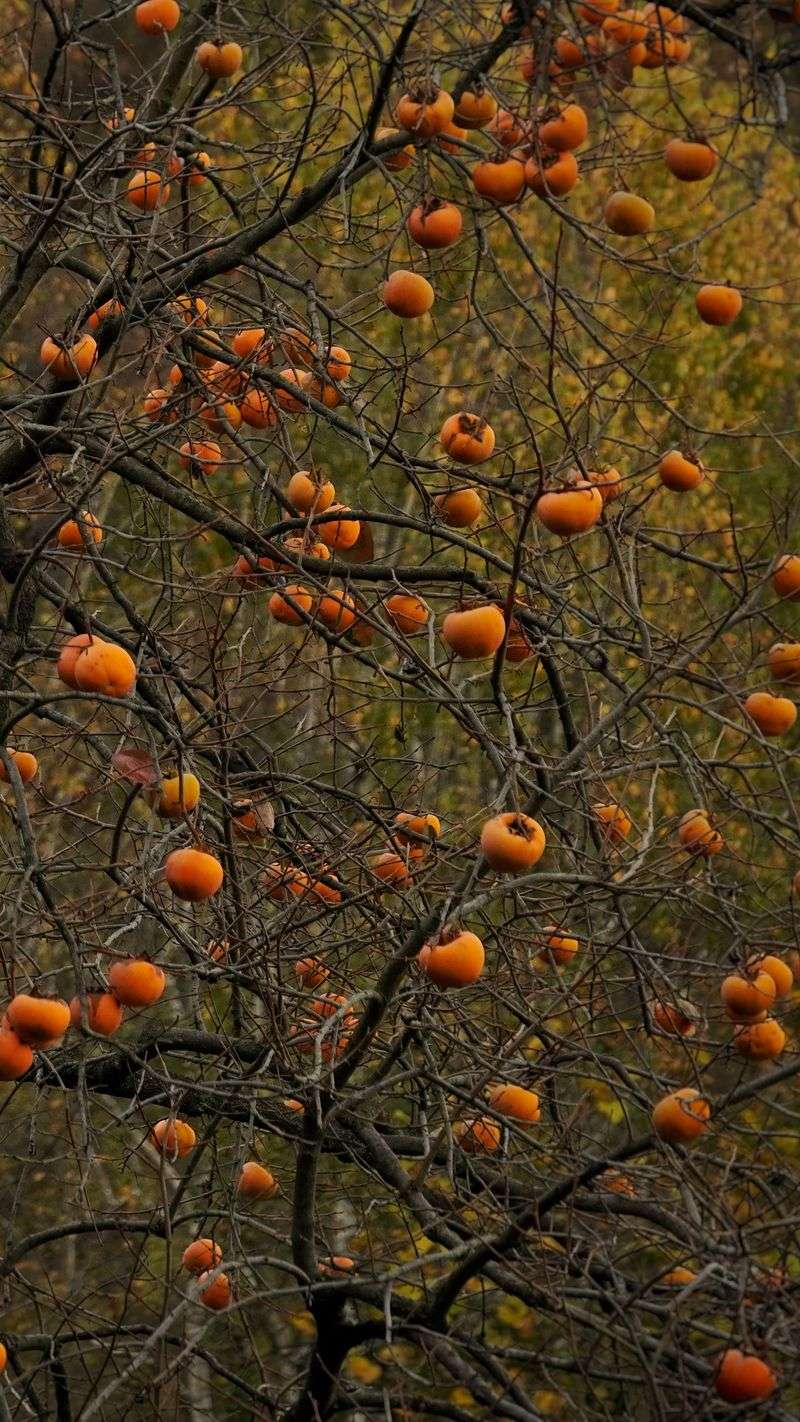
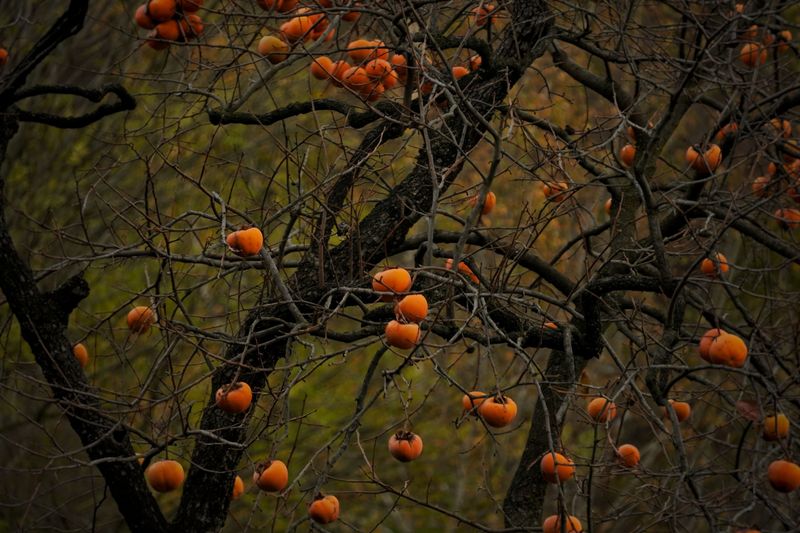
Once you learn the bark, you will notice these trees everywhere. American persimmon bark breaks into small, dark, blocky squares that people compare to alligator hide or charcoal briquettes.
Leaves are oval, glossy on top, and turn yellow to reddish as autumn moves in. Trees often stand 30 to 60 feet tall, though fencerow specimens stay scrubbier.
Persimmons love disturbed ground. Look along old pasture edges, abandoned lots, roadside ditches, powerline cuts, and the sunny margins of woods across all three grand divisions of the state.
Here is a detail that trips up beginners. Persimmon trees are usually either male or female, so only some trees carry fruit while others stand bare all season.
Fruit starts green and hard in summer, then shifts to orange with a dusty bloom by early September. It is not ready yet, and biting into an unripe one is an experience you won’t want to repeat.
Ripe fruit feels squishy, almost like a water balloon, and often drops on its own. Many folks gather from the ground after a cool night rather than picking from branches.
Ask permission before collecting on land you do not own. Public wildlife management areas sometimes allow personal-use gathering, so check local rules first.
Deer, raccoons, foxes, and opossums also feed on these fruits, so timing matters. Arriving early in the morning improves your odds considerably.
Cutting The Seed Without Wrecking The Shape
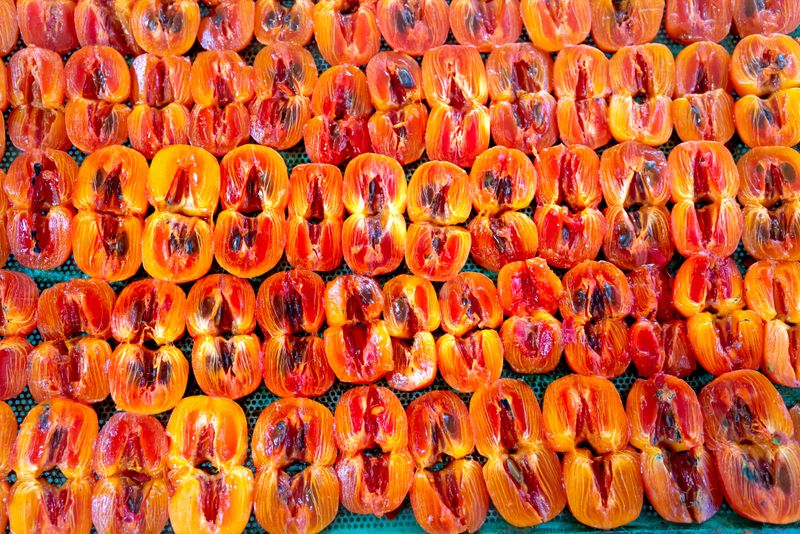
Plenty of first-timers mangle their seeds and blame the tree. The trick is patience and a decent blade. Start with fruit that is genuinely soft. Firm fruit means immature seeds, and immature seeds rarely show a clean shape inside.
Squeeze the pulp out and rinse the seeds under cool water. A quick scrub with a paper towel removes the slippery coating that makes cutting risky.
Let the seeds sit out for an hour or so. Slightly dried seeds hold together better under the knife than wet, slick ones.
Lay a seed flat on a cutting board and hold it with your fingertips well clear of the blade. Slice along the long edge so the knife travels through the widest part.
A thin paring knife works well, and some folks prefer a utility blade for control. Rock the blade gently instead of forcing it straight down.
If the halves stick together, pry them apart with a thumbnail. The white cotyledon should lift out looking like a miniature utensil.
Cut at least six seeds from separate fruits, ideally from more than one tree. Tally the shapes on a scrap of paper and go with the majority.
Take a photo before the shapes dry and curl. Sharing results with neighbors, extension agents, or a county Facebook group has become part of the modern version of the ritual.
Woolly Worms, Hornets, And Other Signs Folks Watch
The seed reading rarely travels alone. Around Tennessee it runs with a whole crew of backyard weather signs, each with its own devoted following.
Woolly worm caterpillars get the most attention. Tradition says a wide rusty band means mild weather, while heavy black on both ends promises a rough stretch.
Hornet nests built high in trees supposedly warn of deep snow. Nests tucked low are read as a sign of a gentler season.
Watchers also count fogs in August, with tradition holding that each foggy morning predicts a snow event later in winter.
Thick corn husks, busy squirrels, and heavy acorn drops round out the list. Oak trees producing bumper crops of acorns get plenty of side-eye each September.
Scientists explain that these signs reflect conditions that already happened. A caterpillar’s bands relate to its age and the moisture it grew up in, not next January.
That said, the habit of paying attention has real value. People who watch caterpillars and fencerows tend to notice frost timing, soil moisture, and shifts in the local landscape.
Try keeping a simple nature journal this fall. Write the date, the persimmon results, the woolly worm colors, and then compare it all to what the winter actually delivers.
After a few years you will have your own record. That personal record can be just as interesting as any secondhand story.
Turning Leftover Fruit Into Pudding, Bread, And Jam
Once the forecasting is done, you are holding a bowl of pulp that would be a shame to waste. Wild persimmon has a honeyed, date-like flavor that store-bought varieties cannot match.
Push the soft fruit through a food mill or a colander to separate pulp from seeds and skins. One good gathering trip can yield several cups.
Persimmon pudding is the classic Southern move. It bakes into a dark, dense, spiced square that sits somewhere between cake and custard, best served warm with cream.
Quick breads and cookies work beautifully too. Swap persimmon pulp for mashed banana or pumpkin in recipes you already trust, and add cinnamon and a pinch of cloves.
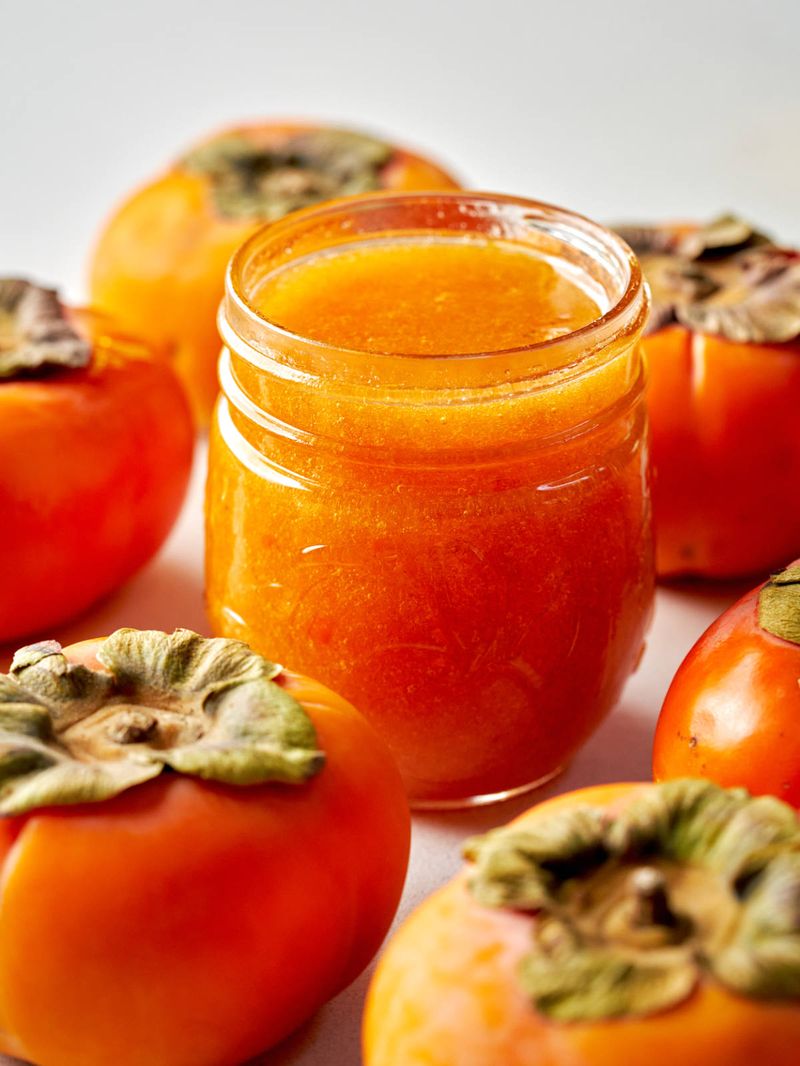
Jam requires added pectin because persimmons run low on it naturally. Lemon juice brightens the flavor and helps the set.
Pulp freezes wonderfully. Portion it into two-cup bags, flatten them, label the date, and stack them for holiday baking.
One caution worth repeating. Underripe fruit contains tannins that leave your mouth feeling like sandpaper, so taste a small bite before committing a whole batch. Fun bit of history: the word persimmon comes from a Powhatan term meaning dried fruit.
Indigenous peoples dried them into cakes for winter food long before anyone thought to read the seeds. Cooking closes the loop on the ritual. You get a forecast, a dessert, and a story to tell.