This Spreading Tennessee Wildflower Might Be The Lawn Upgrade You Never Planned For
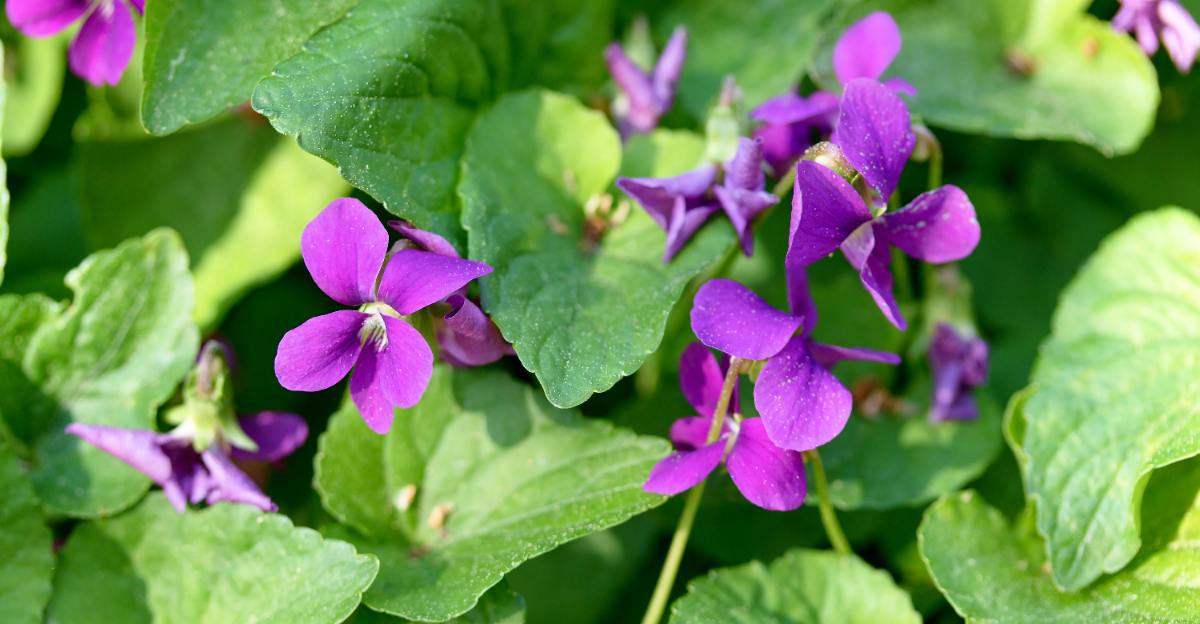
Your lawn has been making a decision without you, and honestly, it made a decent call. Most Tennessee homeowners spot the purple blooms, assume the worst, and grab the herbicide. That is exactly the wrong move.
That is the part worth reconsidering. These low-growing bloomers do not ask for fertilizer, irrigation, or any attention at all.
They just show up, spread, and somehow make your lawn look more alive than it did before. Tennessee’s climate suits them perfectly, and they know it.
While your neighbors are reseeding bare patches and fighting summer burnout, this little bloomer is filling in the gaps without being asked. It is not a weed problem wearing a disguise.
They are a free lawn upgrade that most people pull before they ever figure that out.
That Purple Carpet Taking Over Your Lawn Has A Name
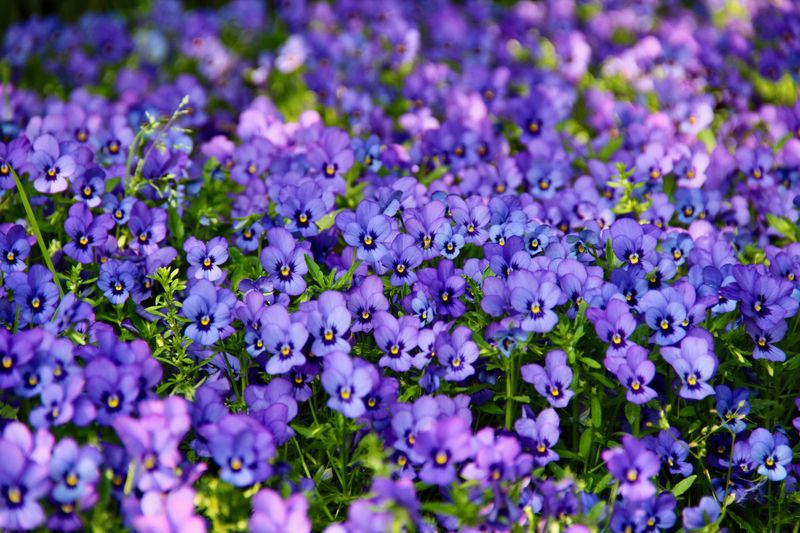
Surprise, your lawn is growing something special. Those low, spreading purple flowers are wild violets, and they have been quietly thriving across Tennessee yards for centuries.
Their scientific name is Viola sororia, but most folks just call them common blue violets. They bloom in shades of purple, blue, and sometimes white, usually between March and May.
The leaves are heart-shaped and glossy, which makes them easy to spot even when the blooms are gone. They stay low to the ground, rarely growing taller than six inches.
Wild violets are native to the eastern United States, meaning they evolved right here in this climate. They are not invaders from another continent, they belong here.
Many people mistake them for weeds because they spread without any help. But a weed is just a plant growing where someone did not expect it.
These blooms have been used in folk medicine, cooking, and even cosmetics for generations. The leaves are edible and reportedly contain more vitamin C than oranges, gram for gram.
Once you know what you are looking at, the whole lawn feels different. That purple carpet has a name, a history, and a surprising number of fans among gardeners who have stopped fighting nature.
Wild violets are the Tennessee wildflower spreading through lawns across the state, and understanding them is the first step to deciding what to do next.
Why Wild Violets Thrive In Tennessee Lawns Without Trying
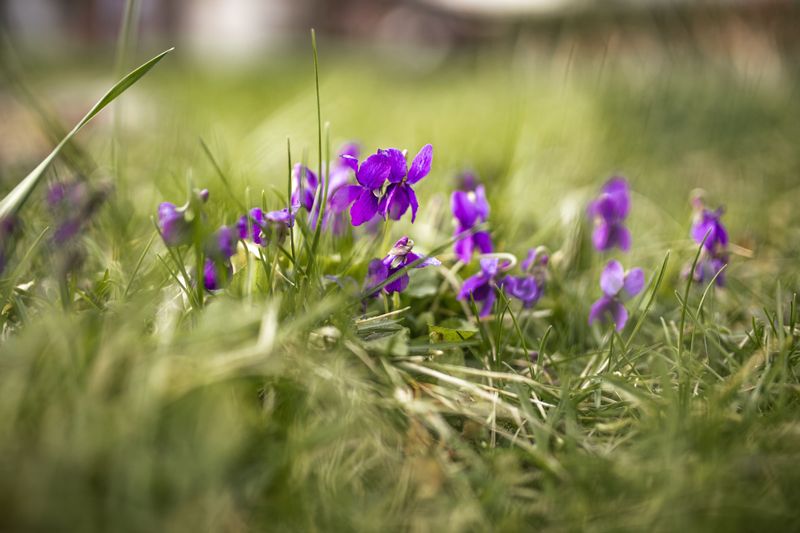
Tennessee is practically built for wild violets. The state’s humid climate, mild winters, and rich soil create ideal conditions for these resilient little plants.
Wild violets prefer partial shade and moist ground, which describes most Tennessee yards almost perfectly. They thrive under tree canopies where grass often struggles to grow.
The state sits in a transition zone between northern and southern climates, giving it long springs and short freezes. Violets love exactly that kind of seasonal rhythm.
Tennessee soil tends to hold moisture well, especially in the eastern and middle regions. That moisture retention helps violet roots stay strong through dry summer spells.
Yards with mature oak or maple trees are especially hospitable. The filtered light and leaf litter create a microclimate that mimics the woodland edges where violets naturally grow.
Your Tennessee Garden Changes Every Week. Your Plan Should Too.
Gardening in Tennessee changes quickly throughout the season. Every Friday you’ll receive a simple weekly plan showing exactly what to plant, prune, fertilize, harvest, and protect so you never miss the right timing.
Even lawns with compacted or clay-heavy soil are not off-limits. Violets are tough enough to push through conditions that defeat more delicate plants.
The state also has a long growing season, which means violets get more time to establish before winter slows things down. That head start matters for a spreading plant.
If your lawn has any shaded patches, low spots that collect rain, or areas where grass has thinned out, you basically have a welcome mat for wild violets already laid out.
Tennessee’s geography makes it one of the easier states for wild violets to establish and spread.
How Wild Violets Move Through A Lawn Without Any Help From You
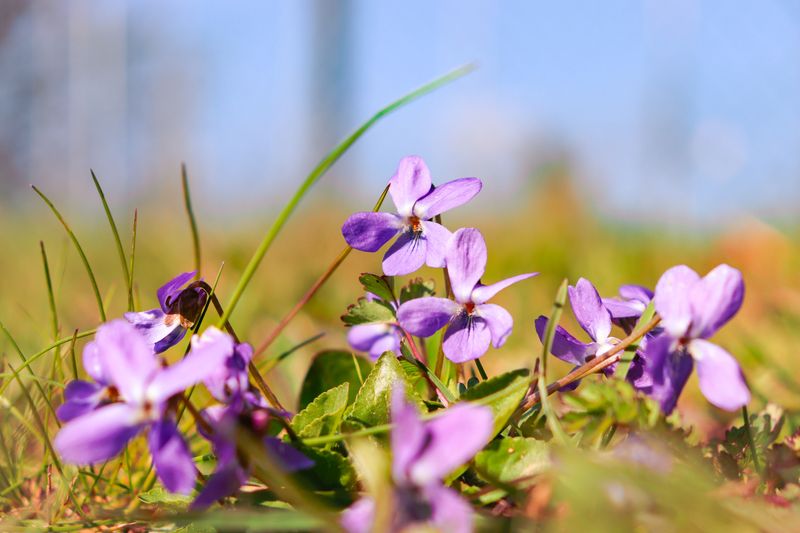
Wild violets have a two-track strategy for spreading, and it is genuinely clever. They produce two types of seeds, one that blooms above ground and one that never opens at all.
Those sealed underground seeds are called cleistogamous flowers, and they self-fertilize without any pollinator help. That means violets can reproduce even in bad weather or low-bee years.
The visible purple flowers also attract bees, butterflies, and other pollinators. Cross-pollination from these visits creates new genetic variety, making the plants more adaptable over time.
Once seeds form, they are launched by a mechanism inside the seed pod that flings them several feet away. This gives each plant a reach of a foot or two without any wind or animal assistance.
Ants also play a surprising role in violet distribution. They carry violet seeds back to their nests, eat a small fatty coating, and leave the seed behind to germinate.
This partnership with ants is called myrmecochory, and it explains why violets often pop up in unexpected clusters far from the parent plant. Nature is sneaky like that.
Wild violets also spread through underground rhizomes, which are root-like stems that creep outward slowly. This gives them a ground-level advantage that most grass types cannot match.
For your lawn, all of this means violets fill in bare spots naturally, without any effort from you. They are essentially doing free landscaping work while you sleep.
That spreading habit is the same reason this Tennessee wildflower is becoming a genuine lawn alternative for low-effort outdoor spaces.
The Quiet Work Wild Violets Are Doing Beneath Your Feet
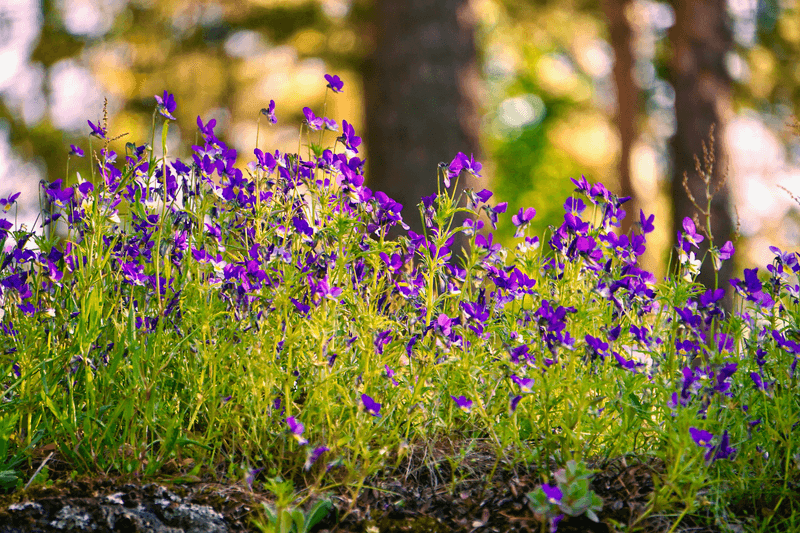
Wild violets are not just pretty, they are genuinely useful. They pull their weight in ways that a standard grass lawn simply cannot match.
Their roots hold soil in place, which reduces erosion on sloped yards or areas near driveways. That is a big deal during Tennessee’s heavy spring rains.
Violets also act as a living mulch, shading the soil and helping it retain moisture. Less evaporation means less watering and a more drought-resistant yard overall.
Pollinators rely on violet blooms more than most homeowners realize. Bees, especially native mason bees and bumblebees, rely on early spring flowers to fuel up after winter.
Violets bloom earlier than most garden flowers, making them a critical food source when options are limited. Your lawn becomes a pit stop for pollinators when they need it most.
The leaves also serve as host plants for fritillary butterfly caterpillars, which means your yard could support an entire butterfly life cycle. That is a big ecological payoff for a small plant.
Violet leaves decompose quickly and add organic matter back into the soil. Over time, this adds a small amount of organic matter back into the soil.
They crowd out some invasive weeds by covering bare ground before less desirable plants can take hold. That natural competition is free weed management.
Every purple bloom in your yard is doing quiet, steady work that supports your local ecosystem and reduces your lawn maintenance load at the same time.
Let Wild Violets Spread Without Taking Over Your Entire Yard
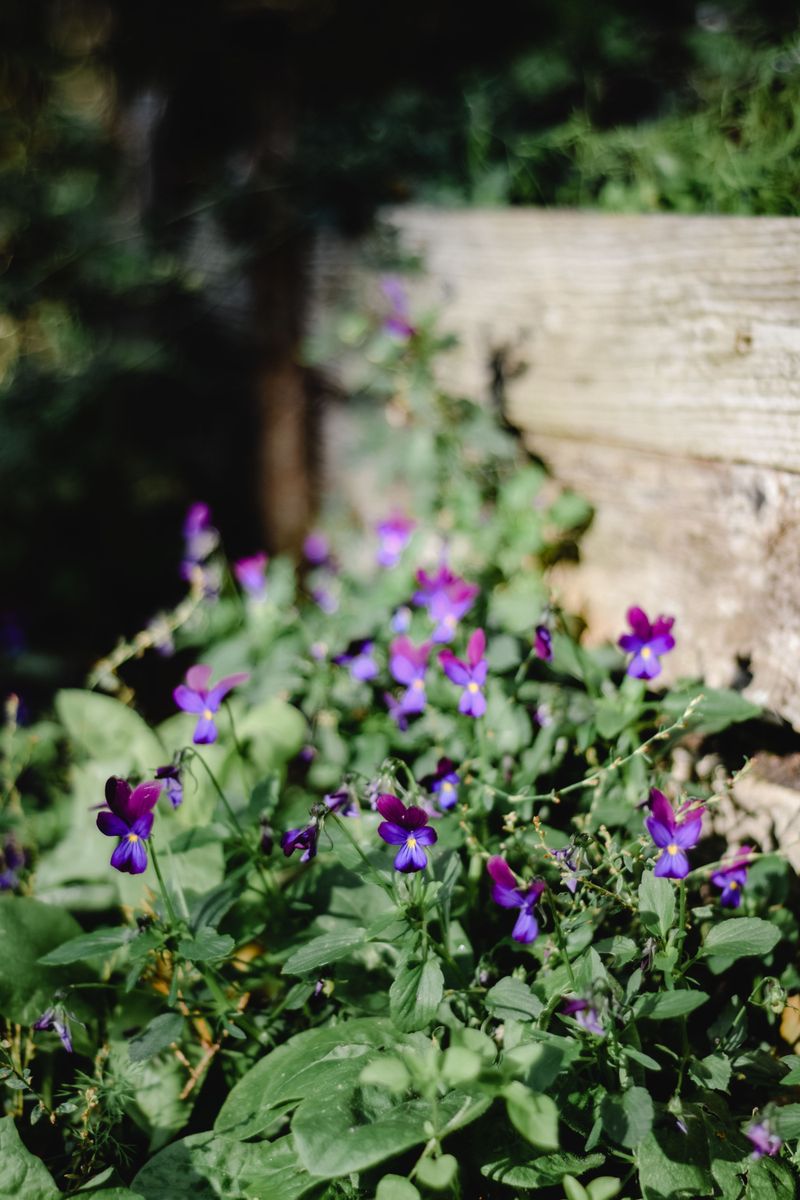
Letting wild violets grow does not mean letting your yard go feral. A little guidance goes a long way toward a yard that looks intentional rather than neglected.
Start by mowing less frequently in spring. Violets bloom low, so a high mower setting of three to four inches lets them flower without being cut down.
Avoid broadleaf herbicides in areas where you want violets to thrive. Most common lawn weed sprays will eliminate them along with the dandelions you were targeting.
You can define borders between violet patches and traditional grass using a simple edging tool or a low garden border. Clean lines make a wild lawn look curated.
Water your lawn deeply but less often, which encourages violet roots to go deeper and become more stable. Shallow watering creates weaker plants that spread less effectively.
If violets are spreading into flower beds or hardscaped areas, hand-pulling young plants is easy because their roots are shallow. Early spring is the best time to redirect them.
Top-dressing your violet areas with a thin layer of compost each fall gives them a nutritional boost without disrupting their natural growth cycle. They will reward you in spring.
Do not panic if the spread looks uneven at first. Violets establish in waves, and most lawns even out within one to two growing seasons.
With just a few small adjustments, you can guide this Tennessee wildflower into a lawn setup that looks great and practically takes care of itself.
How To Know If Your Lawn Is Better Off With Them
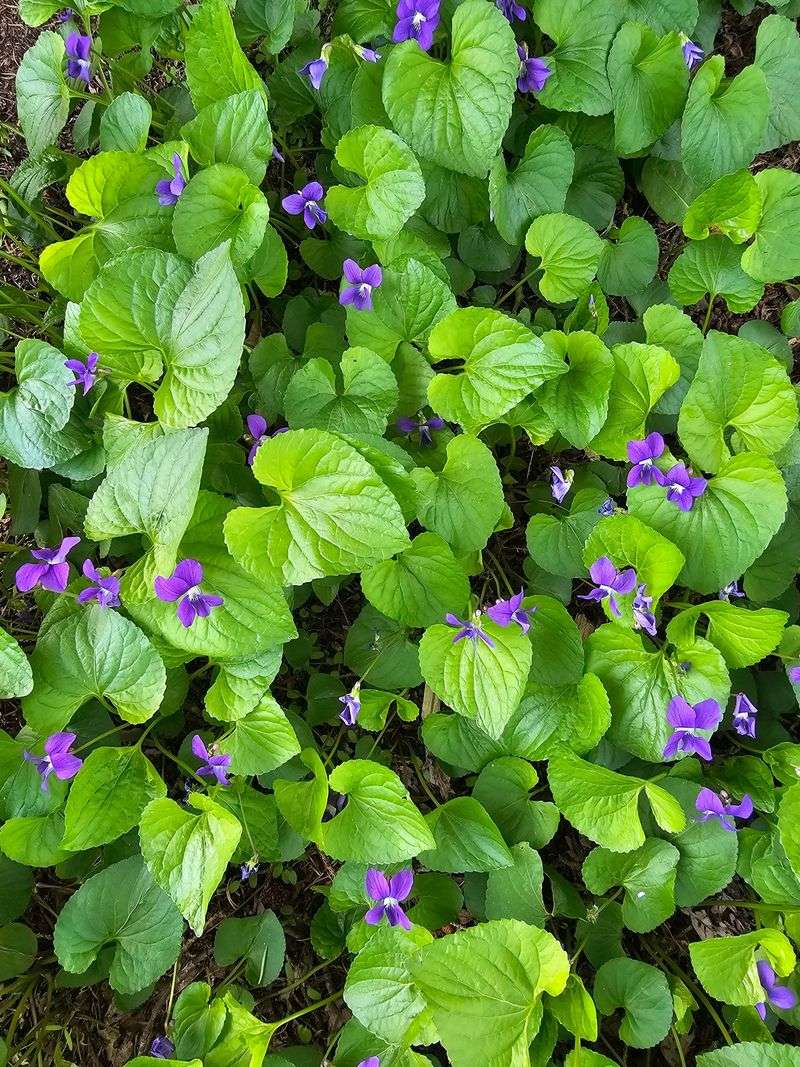
Not every yard is the right fit for a wild violet takeover, and that is completely okay. Knowing your space helps you make a smarter choice before spring arrives.
If your lawn gets full sun for most of the day, violets may struggle to establish a thick carpet. They prefer shade or filtered light, so sun-drenched yards need a different plan.
Yards with heavy foot traffic from kids or pets may find that violet patches get worn down faster than grass. Violets are resilient, but they are not indestructible under constant pressure.
If you have a homeowners association with strict lawn rules, check the guidelines first. Some HOAs have more flexible rules than others, so it is always worth a quick look before committing to anything.
On the other hand, if your yard has shaded sections, thin grass, or areas that stay damp, violets could genuinely outperform whatever is struggling there now. Violets tend to establish where conditions already suit them.
Think about your goals for your outdoor space. If you want low maintenance, pollinator support, and seasonal color, a violet-friendly lawn checks every box on that list.
You do not have to choose all or nothing. Many Tennessee homeowners let violets claim the shaded corners while keeping manicured grass in open sunny areas. Hybrid lawns work beautifully.
The best approach is to observe your yard through one full spring before deciding anything. Let the violets show you where they want to grow, and then decide if you like the answer.
This Tennessee wildflower will keep spreading regardless, so the only real question is whether you want to work with it or spend energy pushing back.