What It Means When Your Ohio Maple Tree Drops Leaves Early
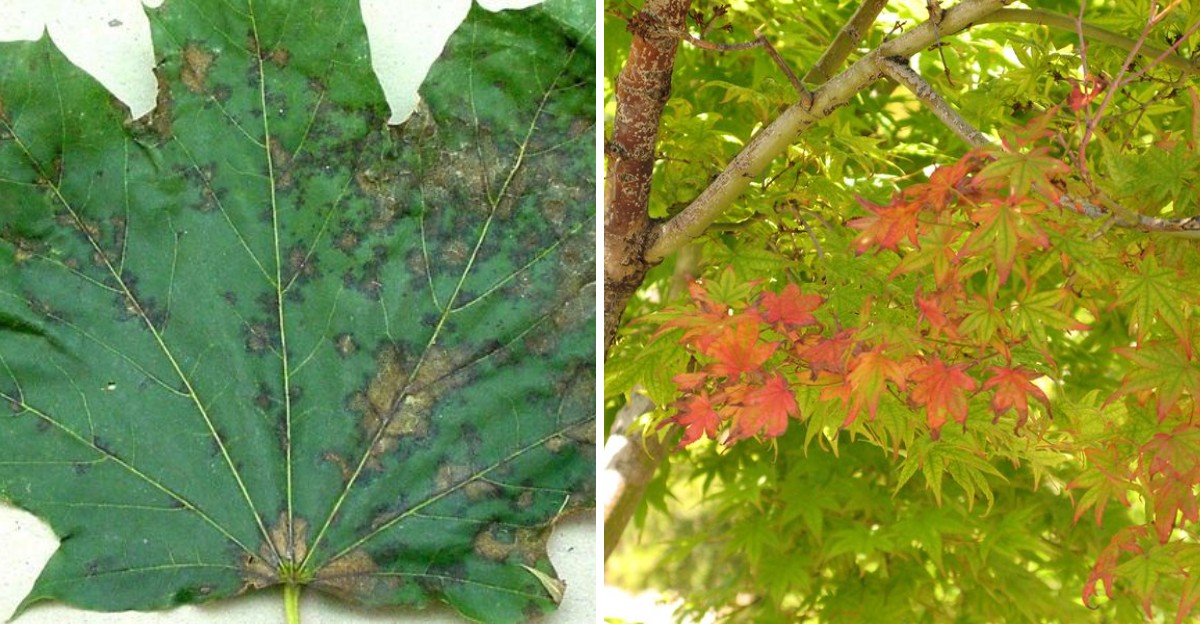
One August afternoon can make a healthy maple look suspicious.
The lawn is still green. The neighbor’s trees look full. Your driveway, meanwhile, starts collecting leaves weeks ahead of schedule.
That is when the questions start.
Did the tree run out of water? Did a disease move in? Is something happening below the soil where you cannot see it?
Early leaf drop looks dramatic, but the timing alone does not tell the whole story.
Ohio maples can shed ahead of schedule for several very different reasons. Some are temporary responses to heat or dry soil. Others leave clues on the leaves, around the trunk, or across only one section of the canopy.
So what should you check before assuming the tree is in serious trouble?
Start with the pattern.
Color, spots, branch location, soil conditions, and next spring’s growth can reveal far more than the pile on your driveway.
Your maple is leaving clues. The trick is knowing which ones deserve attention first, before you reach for drastic solutions outside.
1. Drought Stress Triggers Early Shedding
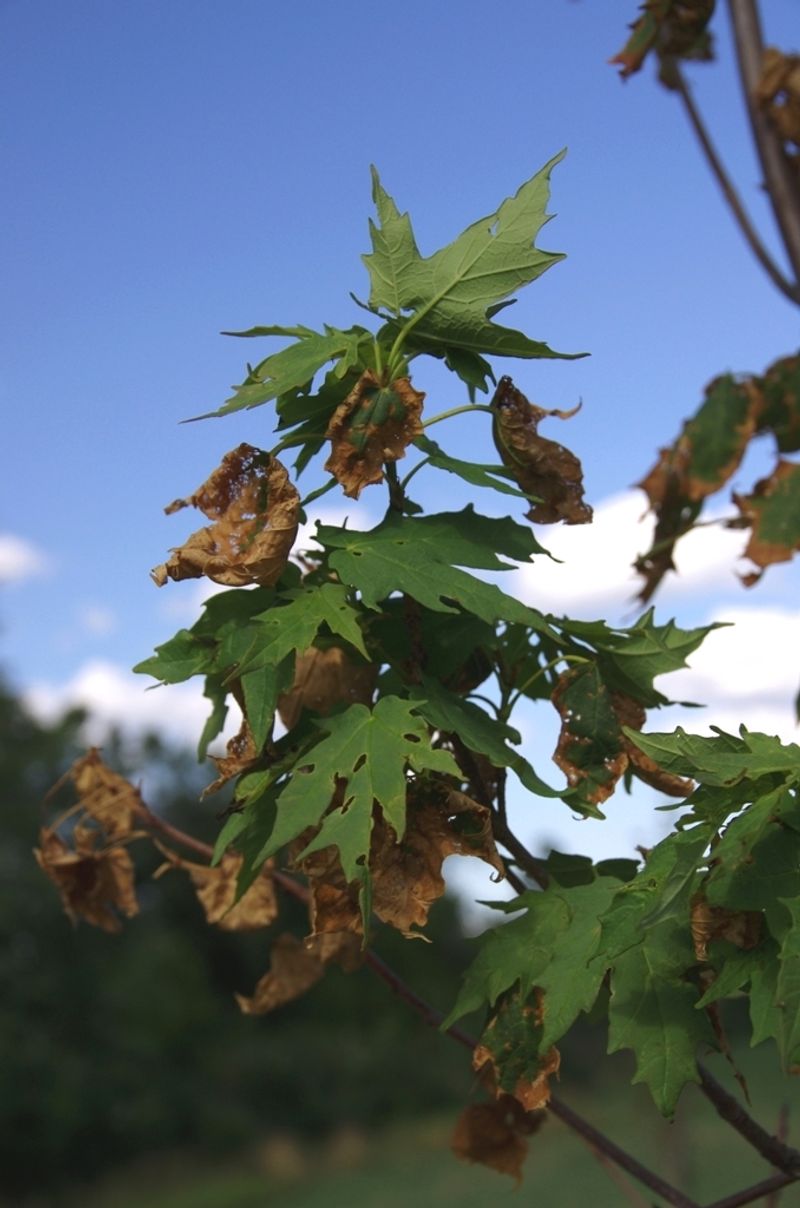
A stretch of dry July weather can show up in the canopy before the lawn looks desperate.
Maples need steady access to moisture through summer. When the root zone dries for too long, the tree may shed part of its leaf load early rather than support every leaf through the hottest weeks.
The pattern usually looks different from a leaf disease.
Edges and tips often turn brown first. Leaves may feel crisp, and the sunniest side of the canopy can look rougher than shaded sections.
Check the soil before reaching for fertilizer.
Push a screwdriver or soil probe several inches into the ground beneath the canopy. Hard, dry soil points toward moisture stress, especially after several weeks with little useful rain.
A slow soak works better than a quick splash around the trunk. Water over a broad area beneath the branches so moisture reaches more of the active root zone.
Mulch can help too. Keep a layer several inches deep over the soil, but leave the trunk itself clear.
Avoid a late fertilizer push during drought. Fresh growth asks the tree for even more water when the root system is already working overtime.
One dry spell does not automatically spell long-term trouble.
Sometimes the maple is simply cutting expenses before summer sends another bill.
2. Tar Spot Fungus Speeds Up The Drop
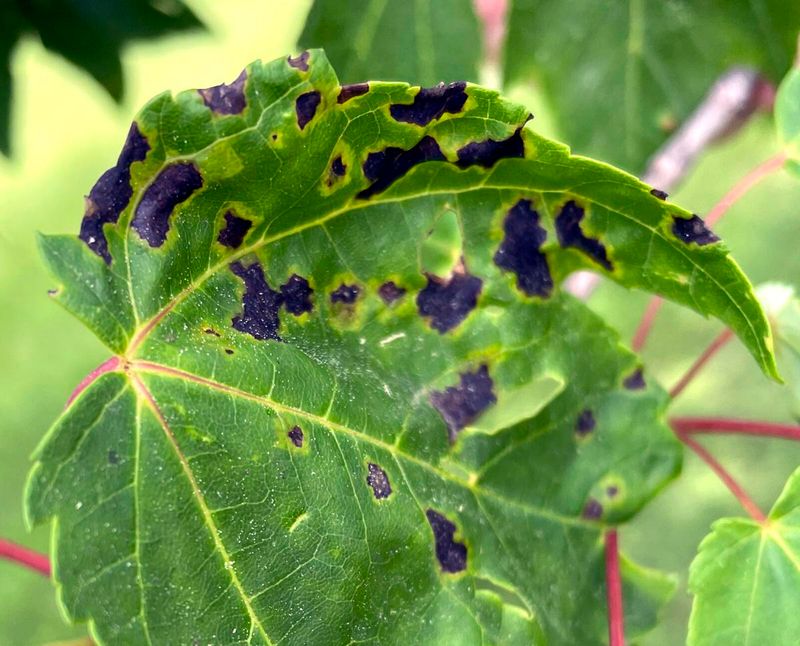
Those black marks can look alarming enough to make anyone inspect the trunk for worse news.
Tar spot is far more interested in the leaves.
Early symptoms often begin as yellowish patches. By late summer, raised black spots develop and can look like drops of tar stuck to the leaf surface.
Heavily affected leaves may fall ahead of schedule, which makes the disease seem more serious than it usually is.
Look at the overall tree before assuming the canopy is in real decline.
Branches often remain healthy. The trunk looks normal. The main drama stays on the foliage, especially on susceptible maples during seasons that favored infection earlier in the year.
Your Ohio Garden Changes Every Week. Your Plan Should Too.
Gardening in Ohio changes quickly throughout the season. Every Friday you’ll receive a simple weekly plan showing exactly what to plant, prune, fertilize, harvest, and protect so you never miss the right timing.
Fall cleanup can help reduce the amount of infected leaf material sitting beneath the tree.
Rake fallen leaves and remove them from the immediate area. Shredding remaining leaves thoroughly can also help them break down faster.
A large shade tree usually does not need an expensive spray program for a cosmetic late-season problem.
The timing matters too. By August or September, the tree has already spent months making energy through its leaves.
So that ugly pile under the branches may look like a crisis while the maple itself is mostly annoyed.
Tar spot has excellent visual effects. Fortunately, its reputation is usually much bigger than its actual résumé.
3. Anthracnose Causes Similar Early Loss
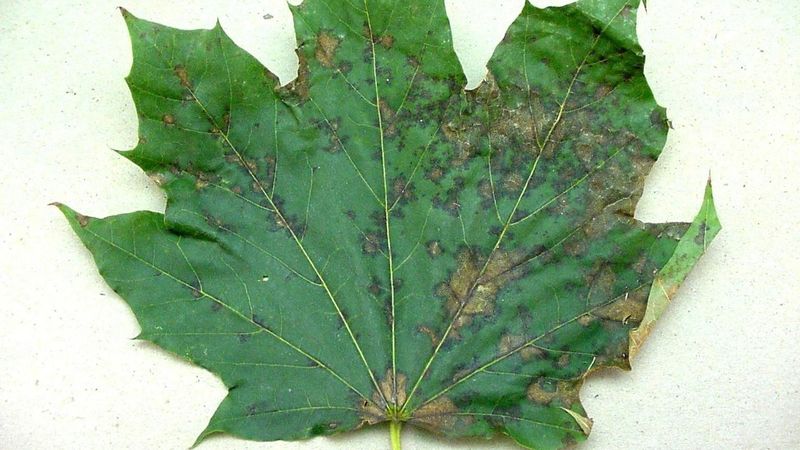
Not every brown patch comes with the neat outline of tar spot.
Anthracnose tends to look messier.
Irregular tan, brown, or purplish areas can spread along veins or leaf margins. Some leaves curl or shrivel, and affected foliage may drop while parts of it are still green.
Cool, wet spring weather often sets the stage months before homeowners notice the canopy thinning.
That delayed connection makes the problem easy to misread. August arrives hot and dry, yet the leaves may be showing the result of infections that began during damp spring conditions.
Take a closer look at where the damage sits.
Leaves in crowded, shaded sections may show more symptoms. Small twig problems can appear in some cases too, which separates anthracnose from a purely cosmetic leaf spot.
Good tree care does more than a panic spray late in the season.
Rake affected leaves in fall. Remove clearly damaged twigs during suitable dry weather, and keep the tree watered during dry stretches so it is not juggling disease stress and drought at the same time.
Avoid severe thinning or aggressive pruning just to create instant airflow.
A healthy maple can usually handle a rough foliar disease year and produce a normal canopy the following season.
Anthracnose may leave the tree looking like it lost an argument with summer.
That does not mean summer won the whole debate.
4. Root Damage Shows Up In The Canopy
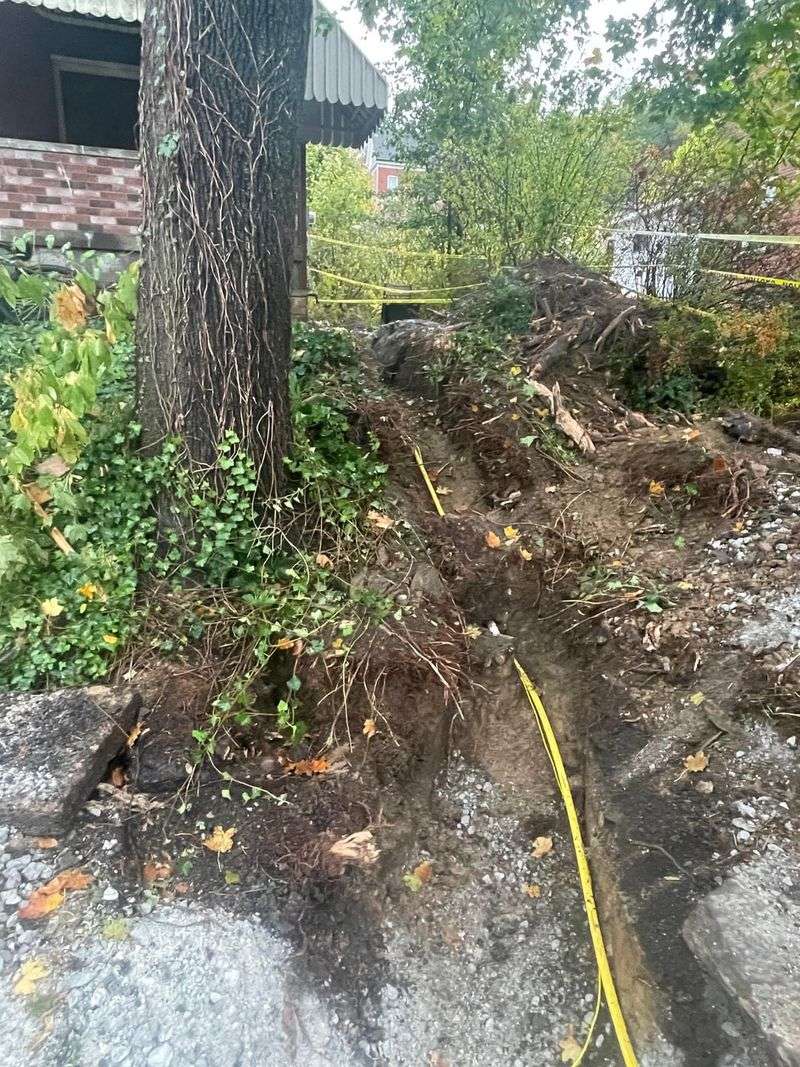
Sometimes the clue is not on the leaf at all.
Look at what happened around the tree.
A new driveway, trench, patio project, parked equipment, or repeated foot traffic can change the root zone long before the canopy starts complaining.
Maple roots need both water and oxygen. Cut roots reduce the tree’s ability to collect moisture, while compacted soil squeezes out the air spaces fine roots use.
The response above ground can seem strangely delayed.
Leaves may come in smaller. One side can color early. Tips may brown without obvious spotting, and sections of the canopy can thin after a season that seemed normal.
Walk the area beneath the branches and look for recent changes.
Fresh grading, added soil, construction scars, vehicle tracks, or a narrow strip of exposed roots can tell you more than another inspection of the leaves.
Protect the remaining root zone from more traffic.
Mulch over open soil rather than forcing turf right against the trunk, and provide deep water during dry periods while damaged roots recover.
Do not pile extra soil over exposed roots to make the yard look neater. That can create another stress instead of solving the first one.
When major digging happened close to the tree, professional evaluation makes sense.
A maple can tolerate some disruption.
It simply prefers that the underground construction crew stop redesigning the neighborhood without consulting the canopy.
5. Girdling Roots Slowly Choke Growth
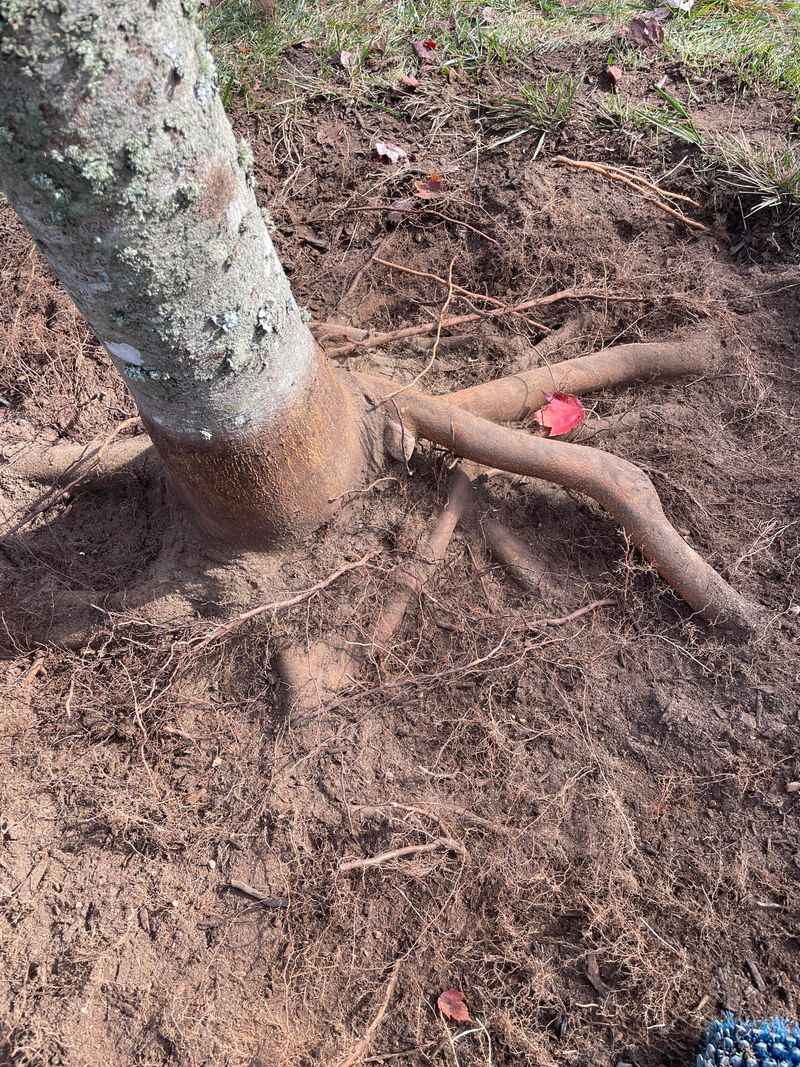
The base of the trunk can answer a question the canopy has been asking for years.
A healthy maple usually widens where the trunk meets the soil. That visible root flare should look more like a sturdy foot than a fence post pushed straight into the ground.
A missing flare can hint at deeper trouble.
Stem-girdling roots may circle or press against the trunk instead of growing outward. As both the trunk and roots enlarge, that pressure can interfere with movement through the tree.
Symptoms often arrive slowly.
One side may thin first. Leaves can stay smaller, color early, or drop ahead of schedule. Branch tips may gradually lose vigor.
Pull loose mulch away from the trunk and look at the shape near soil level.
Do not start cutting large roots on your own. A root wrapped against the trunk may also support a substantial part of the canopy, and removing the wrong one can create a new problem.
A certified arborist can inspect the root flare and decide whether any correction is practical.
Prevention starts much earlier.
New maples should go into the ground with circling container roots corrected and the root flare positioned properly near grade.
Girdling roots are frustrating because the tree can look fine for years before the clues become obvious.
It is the botanical version of discovering somebody tightened a belt one notch every season and forgot to mention it.
6. One Late-Summer Leaf Drop May Mean A Rough Season
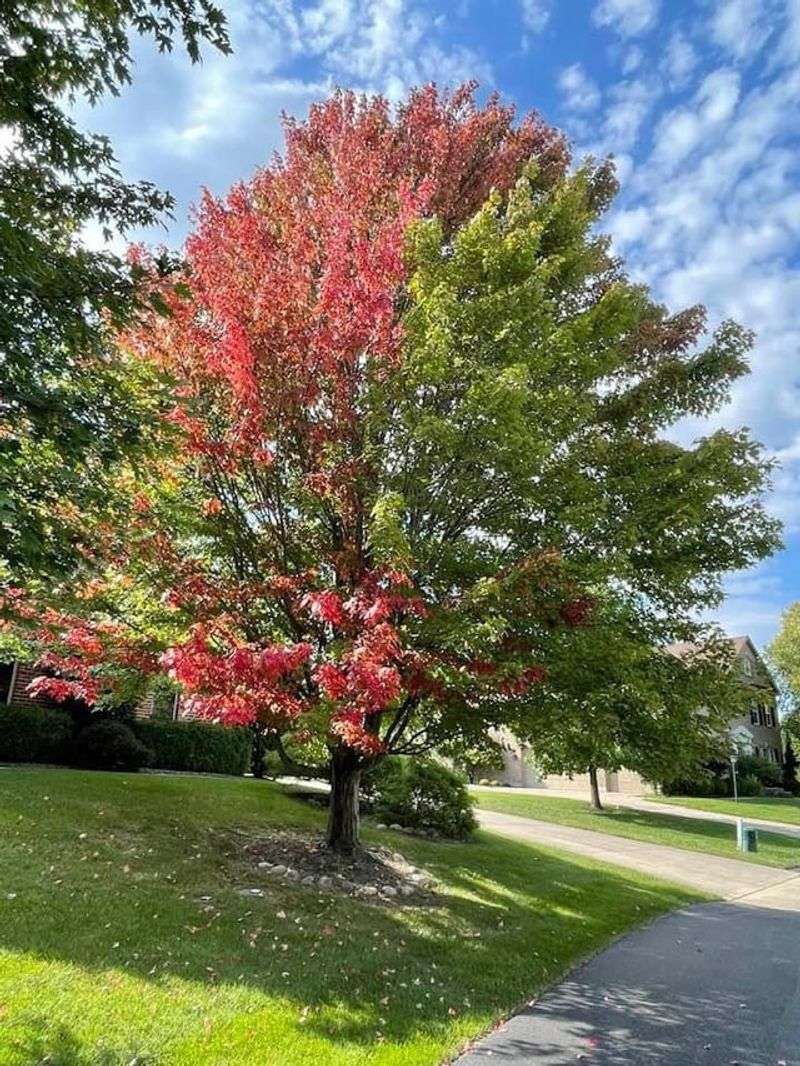
A driveway full of leaves can make a homeowner mentally price a replacement tree before breakfast.
That reaction is usually ahead of the evidence.
Late-summer leaf drop can be a temporary response to drought, heat, or a foliar disease that looks far worse than the lasting effect on the tree.
Timing matters.
A maple that sheds some foliage in late August has already spent much of the growing season collecting sunlight and storing energy. That is very different from a tree losing most of its canopy shortly after spring leaf-out.
Look for the extra clues before deciding how worried to get.
Healthy branches, normal bark, good twig growth, and a full canopy earlier in the season all lean toward a less dramatic explanation.
More concerning patterns tend to repeat or spread.
Yearly canopy thinning, smaller leaves, one-sided decline, large branch problems, obvious root injuries, or major changes around the trunk deserve closer attention.
Keep the response simple while you watch.
Water during dry spells. Maintain a broad mulch ring. Rake diseased leaves. Protect the root zone from vehicles and equipment.
Skip panic fertilizer and drastic pruning.
Neither one can diagnose the problem, and both can add stress when the tree is already adjusting.
Sometimes early leaf drop means the maple had a rough summer.
Not every premature autumn needs a sequel starring a chainsaw.
7. Watch The Tree Again Next Spring
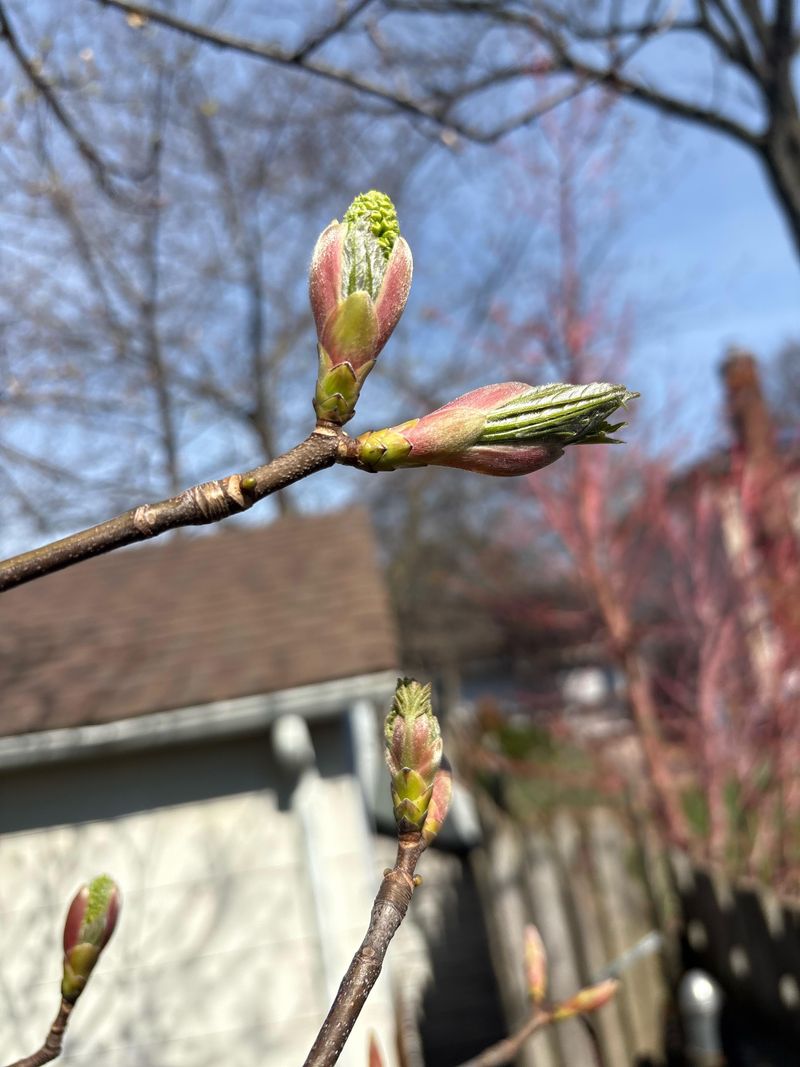
Spring tells you something a pile of August leaves cannot.
Watch the buds.
A maple that opens normally across the canopy the following April or May has given you useful evidence that the previous summer’s problem was temporary.
Compare the timing with similar maples nearby.
Then look beyond simple leaf presence.
Fresh leaves should be close to normal size. New growth should appear across most of the crown, and one side should not lag badly behind the other.
Take a photo from the same spot each spring.
That small habit makes gradual thinning much easier to notice. Memory is surprisingly generous to trees we see every day, while side-by-side pictures are less polite.
You can also check a questionable small twig with a light scratch.
Green tissue beneath the bark points to living wood. Dry brown tissue on a brittle tip suggests that section did not recover.
Do not judge the whole tree from one twig.
The pattern across the canopy matters more.
Two or three seasons of weaker growth, repeated early color, smaller leaves, or expanding branch decline deserve professional attention.
One strange year followed by strong spring growth tells a much calmer story.
Your maple does not send annual performance reports.
New buds are about as close as you get, so give them a fair reading before handing the tree a failing grade.
8. One-Sided Wilt Can Point To A More Serious Vascular Problem
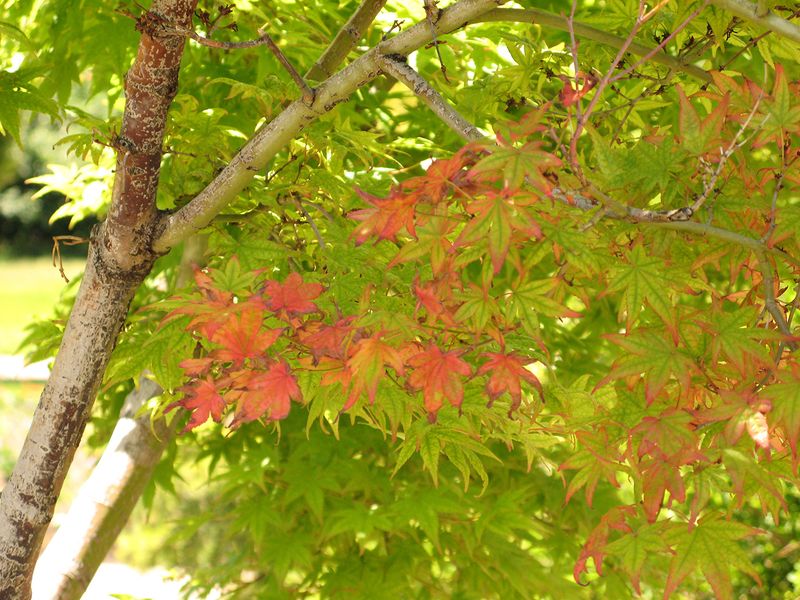
One-sided trouble deserves more attention than a uniform sprinkle of early leaves.
A vascular wilt can interfere with water movement inside a maple and create a very different pattern from drought or tar spot.
Instead of the whole canopy fading evenly, one branch or one section may wilt, yellow, or thin while the rest of the tree still looks reasonably normal.
That uneven look is the clue.
The same pattern can come from root injury or other branch problems, so leaf drop alone cannot confirm the cause.
Avoid guessing from the driveway.
Check for recent construction, damaged roots, bark injuries, and other obvious site changes first. Then watch how quickly the affected section changes.
A recurring one-sided decline deserves a closer diagnosis, especially when branch tips continue losing vigor or the problem expands across the canopy.
This is where a qualified arborist or plant diagnostic service becomes useful.
They can separate vascular trouble from root stress, drought injury, and foliar disease before treatment decisions turn into expensive experiments.
Keep basic care steady while the tree is assessed.
Water during dry periods and avoid heavy fertilizer or major pruning that could pile more stress onto a struggling root and vascular system.
Most early leaf drop has a much friendlier explanation than this one.
Still, a maple that seems to be losing the argument one branch at a time deserves more than a shrug from the porch.