What To Do If You Find A Brown Recluse In Your Texas Garden In September
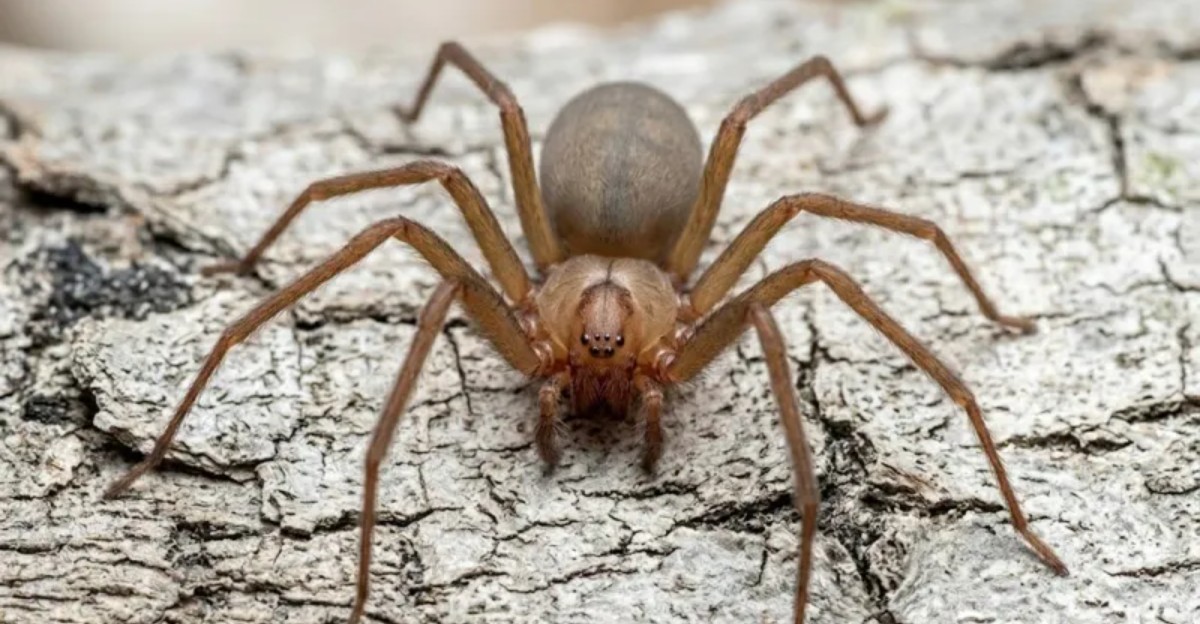
Finding a brown recluse in your Texas garden demands a clear headed response. These spiders have a reputation that is partly warranted and partly exaggerated, and knowing the difference matters when you’re standing there deciding what to do next.
Brown recluse spiders are present across much of Texas, and September is when encounters become more common. As temperatures shift, these spiders move, mature, and begin searching for the sheltered indoor spaces they prefer through the colder months.
The garden, with its leaf litter, dense ground cover, and dark sheltered corners, is exactly the habitat brown recluses find attractive. Finding one there is not unusual. But it is a signal worth paying attention to.
Here’s what to do if you find a brown recluse in your Texas garden in September, what it tells you about your yard, and how to reduce the chances of the next encounter happening inside your home.
1. Leave The Spider Alone And Step Back
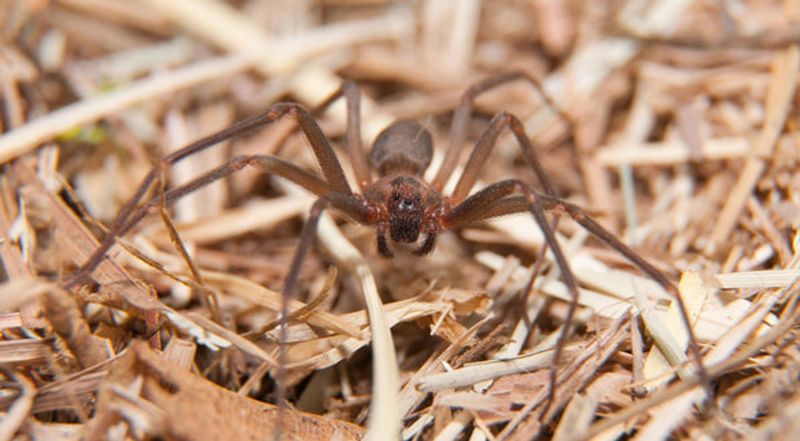
Your first instinct might be to swat at the spider or grab something to trap it. Resist that urge.
Sudden movements are more likely to startle the spider and cause it to move quickly, which raises the chance of an accidental bite.
Brown recluses are not aggressive by nature. They usually bite only when they feel squeezed or cornered, like when they get pressed against skin inside a glove or shoe.
Giving the spider room to be is the smartest and safest choice you can make in the moment.
Take a slow step or two backward and simply watch where it goes. Knowing its direction helps you avoid that spot later.
If it slips under a rock or into a crack, make a mental note so you can steer clear until you deal with the area properly.
Keep any pets or curious kids away from the spot too. Little hands and paws do not understand danger, so it helps to guide them somewhere else for a bit.
A calm adult voice works better than a panicked shout.
You do not need to catch the spider to prove what it is. Trying to grab it barehanded is exactly the kind of contact that leads to bites. Distance is your friend here.
Once you have stepped away, you can decide your next move without pressure. Maybe you finish gardening in a different area, or maybe you gather gloves and tools to work safely.
The point is that a slow, steady reaction protects you far better than a quick, jumpy one ever will.
2. Remember That Brown Recluses Prefer Hidden, Undisturbed Areas
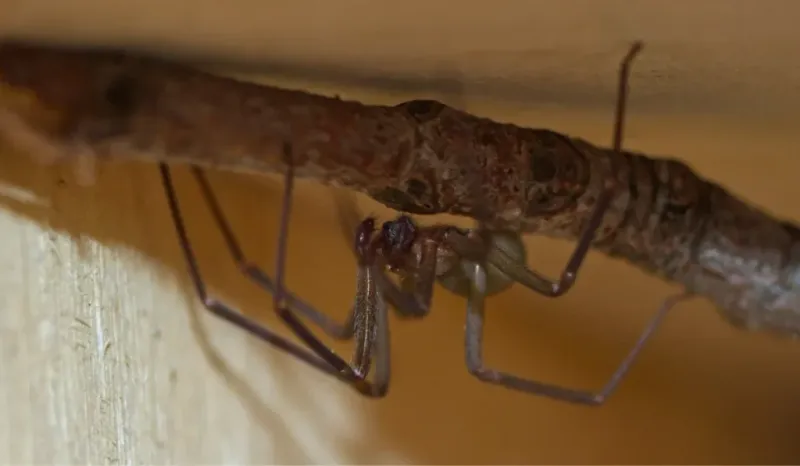
Spotting one spider out in the open does not mean your yard is crawling with them. Brown recluses are generally shy and tend to hide in cracks, crevices, and other sheltered areas.
They came out into view by accident, and their real goal is to find a dark, quiet place to settle back into.
These spiders love spots that stay still and undisturbed. Think of stacked wood, folded tarps, empty flower pots, and gaps behind sheds. If it is shadowy and rarely touched, that is prime spider real estate.
Your Texas Garden Changes Every Week. Your Plan Should Too.
Gardening in Texas changes quickly throughout the season. Every Friday you’ll receive a simple weekly plan showing exactly what to plant, prune, fertilize, harvest, and protect so you never miss the right timing.
Because they hide so well, most people never notice them at all. A single sighting often means the spider was passing through or got flushed out when you moved something. It is not a sign that they are hunting for you.
Understanding this can help you relax. You are not being targeted, and the spider is not planning anything.
It simply wants to be left alone in a cozy corner where nothing bumps into it.
September in Texas can push spiders to move as temperatures shift and food sources change. That is why sightings sometimes tick up this time of year. It is seasonal behavior, not a personal invasion.
Knowing where they like to hide also tells you where to be careful. Anywhere dark and cluttered deserves a cautious approach.
If you keep those areas in mind, you can garden with confidence instead of worry.
The takeaway is simple. Respect their love of hidden spaces, and you can avoid surprise encounters.
A spider that stays tucked away and out of sight is one that is unlikely to ever cross paths with you.
3. Check Nearby Hiding Spots Carefully
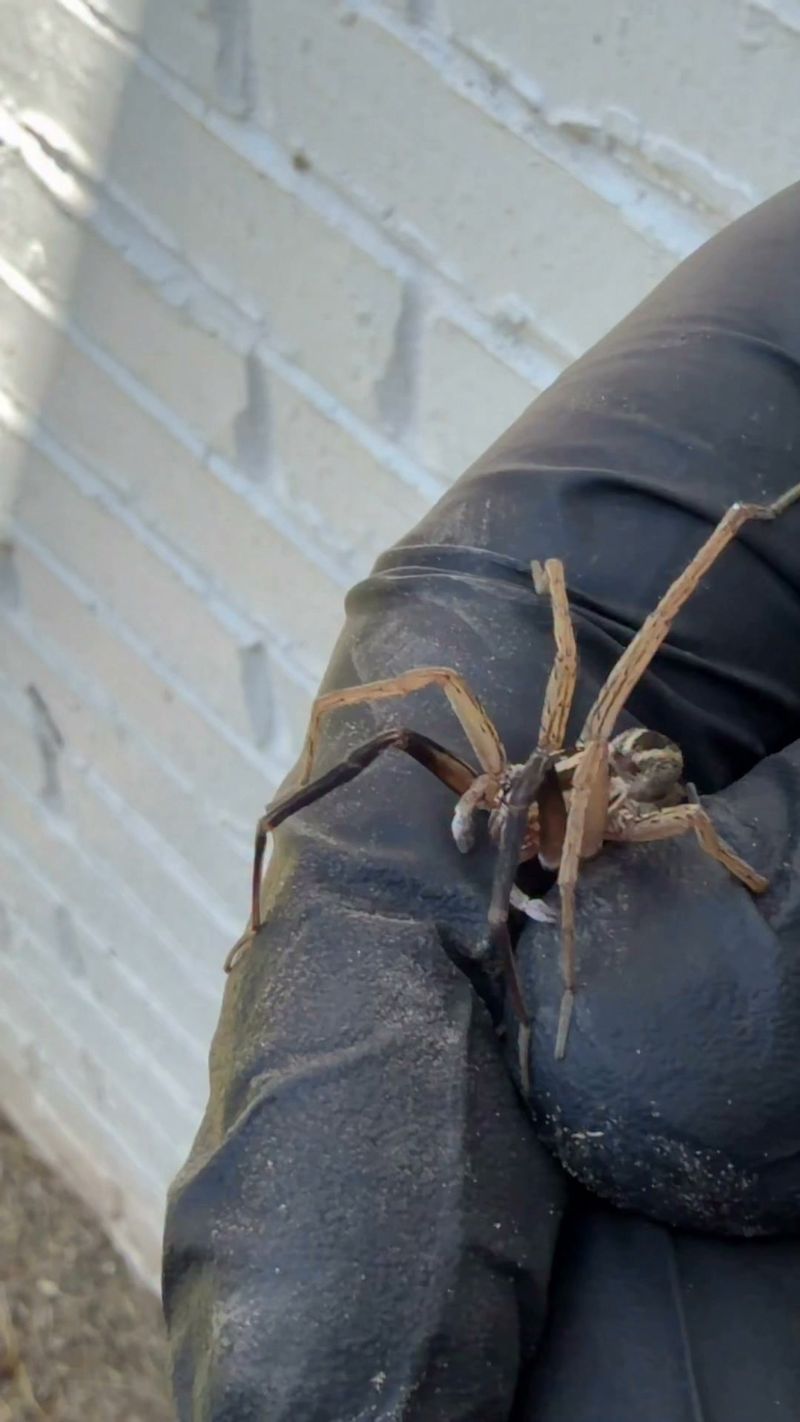
After you have given the spider space, it can help to know what other spots nearby might shelter more of them. A careful look around tells you where to be extra cautious, without putting your hands in harm’s way.
Grab a flashlight and shine it into shadowy corners instead of poking around blindly. Light lets you see what is there before you get close.
Wood piles, stored boxes, sheds, and stacked pots are all worth a look.
The golden rule is never reach into a space you cannot fully see. If a gap is dark or your hand would disappear inside, stop and rethink.
That is exactly the kind of tight spot where a spider might be tucked in.
Use a long stick or a garden tool to gently nudge items if you need to shift them. Keeping a tool between you and any hidden critter adds a safe buffer. Slow and steady wins here.
Pay attention to spots that stay dry and out of the weather, since those attract spiders looking for shelter. The undersides of boards, the folds of tarps, and the corners of storage bins are common favorites.
If you find webbing that looks messy and irregular rather than neat and round, take note. Recluse webs are not the pretty spiral kind. Messy strands in a quiet corner can be a clue.
Checking these areas is not about finding trouble. It is about mapping out where to move carefully.
Once you know the risky zones, you can plan your gardening tasks around them and keep your hands well clear of surprises.
4. Remove Outdoor Clutter Around The Garden
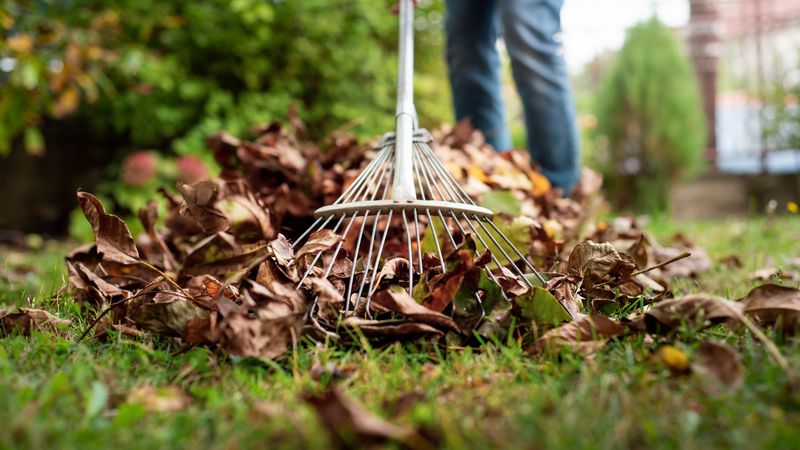
One of the best ways to make spiders feel unwelcome is to take away their favorite hiding places. A cluttered yard is basically a spider hotel, full of cozy nooks.
Clean it up, and you cut down on where they can settle.
Start with the obvious piles. Old boards, empty cardboard boxes, bags of leaves, and forgotten buckets all give spiders shady shelter.
Clearing them removes the shadowy homes recluses love most.
Try to keep firewood and building materials off the ground and away from your house or garden beds. Raising wood on a rack and storing it a bit farther out makes it less inviting. It also makes checking it easier later.
Sweep up leaf litter and trim back overgrown plants near walls and fences. Dense growth holds moisture and creates hiding spots not just for spiders but for the insects they eat.
Fewer bugs means fewer reasons for spiders to stick around.
Storage bins with tight lids are your friend. Swapping open piles for sealed containers keeps spiders from crawling in and getting comfortable. Plastic totes work far better than open boxes.
Doing this cleanup in September makes sense because spiders are more active as the season changes. A tidy space now can prevent surprises during the busy fall months.
You do not have to clear everything in a single day. Tackle one area at a time, wearing gloves as you go.
Little by little, your yard becomes a place where spiders struggle to hide. A clean, open garden is simply less appealing to a creature that thrives on staying out of sight.
5. Use Caution When Handling Garden Materials
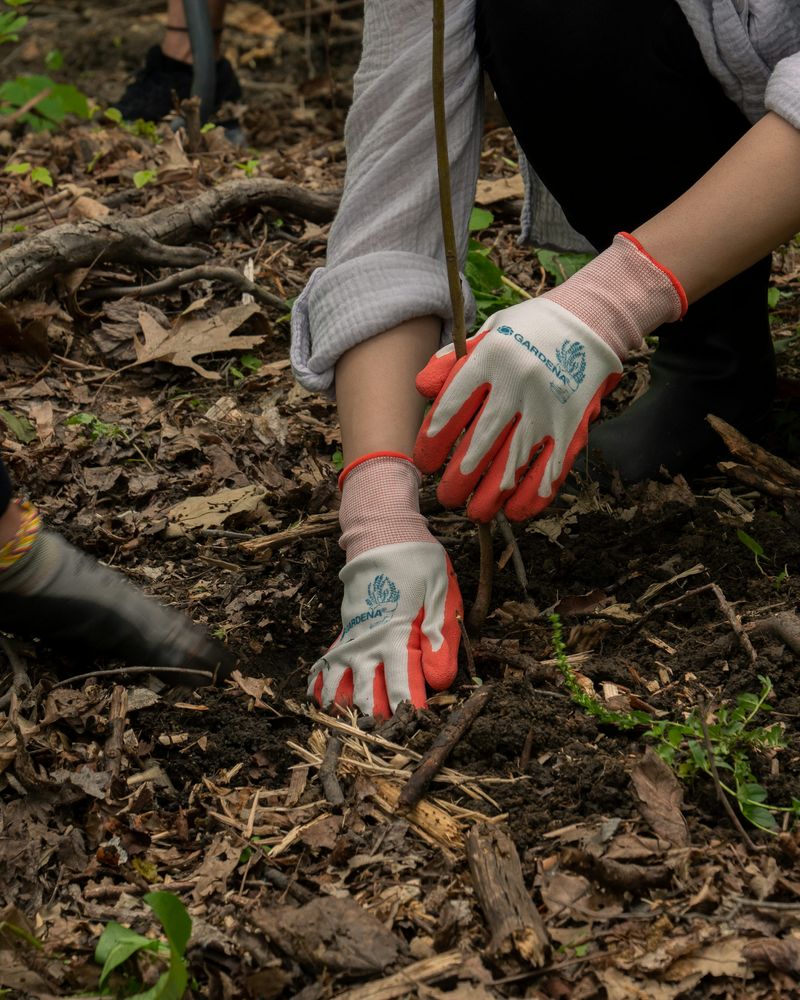
Most brown recluse bites happen by accident when a spider gets trapped against skin. That means the way you handle everyday garden materials really matters.
A few smart habits can keep those surprise pinches from ever happening.
Gloves are your best defense. Thick work gloves create a barrier between your fingers and anything hiding in a crevice.
Slip them on before you touch firewood, rocks, or stored items.
Wearing long sleeves and closed shoes adds even more protection. Loose clothing left outside can invite spiders in, so give shirts, gloves, and boots a good shake before putting them on.
A quick tap knocks out any hitchhikers.
When moving heavy items like boards or stones, lift them slowly and look before you grab the other side. Give any spider a moment to scurry away rather than pressing your hand right where it hides. That pause makes a big difference.
Turn items over with a tool first if you can. Flipping a board with a rake or shovel lets you inspect the underside from a safe distance.
Only reach in once you can clearly see it is empty.
Firewood deserves special care in Texas gardens. Recluses love the dark spaces between logs, so carry wood a piece at a time and keep it away from your body until you are sure it is clear.
Building these habits takes almost no extra effort once they become routine. Gloves on, sleeves down, look before you lift.
With those simple steps, you can move materials all season long and greatly lower the odds of an unwanted encounter with a hidden spider.
6. Get Professional Help For Repeated Sightings
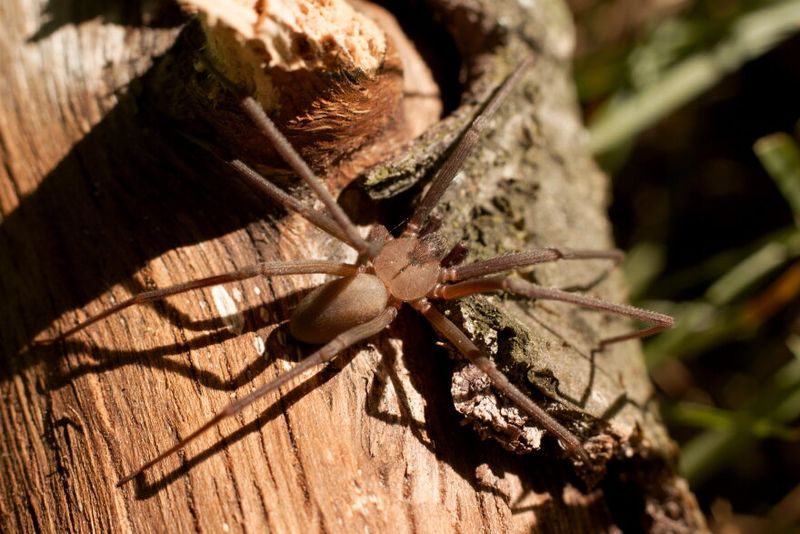
Seeing one spider is usually no big deal, but seeing them again and again is a different story. When brown recluses keep showing up in spots where people walk, garden, or play, it may be time to bring in an expert.
Licensed pest professionals know exactly how to spot the signs of a recluse population. They can help identify brown recluses and locate areas where the spiders may be hiding.
Their trained eyes catch what most of us miss.
A pro can also treat problem areas safely. They use methods and products that work on recluses while keeping your family and pets protected. That balance is hard to get right on your own.
In Texas, spider activity often rises in late summer and early fall, so September is a common time for calls. Reaching out early can stop a small issue from growing into a bigger one over the season.
Ask about a full inspection of both indoor and outdoor spaces. Recluses often move between the two, so treating just the garden might not solve everything. A complete plan covers all the bases.
Do not feel embarrassed about asking for help. Even careful homeowners can end up with stubborn spider problems that need special tools and know-how. Calling a professional is a smart, responsible move, not a failure.
Before you hire anyone, check that they are licensed and read a few reviews. A good company will explain their plan clearly and answer your questions without pressure.
With the right help, you can enjoy your garden again and feel at ease in your own yard.