Why September Is Too Late For A Major Lilac Haircut In Ohio
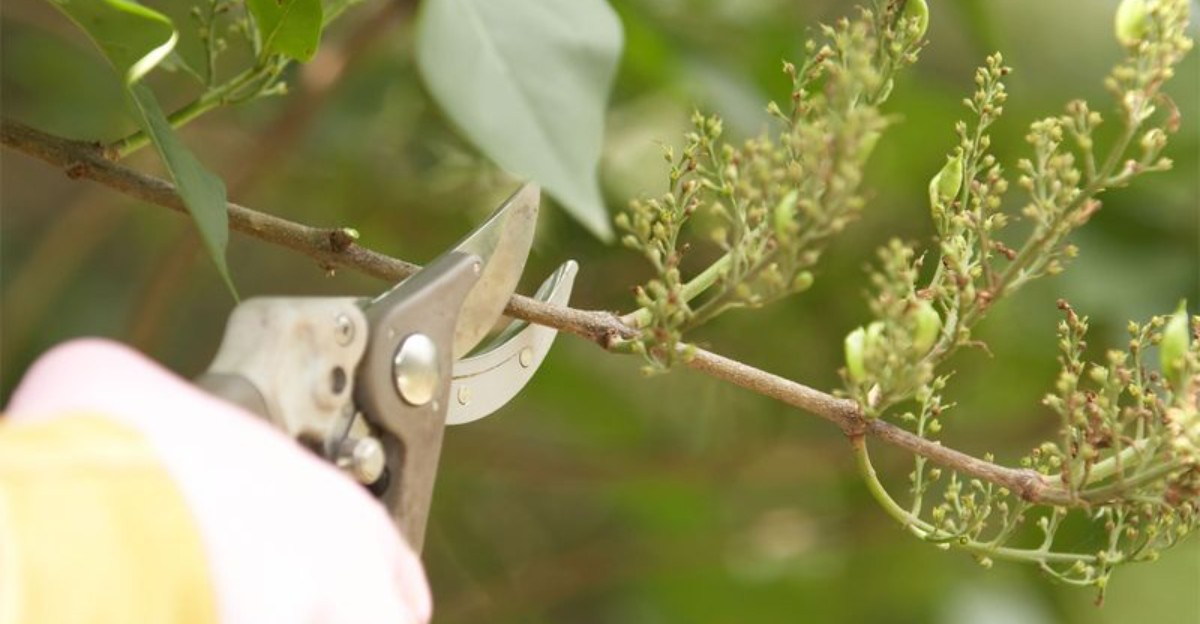
There is a moment every September when the garden looks shaggy and your fingers start itching for the loppers. That leggy shrub near the fence has outgrown its corner, and a bold trim feels like the obvious fix.
Here is the catch that trips up plenty of tidy-minded Ohio gardeners. The shrub quietly made its plans for next spring back in early summer, long before you noticed the mess.
Cut deep in autumn and you trade a whole season of perfume for a neater silhouette. That is a swap most people regret when the warm evenings and open windows return.
Timing turns out to be the entire story here, and the calendar is friendlier than you might expect. Learn the right window, and that overgrown giant turns into a satisfying project rather than a headache.
The Real Cost Of A Late Season Cut Back
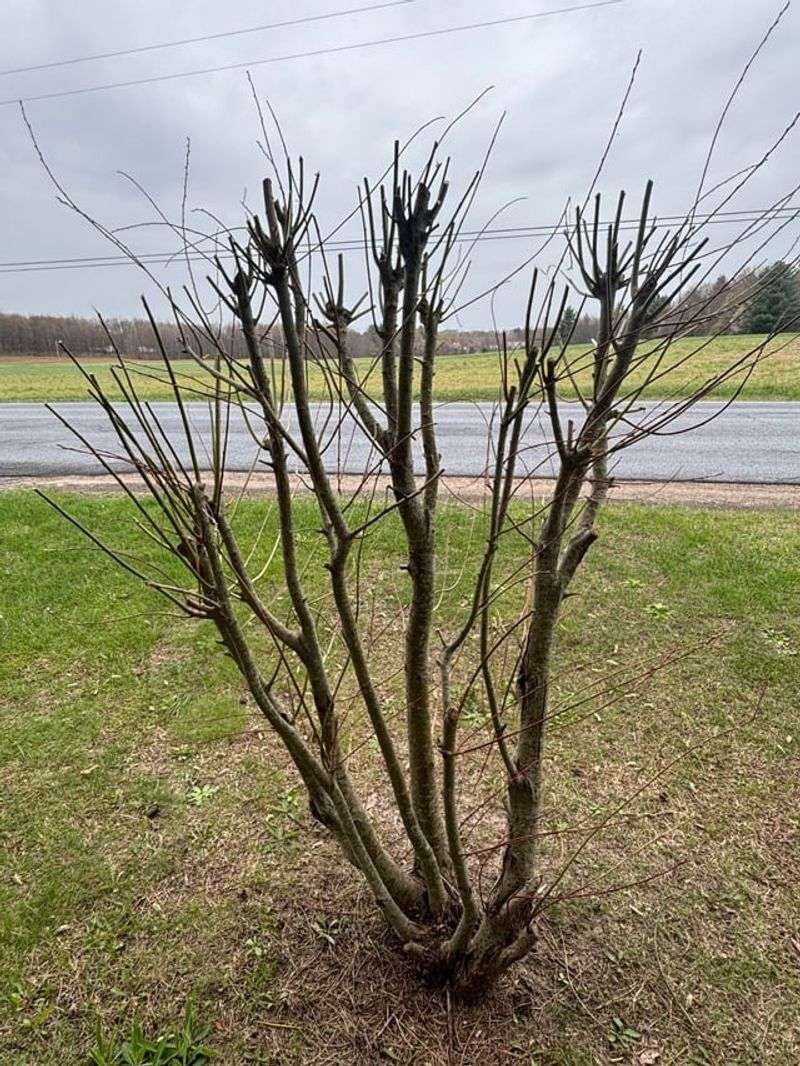
Picture a gardener in early fall, loppers in hand, staring at a shrub that has grown taller than the porch railing. The urge to cut it back down to size is strong, and that is exactly where the trouble begins.
Lilacs run on a schedule that has little to do with our calendars, and by September the shrub has already finished building next May’s flower buds. A major haircut now takes most of those buds with it, leaving a leafy shrub with almost no perfume.
There is a second cost as well: heavy cutting sends a wake-up signal down to the roots, pushing out soft new shoots at the worst possible moment. Those shoots have only a few mild weeks to toughen up before cold nights arrive.
Ohio gardeners often tell the same story: a big autumn pruning, a flowerless spring, then a thin and sulky shrub for another season. The plant usually bounces back, but the wait feels long when you were hoping for armloads of blossoms.
Better timing costs nothing except patience, turning the same cuts into an improvement instead of a setback. Mark the calendar, hang the loppers back on their hook, and let the shrub keep what it built.
Flower Buds Form Right After The Blooms Fade
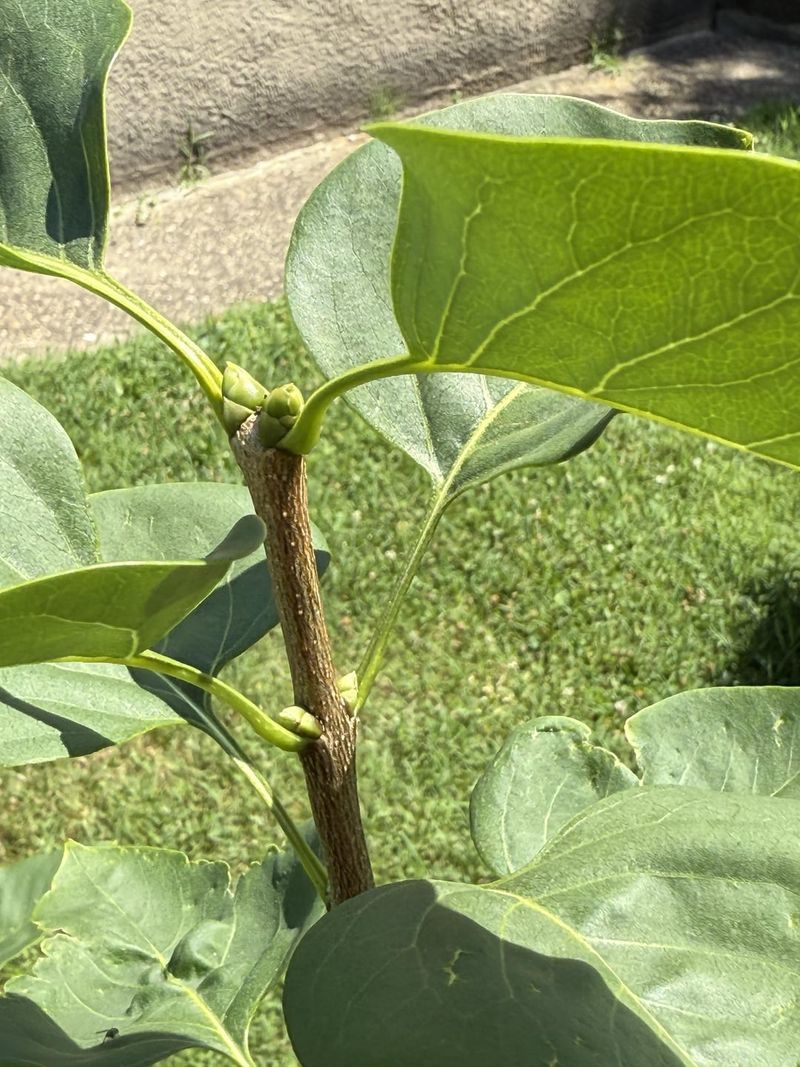
Ask an old-time gardener why their lilac stopped flowering and you will often hear the same confession: somebody got busy with the shears in autumn. It is an honest mistake, and the shrub answers with a very quiet spring.
Lilacs build next year’s flower buds during the weeks right after the old blossoms brown, tucking tiny buds at the tips of the current season’s shoots by midsummer. In Ohio, those buds sit through fall and winter, waiting for spring warmth to open them.
That schedule explains the whole problem with a September haircut, since every branch tip you snip carries next spring’s flowers, packed and ready. Shorten the shrub by a third and you have quietly removed a third of the show, or more.
Fat, paired, green bumps near the tips of young stems are flower buds, while smaller flat ones along the sides are leaf buds. Once you learn the difference, autumn cutting feels a lot less appealing.
Your Ohio Garden Changes Every Week. Your Plan Should Too.
Gardening in Ohio changes quickly throughout the season. Every Friday you’ll receive a simple weekly plan showing exactly what to plant, prune, fertilize, harvest, and protect so you never miss the right timing.
A simple rule keeps this straight in your head: shrubs that bloom before midsummer form their buds on older wood and get trimmed soon after flowering. Shrubs that bloom in late summer form buds on fresh wood, so they can be cut in late winter.
Lilacs belong firmly in the first group. Respect that habit and the fragrance keeps coming back year after year.
Soft New Growth Meets The First Hard Frost
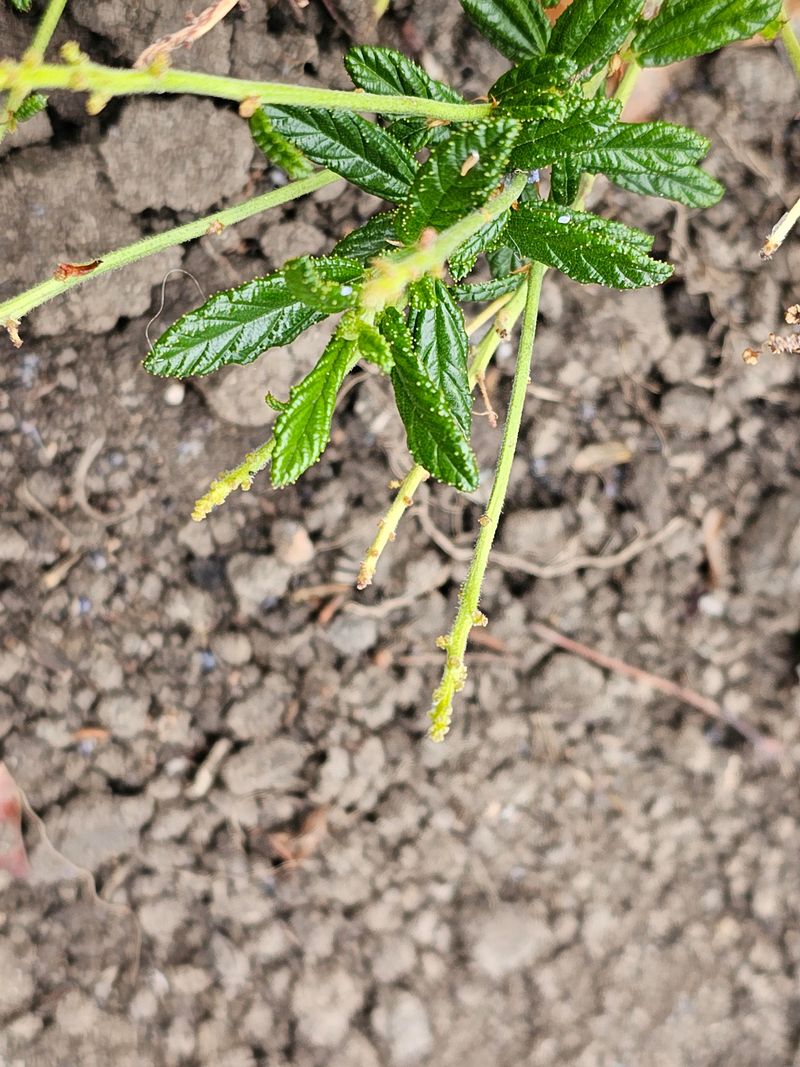
Cutting a woody shrub hard is a bit like poking it awake. The roots respond by pushing fresh shoots, because the plant wants to replace the leaves it just lost.
In late spring that response helps, since new shoots get months to firm up and store energy. In September it backfires, since shoots that appear in October stay watery and pale with no time to harden.
When the first sharp frost rolls through, that tender growth turns to mush. The shrub then has to seal off the ruined tips, spending reserves it would rather bank for winter, and come spring you get stubby, blackened ends instead of strong flowering wood.
Ohio’s growing zones run mostly 5b to 6b, where a September cut can meet frost just three or four weeks later. Warm early-autumn afternoons make it worse, coaxing the shrub to keep growing until the weather turns.
There is a knock-on effect: energy that should be moving down into roots and buds gets diverted into growth that cannot last. The shrub then enters winter a bit weaker, and weakened shrubs bloom shyly.
If your lilac already looks unruly, try to resist the temptation and let it slide into dormancy with its reserves intact. Pencil in the big work for the proper season instead, and your future self will thank you.
Fresh Wounds And Fall Pest Pressure
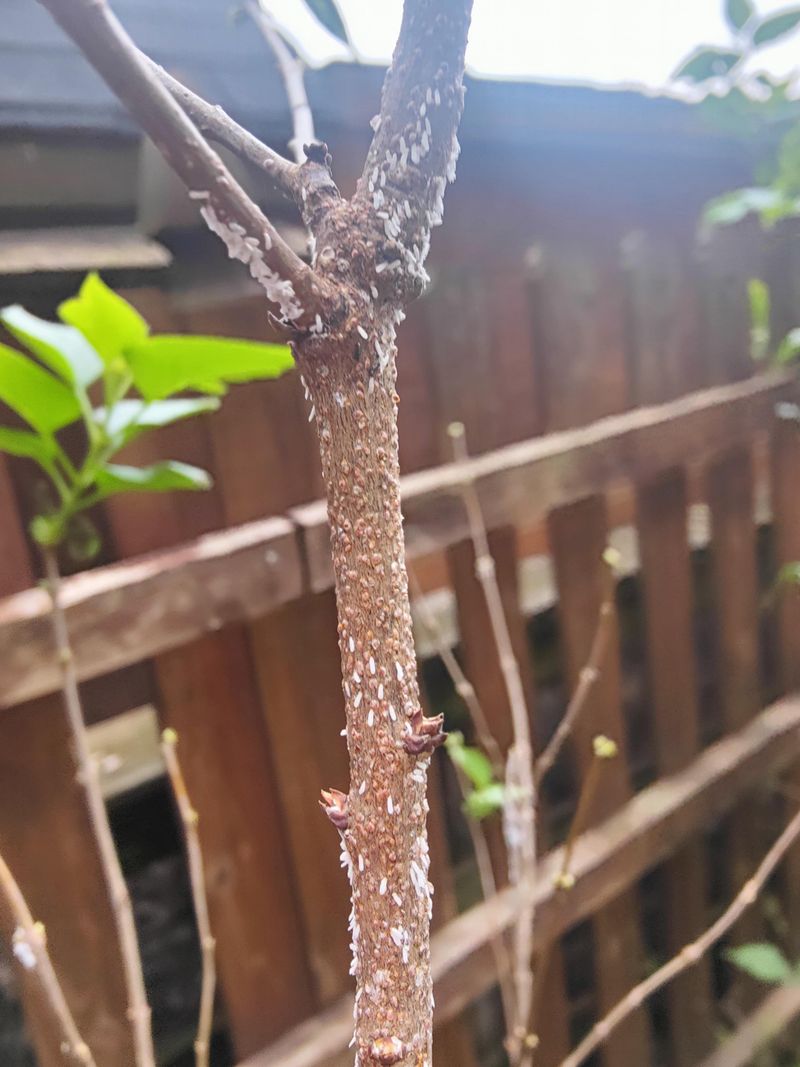
Every cut is a small door in the bark, and autumn is a busy season for anything hunting a way inside. Ohio gardeners rarely think about that, since a freshly tidied shrub looks so satisfying.
Rain and falling leaves keep cut ends damp for weeks, and wounds seal slowly as temperatures drop. A September cut back leaves dozens of open ends exposed through cool, wet months.
Fungal spores drift around looking for exactly those surfaces. Borers add another layer of worry, since lilac borer moths are drawn to wounded, stressed wood and long stubs from heavy cutting make convenient landing pads.
Their tunnels weaken canes from within, showing up later as wilted shoots and sawdust-like crumbs near the base. Bacterial blight also finds tired lilacs appealing, especially during a soggy Ohio fall.
Blackened shoot tips and streaked stems often follow a badly timed hard cut, and the shrub spends the next year recovering rather than blooming. A few habits lower the risk whenever you do prune.
Cut just above a bud or side branch instead of leaving long stubs, wipe your blades with an isopropyl solution between shrubs, and work on a dry day. Skip wound paints, since bare wood closes better on its own.
Save the heavy work for a season when the shrub can shut those doors quickly. Good timing costs less than any spray.
The Best Window For A Deep Renewal Trim
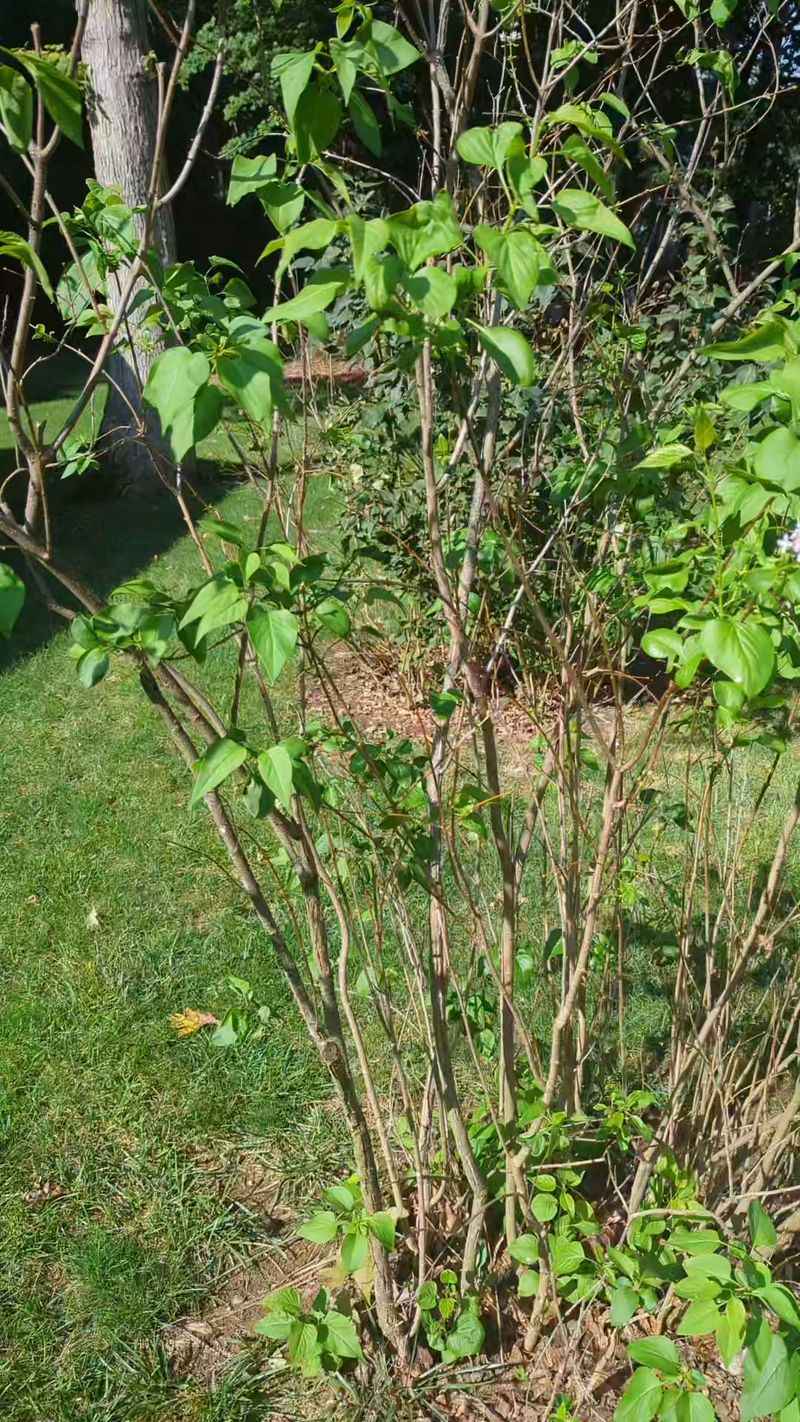
Mark it now: the two or three weeks right after the last flowers fade. That short stretch, usually late May into June in Ohio, is when a lilac takes a hard trim in stride.
Cutting then hands the shrub an entire growing season to sprout, leaf out, and set fresh buds on that new wood. You lose nothing, because the current year’s blooms have already finished, and by August the regrowth is firm and ready for winter.
For a shrub that has become a thicket of thick, gray, sparsely flowering canes, renewal pruning works beautifully. Choose the oldest third of the stems and take them down to a few inches above the soil.
Repeat the following June, and again the year after, so the whole plant is refreshed across three seasons. Gardeners in a hurry sometimes cut everything to knee height at once.
Lilacs tolerate that better than you would guess, though you trade two or three springs of flowers for the speed. The staged method keeps some bloom every year, which most people prefer.
Late winter makes a reasonable second choice for structural work if June slipped past you. You give up that spring’s flowers, yet wounds close quickly as growth resumes and the shrub gets a full season to rebuild.
Either window beats a September session by a wide margin. Set a phone reminder for the week the blossoms brown, because that little note is worth more than any tool in your shed.
Gentle Autumn Tidying And The Payoff Ahead
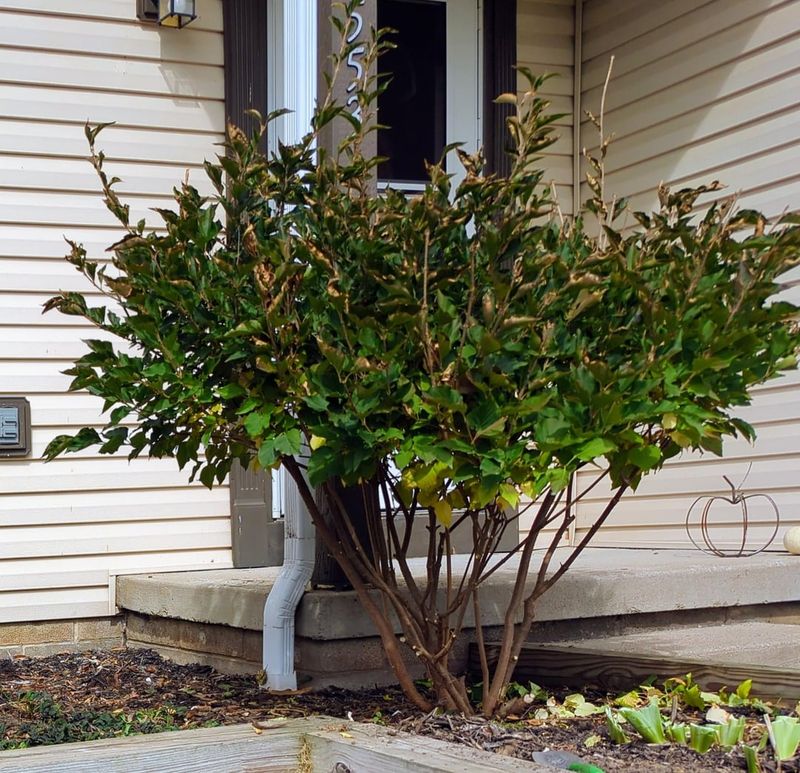
September does not have to be a hands-off month for your lilac. Think of it as housekeeping rather than surgery, the kind of work that quietly sets up next year.
Damaged, broken, or clearly spent canes can come out any time without costing you flowers, since they were not going to bloom anyway. Suckers rising from the base are fair game too, particularly the ones crowding the center.
Thinning a handful improves airflow, which helps foliage stay cleaner. Raking up fallen leaves is another quiet win, because mildew and blight spores overwinter in that litter.
Spread a couple of inches of mulch around the base to protect Ohio’s heavier clay soils, keeping it off the stems, and give the shrub a deep soak if autumn has been dry. Hold off on fertilizer for now.
Nitrogen in fall nudges out soft growth, the very thing you are trying to prevent. A light feeding next spring does far more good.
Then comes the fun part, which is planning. Walk around the shrub, pick out the three or four thickest and grayest canes, and tie a strip of cloth around each one.
When June arrives you already know where to cut, and you will not second-guess yourself with tools in hand. Handled this way, an overgrown lilac becomes a comeback story instead of an eyesore.
Two or three springs from now you will be snipping armloads of fragrant blossoms from stems you had the wisdom to leave alone.