This Common Texas Shrub Is More Poisonous Than Most Homeowners Realize
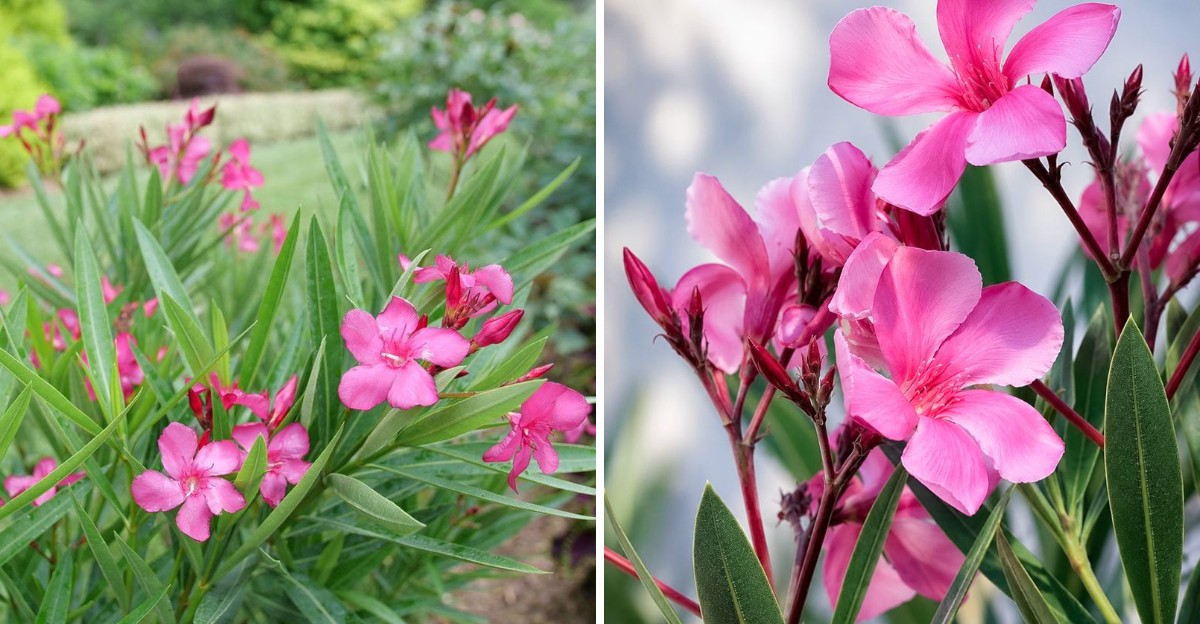
There is a shrub growing in countless Texas yards that most homeowners have never thought twice about. It’s widely sold, commonly planted, and looks completely unremarkable in a garden bed or along a fence line.
Nothing about its appearance suggests anything worth worrying about. But this shrub is significantly more toxic than most people who grow it ever realize.
The risk it poses to children, pets, and wildlife is serious, and its familiarity is a large part of why so few people recognize the danger until something goes wrong.
Toxicity in landscape plants rarely comes with obvious warning signs. The most dangerous ones often look the most benign.
This is one of the most commonly encountered toxic plants in Texas residential landscapes. Most homeowners are growing it without any awareness of what it’s capable of.
Here’s what it is, what makes it dangerous, and what Texas homeowners need to know right now.
The Toxic Shrub Hiding In Plain Sight
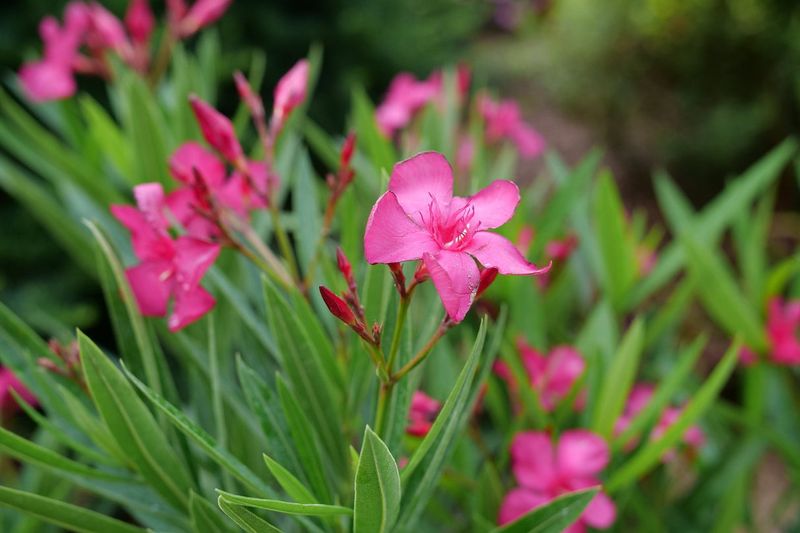
Drive down almost any Texas street and you will spot oleander without even trying. This tough shrub grows fast, handles heat like a champ, and bursts with pink, white, or red flowers all summer long.
Landscapers love it because it barely needs any care. It shrugs off drought, poor soil, and salty coastal air near the Gulf.
That is why you see it lining highways, framing driveways, and filling backyard corners everywhere.
Behind all that beauty sits a hidden danger most people never think about. Every part of oleander is poisonous if someone swallows it, from the smallest leaf to the prettiest bloom.
Because it looks so friendly, folks often plant it right next to patios, pools, and walkways. Kids run past it. Dogs sniff around it. Nobody suspects a thing.
The trouble starts when people assume a common plant must be safe. Oleander proves that popular does not always mean harmless.
You do not have to rip it out of your yard if you already have it. Plenty of Texans grow oleander for years with zero problems. The key is knowing what you are dealing with.
Think of oleander like a beautiful campfire. It brings warmth and charm, but you respect it and keep a safe distance.
Once you understand the risk, you can make smart choices about where it grows and who gets near it. Awareness turns a hidden hazard into a manageable one. The rest of this guide breaks down exactly why oleander deserves your careful attention.
Why Oleander Is So Dangerous
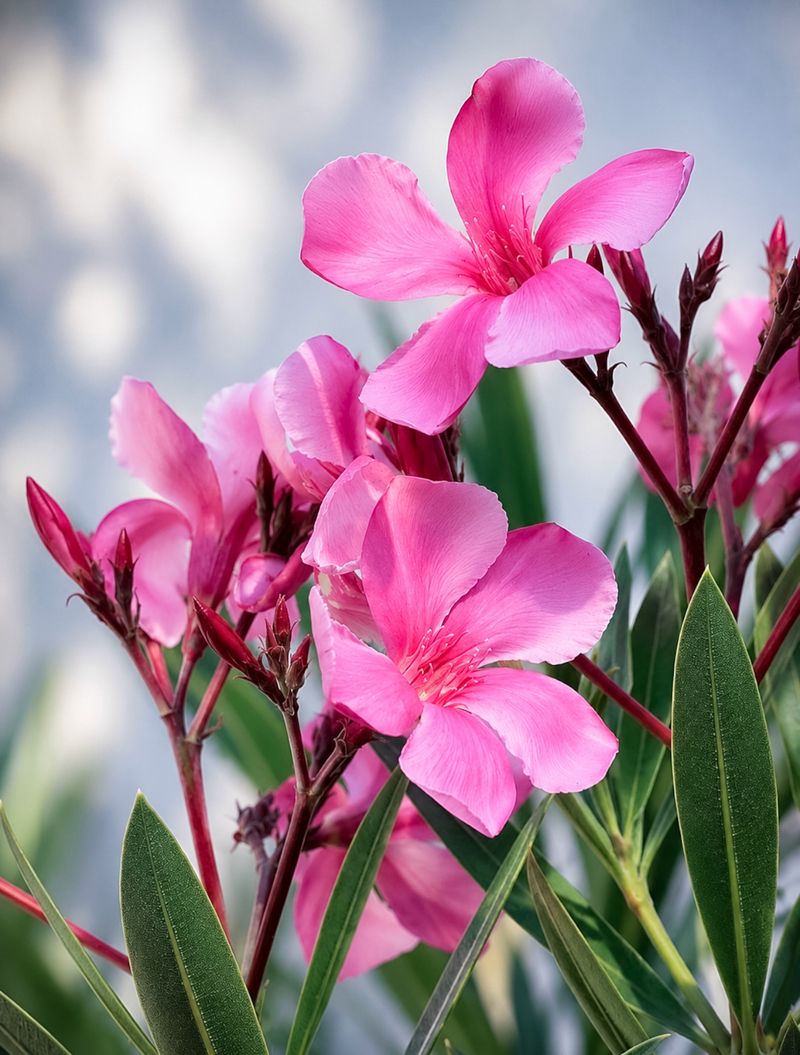
What makes oleander so risky comes down to the chemicals packed inside it. The plant contains natural compounds called cardiac glycosides, and these substances mess directly with the heart.
Two of the main troublemakers are oleandrin and neriine. When swallowed, they can throw off the heart’s normal rhythm and cause it to beat in an irregular way.
Even a small amount can cause big problems. A person or animal might feel sick to their stomach, throw up, or get dizzy. In serious cases, the heart itself gets affected.
Your Texas Garden Changes Every Week. Your Plan Should Too.
Gardening in Texas changes quickly throughout the season. Every Friday you’ll receive a simple weekly plan showing exactly what to plant, prune, fertilize, harvest, and protect so you never miss the right timing.
The scary part is how little it takes. Just a few leaves can be enough to make someone very ill, which is why nobody should ever taste any part of this plant.
Besides the heart, oleander can bother other parts of the body too. People sometimes get stomach cramps, blurry vision, or a slow and uneven pulse after exposure.
Animals face the same danger. Horses, cows, dogs, and cats can all become extremely sick if they nibble on the leaves or drink water where trimmings soaked.
Here is something wild to consider. The toxins stay strong even in dried leaves. A pile of old clippings is just as dangerous as fresh growth on the bush.
Because these chemicals attack such an important organ, doctors and vets take oleander cases seriously. Quick action matters a lot.
Understanding how oleander harms the body helps explain why experts warn against eating any of it. Respecting that power is the best way to stay out of harm’s way while keeping this plant in your yard.
Which Parts Of Oleander Are Poisonous
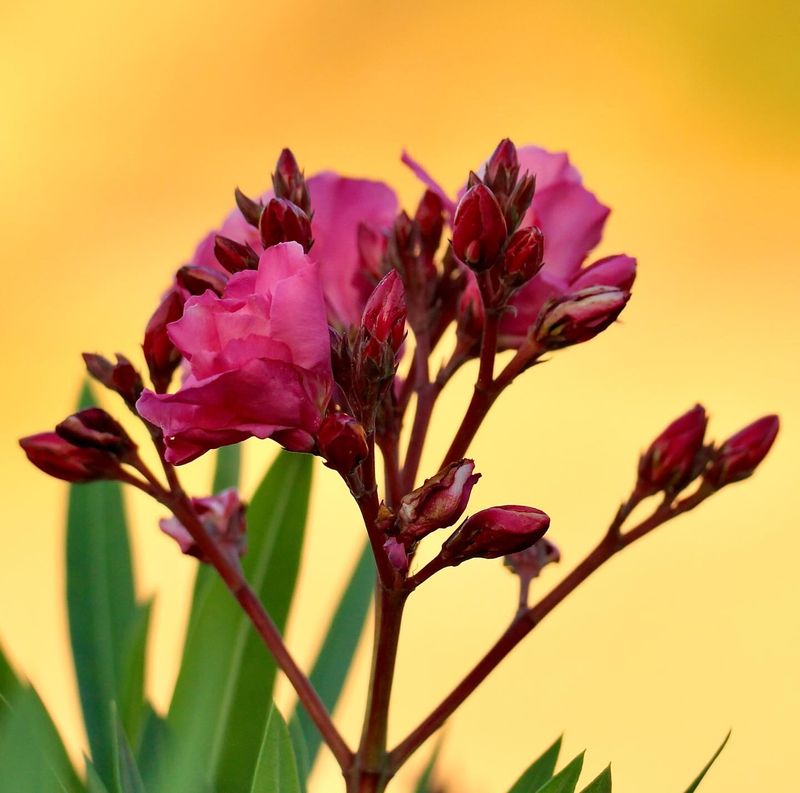
A common myth says only certain pieces of a plant are risky. With oleander, that thinking can get you in trouble fast.
The honest answer is simple. Treat the whole plant as poisonous, top to bottom. Leaves, flowers, stems, roots, and seeds all carry the harmful toxins.
Some Texas homeowners assume the flowers are safe because they look delicate and smell nice. Not true.
The blooms hold the same dangerous chemicals as the rest of the shrub. Others think the sap is the only worry. Wrong again.
While the milky sap can irritate skin, the leaves and stems are just as unsafe if chewed or swallowed.
Even the smoke from burning oleander carries the toxins, which is why you should never toss trimmings into a fire pit.
The seeds and seed pods deserve extra caution. Curious kids might mistake them for something to play with, and animals may munch them without knowing better.
Because there is no safe portion, the rule becomes easy to remember. Do not eat any of it, and keep it away from anyone who might.
This all-over toxicity is actually helpful information. You never have to guess whether a leaf or a bloom is okay. The answer is always no.
When you handle oleander, imagine that every piece is coated in something you would not want in your mouth. That mindset keeps you cautious in the right way.
Knowing the entire plant is off-limits removes the confusion. There are no exceptions, no safe snacks, and no harmless flowers hiding in the bunch.
Keep Children And Pets Away From Oleander
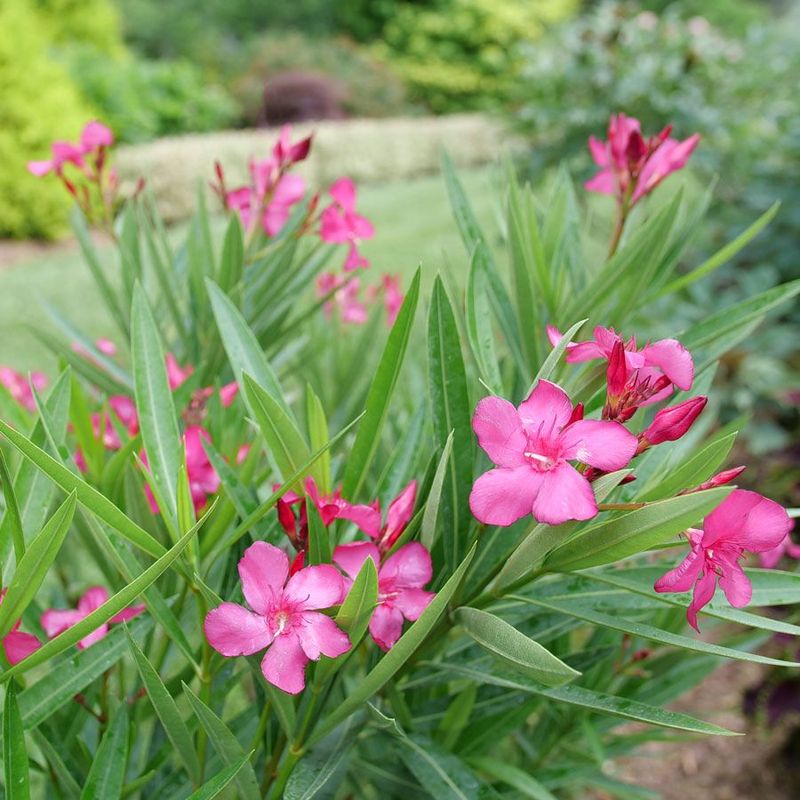
Little ones explore the world by touching and tasting everything they find. That natural curiosity turns oleander into a real concern for families with young kids.
Toddlers love bright colors, and oleander flowers practically beg to be picked. A child might grab a bloom and pop it in their mouth before you even notice.
Pets bring their own set of worries. Dogs chew on random plants, and both cats and dogs may nibble leaves out of boredom or curiosity.
Farm animals face the biggest danger of all. Horses and cattle can get seriously sick from just a mouthful of oleander leaves.
If oleander grows near a swing set, sandbox, or dog run, that placement raises the risk a lot. Accessible spots make accidents more likely.
One smart move is to plant oleander far from play areas and pet zones. Keep it toward the back of the yard where kids and animals do not wander.
Teaching children a simple rule helps too. Tell them never to eat any plant unless a grown-up says it is food. Repeat it often so it sticks.
For pets, watch them closely when they are outside near the shrub. A quick redirect can prevent a scary situation.
You might also consider fencing off the area or choosing a different plant for family spaces. Safer options like hibiscus give you color without the danger.
Being extra careful does not mean living in fear. It just means setting up your Texas yard so the people and animals you love stay protected while enjoying the outdoors.
Be Careful When Pruning Or Removing Oleander
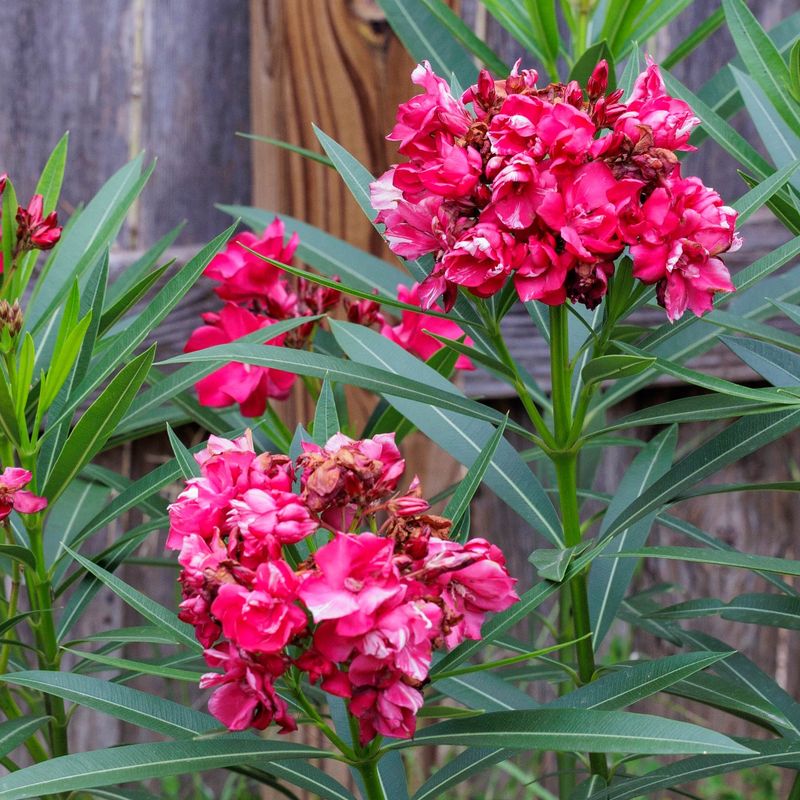
Trimming oleander calls for a little more planning than clipping your average bush. The sap and plant material can irritate your skin and eyes if you are careless.
Before you start, grab a pair of sturdy gloves and cover your arms with long sleeves. Adding safety glasses protects your eyes from splattering sap.
Try not to touch your face while you work. Sap on your hands can transfer easily, so keep everything away from your mouth and eyes.
When you finish, wash your hands, arms, and tools with soap and water. Clean up thoroughly before you head inside or grab a snack. Here is a big one that surprises many people. Never burn oleander clippings, ever.
The smoke from burning oleander carries the same toxins found in the plant. Breathing that smoke can make you sick, so a bonfire is a terrible idea.
Instead, bag up the trimmings and toss them in the trash. Do not add them to a compost pile or leave them where animals might reach them.
Watch out for the piles too. Wilted or dried leaves stay just as poisonous, so a heap of cuttings is not safe for grazing pets or livestock.
If you are removing a whole shrub, dig carefully and clear away every scrap. Roots and buried pieces still hold the toxins.
Taking these steps keeps your yard work simple and safe. A few smart habits let you shape or remove oleander without putting yourself or anyone else at risk during the cleanup.
What To Do After Possible Oleander Ingestion
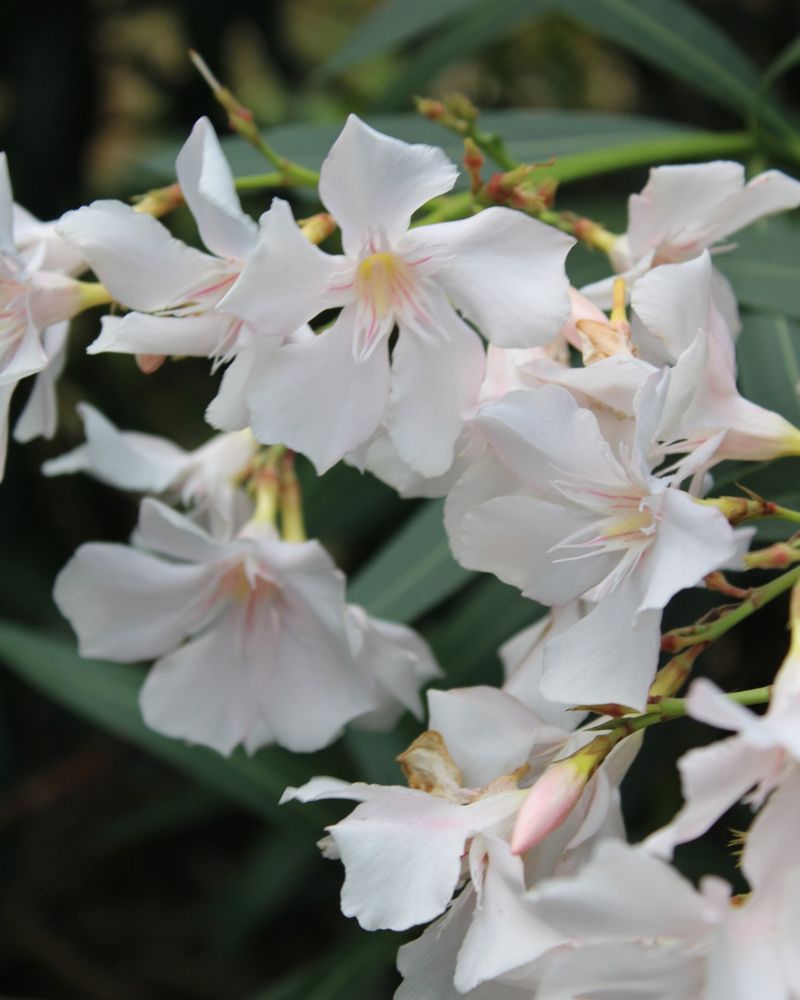
Say a child or pet gets into your oleander. The most important thing to remember is not to sit around waiting to see what happens.
Time matters a great deal with this plant. Acting quickly gives doctors and vets the best chance to help.
Do not wait for symptoms to appear before you make a call. Even if the person or animal seems fine, the toxins can take time to show their effects.
For a person, contact Poison Control right away. A quick call could make all the difference in a stressful moment.
If a pet or farm animal ate oleander, phone your veterinarian or an animal poison hotline immediately. Describe what happened and how much you think they swallowed.
Try to stay calm so you can give clear information. Note the time, the amount, and any signs you notice.
Do not try home remedies or force anyone to throw up unless a professional tells you to. Wrong steps can sometimes make things worse.
Bring a piece of the plant with you if you head to a doctor or clinic. It helps them identify exactly what they are dealing with.
Being prepared takes the panic out of an emergency. With the right phone numbers ready and a clear plan in mind, you can respond fast and give your loved ones the help they need.