Why You Should Stop Leaving Withered Blooms On Your North Carolina Perennials Before The Rain Hits
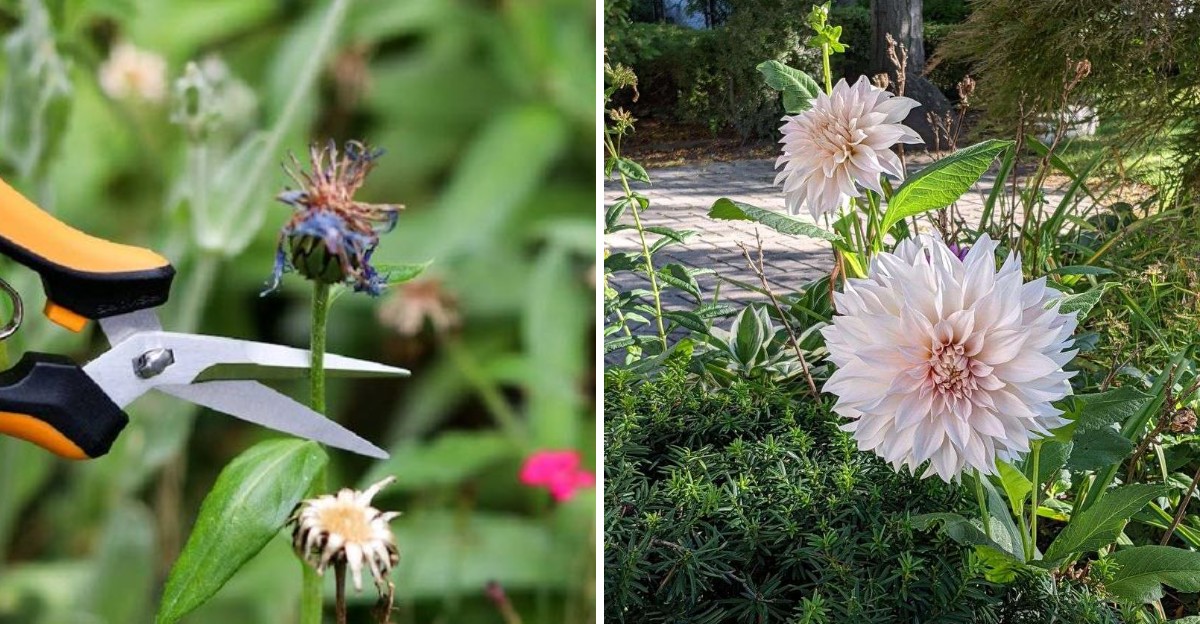
The radar shows three days of rain parked over North Carolina.
Meanwhile your coneflower bed is holding a week’s worth of brown crumpled blooms, and the daylilies look worse.
That combination is more than an appearance problem.
Here’s what happens once the rain starts. Those faded petals collapse against stems and leaves, holding water in place long after the rest of the plant has dried.
Fungal spores need exactly that. A film of moisture sitting on plant tissue for several hours.
Faded flower tissue provides the moisture and the food source simultaneously. That’s why disease so often starts where an old bloom was resting.
Fifteen minutes with pruners before the first drops changes the math considerably.
Curious how much difference that actually makes?
Wet Petals Invite Fungal Disease
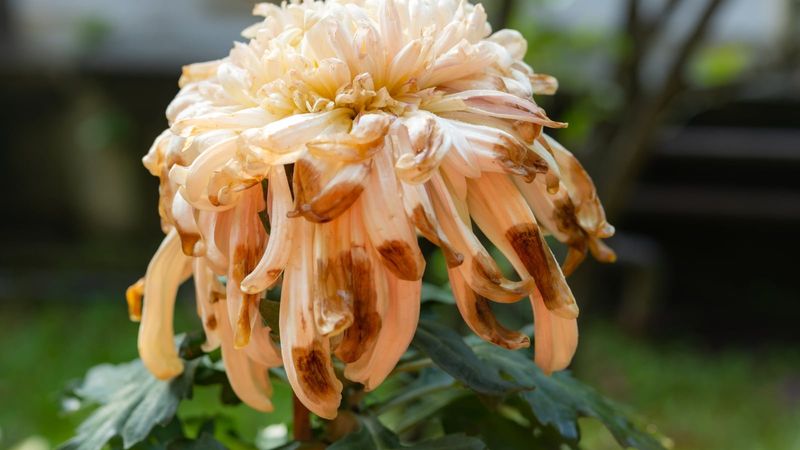
Picture a faded coneflower petal stuck to a leaf like a wet paper towel. That scrap doesn’t dry the way healthy tissue does.
Fungal spores find those conditions ideal. Moisture plus soft tissue is the combination they need.
Faded flower tissue is soft, sugary, and already breaking down. That makes it easy food for fungi that struggle against firm healthy cells.
Spent and declining plant material is a common starting point for fungal infections. Extended leaf wetness makes it considerably worse.
North Carolina humidity hangs around for days after rain. That wet period stretches far past what many perennials handle comfortably.
Most leaf-infecting fungi require a water film on plant surfaces for several hours before spores germinate. Spent blooms hold that film reliably.
A single mushy petal pressed against a stem keeps one spot damp long after the rest of the plant has dried in a breeze.
Once fungi establish in that faded tissue, they can move into healthy tissue nearby. Gardeners often notice a brown water-soaked patch exactly where an old flower rested.
Pulling those blooms off isn’t perfectionism. Removal eliminates both the moisture trap and the food source.
Lower odds of a problem starting beats treating one afterward. Clearing kindling rather than fighting a fire.
Botrytis Spreads Fast In Damp Conditions
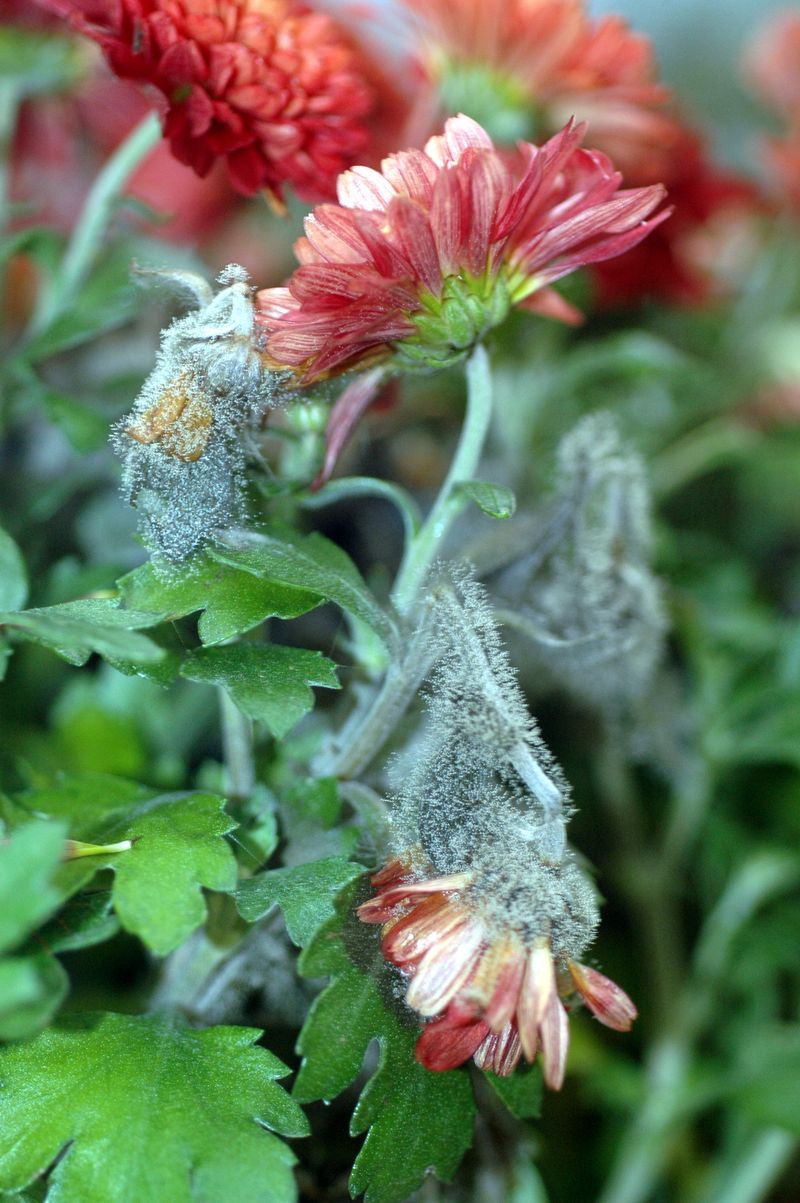
Botrytis blight, commonly called gray mold, is the disease most likely to appear on old flowers.
It thrives in cool damp humid weather and starts in fading or injured plant parts. Spent petals match that description precisely.
The fungus produces enormous numbers of spores traveling on wind and splashing rain. A single storm moves them between plants within minutes.
That transmission speed explains how a bed goes from fine to spotted after one wet weekend.
Look for tan or brown blotches on petals first. A dusty gray fuzz coating the faded tissue follows.
On peonies, dahlias, and geraniums, buds and stems may collapse and turn soft. Warm soggy North Carolina springs and falls provide plenty of opportunity.
Speed is the actual problem here. Botrytis doesn’t wait for a wound or a weakened plant.
It advances from spent tissue into healthy tissue while conditions stay wet. No opening required.
Your North Carolina Garden Changes Every Week. Your Plan Should Too.
Gardening in North Carolina changes quickly throughout the season. Every Friday you’ll receive a simple weekly plan showing exactly what to plant, prune, fertilize, harvest, and protect so you never miss the right timing.
Cutting away faded flowers removes the launching point. Fewer spore sources means fewer spores landing on leaves when the next front arrives.
Bag the trimmings rather than dropping them in the bed. Botrytis survives well in plant debris on the soil surface.
A pile of wet petals under a coneflower sits one rain splash from restarting the cycle.
Spent Blooms Trap Moisture Against Stems
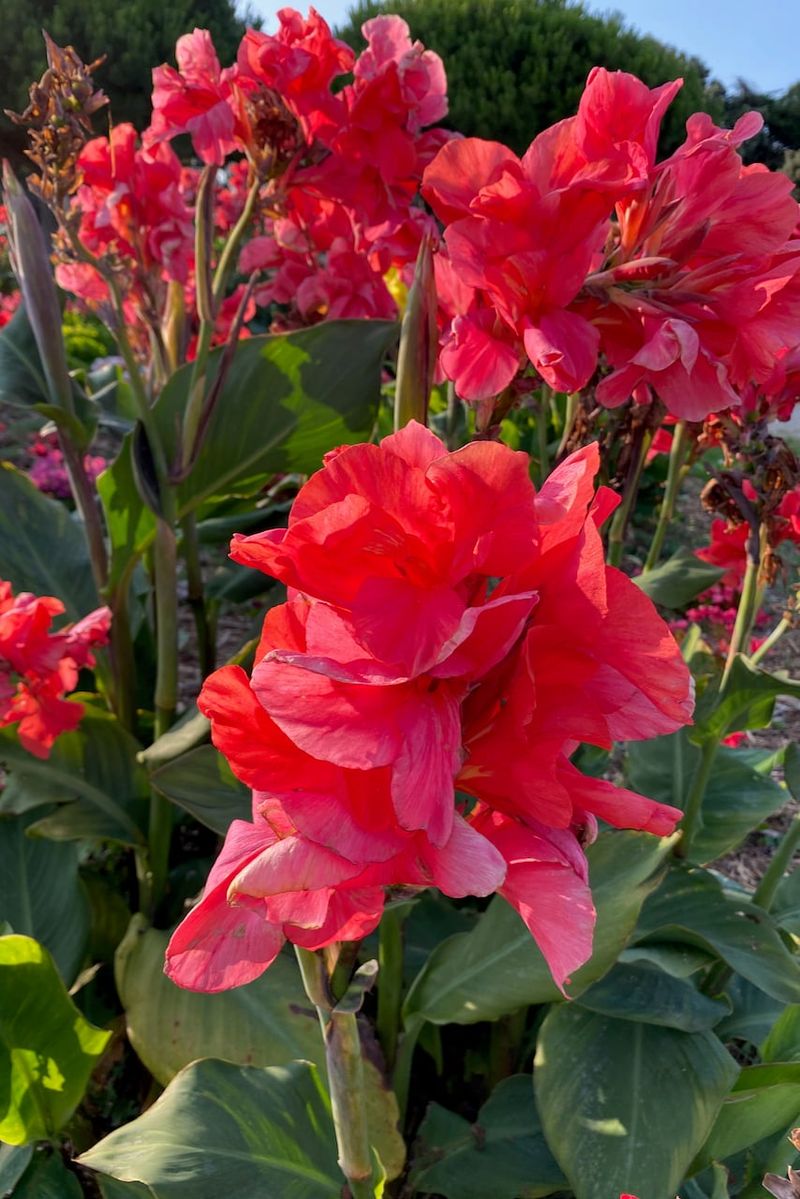
Run your fingers down a daylily stalk the morning after a shower and the difference is obvious. The stem feels dry while the collapsed flower stays cold and slick.
Petals are thin and layered, which makes them behave like a sponge. Water wicks into the folds and stays.
The same capillary pull that keeps a paper towel damp holds moisture in a faded bloom. Once petals wilt they lose shape and drape over stems, buds, and leaf joints.
Anything under that wet wrapper misses sun and wind, which are the two things that actually dry a plant.
Leaf wetness that might have lasted two hours stretches to eight or ten. Those extra hours are precisely what spores need.
Peonies are the classic offender, since heavy petals glue themselves to stems as they brown.
Bearded iris, phlox, coreopsis, and rudbeckia all hold mushy flower remains in tight spots where air barely moves.
Snapping off spent flowers by hand works for soft-stemmed perennials. Pruners handle woodier stems better.
Check where leaves meet stems specifically, since fallen petals collect in those pockets.
Trim into a bucket rather than dropping petals at the plant’s base. Wet debris on soil keeps humidity high right where new growth emerges.
Trimming Improves Airflow Around Foliage
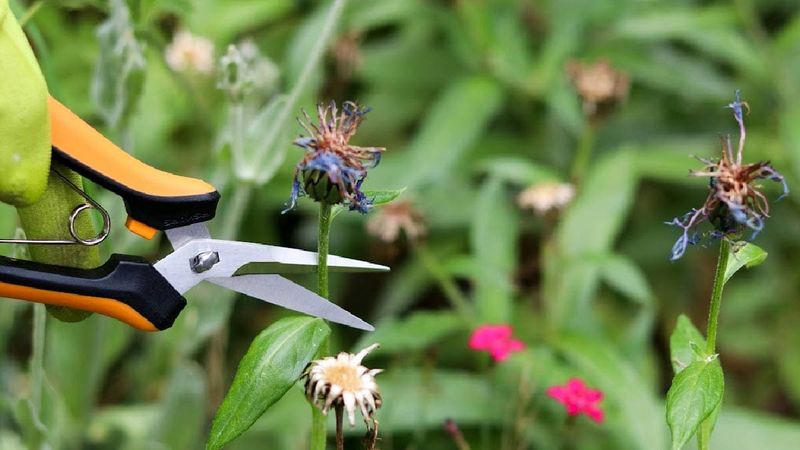
Moving air ranks among the cheapest disease controls available. Every spent bloom removed opens another gap for a breeze.
Crowded growth traps humid air against leaves. Improving circulation is a core step in managing Botrytis and similar problems.
Trimming is the simplest version of that advice, since you’re removing the wettest floppiest parts first.
Pair it with other adjustments for better results. Thin crossing stems on dense clumps like garden phlox.
Divide crowded perennials every few years and give new plants the spacing listed on the tag. Both reduce humidity within the planting.
Water the soil rather than the foliage, and do it in the morning so leaves dry before dark.
Airflow helps in ways unrelated to disease too. Better light reaches lower leaves and pollinators find fresh flowers more easily.
Many perennials respond to trimming by producing another round of buds. Coreopsis, salvia, catmint, and blanket flower all rebloom reliably after a trim.
So fifteen minutes lowering disease risk can also extend the flowering season.
Skip the shears on plants grown for seed heads or winter structure. Coneflowers and black-eyed susans feed goldfinches later.
Many gardeners trim through the wet months and leave the final flush standing.
Disease Pressure Rises After Heavy Rain
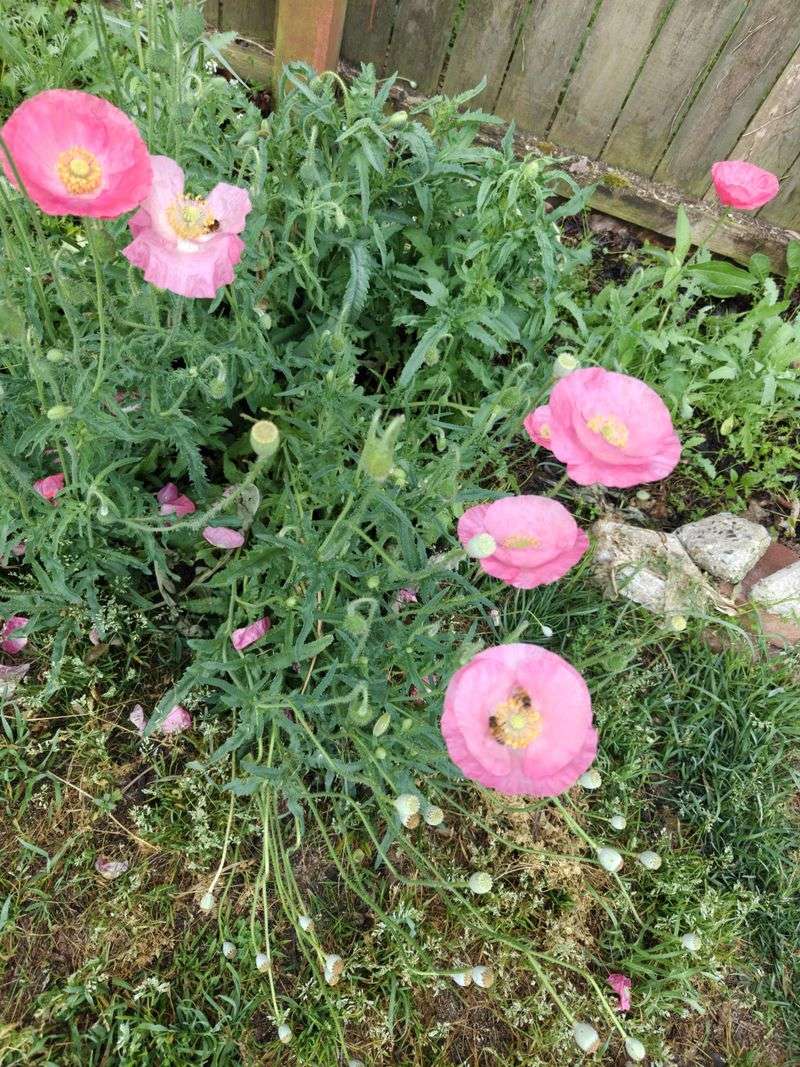
The forecast is the practical reminder. A stalled front promising two or three days of rain makes the afternoon before it arrives prime trimming time.
Rain contributes two ways that favor fungi. It keeps leaves wet long enough for spores to germinate.
Splashing droplets also pick up spores from spent tissue and throw them onto healthy leaves. Both mechanisms matter.
Splashing water and extended leaf wetness consistently appear as key spread factors in disease guidance.
Remove faded flowers first and the rain has far less material to work with. Prevention rather than cleanup.
Timing matters a second way. Fresh cuts seal best in dry air, so working before clouds close in gives wounds hours to dry.
Waiting until the storm passes isn’t useless, just less effective. Spores may already be sitting on wet leaves by then.
North Carolina summers compound the problem. Humidity often stays above eighty percent for hours after rain stops.
Puddles under mulch, still air in crowded beds, and warm nights all keep foliage damp into the following morning.
Checking radar before gardening sounds excessive and turns ten minutes into real protection.
Coastal gardeners see the biggest benefit, since tropical systems deliver inches at a time.
Clean Beds Recover Faster After Storms

Two gardens can take the same three-inch rain and look completely different afterward.
The bed cleaned beforehand handles it. The neglected one becomes a mat of brown petals and gray fuzz.
Less spent tissue entering a storm means less infected tissue leaving it. That relationship holds consistently.
Plants also carry less weight, so fewer stems flop into mud where rot begins. Weight matters more than people expect during heavy rain.
Walk the beds once the sky clears and foliage has dried. Lift leaning stems, stake tall ones, and rake soggy debris out of crowns.
Hold off pruning while everything is soaking wet. Hands and tools move spores easily across damp foliage.
Wipe pruners with alcohol between plants after cutting anything fuzzy or slimy. Small habit, real prevention.
None of this takes long. A bucket, snips, and fifteen minutes covers most home flower beds.
Compare that against pulling out a sprayer later or losing a favorite plant to gray mold.
Gardening rewards small well-timed habits over large rescue efforts. Watch the forecast and clear the faded flowers.
One honest caveat applies. No cleanup guarantees a disease-free season, and cool wet spells still cause trouble.
Trimming simply tips the odds in your favor.
Know Which Plants Need It Most
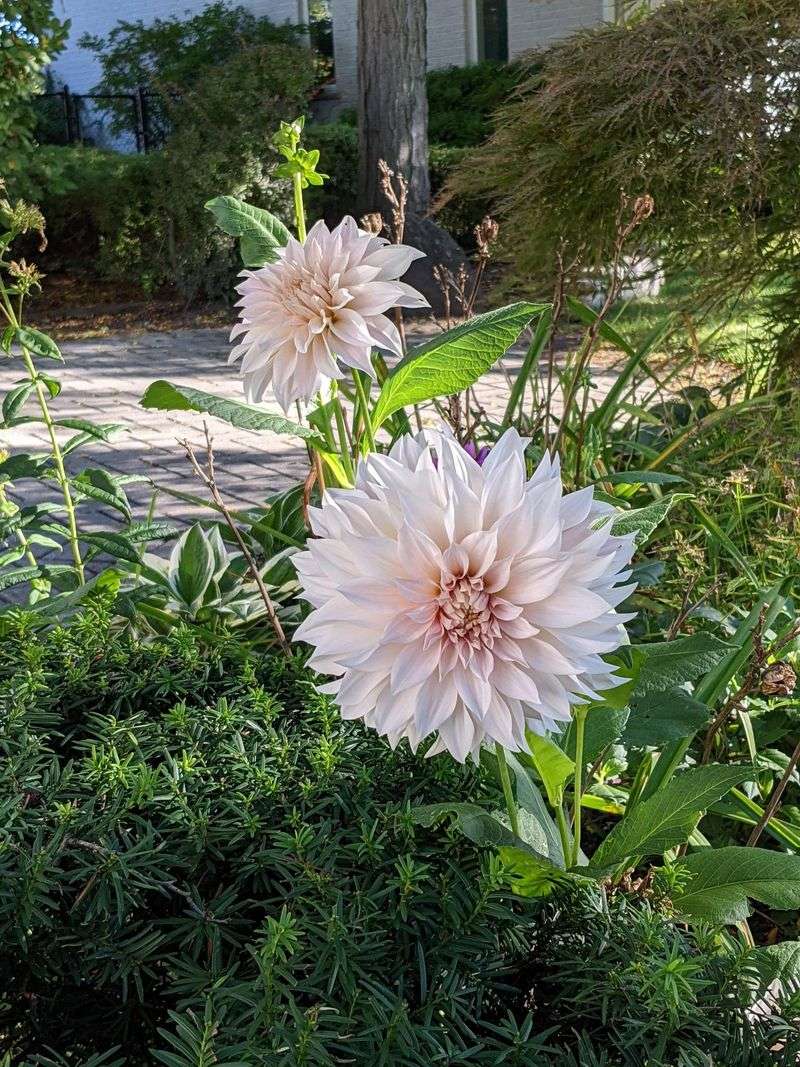
Not every perennial holds moisture the same way. Some genuinely require attention before rain while others handle it fine.
Peonies top the list without much competition. Heavy multi-petaled flowers collapse against stems and stay wet for days.
Botrytis on peonies causes buds to blacken and fail before opening. That damage shows up the following spring rather than immediately.
Dahlias run a close second. Dense flower heads hold enormous amounts of water and break down quickly once they fade.
Zinnias and marigolds both develop mushy centers that stick to foliage. Regular trimming through humid stretches makes a visible difference.
Phlox deserves specific mention, since it already struggles with powdery mildew in North Carolina humidity.
Bearded iris holds spent blooms tightly against leaves where bacterial soft rot can start. Removing them promptly matters.
Roses need the same treatment, particularly the fuller-petaled varieties that ball up in wet weather.
Plants with small dry flowers cause fewer problems. Salvia, catmint, and coreopsis shed spent blooms more readily.
Ornamental grasses and plants grown for seed heads can be left alone entirely.
Start with the heavy-flowered plants when time is short. Those deliver the most benefit per minute spent.