The Most Underrated North Carolina Native Perennial For Instant Autumn Color
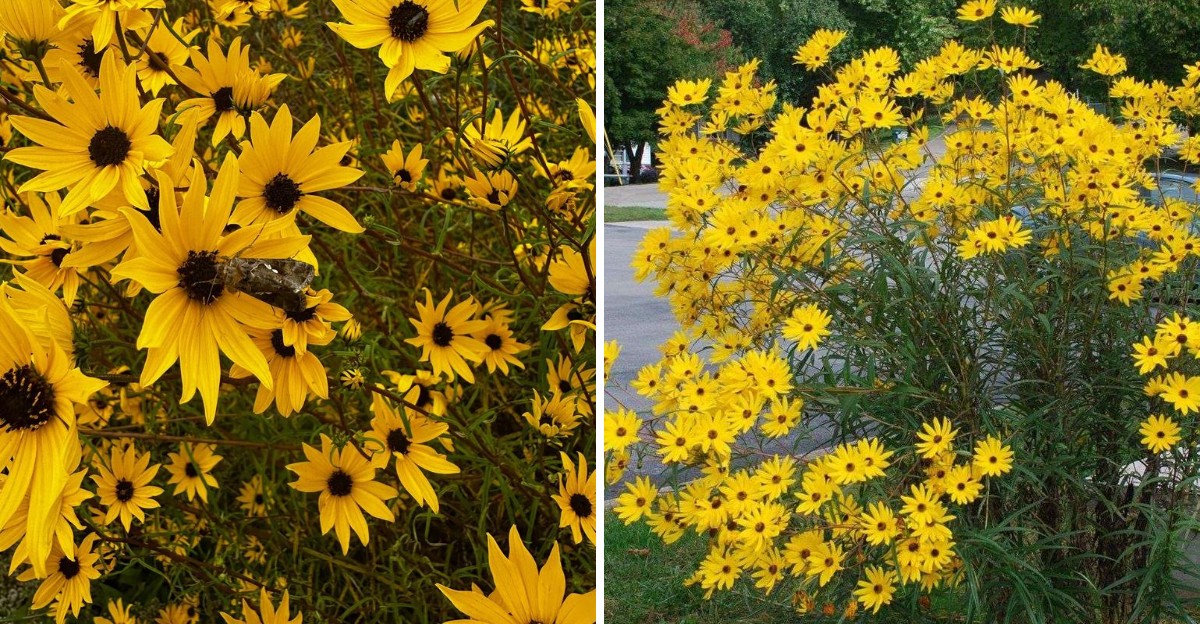
While mums and asters get most of the attention for fall color in North Carolina gardens, swamp sunflower quietly delivers one of the most dramatic seasonal displays in the entire plant world, and almost nobody plants it on purpose.
This towering native can shoot up six feet or more before exploding into a cloud of bright yellow blooms just as most other flowers are winding down for the year, turning an unassuming summer plant into a fall showstopper overnight.
Despite its name, it tolerates far more than swampy ground, handling both wet spots and average garden soil with equal ease once established.
Because it’s native to the region, it shrugs off North Carolina’s unpredictable fall weather without the fussing many popular bloomers demand.
Nurseries rarely stock it, which is exactly why so few yards get to enjoy the kind of instant, eye-catching color swamp sunflower brings right when the rest of the garden is fading.
1. Swamp Sunflower Is A True North Carolina Native
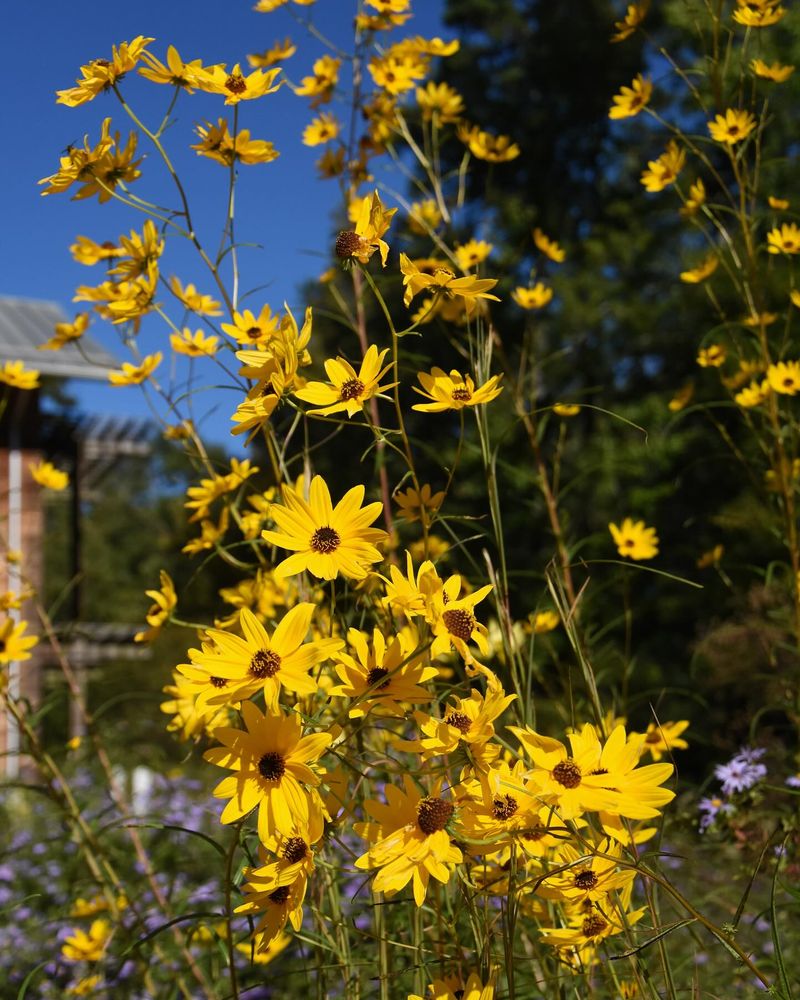
Long before anyone planted it beside a mailbox, swamp sunflower was already painting North Carolina roadsides gold.
Known to botanists as Helianthus angustifolius, it grows wild in wet ditches, along marsh edges, and across moist open fields in the Coastal Plain and Piedmont.
You have probably driven past big patches of it in October without even knowing its name.
Being native is more than a fun label. Over thousands of years, the plant has adjusted to the state’s steamy summers, sticky humidity, and tricky soils.
That history means it already knows how to handle a July heat wave or a week of soaking rain, so it rarely needs you to rescue it.
Getting started is simple. Choose a spot that gets full sun, which means at least six hours of direct light each day, and dig a hole about as deep as the pot.
Water deeply during the first growing season, because young roots need steady moisture while they spread into the soil.
After that first year, your job gets much easier. Established plants usually shrug off summer heat and handle most weather on their own, so you can spend less time with the hose and more time enjoying the view.
Many gardeners find they only water during long droughts. Here is the best part about choosing a local plant.
Swamp sunflower grew in North Carolina habitats long before it ever showed up in garden beds, so planting it feels like inviting an old neighbor back home. Your yard becomes a small piece of the wild landscape that has thrived here for ages.
2. A Wave Of Gold When Most Gardens Fade
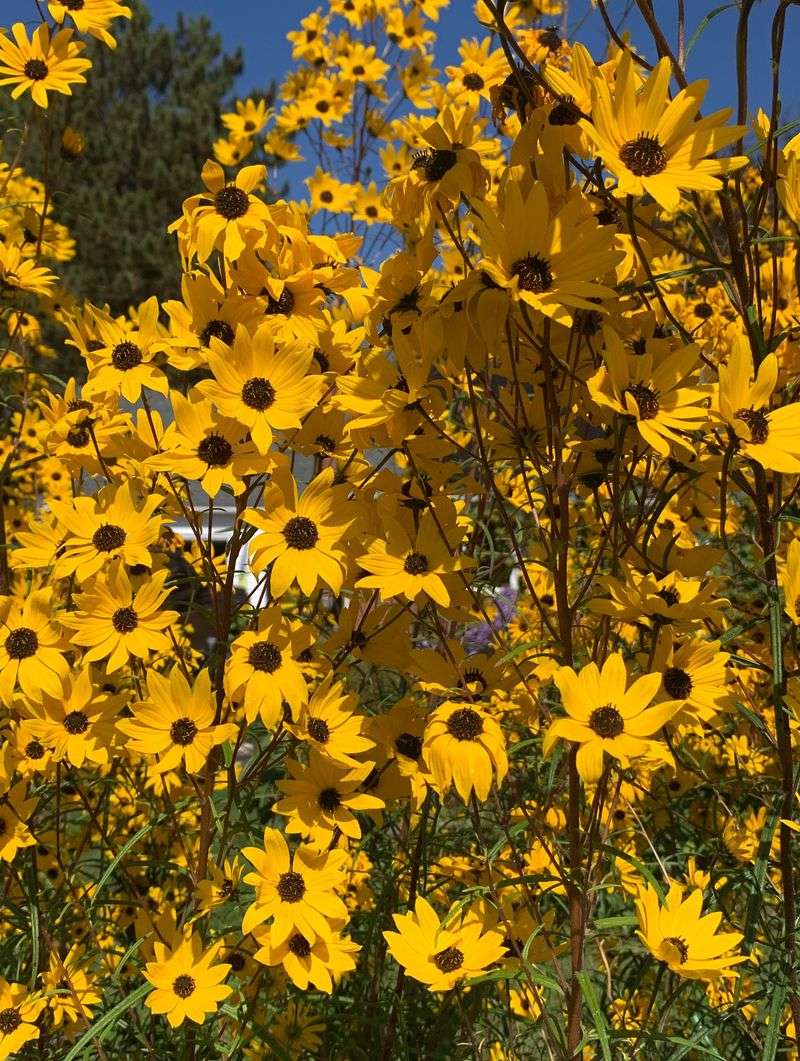
Walk outside in early October and most of the garden looks tired. Coneflowers have gone to seed, black-eyed Susans are winding down, and the zinnias look worn out.
Then swamp sunflower bursts open like someone flipped on a giant yellow light.
From late September through October, a single mature clump can hold hundreds of bright golden blooms. Each flower is about two to three inches across, with sunny petals surrounding a dark purple-brown center.
Your North Carolina Garden Changes Every Week. Your Plan Should Too.
Gardening in North Carolina changes quickly throughout the season. Every Friday you’ll receive a simple weekly plan showing exactly what to plant, prune, fertilize, harvest, and protect so you never miss the right timing.
Timing is what makes this plant so valuable. It blooms after most summer perennials have finished, filling that awkward gap between late summer and the first frost.
Instead of a garden that slowly winds down, you get a bold finale that stops people on the sidewalk. Size matters here, so plan ahead. Mature clumps can reach 5 to 8 feet tall and several feet wide.
Set plants about three to four feet apart so each one has room to spread without crowding its neighbors.
Height can be a real asset when you use it well. Place swamp sunflower at the back of a border, along a fence, or beside a shed where it can act like a living screen.
Shorter fall bloomers such as asters or little bluestem grass look lovely growing in front of it.
North Carolina gives this plant a special advantage. Falls here tend to be long and mild, and in much of the Piedmont and Coastal Plain the first frost often holds off until late October or November. That means weeks of steady bloom, and plenty of time to enjoy the show.
3. Why This Plant Stays So Underrated
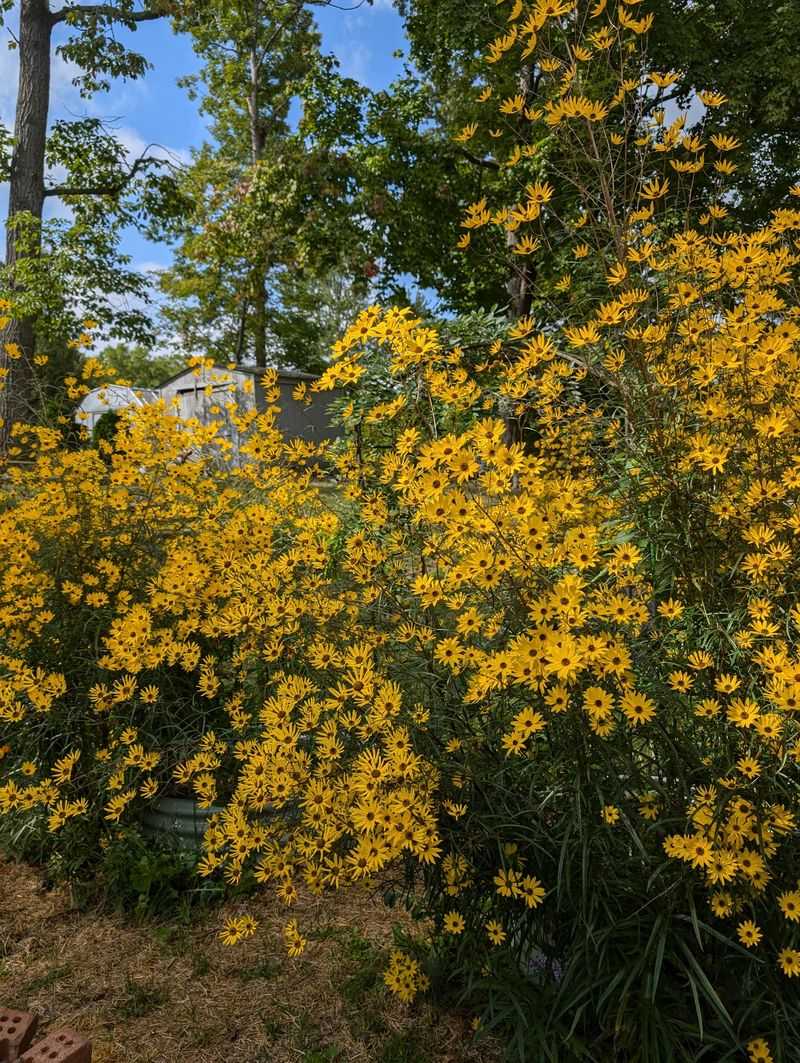
Here is a confession many native plant fans share: they walked right past swamp sunflower for years. From April to August, it looks like a tidy clump of narrow green leaves and nothing more.
No flowers, no drama, just plain foliage quietly growing taller. Garden centers add to the problem. Most shoppers buy plants that are already blooming, and swamp sunflower rarely shows up on shelves in full flower.
A pot of green stems in May simply cannot compete with a table of bright petunias. Then there is the name. Hearing the word swamp makes many people assume it only grows in soggy bottomland or needs a pond nearby.
That single word has probably scared off more gardeners than any pest ever has. The truth is much friendlier.
Swamp sunflower adapts well to regular garden soil as long as it gets full sun and does not stay bone dry for long stretches. Once fall arrives, its late season display ranks among the showiest of any native perennial.
Think about how most people add fall color in North Carolina. Every September, stores fill up with potted mums, which are non-native and often treated like a short-term decoration.
Many get tossed out after one season, and gardeners buy a fresh batch the next year. Swamp sunflower offers a smarter path. It comes back bigger each year, costs nothing after the first purchase, and supports local wildlife in ways a store mum cannot.
Give it one season to prove itself, and it may become the plant your neighbors ask about most.
4. How To Get Color This Fall
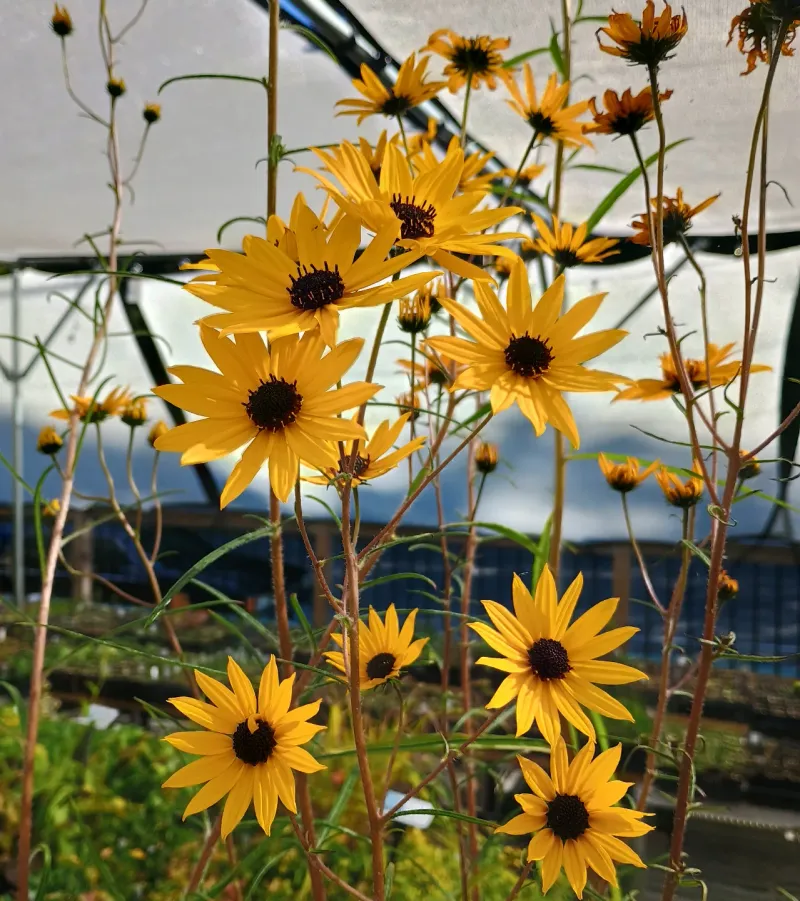
Good news for impatient gardeners: you do not have to wait years for swamp sunflower to shine. With smart timing, you can enjoy golden blooms this very season. The trick is knowing when and where to buy.
Spring planting gives you a head start. Swamp sunflowers set in the ground in April or May usually bloom their first fall, since the plant grows quickly in warm weather. If spring has already passed, though, there is an even faster option.
Shop for plants that are already budding or blooming in early fall. Native plant sales, local nurseries, and botanical garden events often carry container-grown swamp sunflowers in September.
Buying one in flower means instant color the day you bring it home. Planting is straightforward. Pick a spot in full sun, dig a hole about twice as wide as the pot, and set the plant at the same depth it was growing before.
Spread a 2 to 3 inch layer of shredded hardwood mulch around it, keeping the mulch a few inches away from the stems so they stay dry and healthy.
Water is the next key step. Soak the soil deeply once or twice a week until steady fall rains take over the job. Deep watering encourages roots to reach down instead of staying near the surface.
Fall planting works especially well in North Carolina. The soil stays warm well into autumn, even as the air cools, which lets roots keep growing before winter arrives.
By next spring, your plant will have a strong root system ready to push up even more stems.
5. Soil And Moisture It Handles Best
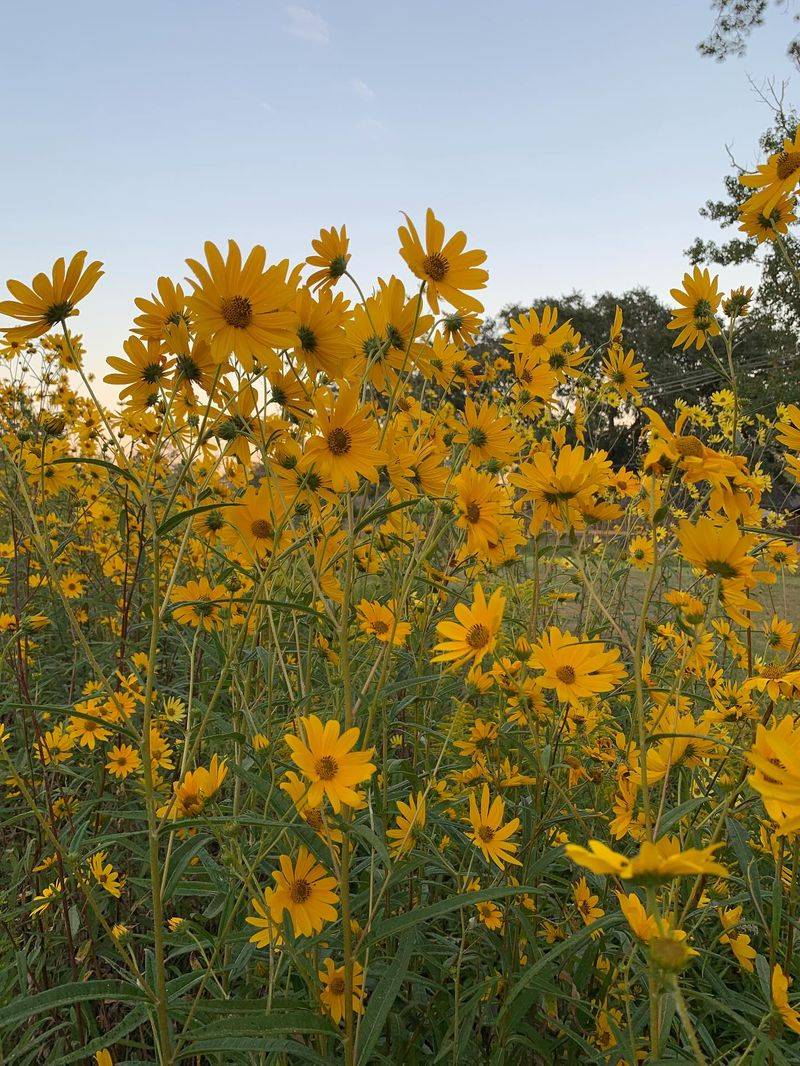
Some plants sulk the moment their feet get wet. Swamp sunflower is the opposite, and its wild past explains why.
In nature, it grows in wetlands, damp ditches, and low meadows that flood after heavy rains, so soggy ground feels like home.
That toughness does not stop at wet soil. It also grows well in average garden beds and even sandy ground, as long as the soil does not stay bone dry for long periods. During a long summer drought, a deep drink every week or so keeps it happy.
Low spots in the yard are a perfect match. If you have a corner where puddles linger or a rain garden that catches runoff from the roof, swamp sunflower will gladly move in.
It also handles heavy Piedmont clay that turns sticky and soggy after summer storms. Skip the fertilizer bag. Rich soil actually works against this plant, pushing it to grow extra tall with weak stems that flop over.
Lean, ordinary soil keeps it sturdier and just as full of flowers. A little compost at planting time is fine if your soil is very poor, but that is all it needs. Many gardeners never feed it at all and still get a stunning fall show.
Less work, better results. This matters a lot in North Carolina. Heavy red clay in the Piedmont and wet, poorly drained soils in the Coastal Plain cause many popular perennials to rot or decline.
Swamp sunflower turns those problem areas into a highlight, giving you color exactly where other plants struggle.
6. Cutting Back Keeps It From Flopping
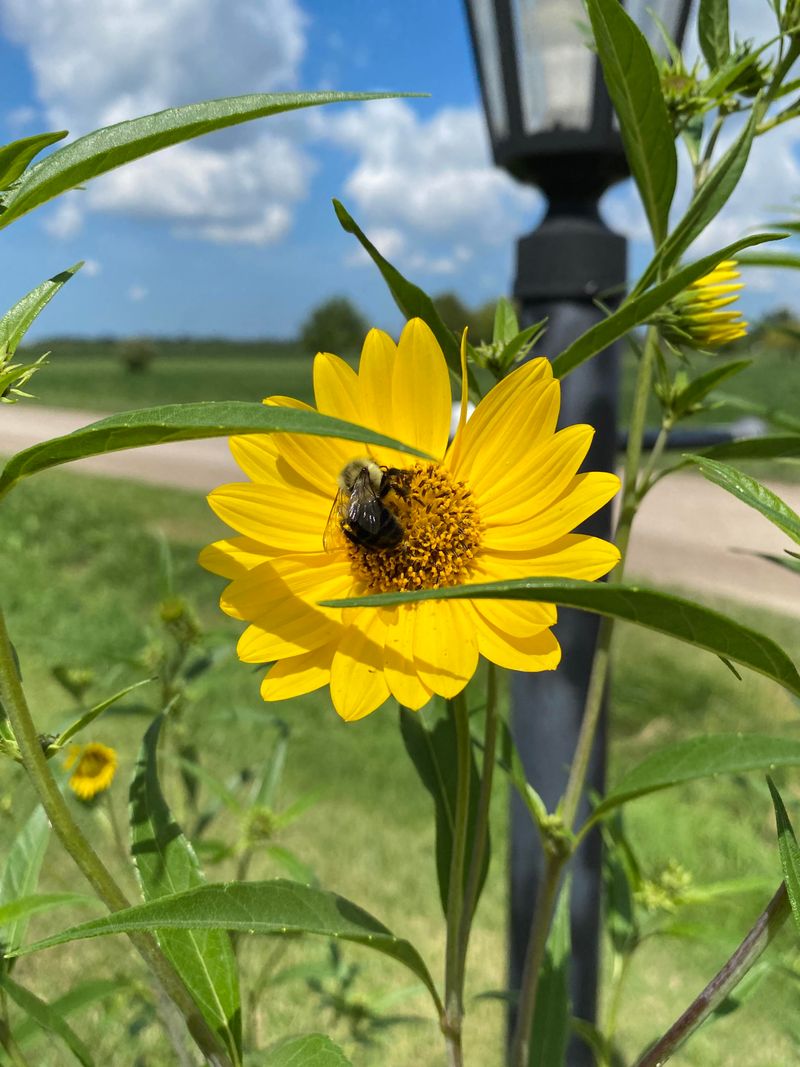
Gardeners have a funny nickname for unpinched swamp sunflowers: the leaning tower. Left alone, plants can shoot up so tall that one strong autumn storm sends them sprawling across the path.
Luckily, a pair of pruners and a little timing fix the problem. Cutting back stems in early summer is called pinching, and it works like magic. When you remove the top of a stem, the plant sends out new side branches below the cut.
Those extra branches create a shorter, bushier plant with more spots for flowers to form. Timing is everything. Cut stems back by about half once between late May and early June, and again in late June or early July if the plant is still racing upward.
Stop pruning by mid-July so the plant has enough time to set its flower buds for fall. Some gardeners like to cut back only the front stems of a clump.
That creates a layered look, with shorter stems up front and taller ones behind, and it can stretch out the bloom period a bit. Try it and see what you like best.
Sunlight plays a big role too. In shade, swamp sunflower stretches toward the light and ends up weak and floppy, no matter how much you prune. Full sun keeps stems thick and upright.
Pinching is extra helpful in North Carolina. Hot, humid summers fuel fast growth, and unpinched plants can easily top 7 or 8 feet by September.
A few quick snips in June mean a tidier plant that stands proud when hurricane season brings gusty fall weather.
7. A Late Season Food Source For Pollinators And Birds
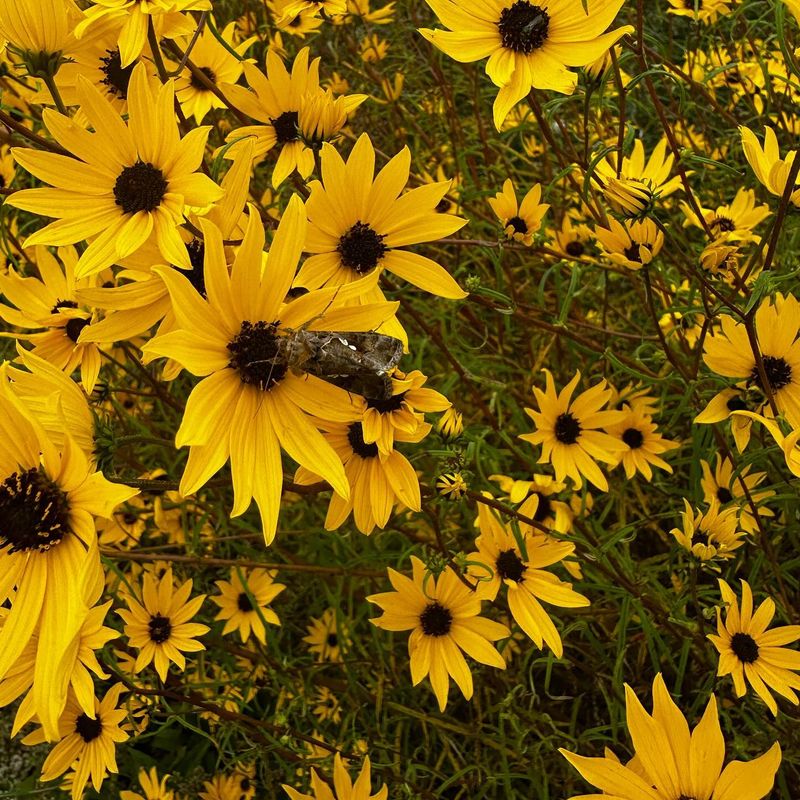
On a sunny October afternoon, a patch of swamp sunflower can buzz like a busy train station. Bumblebees, honeybees, small native bees, and butterflies all crowd the blooms.
Few other flowers are open that late, so this plant becomes a key stop for hungry visitors. Its flowers offer both nectar and pollen when food is getting scarce. Bees need that fuel to build up their strength before winter, and butterflies need energy for long trips.
Monarchs traveling south on their fall migration often pause to sip from the golden blooms. Birds get their turn once the petals drop. The flower heads ripen into small seeds that goldfinches and other seed-eating birds love to pick at.
Watching a flock of bright little finches cling to the stems is one of the sweetest sights of late fall.
To help wildlife, resist the urge to tidy up too fast. Leave some seed heads standing after bloom instead of cutting everything back in November.
Hollow stems can also give small insects a place to shelter through the cold months.
Wait until late winter or early spring to cut the remaining stalks down to a few inches above the ground. By then, the birds have eaten most of the seeds, and new growth will soon push up from the base.
North Carolina sits right along the fall migration path for monarch butterflies heading to Mexico. Every garden that offers late nectar gives these travelers a helpful rest stop.
A single clump of swamp sunflower turns your yard into part of that amazing journey.
8. Managing Its Spread And Where It Grows Best
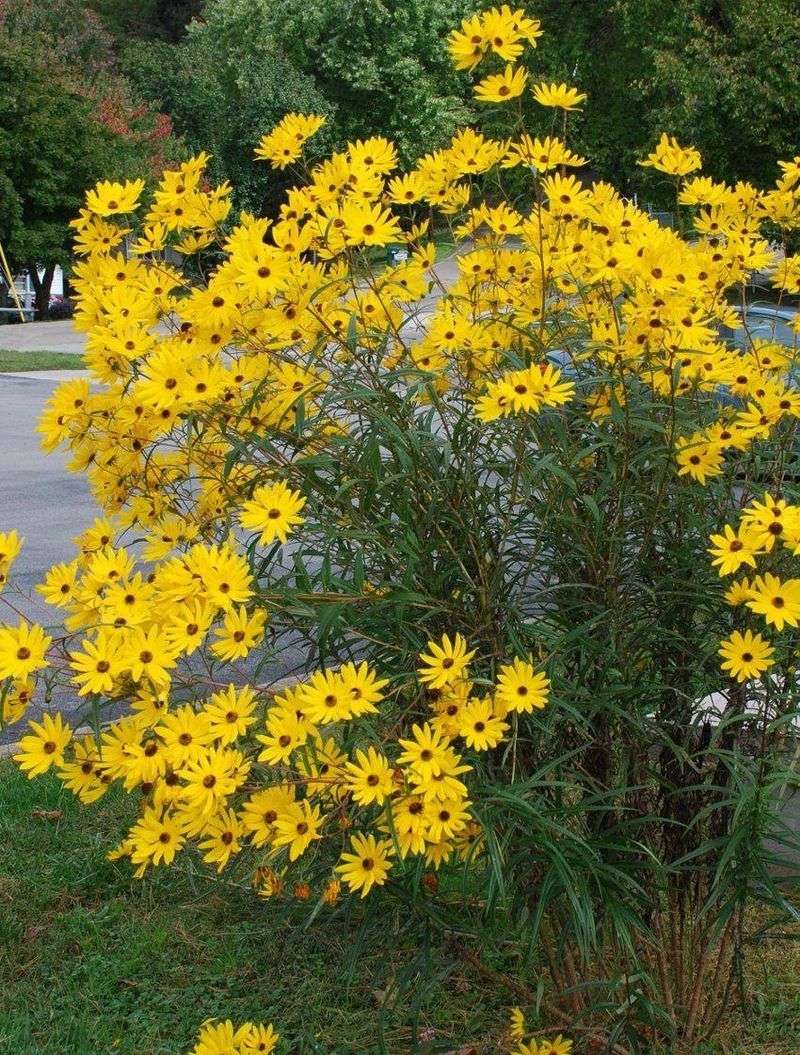
Plant one swamp sunflower, and in a few years you may have a whole golden patch. That is because it spreads slowly underground through rhizomes, which are creeping stems that send up new shoots around the edge of the clump.
Spreading might sound scary, but this plant is easy to manage. It expands outward from the main clump rather than scattering seeds all over the yard.
That means you always know where new stems will appear and can control them with a shovel.
Dividing is the simple solution. Every two to three years in early spring, just as new shoots appear, dig up part of the clump and slice it into sections with a sharp spade.
Replant a healthy piece in the original spot and move the rest to new areas. Extra divisions make wonderful gifts. Friends, neighbors, and local plant swaps are always happy to take a free native perennial.
You get a tidier garden, and someone else gets their own autumn show. Location still matters. Pick a spot where a wide clump is welcome, like a large border, a fence line, a wildflower meadow, or the edge of a rain garden.
Avoid tiny beds where it might crowd out smaller plants. Across North Carolina, it performs best in the Coastal Plain and Piedmont, where warm seasons and moist soils suit it perfectly. It can also grow in lower Mountain elevations with plenty of sun.
In the coldest high-elevation areas, though, harsh winters and short seasons make it less reliable, so mountain gardeners may want to test a single plant first.