Why Your Florida Desert Rose May Suddenly Stop Blooming As Summer Winds Down
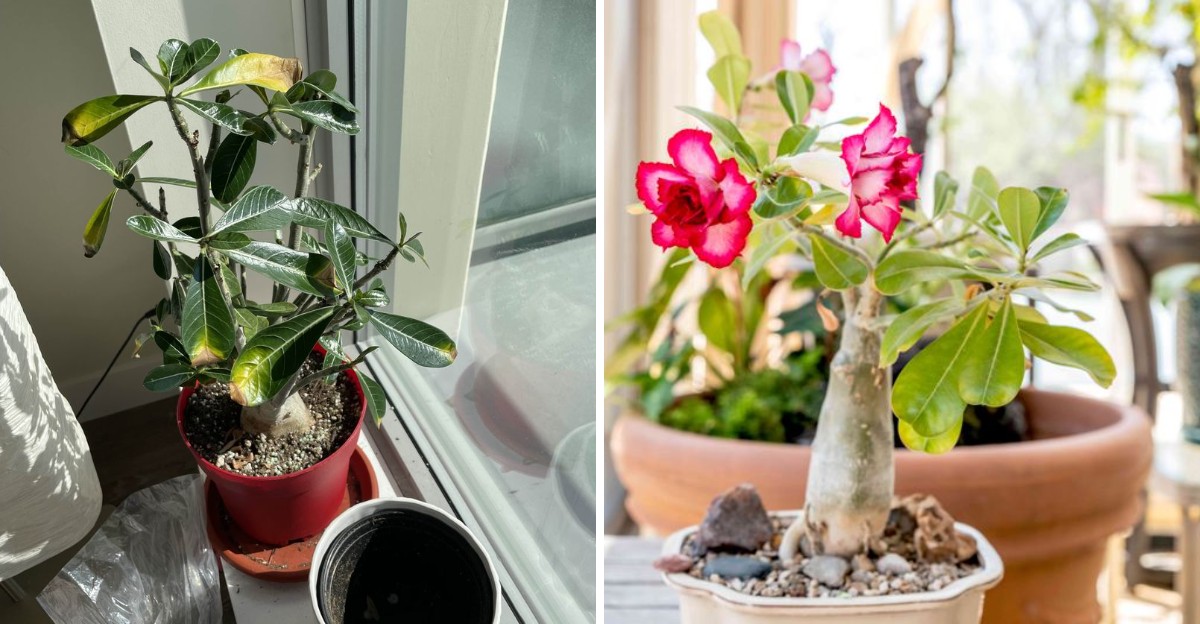
Your desert rose did not forget how to bloom. It simply changed the conversation.
After months of heat and flowers, a sudden pause can feel like the plant has abandoned its usual performance, especially when it still looks green and healthy. That is what makes this change so confusing.
A desert rose can appear perfectly fine while quietly shifting its priorities based on what is happening around it. The same Florida conditions that fueled months of growth can eventually push the plant in another direction.
The pot, the roots, the watering routine, and even small changes in its surroundings can all influence whether those bright flowers keep appearing. Before you treat the missing blooms as a problem, look closer at what changed first.
Your desert rose is still telling you something. The trick is understanding why it decided to stop showing flowers.
1. Dormancy Kicks In Naturally
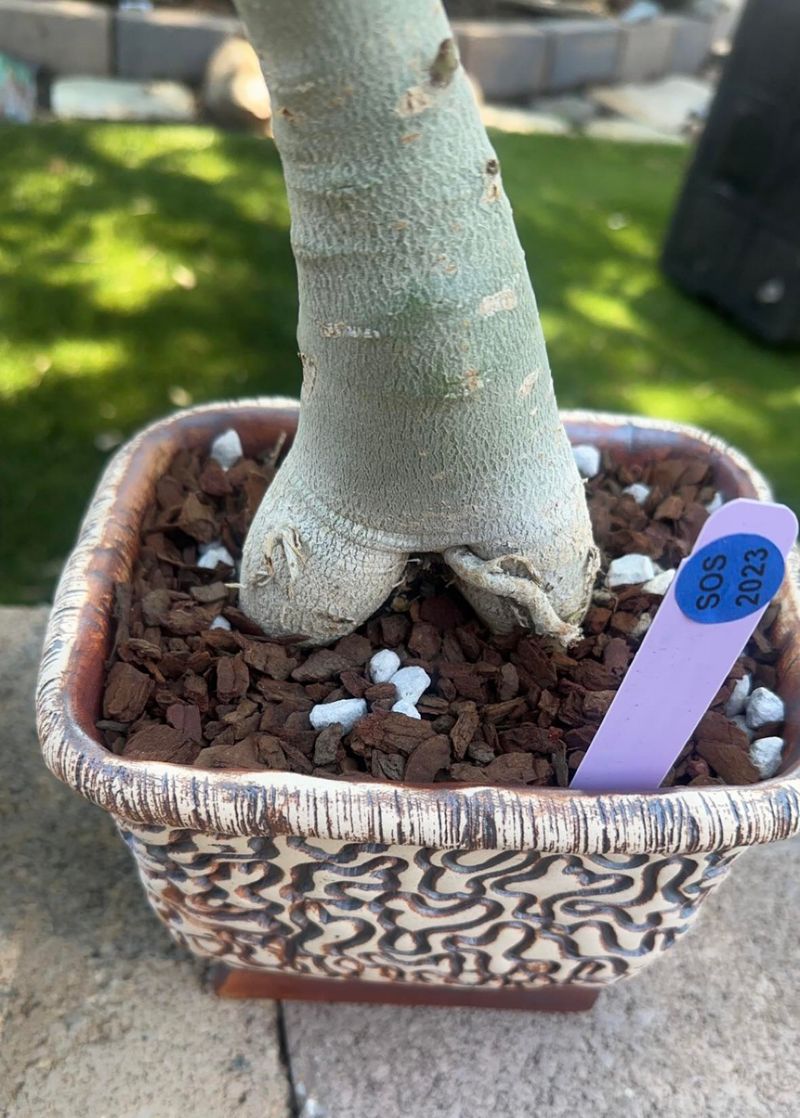
Think of your desert rose as a plant that likes to take a long nap when the weather turns cool. As temperatures cool and daylight decreases, desert roses may naturally slow their growth.
In colder areas, they can enter dormancy, while Florida plants may continue growing through much of the year.
During this time, growth slows way down. Some plants may lose leaves as they slow down, although yellowing and leaf drop can also signal watering or stress issues.
This is not a sign of sickness at all.
Instead, your plant is smartly saving its energy for the next warm season. It pulls back on all the flashy stuff, like blooms, so it can focus on staying alive during the tougher months ahead.
The best thing you can do is relax and let it happen. Trying to force blooms during dormancy will only stress your plant out and waste its stored energy.
Give it less water, keep it in a warm-ish spot, and be patient. When spring returns with longer, warmer days, your desert rose will wake up refreshed.
Fun fact: many succulents and desert plants use this same trick to survive harsh seasons in the wild. Your desert rose is simply following the same ancient survival plan its ancestors used in dry, seasonal climates across parts of Africa and the Arabian Peninsula
2. Not Enough Sunlight Reaching The Leaves
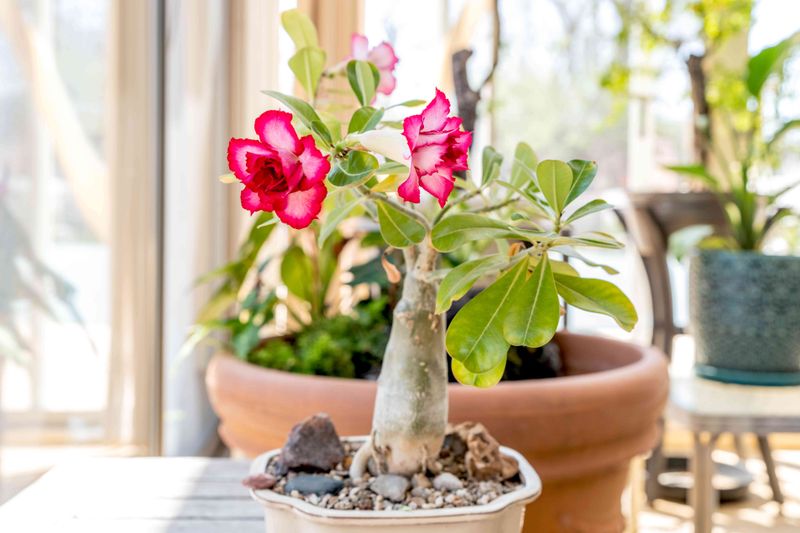
Sunlight is basically fuel for a desert rose. These plants thrive in bright, direct sunlight, with several hours of sun each day helping support healthy growth and flowering.
As summer fades, the days get shorter and the sun sits lower in the sky. That means your plant is getting less intense light and for fewer hours than it did in July.
Without enough sunshine, your desert rose simply cannot make the energy it needs to produce blooms. It might keep its leaves, but the flowers will slow down or stop completely.
If your plant must stay indoors, place it in the brightest location available, but Florida-grown desert roses generally perform best outdoors in warm, sunny spots.
Keep the leaves clean too. Dust on the foliage blocks light from getting in, so wipe them gently with a damp cloth now and then.
Your Florida Garden Changes Every Week. Your Plan Should Too.
Gardening in Florida changes quickly throughout the season. Every Friday you’ll receive a simple weekly plan showing exactly what to plant, prune, fertilize, harvest, and protect so you never miss the right timing.
Even a small change in location can make a big difference. Watch how the sun moves through your home during the day and place your plant where it soaks up the most rays.
More light usually means more blooms, so chasing the sunniest spot is always worth the effort with this cheerful plant.
3. Cooler Temperatures Signal A Slowdown
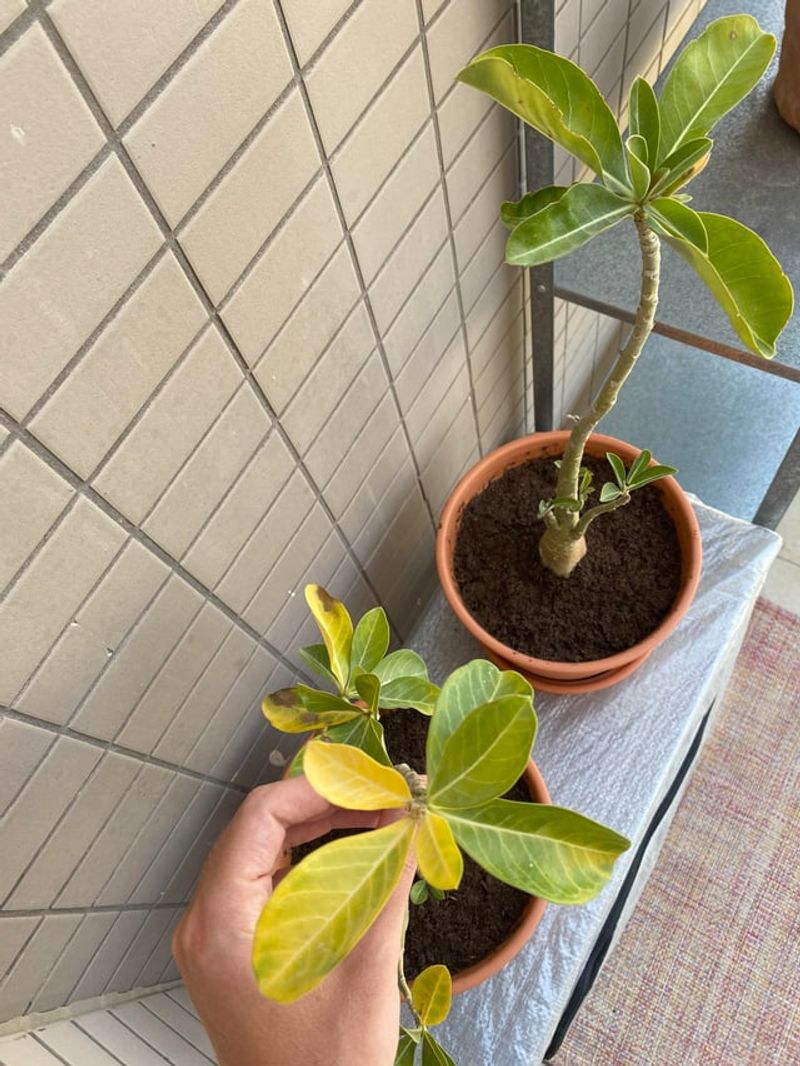
Warmth is what makes a desert rose truly happy. These plants thrive in warm conditions, with growth slowing as temperatures drop.
When the end of summer brings cooler air, your plant notices right away. Falling temperatures act like an alarm clock in reverse, telling it that rest time is coming.
Cold is a real danger here. Desert roses cannot handle frost at all, and even a chilly night can shock them into stress mode, which shuts down blooming fast.
Protect outdoor desert roses when temperatures approach freezing or frost is expected, especially young plants and container-grown specimens. A cozy indoor spot away from cold drafts and windows will keep it comfortable.
Avoid placing it near air conditioning vents or doors that let in cold gusts. Sudden temperature swings can be just as harmful as steady cold.
Keeping your desert rose warm will not always bring back summer blooms, since other seasonal factors are at play too. But it does protect the plant from real harm and helps it stay healthy through the resting months.
Think of warmth as a gift that keeps your plant safe. Once spring warms things back up, it will reward your care with fresh flowers.
4. Watering Too Much At The Wrong Time
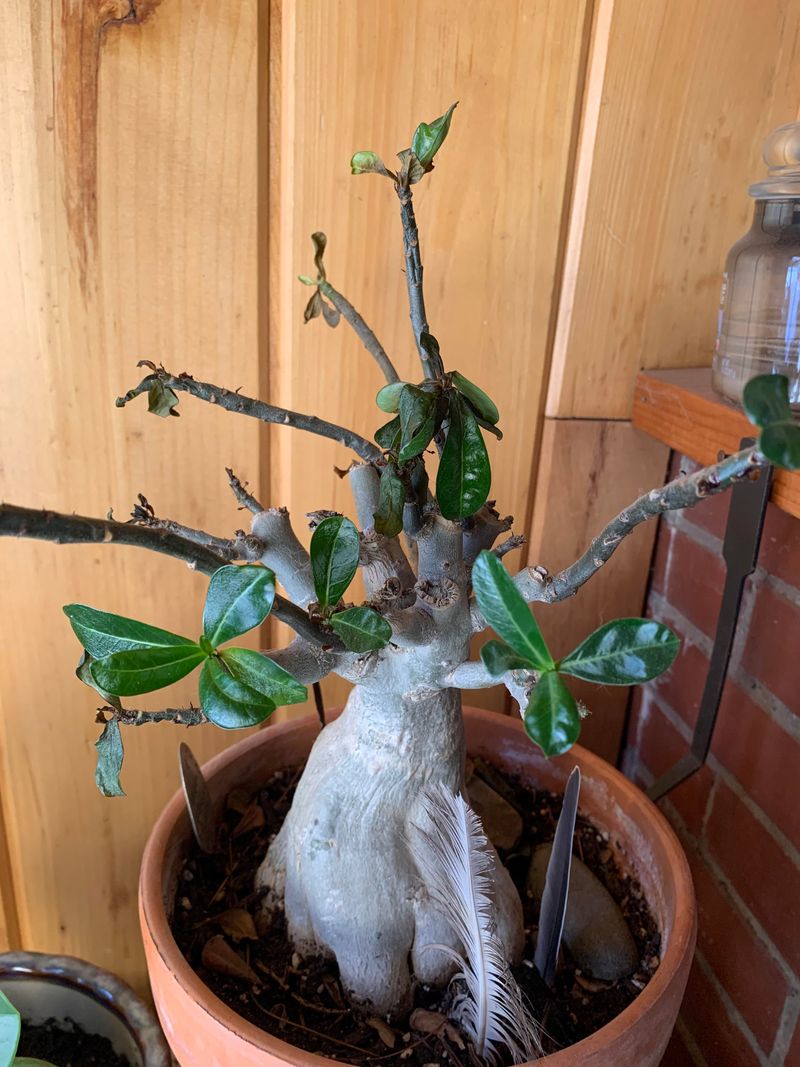
Here is a mistake that trips up many plant lovers. During summer, a desert rose drinks plenty of water to fuel its growth and blooms, so you get used to giving it a good soak.
As the weather cools and the plant heads toward dormancy, its thirst drops dramatically. Keeping up that same summer watering schedule can spell trouble.
Too much water sitting around cool, resting roots leads to root rot, which is one of the fastest ways to lose a desert rose. Rotting roots cannot support flowers, or even the plant itself.
The fix is simple: cut way back on watering as fall arrives. Allow the soil to dry significantly between waterings, then water thoroughly.
Feel the soil with your finger before reaching for the watering can. If it is still damp an inch down, wait a few more days.
The plant’s swollen base, called a caudex, actually stores water for the plant, so it can go quite a while without a drink during dormancy.
Underwatering slightly is far safer than overwatering in the cool season. When you match your watering to the plant’s slower pace, you protect those precious roots and set the stage for a healthy comeback.
5. Feeding Your Plant When It Wants To Rest
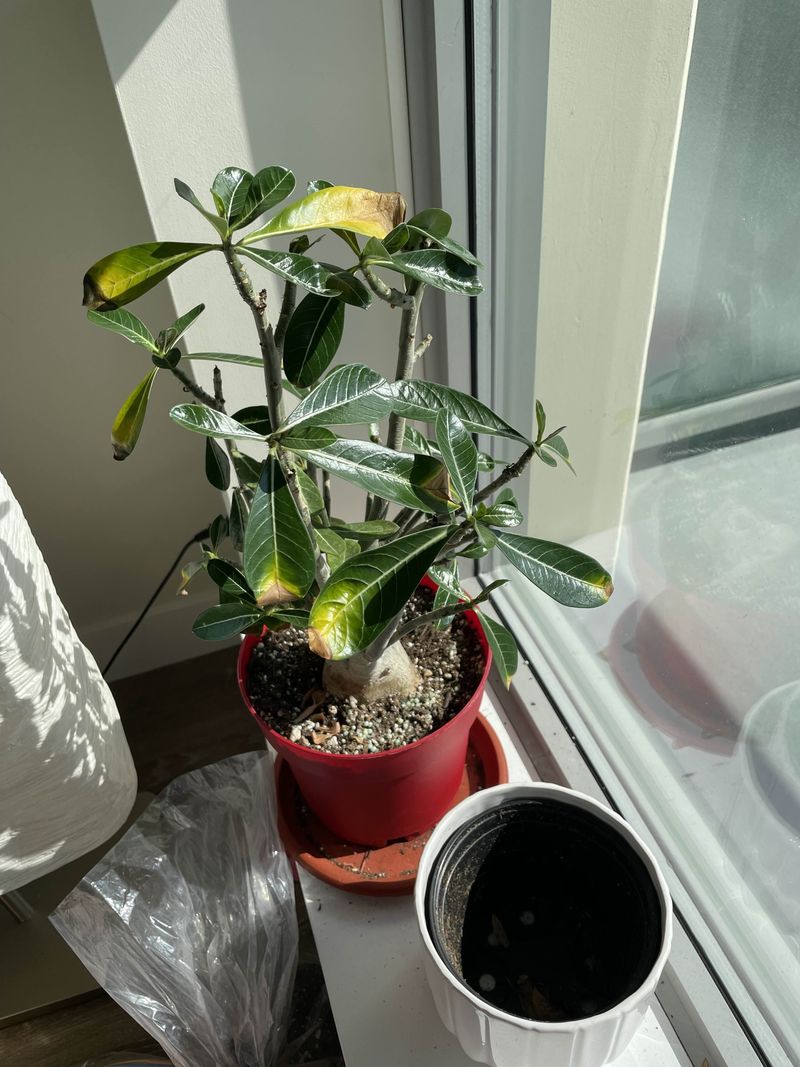
Fertilizer is like a healthy meal for your desert rose during its busy growing months. During active growth, regular feeding can support flowering, but fertilizer should be reduced when the plant naturally slows down.
Once the plant starts preparing for its winter nap, though, it no longer needs those extra meals. Continuing to fertilize can actually work against you.
An overload of nitrogen, a common ingredient in plant food, pushes the plant to grow leafy green shoots instead of flowers. You end up with a bushy plant and no blooms, which is not the goal.
Worse, feeding a dormant plant that is not actively growing can build up unused nutrients in the soil and harm the roots over time.
The smart move is to stop fertilizing as summer winds down and the plant slows its growth. Let it coast through the cool months on its own stored energy.
Pick up your feeding routine again in early spring when new growth appears and warmer days return. That is when the extra nutrients will truly help.
A balanced fertilizer with appropriate nutrients can support flowering, while avoiding excessive nitrogen that encourages leafy growth. Timing and the right blend make all the difference for a flowering desert rose.
6. Dry Air Causing Buds To Drop
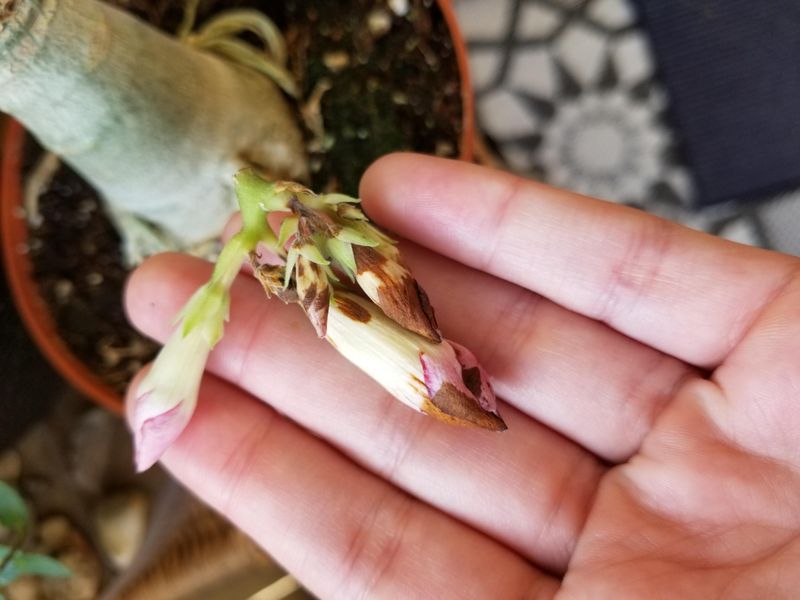
Ever notice flower buds forming and then falling off before they ever open? Low humidity is often the sneaky culprit behind this frustrating problem.
When buds form but fail to open, sudden changes in conditions are often the reason. Shifts in temperature, light, watering, or location can cause a desert rose to drop developing flowers.
The dry conditions cause buds to abort, meaning they give up and drop instead of blooming.
This happens a lot as summer ends and heaters kick on indoors. Home heating systems suck moisture out of the air, leaving your plant in a desert-dry environment that is too extreme even for a desert plant.
You can boost humidity around your plant in a few easy ways. Instead of increasing humidity, focus on stable temperatures, strong light, and consistent watering habits.
Grouping plants together also helps, since they naturally release moisture and create a slightly more humid pocket of air around each other.
Keep your Florida desert rose away from heating vents and radiators that blast hot, dry air right at it. That harsh airflow makes bud drop even worse.
A small room humidifier nearby can work wonders during winter months. With a bit more moisture in the air, those buds have a better chance of opening into the gorgeous flowers you love.
7. Your Desert Rose May Have Outgrown Its Pot
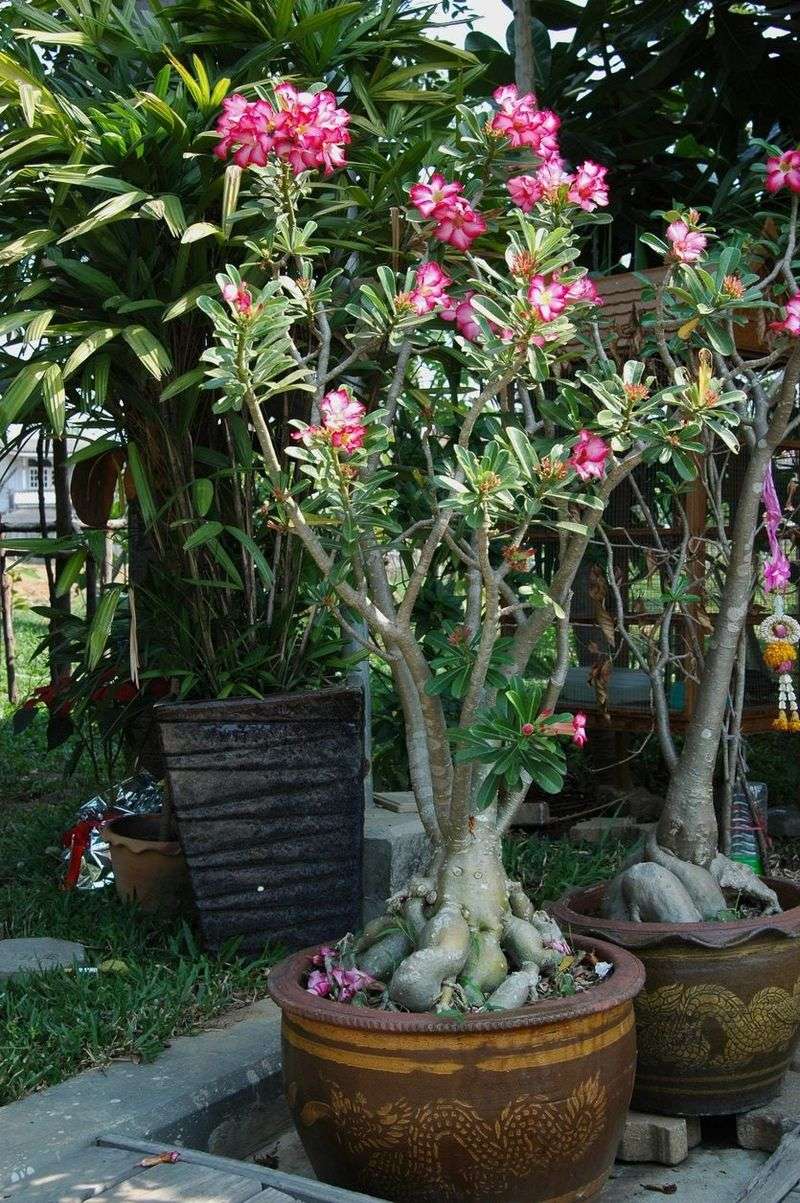
A desert rose can look perfectly healthy above the soil while its roots are quietly running out of room below. When the root system becomes crowded, the plant may focus its energy on maintaining itself instead of producing new flowers.
A pot that is too small can dry out quickly, making watering inconsistent. On the other hand, a container that is too large can hold excess moisture around the roots, creating the exact conditions desert roses dislike.
Look for signs like roots circling the drainage holes, soil drying unusually fast, or a plant that seems to stop growing despite good light and care.
Repotting is not something you need to do constantly, but refreshing the soil and moving the plant into a slightly larger container when needed can encourage healthier growth. The key is choosing a pot with excellent drainage and avoiding a container that gives the roots more wet soil than they can use.
A comfortable root system gives your desert rose the foundation it needs to return to flowering.
8. Sudden Changes Can Make Your Desert Rose Drop Its Flowers
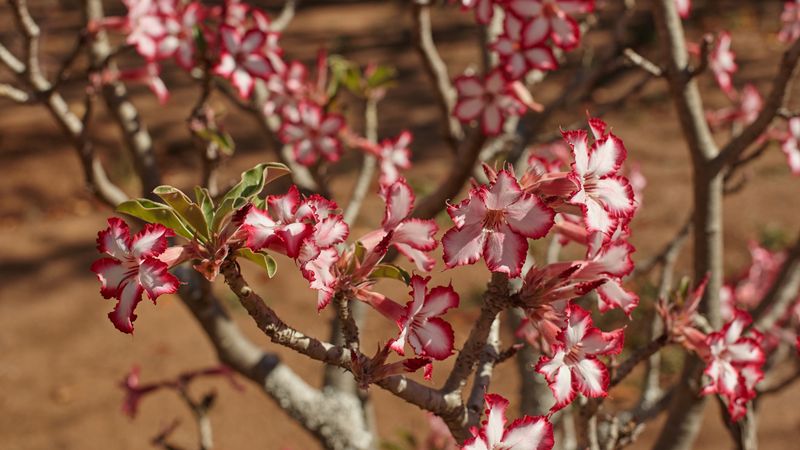
Desert roses may be tough plants, but they do not love sudden changes. A move from one location to another, a major shift in watering, or a quick change in temperature can cause stress that shows up as fewer blooms.
This is especially common when a plant moves from a bright outdoor spot into a darker indoor location. Even though the new spot may protect it from cooler weather, the sudden drop in light can tell the plant that conditions have changed.
The same thing can happen after storms, heat waves, or periods of inconsistent care. Your Florida desert rose may pause flowering while it adjusts and focuses its energy elsewhere.
Instead of making several changes at once, adjust conditions gradually. Keep the plant in a stable environment with strong light, proper watering, and warm temperatures.
Sometimes the fastest way to get flowers back is simply giving your desert rose time to settle.