The Native Texas Wildflower To Sow Now For A Roadside-Worthy Spring
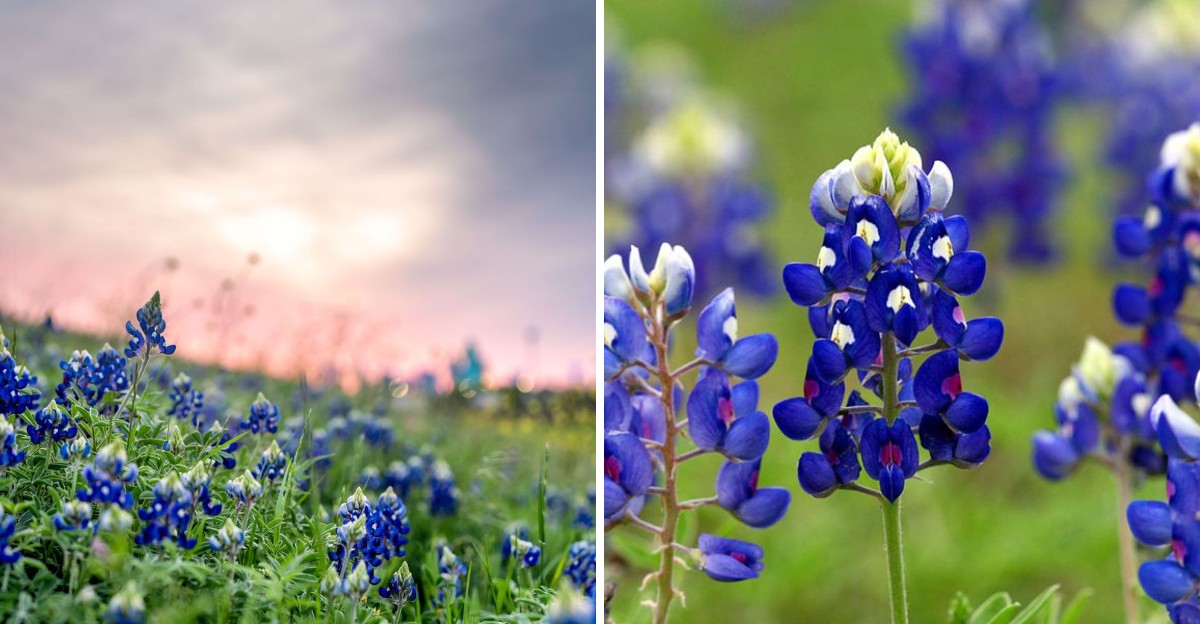
The most spectacular wildflower displays along Texas roadsides don’t happen by accident, and they don’t happen from spring planting either.
The color that stops traffic in March and April was put in the ground months earlier, during a window that most homeowners with their own patches of land either don’t know about or assume doesn’t apply to their smaller scale efforts.
It applies. And the window is open right now.
Native Texas wildflowers sown in fall go through a natural process over winter that improves germination, strengthens seedlings, and produces the kind of dense, abundant spring bloom that late season or spring sowing rarely replicates.
The difference between a fall sown wildflower patch and a spring sown one is visible from the road.
One particular native Texas wildflower defines this effect more than any other, producing a spring display that looks like the highway department had something to do with it when the timing is right.
Sow Texas Bluebonnet Seeds This Fall
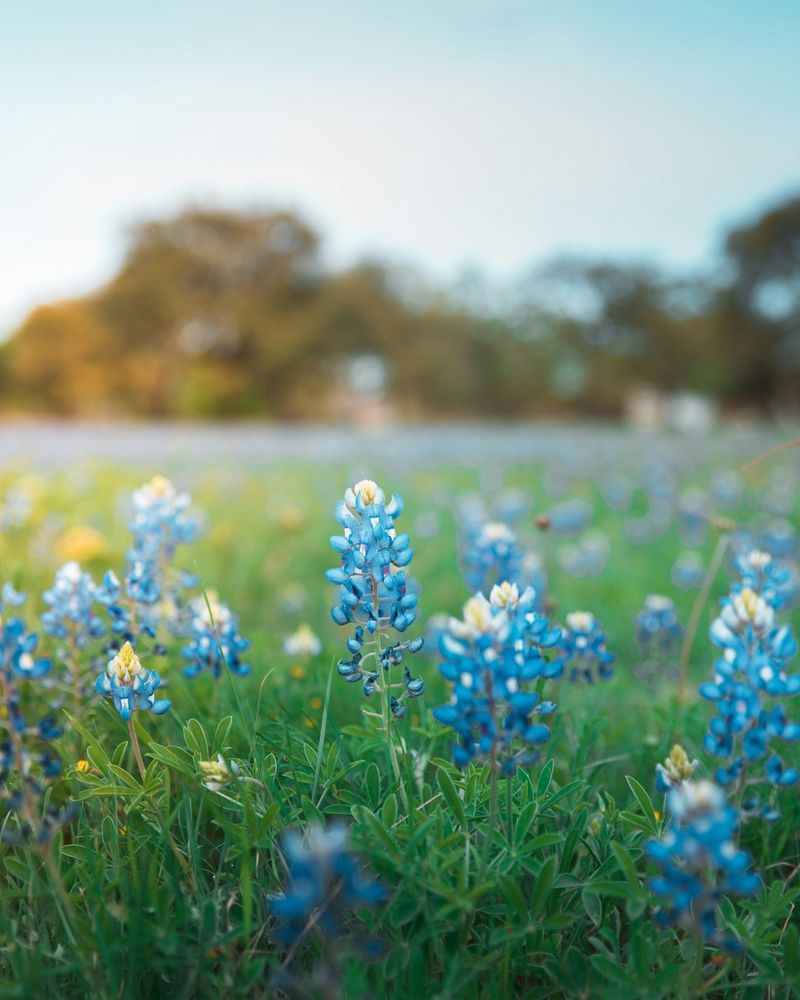
Fall is the moment true bluebonnet fans wait for all year. When you scatter the seeds now, you give Texas its most famous flower a head start on a stunning spring show.
The Texas bluebonnet is a native plant, which means it belongs here and grows well in local weather. Because it evolved in this region, it handles the ups and downs of Texas seasons better than many flowers you might buy at a store.
Planting native also helps bees, butterflies, and other pollinators that depend on it. Timing matters more than almost anything else with these seeds. Sowing in autumn lets the young plants root and grow slowly through the cool months.
By the time spring arrives, they are strong and ready to burst into color. You can find bluebonnet seeds at garden centers, feed stores, and online. Look for seeds labeled for Texas or the Lupinus texensis species to make sure you get the real thing.
Some seeds come already treated so they sprout faster. If yours are not treated, you can gently rub them with sandpaper or soak them overnight to help water reach the inside.
Spread the seeds where you want a natural, spread-out look rather than neat rows. Bluebonnets grow best when they can fill in gaps on their own.
Fun fact: Texas actually recognizes several kinds of bluebonnets as the state flower, not just one. Planting now sets you up for that famous roadside blue that people travel across the state to see each spring.
Why Fall Is The Right Time For Bluebonnets
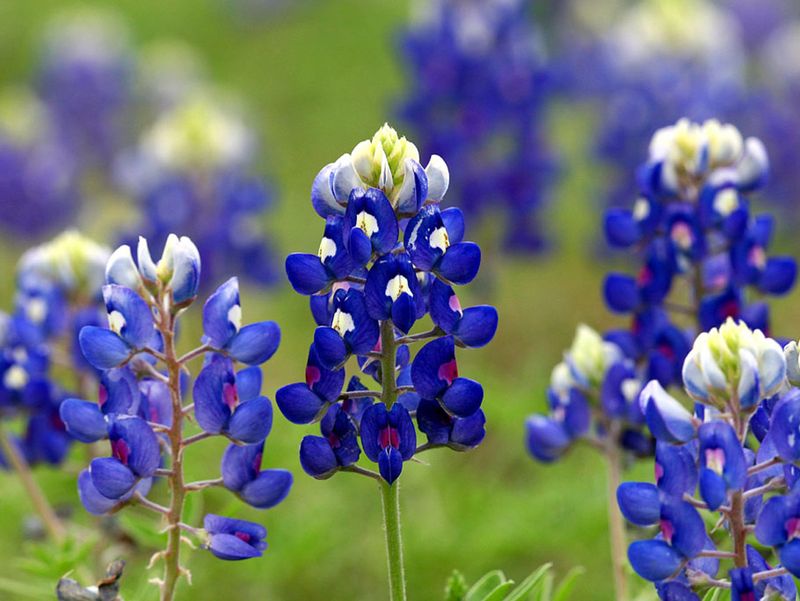
Ever wonder why bluebonnets seem to appear all at once every spring? The answer starts months earlier, in the quiet weeks of fall.
These plants follow a natural clock. When you plant in autumn, the seeds sprout while the weather is still mild.
The little seedlings then spend the winter growing roots and low, leafy rosettes close to the ground.
Cool weather does not slow bluebonnets down the way it does many other flowers. In fact, they thrive during those chilly months. While much of the garden rests, bluebonnets are busy building strength underground.
Your Texas Garden Changes Every Week. Your Plan Should Too.
Gardening in Texas changes quickly throughout the season. Every Friday you’ll receive a simple weekly plan showing exactly what to plant, prune, fertilize, harvest, and protect so you never miss the right timing.
Waiting until spring to plant almost never works well. The seeds need those cool weeks first, and by spring the heat comes too fast for young plants to catch up. That is why timing is the biggest key to success.
Rain in fall and winter also helps a lot. Natural moisture during these seasons feeds the growing plants without much effort from you. Nature does most of the watering.
By late winter, your bluebonnets should look like small green clumps hugging the soil. This is exactly what you want to see. It means they are healthy and getting ready for their big moment.
Then, when spring warmth returns, all that hidden growth pays off. Tall stalks shoot up and open into the deep blue blooms Texas is known for.
Understanding this schedule takes the guesswork out of gardening. Instead of fighting the seasons, you work with them.
Plant now, be patient through the cold, and let the plants do their thing on their own natural timeline.
Pick The Right Spot For Bluebonnets
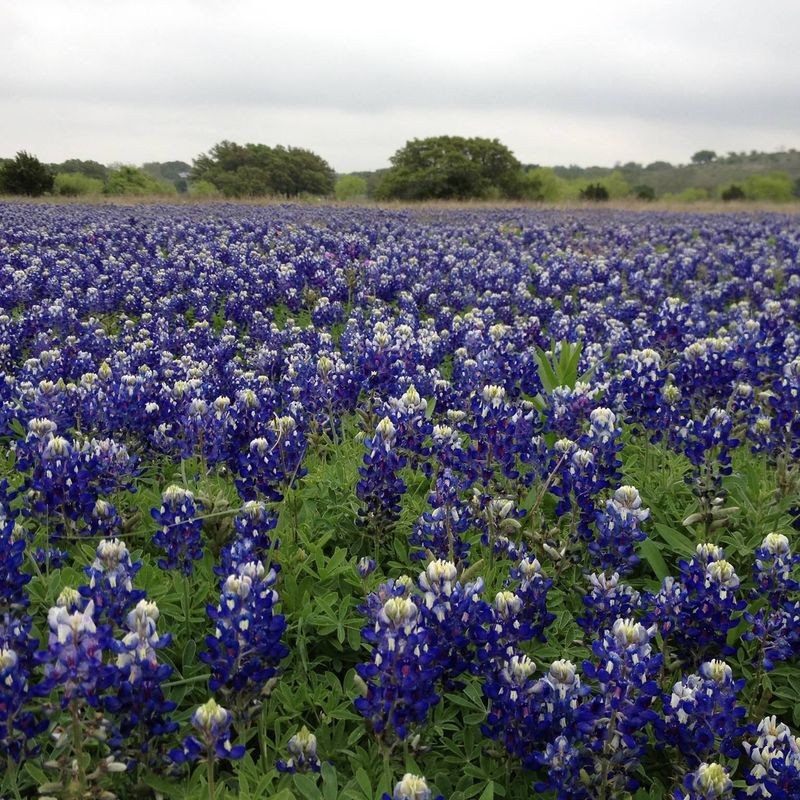
Location can make or break your bluebonnet patch. Choose wisely, and these flowers will reward you for years to come.
Sunshine is the number one thing bluebonnets crave. Pick a spot that gets full sun, meaning at least six to eight hours of direct light each day. Shady corners simply will not produce those thick, colorful blooms.
Good drainage comes next. Bluebonnets hate sitting in soggy soil, so avoid low areas where water pools after rain.
Sandy or gravelly ground works great because water drains right through it. Think about space, too. These plants like room to spread out and reseed themselves. A wide, open area gives them the freedom to fill in naturally over time.
Roadside edges, sunny slopes, and open field corners often make ideal homes. If part of your yard already looks a little wild and sunny, that may be the perfect place.
Try to skip spots crowded with thick grass or aggressive weeds. Bluebonnets do not compete well against plants that hog water and light. An open, less crowded area gives them the upper hand.
Slopes and raised ground offer a bonus. Because water runs off instead of collecting, the roots stay healthy and never get waterlogged.
If you are unsure about your soil, dig a small hole and pour in water. If it drains within an hour or so, that spot should suit bluebonnets nicely.
Once you find that sunny, well-drained, roomy space, you are halfway to a gorgeous display. The right location lets nature take over and turns a simple patch into a spring showstopper.
Prepare The Soil Before Sowing
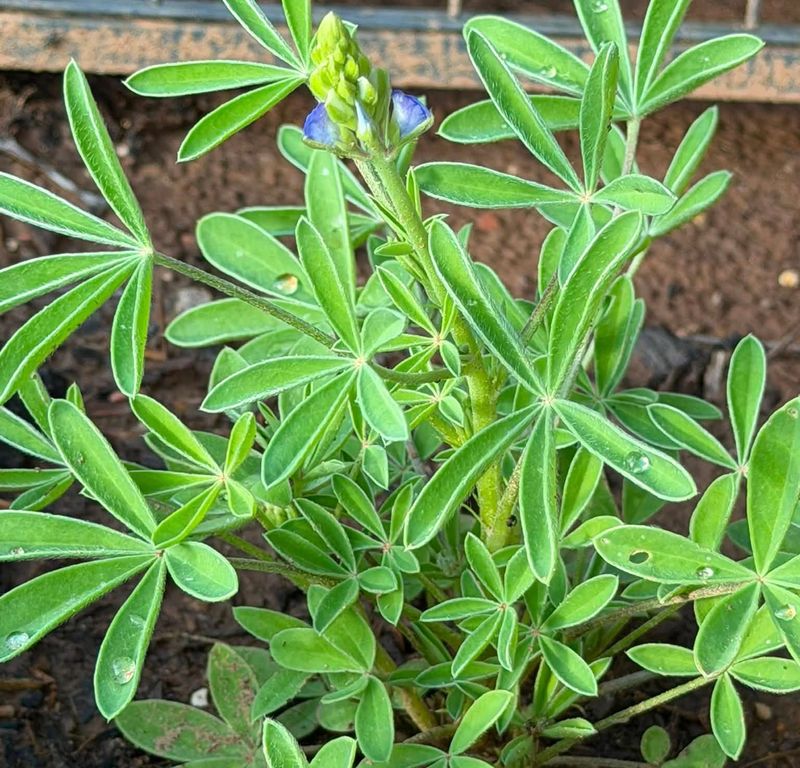
A little prep work now saves you plenty of frustration later. Getting the soil ready gives your seeds the best possible start.
Start by clearing out competing plants. Pull weeds and remove thick grass from the area where you plan to sow. These fast growers steal water and sunlight that your bluebonnets need.
Next, loosen the top layer of soil. Use a rake or hoe to scratch up the surface about an inch or two deep. Loose soil lets the tiny seeds nestle in rather than sitting on hard, packed ground.
You do not need fancy tools or expensive fertilizer. Bluebonnets actually prefer poor, lean soil, so skip the rich compost that other flowers love. Too many nutrients can lead to lots of leaves but fewer blooms.
The goal is good seed-to-soil contact. When seeds touch bare soil directly, they take in moisture and sprout more reliably. Seeds sitting on top of leaves or thatch often dry out and never grow.
After scattering your seeds, press them gently into the surface. Walking over the area or pressing with the back of a rake works well. You want them snug against the dirt but not buried deep.
Aim to cover seeds only lightly, about a quarter inch or less. Bluebonnet seeds need a bit of contact but should not be planted too far down.
Clearing, loosening, and pressing may sound like small steps, but together they matter a lot. This simple routine turns a rough patch of ground into a welcoming bed where your future flowers can truly take hold.
Give The Seeds Time To Establish
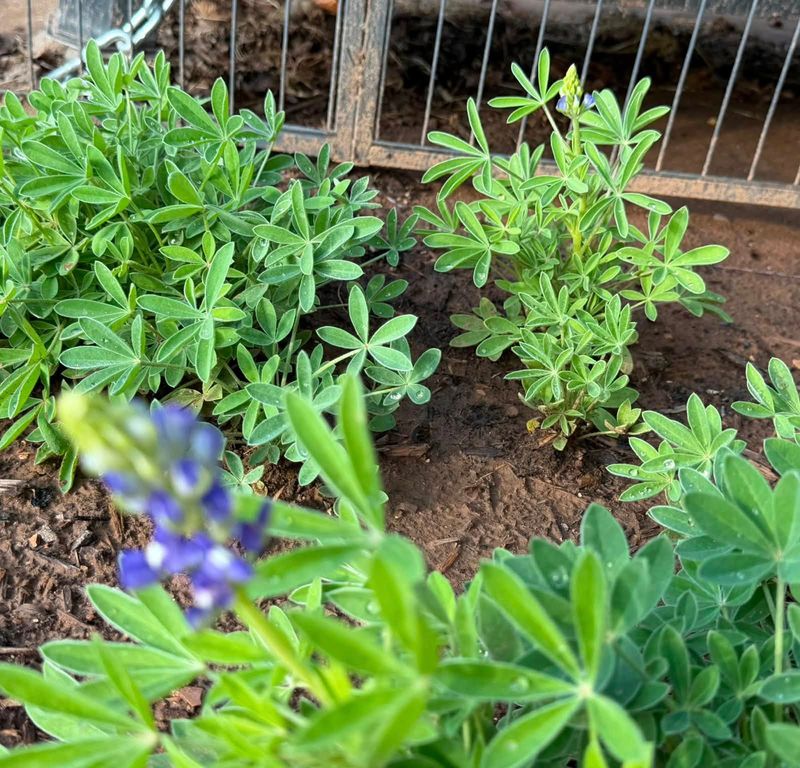
Patience becomes your best gardening tool once the seeds are in the ground. The early weeks set the stage for everything that follows.
Moisture helps seeds wake up and sprout. After sowing, keep the soil lightly damp so the young roots can settle in. A gentle sprinkle every few days usually does the trick if rain is scarce.
Balance is important, though. While seeds need water to start, too much can cause problems. Soggy, flooded soil is one of the biggest mistakes new growers make.
Think of it like a damp sponge, not a puddle. The ground should feel moist to the touch but never muddy or waterlogged. Well-drained spots make this balance much easier.
Once the seedlings appear and grow their low green rosettes, you can ease off the watering. By then, fall and winter rains often supply most of what the plants need naturally.
Resist the urge to fuss over them all winter. Bluebonnets are tougher than they look, and cold weather rarely bothers the young plants. They are simply resting and growing roots.
Avoid stepping on the little rosettes or piling mulch over them. These plants like open air and sunlight even during the cooler months.
As spring approaches, watch for the plants to stretch upward. This growth spurt means all your patience is about to pay off.
Letting the plants follow their own natural rhythm is the real secret. You provided a good start, so now trust the seasons.
With just a little help early on, your bluebonnets will handle the rest and reward you with a brilliant spring display.
Create A More Natural Spring Display
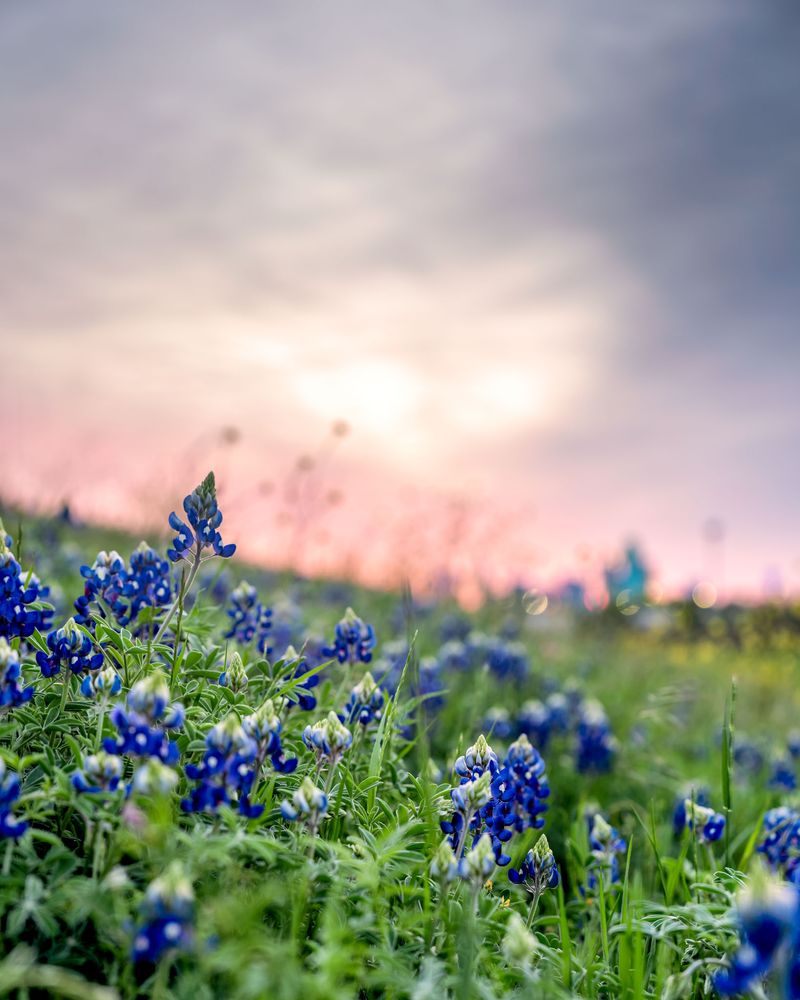
Picture a field where bluebonnets mingle with pops of red and gold. That mixed, wild look is easy to create with a few smart choices.
Bluebonnets look amazing on their own, but they shine even brighter with company. Pairing them with other Texas natives gives your space that true roadside feel people love.
Indian paintbrush is a classic partner. Its bright orange-red blooms rise up right beside the blue flowers, creating a color combo seen along highways across the state.
Other good friends include Indian blanket, coreopsis, and Mexican hat. These natives enjoy the same sunny, well-drained conditions, so they thrive together without much fuss.
When you scatter your seed mix, avoid straight rows or tidy shapes. Toss the seeds in loose, random handfuls. A natural meadow never grows in perfect lines.
Let the planting spread and change over the years. Bluebonnets drop seeds after blooming, so leave the plants alone until the pods turn brown and dry. This lets them reseed for next spring.
Resist mowing too early. Cutting the flowers before their seeds mature means fewer blooms the following year.
Waiting a few extra weeks keeps the show going season after season.
Over time, your patch may fill in thicker and wider all by itself. That effortless, wild beauty is exactly what makes roadside displays so special.
With bluebonnets as the star and a few native friends alongside, your yard can capture that unforgettable Texas spring. Plant now, mix in some color, and soon you will have a scene worthy of a photo stop.