These Texas Yard Mistakes Are Making Your Heat-Stressed Roots Worse No Matter What You Try
Heat stressed roots in a Texas summer are a serious problem that tends to compound quickly when you’re not sure what’s causing it. You try one thing, it doesn’t help.
You try another, the situation stays the same or gets worse. What most Texas homeowners don’t realize is that the solutions they’re reaching for are often not the problem.
The problem is the habits they haven’t thought to stop. Some of the most common Texas yard practices actively make heat stressed roots worse.
They seem reasonable. In many growing situations and many climates, they would be reasonable.
But during a Texas summer, when soil temperatures are already pushing plant root systems to their limits, certain habits tip a struggling plant from stressed into genuine decline faster than the heat alone ever would.
Identifying and stopping these mistakes is often more effective than adding more treatments, more water, or more products to the situation.
Here’s what Texas homeowners are doing to their own yards that’s making heat stressed roots worse, often without realizing it.
1. Watering Lightly Every Day
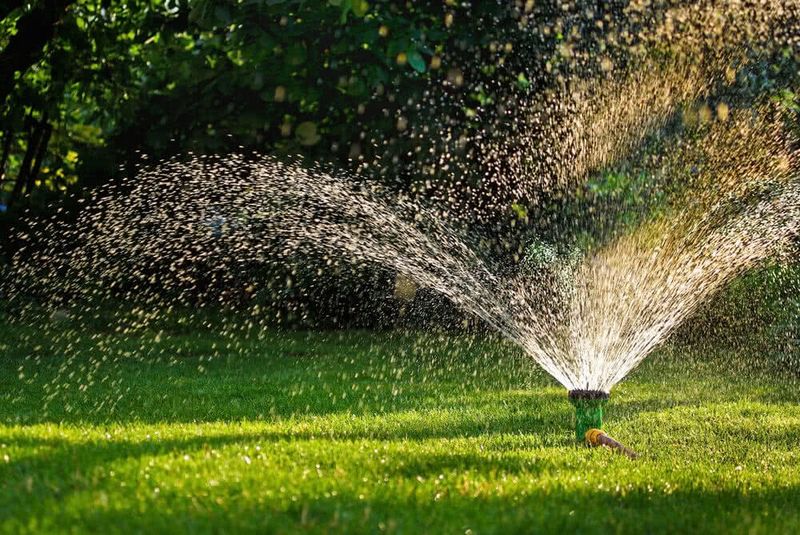
Quick sprinkler cycles might feel like you’re being responsible, but they’re actually one of the sneakiest ways to weaken your yard. When water only reaches the top inch or two of soil, roots have no reason to grow deeper.
They stay shallow, close to the surface, where the Texas sun can dry them out fast.
Shallow roots are fragile roots. During a heat wave, that thin layer of topsoil can go bone dry within hours.
Your grass and trees are then left scrambling with nowhere to pull moisture from. It doesn’t matter how often you water if the water never gets deep enough to matter.
Established lawns do much better with deep, infrequent watering sessions. Letting the soil dry slightly between waterings actually encourages roots to reach downward searching for moisture.
That’s how strong, heat-resistant root systems are built over time. Trees need a different approach altogether. Water should be applied across the entire root zone, which can spread far beyond the trunk.
Focusing the hose right next to the base of the tree misses most of the active roots. Slow, deep watering that covers a wide area gives tree roots the moisture they actually need to stay healthy through the hottest Texas months.
Try switching to watering two or three times per week, running each session long enough to soak the soil several inches deep. A simple screwdriver test works well.
Push it into the ground after watering. If it slides in easily six inches deep, you’re on the right track toward building a stronger, more drought-tolerant root system.
2. Keeping The Soil Constantly Saturated
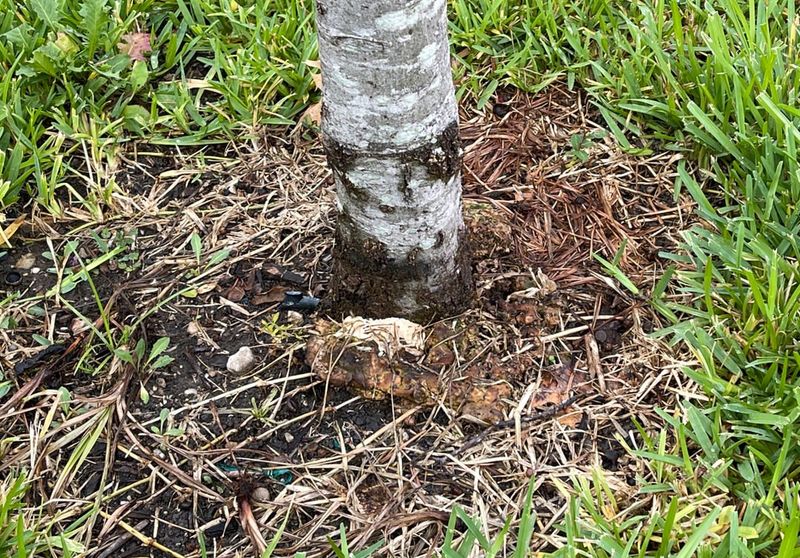
More water sounds like a good thing when everything looks dry and crispy. However, constantly soaked soil creates a whole different set of problems that are just as damaging as drought.
Roots need both water and oxygen to function properly, and waterlogged soil squeezes the air right out of the ground.
Your Texas Garden Changes Every Week. Your Plan Should Too.
Gardening in Texas changes quickly throughout the season. Every Friday you’ll receive a simple weekly plan showing exactly what to plant, prune, fertilize, harvest, and protect so you never miss the right timing.
When soil stays wet all the time, the tiny pores between soil particles fill up with water. Oxygen can’t reach the roots.
Without oxygen, roots slow down, weaken, and become easy targets for fungal diseases and root rot. You might see yellowing leaves or wilting even though the soil is sopping wet, which can be confusing.
Root diseases thrive in warm, wet conditions. Texas summers create the perfect storm when overwatering combines with high temperatures.
What starts as a well-meaning effort to keep plants hydrated can turn into a serious root health crisis that’s hard to reverse.
Before you water again, check what’s actually happening below the surface. Stick your finger or a wooden dowel about three inches into the soil.
If it comes out damp, skip the watering session. Roots in moist but not saturated soil are actually healthier and more active than roots sitting in mud.
Adjusting your irrigation schedule based on recent rainfall and actual soil conditions makes a huge difference. Rain sensors on sprinkler systems are a smart investment for Texas homeowners.
Never let a tree’s root zone stay continuously soaked, especially during hot weather. Giving roots a chance to breathe between waterings builds resilience and helps your yard survive even the roughest Texas summers with far less struggle.
3. Leaving Roots Beneath Bare, Baking Soil
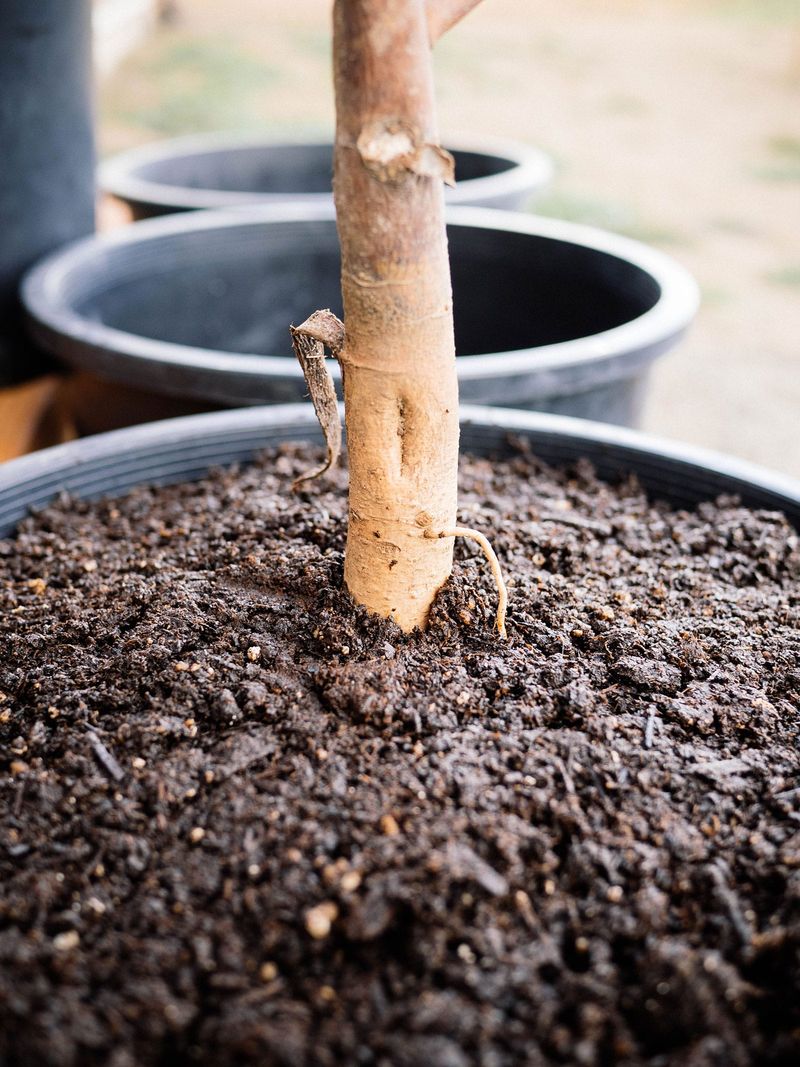
Bare soil in a Texas yard during summer is basically an oven with no lid. Without any covering, the ground absorbs heat all day long and can reach temperatures that are genuinely harmful to roots growing just below the surface.
On top of that, uncovered soil loses moisture to evaporation at a surprising rate.
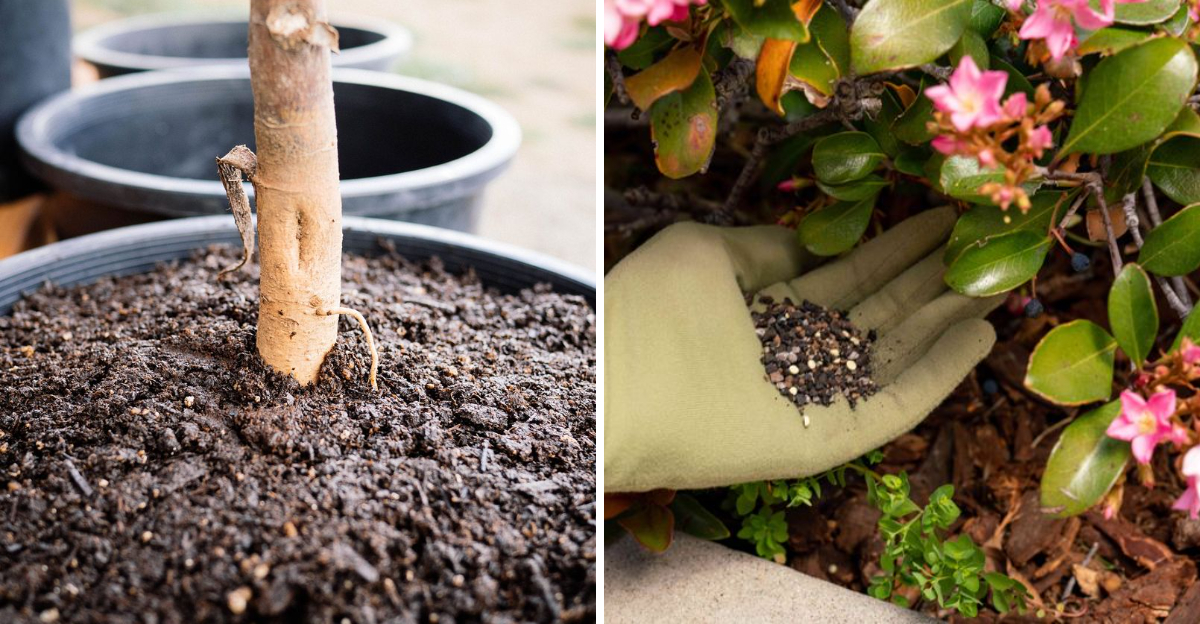
Mulch is one of the simplest and most effective tools a Texas homeowner has. A two to three inch layer of organic mulch spread around trees and garden beds does several important jobs at once.
It keeps the soil cooler, slows down evaporation, and reduces competition from weeds that would otherwise steal moisture from your plants.
Wood chips, shredded bark, and pine needles are all solid choices. As they break down over time, they also add organic matter back into the soil, which improves its ability to hold water. That’s a long-term win for root health in sandy or clay-heavy Texas soils.
There is one common mulching mistake that actually causes harm instead of helping. Piling mulch directly against tree trunks, sometimes called a mulch volcano, traps moisture against the bark and can lead to rot and pest problems.
Mulch should always be kept a few inches away from the base of the trunk and spread outward toward the drip line instead.
Getting into the habit of refreshing mulch each spring before the brutal heat arrives sets your yard up for success. It’s a low-cost, low-effort practice with big payoffs.
Your roots stay cooler, your soil stays moister, and your plants have a much better shot at making it through another tough Texas summer without extra stress.
4. Compacting Or Digging Through The Root Zone
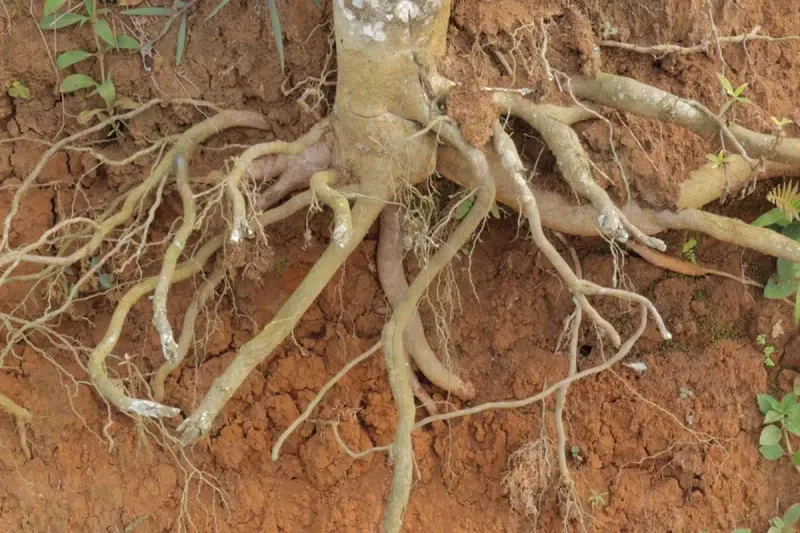
Roots need space, air, and water to grow and function properly. When soil gets compacted, all three of those things become harder to access.
Compaction squashes the tiny pore spaces in the soil that normally hold air and allow water to move through. The result is a hard, dense ground that roots simply cannot penetrate.
It doesn’t take heavy construction equipment to cause serious compaction. Repeated foot traffic across the same area, parking vehicles on the lawn, or even dragging heavy equipment through the yard during a project can compress the soil enough to damage roots.
Kids and pets running the same path over and over can compact a surprisingly large area over time.
Compacted soil also sheds water instead of absorbing it. Rain and irrigation run off the surface rather than soaking in, which means roots get even less moisture during an already difficult Texas summer.
You might be watering regularly and still wondering why your tree looks stressed.
Construction projects near trees are especially risky. Digging, grading, or trenching through a root zone can sever the fine feeder roots that trees depend on for water and nutrient uptake.
Those roots are often found far from the trunk, extending well beyond the edge of the tree’s canopy. Damage to them during drought conditions puts enormous stress on the whole tree.
Protecting root zones before any project starts is the smart move. Use temporary fencing to keep traffic away from the area under and around tree canopies.
If compaction has already occurred, an arborist can use air tools to loosen the soil without causing further root damage, giving roots room to recover and breathe again.
5. Fertilizing To Rescue Heat-Stressed Plants
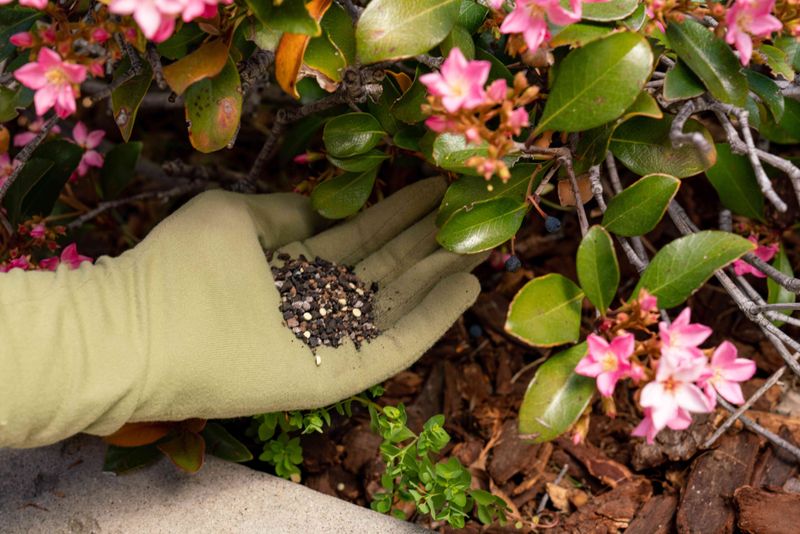
When plants look bad, it’s tempting to throw fertilizer at the problem. It seems logical. If they’re struggling, maybe they need more nutrients to bounce back.
However, fertilizing heat-stressed plants during a Texas summer can actually push them further into trouble rather than helping them recover. Fertilizer stimulates new growth. New growth requires water, and lots of it.
When your plants are already stressed from heat and struggling to pull enough moisture from the soil, adding a demand for rapid new leaf or shoot production puts more pressure on a root system that’s already working overtime.
The plant ends up worse off than before the fertilizer was applied. Excessive fertilizer can also burn roots directly, especially when the soil is dry.
Salt-based fertilizers pull moisture out of roots through a process called osmosis, which is the opposite of what stressed plants need.
You might notice leaf edges turning brown or plants looking more wilted shortly after fertilizing during hot, dry conditions.
Texas A&M AgriLife Extension recommends addressing soil moisture and root health first before reaching for a fertilizer bag.
If the soil isn’t holding water properly, if roots are compacted or damaged, or if watering habits need adjustment, fertilizer won’t fix any of those underlying problems. It only masks symptoms while the real issue continues.
Wait until temperatures cool and your plants show signs of active recovery before fertilizing. Fall is often the better time to fertilize many Texas lawns and trees.
Getting a soil test first is also a smart idea. It tells you exactly what nutrients are missing so you’re not guessing and potentially making things worse with an unnecessary application.
6. Scalping The Lawn During The Hottest Months
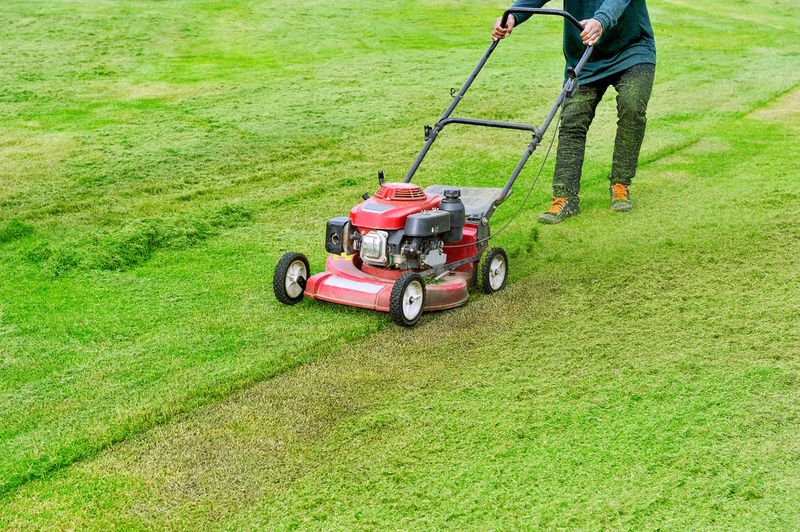
Cutting grass down to the ground might look neat and tidy at first, but scalping your lawn during a Texas summer is one of the fastest ways to set your root system back. Grass blades are not just decorative.
They are the solar panels of your lawn, capturing sunlight and converting it into energy that feeds the roots below.
When you cut too low, you remove most of that leaf tissue all at once. The plant suddenly has very little ability to produce the carbohydrates it needs for root growth, stress recovery, and general survival.
Roots that were already strained by heat now have even fewer resources to draw from, and recovery becomes a slow, difficult process.
Scalped lawns also lose shade cover for the soil. Taller grass blades cast small shadows that help keep the ground beneath them slightly cooler and hold onto soil moisture longer.
Take that canopy away, and you’re left with bare, baking soil that dries out fast and heats up quickly, stressing roots from yet another direction.
Every Texas turf type has a recommended mowing height, and staying within that range during summer is really important. St. Augustine grass, Bermuda, Zoysia, and Buffalo grass all have different needs.
Cutting any of them too short during peak heat puts them at a serious disadvantage when they need every bit of strength they can get.
A good rule of thumb that works for nearly every grass type is the one-third rule. Never remove more than one-third of the blade height in a single mowing session.
Keeping mower blades sharp also matters because dull blades tear grass rather than cutting it cleanly, leaving ragged edges that lose moisture faster and invite stress and disease.