The Best Texas Native Trees Houston Homeowners Are Planting In September
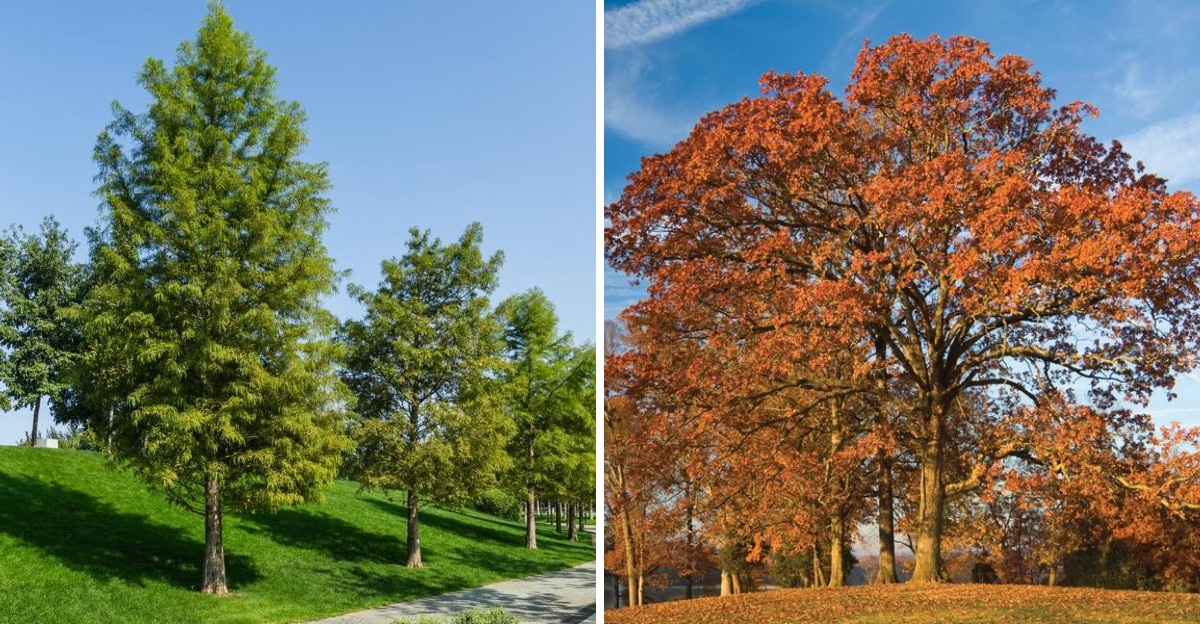
Houston homeowners who plant trees in September are making one of the smartest landscape decisions of the entire year. The logic is straightforward.
Fall planted trees establish root systems through the cooler months, sidestep the brutal heat stress that destroys a significant percentage of spring plantings before they can get settled.
Then they arrive the following summer with a rootedness that gives them a genuine fighting chance against what Houston summers deliver. The challenge is knowing which trees are worth planting.
Houston’s specific combination of clay soil, high humidity, flooding risk, and intense summer heat narrows the field considerably. Trees that perform beautifully in drier parts of Texas can struggle in Houston’s conditions.
Native trees, the ones that evolved in and around this region, are almost always the better long term bet.
1. Live Oak
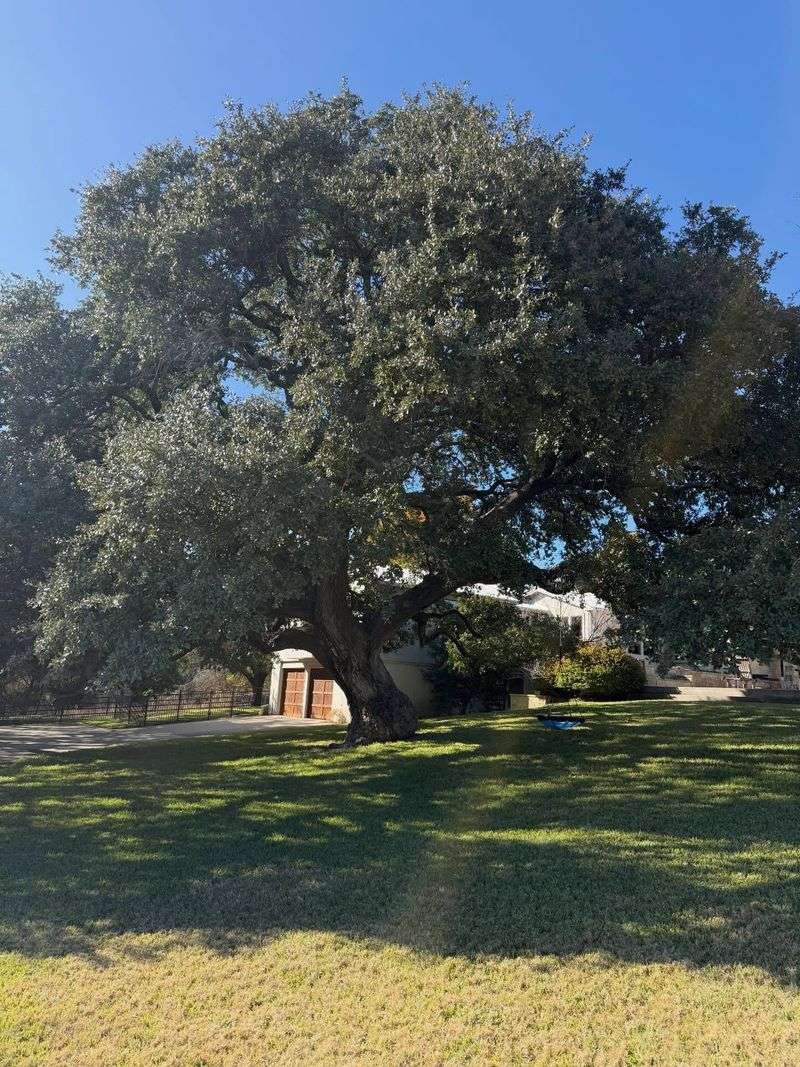
Few trees say Texas quite like the live oak. Its huge, spreading branches stretch out like open arms, giving your yard shade that lasts for generations.
Homeowners love this tree because it holds most of its leaves through winter, so your yard never looks bare. It handles clay soil, coastal winds, and long dry spells without much complaint.
Once the roots grip the ground, this tree becomes one of the toughest choices you can make.
Give it plenty of room, though. A live oak can spread wider than a house, so plant it away from your foundation and sidewalks.
The roots run wide and strong, and you do not want them lifting your driveway years down the road.
September planting works well because the mild weather lets those roots grow before the next hot summer. Water it deeply once a week for the first year, and it will reward you with steady growth.
After that, it mostly takes care of itself. Wildlife adores this tree too. Squirrels gather the acorns, and songbirds hide in the thick canopy. You will hear more chirping just by having one nearby.
Fun fact: some Texas live oaks are hundreds of years old, and the famous Big Tree near Rockport has stood for over a thousand years. Planting one now means leaving a gift for people you may never meet.
If you want a single tree that anchors your whole yard, this is the classic answer. It grows slowly but surely, and its beauty only deepens with age.
2. Bald Cypress
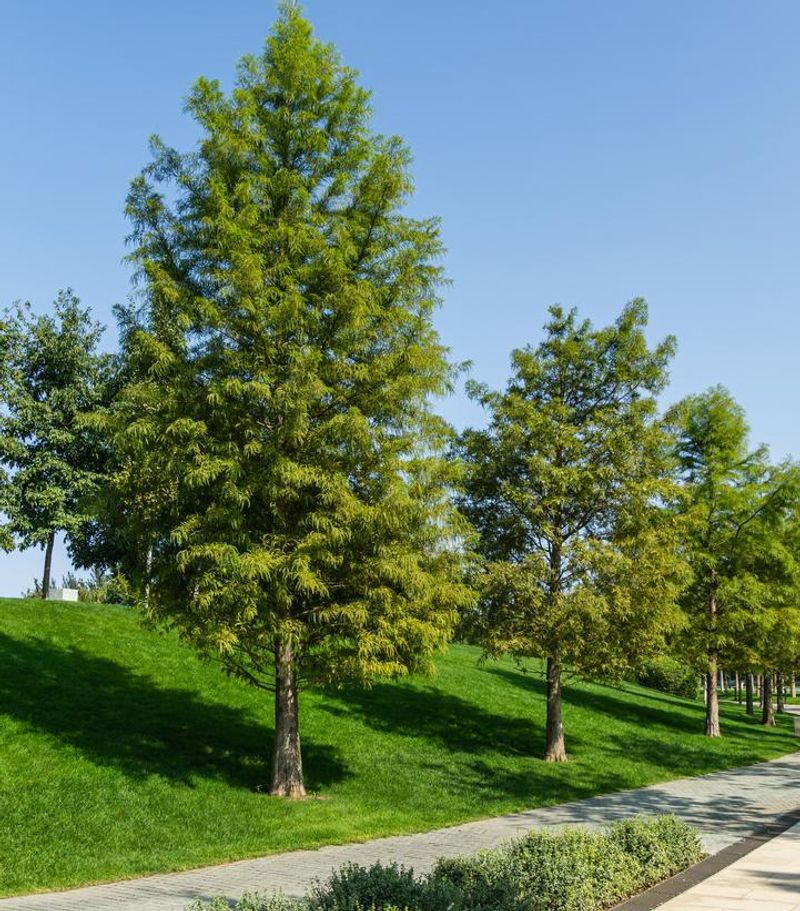
Picture a tree that shrugs off soggy ground and turns a warm rusty orange every fall. That is the bald cypress, and Houston yards suit it perfectly.
This one is unusual because it drops its soft, feathery needles in winter, even though it looks like an evergreen. Come autumn, those needles glow copper and gold, giving you real seasonal color that many Texas trees miss.
Wet spots that trouble other trees are no problem here. Bald cypress grows naturally along creeks and swamps, so if part of your yard stays damp, this tree will thrive there. It also handles regular soil just fine.
September is a great time to get one going. The cooler air helps the young tree settle without heat stress, and steady watering keeps it happy through the first season. Growth is fairly quick, so you will not wait forever for shade.
Your Texas Garden Changes Every Week. Your Plan Should Too.
Gardening in Texas changes quickly throughout the season. Every Friday you’ll receive a simple weekly plan showing exactly what to plant, prune, fertilize, harvest, and protect so you never miss the right timing.
You might notice odd woody bumps called knees poking up from the ground near older trees planted in wet areas. They look strange but harmless, and many folks find them charming.
Birds and small critters use the branches for shelter, and the tall pyramid shape adds a graceful vertical accent to flat yards. It stands out among rounder trees.
Give it a spot with room to reach up, since it can grow quite tall over time. Keep the base mulched to lock in moisture, especially early on.
For homeowners wanting fall color and toughness in one package, the bald cypress delivers both without much fuss.
3. Texas Red Oak
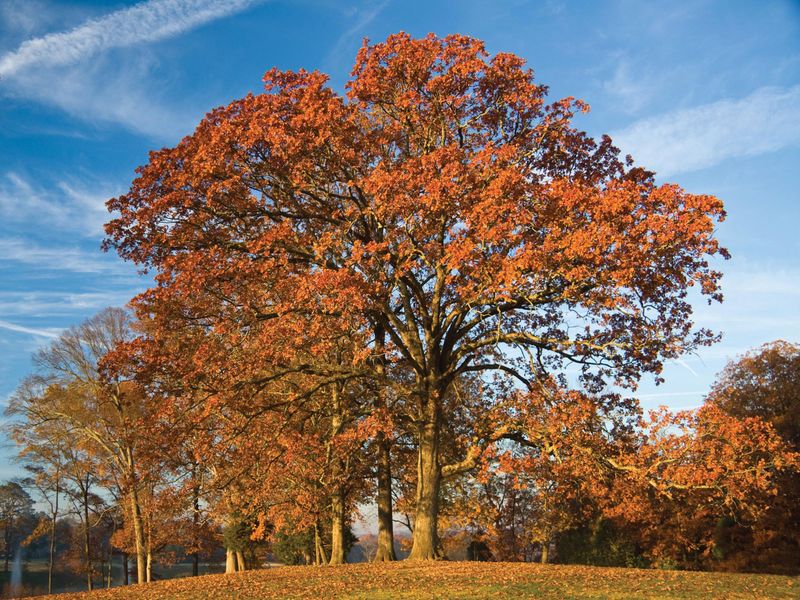
Craving true fall color in the Houston area? The Texas red oak brings fiery reds and oranges that rival anything up north.
Smaller than the mighty live oak, this tree fits nicely into average yards. It reaches a manageable size, so you can enjoy the color show without giving up half your lawn. That makes it a smart pick for tighter spaces.
Its leaves have deep, pointed lobes that catch the light beautifully. When temperatures cool in late fall, the whole canopy shifts to warm shades that make your yard pop.
Drought does not scare this tree once it is settled. It handles our rocky, dry stretches better than many others, and it grows at a comfortable, moderate pace. You get shade without waiting decades.
Planting in September gives the roots a head start. Water it well through the first year, and mulch the base to protect those roots from heat. After that, it becomes low maintenance.
Acorns from this tree feed deer, squirrels, and birds, so you invite a little wildlife into your space just by planting one. Nature notices these things.
Space it away from power lines and structures so the branches can spread naturally. Good drainage helps too, since it prefers not to sit in constant water.
Some folks confuse it with the Shumard oak, and the two are close cousins that both shine in autumn. Either way, you get a hardy tree built for Texas.
If your yard needs a burst of color and dependable shade, this oak checks both boxes with ease.
4. Southern Magnolia
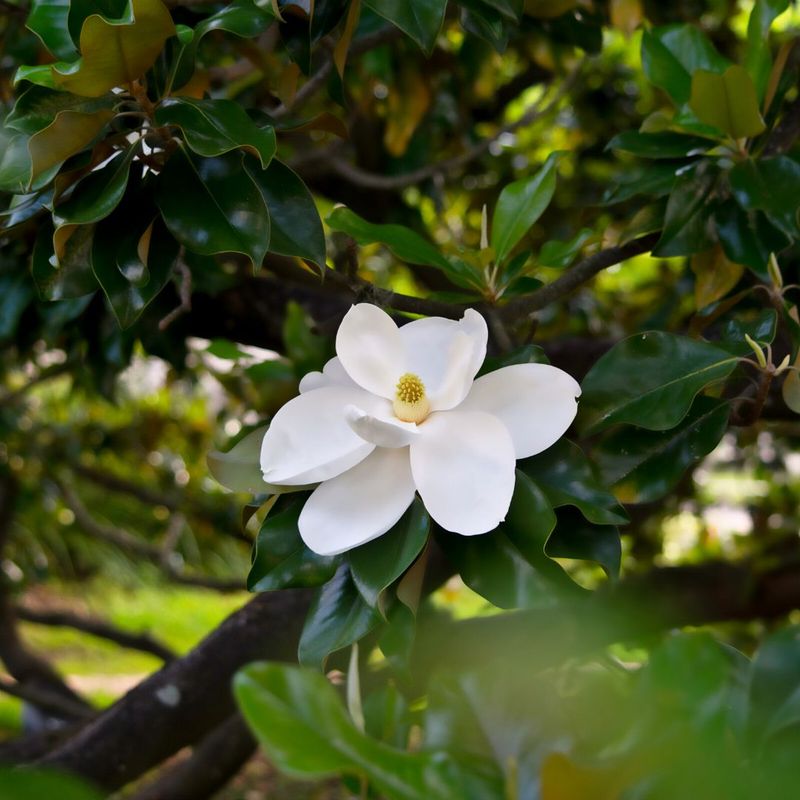
Big, creamy white flowers with a lemony scent make the Southern magnolia a showstopper. Walk past one in bloom, and you will stop just to breathe it in.
This tree keeps its glossy, dark green leaves all year, so your yard always looks full and lush. The thick, waxy leaves reflect sunlight and give the whole tree a polished, elegant look.
Flowers appear in late spring and summer, each one big enough to fill your hand. They smell sweet and fresh, and they draw admiring glances from anyone who visits.
Houston’s warm, humid climate suits this Southern classic beautifully. It handles our heat and rain without trouble, and once established, it needs little help from you. That reliability wins people over.
September planting lets the roots dig in during mild weather. Keep the soil moist for the first year, and add mulch to shield the base from summer heat later on. Patience pays off here.
Give it space, because a mature magnolia grows tall and wide. Its lower branches often sweep near the ground, creating a natural privacy screen and a shady hideout.
Do keep in mind the leaves drop steadily through the year, so a little raking comes with the deal. Many gardeners just let them mulch the ground beneath the tree.
Birds enjoy the bright red seeds that follow the flowers, adding another layer of life to your yard. It is a tree that gives back season after season.
For year-round greenery paired with knockout blooms, the Southern magnolia earns its spot as a Houston favorite.
5. Cedar Elm
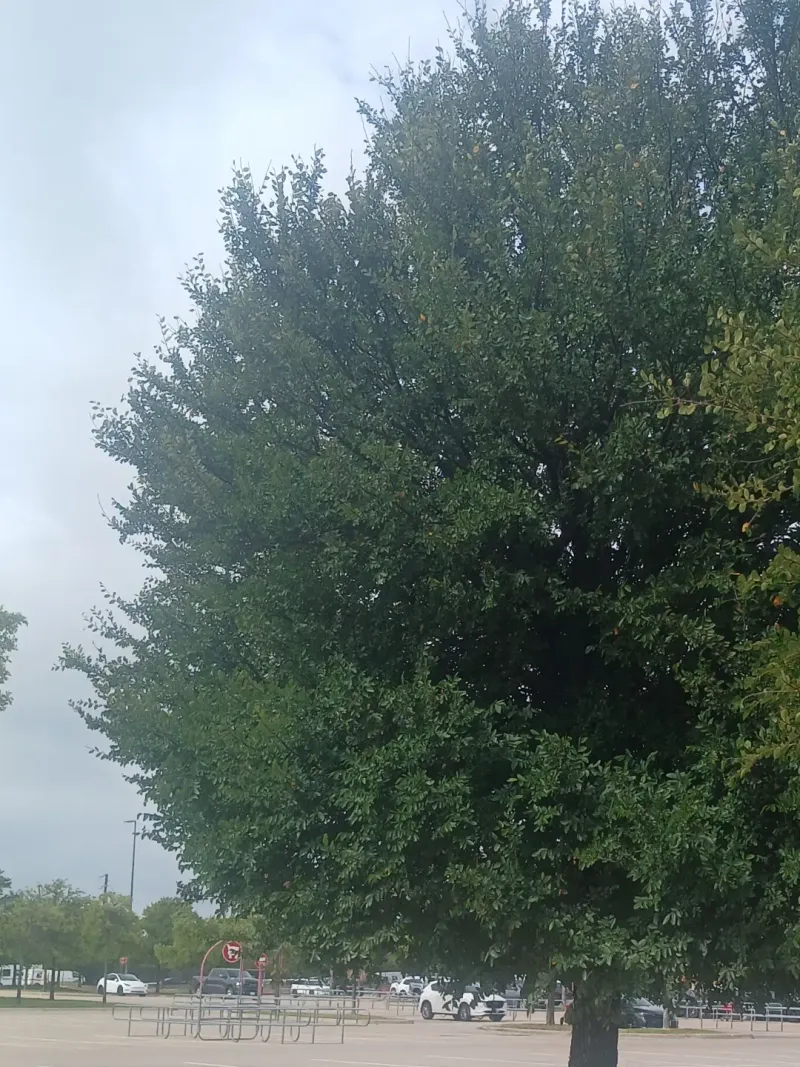
Tough, adaptable, and often overlooked, the cedar elm quietly ranks among the best trees for Houston yards. It tolerates a wide range of urban conditions and soils.
Heavy clay soil, poor drainage, drought, and heat barely slow this tree down. That flexibility makes it a favorite for homeowners who want something dependable without babysitting. It simply gets the job done.
The leaves are small and rough to the touch, and they turn a soft yellow in fall before dropping. It is a gentle seasonal change rather than a fireworks show, but it has its own quiet charm.
Unlike most elms, this one flowers in late summer and drops its seeds in fall. That odd timing gives it a bit of personality among the crowd.
September is a fine time to plant. The roots settle during cool weather, and steady watering through the first year sets it up for long-term success. Growth is moderate and steady.
Its branches arch out to form a rounded canopy that throws generous shade. Plant one near a patio, and you will feel the difference on hot afternoons.
Birds and pollinators visit the flowers and seeds, so the tree supports local wildlife too. Small perks like that add up over time.
Because it tolerates city conditions so well, you often see cedar elms lining streets and parking lots around town. If it can handle those tough spots, it will thrive in your yard.
For a no-drama shade tree that fits Houston’s climate like a glove, the cedar elm deserves a serious look.
6. Mexican Plum
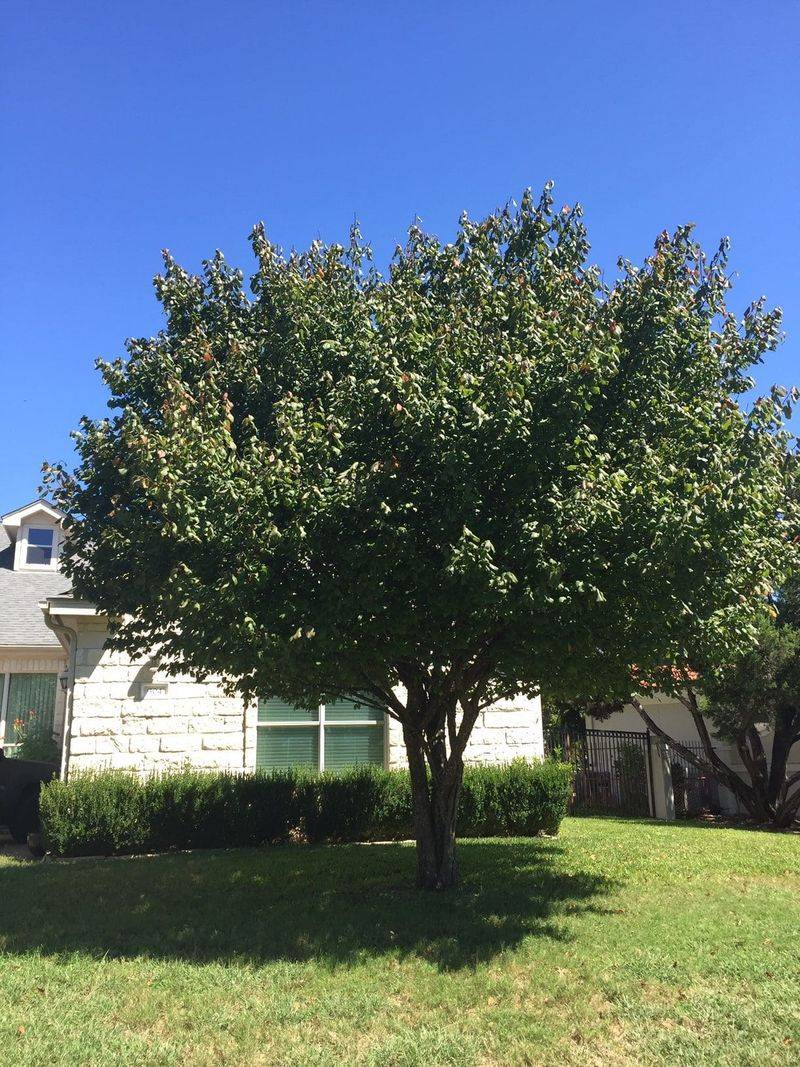
Want a smaller tree that dazzles in spring? The Mexican plum bursts into fragrant white blossoms before most trees even wake up.
This native beauty stays compact, making it ideal for corner spots, patios, or tighter yards. You do not need a huge lot to enjoy it, and that flexibility is a big draw.
Early each spring, clouds of tiny white flowers cover the bare branches. The sweet smell fills the air and pulls in bees and butterflies looking for an early meal.
By late summer, small purple plums appear. They are a bit tart for most tastes, but wildlife loves them, and some folks turn them into jelly. Nothing goes to waste.
Houston’s climate agrees with this hardy little tree. It handles heat and dry spells once settled, and it asks for very little care in return. Easygoing describes it well.
Planting in September gives the roots time to establish before the spring bloom. Water it regularly through the first year, and mulch the base to keep it comfortable. The payoff comes fast.
The bark has an interesting texture that adds winter interest even after the leaves fall. Some pieces peel back to show reddish tones underneath.
Its smaller size makes it easier to place in residential landscapes, but it should still be planted with mature size in mind.
Fall color shows up as soft orange and yellow, giving you two seasons of beauty from one modest tree. For spring flowers and pollinator power in a small package, the Mexican plum shines.
7. American Sycamore
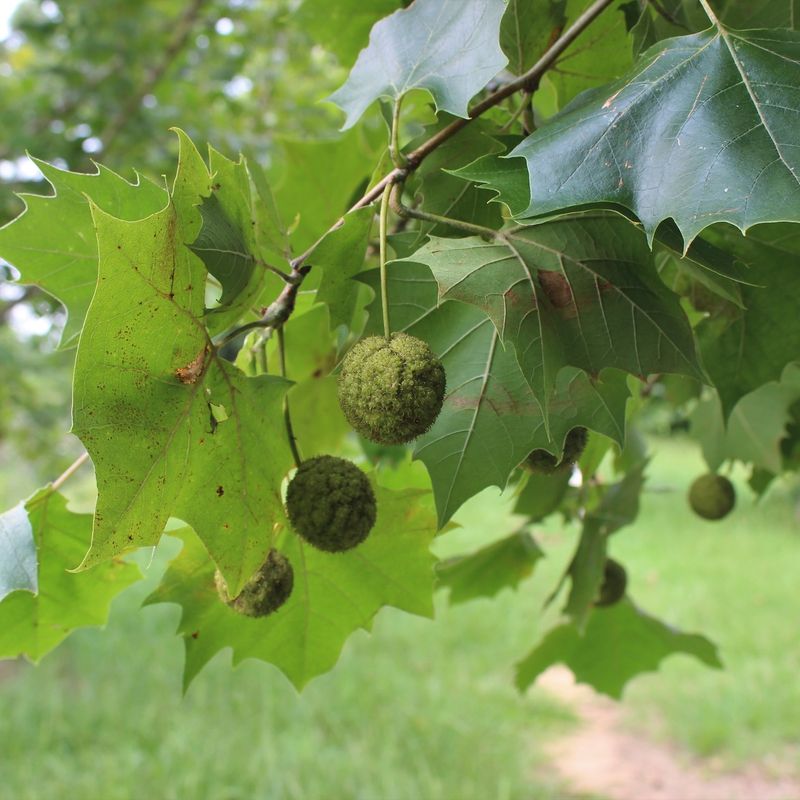
The peeling, patchy bark of the American sycamore looks like a work of art. Whites, tans, and greens swirl together, making this tree stand out in any season.
Size is its calling card. This giant grows fast and tall, so if you need shade in a hurry, few native trees deliver quicker. Within a few years, you will notice real coverage.
Broad leaves, some as wide as a dinner plate, create deep shade that cools your whole yard. On blazing summer days, that shade feels like a gift.
Water-loving by nature, the sycamore does great near creeks, low spots, or anywhere the ground stays a little moist. It drinks up what other trees might struggle with.
September planting fits nicely with its needs. The cooler air eases the young tree in, and regular watering keeps that fast growth on track. It rewards attention with speed.
Give it plenty of room, because this tree gets big in every direction. Keep it away from foundations and pipes, since the roots reach far and drink deeply.
Those round, fuzzy seed balls dangle from the branches through winter and add a bit of quirky charm. Kids often collect them just for fun.
Birds nest in the wide canopy, and the hollow spots in older trees shelter owls and other critters. It becomes a busy little hub of activity.
You will rake leaves in fall, since the big ones pile up, but the trade for fast shade and stunning bark feels more than fair. For a bold, quick-growing native, the American sycamore stands proud.