Maryland Homeowners Have A Narrow Window Before This Pest Moves Indoors
There is a certain hum in Maryland air when the evenings turn crisp and the porch light draws a crowd. Something is gathering out there, tapping softly against the siding.
It is not looking for crumbs or a leaky pipe. It wants warmth, and your sunny south-facing wall looks like a resort.
Most folks notice the visitors only after they are already inside, drifting past a lamp with all the grace of a flying pebble. By then, the easy fixes have gotten a lot harder.
There is a short stretch of calendar time to get ahead of it. Learn what triggers the move, when it happens, and where homeowners tend to slip up, and autumn gets a lot quieter.
The Autumn Guest Crowding Maryland Walls
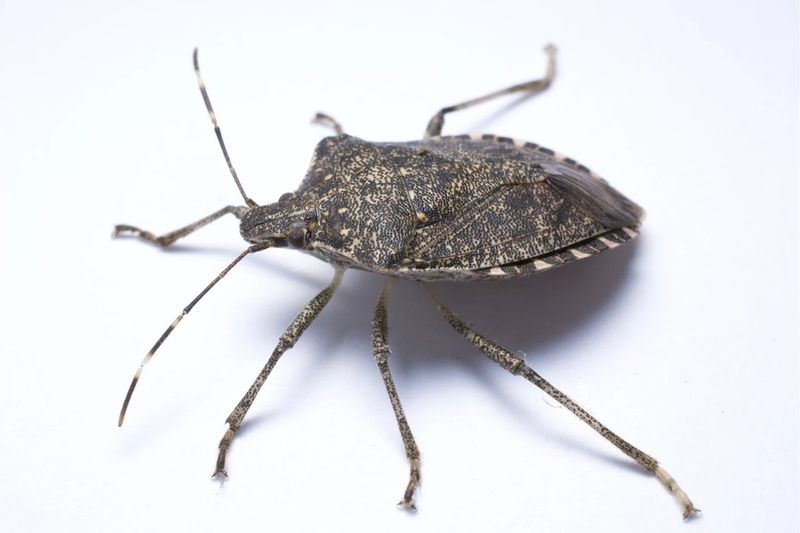
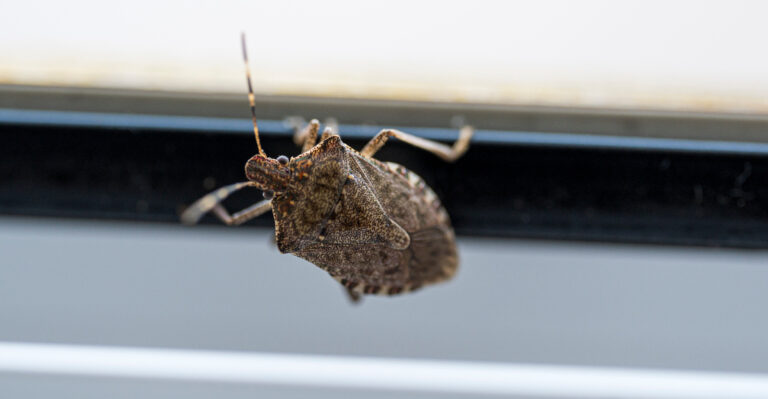
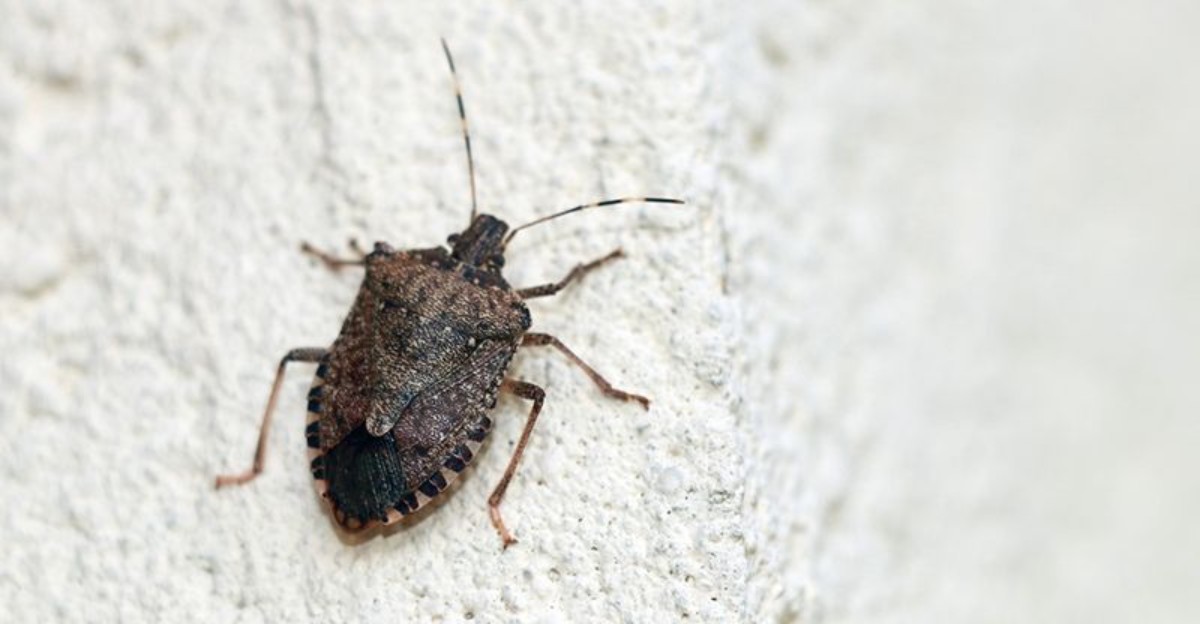
Shield-shaped, dime-sized, and colored like a coffee stain, the brown marmorated stink bug is a familiar Maryland household visitor. It arrived in the mid-Atlantic in the late 1990s, drawn to the region’s orchards, fields, and wooded suburbs.
During summer it stays outdoors, feeding on fruit, corn, and ornamental trees with a needle-like mouthpart. Farmers know it well because damaged apples and peaches develop sunken, corky spots.
What makes it a homeowner problem is a habit called overwintering. Instead of burrowing into soil like many insects, adults look for tight, dry, sheltered cracks where they can rest through the cold months.
In its native range those spots are cliff faces and hollow trees. In Montgomery County or Frederick or the Eastern Shore, your attic vent and window frame work just as well.
The insect does not bite, chew wood, or lay eggs inside your walls. Its main offense is showing up everywhere and releasing a sharp, cilantro-meets-old-pennies odor when startled or squashed.
Maryland was among the first states hit hard, and University of Maryland researchers have tracked it for years. Populations rise and fall with summer weather.
Understanding that seasonal rhythm is the first step toward keeping the fall version of this bug outside where it belongs.
Late Summer Light Sets The Countdown
Shorter days do the talking. Daylight fades from roughly fifteen hours in June to about twelve by late September. That shift flips a switch in the bug’s internal clock, and its body begins preparing for a long rest.
Feeding slows. Fat reserves build. The urge to travel takes over.
In most of Maryland, that shift shows up between mid-September and mid-October. The classic trigger is a warm, sunny afternoon after a cool night, since the insects use radiant heat off walls to warm their flight muscles.
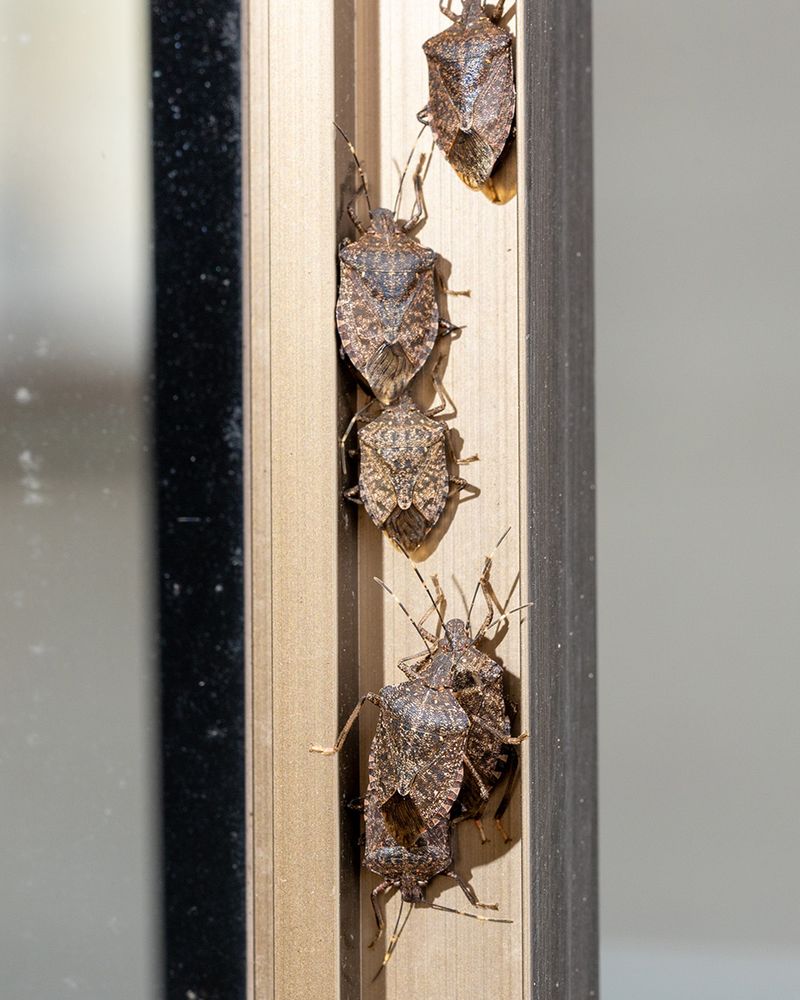
You will often see the first wave land on the brightest, warmest side of the house, usually south or west facing. Light-colored siding, brick that soaks up sun, and metal roof edges all pull them in.
Once they land, they crawl. That is the part people miss.
A stink bug does not fly through a wall. It walks along the surface until it finds a seam, a gap under trim, a torn screen, or the space where a cable enters the house. Then it slips inside.
Your Maryland Garden Changes Every Week. Your Plan Should Too.
Gardening in Maryland changes quickly throughout the season. Every Friday you’ll receive a simple weekly plan showing exactly what to plant, prune, fertilize, harvest, and protect so you never miss the right timing.
The whole migration can wrap up in two or three weeks. That is your narrow window, and it closes fast.
Homeowners who seal up in August have a peaceful fall. Those who wait until they spot bugs on the ceiling in November are already dealing with a bigger problem. The insects have made it into wall voids and attics, where outdoor sprays can’t reach them.
Mark your calendar for late August and you are ahead of the whole thing.
Small Gaps Homeowners Tend To Overlook
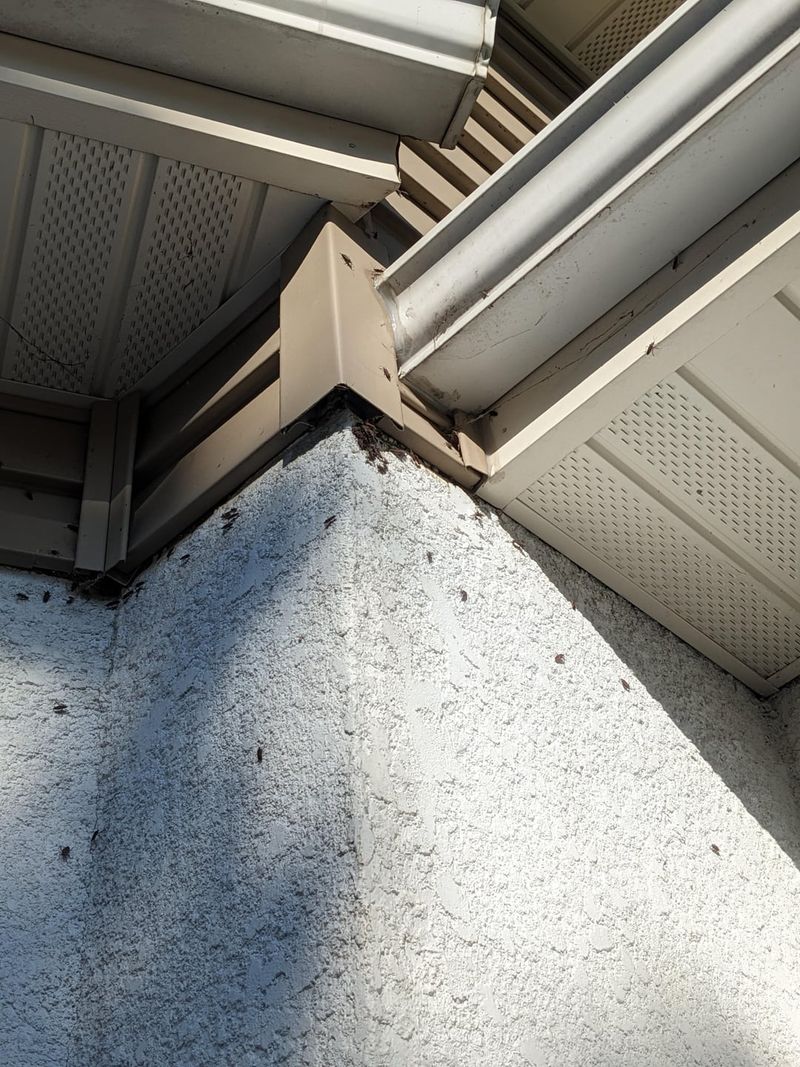
Here is a humbling measurement: an adult brown marmorated stink bug can squeeze through an opening about the width of a pencil lead, roughly one eighth of an inch. Young ones need even less.
Which means the tour of your house has to be done at eye level and then again on your knees. Bring a flashlight and use it in daylight, shining from inside out.
Attic gable vents and ridge vents top the list because screening tears or rusts and nobody looks up there. Soffit corners where two runs of trim meet rarely line up perfectly.
Window frames matter enormously, especially older double-hung units with worn weatherstripping and sash channels. Storm windows with weep holes and loose corners are practically a doorway.
Then come the utility penetrations. Cable, phone line, electrical conduit, dryer vents, spigots, and air conditioner lines all pass through siding. Installers often leave a ragged hole behind, sealed with a smear of caulk that cracked years ago.
Chimney flashing, fireplace dampers left open, recessed lighting cans in top-floor ceilings, and whole-house fan louvers all connect living space to attic space. Baseboards and crown molding on exterior walls hide little pathways too.
Doors deserve a look at the bottom corners, where sweeps wear down and leave triangular gaps. Garage doors are notorious for this.
Walk the perimeter with a notepad, mark every suspect spot with painter’s tape, then work through the list. It is tedious for an afternoon and genuinely effective for years.
Sealing And Screening That Actually Holds Up

Caulk is cheap, boring, and the single best money you will spend on this problem. Choose a paintable silicone or polyurethane exterior sealant rather than basic acrylic latex. It flexes through Maryland’s freeze and thaw swings without cracking.
Clean the surface first. Sealant applied over dust or peeling paint peels right off with it.
For gaps wider than about a quarter inch, stuff backer rod or copper mesh behind the caulk so the bead has something to grip. Expanding foam works well in deep cavities like plumbing chases, but trim and paint it, since sunlight breaks it down.
Screens need attention next. Replace anything with a tear, and consider heavier fiberglass or aluminum mesh at attic and crawlspace vents where wind and squirrels do damage.
Add or replace door sweeps and threshold seals, checking that you cannot see daylight underneath when the door is shut. Fireplace dampers should close tight, and unused chimneys benefit from a capped screen.
Swap exterior bulbs for warm-toned LED or yellow fixtures, which draw far fewer insects than bright white light. Moving a porch light a few feet from the door helps as well.
Trim shrubs and vines back off the siding so bugs lose their gathering spot. Clear leaf piles and firewood stacks away from the foundation too.
Do all of this by early September and you have essentially locked the doors before anyone knocks. The same work trims your heating bill, which is a pleasant bonus.
The Squashing Mistake And Better Removal Habits
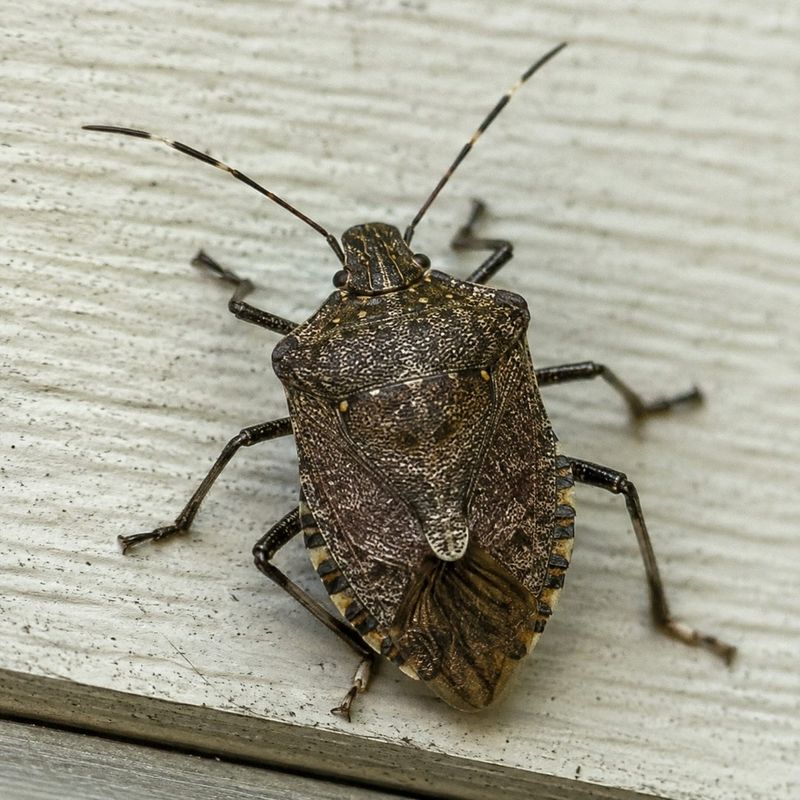
Reflex says grab a tissue and squeeze. Resist that urge. The glands on this insect’s underside release a defensive compound that stains fabric, lingers on hands, and can leave a mark on painted trim.
Worse, the smell may signal other bugs nearby. Research suggests the odor is more of a warning than an invitation, but either way you gain nothing from it.
A vacuum is the practical tool, with one wrinkle. Bug residue gets into filters and bags, and your machine will smell like it for weeks.
The trick many Marylanders swear by involves a knee-high stocking. Slip it into the vacuum wand, fold the open end over the tube’s rim, and use it as a removable catch bag. Pull it out, tie it, and toss it outside.
Another low-tech option is a jar of soapy water. Nudge the bug over the rim and the soap breaks the surface tension so it sinks.
Sticky traps along windowsills and behind furniture catch stragglers. A simple pan of soapy water under a desk lamp in a dark room also works surprisingly well overnight.
Skip the bug bombs and heavy indoor spraying. Insects tucked into wall voids rarely contact the treatment, and any that do may end up in inaccessible spots that attract carpet beetles later.
If your home gets truly overwhelmed year after year, a licensed pest professional can apply a targeted exterior perimeter treatment in early fall. Timing that before the migration matters more than the product used.
Warm Winter Days And The Spring Encore
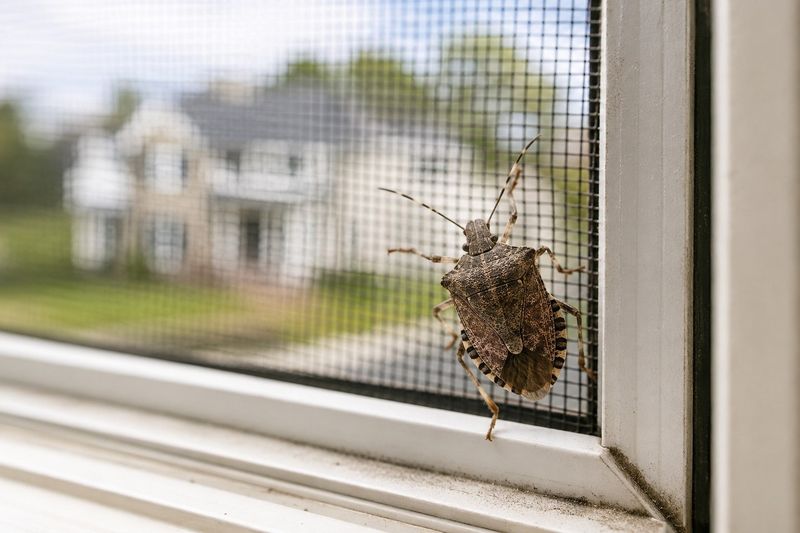
February sunshine has a way of waking things up. A stretch of unusually mild days will warm attic and wall spaces. That warmth is enough to make resting stink bugs stir, get confused, and start wandering toward light.
That is why they show up on your bedroom ceiling in the middle of winter. They are not breeding indoors and they are not multiplying in the drywall.
What they are doing is trying to find a way out and getting the direction wrong. Windows look like escape hatches, which is why sills collect them.
The real departure comes in spring, generally late March through April in Maryland. The bugs that make it through winter leave for gardens and fields, mate, and lay clusters of pale barrel-shaped eggs on the undersides of leaves.
A single female can lay a few hundred eggs a season, which explains the rebound. Cold, wet springs knock populations back, and Maryland has gained a helper: the samurai wasp, a tiny parasitoid targeting stink bug eggs.
For homeowners, the takeaway is patience during winter and action right after. Once the last of them heads outdoors in spring, you have months of good weather to caulk, screen, and repair without any bugs underfoot.
Homes that get sealed in May and June sail through the following autumn. Those that wait find themselves repeating the same October scramble.
Treat it as routine maintenance rather than an emergency and the narrow window stops feeling narrow at all.