Stop Making These Pruning Mistakes On Your Georgia Shrubs During Heat Waves
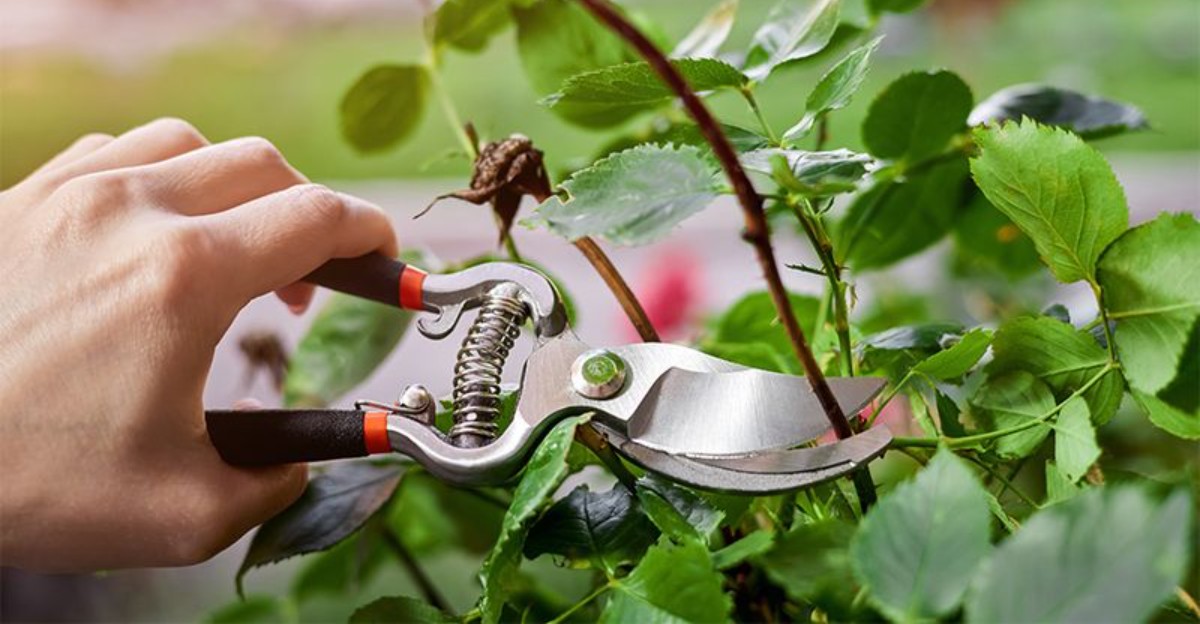
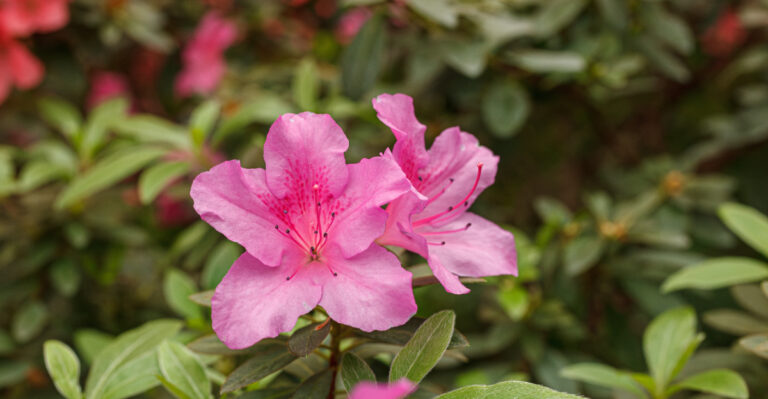
The porch thermometer reads 98. You glance at the azaleas, notice they look shaggy, and reach for the hedge shears out of pure habit.
That instinct makes sense. Messy shrub, obvious solution. Except the timing is the whole problem.
Here’s what happens to a plant during a Georgia heat wave: every leaf is already working overtime, pulling water from the roots and releasing it to keep the shrub cool.
Cut away a section of that growth and you remove the tissue doing the work. Then the plant spends what energy remains producing replacements that arrive tender and unprepared.
Two setbacks from one afternoon.
Some cuts stay fine in any weather though, and knowing which ones matters considerably.
Curious what those shears are actually costing you?
Heavy Cuts Add Stress To Struggling Plants
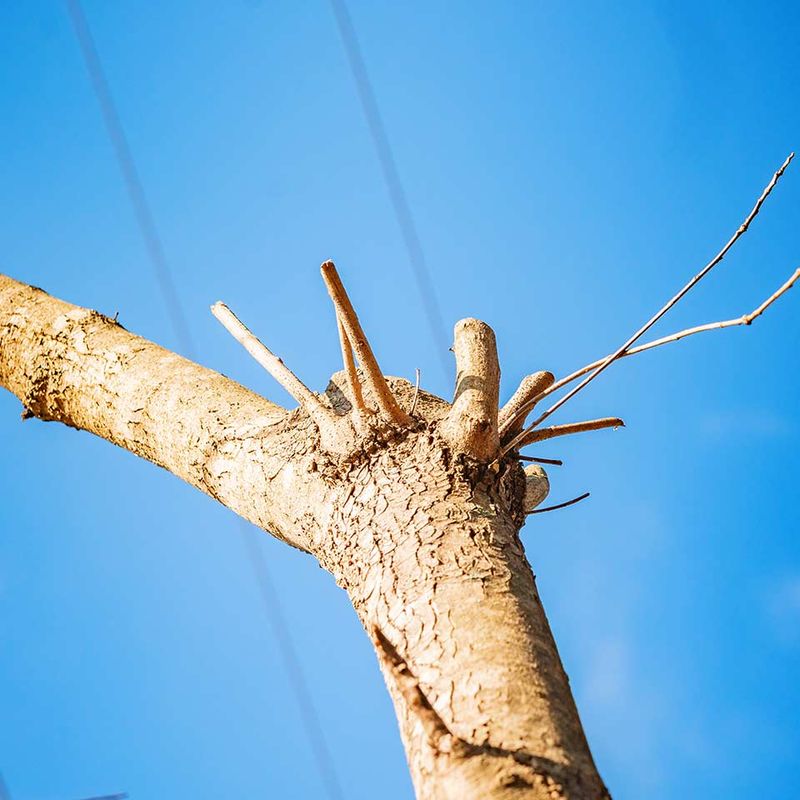
A shrub during a Georgia heat wave resembles a runner already struggling at mile twenty.
Every leaf is pulling water from the roots and releasing it through tiny pores to manage temperature. Full effort just to hold steady.
Cutting off large sections removes the tissue doing that work. Leaves function as food factories, converting sunlight into the sugars a plant needs.
Removing many at once means less food production exactly when reserves are already depleting. Poor timing compounds itself.
Pruning encourages new growth, and new growth is thirsty. That relationship drives most of the problem.
Tender shoots have thin cuticles and shallow water reserves. They wilt and scorch quickly once air temperatures reach the upper 90s.
So heavy shearing does two damaging things simultaneously. It strips mature functioning leaves and pushes the plant toward fragile replacements.
Those replacements often struggle through July and August. Effort spent for nothing gained.
Georgia summers make this worse than in cooler regions. Heat frequently arrives alongside dry spells and clay soil that sheds water rather than absorbing it.
A shrub shrugging off a haircut in April can decline noticeably after the same cut in August. Same plant, different season, different outcome.
Save the substantial reductions for a time when the plant has energy to spare.
Pruning Now Exposes Bark To Scorching Sun
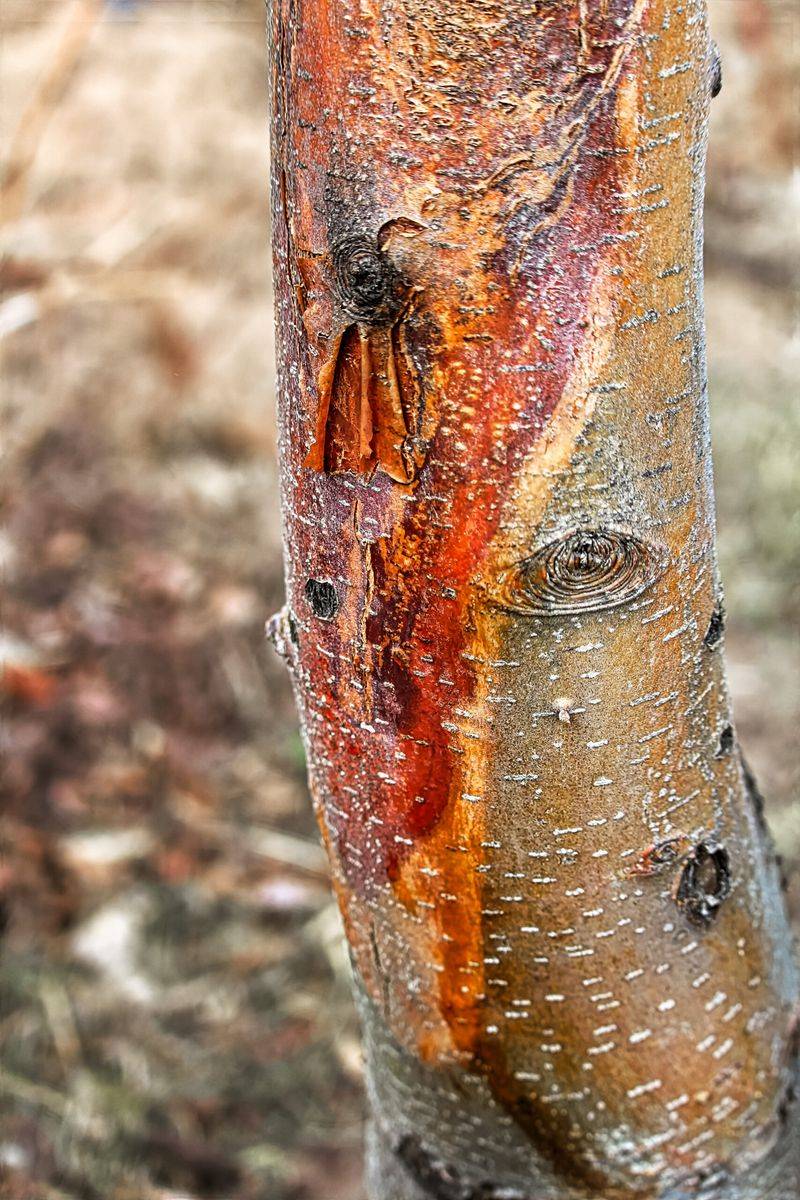
Inside a dense shrub sits a shaded world you rarely see.
Branches deep in the canopy have spent their entire lives under a leafy umbrella. Their bark never toughened for full sun.
Open that canopy during a heat wave and those protected stems get blasted. Sunscald can follow, where bark overheats and the surface cracks or turns papery.
Damaged bark then invites boring insects and rot organisms later. One problem creating another.
Interior leaves face the same shock. Shade leaves are thinner and built for dim conditions.
Direct Georgia sun at 95 degrees bleaches them, browns the edges, or causes them to drop entirely. Little adjustment period available.
Thin-barked plants deserve extra caution here. Japanese maples, camellias, hydrangeas, and young crapemyrtles all appear commonly in Georgia yards.
Every one of them is vulnerable when suddenly stripped of cover. Popular and fragile in the same breath.
Your Georgia Garden Changes Every Week. Your Plan Should Too.
Gardening in Georgia changes quickly throughout the season. Every Friday you’ll receive a simple weekly plan showing exactly what to plant, prune, fertilize, harvest, and protect so you never miss the right timing.
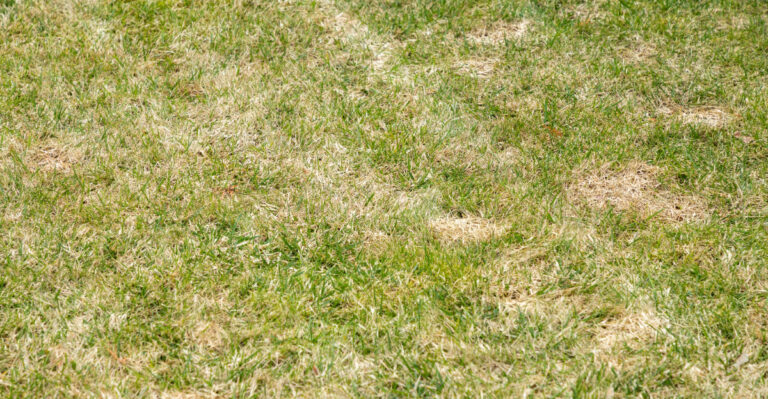
Homeowners often notice the damage a week or two after trimming. A hedge that looked fine on cutting day develops a scorched tan band across freshly opened areas.
By then the tissue is finished. Nothing to do but wait for regrowth.
If a cut genuinely cannot wait, work in small stages and prune late in the day. Light shade cloth for a few days buys the plant time.
Skipping Water After Cutting Backfires Fast
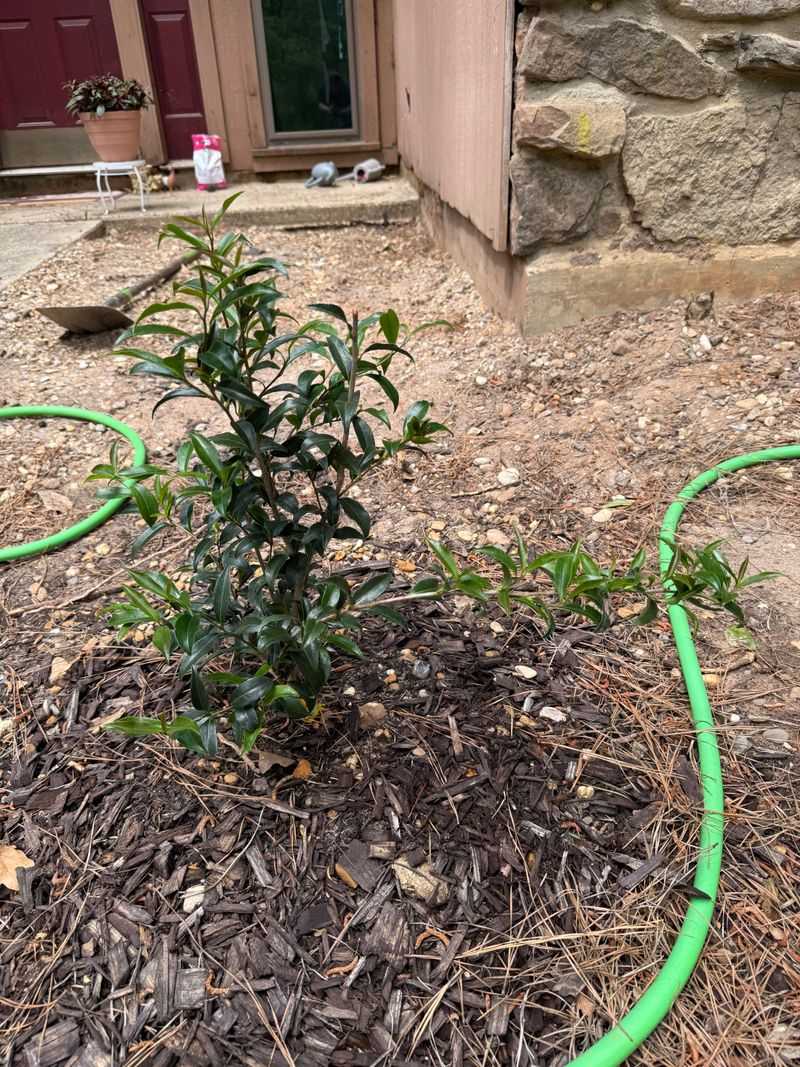
Any cut is a wound, and wounds cost water.
The plant seals cut surfaces and pushes out new tissue while fighting heat. Moisture demand rises exactly when weather makes water hardest to obtain.
So if a cut has to happen during a heat wave, watering becomes mandatory rather than optional.
Georgia red clay complicates the picture. It can look damp on the surface while sitting bone dry four inches down, which is where roots are searching.
Deep slow soakings beat quick sprinkles consistently. A hose running at a trickle for twenty or thirty minutes puts moisture where it counts.
Doing that once or twice weekly generally serves better than daily splashes. Depth over frequency.
Check before watering rather than guessing. Push a screwdriver or finger three to four inches into the soil.
Dry and dusty means the plant needs water. Simple test, reliable answer.
Two to three inches of pine straw or shredded bark over the root zone slows evaporation dramatically.
Georgia gardeners have easy access to pine straw all summer. Keep it off the trunk itself.
Morning watering reduces evaporation loss and gives foliage time to dry. That timing also limits fungal problems thriving in humid Georgia nights.
Dull Blades Make Wounds Worse
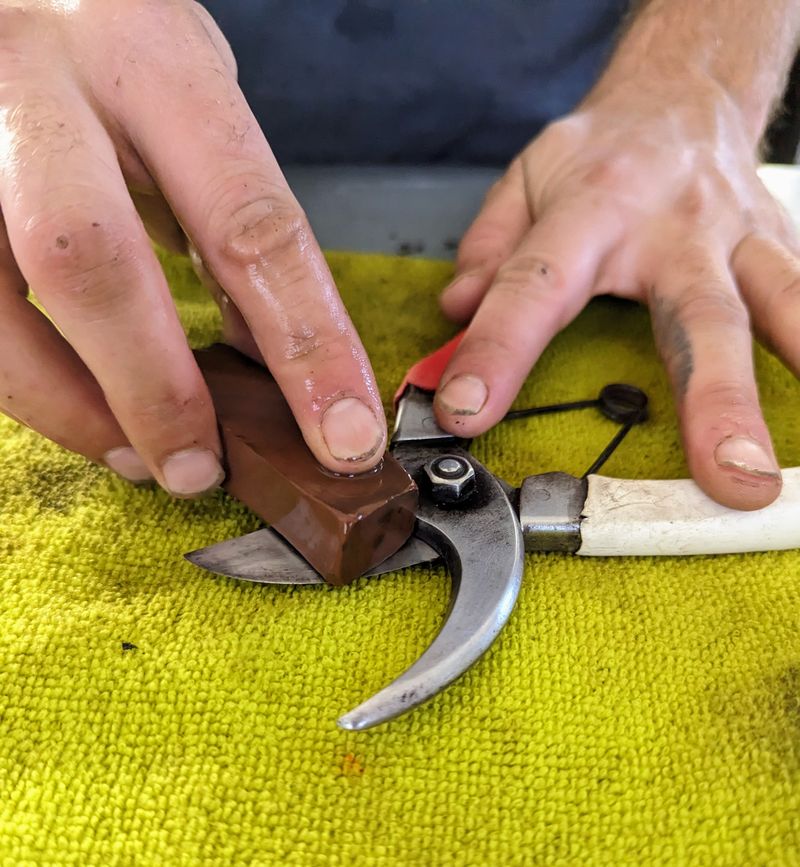
Here’s a small detail with disproportionate effect: sharpness.
A sharp bypass pruner slices cleanly through a stem, leaving a smooth surface the plant seals quickly.
Dull blades crush and tear instead. You get frayed edges, stripped bark, and a larger area of damaged cells.
All of that takes longer to close. During a heat wave, a slow-healing wound stays open to drying air and to fungi looking for entry.
Rusty or gummy blades add another problem. Sap residue and soil carry disease between plants.
Stressed plants have weaker defenses against whatever arrives on your tools. Two risks at once.
Wipe blades with rubbing alcohol between plants, particularly after cutting anything showing dieback or cankers.
Run a sharpening file or stone across the cutting edge before a session. A drop of oil at the pivot keeps the action smooth.
Match the tool to the branch as well. Hand pruners handle stems up to about half an inch.
Loppers manage roughly an inch and a half, and anything thicker requires a pruning saw. Forcing pruners through an oversized branch guarantees a mangled cut.
One more habit worth building. Cut just outside the branch collar, meaning that slightly swollen ring where a branch meets a larger stem.
Shaping Can Wait For Cooler Weather
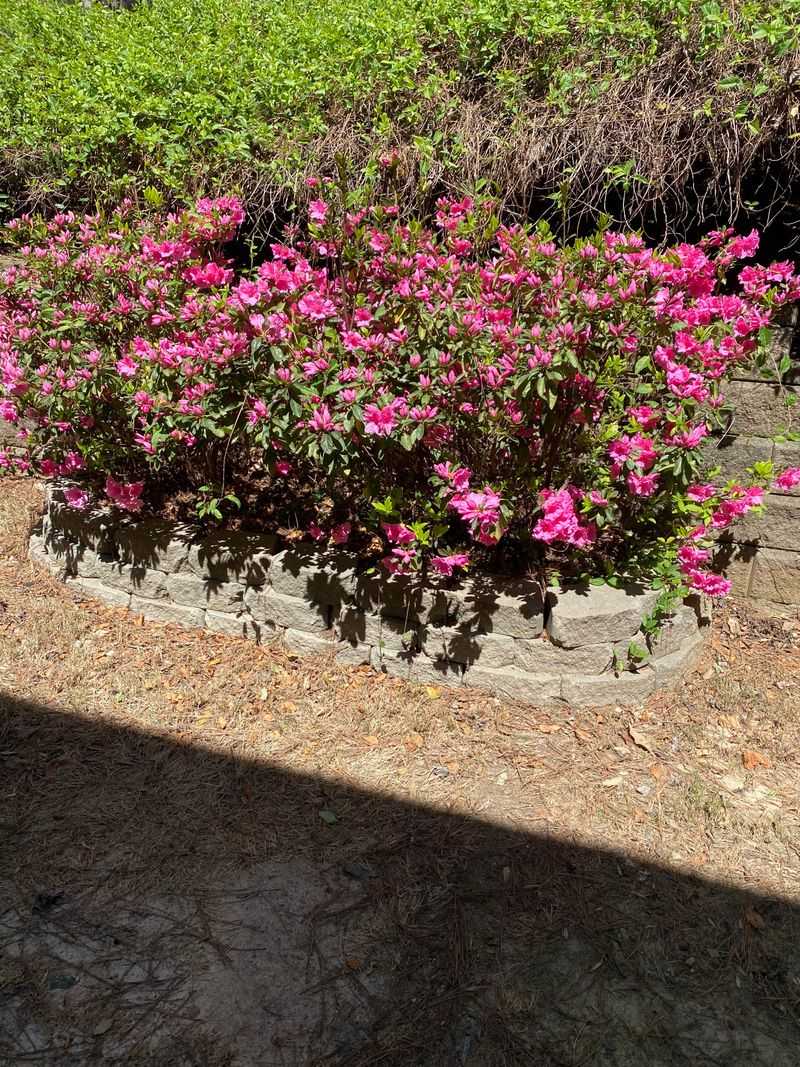
Nobody ever lost a friendship over a slightly uneven hedge.
Cosmetic shaping, tidying, rounding off, and structural thinning all improve appearance. Appearance can wait a few weeks.
Timing matters considerably more than most people realize. Spring-flowering shrubs like azaleas and forsythia get pruned right after they bloom.
Summer-flowering types and general shaping belong in late winter or early spring before new growth pushes out. Two windows, neither in July.
Pruning during a heat wave misses both entirely and adds stress with nothing gained.
Late-season shaping can also trigger a flush of tender growth arriving too late to harden off properly. Damage waiting for the first cold snap.
There’s a flower cost too. Azaleas, camellias, and hydrangeas all set next season’s buds during summer.
Summer shaping frequently removes spring blooms before they ever form. Invisible loss until it isn’t.
A better plan for a shaggy midsummer shrub involves accepting the looser look. Keep roots watered and mulched, then note the appropriate season on a calendar.
Georgia’s cooler stretches in fall and late winter provide recovery conditions August simply cannot.
If a branch blocks a walkway or scrapes the house, snip that one branch and stop. Targeted cuts differ from a full reshaping session.
Spent Wood Removal Is Still Fine
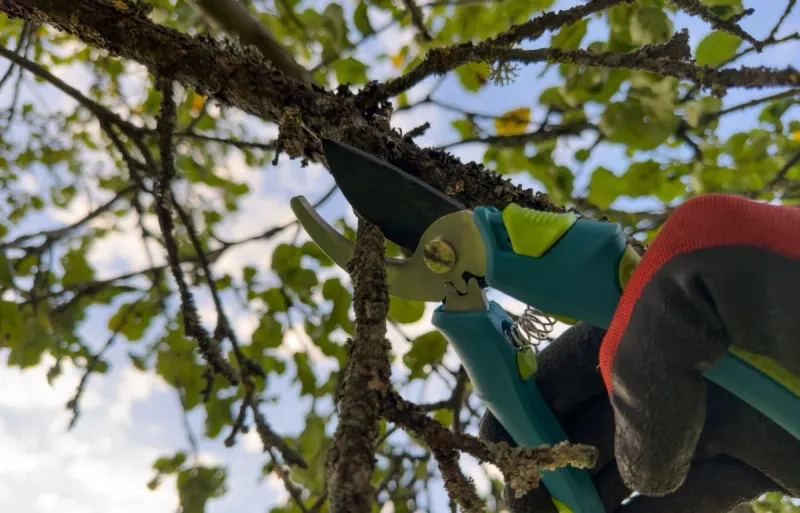
Good news for anyone staring at a brown brittle branch in August. That one can come out.
Spent wood performs no photosynthesis, regulates no water, and contributes nothing to the plant.
Removing it costs the shrub nothing. No living tissue is lost, so the usual heat-wave concerns don’t apply.
Diseased and broken limbs fall in the same category. A branch with cankers, oozing lesions, or obvious dieback spreads trouble.
A limb cracked by a summer thunderstorm is both a hazard and an open wound. Both warrant prompt handling.
Distinguishing spent wood from dormant-looking growth takes seconds. Scratch the bark lightly with a fingernail or knife.
Green underneath means the branch is alive. Dry tan or brown all the way through means it’s finished.
Keep the cuts conservative regardless. Trim back to healthy wood or to the branch collar.
Disinfect blades between cuts when disease is involved. Bag or haul off the debris rather than leaving it in the bed.
Georgia’s warm humid summers help fungal problems move quickly. That speed is another reason not to leave infected material on the plant.
Keep the session short and targeted. Remove what’s finished or diseased, water afterward, and leave the healthy growth alone.
Patience Beats Rushing In Extreme Heat
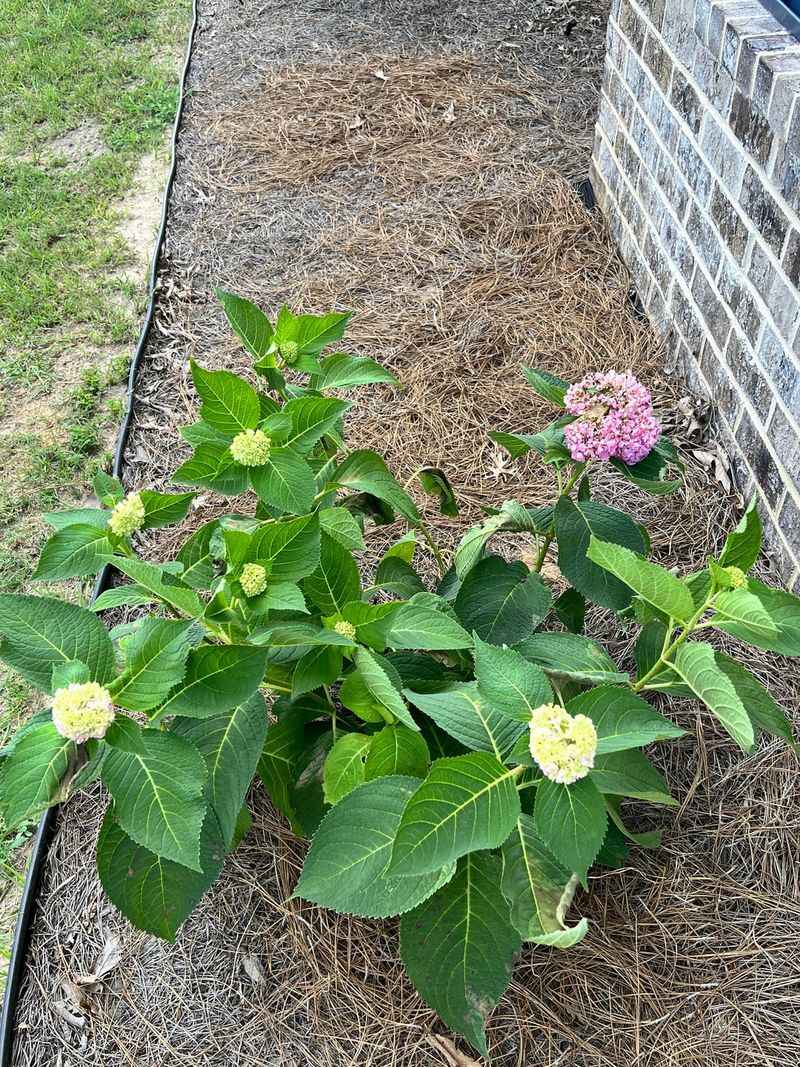
The best pruning decision during a Georgia heat wave is frequently no pruning whatsoever.
Plants are already spending everything on survival. Asking them to heal wounds and produce replacement foliage stacks the odds further against them.
A simple rule works well here. If the cut isn’t fixing a safety issue, spent wood, or a spreading disease, put the tools away.
Most Georgia gardeners get comfortable working windows again by fall, plus late winter for structural work. Two chances annually.
Three quick questions settle most decisions. Is this branch spent, damaged, or diseased?
Is it creating an actual hazard? Would waiting six weeks cause real harm?
Three no answers mean the pruning is cosmetic, and cosmetic can wait without consequence.
Meanwhile plenty of genuinely useful work is available. Refresh mulch, water deeply on a schedule, and pull weeds competing for moisture.
Hold off on fertilizer, since feeding during drought stress can burn roots and force growth the plant cannot support.
Watch your shrubs rather than working on them. Afternoon wilting that recovers by morning is normal heat behavior.
Wilting persisting overnight signals a watering problem worth solving. That distinction saves you from treating the wrong thing.
What To Do Instead This Month
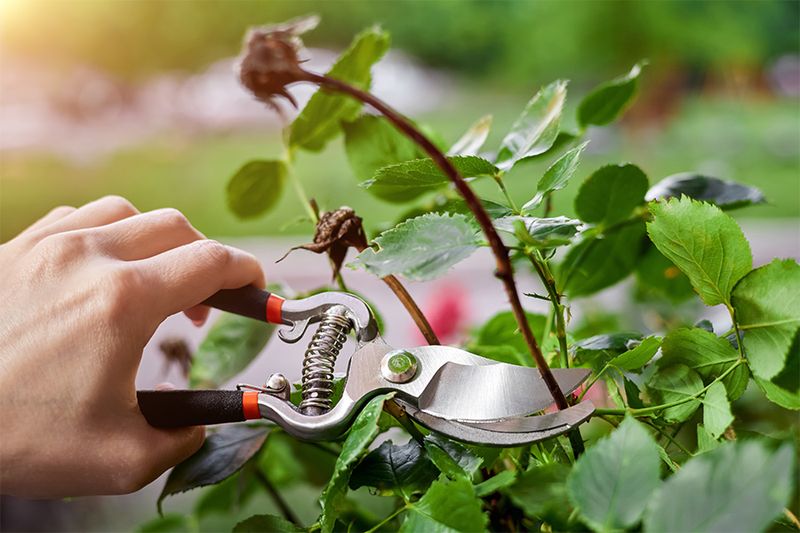
Skipping the pruning leaves your afternoon free for work that actually helps.
Mulch tops the list. Two to three inches of pine straw or shredded bark across the root zone moderates soil temperature and holds moisture.
Keep it pulled back from stems and trunks. Material packed against bark invites rot.
Watering deserves a real schedule rather than improvisation. Deep soaking once or twice weekly beats brief daily attention.
Morning application reduces evaporation and lets foliage dry before humid Georgia nights.
Weeding matters more during drought than most people assume. Weeds compete directly for the moisture your shrubs need.
Hand pulling avoids the herbicide risk on stressed plants. Labels often restrict application during heat anyway.
Inspection is worth the time. Check leaf undersides for spider mites, which thrive in hot dry conditions and cause stippled bronzed foliage.
Scale insects and lace bugs both show up on Georgia shrubs in summer. Catching them early beats treating heavy populations.
Note what needs pruning later. Photographs or flagging tape both work, and either beats trying to remember in February.
Then leave the plants alone. Shrubs recover from a shaggy summer far more easily than from a badly timed haircut.