What It Means When Geese Start Flying South Early Over Michigan
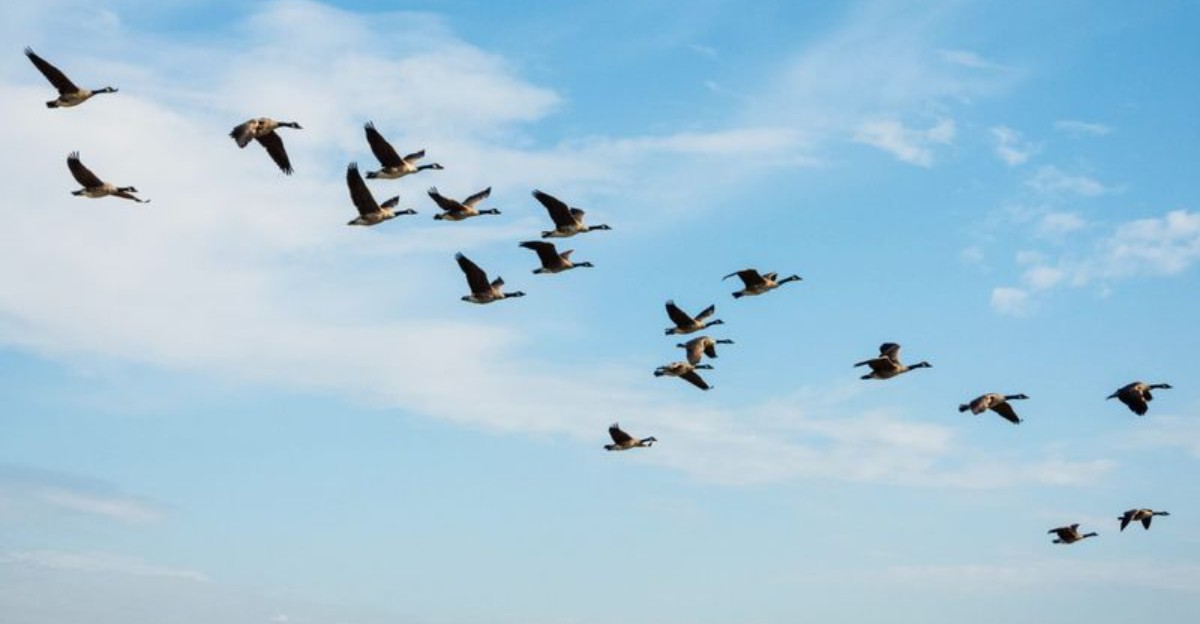
Seeing geese head south earlier than usual in Michigan often catches people’s attention, since their departure is normally tied closely to the calendar.
While shortening daylight is the main trigger that starts preparing geese for migration, weather plays a big role in the exact timing of when they actually leave.
Sudden cold snaps, early frosts, or a stretch of harsh weather can push geese to depart sooner than expected, since these conditions signal that food and open water may soon become harder to find.
In some cases, what looks like early migration is actually just local geese moving between feeding areas rather than starting their full journey south.
For Michigan residents watching the skies, an early V-formation can be a useful clue about the season ahead. Here’s what it typically means when geese take off earlier than expected, and what factors are really driving the timing.
1. Fall Migration Is Getting Underway
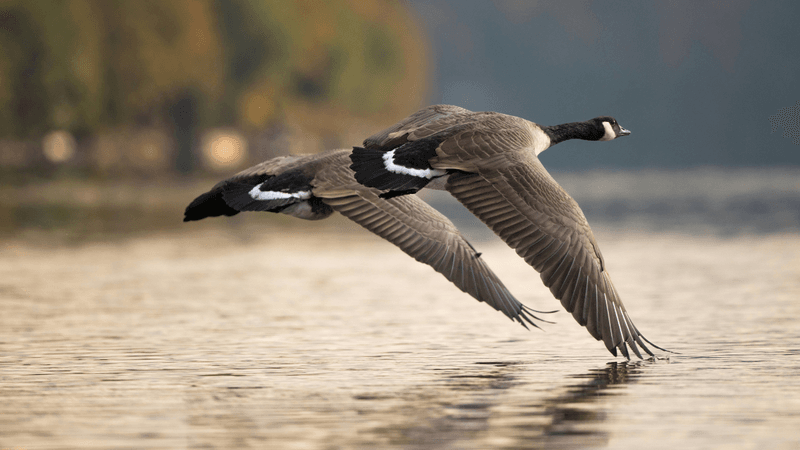
Something magical happens across Michigan skies every autumn. As summer fades, Canada geese begin their long journey toward warmer places, and the state sits right in the middle of the action.
Michigan lies along the Mississippi Flyway, an important migration corridor used by geese and many other birds. Birds have used these routes for thousands of years, following the Great Lakes as helpful landmarks.
The lakes offer water, food, and safe places to rest along the way.
When you spot early flocks, you are watching the very start of this seasonal event. Some geese begin moving before the peak rush because different groups travel on their own schedules.
Younger birds, older birds, and family groups may all leave at slightly different times.
The Great Lakes make Michigan a busy crossroads for traveling flocks. Water surrounds the state on nearly every side, so geese naturally funnel through the region as they head south.
This creates those wonderful shows overhead that people love to watch. Early flights do not mean anything strange is happening. They simply show that the natural rhythm of the season has kicked off.
Nature runs on its own clock, and geese are excellent at reading the signs around them. Next time you hear honking above, take a moment to appreciate the view. You are witnessing one of the oldest journeys in the animal world.
Grab a jacket, look up, and enjoy the beginning of a truly special tradition that returns faithfully year after year.
2. Not Every Goose Is Leaving
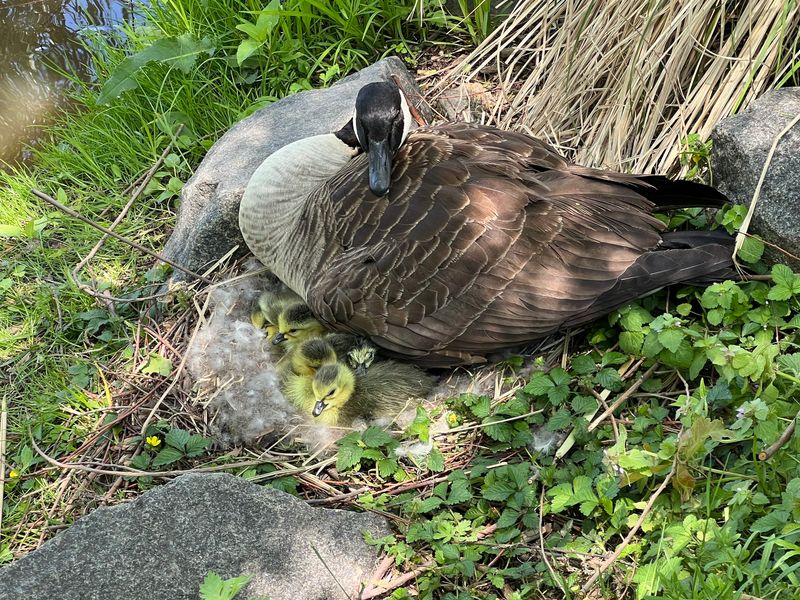
Here is a surprise that catches many people off guard. Just because you see flocks flying south does not mean every goose in Michigan is packing up and leaving.
Michigan is home to many resident Canada geese that stay put all year long. According to the Michigan Department of Natural Resources, these birds live comfortably in parks, golf courses, ponds, and neighborhoods across the state.
They have found plenty of food and open water, so they see no reason to travel far. Resident geese often nest in the same spots year after year. Over time, some family lines simply stopped migrating because local conditions kept them happy.
Your Michigan Garden Changes Every Week. Your Plan Should Too.
Gardening in Michigan changes quickly throughout the season. Every Friday you’ll receive a simple weekly plan showing exactly what to plant, prune, fertilize, harvest, and protect so you never miss the right timing.
You may recognize the same familiar flocks hanging around your favorite pond through most seasons.
Some geese flying overhead are migrants passing through from farther north, while others may be local birds moving between feeding and resting areas. They are on a longer journey and use our state as part of their route.
Meanwhile, the local crowd stays behind, grazing on grass and waddling around parking lots.
This mix of travelers and stay-at-home geese can be confusing. You might watch a big flock leave and then notice geese still swimming nearby the next day. Both scenes are completely normal.
Understanding this difference helps you enjoy goose watching even more. Some are wanderers chasing warmer weather, while others are homebodies content with life here.
So if your neighborhood geese stick around, do not worry. They are simply the local residents who prefer to stay right where they belong.
3. Shorter Days Help Set Seasonal Timing
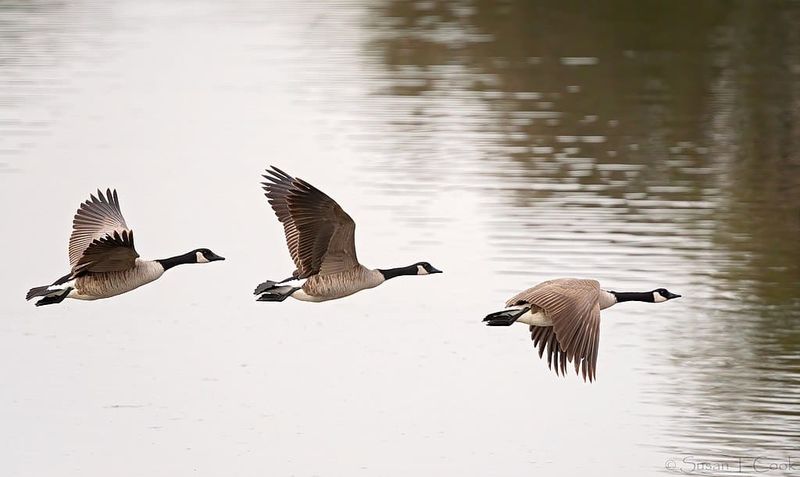
Believe it or not, geese pay close attention to the length of each day. As Michigan slides deeper into fall, daylight shrinks little by little, and birds notice this change quickly.
Shorter days act like a natural alarm clock for many animals. When the sun sets earlier and rises later, geese sense that the seasons are shifting. This gentle signal helps trigger the urge to prepare for travel.
Scientists call this response to daylight photoperiod, which is a fancy word for how living things react to changing light. It works alongside temperature and other clues in the environment.
Together, these signals help geese know when the time feels right to move. An early flight does not mean winter will suddenly rush in. Daylight changes happen slowly and predictably every year, no matter what the weather does.
So a single group leaving early is just responding to natural cues, not predicting anything dramatic.
Different geese may react to shortening days at slightly different speeds. Some feel the pull sooner, while others linger a bit longer. That is why you see flocks spread out across many weeks rather than all leaving at once.
Think of daylight as one piece of a larger puzzle. Geese combine it with food, weather, and instinct to make their choices. The system has worked beautifully for countless generations.
So when you catch an early flight, remember the birds are simply following the light. It is a quiet, ancient signal that keeps their timing steady and reliable each and every autumn.
4. Food Availability Can Influence Movement
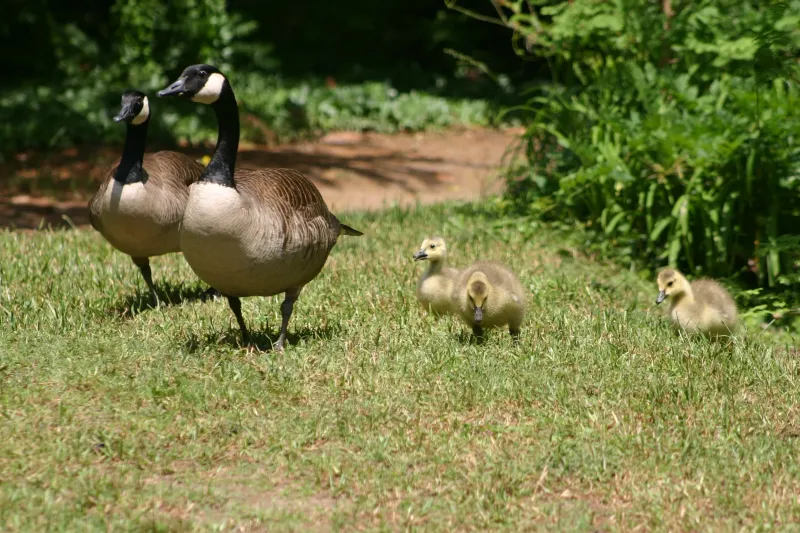
Geese are always thinking about their next meal, and food plays a huge role in when and where they travel. Michigan offers plenty of tasty options that keep flocks moving around.
During fall, geese love feeding in agricultural fields. Harvested corn and grain leftovers make an easy buffet, and the Michigan Department of Natural Resources notes that these fields draw large numbers of birds.
A full belly gives geese the energy they need for long flights. When one feeding area runs low, geese simply move to find a better spot. This constant search for food can send flocks flying in new directions.
So an early flight might just mean the birds are chasing a richer meal somewhere nearby. Wetlands, grassy parks, and open water also provide snacks and safe resting places. Geese balance their diet by grazing on grass and picking through fields.
They are smart about squeezing the most nutrition out of every stop. Changes in local crops can shift where flocks gather each year. If a favorite field gets plowed under or a new one opens up, the geese notice fast.
Their travel patterns adjust to match whatever is on the menu. This means food often matters just as much as weather. A hungry flock will happily fly south a bit early if better feeding waits ahead.
It is all about survival and staying strong. So when geese pass overhead, they may simply be following their stomachs. Watching where they land can reveal the tastiest feeding grounds in your area.
5. Weather Can Change The Timing Of Flights
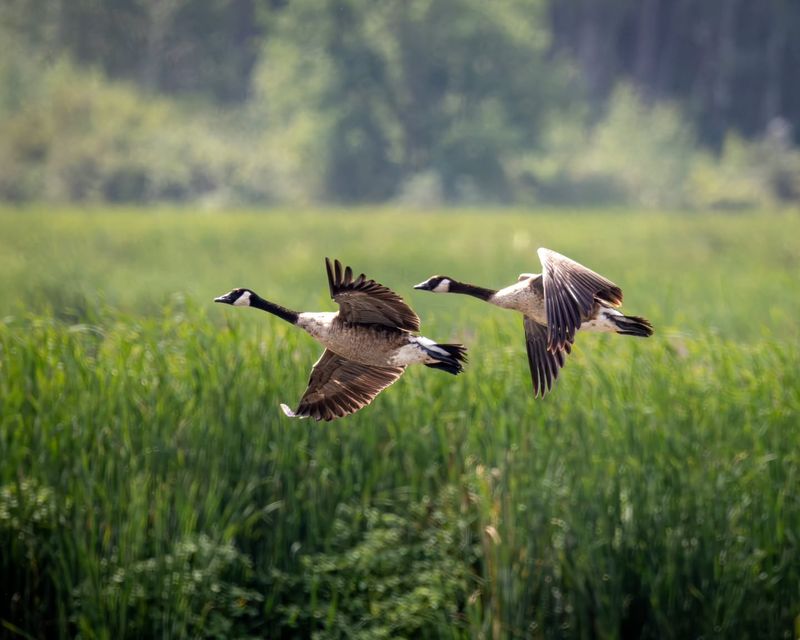
Weather has a big say in when geese decide to take off. A shift in wind or a passing storm can suddenly fill the sky with honking flocks.
Geese are clever about using the wind to their advantage. A strong tailwind from the north gives them a free push southward, saving precious energy. So a windy day can spark an early burst of travel that surprises everyone below.
Cold fronts often get geese moving too. When temperatures drop and a storm rolls in, birds may lift off ahead of the rough weather. They would rather fly on their own terms than get caught in a downpour.
This is why one early flight can be tricky to read. A single gusty afternoon might send flocks up, even if the rest of the season stays mild. Weather changes day to day, so it makes a poor crystal ball.
Warm spells can have the opposite effect. If the air turns pleasant again, geese may pause their journey and hang around a while longer. They adjust constantly based on the conditions right in front of them.
Storms, rain, and shifting temperatures all mix together to shape daily movement. Geese respond to what is happening now, not what might come weeks later. Their flexibility keeps them safe and comfortable.
So next time an early flight fills the sky during a windy day, check the forecast. Chances are the birds simply grabbed a good travel breeze. Weather is one of their favorite tools for a smooth trip.
6. The Great Lakes Are Important Stopover Habitat
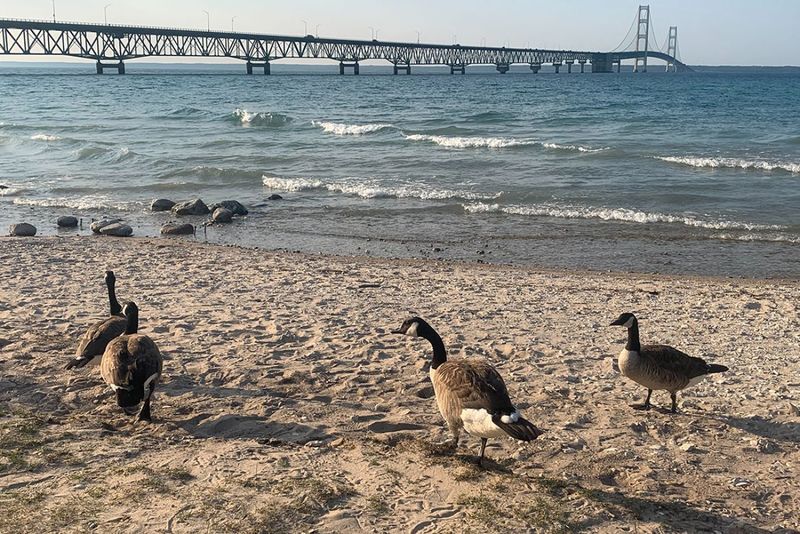
Michigan’s Great Lakes do more than look beautiful. They serve as vital rest stops for traveling geese and countless other birds each fall.
Long journeys wear birds out, so they need places to refuel and relax. The Michigan Department of Natural Resources highlights how the state’s lakes, wetlands, and fields create perfect pit stops.
Geese land, eat, sleep, and gather strength before continuing on. Wetlands are especially valuable during migration. They offer safe water for resting and plenty of plants to nibble.
Surrounded by these rich habitats, geese can pause without worry and prepare for the next leg of their trip.
Agricultural fields near the lakes add even more food to the mix. Geese move between water and fields, grabbing meals and staying hydrated. This combination makes Michigan one of the friendliest stopovers around.
Because so many birds pass through, the Great Lakes region becomes a wildlife wonderland in autumn. Spotting flocks resting along the shore is a common and joyful sight.
It shows just how important these habitats really are. Protecting these spaces helps keep migration healthy for generations of geese. Clean water and open fields give birds what they need to thrive.
Every wetland and shoreline plays a part in the bigger picture. So when you see geese gathered near a lake, know they are simply recharging. Michigan gives them a warm welcome and a comfortable place to catch their breath.
These natural rest stops are treasures worth appreciating and caring for all year round.
7. Large Flocks Do Not Automatically Mean A Harsh Winter
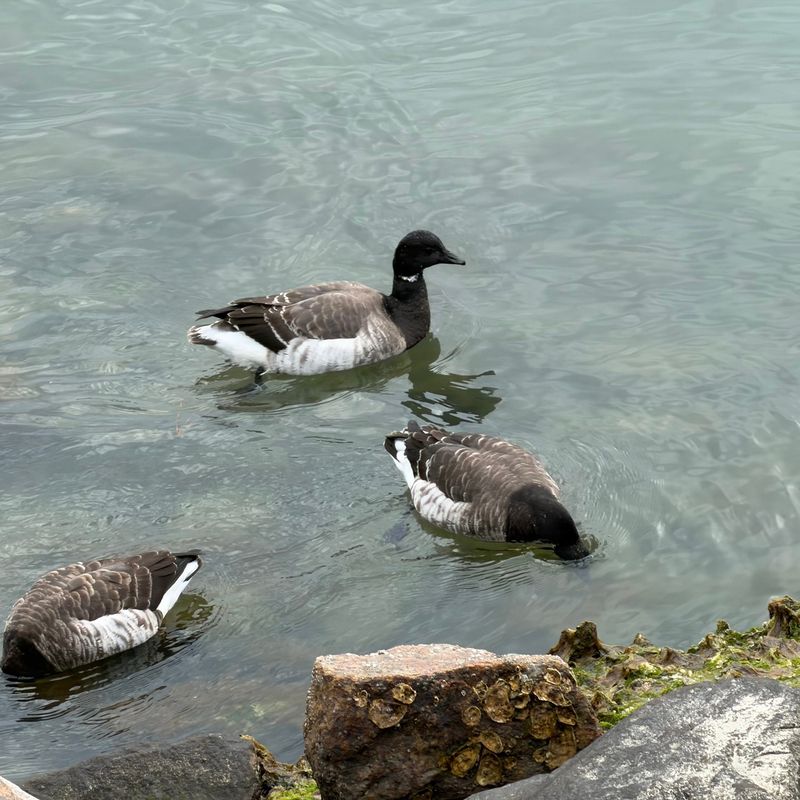
Old sayings claim that lots of early geese warn of a rough winter ahead. It sounds fun, but this weather legend does not really hold up.
Migration timing depends on many things, and none of them can predict the whole season. Geese respond to daylight, food, and current weather, not to what will happen months from now.
So a big early flock is not a snowy warning sign. Different groups of geese leave at different times naturally. Some travel early, some travel late, and flock sizes change from year to year.
This variety has nothing to do with how cold or snowy the coming months might be. Weather forecasting is a job for scientists with satellites and computers, not for birds. Meteorologists study patterns across the whole planet to make predictions.
Geese simply follow their instincts for their own journey. It is easy to see why the myth stuck around. Watching huge flocks overhead feels dramatic and mysterious.
People naturally want to connect it to something big, like a stormy winter. The reality is more down to earth. Geese are reacting to today’s conditions and their own biological clocks.
Their timing tells us about their needs, not the future weather. So enjoy the spectacle without reading too much into it. A sky full of geese is a wonderful sight all on its own.
Let the forecasters handle winter predictions while you simply admire the birds. The honking crowds are a treat, not a warning bell for cold days ahead.
8. Watch What Happens After The First Flights
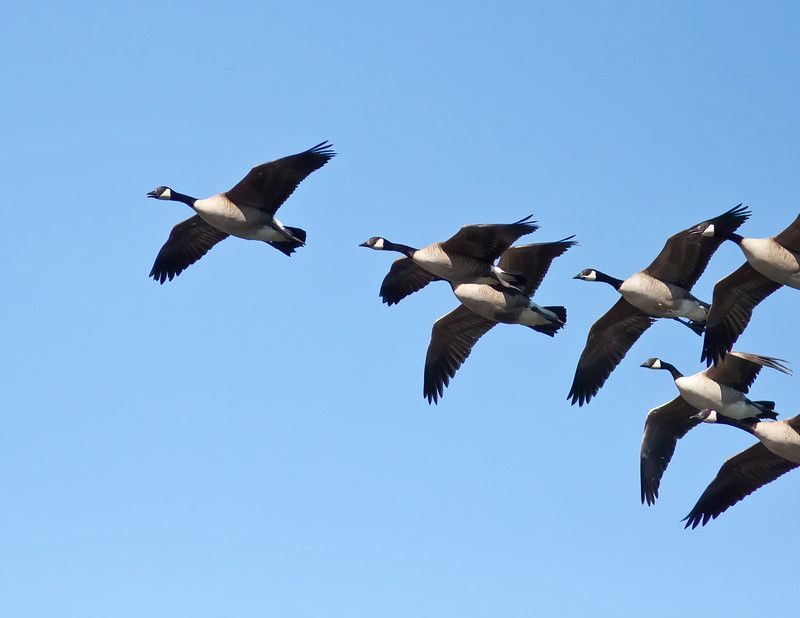
The real fun begins after you spot that very first early flight. One flock alone tells you little, but watching over time reveals a fascinating story.
Pay attention to flock size as the weeks go by. Are more geese passing through, or did the numbers drop off?
Tracking these changes gives you a clearer picture than any single sighting ever could. Notice the direction the birds are heading too. Steady southward movement day after day shows migration is truly rolling.
A single flight might just be a food run or a weather reaction, so patterns matter most. Feeding spots offer great clues as well. Watch where flocks land and gather to eat.
If certain fields or ponds stay busy, you have found a favorite stopover worth revisiting. Keep an eye on the weather alongside your observations. Notice how wind, storms, and temperature shifts line up with busy flight days.
Over time you will start seeing how these pieces fit together. Jotting down quick notes can make this even more rewarding. Record dates, flock sizes, and directions in a little notebook.
Before long you will spot rhythms you never noticed before. This kind of patient watching turns curiosity into real understanding. Instead of guessing from one flight, you build knowledge from many.
That is how careful nature lovers learn the truth about migration. So grab some binoculars and stay curious all season long. The geese have a whole story to share, and the best observers are the ones who keep looking up again and again.